What Business License Do I Need For Photography
Description
Get your form ready online
Our built-in tools help you complete, sign, share, and store your documents in one place.
Make edits, fill in missing information, and update formatting in US Legal Forms—just like you would in MS Word.
Download a copy, print it, send it by email, or mail it via USPS—whatever works best for your next step.
Sign and collect signatures with our SignNow integration. Send to multiple recipients, set reminders, and more. Go Premium to unlock E-Sign.
If this form requires notarization, complete it online through a secure video call—no need to meet a notary in person or wait for an appointment.
We protect your documents and personal data by following strict security and privacy standards.

Make edits, fill in missing information, and update formatting in US Legal Forms—just like you would in MS Word.

Download a copy, print it, send it by email, or mail it via USPS—whatever works best for your next step.

Sign and collect signatures with our SignNow integration. Send to multiple recipients, set reminders, and more. Go Premium to unlock E-Sign.

If this form requires notarization, complete it online through a secure video call—no need to meet a notary in person or wait for an appointment.

We protect your documents and personal data by following strict security and privacy standards.
Looking for another form?

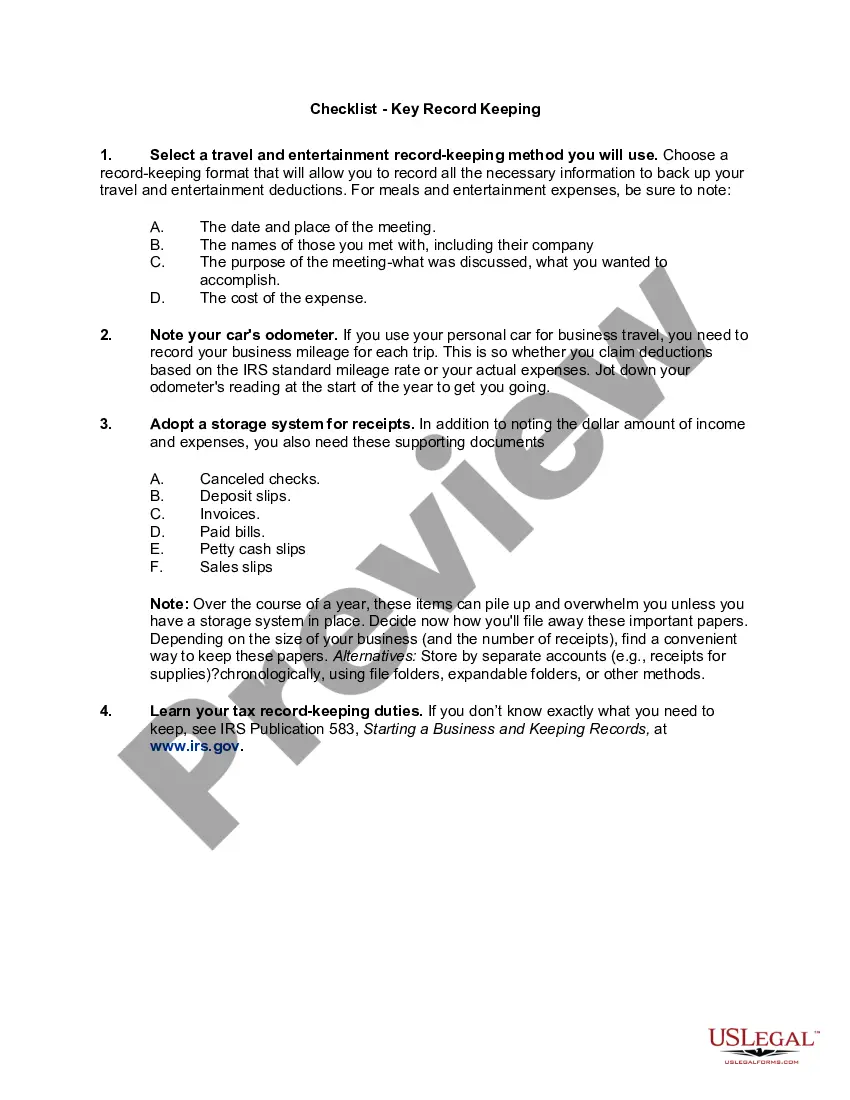
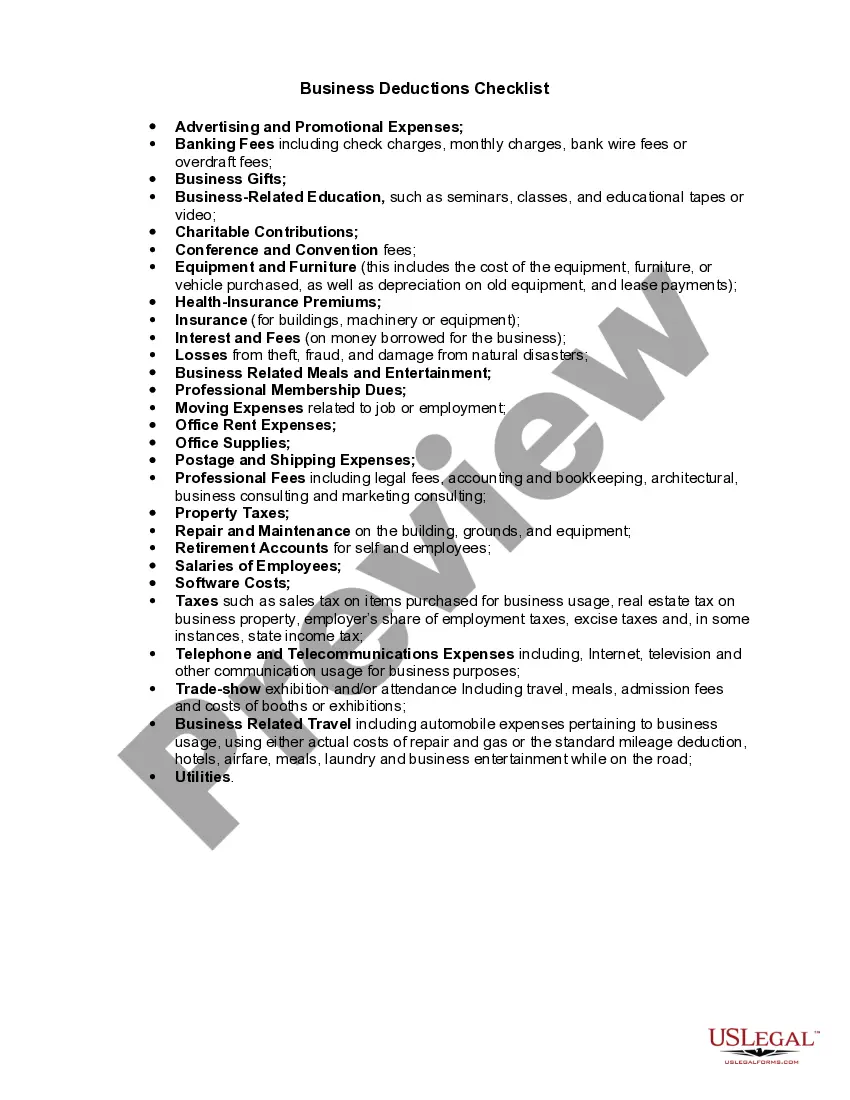
How to fill out Checklist - Key Record Keeping?
- Log into your US Legal Forms account if you've used the service before. Click the Download button to access the required form template, ensuring your subscription is active. If not, renew your plan.
- Check the Preview mode and form description to verify you've selected the correct document that aligns with your local jurisdiction requirements.
- If you find inconsistencies, utilize the Search tab at the top to locate alternative templates that meet your needs.
- Purchase the necessary document by clicking Buy Now, then choose your preferred subscription plan. You'll need to create an account to unlock the library's resources.
- Complete your purchase by entering your payment details, either through a credit card or PayPal.
- Download your form and save it on your device for completion. Access it anytime later from the My Forms section in your profile.
US Legal Forms simplifies the legal document process, allowing users to access a robust library of over 85,000 fillable and editable forms. This ensures you can find everything you need for your photography business license in one convenient place.
Ready to kickstart your photography venture? Explore US Legal Forms today and secure your legal documents with confidence!
Form popularity
FAQ
Registering your photography business as an LLC can provide you with personal liability protection and may enhance your credibility. An LLC structure can also offer tax advantages and make it easier to secure business licenses. When addressing what business license do I need for photography, selecting the right business structure can streamline your operations and help you comply with legal requirements.
Filing taxes for your photography business involves tracking your income and expenses throughout the year. You will need to report your earnings and may qualify for deductions related to photography equipment and business-related costs. Understanding the question of what business license do I need for photography also ties into your tax obligations, as proper registration can simplify your tax filings.
In many cases, becoming a photographer does require some form of business license, especially when operating as a business. Depending on your location and the nature of your photography, you might need a specific license to conduct commercial activities. Researching what business license do I need for photography is vital to ensure compliance with local regulations.
Photography can be classified under various categories, including fine art, commercial, editorial, and portrait photography, among others. Each category may have different licensing requirements. Understanding what business license do I need for photography allows you to align your business practices with legal stipulations.
A photography business may be commonly referred to as a photography studio or a photography service. It can operate under different structures, such as sole proprietorships, partnerships, or LLCs. Identifying what business license do I need for photography is crucial for legitimizing your photography practice and attracting clients.
The business of photography encompasses various services, such as portrait, event, product, and commercial photography. Photographers may work as freelancers or operate a studio. Knowing what business license do I need for photography can help you establish your services legally and effectively in your market.
Photography is generally classified as an art and a business. It involves capturing images to convey a message, tell a story, or create an emotional connection. When considering what business license do I need for photography, it’s essential to recognize your photography as both a creative expression and a commercial activity.
Choosing between an LLC and a sole proprietorship as a photographer depends on your business needs. An LLC offers personal liability protection, which means your personal assets are safer if something goes wrong. On the other hand, a sole proprietorship is simpler and requires less paperwork, which can be appealing for new photographers. Regardless of your choice, make sure to research the business license you need for photography in your area to ensure compliance.
Certifications in photography are not legally required, but they can bolster your professional reputation and attract more clients. While professional certifications, such as those from the Professional Photographers of America (PPA), can validate your skills, they are not mandatory. Focusing on building a strong portfolio and gaining experience is equally important. If you want to explore your options for acquiring certifications, USLegalForms can provide valuable resources and information.
As a photographer, the type of business license you need can vary based on your location and the nature of your photography. Generally, a general business license is required in most areas, and you may need a sales tax permit if you sell prints or photography services. Additionally, some cities have specific permits for operating a home-based business, which might apply to you. To ensure compliance and ease your process, check out USLegalForms for guidance on obtaining the right licenses.