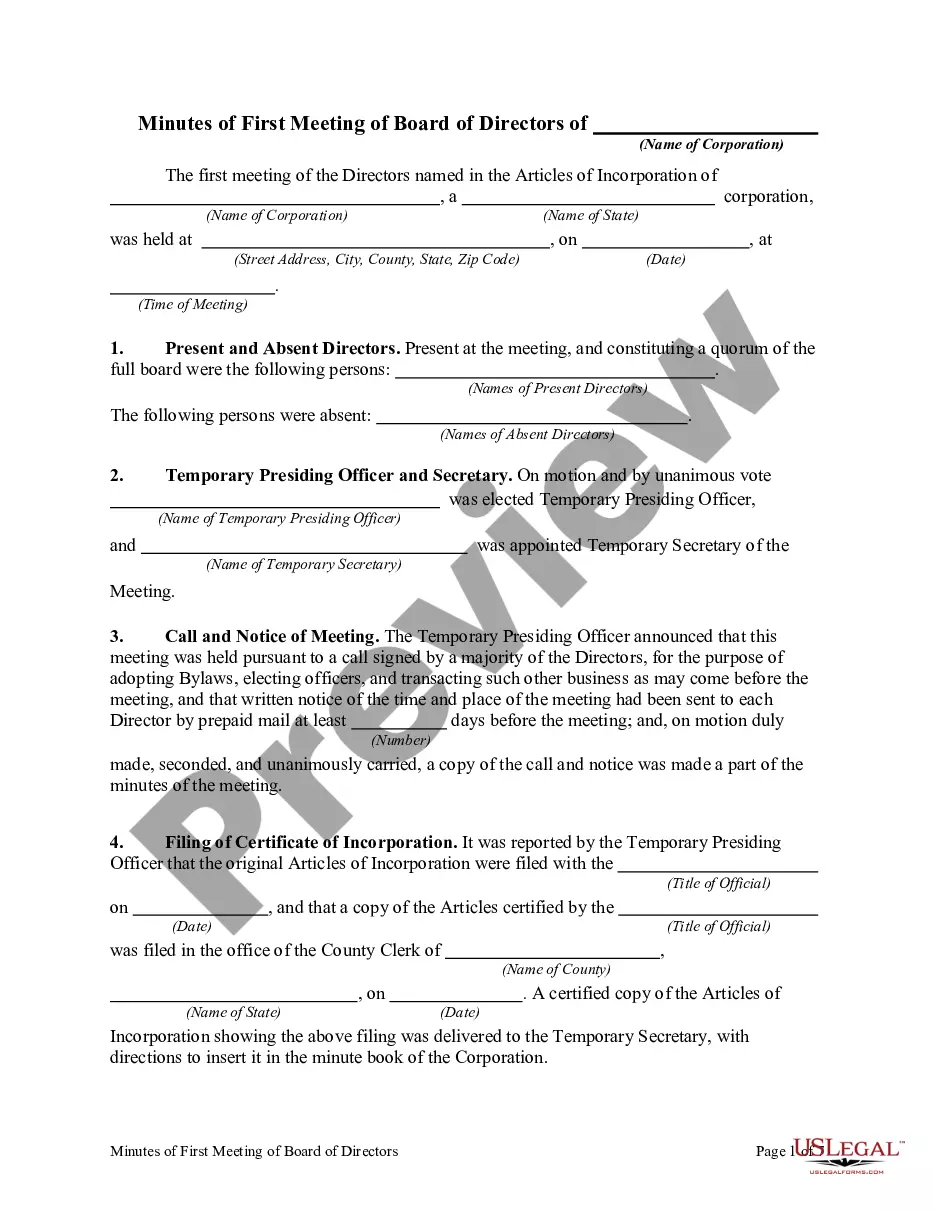
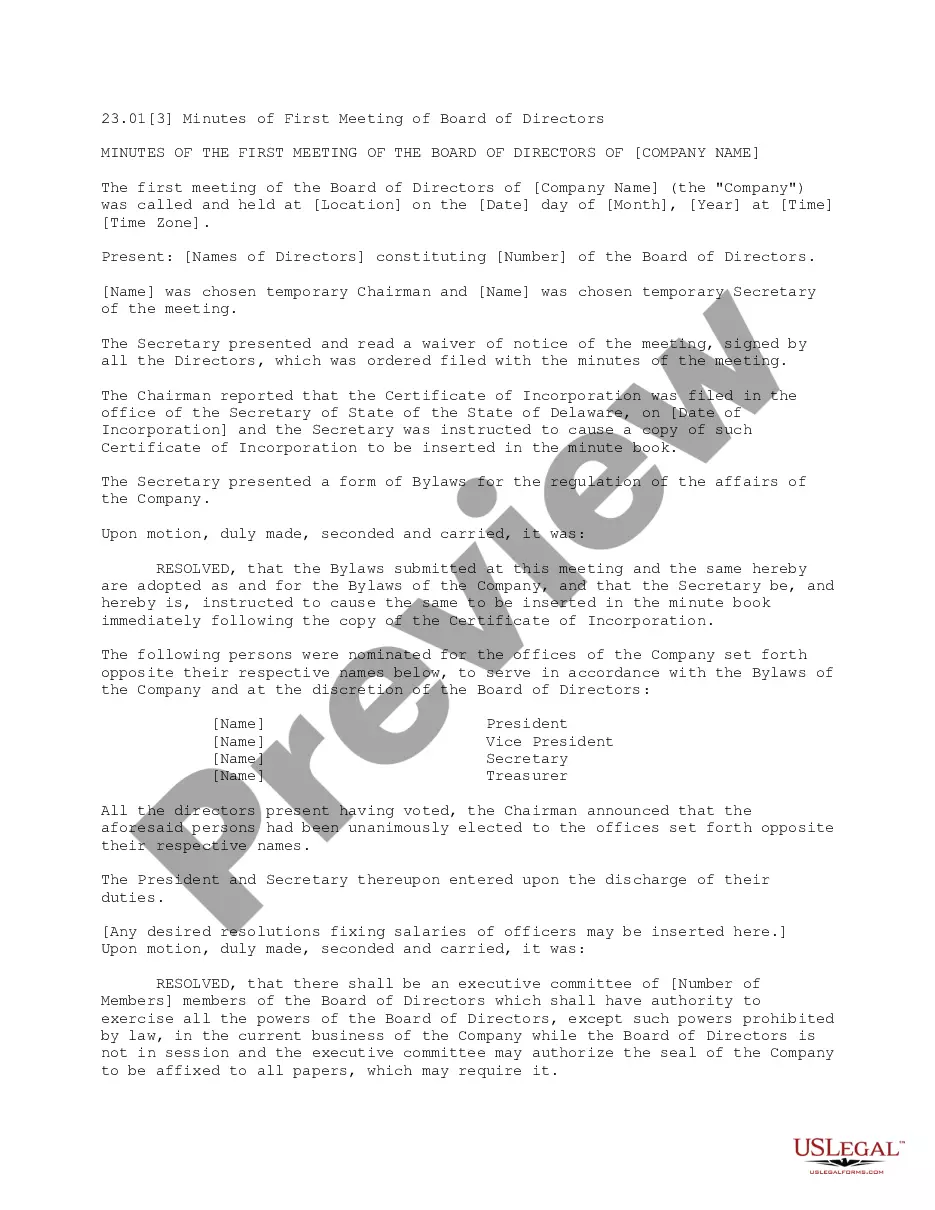
Minutes Nonprofit Sample Format
Description
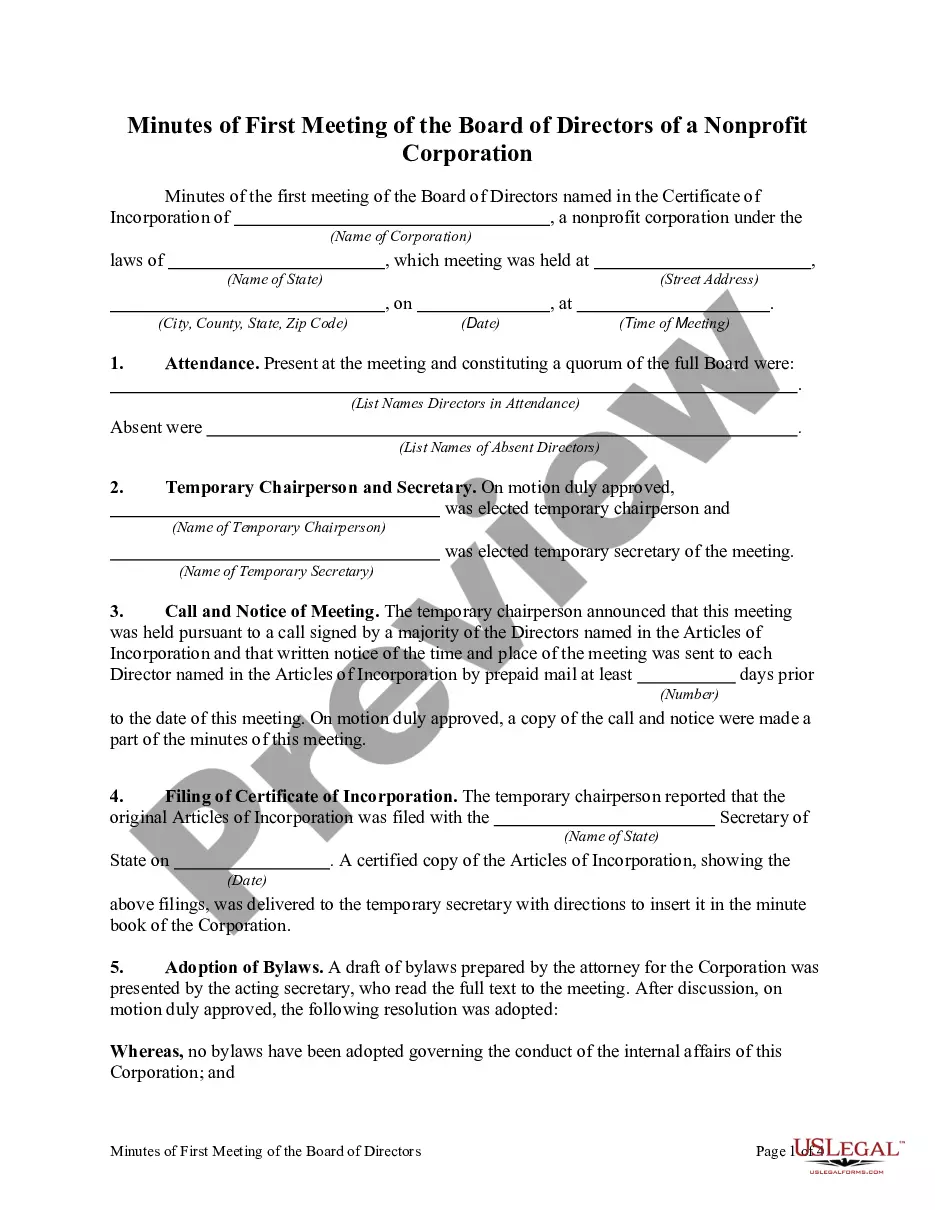
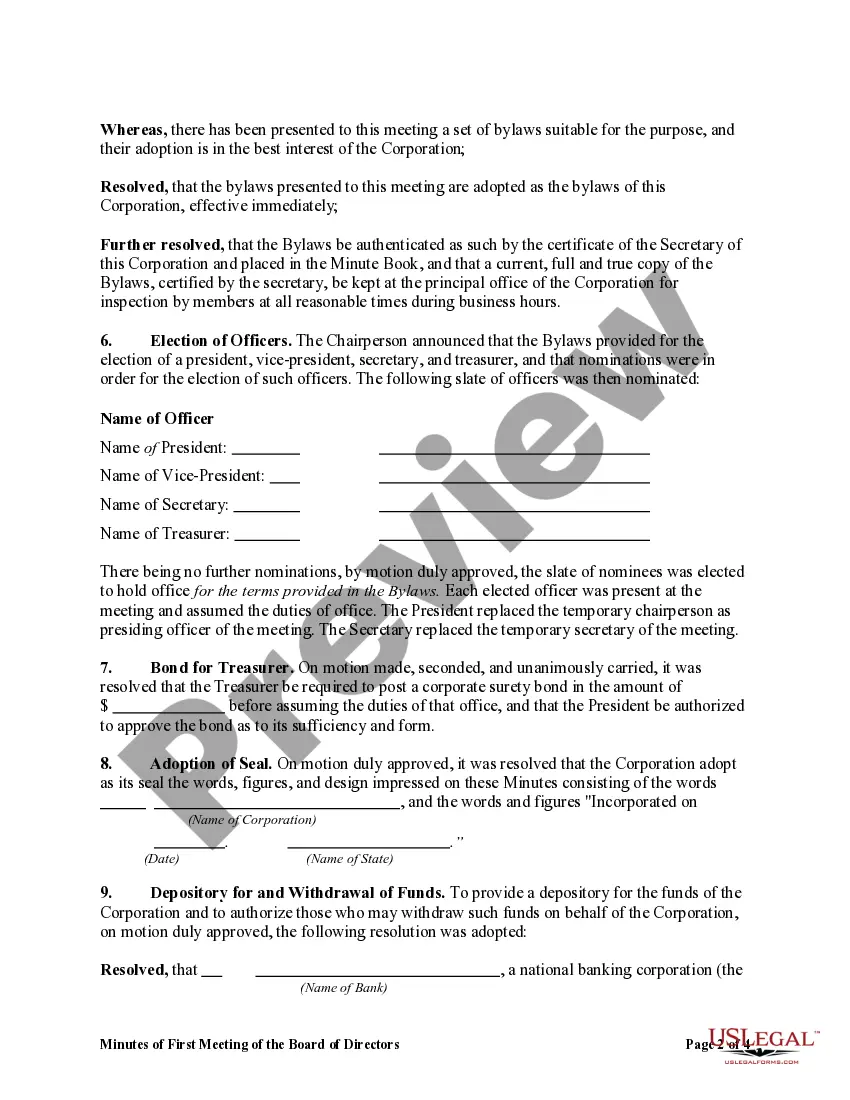
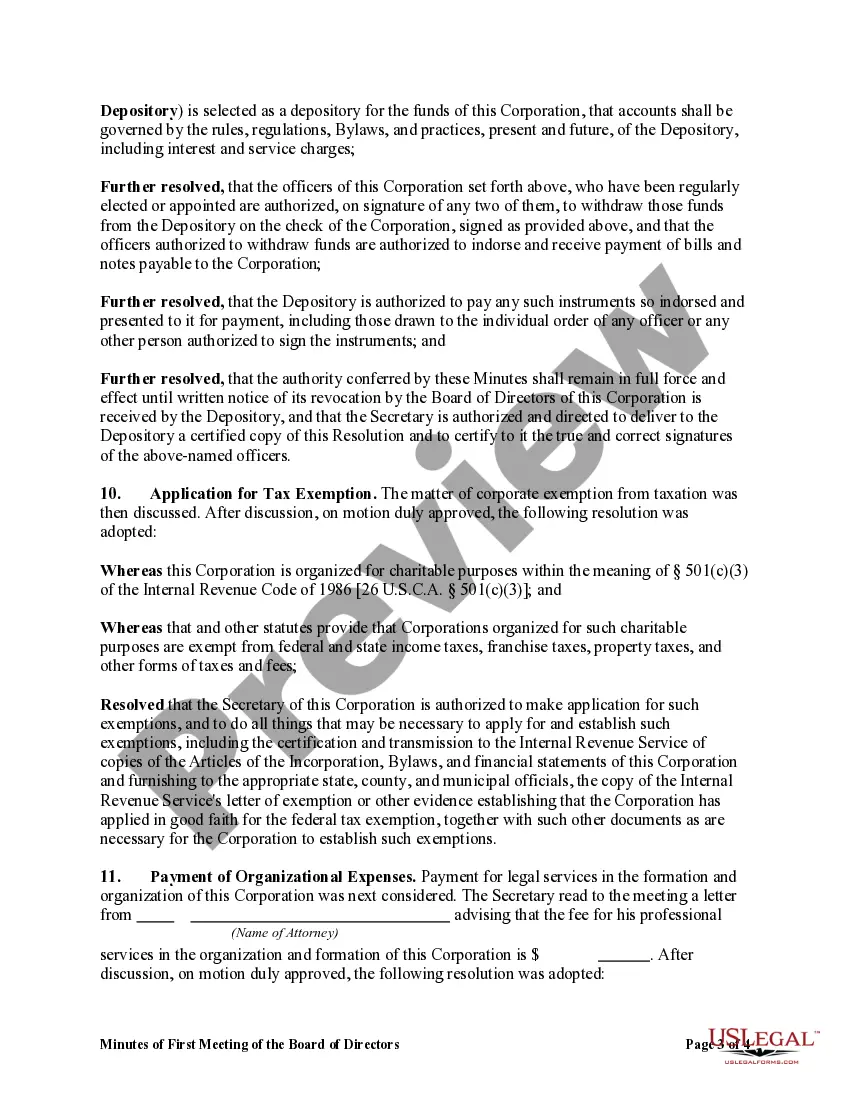
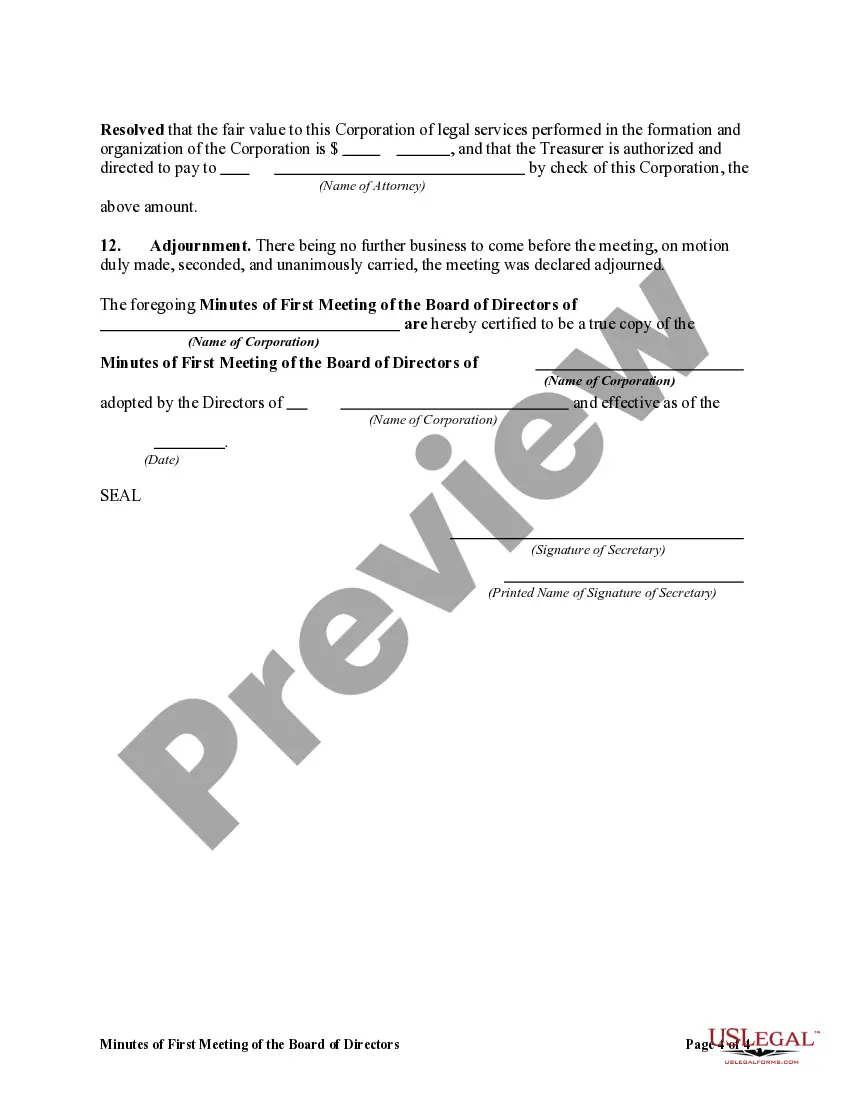

Get your form ready online
Our built-in tools help you complete, sign, share, and store your documents in one place.
Make edits, fill in missing information, and update formatting in US Legal Forms—just like you would in MS Word.
Download a copy, print it, send it by email, or mail it via USPS—whatever works best for your next step.
Sign and collect signatures with our SignNow integration. Send to multiple recipients, set reminders, and more. Go Premium to unlock E-Sign.
If this form requires notarization, complete it online through a secure video call—no need to meet a notary in person or wait for an appointment.
We protect your documents and personal data by following strict security and privacy standards.

Make edits, fill in missing information, and update formatting in US Legal Forms—just like you would in MS Word.

Download a copy, print it, send it by email, or mail it via USPS—whatever works best for your next step.

Sign and collect signatures with our SignNow integration. Send to multiple recipients, set reminders, and more. Go Premium to unlock E-Sign.

If this form requires notarization, complete it online through a secure video call—no need to meet a notary in person or wait for an appointment.

We protect your documents and personal data by following strict security and privacy standards.
Looking for another form?



How to fill out Minutes Of First Meeting Of The Board Of Directors Of A Nonprofit Corporation?
Whether for professional reasons or personal matters, everyone must confront legal issues at some point in their lives.
Completing legal paperwork demands meticulous care, starting with selecting the right form template. For example, if you pick an incorrect version of the Minutes Nonprofit Sample Format, it will be rejected upon submission. Thus, it's crucial to obtain a reliable source of legal documents like US Legal Forms.
With an extensive catalog from US Legal Forms available, you no longer have to waste time searching for the right sample online. Take advantage of the library’s user-friendly navigation to find the appropriate template for any situation.
- Acquire the sample you require using the search bar or catalog navigation.
- Review the form’s description to ensure it aligns with your circumstances, state, and locality.
- Click on the form’s preview to inspect it.
- If it is the wrong document, return to the search feature to locate the Minutes Nonprofit Sample Format sample you need.
- Obtain the template if it satisfies your needs.
- If you have a US Legal Forms account, simply click Log in to access previously saved documents in My documents.
- If you haven't created an account yet, you can download the form by clicking Buy now.
- Select the suitable pricing option.
- Complete the account registration form.
- Choose your payment method: use a credit card or PayPal account.
- Select the file format you prefer and download the Minutes Nonprofit Sample Format.
- After downloading, you can fill out the form using editing software or print it and complete it manually.
Form popularity
FAQ
What to include in meeting minutes Why the meeting happened. First and last names of attendees. The date and time of the meeting. Projects assigned during the meeting and their deadlines. Decisions employees and leadership made during the meeting. Any corrections to previous meeting minutes. Motions that passed or failed.
There are three standard meeting minutes formats: action, discussion, and verbatim. Although the styles share certain elements, each style has a specific use: Action minutes - decisions reached and the actions to be taken, though not recording the discussion that went into making the decisions.
2. What Should Be Included in Meeting Minutes? Date and time of the meeting. Names of the meeting participants and those unable to attend (e.g., ?regrets?) Acceptance or corrections/amendments to previous meeting minutes. Decisions made about each agenda item, for example: Actions taken or agreed to be taken. Next steps.
What To Look for in a Meeting Minute Template Organization name. Date of meeting. Time the meeting was called to order. Board members present. Name of the presiding officer. Absent board members. Note whether the session meets quorum. Guests and organizational staff present.
Write the date, time, location and the name of attendees at the beginning of the minutes. Write down the key points of discussion, the important decisions and the responsibilities given. At the end use the follow up section to tell the future course of action i.e. who needs to do what and the deadline of the task.