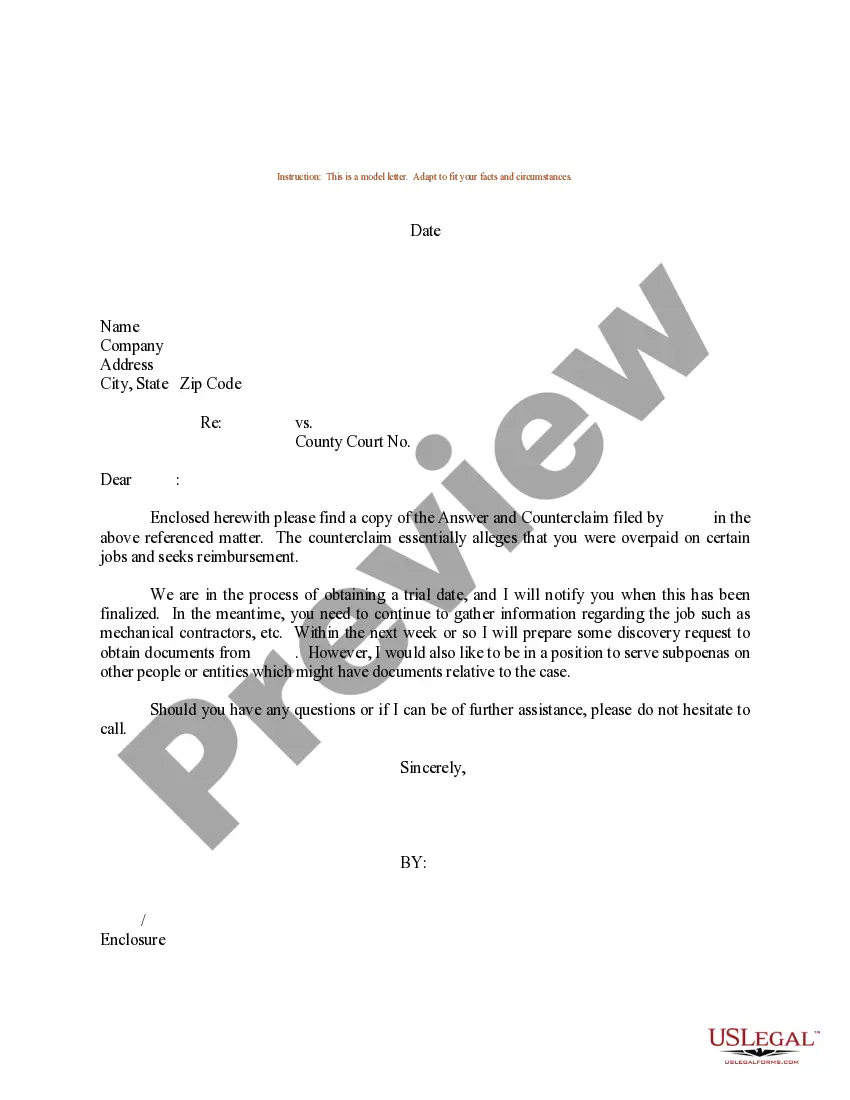
Counterclaim In Legal Language
Description
Get your form ready online
Our built-in tools help you complete, sign, share, and store your documents in one place.
Make edits, fill in missing information, and update formatting in US Legal Forms—just like you would in MS Word.
Download a copy, print it, send it by email, or mail it via USPS—whatever works best for your next step.
Sign and collect signatures with our SignNow integration. Send to multiple recipients, set reminders, and more. Go Premium to unlock E-Sign.
If this form requires notarization, complete it online through a secure video call—no need to meet a notary in person or wait for an appointment.
We protect your documents and personal data by following strict security and privacy standards.

Make edits, fill in missing information, and update formatting in US Legal Forms—just like you would in MS Word.

Download a copy, print it, send it by email, or mail it via USPS—whatever works best for your next step.

Sign and collect signatures with our SignNow integration. Send to multiple recipients, set reminders, and more. Go Premium to unlock E-Sign.

If this form requires notarization, complete it online through a secure video call—no need to meet a notary in person or wait for an appointment.

We protect your documents and personal data by following strict security and privacy standards.
Looking for another form?
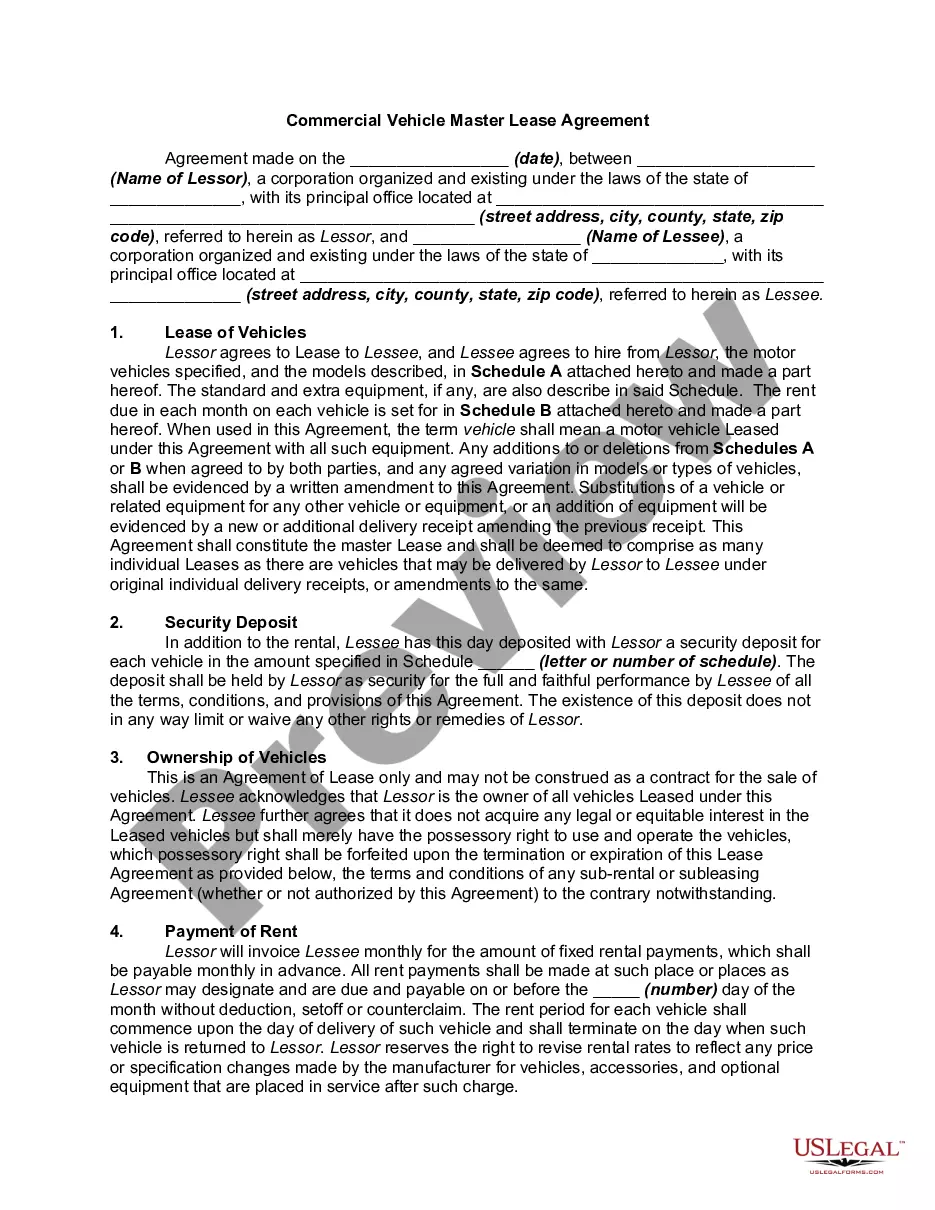
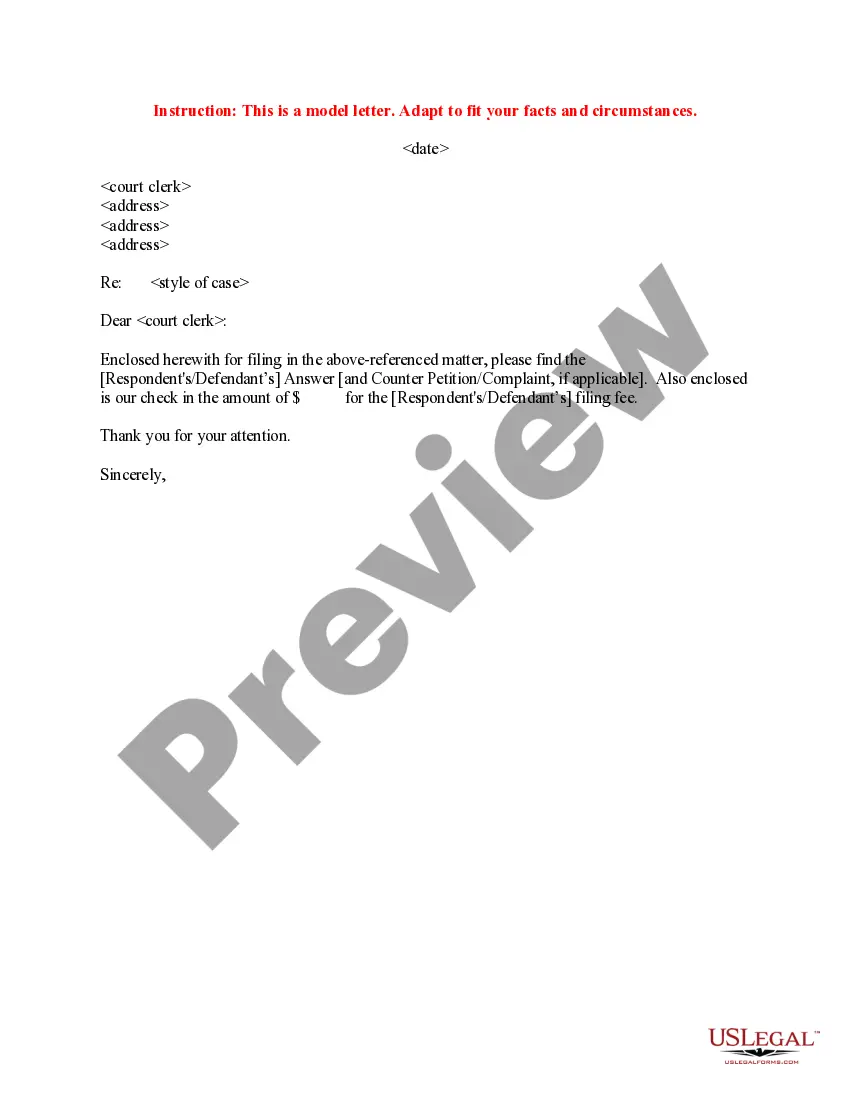
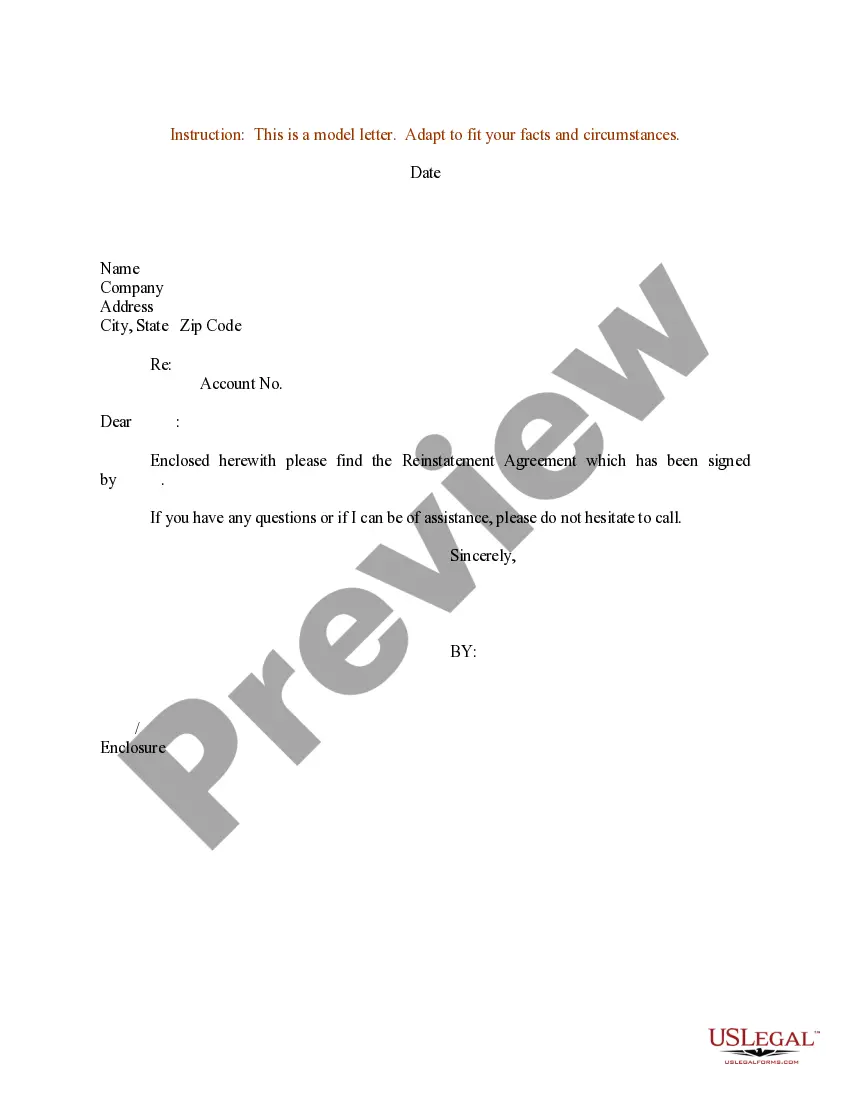
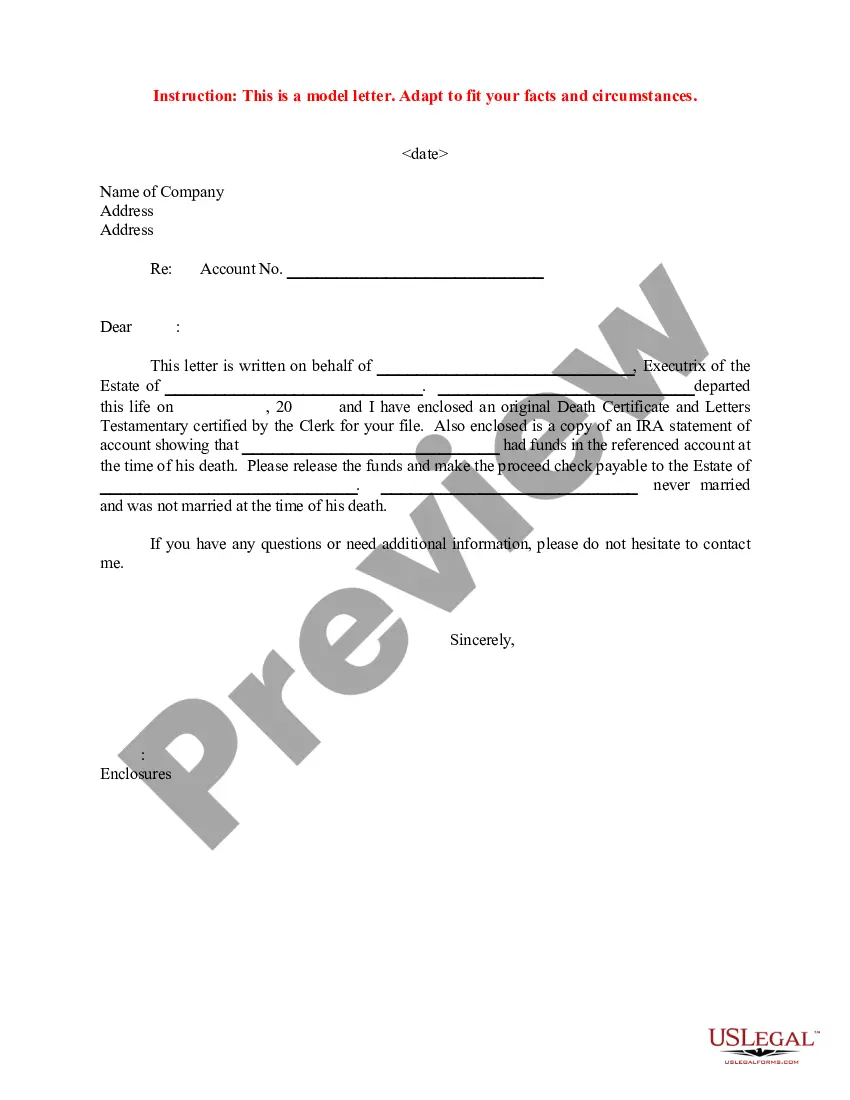
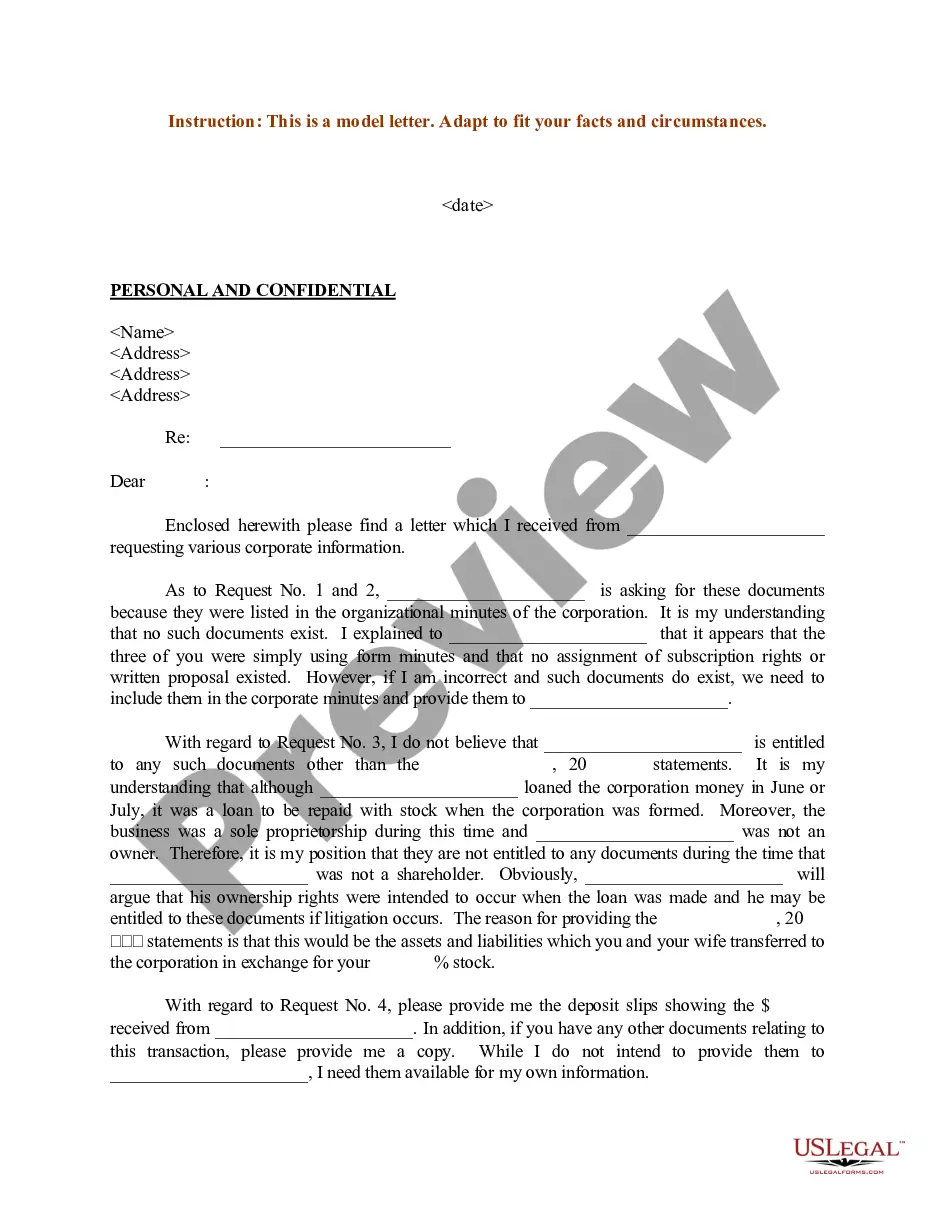
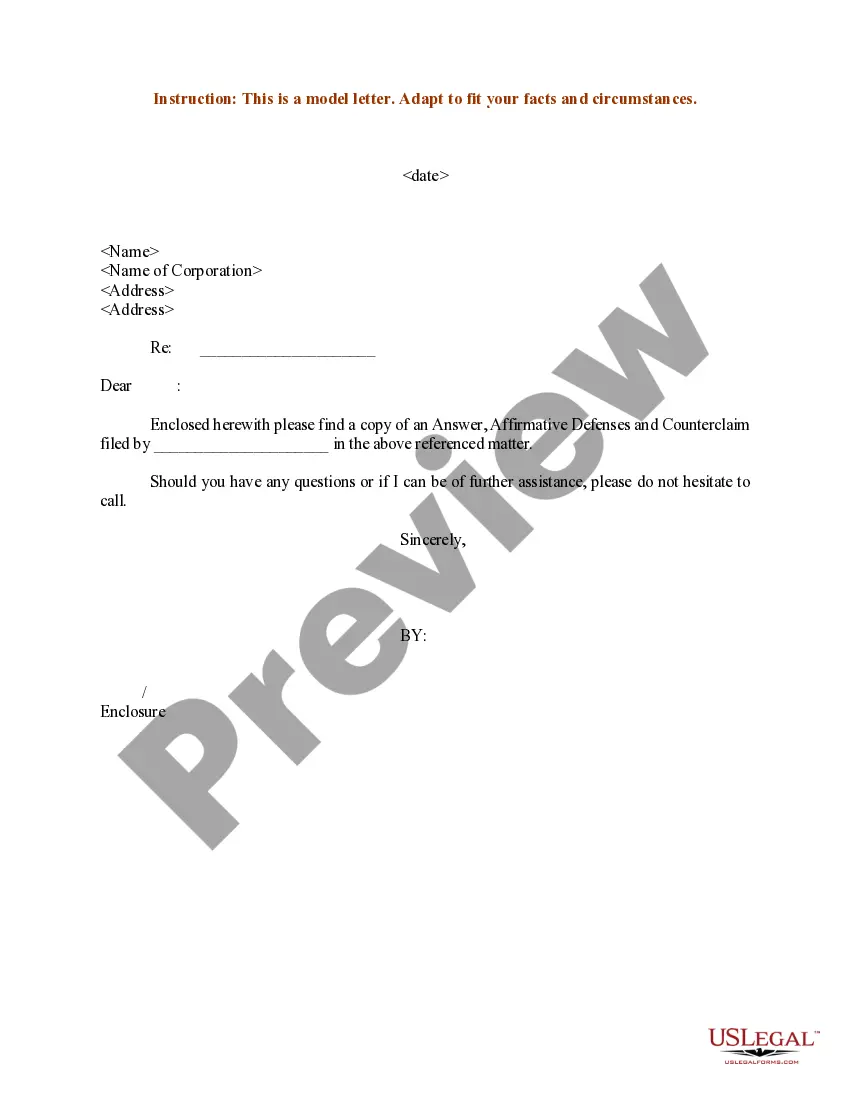
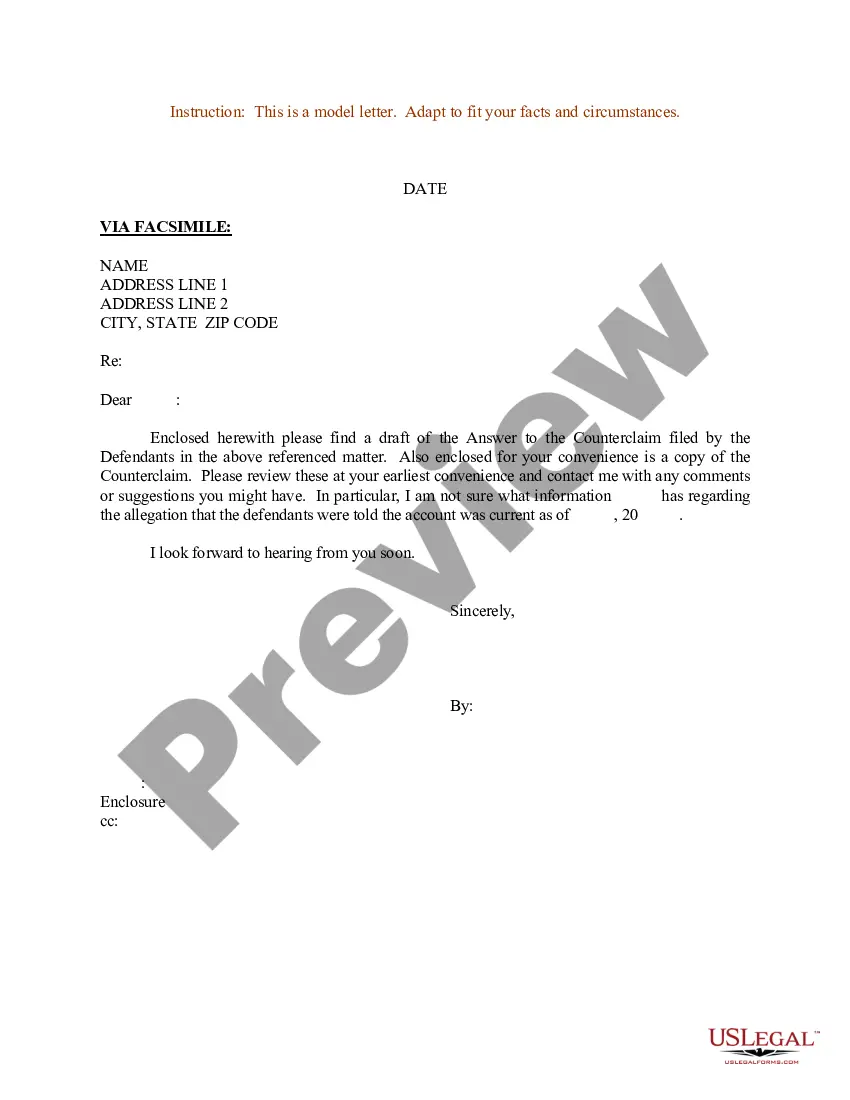
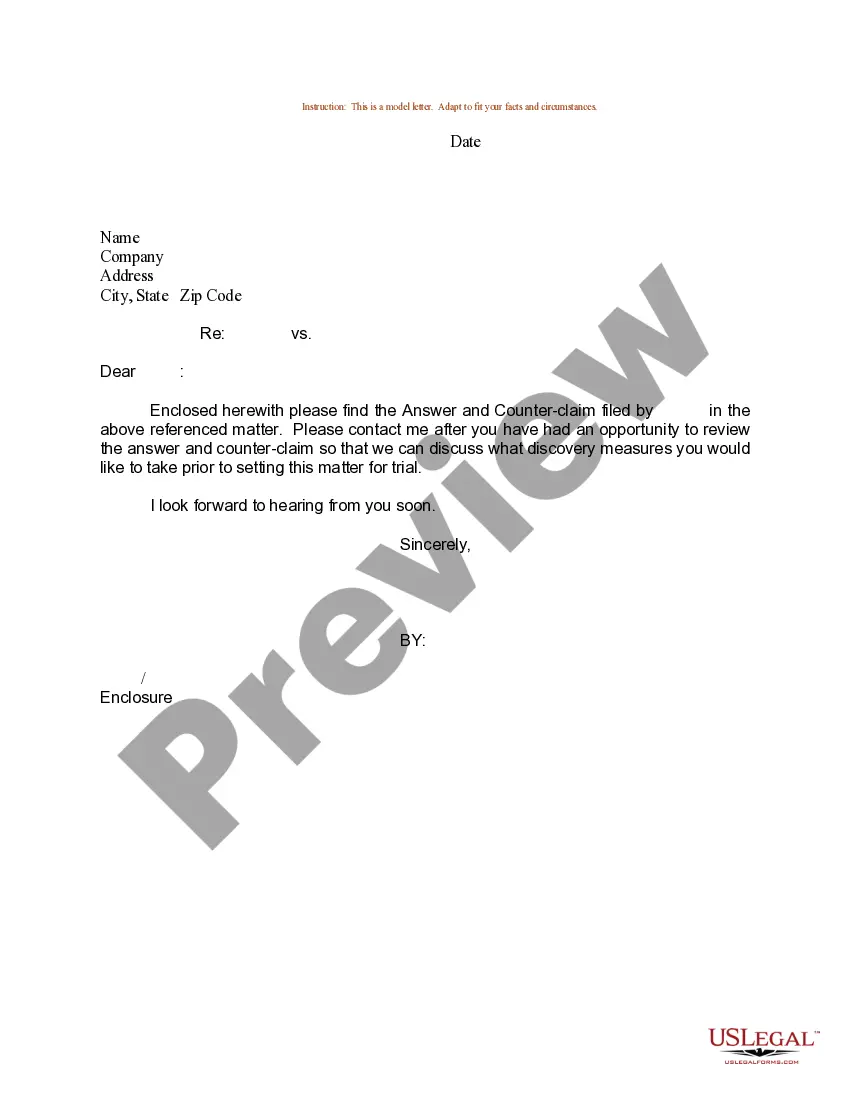
How to fill out Sample Letter For Answer, Counterclaim, And Preparation Of Discovery Request?
The Counterclaim In Legal Terminology featured on this page is a reusable legal blueprint crafted by experienced attorneys in accordance with national and local regulations.
For over 25 years, US Legal Forms has supplied individuals, enterprises, and legal experts with over 85,000 authenticated, state-specific documents for any business and personal circumstances. It’s the fastest, most direct, and most reliable method to acquire the paperwork you require, as the service assures the highest level of data protection and anti-malware safeguards.
Pick the format you desire for your Counterclaim In Legal Terminology (PDF, DOCX, RTF) and save the example on your device. Print the template to fill it out manually. Alternatively, utilize an online multifunctional PDF editor to quickly and accurately complete and sign your document with an eSignature.
- Search for the document you require and examine it.
- Browse through the file you looked for and preview it or assess the form description to ensure it meets your specifications. If it doesn’t, use the search bar to find the right one. Click Buy Now once you have identified the template you need.
- Choose and sign in.
- Select the pricing plan that fits you and establish an account. Use PayPal or a credit card to make a swift payment. If you already possess an account, Log In and verify your subscription to proceed.
- Acquire the editable template.
Form popularity
FAQ
A counterclaim in legal terms refers to a claim made by a defendant against a plaintiff in response to the plaintiff's initial claim. It serves as a vehicle for the defendant to address grievances and seek legal remedies concurrently with the original lawsuit. This important aspect of legal proceedings allows for a more comprehensive resolution of disputes and is a key consideration in any litigation process.
The defendant's counterclaim is a legal assertion made by the defendant in response to the plaintiff's claim. It typically seeks to challenge the allegations and demand relief of its own, illustrating a different perspective on the matter. Understanding the defendant's counterclaim is essential for grasping the full scope of a legal dispute, especially when considering how both parties frame their cases.
A counterclaim is a formal legal assertion made in response to an original claim, while a counter argument is typically a broader concept used in discussions or debates. In legal language, a counterclaim seeks relief through the court system, whereas a counter argument simply addresses or opposes points made by another party without formal legal action. Their purposes and contexts differ significantly.
A countersuit occurs when a defendant initiates a separate legal action against the plaintiff in response to the original lawsuit. For instance, if a contractor sues a homeowner for unpaid wages, the homeowner may file a countersuit for damages related to substandard work. This is a practical application of the counterclaim in legal language, as it allows defendants to seek their own remedies.
A counterclaim is a type of claim, but it is specifically made in response to an initial claim presented by another party. When a plaintiff files a claim against a defendant, that defendant can file a counterclaim, asserting their own grievances. In legal language, both serve to outline the parties' arguments, but they occupy different roles in the legal process.
The difference lies primarily in the party making the assertion. A claim is usually made by the plaintiff who seeks compensation or remedy, while a counterclaim in legal language is made by the defendant as a response to the plaintiff's claim. The counterclaim seeks to assert the defendant's rights and can even lead to additional remedies being sought in the same legal matter.
A claim represents the initial assertion by a party seeking legal remedy, while a counterclaim in legal language is a defendant's attempt to offset the original claim with their own allegations. Essentially, a claim initiates the legal action, and a counterclaim serves as a defense that also seeks relief. This distinction is crucial for understanding the dynamics of legal proceedings.
In the context of legal disputes, a claim refers to a statement made by a plaintiff seeking relief from the court, while a counterclaim in legal language is a response by the defendant asserting their own claims against the plaintiff. For instance, if Person A sues Person B for breach of contract, Person B may file a counterclaim alleging that Person A failed to fulfill their obligations under the same contract.
If you do not respond to a counterclaim, you risk a default judgment being entered against you. This means the court may rule in favor of the party who filed the counterclaim without hearing your side of the case. It is essential to address every legal claim to protect your rights and interests.
Usually, the defendant files a counterclaim in response to the original complaint in legal language. This party uses the counterclaim to address any grievances or claims they may have against the plaintiff. This strategic move can significantly shape the direction of the legal case.