Loan Between For Education
Description
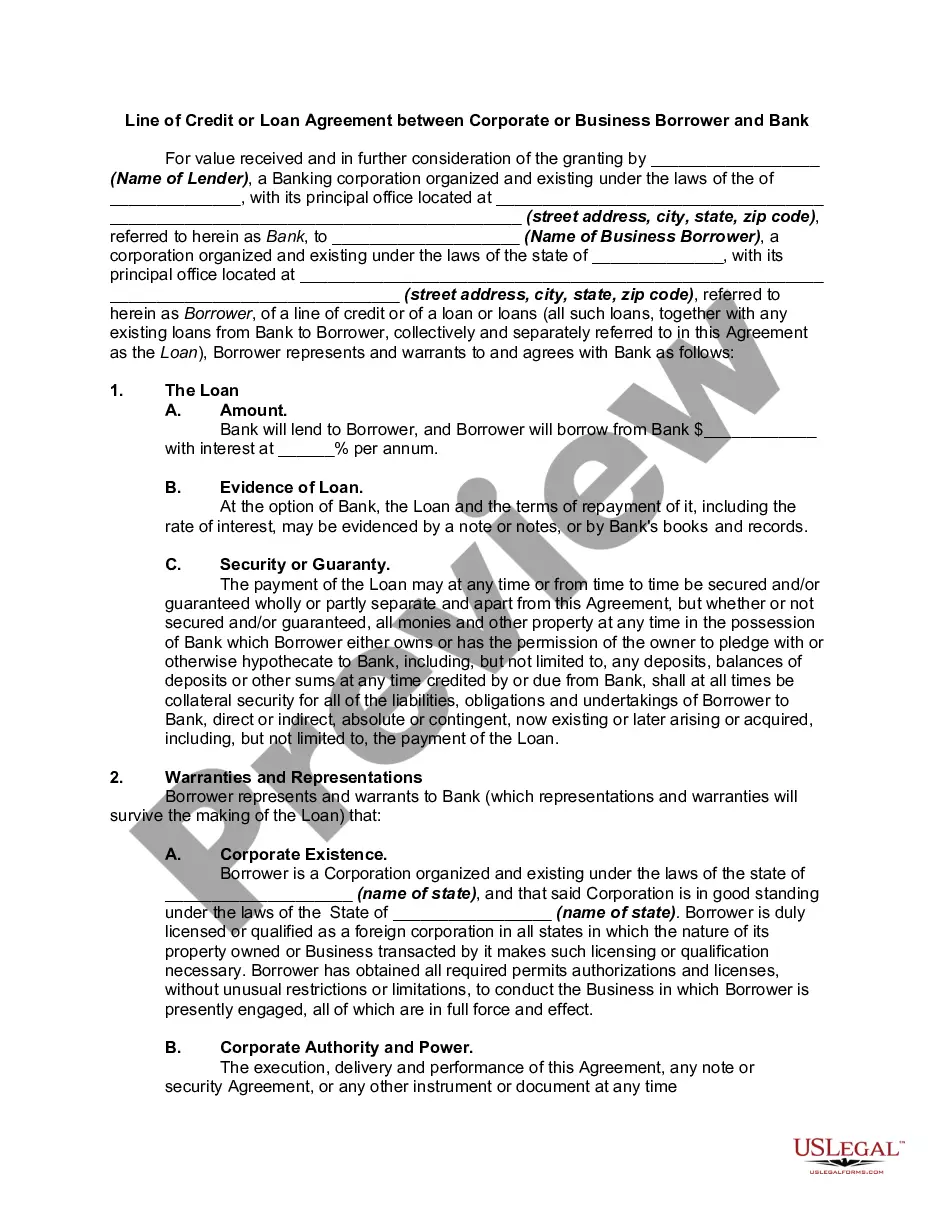
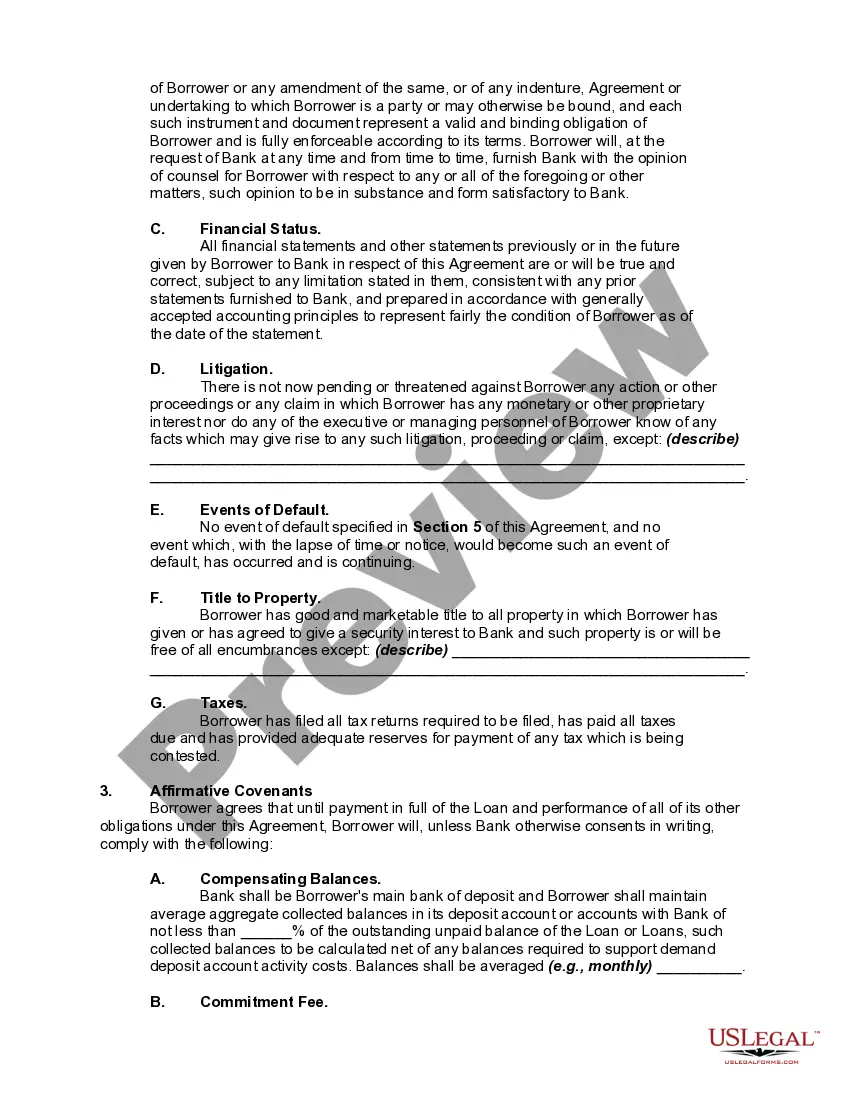
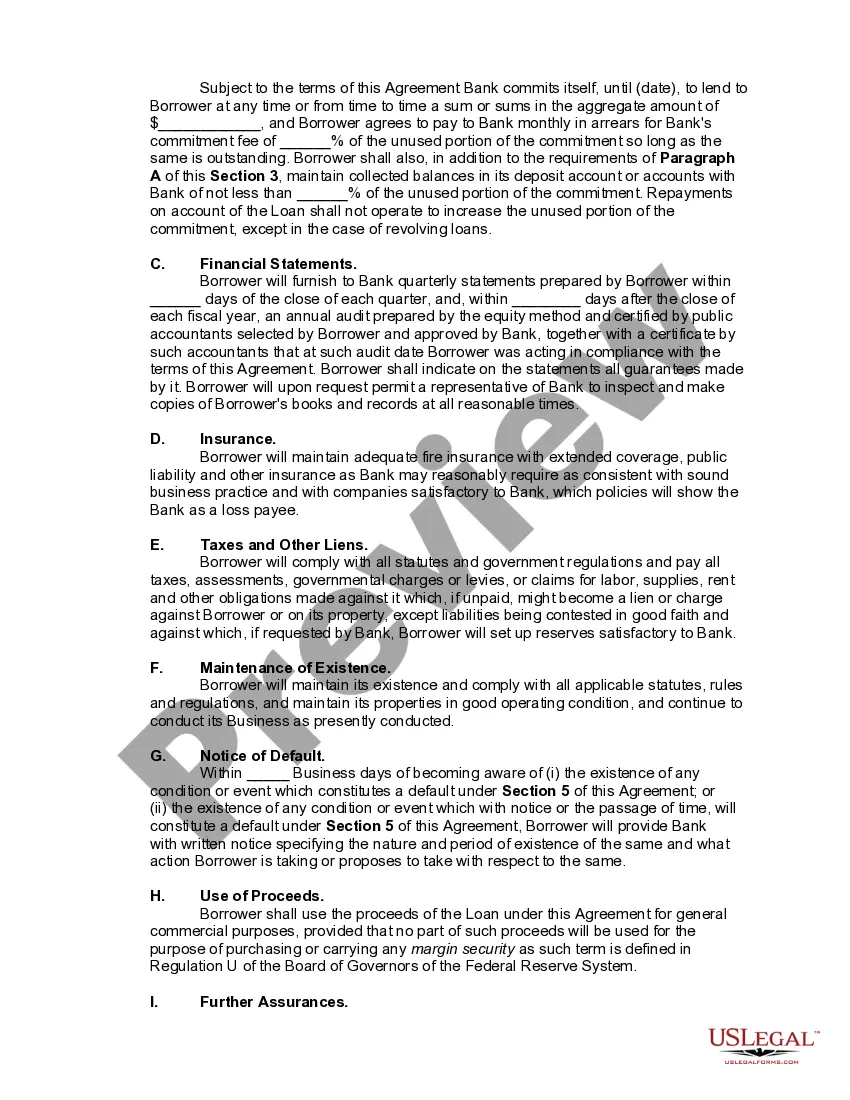
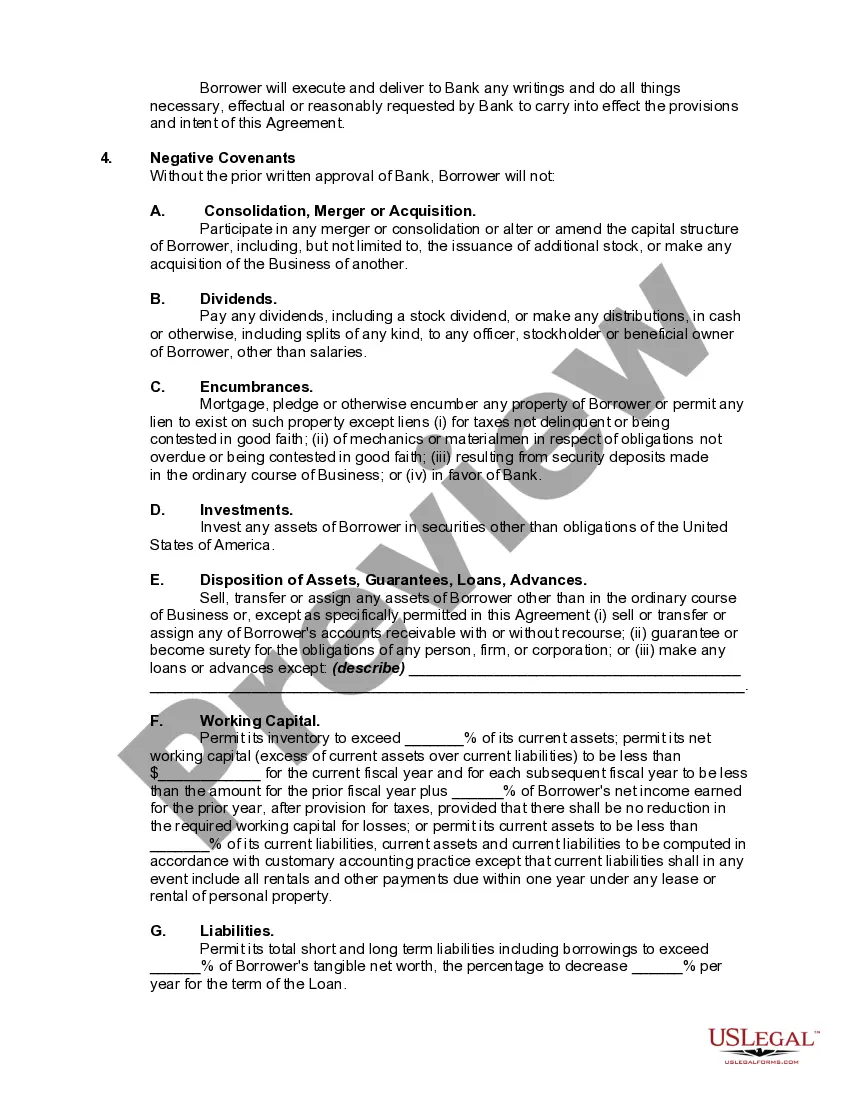
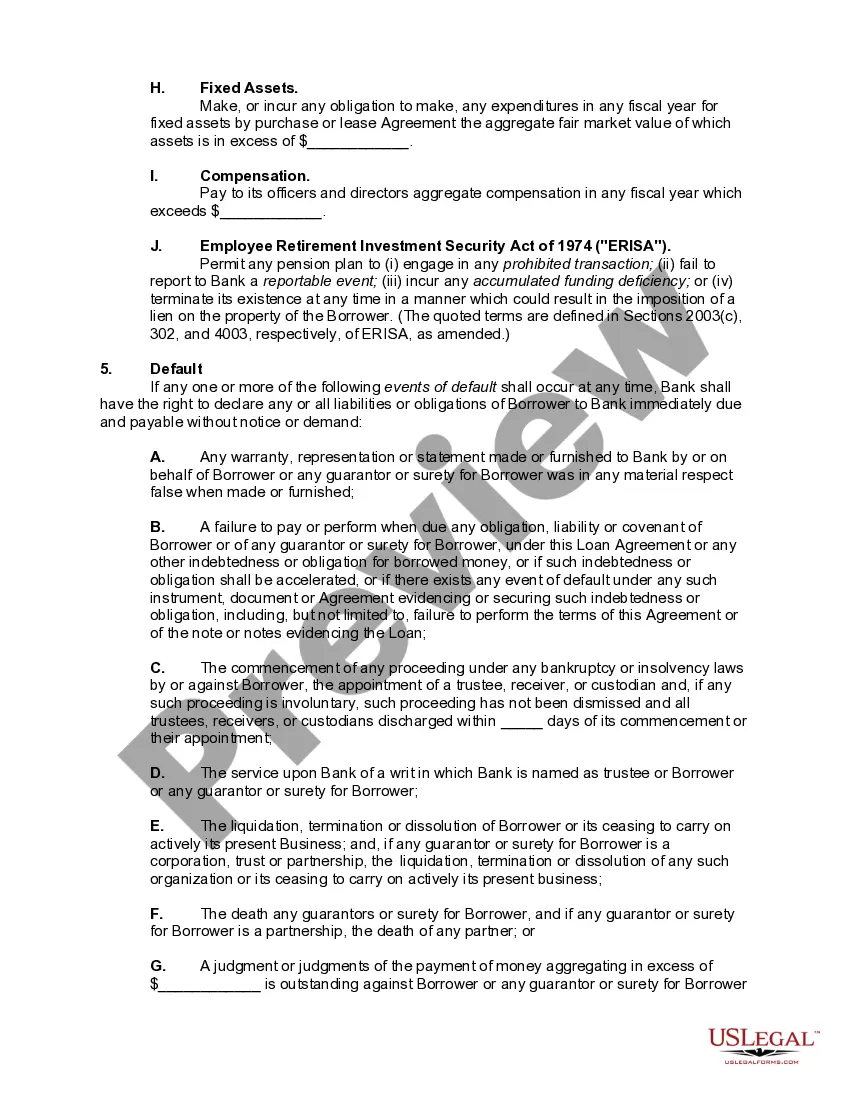
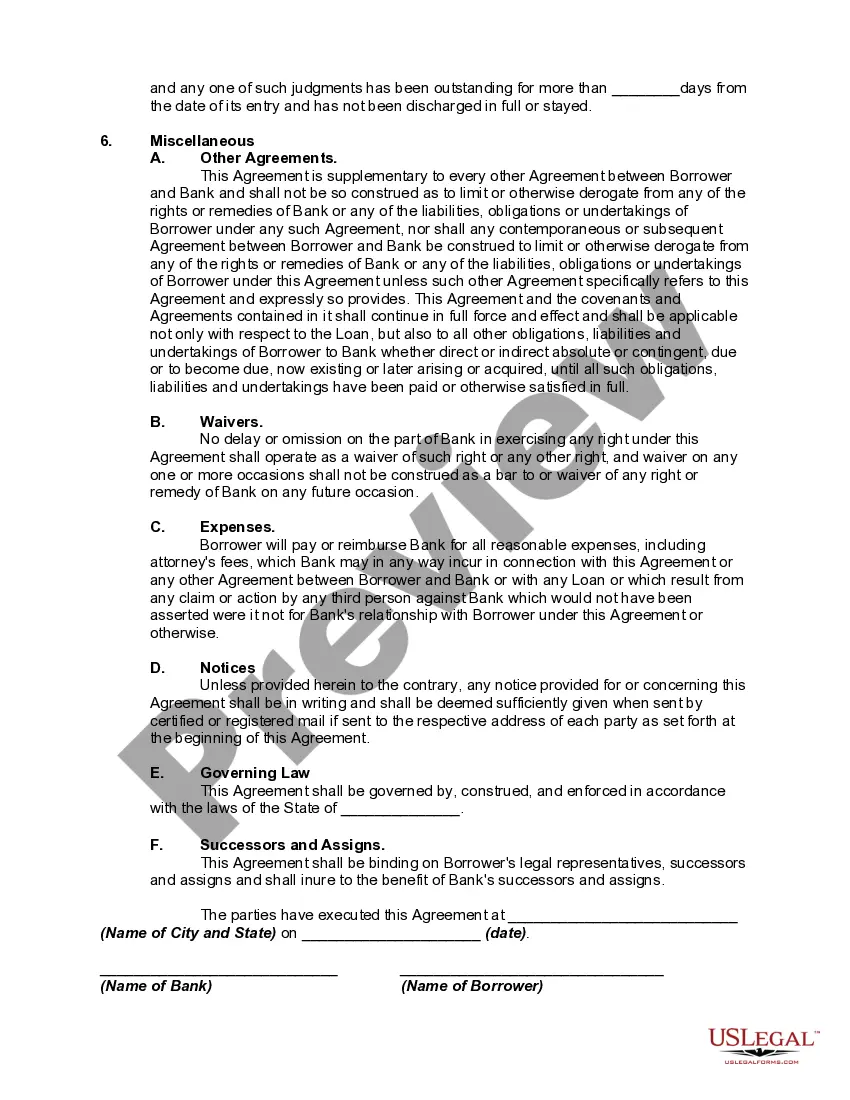
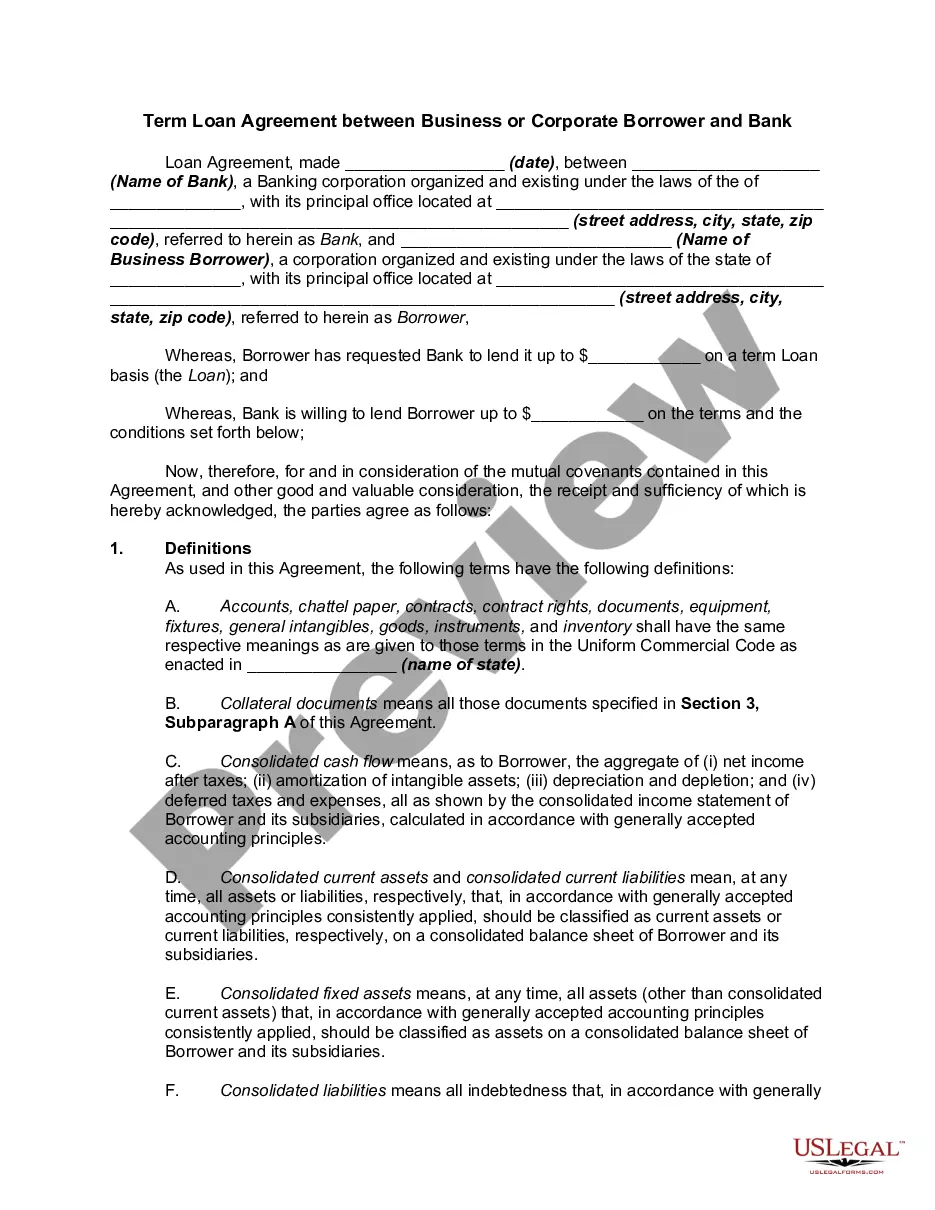



How to fill out Line Of Credit Or Loan Agreement Between Corporate Or Business Borrower And Bank?
Whether for professional reasons or personal affairs, everyone must confront legal matters at some stage in their life.
Filling out legal paperwork necessitates meticulous care, starting from selecting the appropriate form template.
With an extensive catalog of US Legal Forms available, you don’t need to waste time searching for the right template across the internet. Utilize the library’s straightforward navigation to find the suitable form for any situation.
- Locate the template you require by utilizing the search bar or catalog navigation.
- Review the form’s description to ensure it fits your case, jurisdiction, and county.
- Select the form’s preview to examine it.
- If it is the incorrect document, revert to the search feature to find the Loan Between For Education template you need.
- Obtain the template when it satisfies your criteria.
- If you already possess a US Legal Forms account, simply click Log in to access previously saved documents in My documents.
- If you do not yet have an account, you may acquire the form by clicking Buy now.
- Choose the correct pricing option.
- Complete the account registration form.
- Select your payment method: use a credit card or PayPal account.
- Choose the file format you wish and download the Loan Between For Education.
- Once it is downloaded, you can fill out the form using editing software or print it and complete it by hand.
Form popularity
FAQ
Yes, parents who earn $120,000 may still qualify for FAFSA. The eligibility for federal financial aid does not solely depend on income; many factors come into play, such as family size and the number of children attending college. Additionally, even if you might not qualify for need-based aid, you can still access loans between for education, which help cover college expenses. The FAFSA process can help you explore all available options, making it essential to complete the application.
To report your student loans, you primarily fill out the 1098-E form for interest. If you received loan forgiveness or are applying for specific programs, additional forms may be necessary. It is crucial to consult with a tax professional or use dedicated services to ensure accurate completion. The loan between for education may also involve multiple forms depending on your state or federal requirements.
Filling out a loan form for education requires careful attention to detail. Start by gathering necessary information, such as your personal identification and financial details. Then, follow the prompt instructions, ensuring you clearly state the purpose of the loan as it relates to your education. If you need assistance, platforms like USLegalForms offer resources and templates to streamline this process.
The monthly payment on a $50,000 student loan varies depending on the interest rate and repayment term. For instance, with a 6% interest rate over ten years, your monthly payment will be around $555. This amount could differ based on your financial institution and any loans you combine in your loan between for education. It’s important to calculate your potential payments to plan your budget effectively.
Yes, you typically receive a 1098-T form if you have student loans associated with your education. The form is issued by your educational institution and provides information regarding qualified tuition and related expenses. This form is essential in determining your eligibility for education tax credits, which can help reduce your tax bill. By understanding how your loans apply, you can better manage your finances while pursuing a loan between for education.
You can indeed take out a loan specifically for tuition costs. Both federal and private loans offer options that cover tuition and other educational expenses. Be sure to evaluate the terms carefully, and consider using tools from uslegalforms to simplify your search for a loan between for education.
Yes, you can take out a loan for education. Students typically have access to federal and private loans designed specifically for higher education. If you need assistance, uslegalforms offers valuable resources to help you apply for a loan between for education seamlessly.
Choosing the right bank for an education loan often depends on your financial situation and needs. Many people find success with credit unions, which may offer lower interest rates and more personalized service. It's important to compare options and consider flexibility in repayment plans, especially when securing a loan between for education.
For many borrowers, federal Stafford loans are the easiest student loans to obtain. These loans do not require a credit check and offer fixed interest rates. Additionally, if you apply through uslegalforms, you can access helpful resources that guide you through the application process. This makes it simpler to secure a loan between for education.
Determining whether you have a type 1 or type 2 student loan often revolves around understanding the classification of your loan. Type 1 loans, or subsidized loans, do not accrue interest while you’re enrolled in school, whereas type 2 loans, or unsubsidized loans, do. To clarify your loan type and understand its implications, you can refer to your loan documentation or consult resources from UsLegalForms.