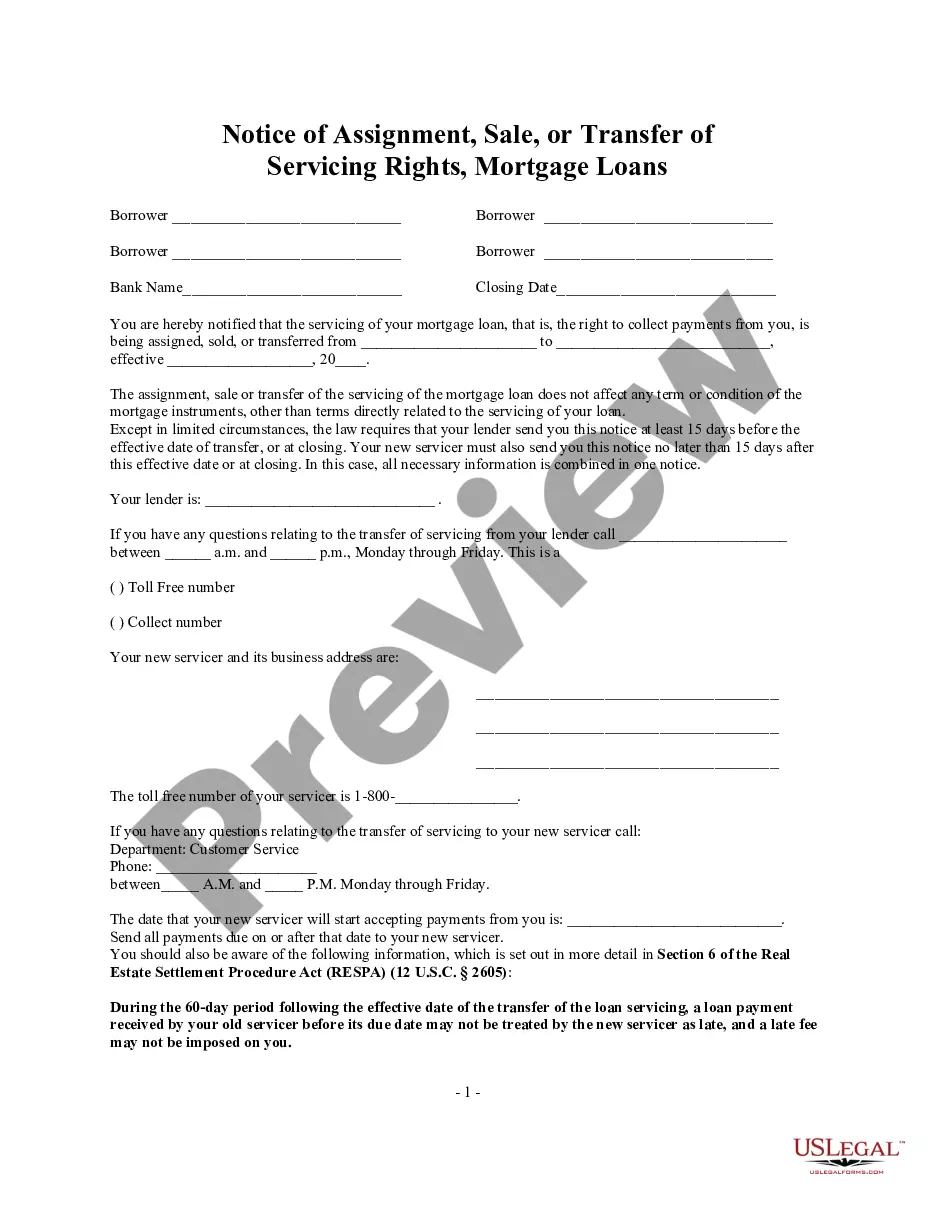
Credit Assignment Agreement
Description
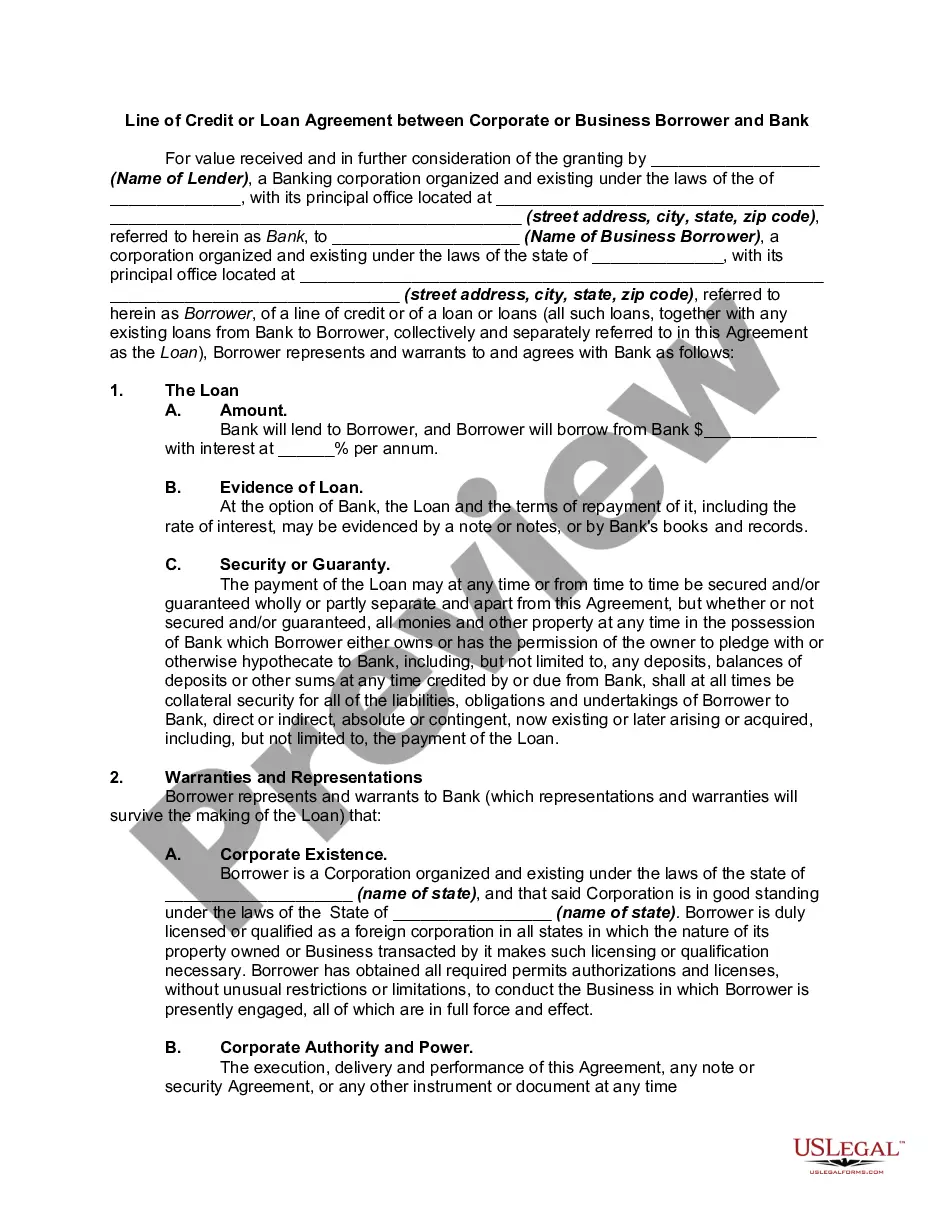
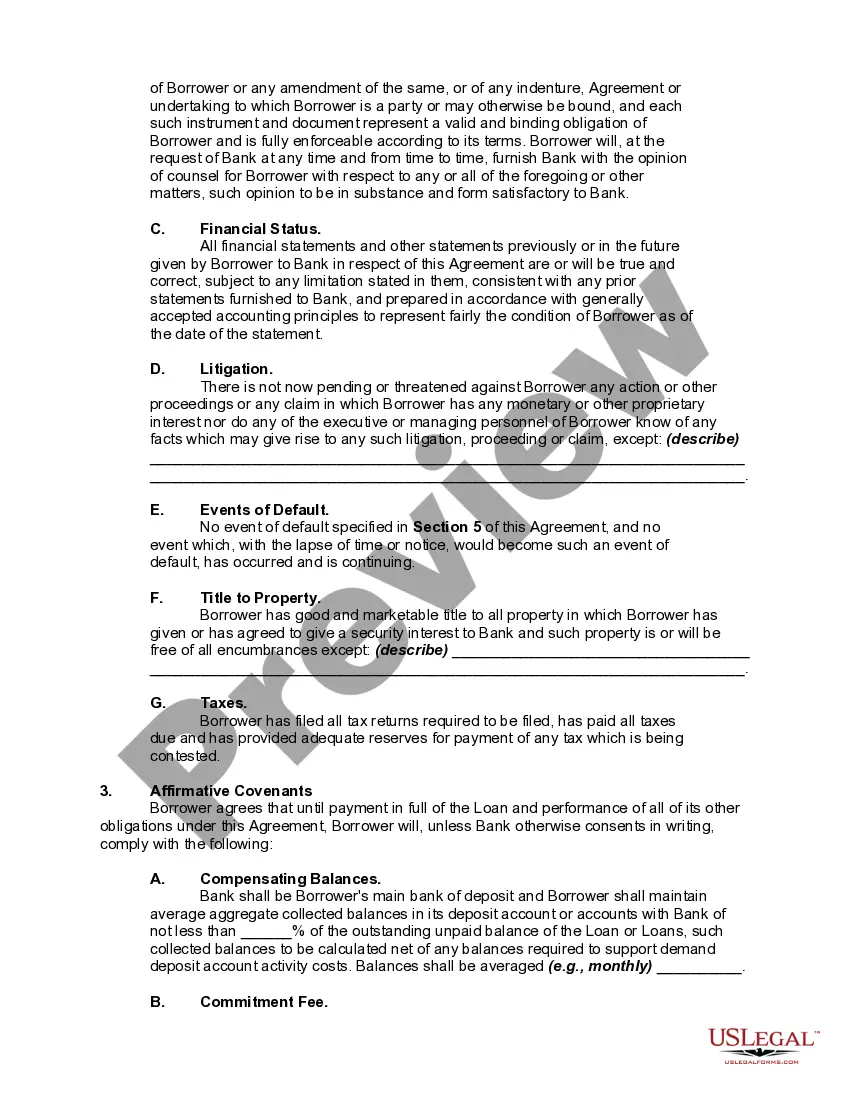
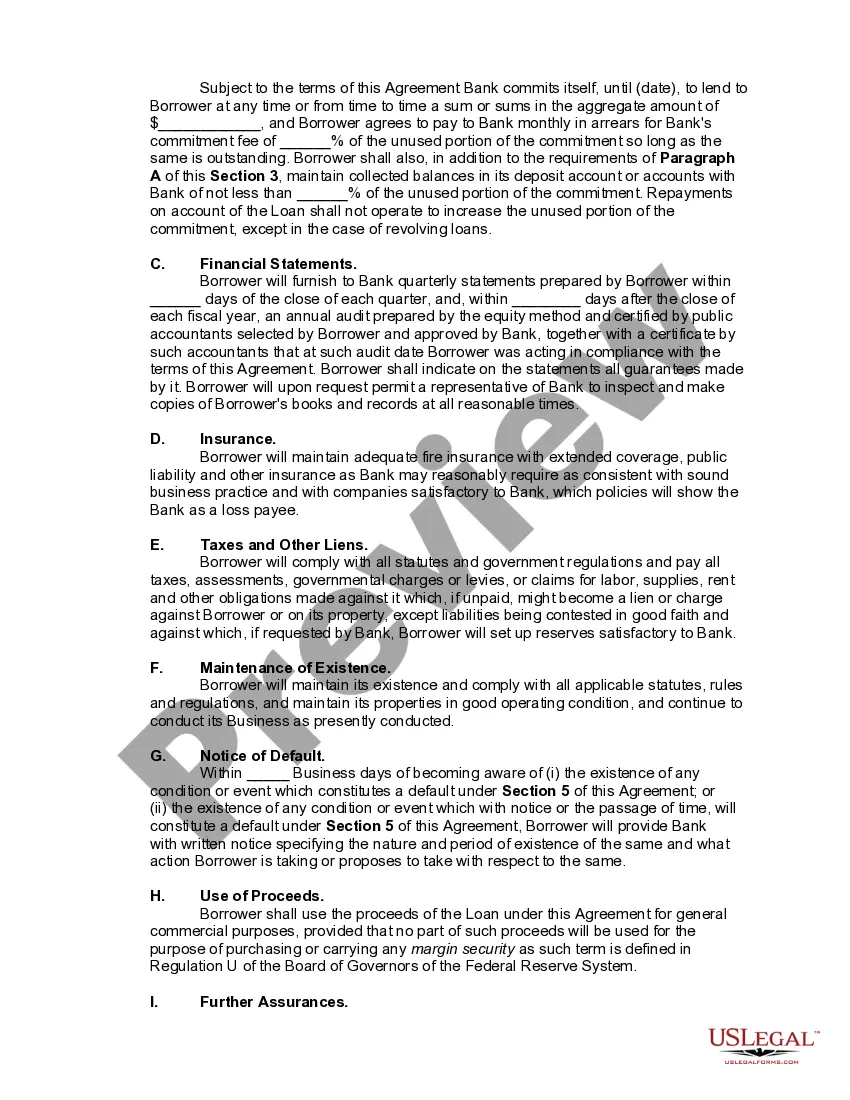
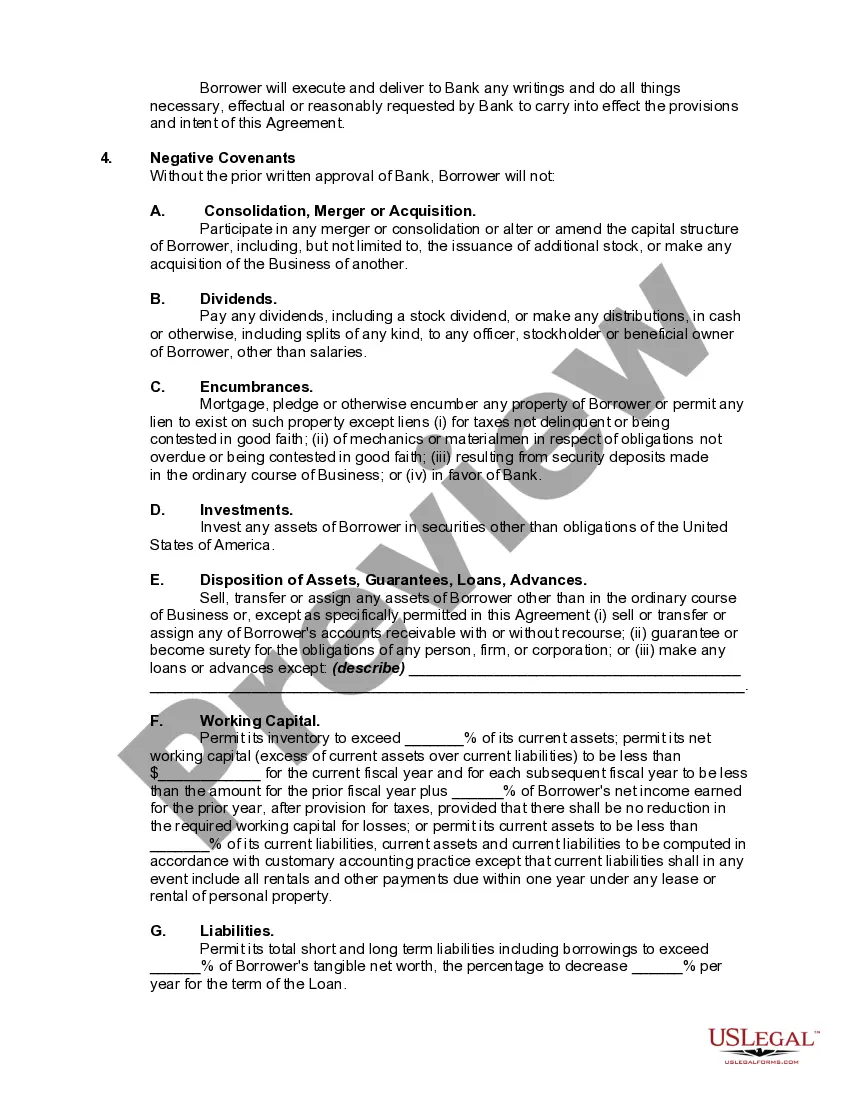

Get your form ready online
Our built-in tools help you complete, sign, share, and store your documents in one place.
Make edits, fill in missing information, and update formatting in US Legal Forms—just like you would in MS Word.
Download a copy, print it, send it by email, or mail it via USPS—whatever works best for your next step.
Sign and collect signatures with our SignNow integration. Send to multiple recipients, set reminders, and more. Go Premium to unlock E-Sign.
If this form requires notarization, complete it online through a secure video call—no need to meet a notary in person or wait for an appointment.
We protect your documents and personal data by following strict security and privacy standards.

Make edits, fill in missing information, and update formatting in US Legal Forms—just like you would in MS Word.

Download a copy, print it, send it by email, or mail it via USPS—whatever works best for your next step.

Sign and collect signatures with our SignNow integration. Send to multiple recipients, set reminders, and more. Go Premium to unlock E-Sign.

If this form requires notarization, complete it online through a secure video call—no need to meet a notary in person or wait for an appointment.

We protect your documents and personal data by following strict security and privacy standards.
Looking for another form?



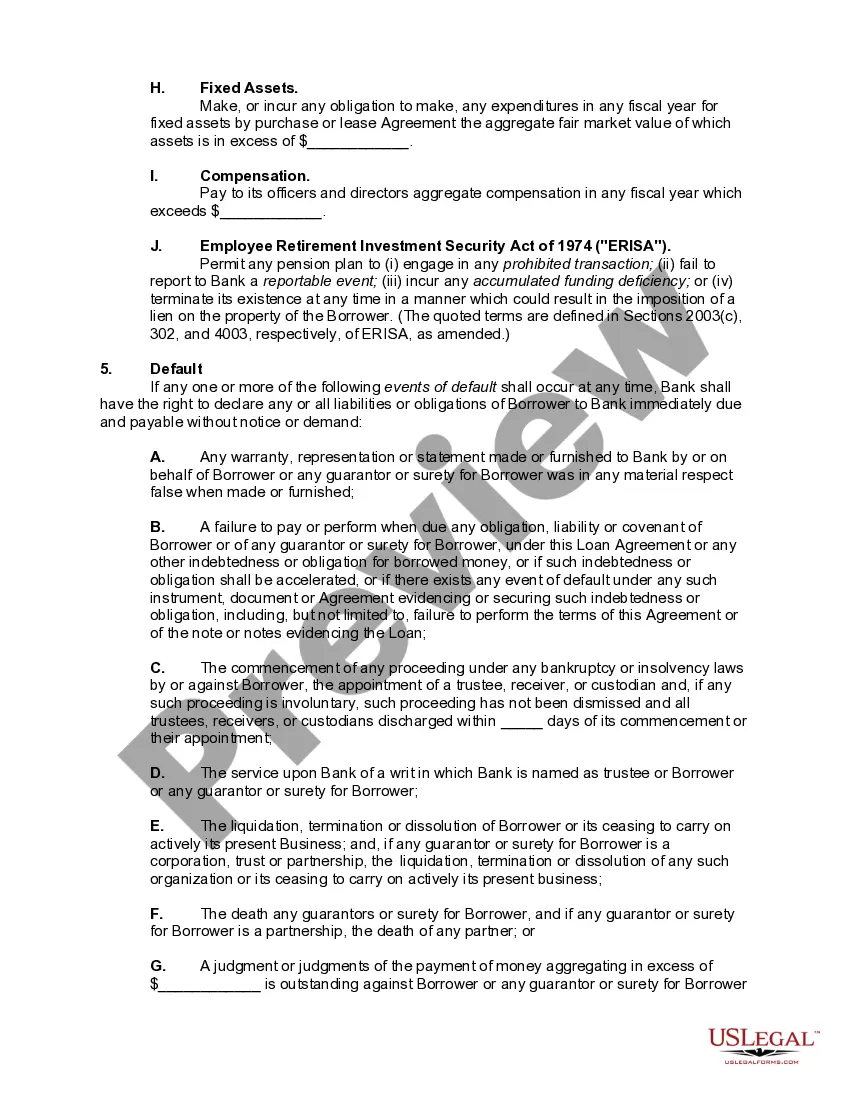
How to fill out Line Of Credit Or Loan Agreement Between Corporate Or Business Borrower And Bank?
- Log into your US Legal Forms account. If you're a returning user, simply access your account and ensure your subscription is active. If your subscription needs renewal, follow the prompts based on your payment plan.
- Preview the document. Before proceeding, check the form description to confirm that it fulfills your requirements and aligns with your local legal standards.
- Search for alternatives if necessary. If you find something amiss, utilize the Search tab to locate a suitable template that meets your criteria.
- Purchase the form. Click on the Buy Now button and select a subscription plan that works for you. You will need to create an account to access the full library.
- Complete your transaction. Input your payment information using a credit card or PayPal to finalize the subscription process.
- Download the document. Save the form to your device for easy access, and find it later in the My Forms section of your account whenever needed.
By following these straightforward steps, you can confidently acquire your credit assignment agreement without hassle. US Legal Forms not only offers a diverse collection of forms but also connects you with legal experts for personalized support.
Start streamlining your legal needs today with US Legal Forms. Whether it's your first document or a recurring necessity, we ensure you have the resources for successful legal management.
Form popularity
FAQ
An assignment agreement does not necessarily need to be notarized to be valid, but notarization can provide legal benefits. A credit assignment agreement is more robust with a notary, as it serves as an official record of the parties' agreement and intentions. This extra step can be valuable in a legal dispute where proof of each party’s agreement is needed. Ultimately, consider your specific circumstances when deciding.
A valid assignment of a contract includes clear consent from all parties and an explicit statement indicating the assignment. When creating a credit assignment agreement, the original party must transfer their rights and obligations to the new party, ensuring that both sides agree to the terms. The assignment should be documented in writing to avoid misunderstandings. Overall, clarity and mutual agreement are crucial for a valid assignment.
Certain agreements, such as real estate contracts, wills, and powers of attorney, typically require notarization to ensure their legitimacy. While a credit assignment agreement doesn't always need notarization, it might be recommended based on state laws or the specific situation. Notarization helps to protect against fraud and provides a formal record of the signing process. Therefore, it’s wise to know the specific requirements for your agreements.
A contract can still be valid without notarization, as long as the parties involved agree to its terms. A credit assignment agreement does not require notarization to be enforceable under the law. However, notarization adds an extra layer of authenticity and may be useful in case of legal disputes. Ultimately, clarity and mutual consent between the parties are what matters most.
An example of assignment of a contract is when a landlord assigns their lease agreement to a new tenant. In this scenario, the original landlord transfers their rights and obligations to the new tenant through a credit assignment agreement. This ensures that the new tenant can enjoy the same benefits and responsibilities as the original tenant. Such assignments can be beneficial for all parties involved.
In the United States, patent assignments do not necessarily need to be notarized to be valid. However, having a notarized credit assignment agreement can strengthen the proof of ownership in case disputes arise. Notarization helps confirm the identity of parties involved and ensures that the assignment is executed clearly. Therefore, while not required, it is often a good practice.
The assignment of credit involves transferring a debtor’s obligations to a third party. This can simplify transactions and provide creditors assurance of payment. A well-structured credit assignment agreement is vital for ensuring that all parties understand their roles in this transfer.
The purpose of an assignment agreement is to formally document the transfer of rights or property from one party to another. This crucial document protects both parties' interests and clarifies the terms of the transaction. A well-drafted credit assignment agreement ensures all terms are clear, reducing potential disputes.
An assignment for the benefit of credit allows a borrower to assign their rights to receive payments to a creditor. This legal process aids creditors in securing their interests when a borrower faces financial difficulties. Crafting a solid credit assignment agreement is key to addressing this scenario effectively.
Credit assignment refers to the allocation of credit or rewards to specific actions or decisions. It plays a vital role in various fields, such as education and finance, by linking outcomes to actions taken. A comprehensive credit assignment agreement can help clarify this process and reduce ambiguity among parties.