Forbearance Agreement With Lender
Description
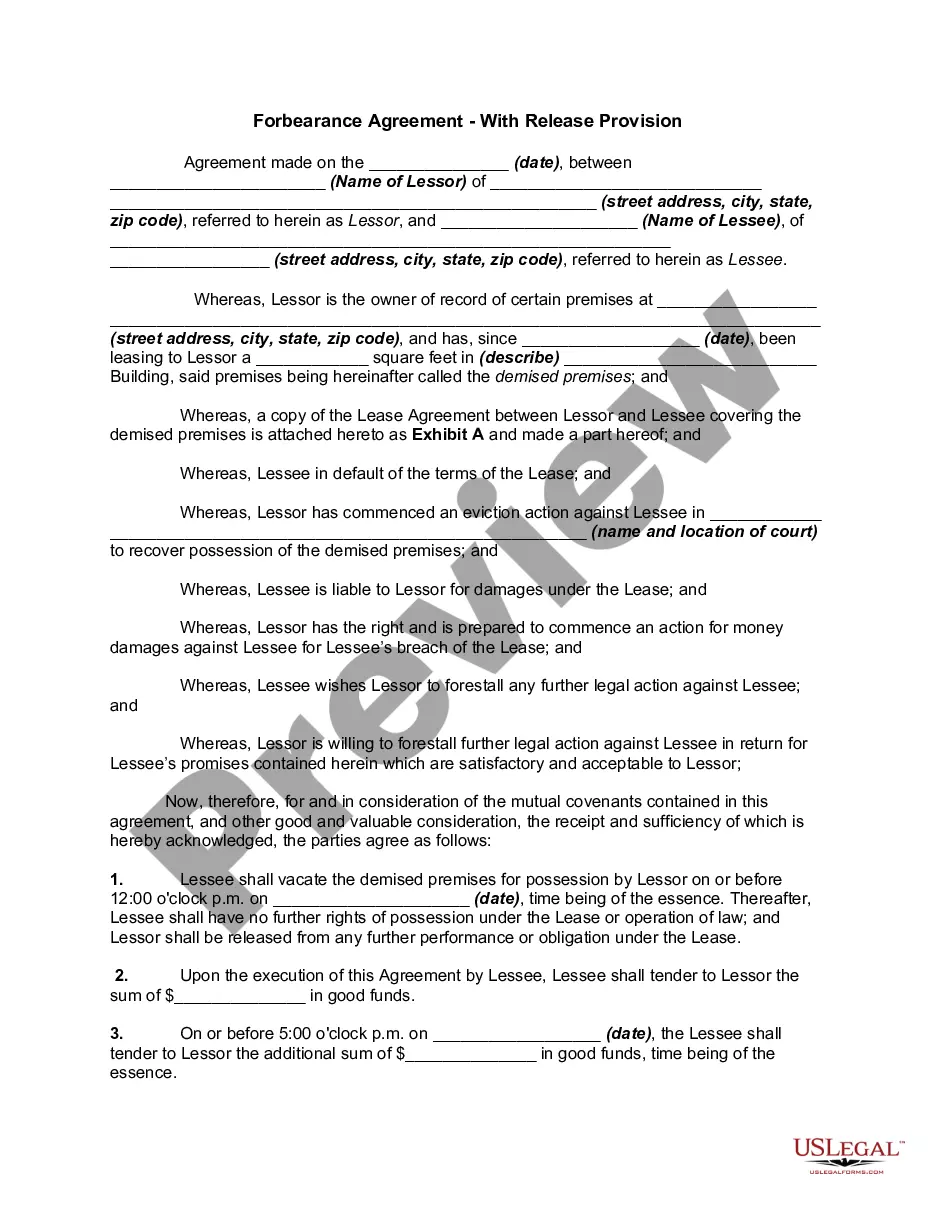
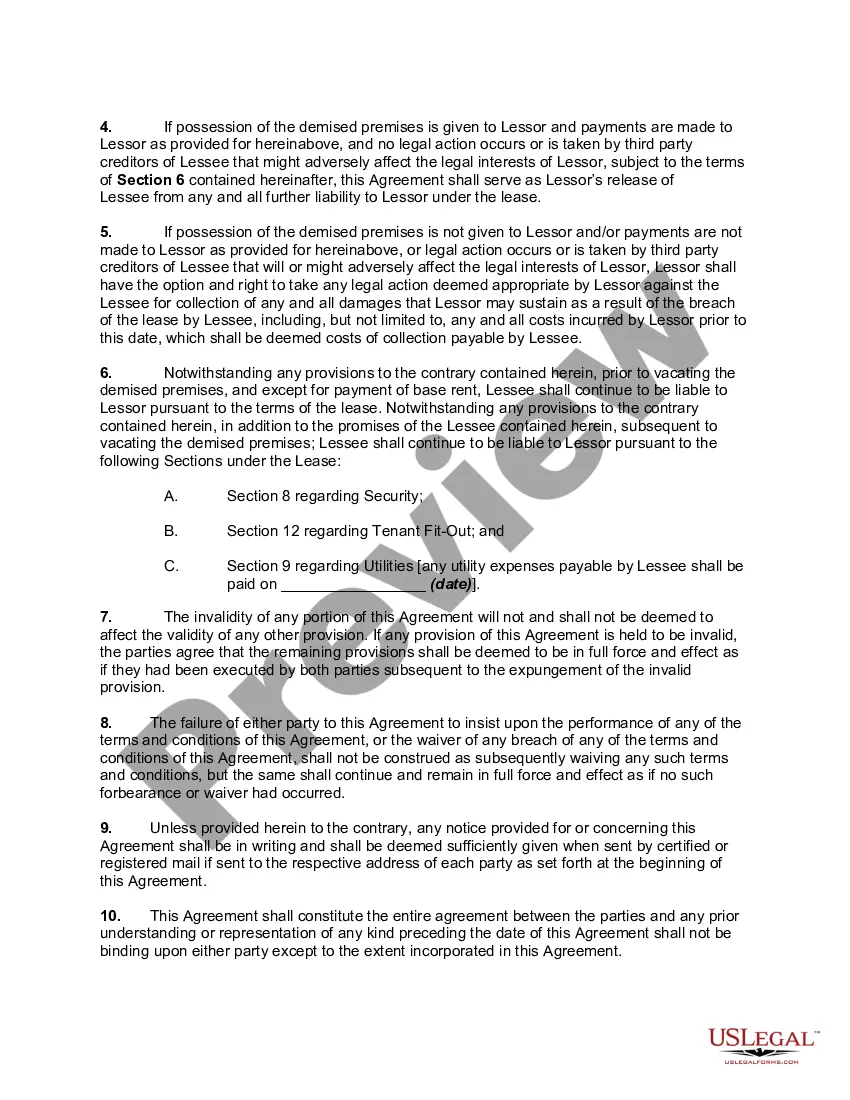
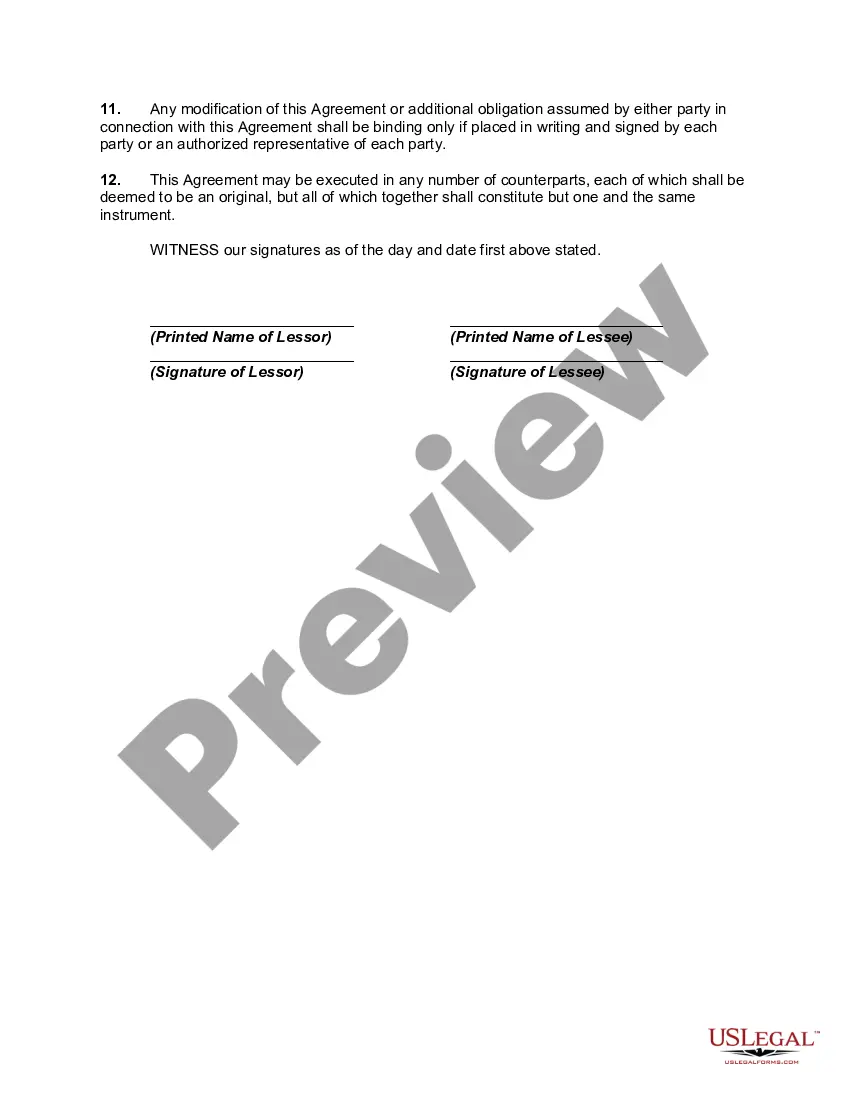
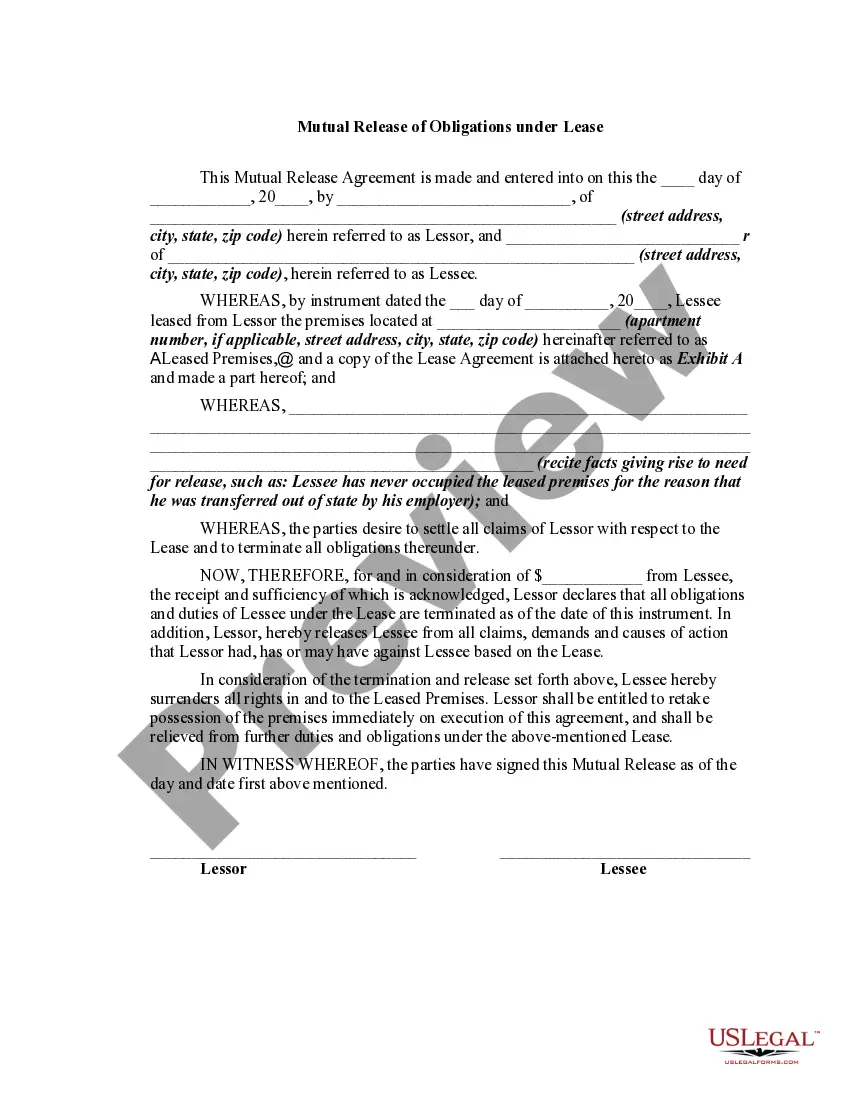

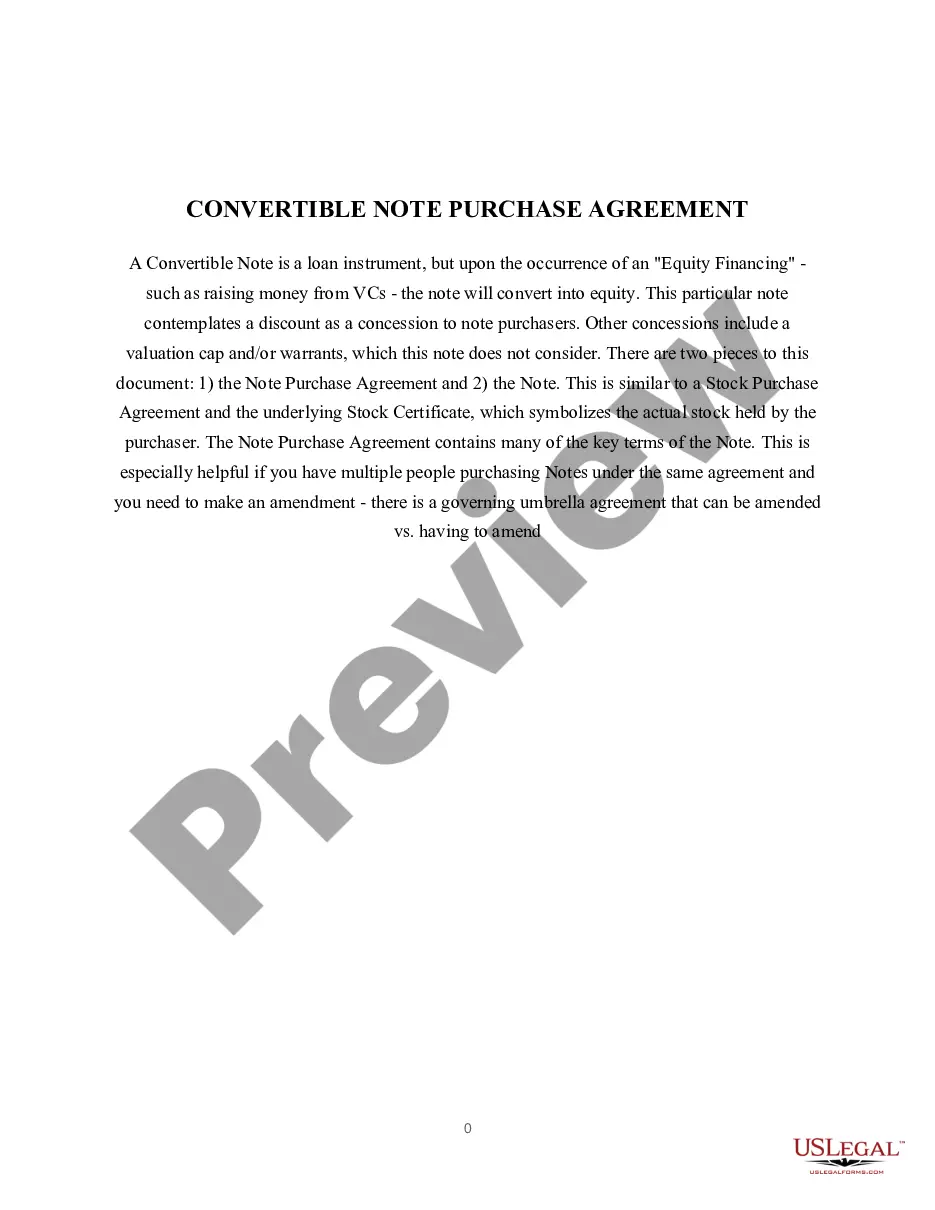
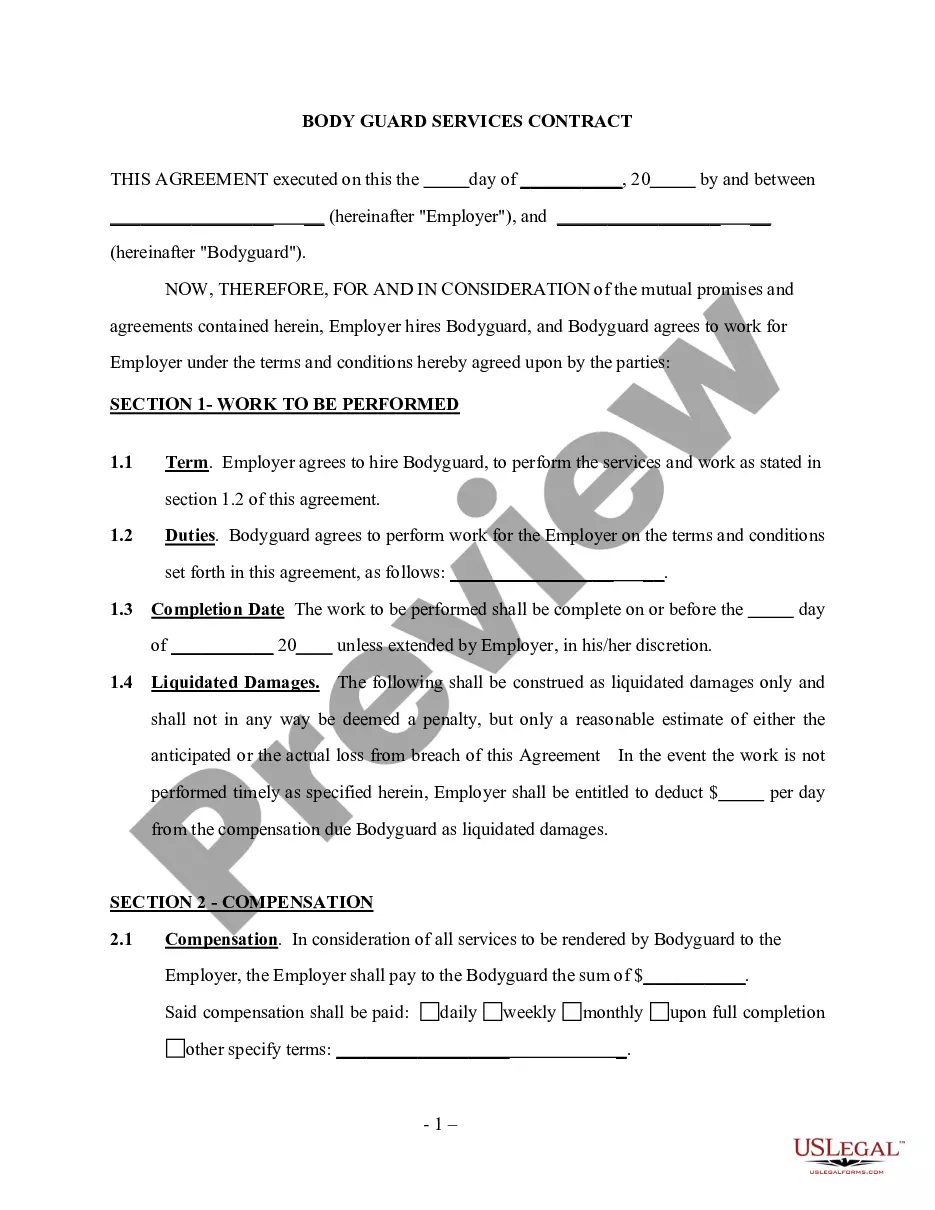
How to fill out Forbearance Agreement - With Release Provision?
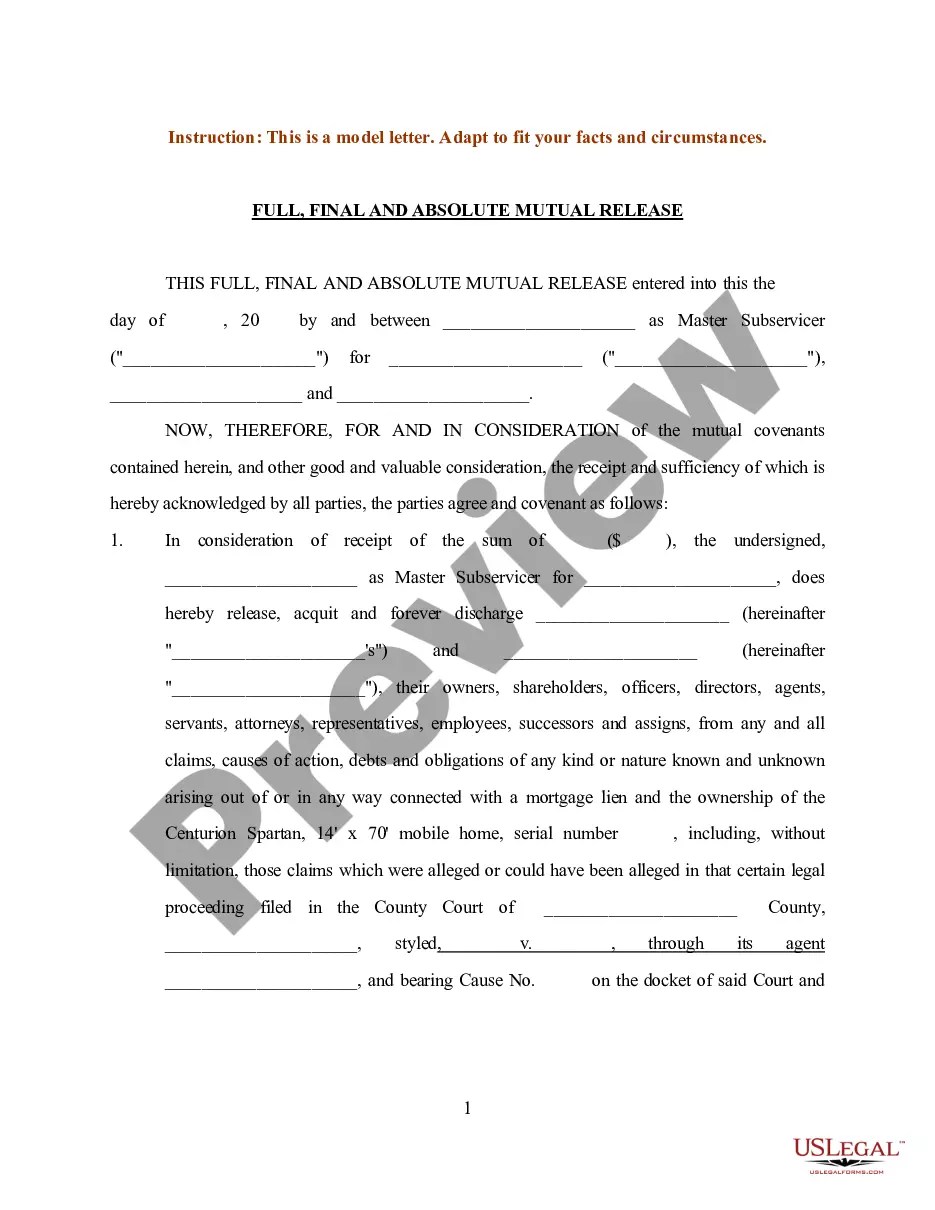
- Begin by previewing the form description to confirm it meets your requirements and complies with local laws.
- If the initial form isn't suitable, use the Search tab to find a more appropriate template.
- Once you've found the right document, click on the Buy Now button, and select your preferred subscription plan to gain access to a wealth of resources.
- Complete your purchase by entering your payment details or using PayPal for a seamless transaction.
- Finally, download your form and save it to your device for completion. You'll also find it in the My Forms section of your account for future reference.
Using US Legal Forms empowers you to create legally sound documents efficiently, gaining access to over 85,000 fillable templates and the option to consult with premium experts for assistance.
Don’t delay your financial plans—explore US Legal Forms today and ensure your forbearance agreement with your lender is correctly executed.
Form popularity
FAQ
The primary purpose of a forbearance agreement is to provide temporary financial relief to borrowers facing difficulty in making their mortgage payments. This agreement enables you to pause payments without facing aggressive collection actions or foreclosure. It also allows time for you to recover financially, ensuring you can continue to meet your mortgage obligations in the future. An effective forbearance agreement with lender helps maintain open communication and a mutually beneficial solution.
Applying for a mortgage forbearance is a straightforward process. First, reach out to your lender to express your need for a forbearance agreement. Be prepared to provide details about your financial situation, including any income changes or expenses. Once you submit your application, your lender will review it and inform you of the decision, typically within a few days.
A mortgage forbearance is a temporary agreement between you and your lender that allows you to pause or reduce your mortgage payments for a specific period. For example, if you face financial hardship, your lender may agree to a forbearance agreement that lets you skip payments for three months. During this time, your lender will typically set up a plan for you to repay the missed payments later. This option can provide much-needed relief during tough financial times.
A mortgage forbearance request may be denied for several reasons, including insufficient documentation or failing to demonstrate financial hardship. Lenders carefully review each application, and an incomplete forbearance agreement with the lender can lead to rejection. Additionally, if you have not been in good standing with your mortgage prior to your request, this could negatively impact your eligibility for forbearance. To prevent denial, ensure your application is thorough and honest.
To get approved for mortgage forbearance, start by contacting your lender and providing them with necessary financial information. You’ll need to explain your financial hardships and why you are seeking a forbearance agreement with the lender. Many lenders have specific forms or applications, so be prepared to submit any required documentation. Timely communication and presenting a clear case can significantly enhance your chances of approval.
The forbearance rule allows homeowners to temporarily pause or reduce their mortgage payments without losing their home. This agreement with your lender often provides a safety net during difficult financial times. A forbearance agreement with the lender typically outlines specific terms regarding how missed payments will be handled in the future. It’s essential to understand these terms to maintain clarity and ensure future compliance.
Yes, it is possible to be denied mortgage forbearance. Lenders typically evaluate your request based on your financial situation and compliance with their guidelines. If you do not meet specific criteria or fail to provide necessary documentation, your forbearance request may be denied. Always ensure you fully understand your lender's requirements to increase your chances of securing a favorable forbearance agreement with lender.
To obtain a forbearance agreement, start by contacting your lender directly to discuss your situation. They may require documentation of your financial hardship to assess your eligibility. It’s important to be proactive and clear about your needs during your conversation. Utilizing platforms like uslegalforms can give you access to resources and templates that help streamline this process and prepare you for discussions with your lender.
A typical forbearance agreement outlines the terms under which payments are paused or reduced. This document includes the duration of forbearance, any accrued interest, and the repayment plan. Additionally, it specifies the responsibilities of both you and your lender during the forbearance period. Reviewing a sample forbearance agreement with lender can help you identify key components to discuss with your lender.
A key characteristic of forbearance agreements is that they offer a temporary relief from payments. During this period, your lender agrees not to pursue foreclosure or other legal actions while you catch up on your payments. This flexibility allows you to manage financial challenges without the immediate stress of losing your home. Understanding these details can help you negotiate an effective forbearance agreement with lender.