Convertible Promissory Note Without Interest Tax Implications
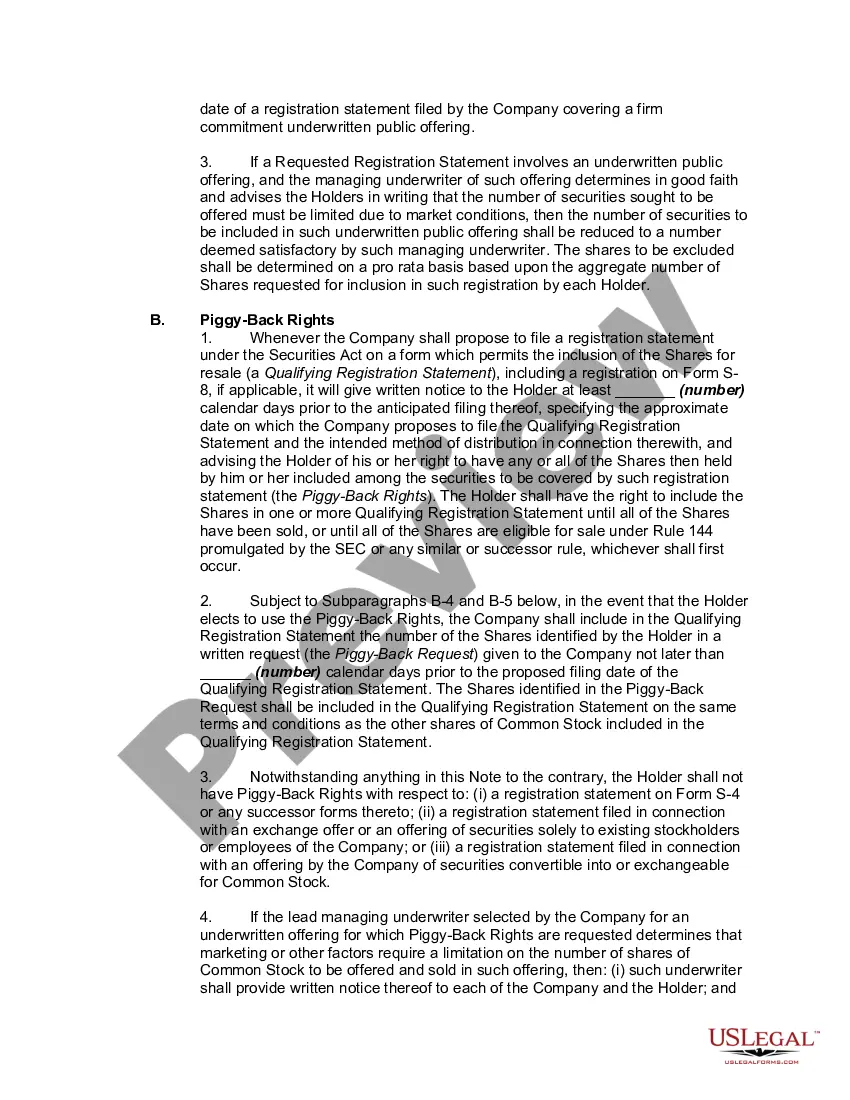
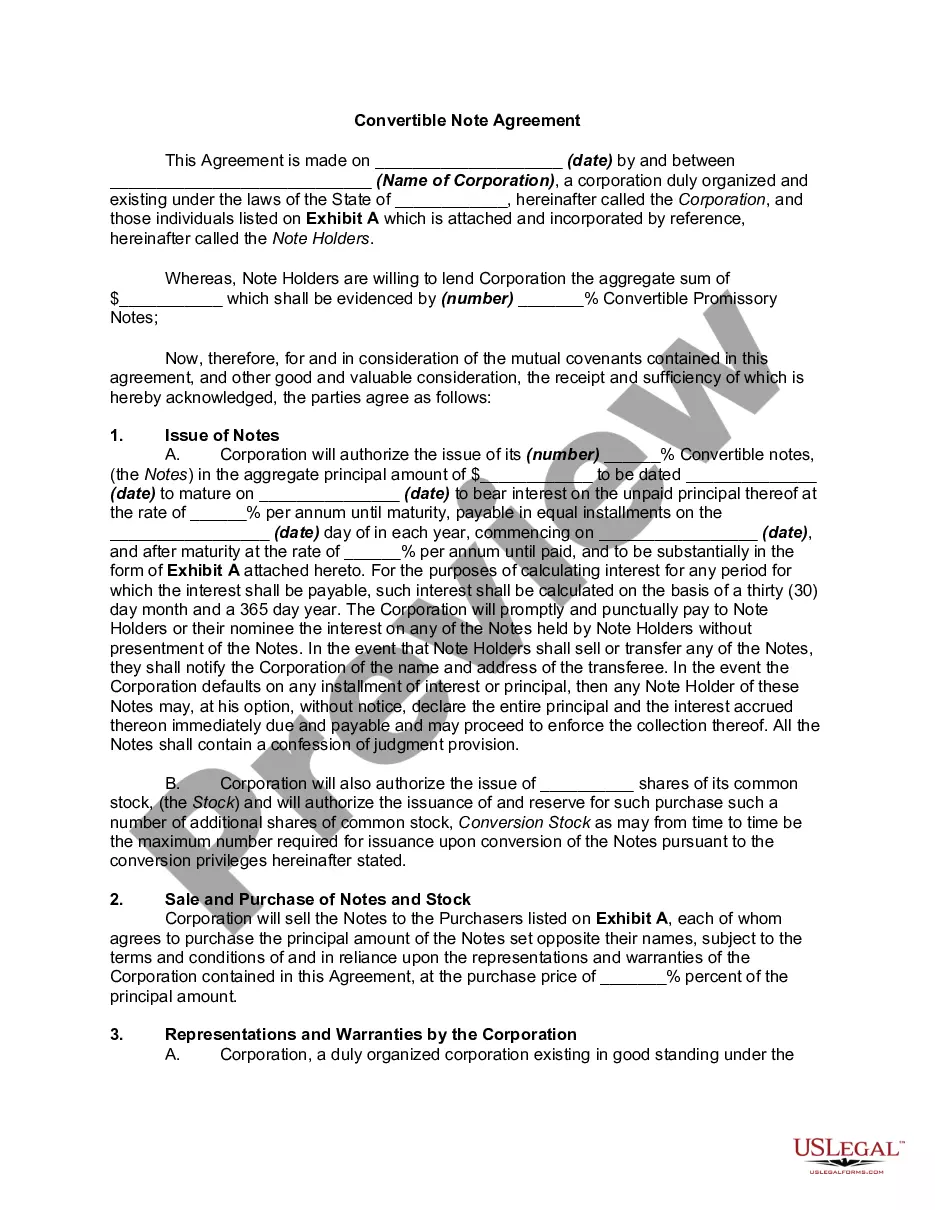
Description
Get your form ready online
Our built-in tools help you complete, sign, share, and store your documents in one place.
Make edits, fill in missing information, and update formatting in US Legal Forms—just like you would in MS Word.
Download a copy, print it, send it by email, or mail it via USPS—whatever works best for your next step.
Sign and collect signatures with our SignNow integration. Send to multiple recipients, set reminders, and more. Go Premium to unlock E-Sign.
If this form requires notarization, complete it online through a secure video call—no need to meet a notary in person or wait for an appointment.
We protect your documents and personal data by following strict security and privacy standards.

Make edits, fill in missing information, and update formatting in US Legal Forms—just like you would in MS Word.

Download a copy, print it, send it by email, or mail it via USPS—whatever works best for your next step.

Sign and collect signatures with our SignNow integration. Send to multiple recipients, set reminders, and more. Go Premium to unlock E-Sign.

If this form requires notarization, complete it online through a secure video call—no need to meet a notary in person or wait for an appointment.

We protect your documents and personal data by following strict security and privacy standards.
Looking for another form?
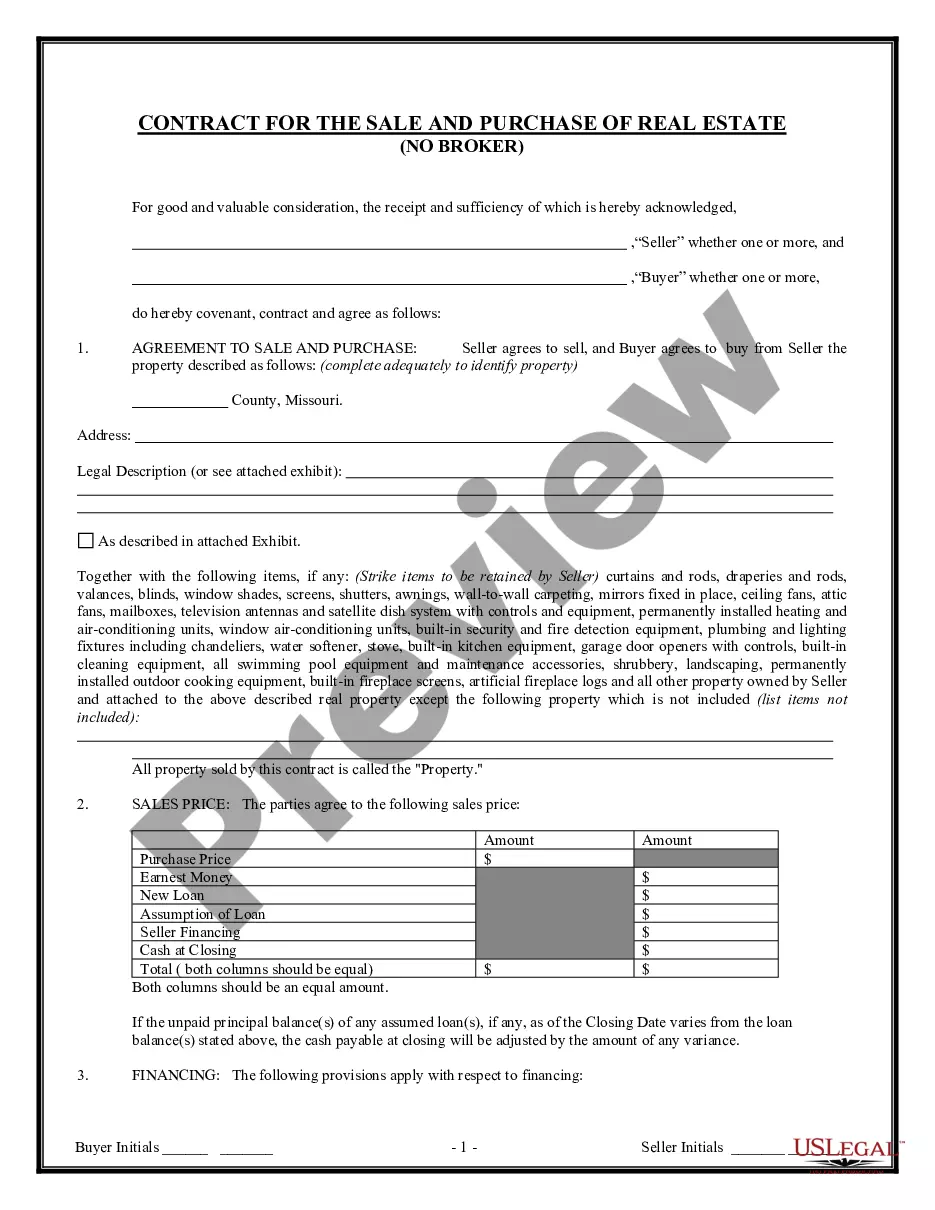






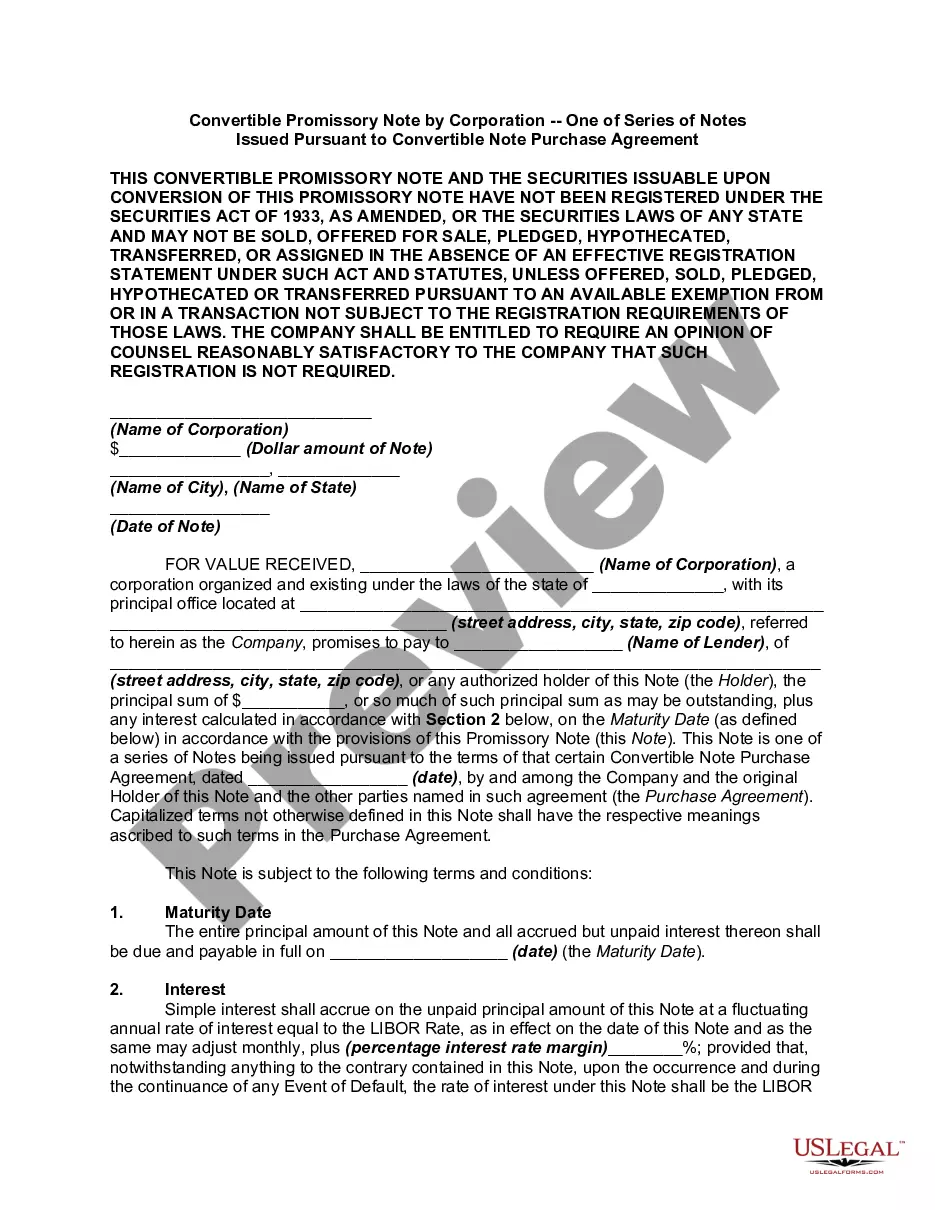
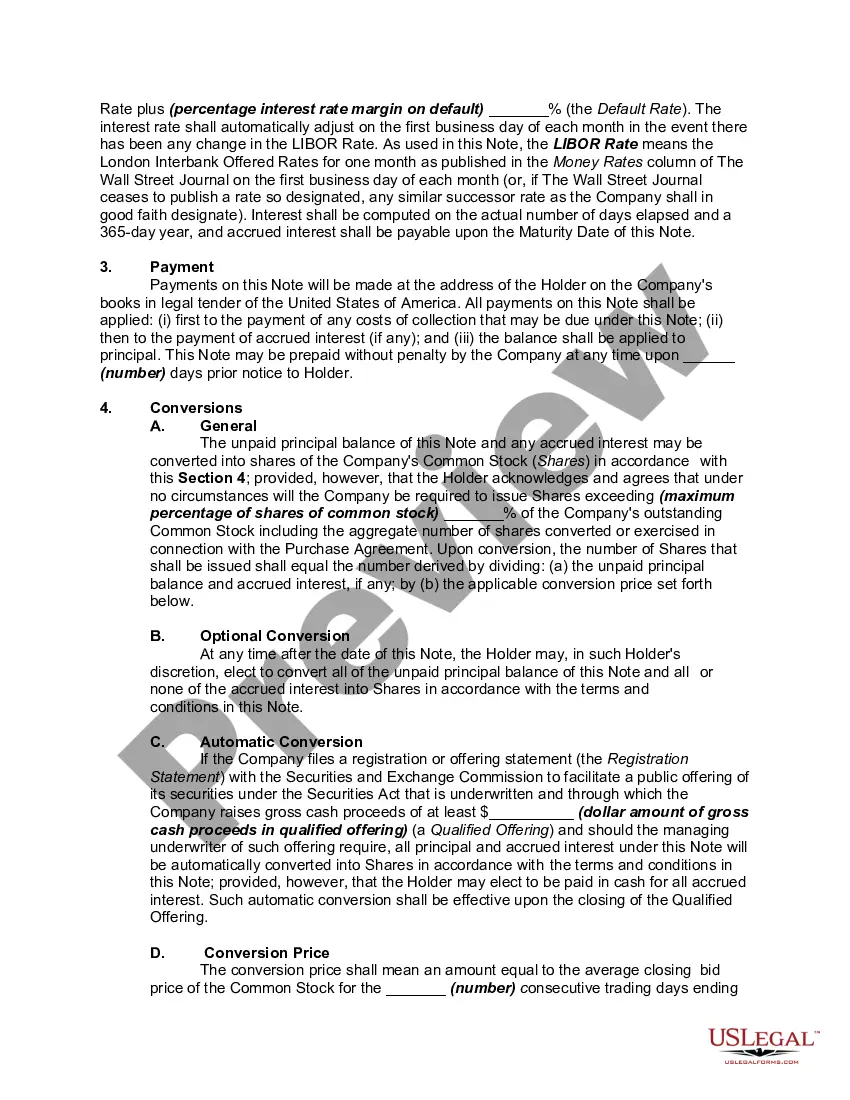
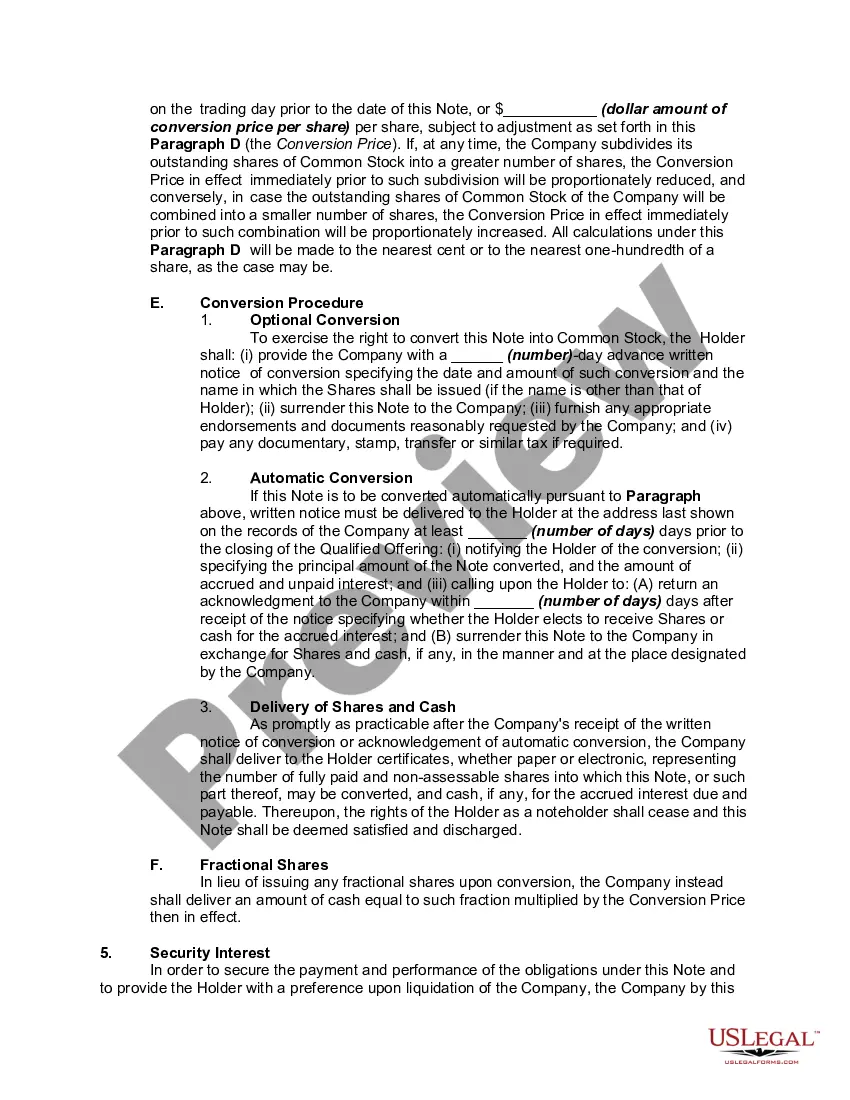
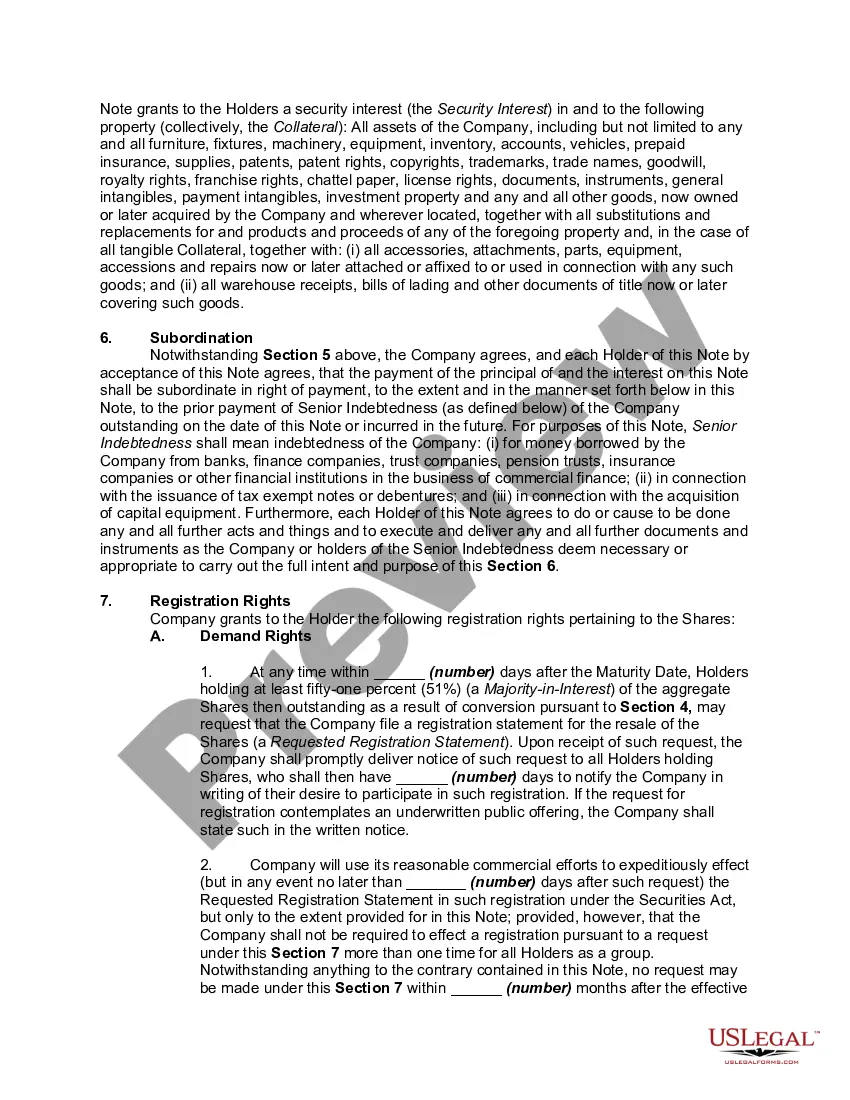
How to fill out Convertible Promissory Note By Corporation - One Of Series Of Notes Issued Pursuant To Convertible Note Purchase Agreement?
Individuals frequently link legal documents with something intricate that only an expert can handle.
In a sense, it's accurate, as creating a Convertible Promissory Note Without Interest Tax Implications demands considerable knowledge of the subject matter, including state and local laws.
However, with US Legal Forms, matters have become easier: pre-made legal templates for every life and business event, tailored to state regulations, are gathered in a single online collection and are now accessible to all.
All templates in our collection are reusable: once acquired, they remain saved in your profile. You can access them whenever necessary via the My documents tab. Explore all the benefits of utilizing the US Legal Forms platform. Subscribe today!
- US Legal Forms provides over 85k current documents categorized by state and area of use, so finding a Convertible Promissory Note Without Interest Tax Implications or any other specific template only requires minutes.
- Previously registered users with a valid subscription must Log In to their account and click Download to access the form.
- New users to the platform will first need to create an account and subscribe before they can save any paperwork.
- Here is the step-by-step guide on how to obtain the Convertible Promissory Note Without Interest Tax Implications.
- Thoroughly review the page content to ensure it meets your requirements.
- Examine the form description or view it through the Preview option.
- If the previous sample doesn't meet your needs, find another using the Search bar in the header.
- Once you locate the appropriate Convertible Promissory Note Without Interest Tax Implications, click Buy Now.
- Choose a subscription plan that aligns with your needs and budget.
Form popularity
FAQ
Convertible notes do come with interest. Similar to traditional bonds, convertible notes will have a coupon rate that denotes the interest the investor will receive, as well as a maturity date at which this interest is payable, typically a period of 12 or 24 months.
The tax basis (called in this context, the adjusted issue price) of the convertible note in the hands of the investor increases by the income taken into account over the term of the note, so that no additional income is recognized when the accrued interest is paid at maturity.
Convertible debt issued at a substantial premium could result in the instrument being treated entirely as an equity instrument for tax purposes, with no tax consequences during its term or upon redemption.
Interest on a Convertible Note is Taxable Income The law is clear, but practice is inconsistent, sometimes leading to surprises.
coupon convertible is a convertible bond issued by a corporation that pays no regular interest to bondholders. Because of the zerocoupon feature, these convertibles are sold at a discount and will instead mature to face value if they are not converted prior to the maturity date.