Convertible Note Notes Issued For Sale
Description
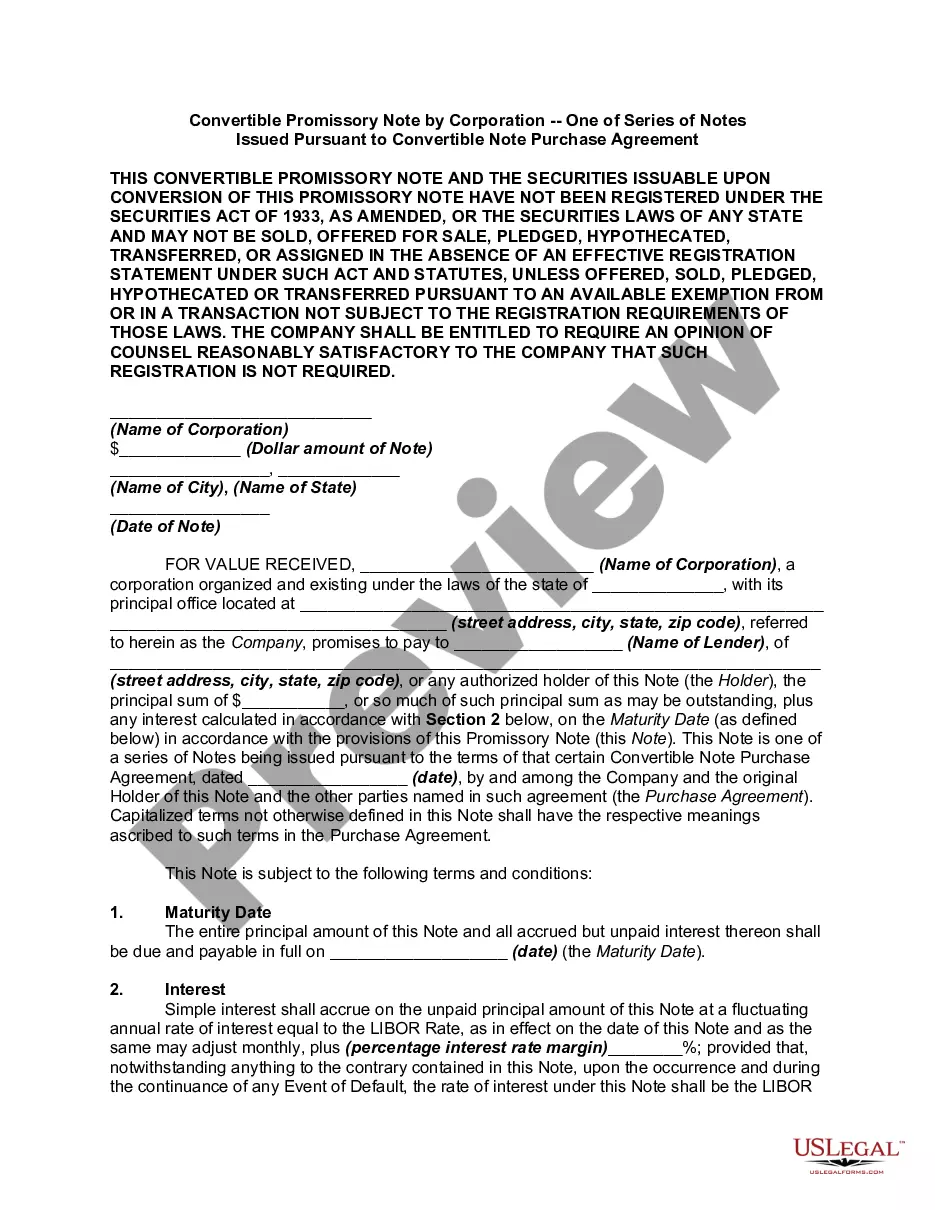
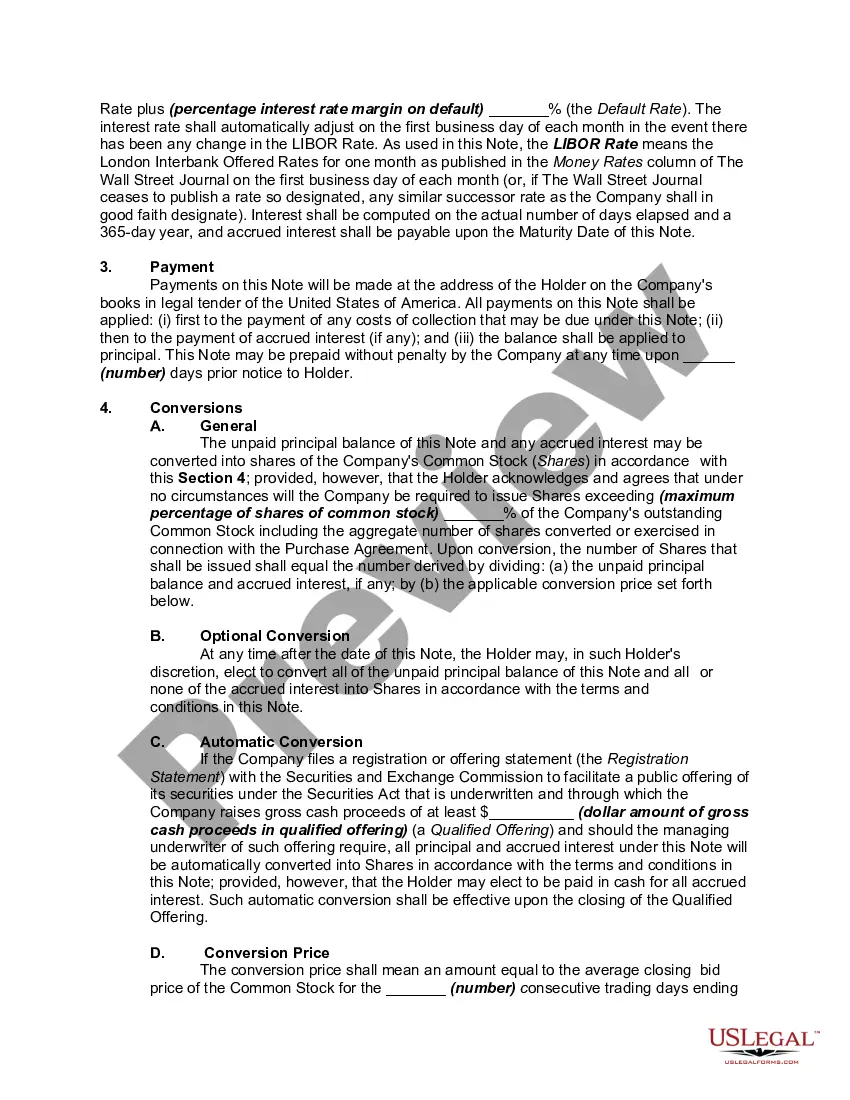
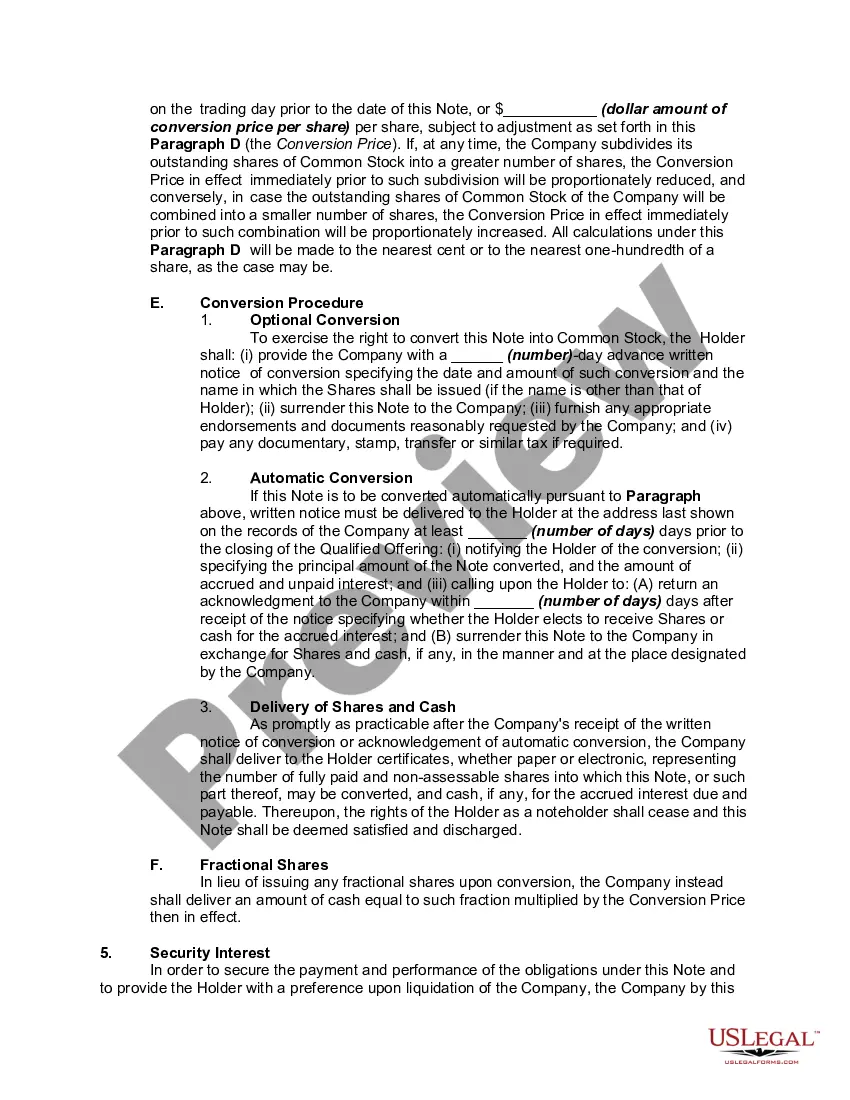
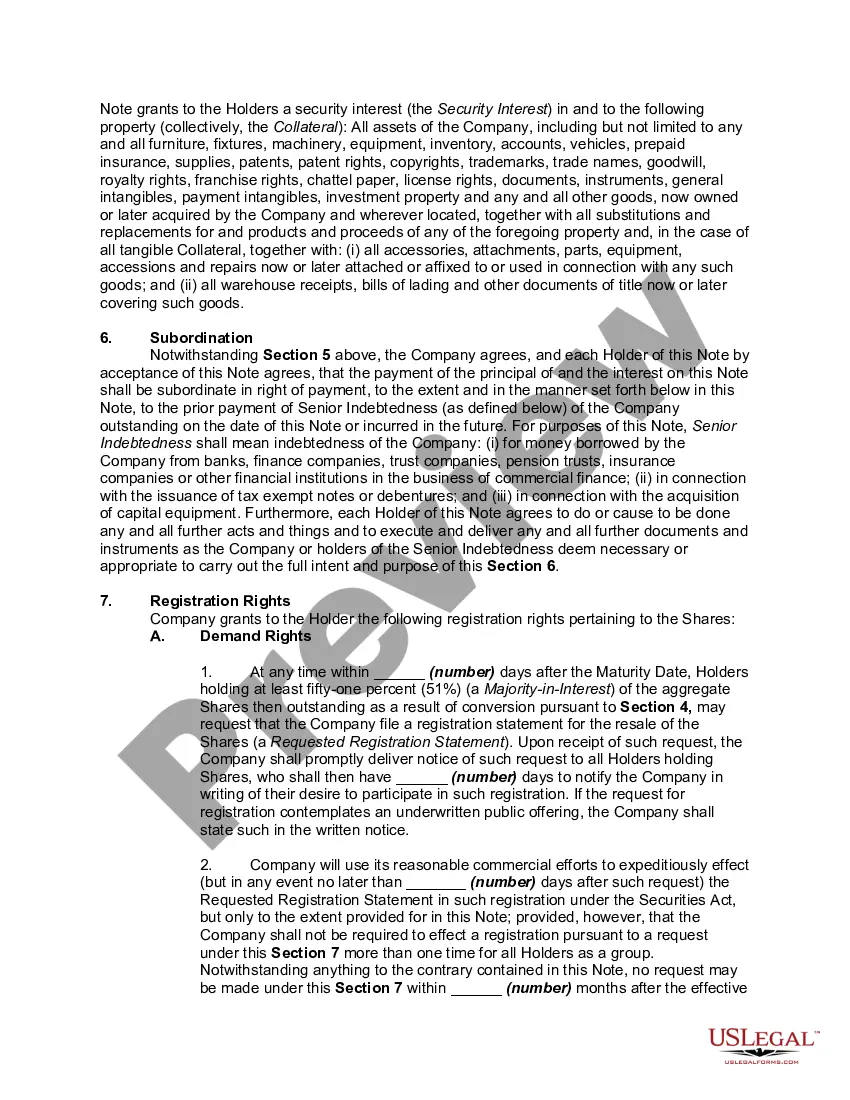
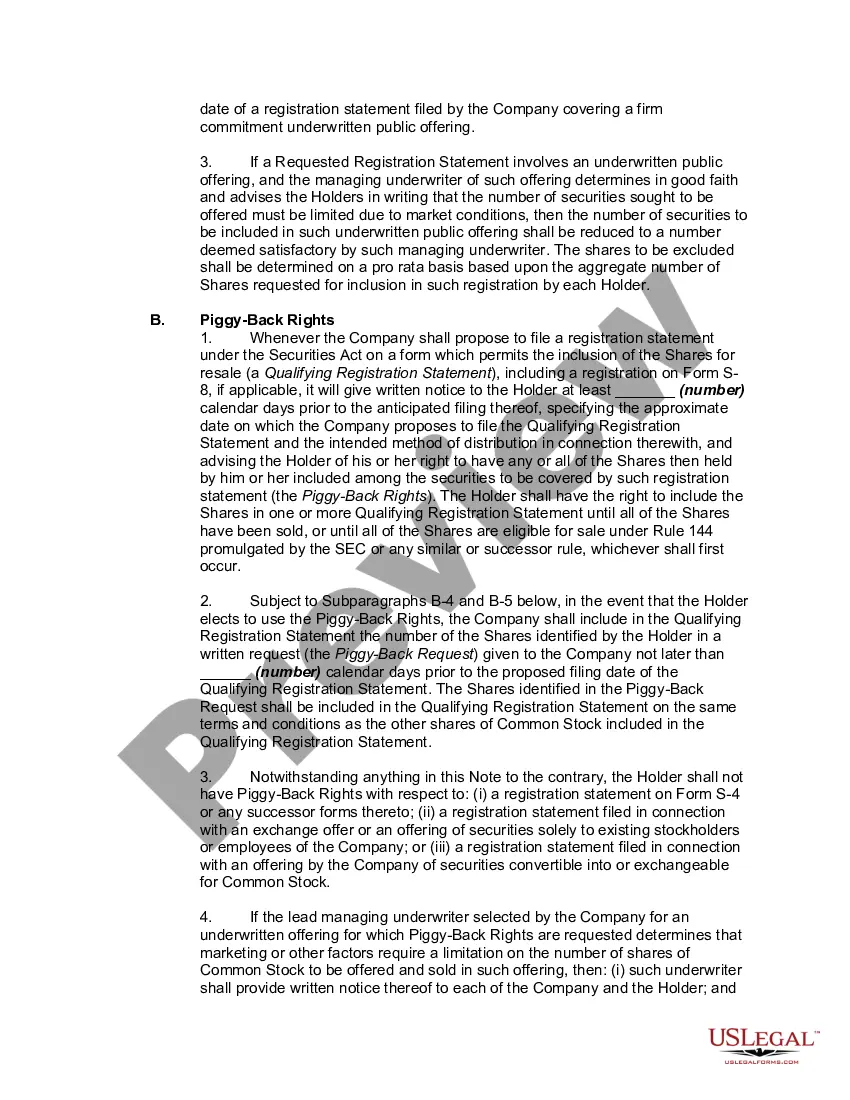
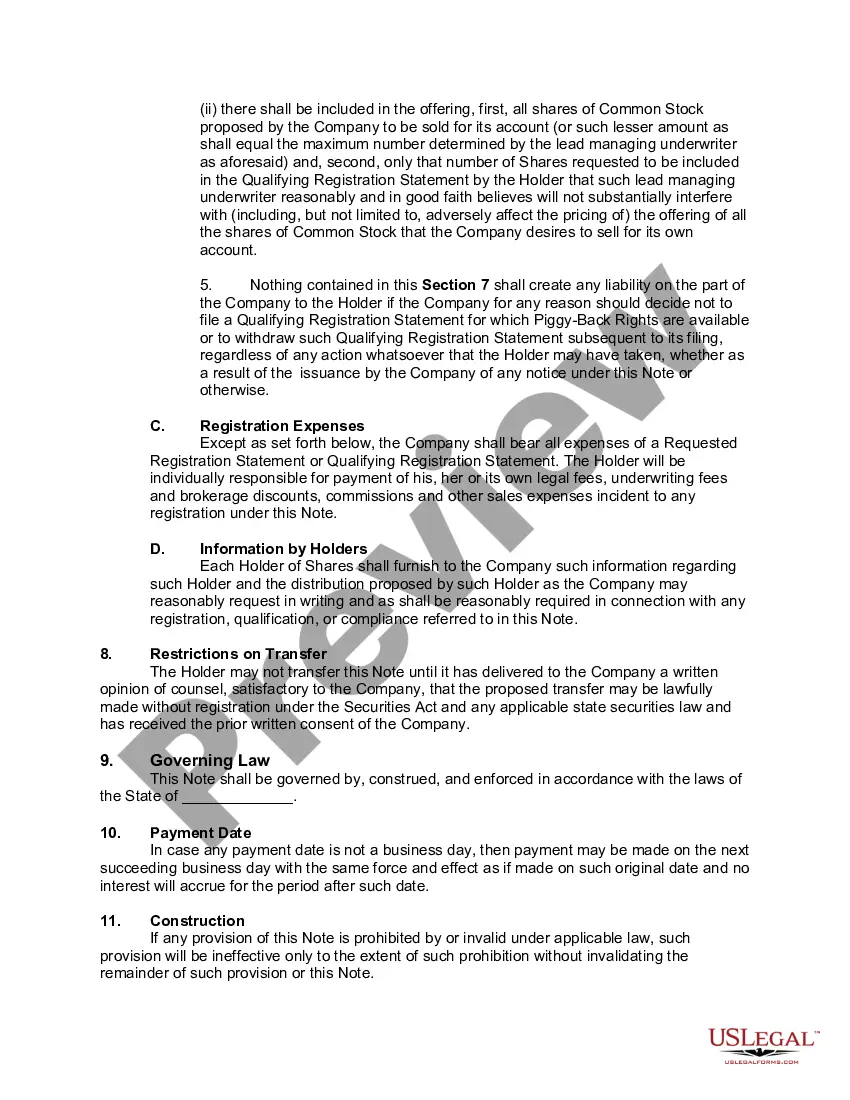
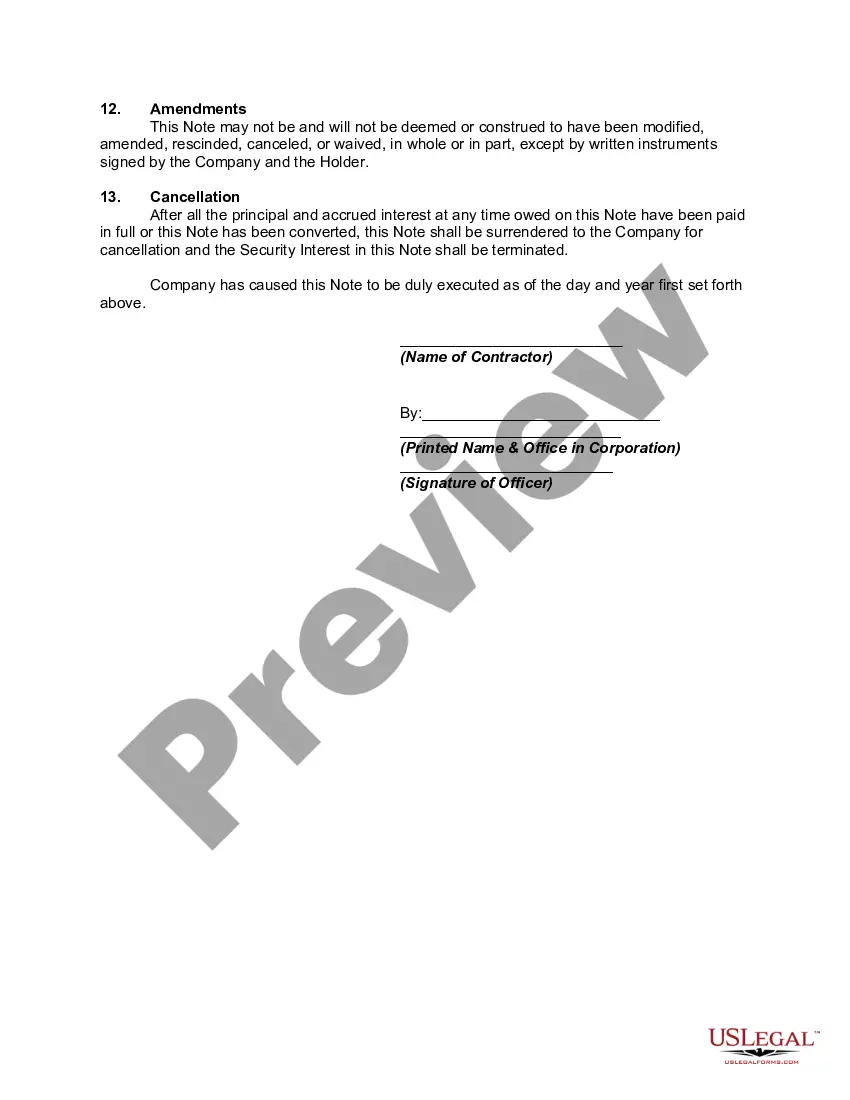
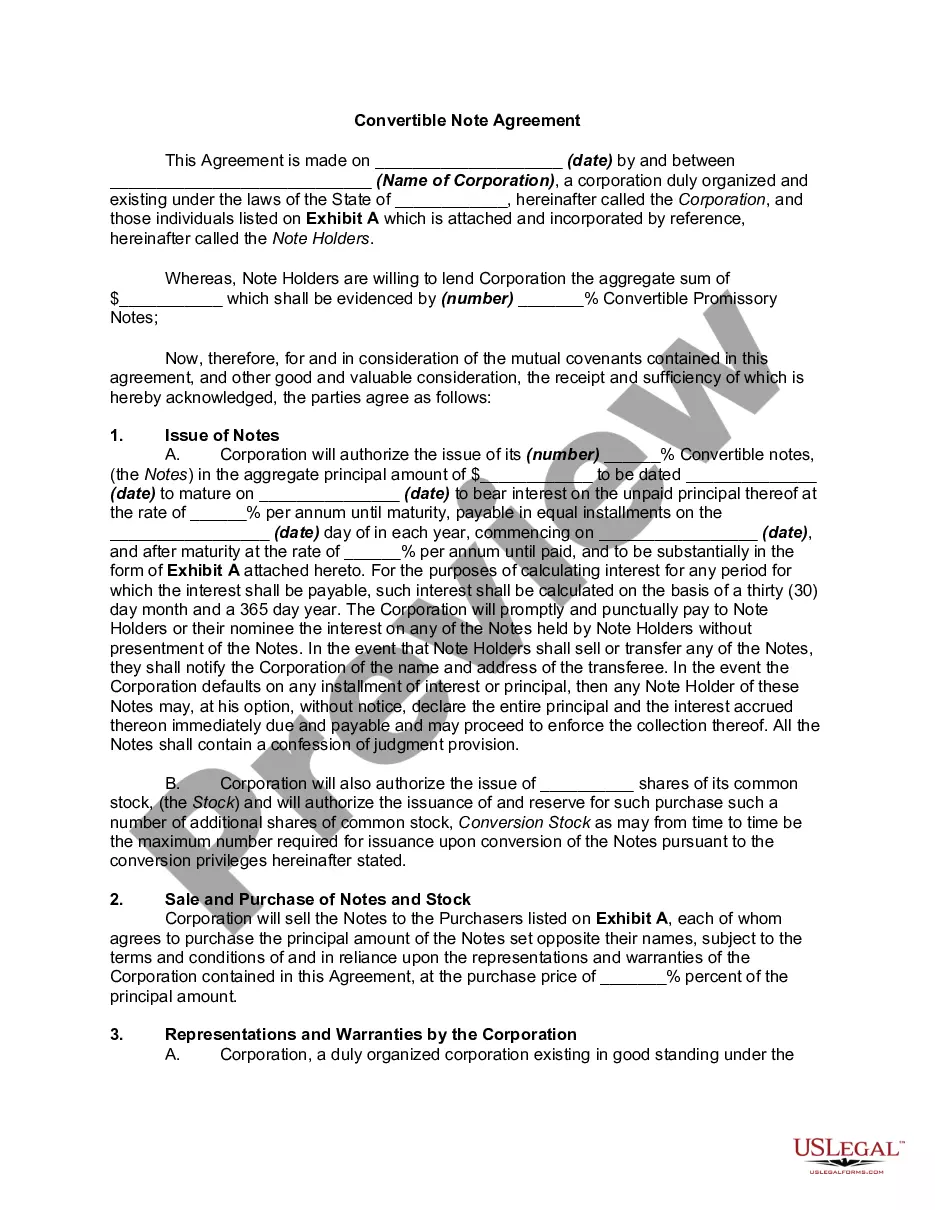
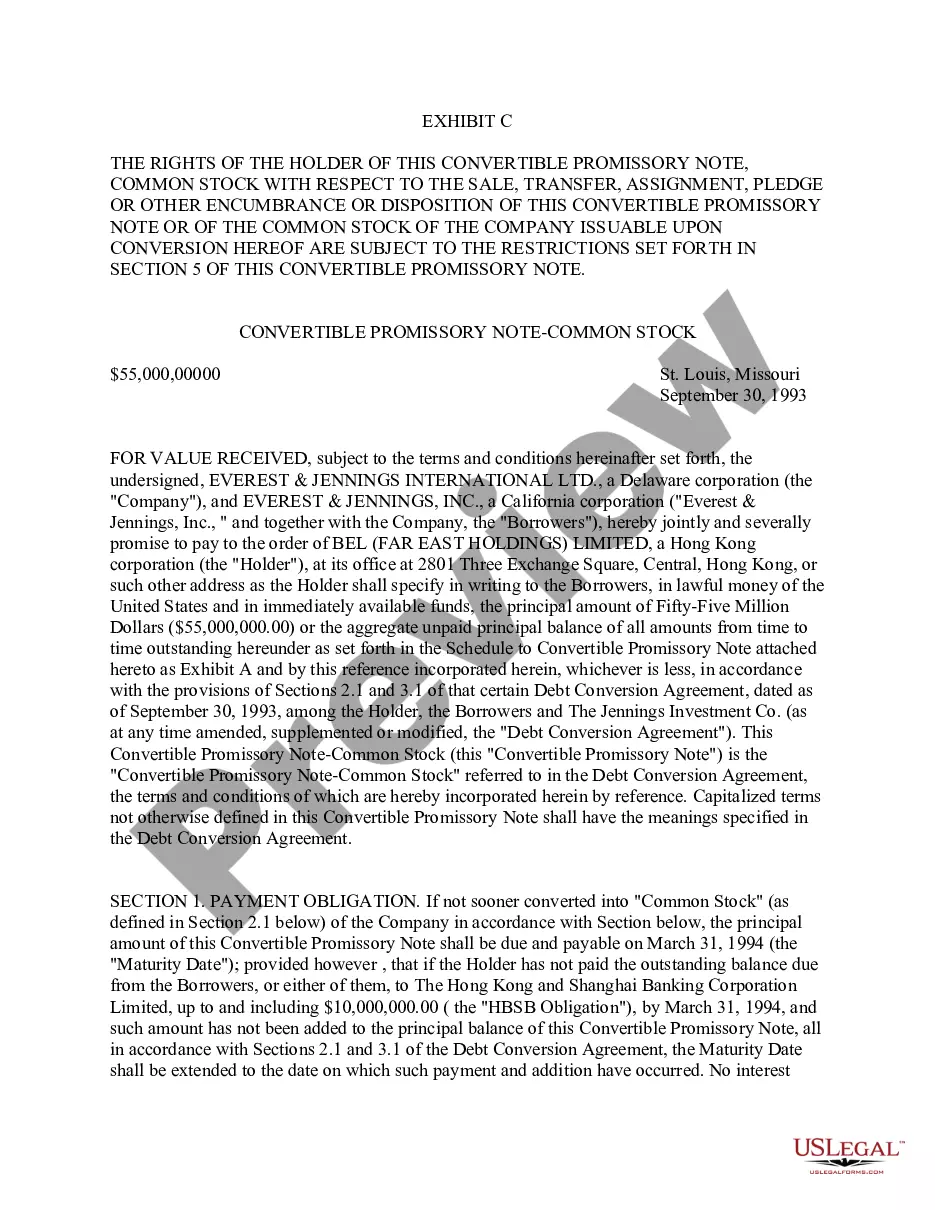
How to fill out Convertible Promissory Note By Corporation - One Of Series Of Notes Issued Pursuant To Convertible Note Purchase Agreement?
Creating legal documents from the ground up can often be intimidating.
Some situations may require extensive research and substantial financial investment.
If you’re searching for a simpler and more cost-effective method of generating Convertible Note Notes Issued For Sale or other documents without unnecessary complications, US Legal Forms is here to assist you.
Our online repository of over 85,000 current legal templates encompasses nearly every facet of your financial, legal, and personal matters.
Before diving into downloading Convertible Note Notes Issued For Sale, consider these suggestions: Review the document preview and descriptions to ensure you have located the form you need. Confirm that the template you select meets your state and county requirements. Choose the subscription option that best fits your needs for purchasing the Convertible Note Notes Issued For Sale. Download the document, then complete, sign, and print it out. US Legal Forms boasts a flawless reputation and over 25 years of experience. Join us today to make document completion straightforward and efficient!
- With just a few clicks, you can swiftly find state- and county-compliant forms meticulously prepared by our legal professionals.
- Utilize our website whenever you seek trusted and dependable services to conveniently find and download the Convertible Note Notes Issued For Sale.
- If you’re already familiar with our site and have previously set up an account, simply Log In to your account, select the form, and download it right away or re-download it anytime in the My documents section.
- Not registered yet? No worries. It takes minimal time to set up and navigate through the collection.
Form popularity
FAQ
When a convertible note matures, several outcomes can take place. If the note has not converted, the investor may require repayment of the principal and accrued interest. However, if conversion occurs, the note transforms into equity, allowing the investor to become a shareholder. Knowing the maturity terms of convertible note notes issued for sale can help investors prepare for these scenarios.
A K1 form is generally not issued for convertible notes. Instead, investors in partnership interests may receive a K1. If the convertible note converts to equity within a partnership, then the equity holder may see a K1 related to their share and earnings. Understanding the structure of your investment is essential when dealing with convertible note notes issued for sale.
If a convertible note does not convert, it typically remains as a debt obligation. This situation can arise if the company does not reach a financing round or event triggering conversion. In such cases, the issuer may need to repay the principal amount plus interest. It's important to understand the terms outlined in the convertible note notes issued for sale to anticipate the potential outcomes.
Convertible notes are generally treated as debt for tax purposes until they convert into equity. This means that interest payments on these notes may be deductible for the issuer. However, tax laws can be complex, so it is recommended to consult with a tax professional or utilize platforms like US Legal Forms to ensure compliance and clarity.
Yes, an LLC can issue convertible note notes issued for sale as a means of fundraising. This allows the LLC to secure investment while retaining flexibility in determining future equity structure. However, it’s important for the LLC to follow the appropriate legal procedures and guidelines, which can vary by state.
Convertible notes are often provided by investors looking to support startups or growing companies. Angel investors, venture capitalists, and even friends and family may offer these financial instruments. Platforms like US Legal Forms can help businesses draft the necessary documentation to facilitate the process smoothly.
In the event of an acquisition, convertible note notes issued for sale usually convert into equity in the acquiring company. This allows investors to benefit from the acquisition as they now hold shares in a potentially more valuable entity. The specific terms of conversion can vary, so it's vital for investors to review their agreement closely.
Convertible notes are typically issued by startups and early-stage companies looking to raise funds quickly. These businesses utilize convertible notes to attract investors without going through a full equity financing round. It allows companies to defer the valuation of their business until later, which can be beneficial for both parties.
One disadvantage of convertible note notes issued for sale is the potential for dilution. When these notes convert into equity, existing shareholders may see their ownership percentage decrease. Additionally, if the company does not meet its performance expectations, the value of the notes may become less favorable for investors.
If a startup fails, investors holding convertible notes may lose their investment as these notes often rank below secured debts in bankruptcy proceedings. In many cases, convertible note holders receive nothing if the company's assets do not cover liabilities. However, if the terms of the note allow for specific protections, investors may have a chance to recover some funds depending on the liquidation outcome.