Writing For Motion Formula
Description
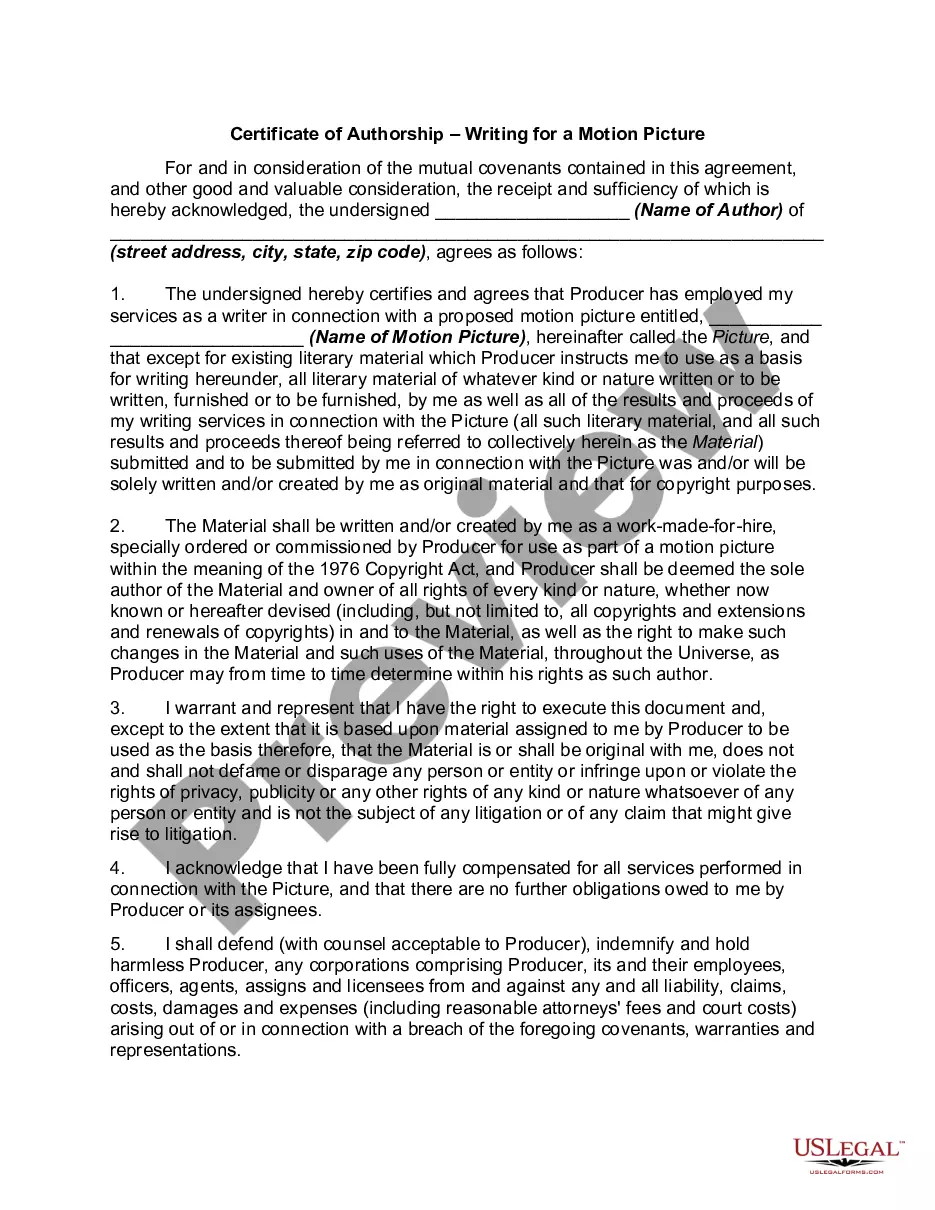
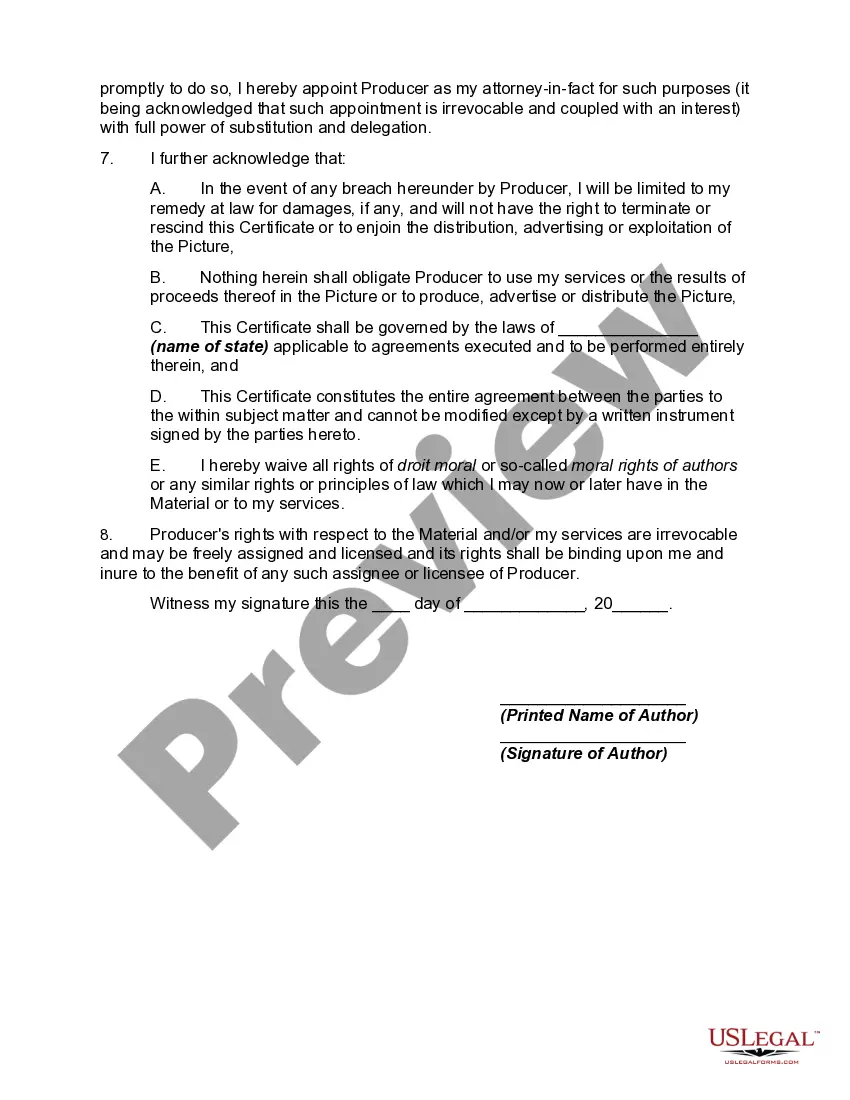
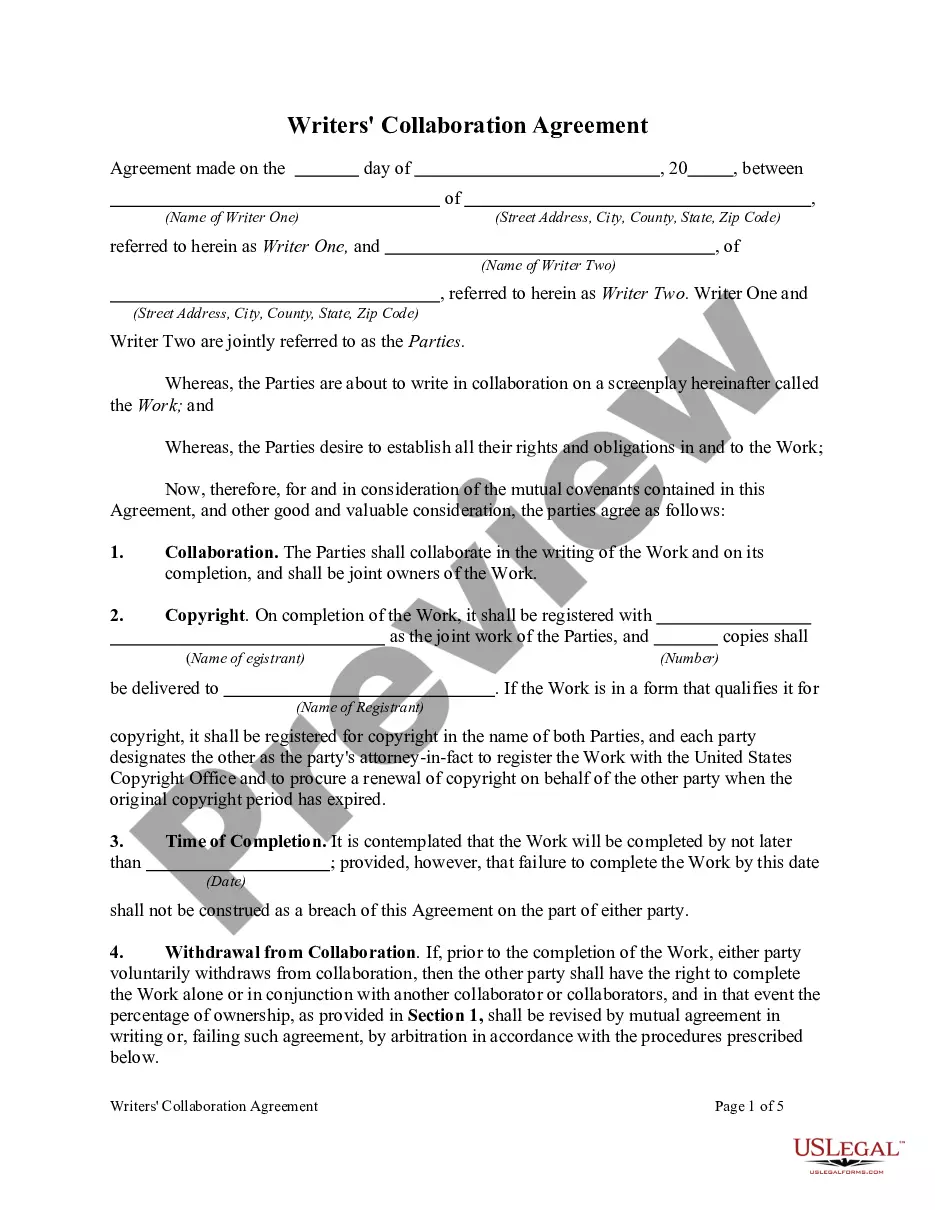
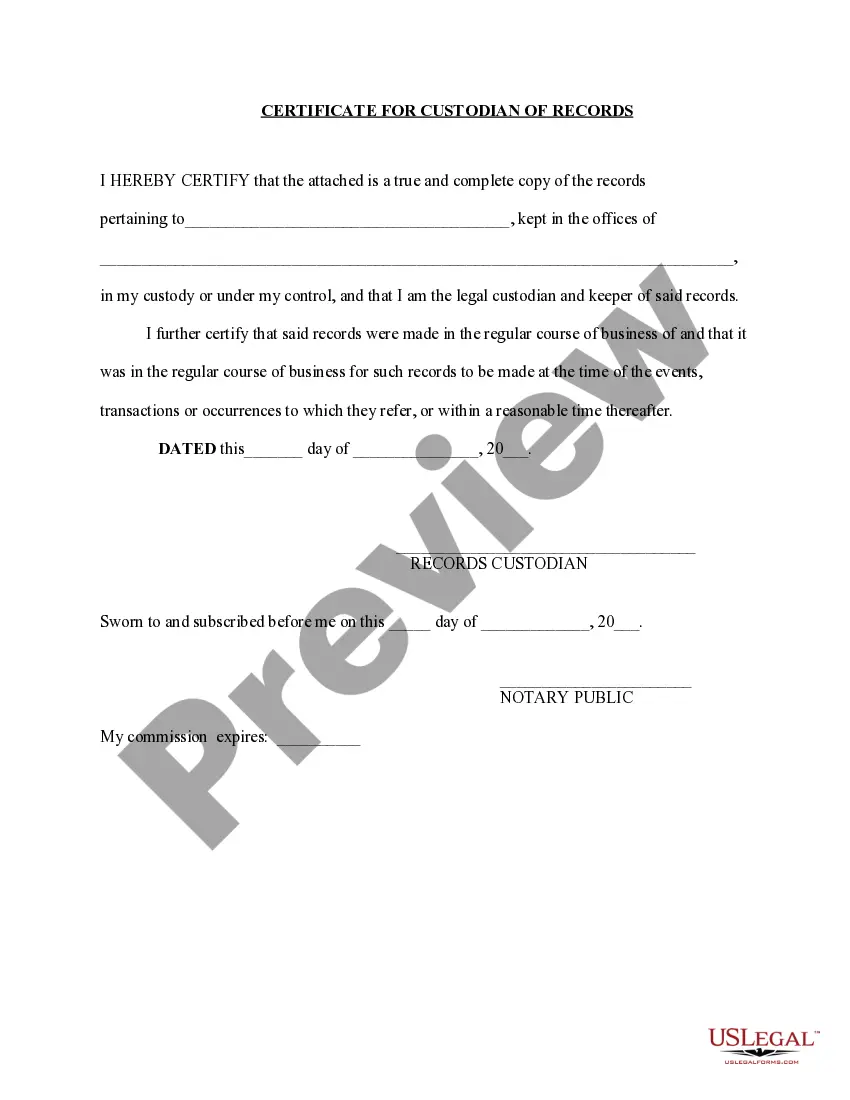
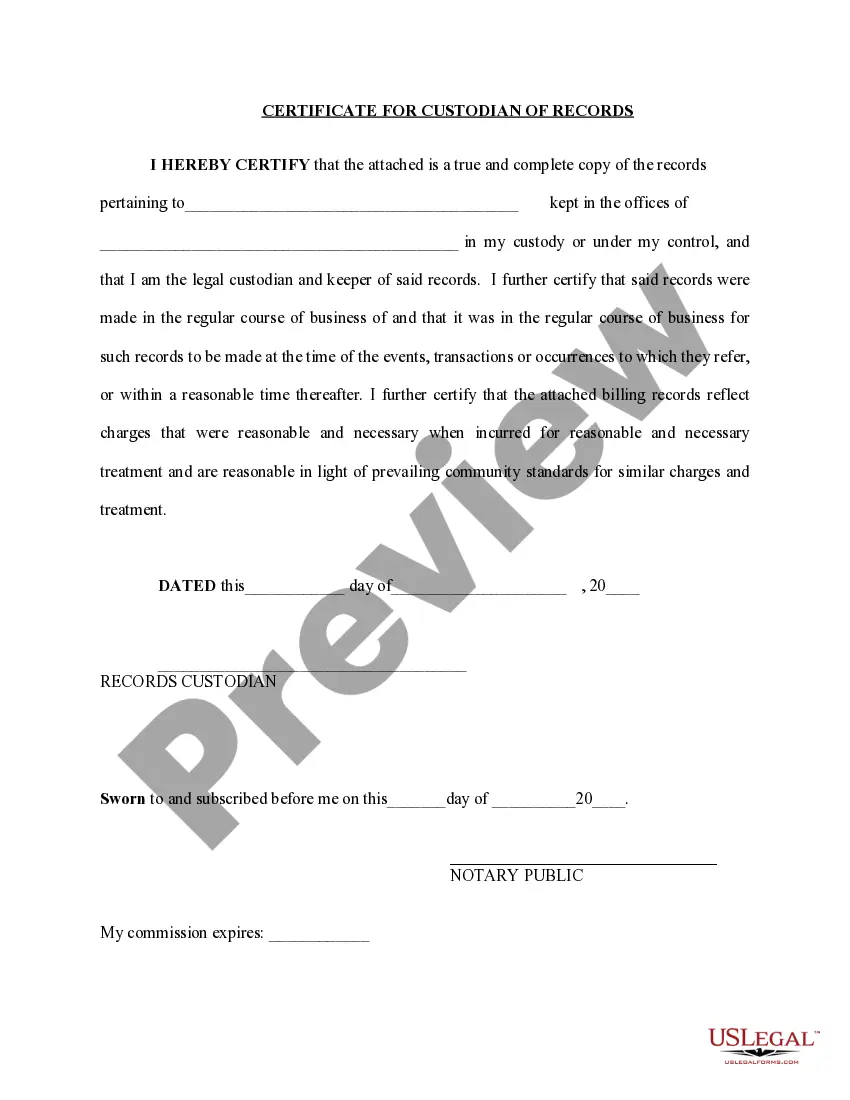
Get your form ready online
Our built-in tools help you complete, sign, share, and store your documents in one place.
Make edits, fill in missing information, and update formatting in US Legal Forms—just like you would in MS Word.
Download a copy, print it, send it by email, or mail it via USPS—whatever works best for your next step.
Sign and collect signatures with our SignNow integration. Send to multiple recipients, set reminders, and more. Go Premium to unlock E-Sign.
If this form requires notarization, complete it online through a secure video call—no need to meet a notary in person or wait for an appointment.
We protect your documents and personal data by following strict security and privacy standards.

Make edits, fill in missing information, and update formatting in US Legal Forms—just like you would in MS Word.

Download a copy, print it, send it by email, or mail it via USPS—whatever works best for your next step.

Sign and collect signatures with our SignNow integration. Send to multiple recipients, set reminders, and more. Go Premium to unlock E-Sign.

If this form requires notarization, complete it online through a secure video call—no need to meet a notary in person or wait for an appointment.

We protect your documents and personal data by following strict security and privacy standards.
Looking for another form?
How to fill out Certificate Of Authorship - Writing For A Motion Picture?
Locating a reliable source for the most up-to-date and suitable legal templates is a significant part of dealing with bureaucracy.
Identifying the appropriate legal document necessitates accuracy and careful attention, which is why it is crucial to obtain Writing For Motion Formula samples only from trustworthy sources, such as US Legal Forms.
Eliminate the stress associated with your legal documentation. Browse the extensive collection of US Legal Forms to locate legal templates, assess their applicability to your circumstances, and download them instantly.
- Utilize the library navigation or search functionality to find your document sample.
- Review the description of the form to verify if it meets the criteria for your state and locality.
- If available, view the form preview to confirm that the template aligns with your requirements.
- If the Writing For Motion Formula does not meet your needs, return to the search to find the correct document.
- If you believe the form is relevant, proceed to download it.
- As an authorized user, click Log in to verify your identity and access your selected templates in My documents.
- If you do not have an account, click Buy now to purchase the form.
- Choose the pricing plan that best fits your needs.
- Continue with the registration process to complete your purchase.
- Conclude your purchase by selecting a payment option (credit card or PayPal).
- Choose the document format for downloading Writing For Motion Formula.
- Once the form is on your device, you can edit it using the editor or print it out and fill it in by hand.
Form popularity
FAQ
The mathematical formulation of motion describes how an object changes its position over time. It includes key concepts such as distance, speed, velocity, and acceleration. When you engage in writing for motion formula, you articulate these principles clearly. This clarity helps in comprehending the foundational equations, such as Newton's laws, which govern the behavior of moving objects.
To write a formula equation effectively, start by identifying the key variables involved in your calculation. Next, arrange these variables using clear mathematical relationships, ensuring each component logically connects to the others. When writing for motion formula, maintain simplicity to ensure clarity in your message. If you need assistance in drafting a precise formula or legal document, visit US Legal Forms for user-friendly templates and guidance.
When discussing writing for motion formula, it is essential to understand the key concepts of motion. The basic formulas include distance equals speed multiplied by time, and acceleration equals change in velocity divided by time. These equations help you describe how objects move and can be applied in various real-life situations, such as calculating travel times. For comprehensive resources and templates on motion formulas, US Legal Forms provides valuable tools to assist you.
Writing equations of motion involves a clear understanding of the different aspects of motion, such as displacement, velocity, and acceleration. You typically use three main equations to describe linear motion under constant acceleration. Each equation can be adjusted to suit different scenarios in physics. By using resources like US Legal Forms, one can effectively prepare and document these equations with precision while enhancing the writing for motion formula.
To write the second equation of motion, you need to focus on the relationship between displacement, initial velocity, acceleration, and time. The equation can be framed as s = ut + 1/2 at², where 's' is displacement, 'u' is the initial velocity, 'a' is acceleration, and 't' is time. This formula highlights how velocity and acceleration impact an object's movement. Writing for motion formula helps clarify these connections for readers.
The equations of motion were first formulated by Sir Isaac Newton in the 17th century. His work laid the foundational principles of classical mechanics, which still influence scientific and engineering disciplines today. By understanding his laws, we can better grasp movement and force interactions. Therefore, when writing for motion formula, referencing Newton can provide valuable context.
The general equation of motion includes three key elements: displacement, initial velocity, and time. It can be expressed as s = ut + 1/2 at², where 's' represents displacement, 'u' is the initial velocity, 't' is time, and 'a' is acceleration. This equation serves as a backbone when discussing motion in physics. Thus, mastering the writing for motion formula helps in articulating these concepts effectively.
The formula for calculating motion typically involves position, velocity, and acceleration. Specifically, you can use the equation of motion where distance equals initial velocity times time plus half times acceleration times time squared. In simpler terms, when you know these variables, you can effectively describe an object's movement. Writing for motion formula entails understanding these relationships clearly.
Writing an equation of motion involves recognizing the variables in your problem. Start with a clear definition of what motion you are describing, and then choose an appropriate equation. After determining your equation, substitute the known values and solve. This method of writing for motion formula can help clarify complex concepts.
The four main equations of motion describe the relationship between distance, velocity, acceleration, and time. They include: 1) v = u + at, 2) s = ut + 1/2at², 3) v² = u² + 2as, and 4) s = vt to include initial velocity, final velocity, and acceleration. Familiarity with these equations is vital when writing for motion formula. They give fundamental insights into motion dynamics.