Script Writing For Motion Graphics
Description
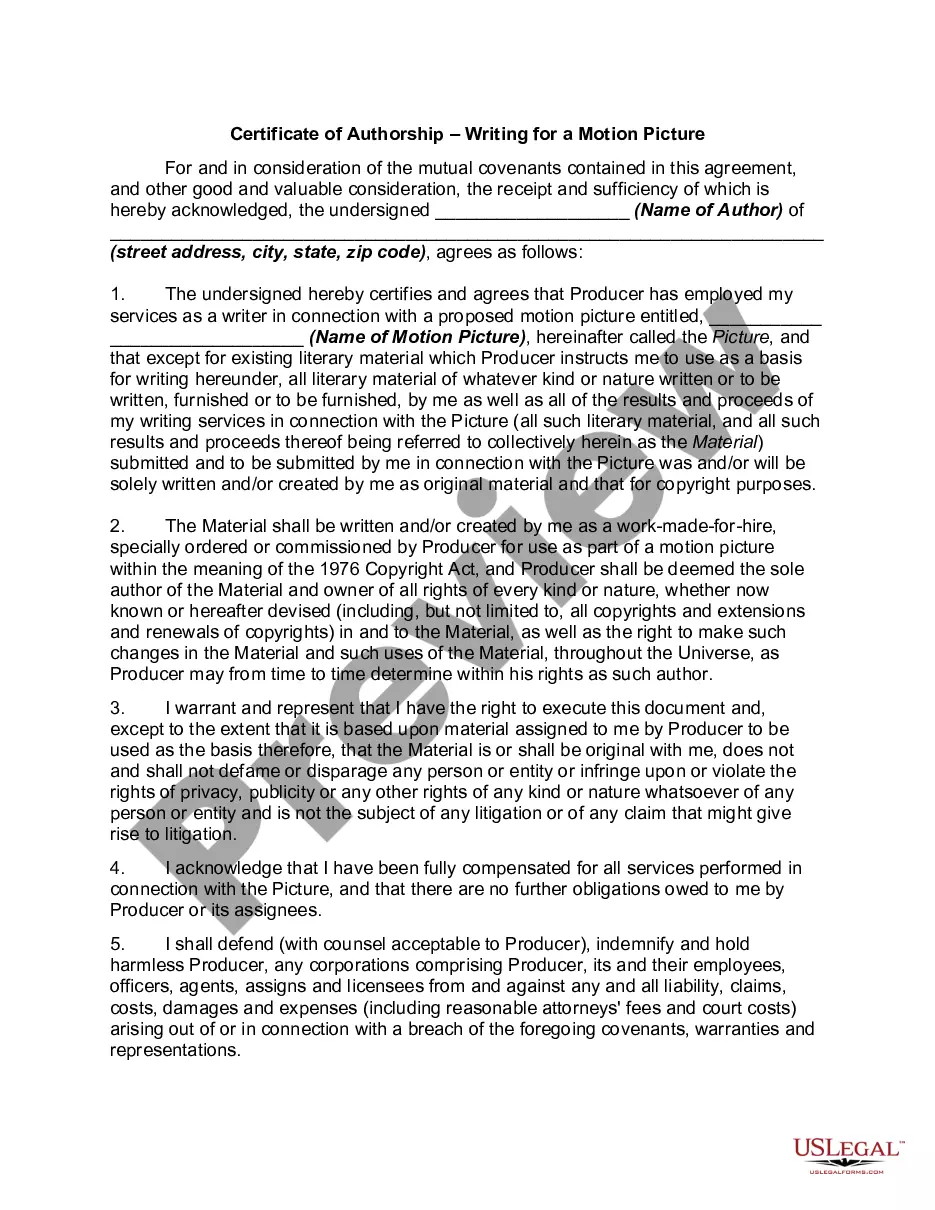
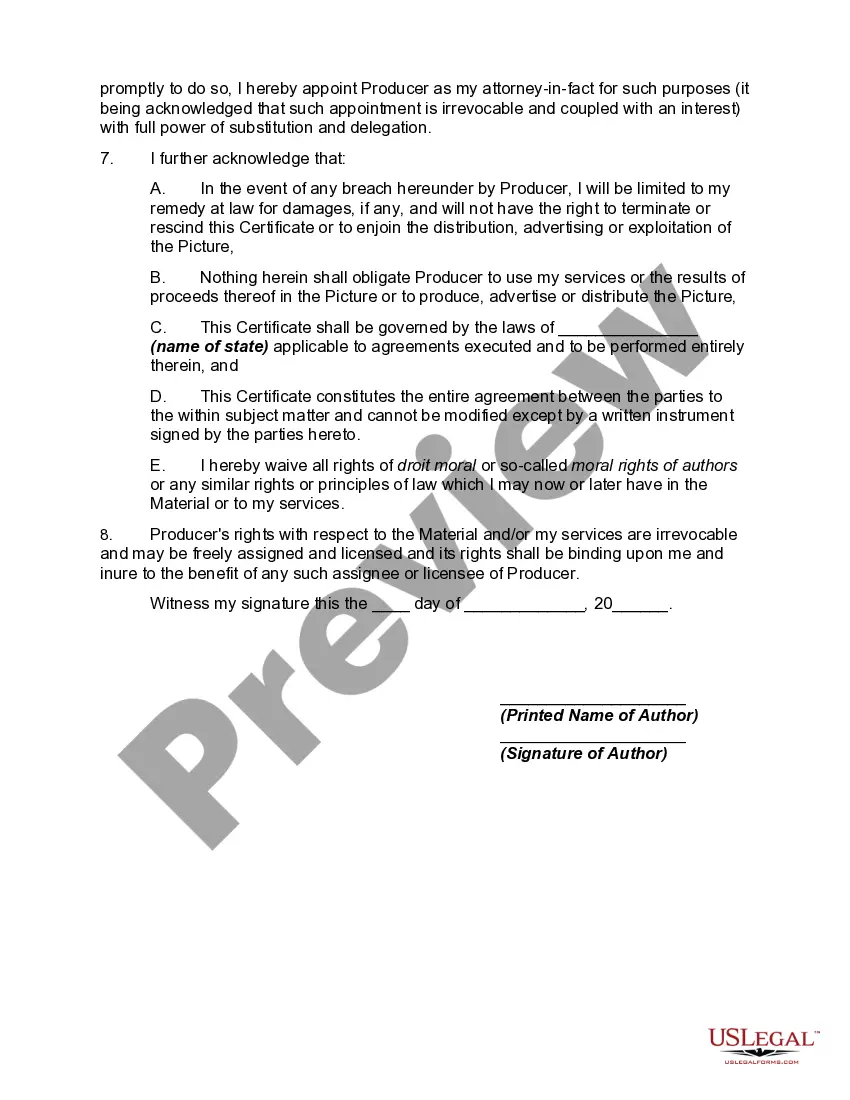
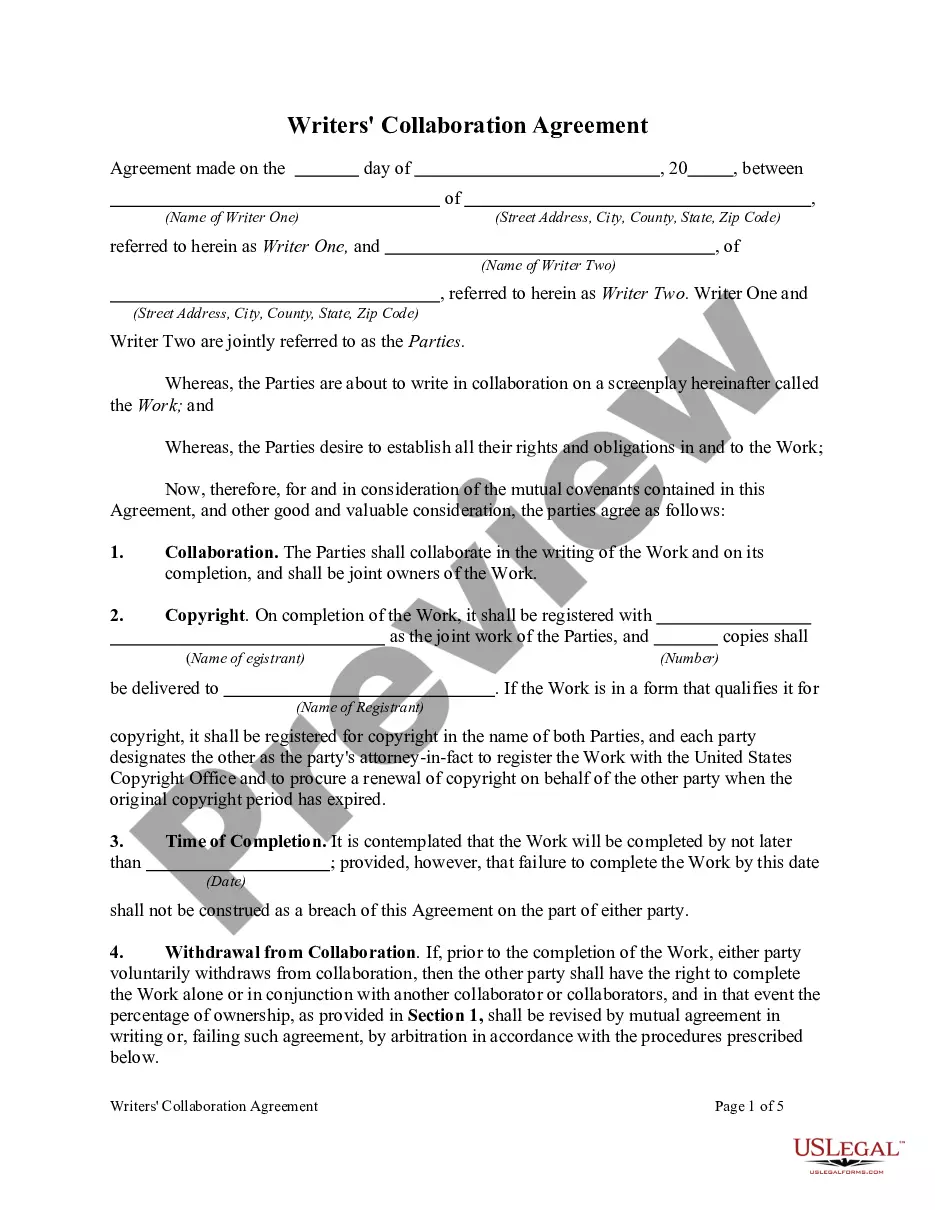
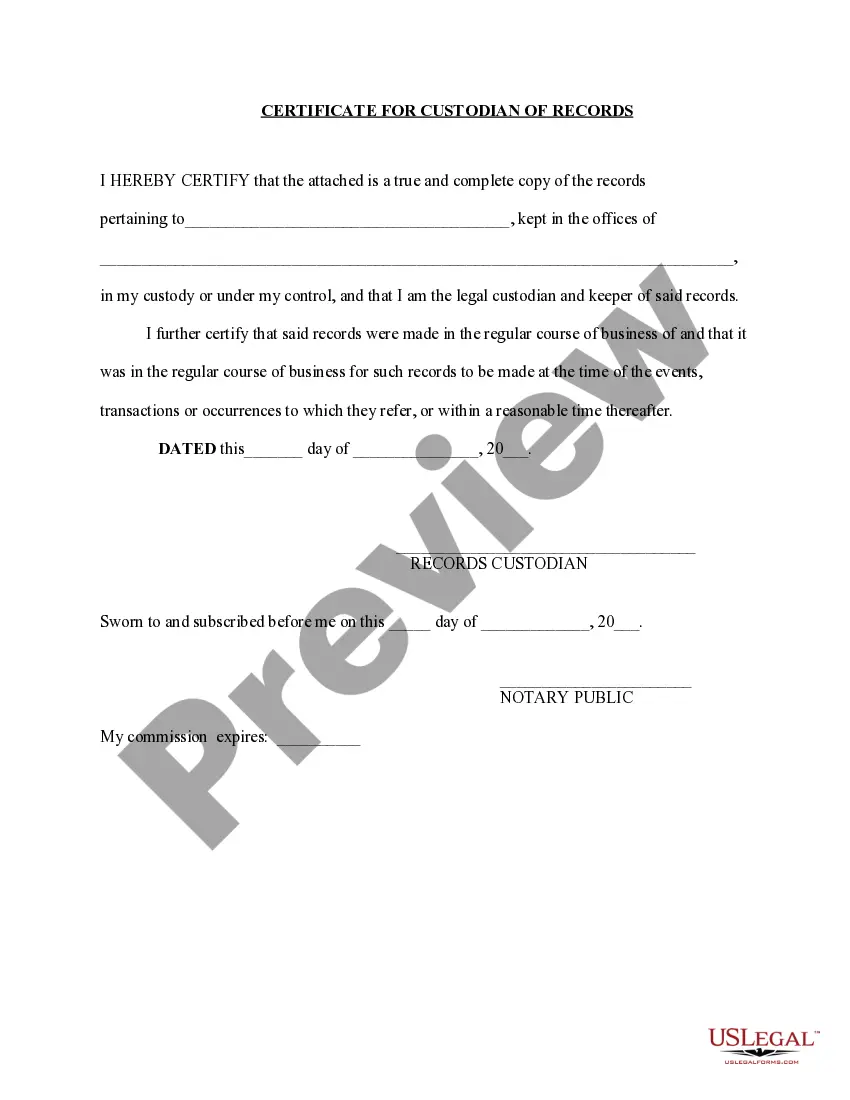
Get your form ready online
Our built-in tools help you complete, sign, share, and store your documents in one place.
Make edits, fill in missing information, and update formatting in US Legal Forms—just like you would in MS Word.
Download a copy, print it, send it by email, or mail it via USPS—whatever works best for your next step.
Sign and collect signatures with our SignNow integration. Send to multiple recipients, set reminders, and more. Go Premium to unlock E-Sign.
If this form requires notarization, complete it online through a secure video call—no need to meet a notary in person or wait for an appointment.
We protect your documents and personal data by following strict security and privacy standards.

Make edits, fill in missing information, and update formatting in US Legal Forms—just like you would in MS Word.

Download a copy, print it, send it by email, or mail it via USPS—whatever works best for your next step.

Sign and collect signatures with our SignNow integration. Send to multiple recipients, set reminders, and more. Go Premium to unlock E-Sign.

If this form requires notarization, complete it online through a secure video call—no need to meet a notary in person or wait for an appointment.

We protect your documents and personal data by following strict security and privacy standards.
Looking for another form?
Form popularity
FAQ
Examples of motion graphics include animated logos, informational videos, and dynamic presentations. They often feature eye-catching text animations, illustrations, and transitions that enhance storytelling. In script writing for motion graphics, consider how these elements interact with your narrative to create a seamless experience. Platforms like US Legal Forms can offer tools and resources to assist in producing effective motion graphics that resonate with audiences.
Writing scripts for short videos requires sharp focus on essential content. Begin by identifying your core message and maintaining a tight structure that consists of a beginning, middle, and end. In script writing for motion graphics, utilize engaging visuals to complement your words, making each moment memorable. Edit ruthlessly to get your script to its most impactful form.
For a 3-minute video, aim for about 450 to 600 words of text, which translates to approximately 150 to 200 words per minute. This range helps maintain viewer engagement while ensuring your message is clear. During your script writing for motion graphics, consider pacing and pauses, which can enhance understanding and provide visual breaks in the animation. Balance is key.
To write a 3-minute script, you must first define your key message and break it down into main points. Create a structure that includes an introduction, body, and conclusion, ensuring clarity and flow. In script writing for motion graphics, visualize how each point will translate into captivating animations. Lastly, practice delivering your script to nail the timing and engagement.
Writing a script for an animated show involves understanding your audience and the story you want to tell. Start with character development, and create a relevant plot that captivates viewers. Remember that script writing for motion graphics often includes visual cues and directions that guide the animation effectively. Additionally, keep dialogue lively and relatable to connect with your audience.
To write a script for a 3-minute video, start by outlining your main points and organizing them logically. Focus on a strong hook to grab attention, followed by clear and concise sections that elaborate on your ideas. Remember, script writing for motion graphics should prioritize visual storytelling, so think about how your words will pair with visuals. After drafting, revise to polish the language and ensure brevity.
When considering script writing for motion graphics, a general rule is to aim for about 450 to 600 words for a 3-minute video. This length allows for clear, engaging delivery without overwhelming the audience. You want to ensure that each word counts and effectively communicates your message. Therefore, focusing on conciseness is essential.
The 3 C's of screenwriting are Character, Conflict, and Conclusion. Strong characters drive the story, conflict generates tension, and a satisfying conclusion resolves the narrative arc. Understanding these elements is essential, especially in script writing for motion graphics, where visuals must align with the story.
For beginners writing a movie script, start with a solid outline that defines your plot, characters, and key events. Study screenplay formatting as this will refine your writing process. Utilize resources available on platforms like US Legal Forms to get templates and guidelines that make writing easier.
To write scripts for animation, focus on character development and visual storytelling. Draft dialogue that reflects the characters' personalities while also considering the pacing of the animation. Incorporate stage directions that guide animators on how to bring your vision to life.
