Claiming Damages For
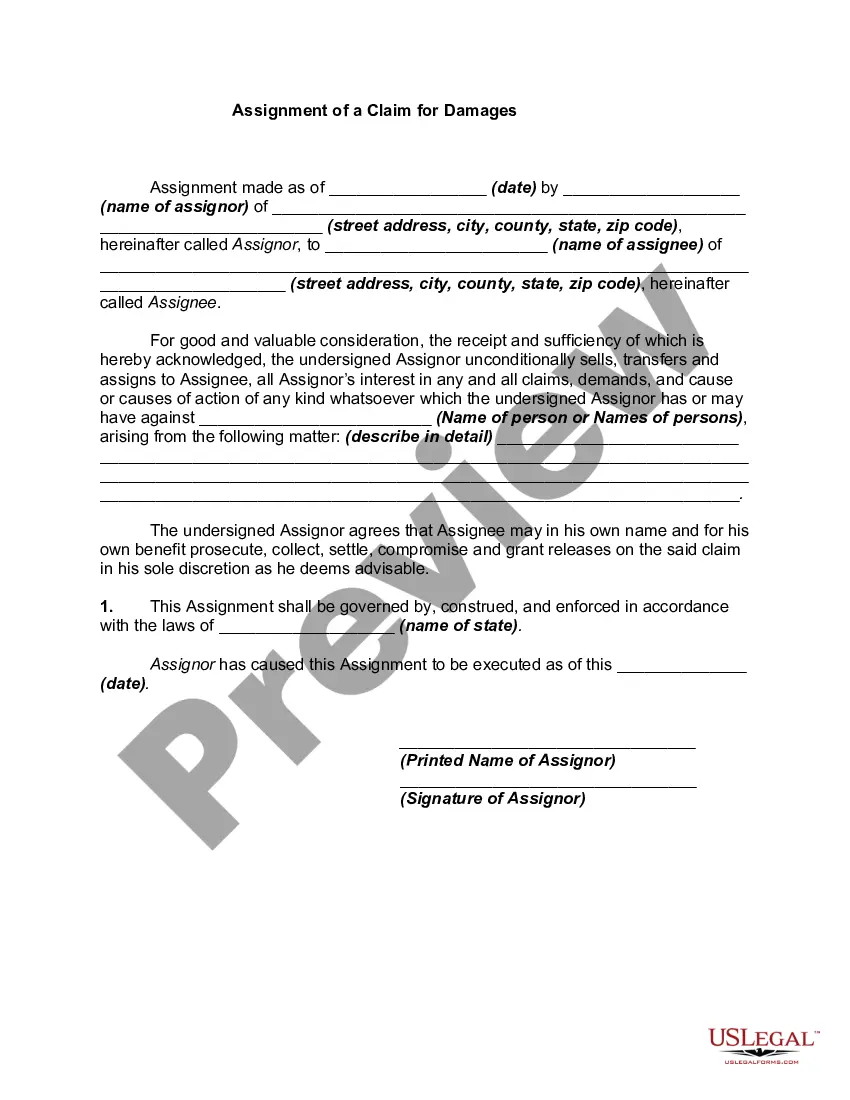
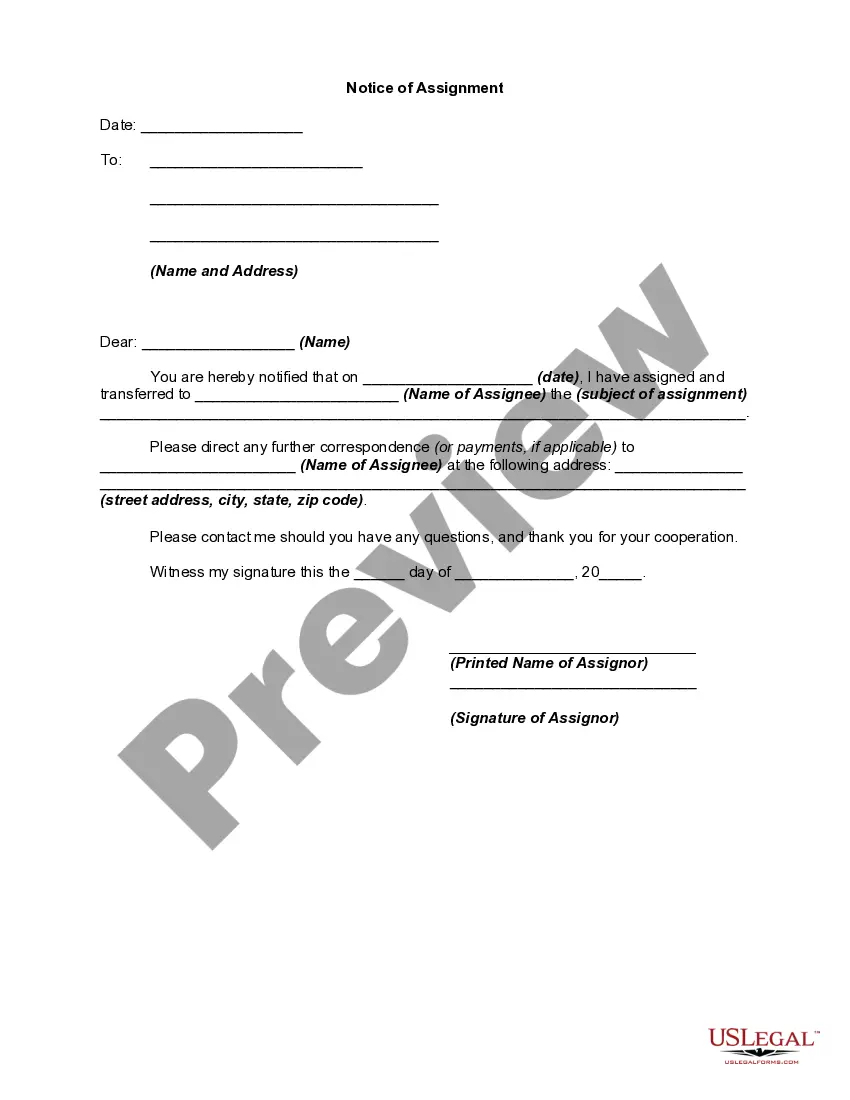
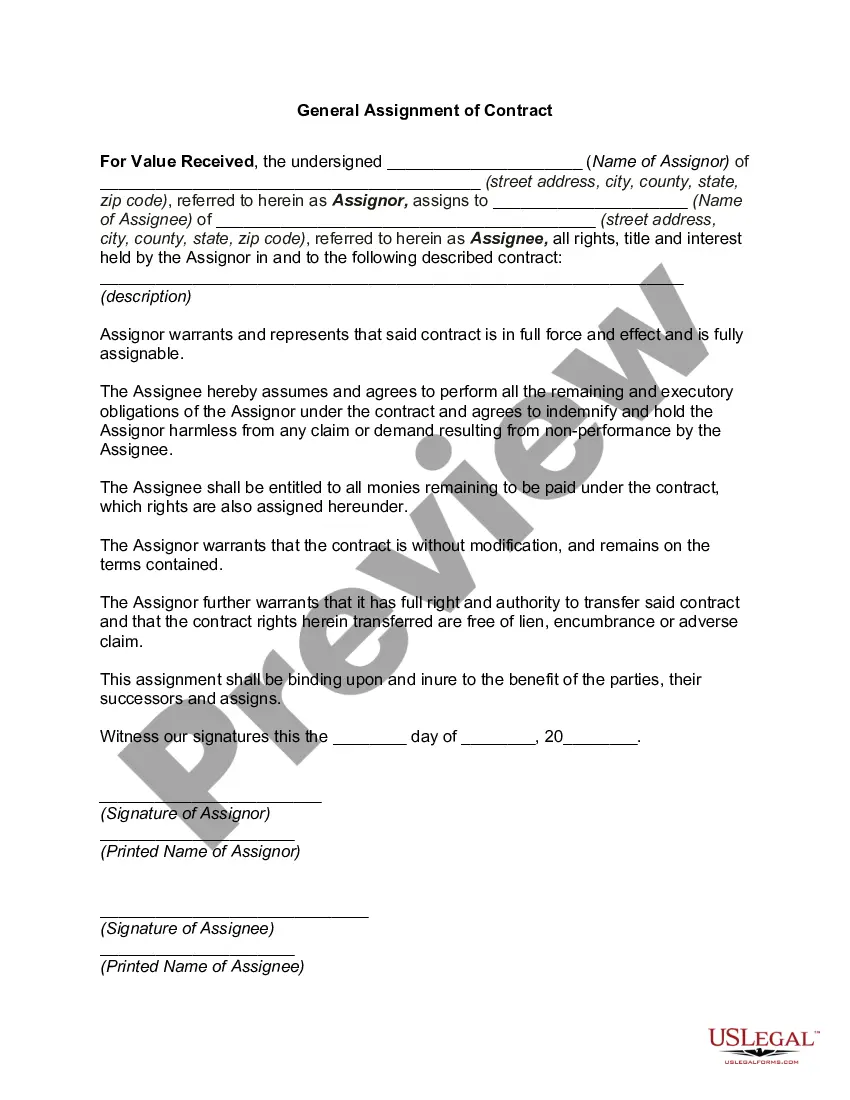
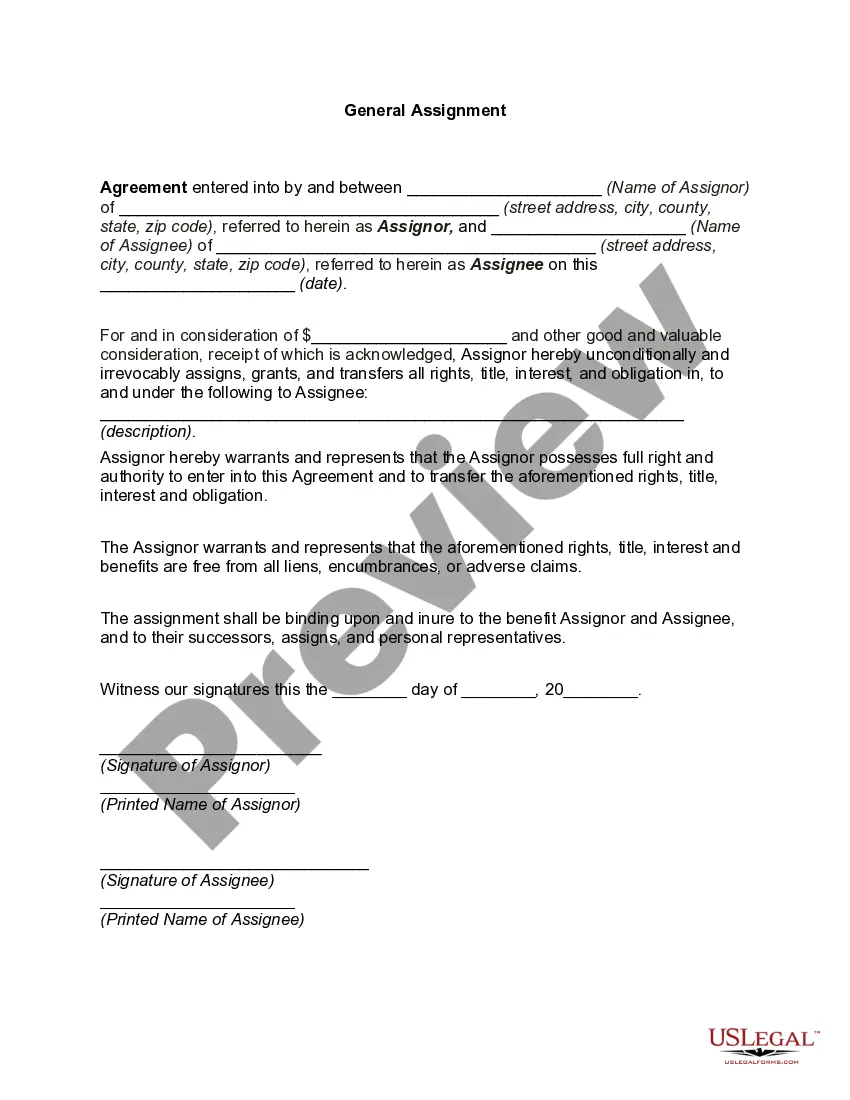
Description
Get your form ready online
Our built-in tools help you complete, sign, share, and store your documents in one place.
Make edits, fill in missing information, and update formatting in US Legal Forms—just like you would in MS Word.
Download a copy, print it, send it by email, or mail it via USPS—whatever works best for your next step.
Sign and collect signatures with our SignNow integration. Send to multiple recipients, set reminders, and more. Go Premium to unlock E-Sign.
If this form requires notarization, complete it online through a secure video call—no need to meet a notary in person or wait for an appointment.
We protect your documents and personal data by following strict security and privacy standards.

Make edits, fill in missing information, and update formatting in US Legal Forms—just like you would in MS Word.

Download a copy, print it, send it by email, or mail it via USPS—whatever works best for your next step.

Sign and collect signatures with our SignNow integration. Send to multiple recipients, set reminders, and more. Go Premium to unlock E-Sign.

If this form requires notarization, complete it online through a secure video call—no need to meet a notary in person or wait for an appointment.

We protect your documents and personal data by following strict security and privacy standards.
Looking for another form?


How to fill out Assignment Of A Claim For Damages?
Managing legal documentation and processes can be a lengthy addition to your schedule.
Requesting Compensation For and similar forms typically require you to locate them and comprehend the best method to fill them out accurately.
Thus, whether you are addressing financial, legal, or personal issues, utilizing a comprehensive and efficient online repository of forms when necessary will greatly assist.
US Legal Forms is the leading online platform for legal documents, boasting over 85,000 state-specific forms and a variety of tools to facilitate the quick completion of your paperwork.
Is this your first time using US Legal Forms? Sign up and create an account in a few minutes, and you will gain access to the form library and Requesting Compensation For. Then, follow the steps below to complete your form.
- Explore the library of relevant documents available to you with a single click.
- US Legal Forms provides state- and county-specific forms ready for download at any time.
- Protect your document management processes with premium support that enables you to create any form in minutes without additional or hidden fees.
- Simply Log In to your account, find Requesting Compensation For, and fetch it immediately from the My documents section.
- You can also retrieve previously stored forms.
Form popularity
FAQ
To be awarded damages, you must prove several key elements including negligence, causation, and actual damages. When claiming damages for a case, establishing that the other party's actions led directly to your losses is vital. Additionally, you should provide concrete evidence of the damages you suffered. This process requires diligence, but the results can significantly impact your financial recovery.
The four types of damages typically include general damages, special damages, punitive damages, and nominal damages. General damages compensate for non-monetary losses, while special damages cover specific financial losses. Punitive damages aim to punish wrongful conduct, and nominal damages represent a small amount awarded when legal rights are violated without substantial loss. Understanding these categories is essential when claiming damages for a comprehensive compensation strategy.
Individuals are entitled to damages when they experience harm due to another party’s negligence or wrongdoing. Claiming damages for your injury requires proving that the other party had a duty of care and breached it. This might involve any scenario from traffic accidents to medical malpractice. Knowing your rights can empower you to seek the compensation you deserve.
Damages are typically composed of financial compensation awarded to a person who has suffered loss or injury. When considering claiming damages for a legal issue, it’s important to identify what types of losses occurred. This may include medical costs, lost income, or mental anguish. Each case varies, so consulting with experts may provide clarity.
To seek compensatory damages, start by gathering evidence that supports your claim. This may include medical records, bills, and proof of lost wages. Additionally, filing a claim with the appropriate insurance provider or pursuing a lawsuit may be necessary. Utilizing platforms like US Legal Forms can simplify the paperwork involved in claiming damages for your case.
Actual damages, often known as compensatory damages, are designed to reimburse the injured party for their direct losses. When claiming damages for an incident, actual damages cover both quantifiable losses, such as medical expenses, and tangible losses, like property damage. This type ensures you are restored to your financial position before the event occurred. Documenting your losses accurately is essential for a successful claim.
Damages refer to a monetary compensation awarded to a person for loss or injury. When claiming damages for various situations, it’s crucial to demonstrate how the incident caused specific harm. The damages could be physical, emotional, or financial. Understanding the type of damages involved helps you strategize for your claim.
To claim for damages means to formally request compensation from another party for losses or injuries you have suffered. This process involves detailing the grounds for your claim and the damages being sought. It serves as a method to hold the responsible party accountable for their actions. Utilizing tools like uslegalforms can make this process clearer and more effective.
Damages are awarded for various reasons, primarily to compensate for losses borne due to injury, breach of contract, or unlawful acts. This can include costs related to medical bills, property damage, and emotional distress. The primary goal is to place the injured party in a position similar to where they would be without the incident. Knowing how to quantify these damages is vital when claiming damages for any legal dispute.
A claim for damage is a formal request made to seek monetary compensation for losses resulting from another party's actions. This claim outlines the specifics of the situation and the type of damages being sought. In many cases, such claims initiate discussions or litigation to resolve the matter. Resources such as uslegalforms can help you structure these claims effectively.