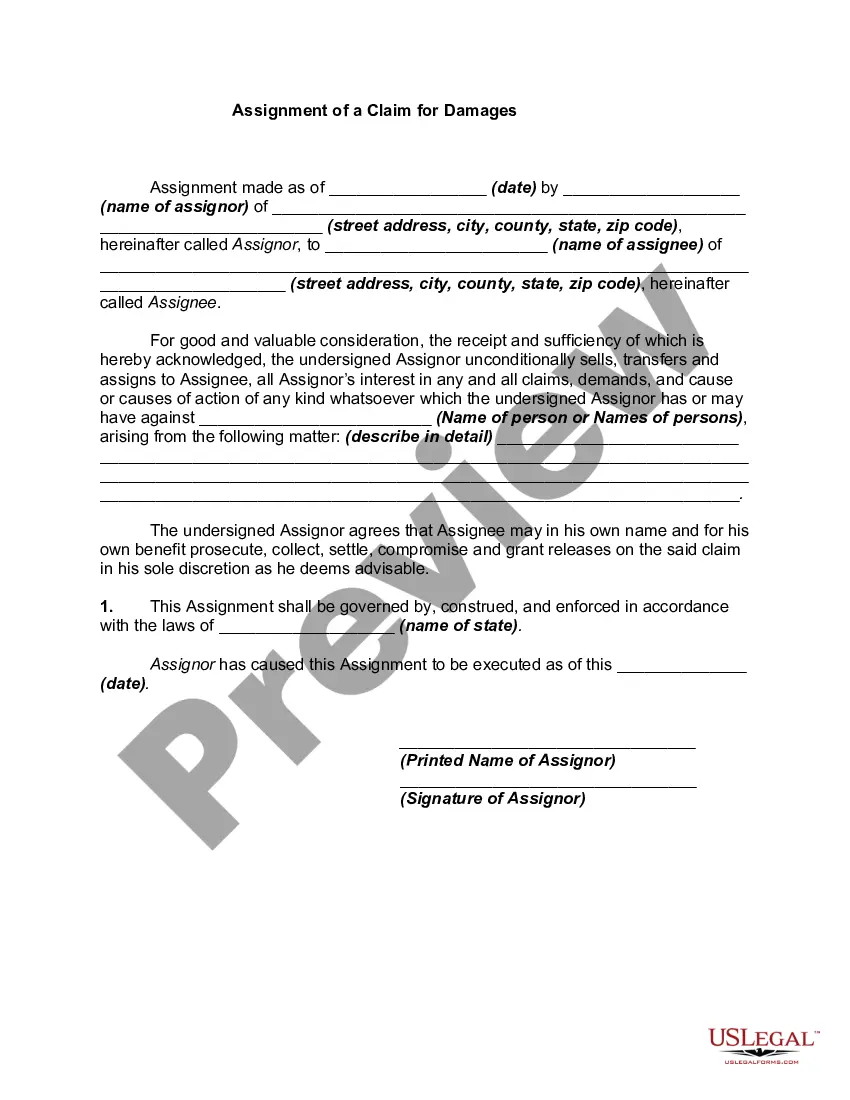
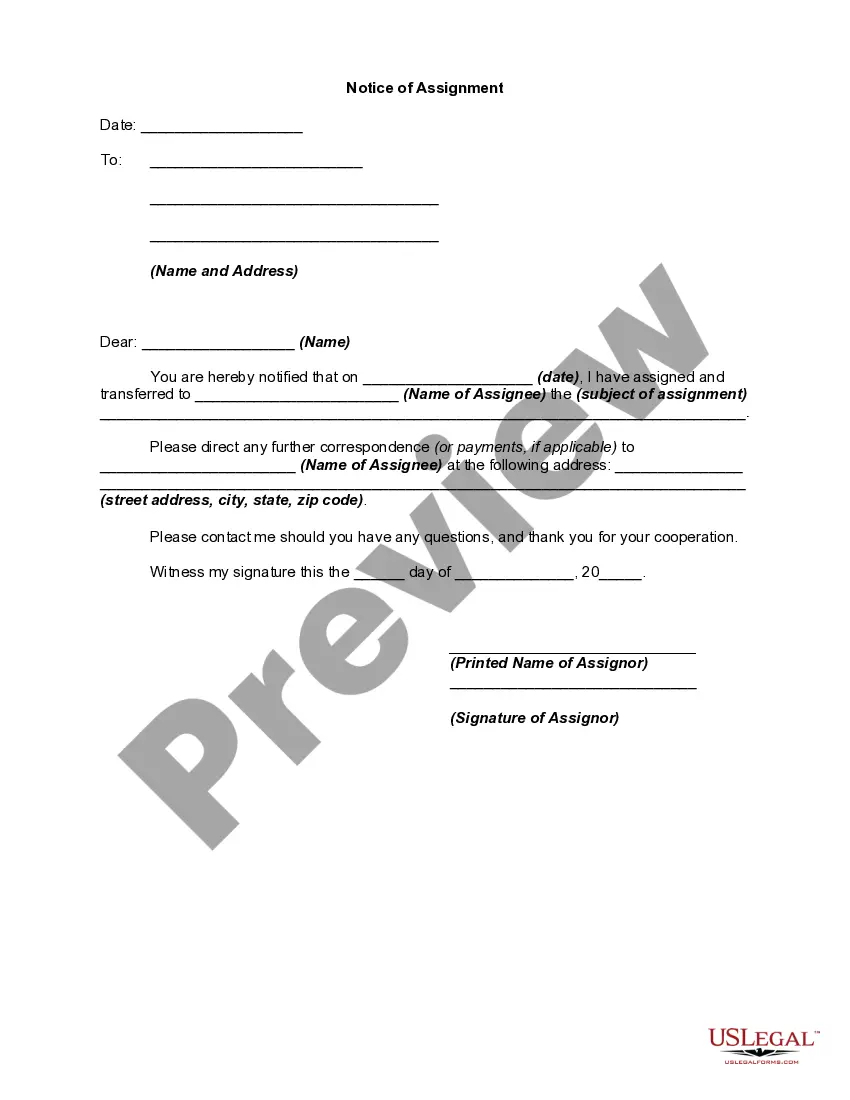
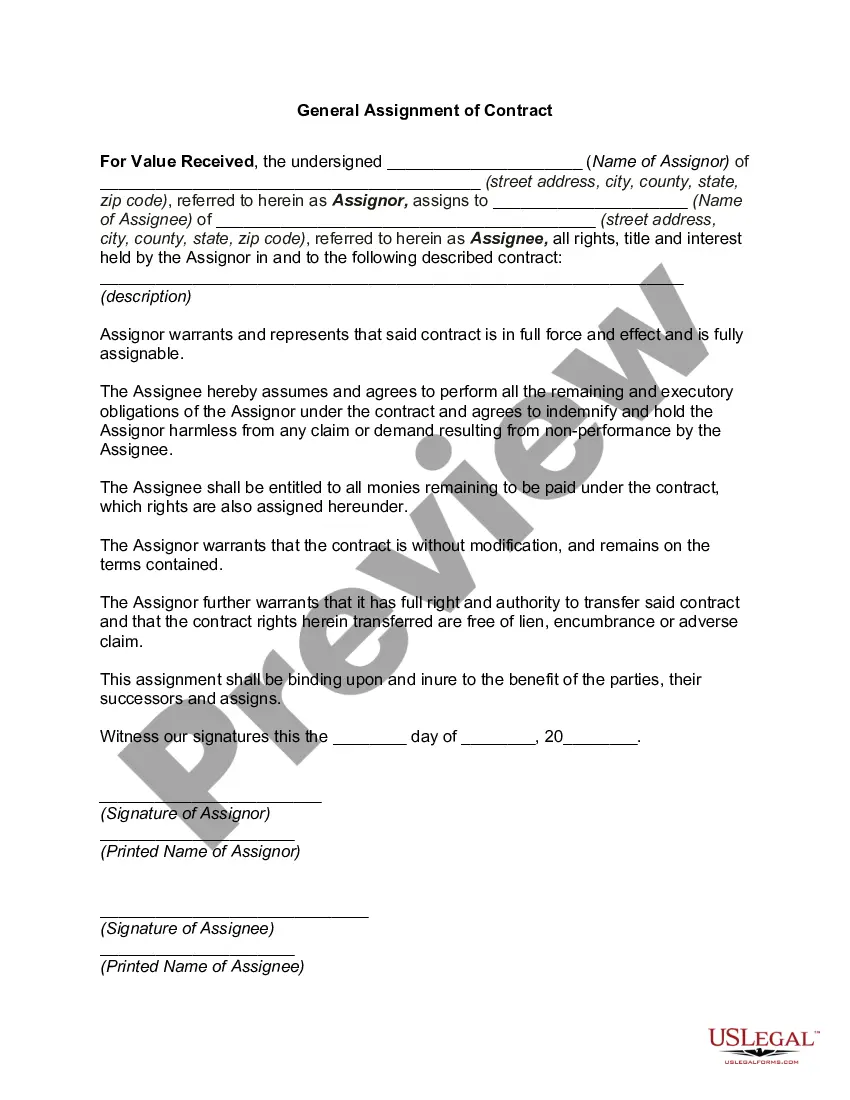
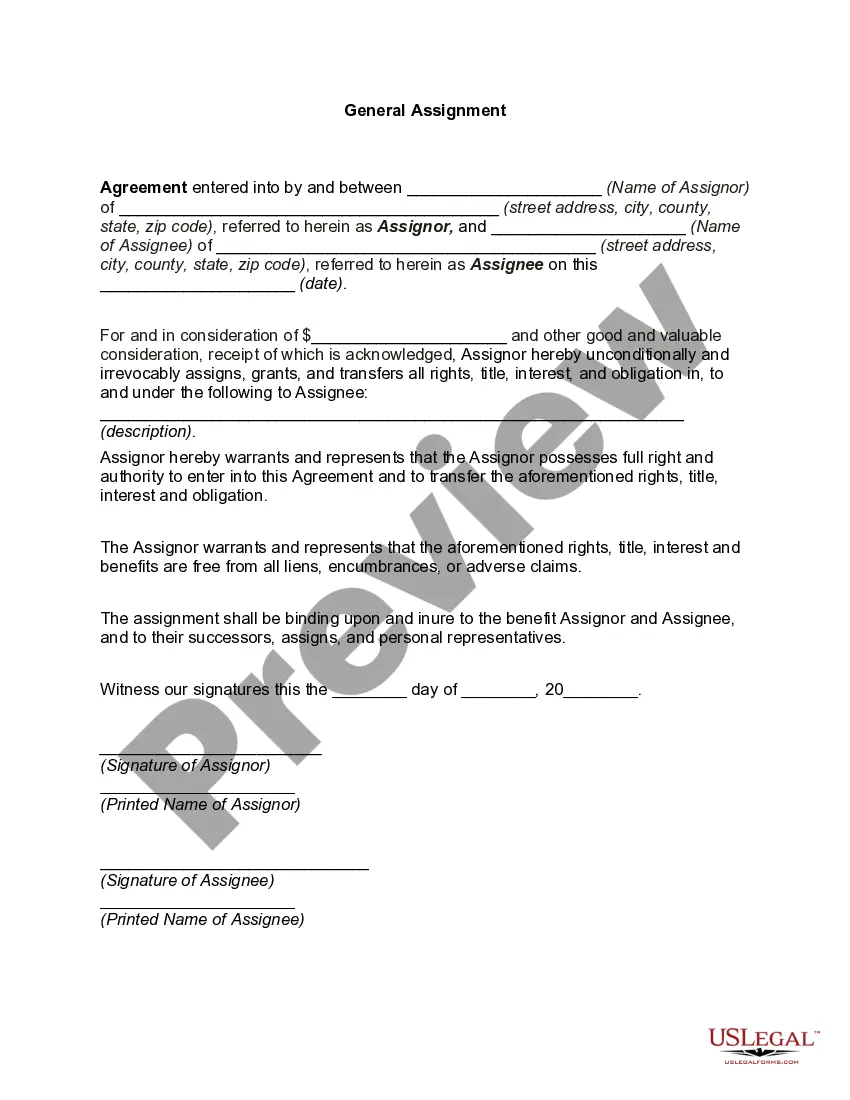
Claim Damages From Tenant
Description
Get your form ready online
Our built-in tools help you complete, sign, share, and store your documents in one place.
Make edits, fill in missing information, and update formatting in US Legal Forms—just like you would in MS Word.
Download a copy, print it, send it by email, or mail it via USPS—whatever works best for your next step.
Sign and collect signatures with our SignNow integration. Send to multiple recipients, set reminders, and more. Go Premium to unlock E-Sign.
If this form requires notarization, complete it online through a secure video call—no need to meet a notary in person or wait for an appointment.
We protect your documents and personal data by following strict security and privacy standards.

Make edits, fill in missing information, and update formatting in US Legal Forms—just like you would in MS Word.

Download a copy, print it, send it by email, or mail it via USPS—whatever works best for your next step.

Sign and collect signatures with our SignNow integration. Send to multiple recipients, set reminders, and more. Go Premium to unlock E-Sign.

If this form requires notarization, complete it online through a secure video call—no need to meet a notary in person or wait for an appointment.

We protect your documents and personal data by following strict security and privacy standards.
Looking for another form?

Form popularity
FAQ
An example of a letter would start with your contact information and the tenant's address, followed by a clear subject line. In the letter, describe the damages and include specific costs associated with repairs, referencing any attached documents. This concise communication allows you to effectively claim damages from a tenant while remaining professional and courteous.
To recover damages from a tenant, first, document all damages thoroughly with photos and notes. Contact the tenant to discuss the damages and your request for payment. If necessary, you may escalate the matter to small claims court, armed with your documentation. Approaching the situation systematically enables you to confidently claim damages from a tenant.
Yes, you can sue a tenant for damages if they have caused harm to your property. To successfully claim damages from tenant, you should document the damages thoroughly and gather any necessary evidence, such as photos or repair estimates. Understanding your lease agreement and local laws will help you prepare a solid case. Consider using US Legal Forms to access the necessary legal documents and guidance you need to navigate this process effectively.
If someone is destroying your property, it’s crucial to act quickly. Document the damage and gather evidence, as this will be important if you decide to claim damages from the tenant or involve law enforcement. You may also need to review your lease agreement for any clauses that address property destruction. To streamline your response, US Legal Forms provides resources to help you handle these situations effectively.
Landlords can claim damages from tenants if the tenant has caused damage beyond normal wear and tear. It is essential for landlords to document any damage thoroughly, as this evidence may support their claim. Additionally, having a clear lease agreement can help outline tenant responsibilities regarding property care. If you face such situations, consider using US Legal Forms to create proper documentation for your claims.
Normal wear and tear on a couch refers to the natural deterioration that occurs over time due to everyday use. This might include minor scratches or fading of fabric, which do not typically require charges to tenants. However, significant damage that goes beyond normal wear and tear may warrant a claim for damages from the tenant. Always assess the condition of your furniture regularly to distinguish between acceptable wear and actual damage.
When a tenant damages your property, first document the damage through photographs and written descriptions. Next, communicate with the tenant to resolve the issue amicably. If you cannot come to an agreement, you may claim damages from the tenant. Platforms like US Legal Forms provide templates to help you draft necessary legal notices and documents to address the situation effectively.
The maximum amount you can sue a landlord for can vary by state and the specific circumstances. While there isn’t a universal cap, claims often cover unpaid rent, damages, or breaches of the lease. When you claim damages from a tenant, ensure your demands align with state laws, and consider using resources from US Legal Forms to help navigate your legal situation.
Deciding whether to sue a tenant for damages depends on the extent of the damage and the costs involved. Consider the total amount you wish to claim damages from the tenant against the legal expenses. If the damages are significant, pursuing legal action might be justified. Alternatively, using platforms like US Legal Forms can streamline the process and help you prepare the necessary documentation efficiently.