Claim Damages File For Divorce
Description
Get your form ready online
Our built-in tools help you complete, sign, share, and store your documents in one place.
Make edits, fill in missing information, and update formatting in US Legal Forms—just like you would in MS Word.
Download a copy, print it, send it by email, or mail it via USPS—whatever works best for your next step.
Sign and collect signatures with our SignNow integration. Send to multiple recipients, set reminders, and more. Go Premium to unlock E-Sign.
If this form requires notarization, complete it online through a secure video call—no need to meet a notary in person or wait for an appointment.
We protect your documents and personal data by following strict security and privacy standards.

Make edits, fill in missing information, and update formatting in US Legal Forms—just like you would in MS Word.

Download a copy, print it, send it by email, or mail it via USPS—whatever works best for your next step.

Sign and collect signatures with our SignNow integration. Send to multiple recipients, set reminders, and more. Go Premium to unlock E-Sign.

If this form requires notarization, complete it online through a secure video call—no need to meet a notary in person or wait for an appointment.

We protect your documents and personal data by following strict security and privacy standards.
Looking for another form?
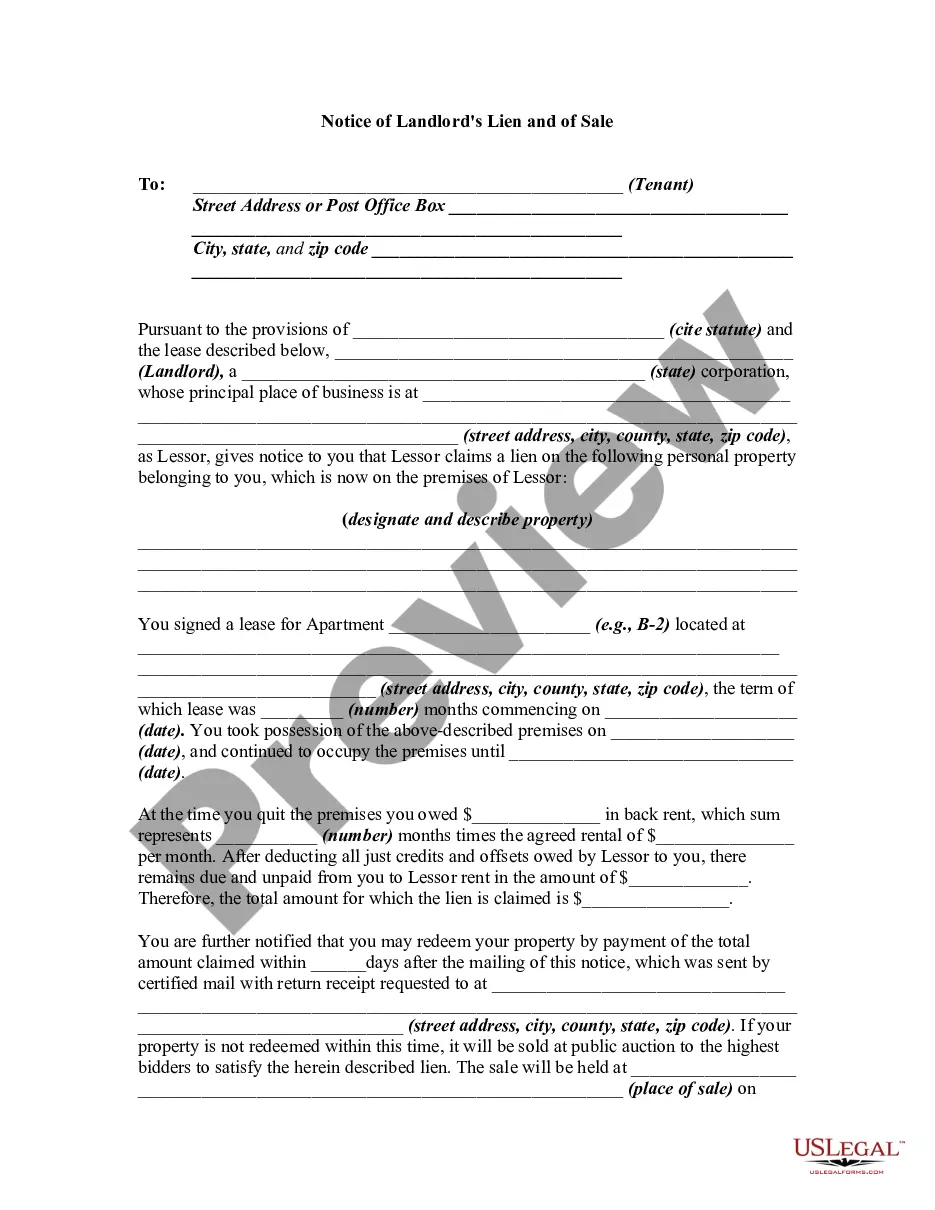

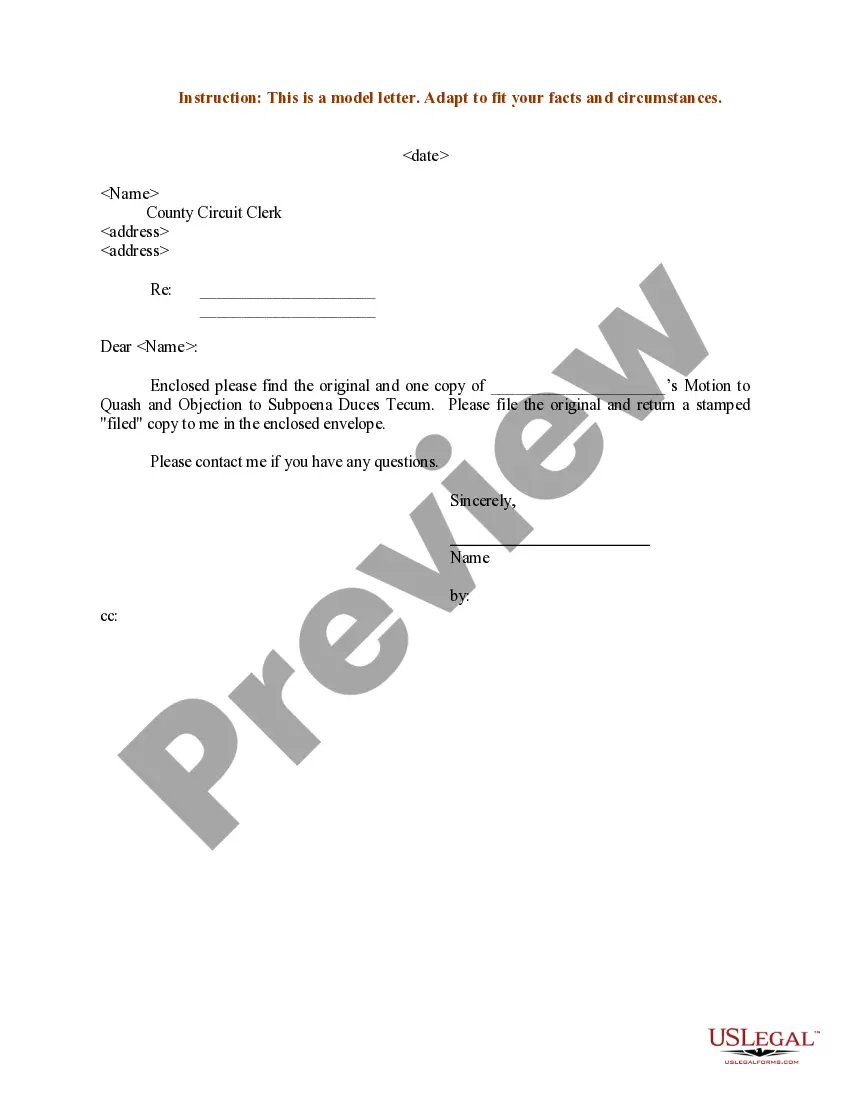





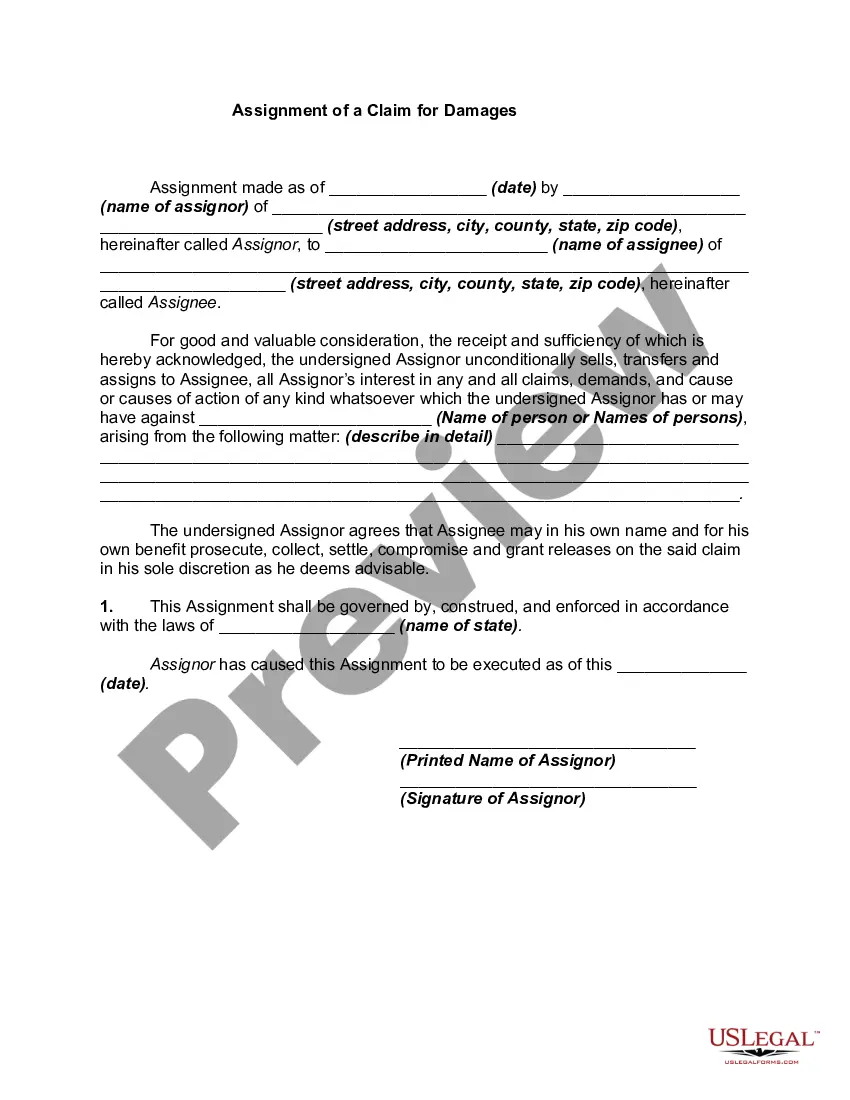
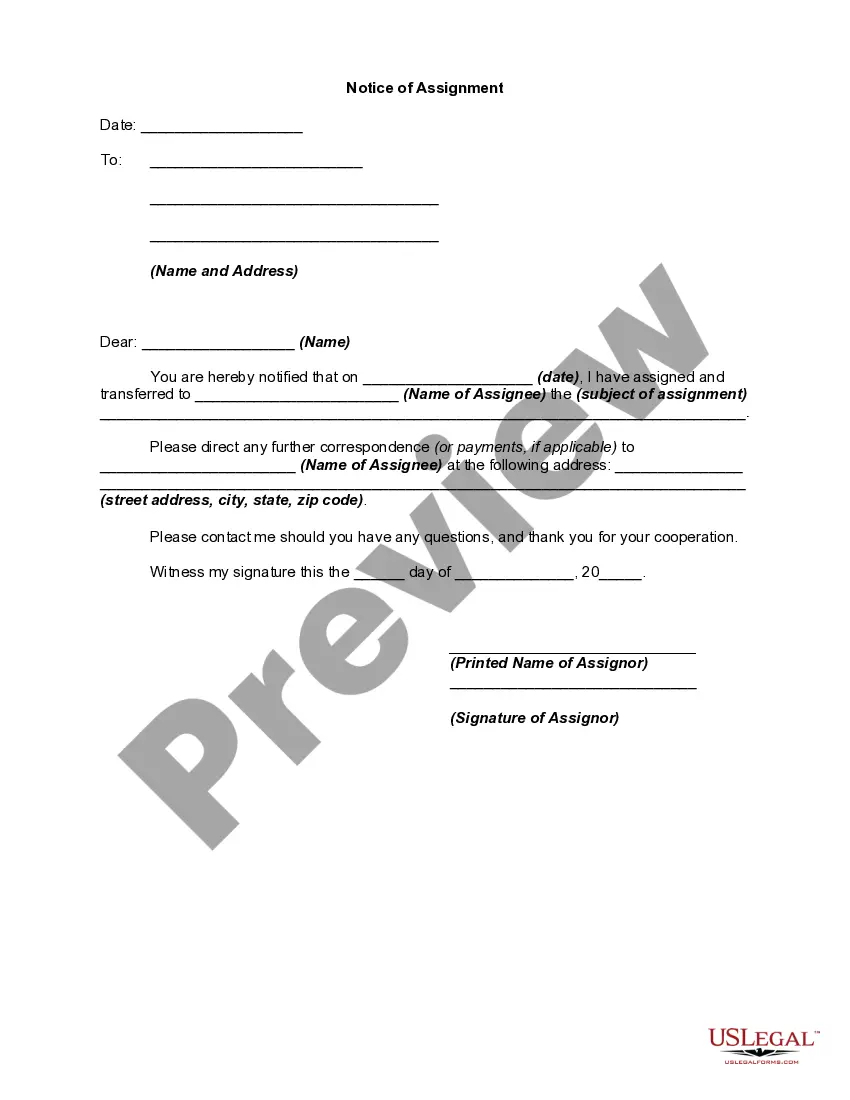
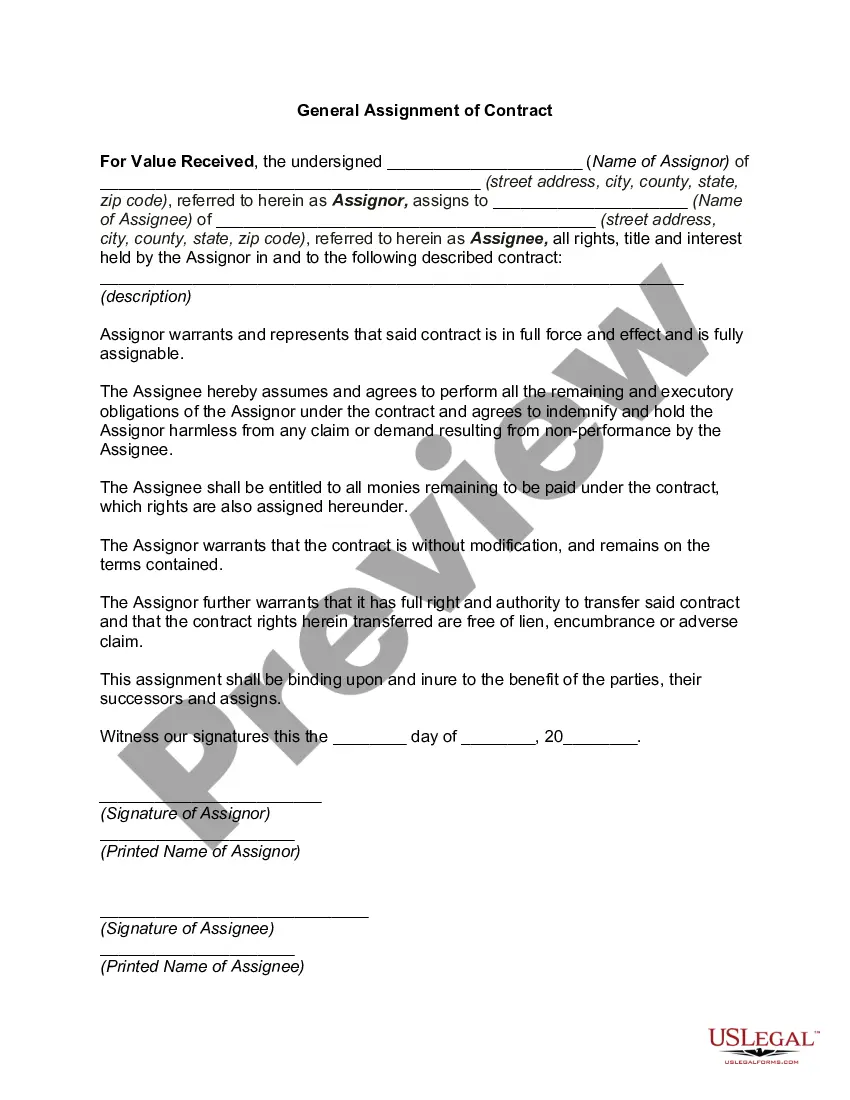
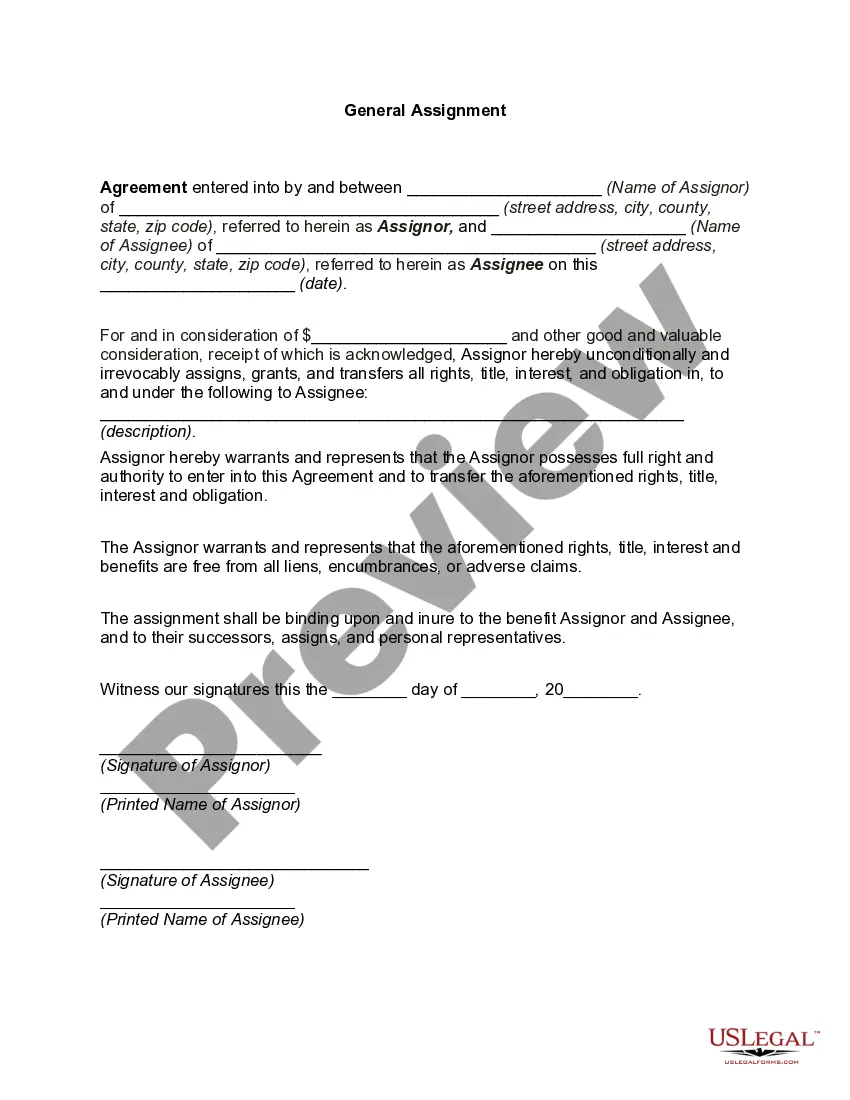
How to fill out Assignment Of A Claim For Damages?
Locating a reliable source for the most up-to-date and pertinent legal samples is a significant part of navigating bureaucracy.
Identifying the appropriate legal documents necessitates accuracy and meticulousness, which is why it’s vital to obtain Claim Damages File For Divorce samples exclusively from dependable sources, such as US Legal Forms.
Once you have the document on your device, you can edit it using the editor or print it out to fill out manually. Eliminate the hassle associated with your legal documentation. Explore the comprehensive US Legal Forms database where you can find legal samples, verify their relevance to your circumstances, and download them instantly.
- Utilize the directory navigation or search box to locate your sample.
- Examine the form’s details to determine if it meets your state and locality requirements.
- Preview the form, if available, to confirm that it aligns with your needs.
- Return to your search and find the appropriate template if the Claim Damages File For Divorce does not fulfill your criteria.
- Once you are certain about the form’s applicability, proceed to download it.
- If you are a registered user, click Log in to verify your identity and access your selected templates in My documents.
- If you have not created an account yet, click Buy now to acquire the template.
- Select the pricing structure that fits your needs.
- Proceed with the registration to complete your purchase.
- Finalize your transaction by selecting a payment method (credit card or PayPal).
- Choose the file format for downloading the Claim Damages File For Divorce.
Form popularity
FAQ
The estate attorney will typically write a demand letter and advising the Trustee that if the Trustee does not provide the Trust, that the attorney will have no choice but to compel the Trustee, pursuant to Surrogate's Court Procedures Act 2102 for a copy of the Trust.
How to Create a Living Trust in New Hampshire Take stock of your property. It's important to know exactly what you own and what you want to place into your trust. ... Pick a trustee. ... Create a trust document. ... Sign the trust document in the presence of a notary public. Fund your trust by moving your property into it.
How much does a Trust cost in New Hampshire? In New Hampshire, the cost of setting up a basic Revocable Living Trust generally ranges from $1,000 to $3,000. More complex trusts may cost even more.
How much does a Trust cost in New Hampshire? In New Hampshire, the cost of setting up a basic Revocable Living Trust generally ranges from $1,000 to $3,000. More complex trusts may cost even more.
No Income or Capital Gains Tax One potential benefit to administering a trust in New Hampshire is income and capital gains tax savings. Generally, irrevocable trusts that are administered in New Hampshire (and which are not taxed to the grantor) are not subject to state income or capital gains tax.
To create a living trust in New Hampshire, you sign the trust document in front of a notary public. The trust is not in effect though until you actually transfer ownership of assets to its name.
A New Hampshire living trust is established by the grantor. As the grantor, you place your assets in the trust. You choose a trustee who manages them during your lifetime for your benefit. It is most common to simply name yourself as the trustee.
The key disadvantages of placing a house in a trust include the following: Extra paperwork: Moving property in a trust requires the house owner to transfer the asset's legal title. This involves preparing and signing an additional deed, and some people may consider this cumbersome.