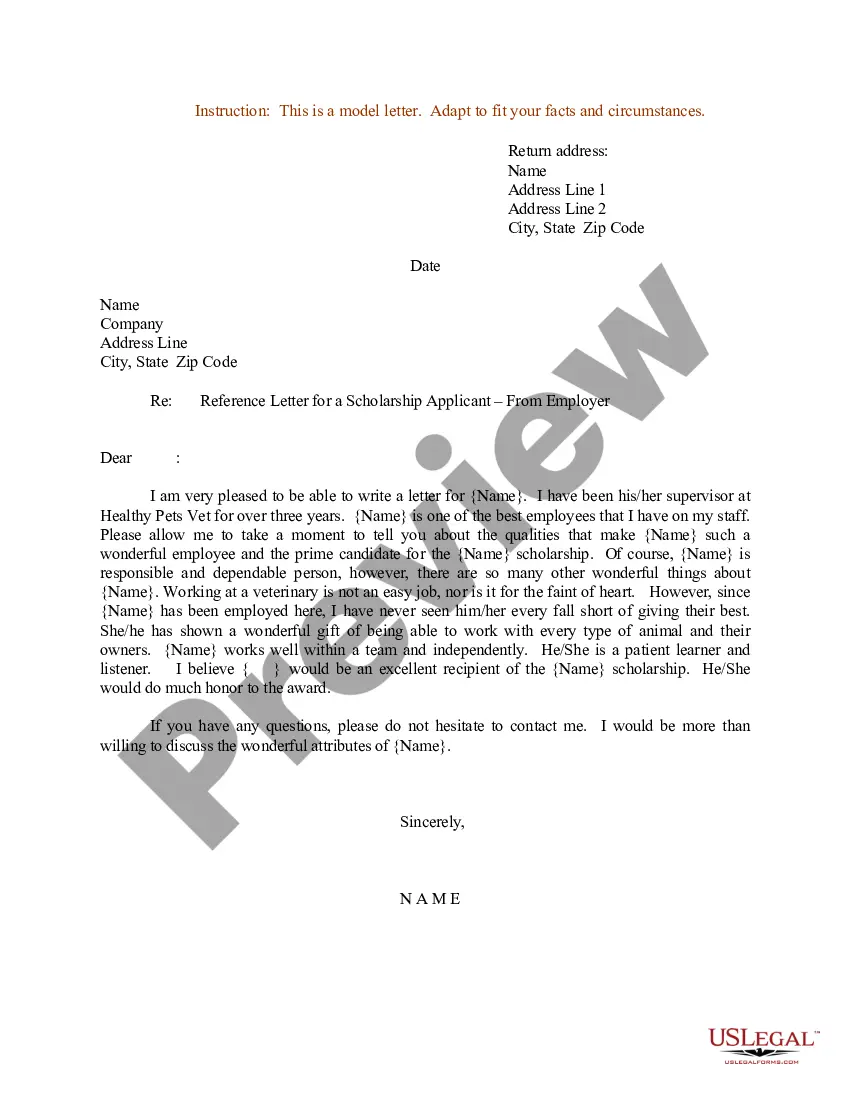
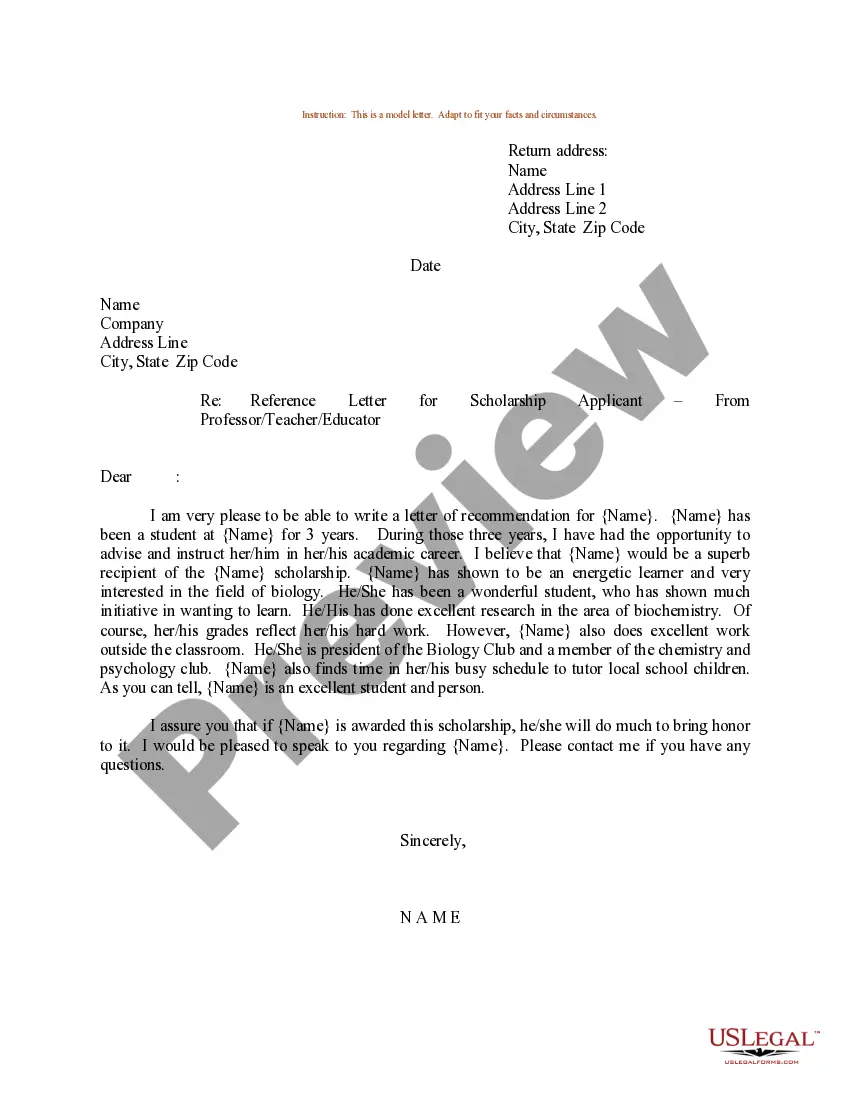
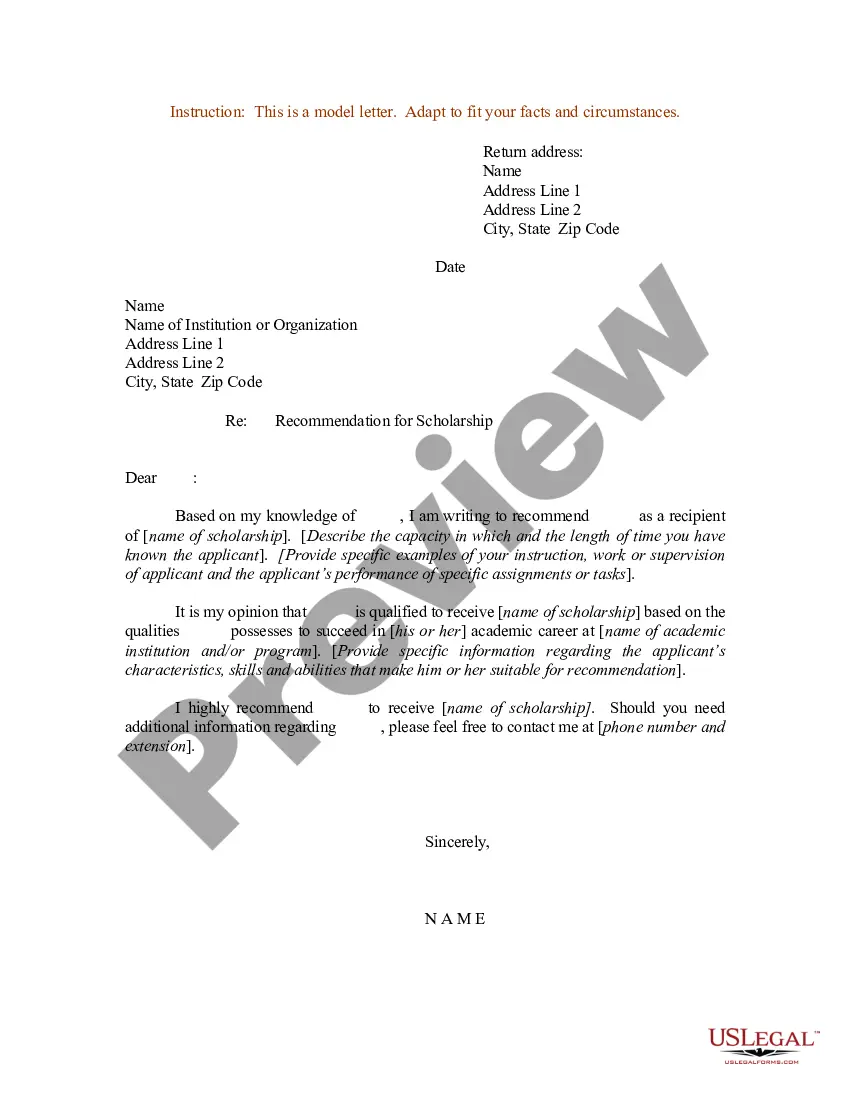
Letter Reference Scholarship Sample With Commonwealth
Description
Get your form ready online
Our built-in tools help you complete, sign, share, and store your documents in one place.
Make edits, fill in missing information, and update formatting in US Legal Forms—just like you would in MS Word.
Download a copy, print it, send it by email, or mail it via USPS—whatever works best for your next step.
Sign and collect signatures with our SignNow integration. Send to multiple recipients, set reminders, and more. Go Premium to unlock E-Sign.
If this form requires notarization, complete it online through a secure video call—no need to meet a notary in person or wait for an appointment.
We protect your documents and personal data by following strict security and privacy standards.
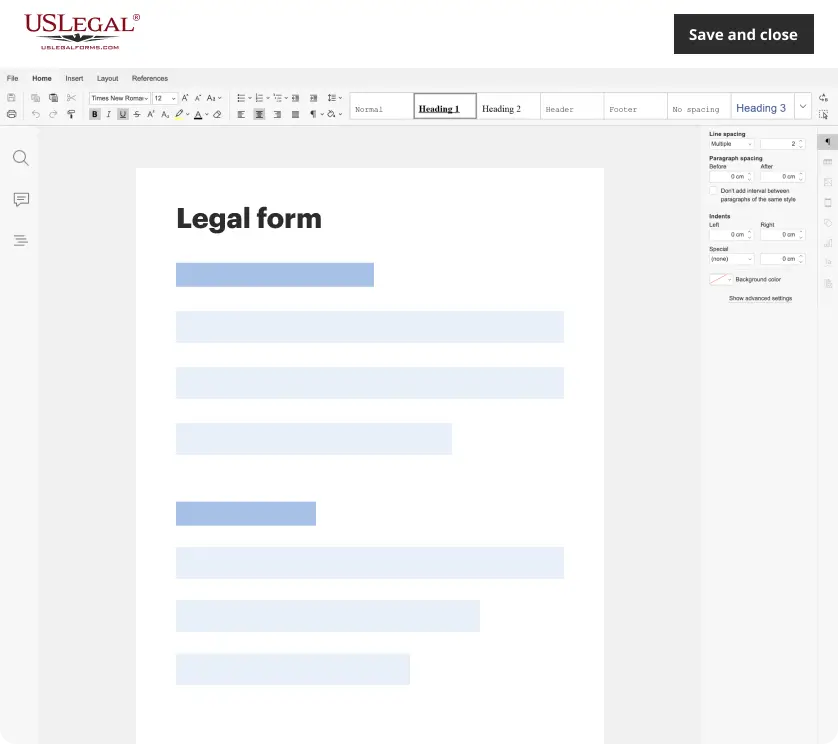
Make edits, fill in missing information, and update formatting in US Legal Forms—just like you would in MS Word.
Download a copy, print it, send it by email, or mail it via USPS—whatever works best for your next step.
Sign and collect signatures with our SignNow integration. Send to multiple recipients, set reminders, and more. Go Premium to unlock E-Sign.

If this form requires notarization, complete it online through a secure video call—no need to meet a notary in person or wait for an appointment.
We protect your documents and personal data by following strict security and privacy standards.
Looking for another form?
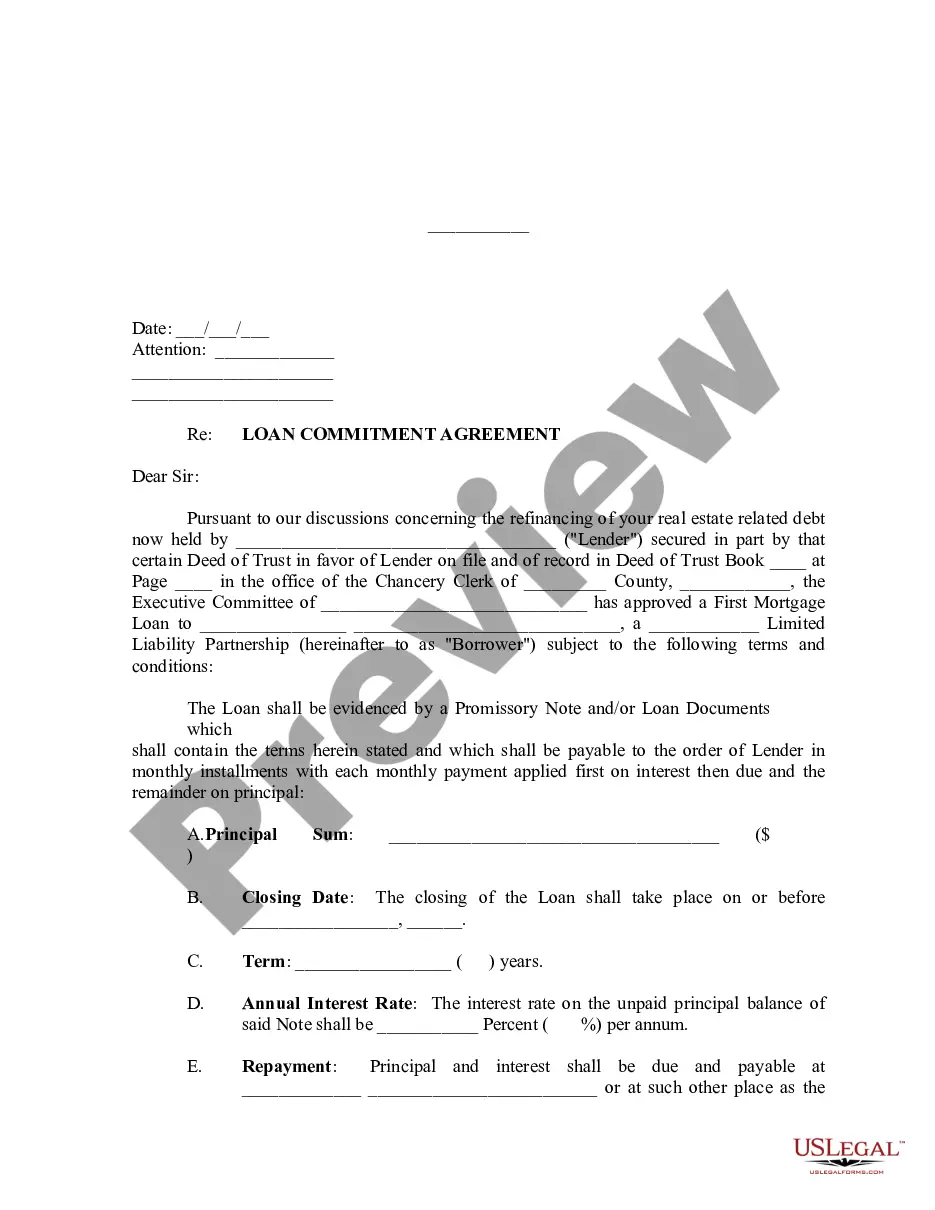
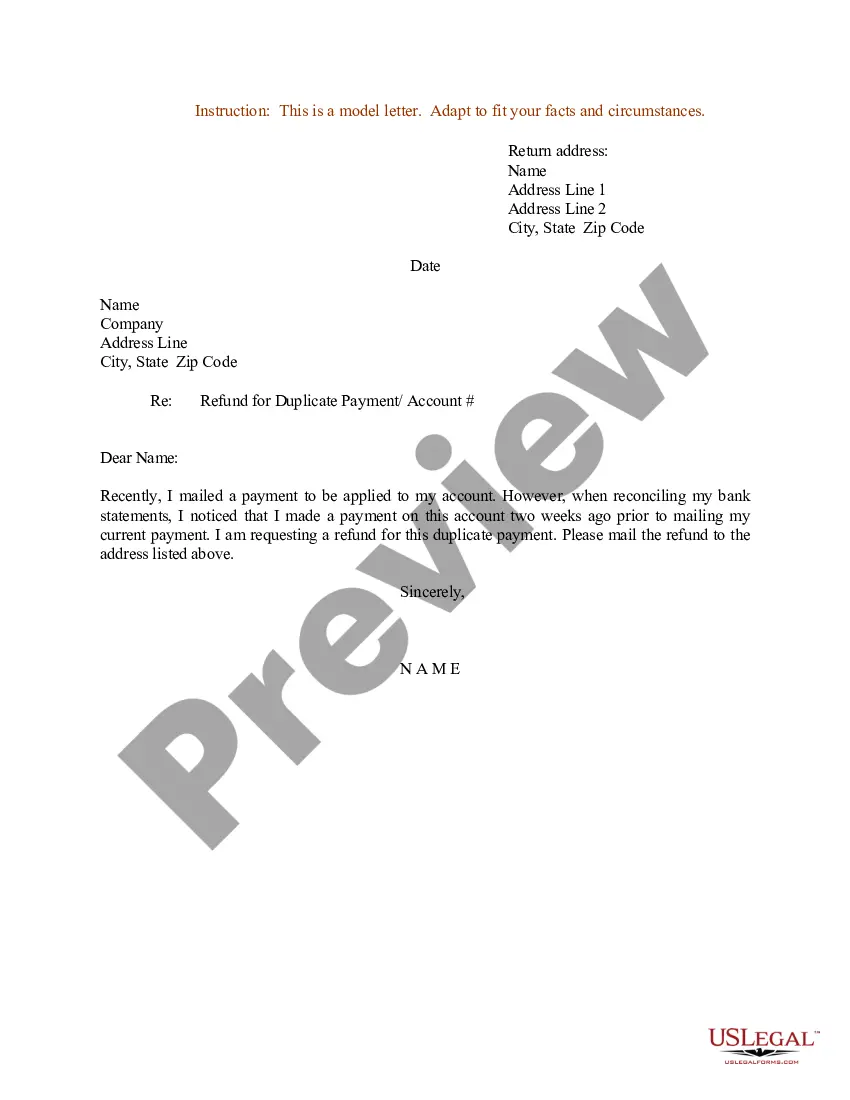
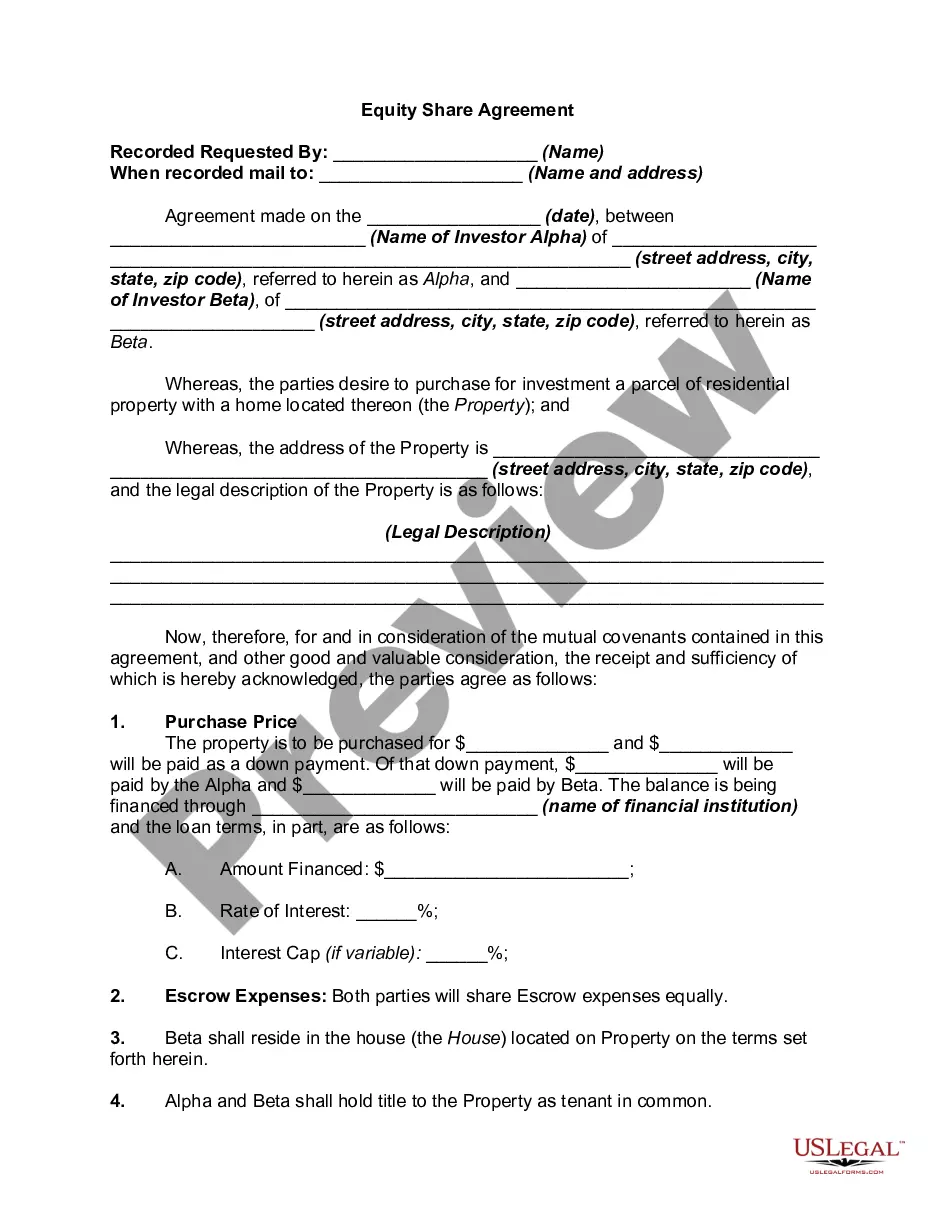
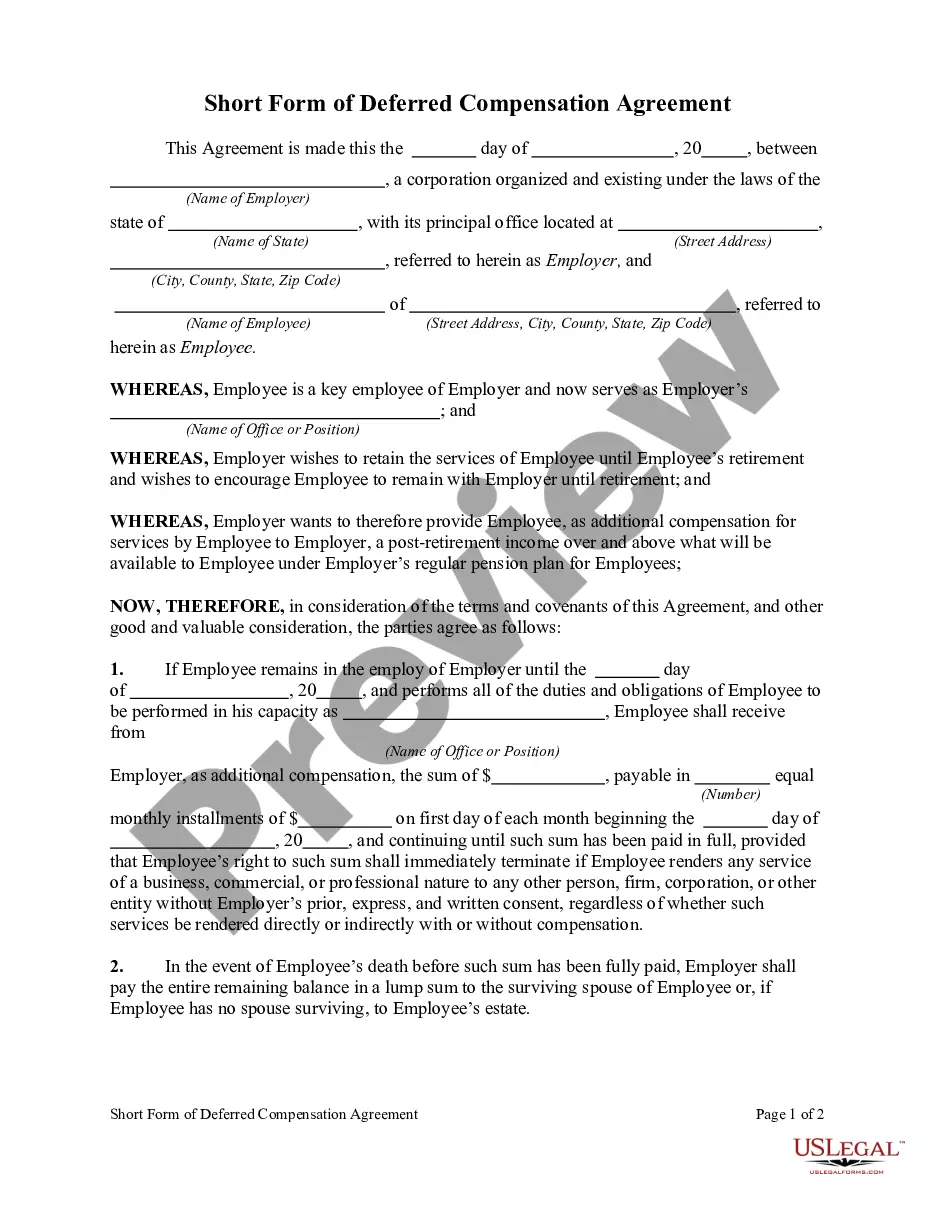
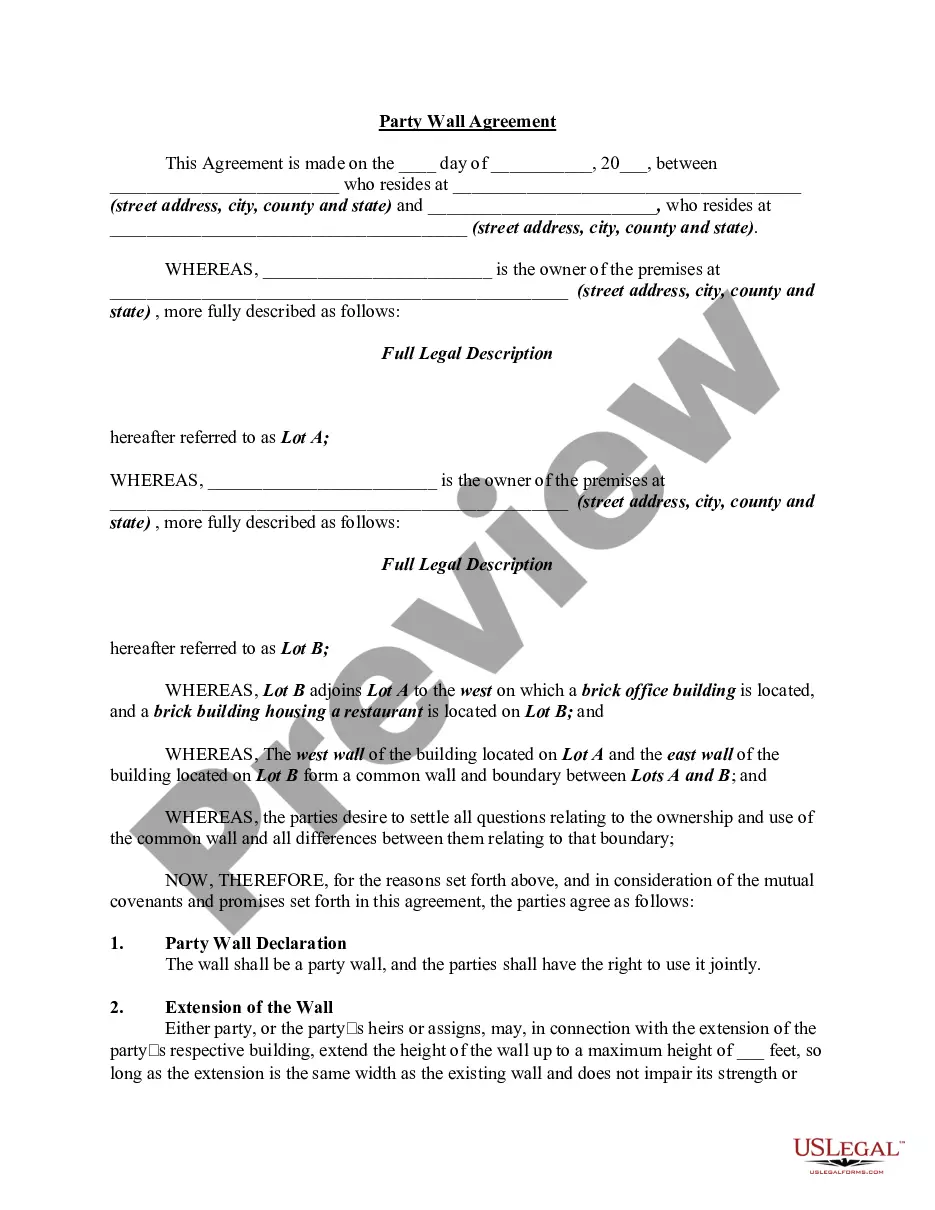
How to fill out Sample Letter For Reference Letter For A School Or College Scholarship Applicant - From Employer?
Managing legal documents can be daunting, even for experienced professionals.
When you are looking for a Scholarship Reference Letter Sample with Commonwealth and lack the time to dedicate to finding the right and up-to-date version, the process can be overwhelming.
US Legal Forms meets any requirements you may have, from individual to business documents, all in one platform.
Utilize sophisticated tools to complete and manage your Scholarship Reference Letter Sample with Commonwealth.
Here are the steps to follow after acquiring the form you need: Validate that it is the correct document by previewing and reviewing its description.
- Access a resourceful database of articles, guides, and materials pertinent to your situation and needs.
- Save time and energy in your pursuit of necessary documents, and take advantage of US Legal Forms’ enhanced search and Preview tool to find and download the Scholarship Reference Letter Sample with Commonwealth.
- If you possess a monthly subscription, Log Into your US Legal Forms account, search for the form, and download it.
- Check your My documents tab to review the documents you've previously downloaded and manage your folders as you prefer.
- If this is your first experience with US Legal Forms, create an account and gain unlimited access to all the platform's benefits.
- A robust online form repository can be a transformative tool for anyone aiming to navigate these matters effectively.
- US Legal Forms is a frontrunner in the domain of online legal documents, providing over 85,000 state-specific legal forms at your disposal at any time.
- With US Legal Forms, you can access various legal and business forms specific to your state or county.
Form popularity
FAQ
In order for a deed to be valid in Michigan, it must be notarized and delivered with intent to create a present interest (Resh v. Fox, 365 Mich. 288 (1961)). Recording a deed is the best evidence of delivery, per MCL § 600.2110.
If you do not have your deed, then you can get a recorded copy of it at the Register of Deeds; and a recorded copy is just as good as the original. You can come in person, send us a request by mail, or search online. Search and copy fees will apply.
Recording the Deed If the deed is not recorded, the party holding the deed may not be recognized under the law as the legal property owner to third parties, even though the deed may be legally effective to transfer the property from the grantor to the grantee.
RECORDING REQUIREMENTS Documents executed in Michigan which convey or encumber real estate require a notary's acknowledgment. Documents must be on 8.5" x 11" or 8.5" x 14" paper and must have a 2.5" top margin for the first page, and a minimum 0.5" margin on the other three sides of all pages.
The recorder is an official appointed to the county and serves the role of preparing, recording, and submitting documents. There is one recorder per county, and the buyer must record the deed at the recorder's office in the county in which the purchased property is situated.
In short, you cannot remove someone from a deed without their knowledge and express consent. Doing so without their consent can typically only be done through fraud or forgery, which is illegal. Further, an illegally-recorded deed is void and can easily be disputed and set aside by a court.
In Michigan, a deed must be signed by the grantor, notarized, and recorded to the Register of Deeds for the property transfer to be considered valid and effective.