Child Tax Credit
Description
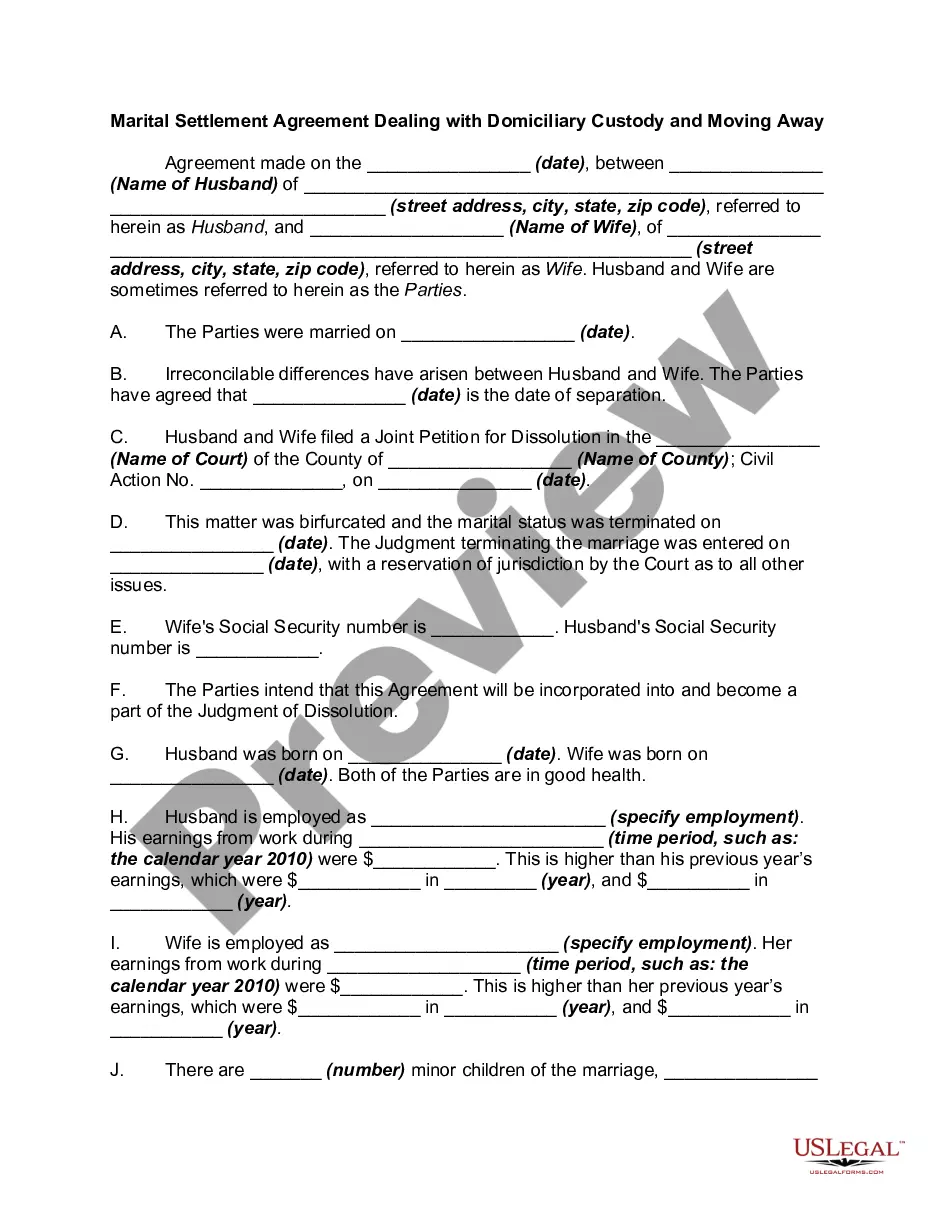
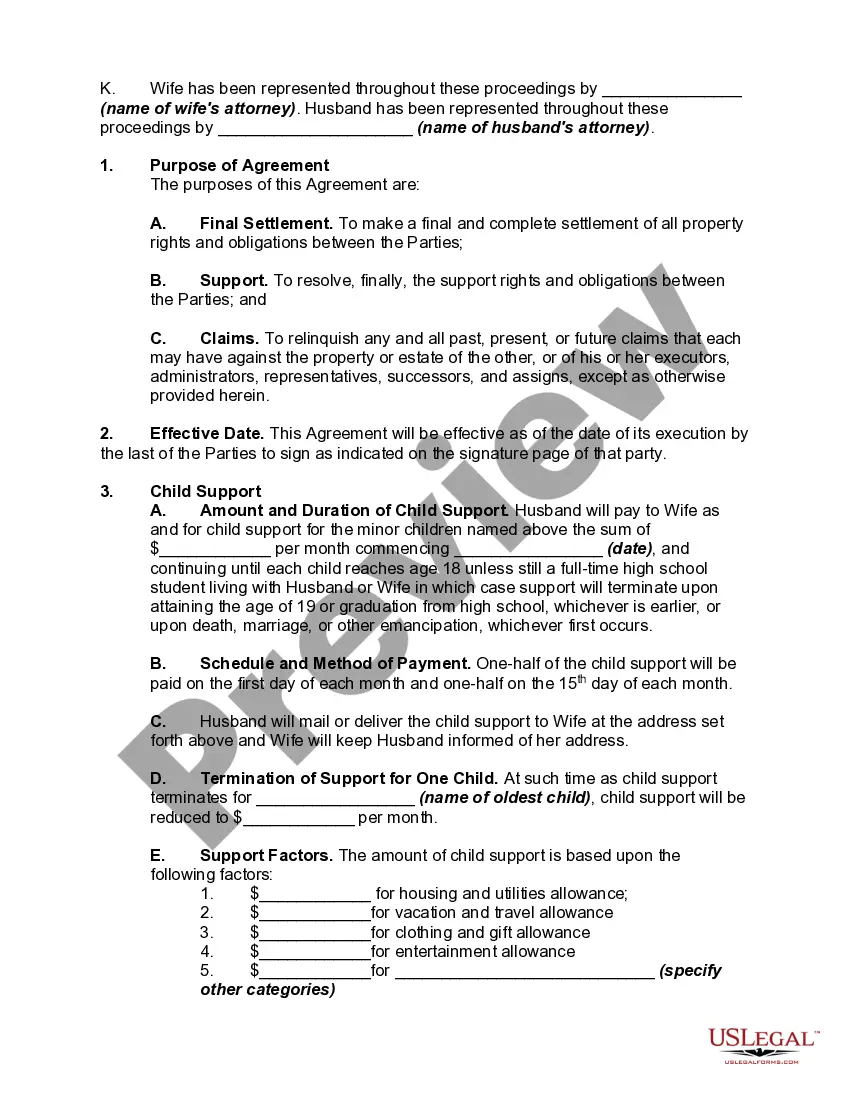
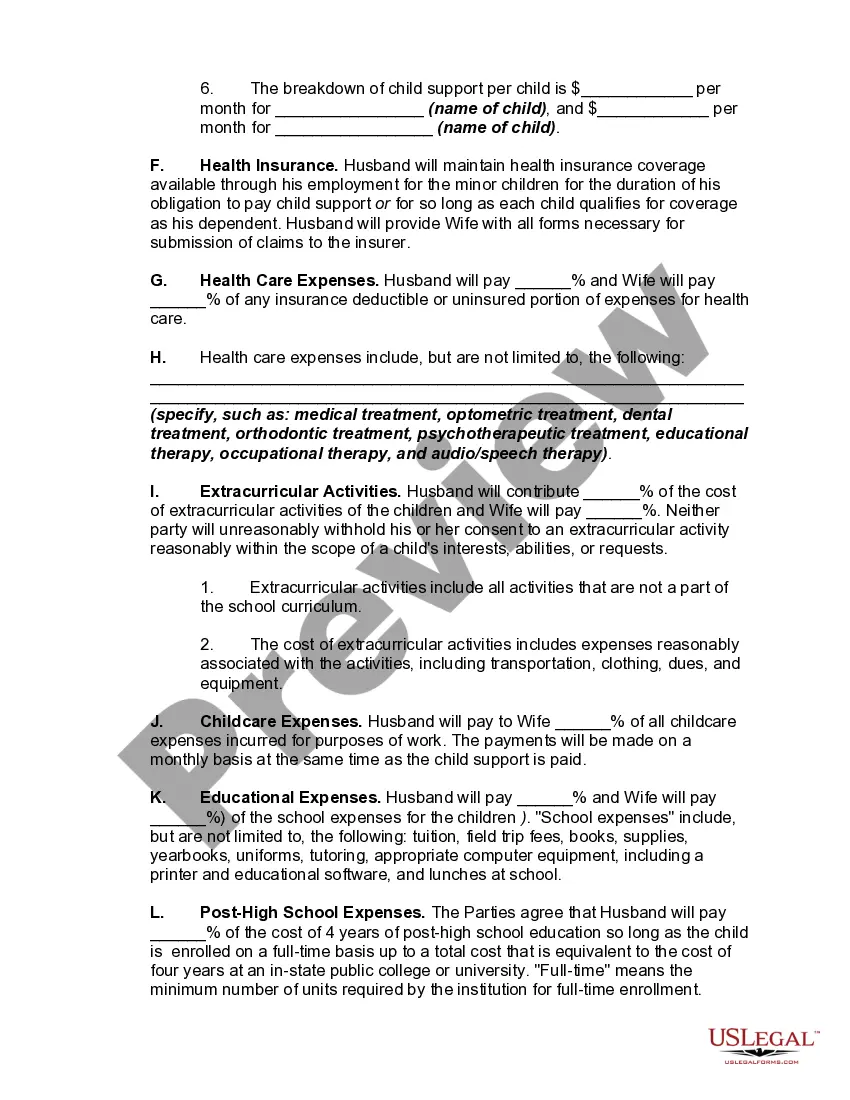
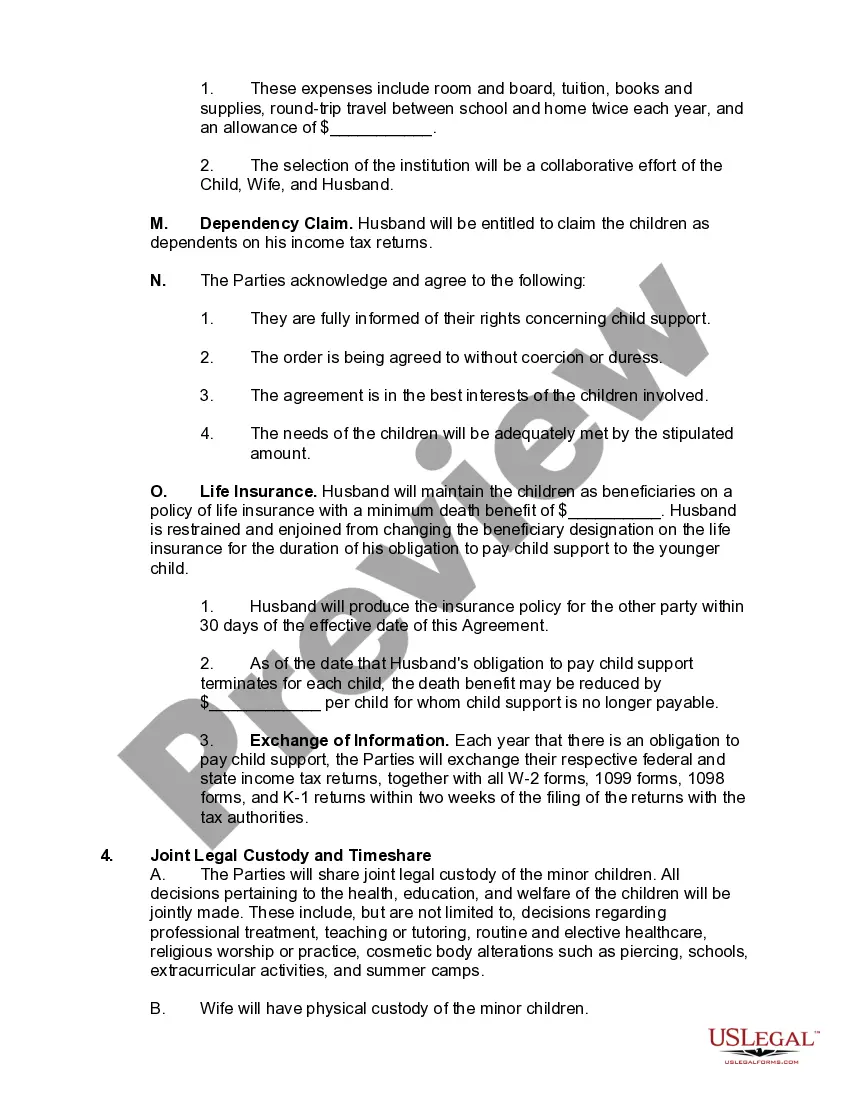
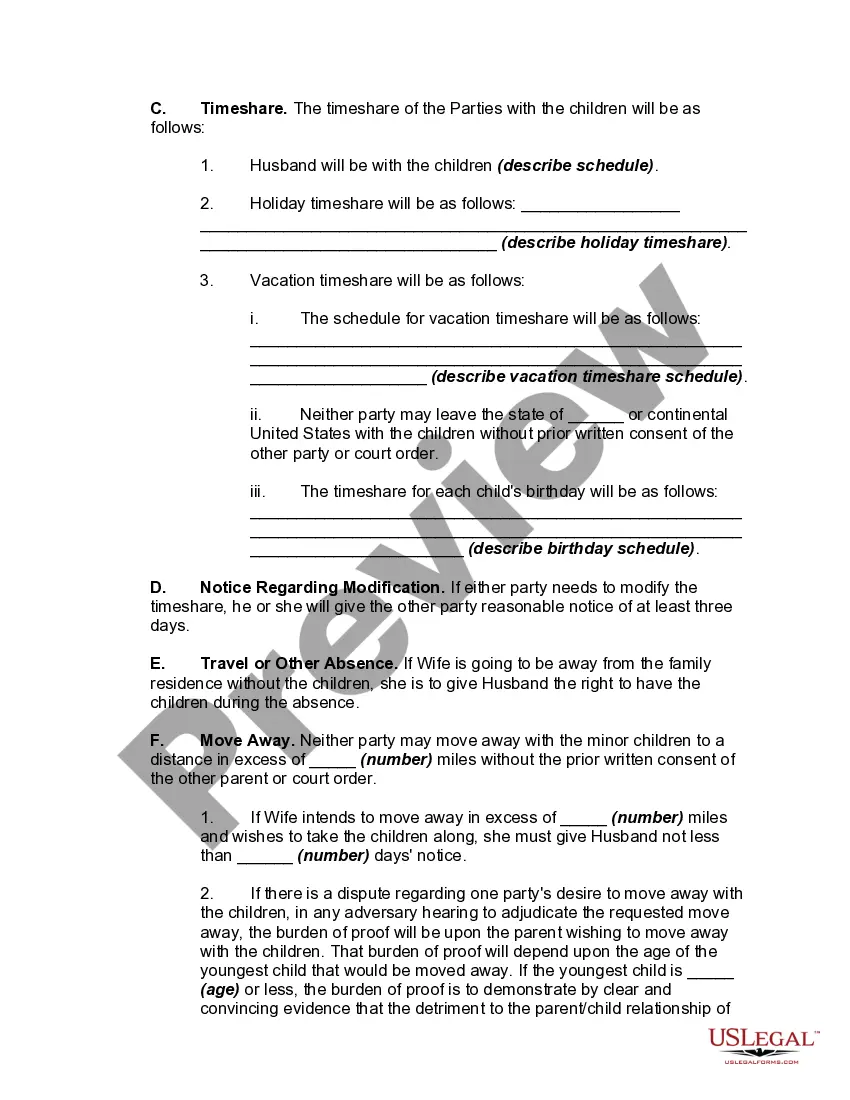
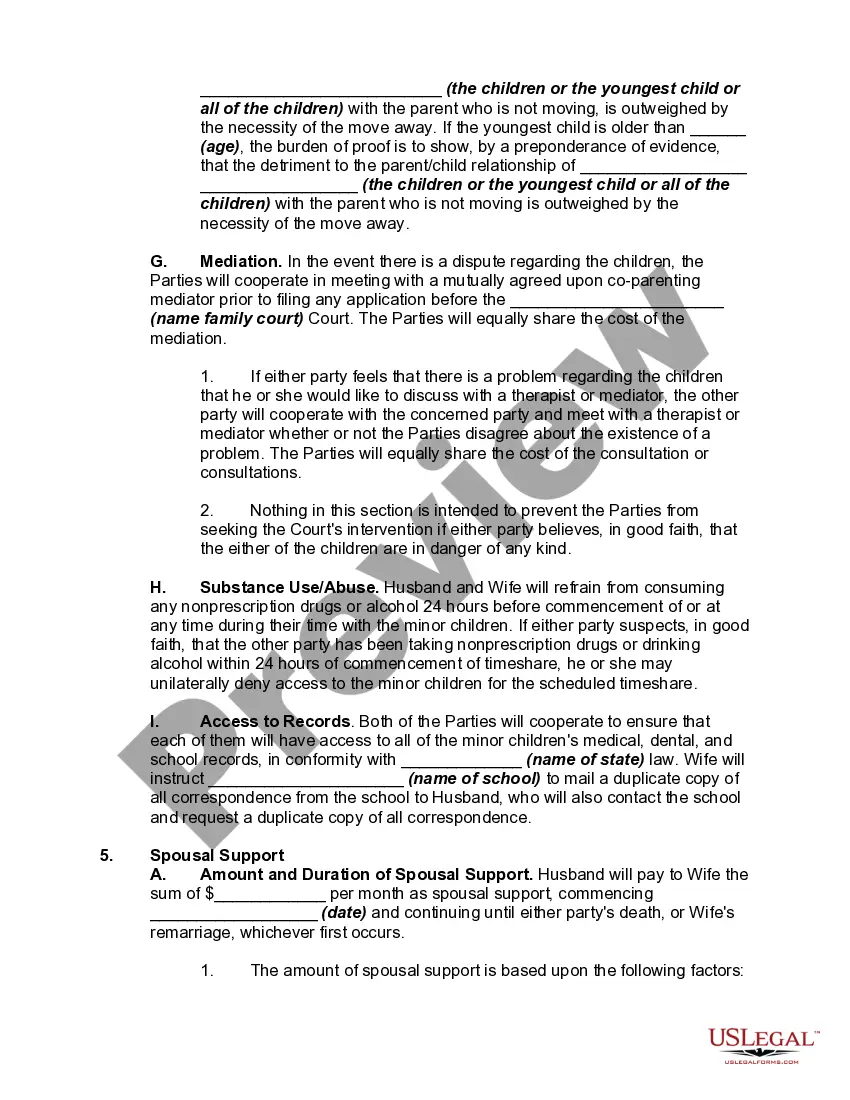
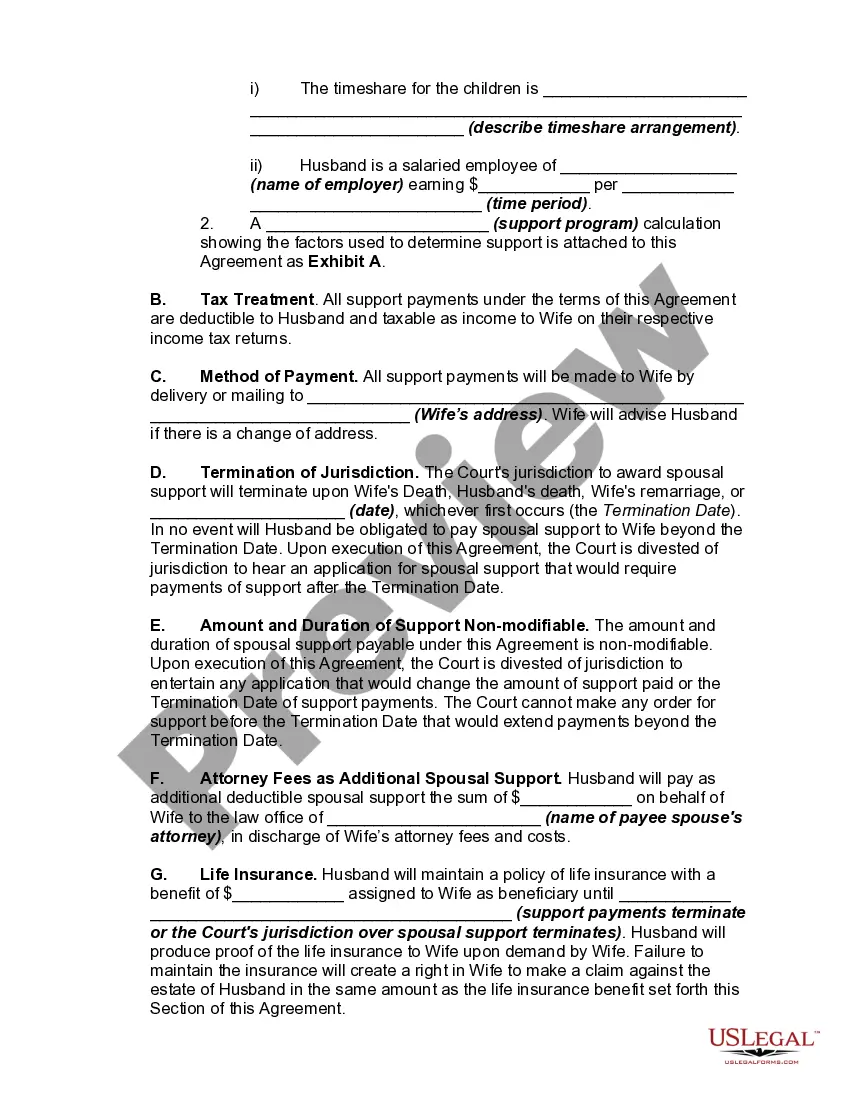
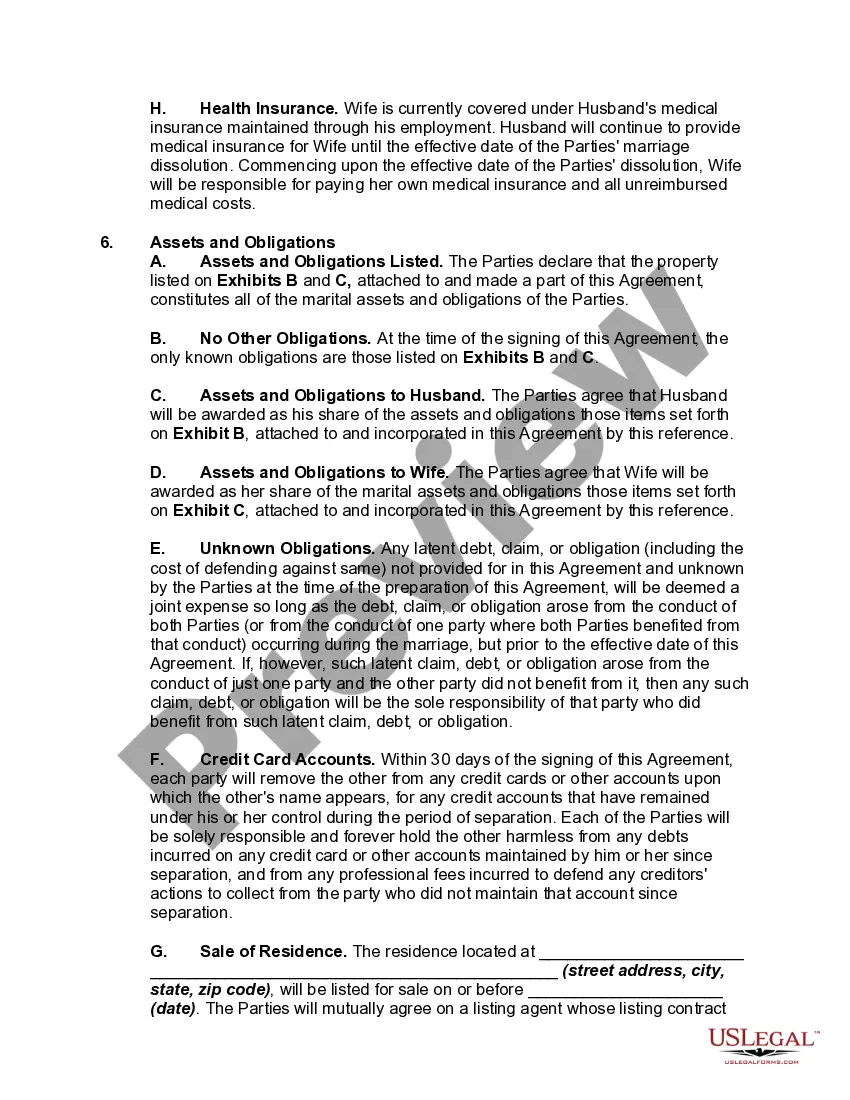

How to fill out Marital Settlement Agreement Dealing With Domiciliary Custody And Moving Away?
- If you are a returning user, log in to your account to download the necessary form template for the Child Tax Credit by clicking the Download button. Ensure your subscription is current; if it has expired, renew it per your payment plan.
- For first-time users, begin by reviewing the available forms in Preview mode. Confirm you have selected the correct form that aligns with your specific needs and local jurisdiction regulations.
- If you need to search for a different form, use the Search tab to find the appropriate template. Once you locate a matching form, proceed to the next step.
- To purchase the required document, click the Buy Now button. Select the subscription plan that best suits your requirements and create an account to access the legal library.
- Complete your transaction by entering your credit card information or utilizing your PayPal account to finalize the subscription.
- After your payment confirmation, download your form to your device for completion, or access it later in the My Forms section of your profile.
US Legal Forms offers a robust collection of legal documents, ensuring you have more options than competitors at a similar cost. With over 85,000 editable and fillable forms available at your fingertips, you can find everything you need with ease.
In summary, the Child Tax Credit game becomes simpler with US Legal Forms. Benefit from expert assistance and a comprehensive form library to navigate tax credit claims confidently. Start your journey today!
Form popularity
FAQ
To enter the Child Tax Credit on your taxes, use the designated section on your tax form to outline your qualifying children and the amount you are claiming. Fill out any additional schedules required, which will help in the accurate computation of your credit. It can be beneficial to consult tax preparation software or a tax professional if you need assistance. Remember, US Legal Forms provides resources that can simplify this process for you.
Several factors can disqualify you from receiving the Child Tax Credit. If your income exceeds the established thresholds, or if your child does not meet the age or residency requirements, you may not qualify. Additionally, if your child files a joint return or is classified as a dependent by someone else, your eligibility may be affected. Always review IRS guidelines to understand these disqualifiers.
The primary document needed for the Child Tax Credit is your child’s Social Security number. Additionally, you should have documents showing that your child lived with you most of the year and that you provided for their needs. It’s a good practice to keep these documents organized for easy access during tax season. Using appropriate forms from US Legal Forms can also help ensure you have everything needed.
To calculate your Child Tax Credit, start by determining your qualifying children and ensuring they meet the age and support criteria. Next, consider your adjusted gross income, which impacts the credit amount. The IRS provides a worksheet to help you make accurate calculations. If you find this process overwhelming, the US Legal Forms platform can offer tools and templates to simplify your tax calculations.
To claim the Child Tax Credit, you typically need your child’s Social Security number to verify eligibility. You may also need documentation to show the child lived with you for more than half the year and received financial support from you. Collecting this information beforehand can facilitate a smoother tax filing experience. Always check the IRS guidelines for any specific requirements.
Qualifying for a Child Tax Credit is not automatic; you must meet specific eligibility criteria. Even if you meet these criteria, you should still file your taxes to ensure you receive the credit. It’s important to keep documentation handy, as this may support your claim. Always review the most current regulations to ensure compliance.
To qualify for the Child Tax Credit, you must have a qualifying child under the age of 17 at the end of the tax year. Additionally, you need to meet certain income thresholds, which are adjusted annually. Your child must also live with you for more than half the year and receive support from you. Be sure to check the specific requirements to maximize your benefits.
If you are not receiving the full Child Tax Credit, it could be due to income limitations or the number of eligible children claimed on your tax return. Changes in tax law can also impact your eligibility. To understand your situation better, consider leveraging the resources from uslegalforms to explore your options.
To qualify for a Child Tax Credit, you must meet specific criteria regarding income, filing status, and the age of your dependents. Your child must be under 17 and have lived with you for more than half the year. It’s wise to review the details carefully or consult our platform to ensure you qualify.
Eligibility for the IRS $3600 direct payment generally includes families with qualifying children under the age of six. The payment amount can fluctuate based on income and the number of dependents claimed. Understanding your eligibility can help you make informed financial decisions, and our resources are available to guide you.