Improvements To Rental Property
Description
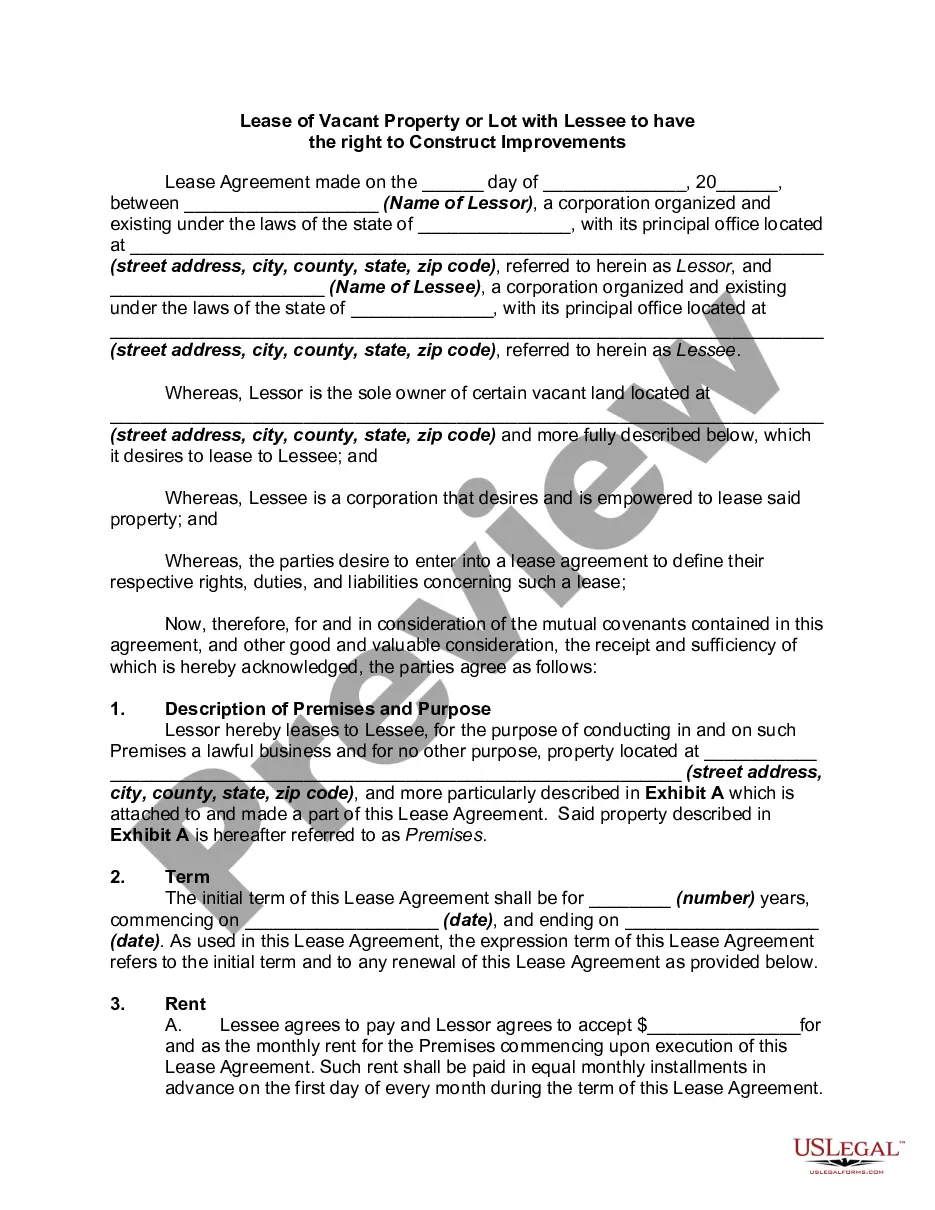
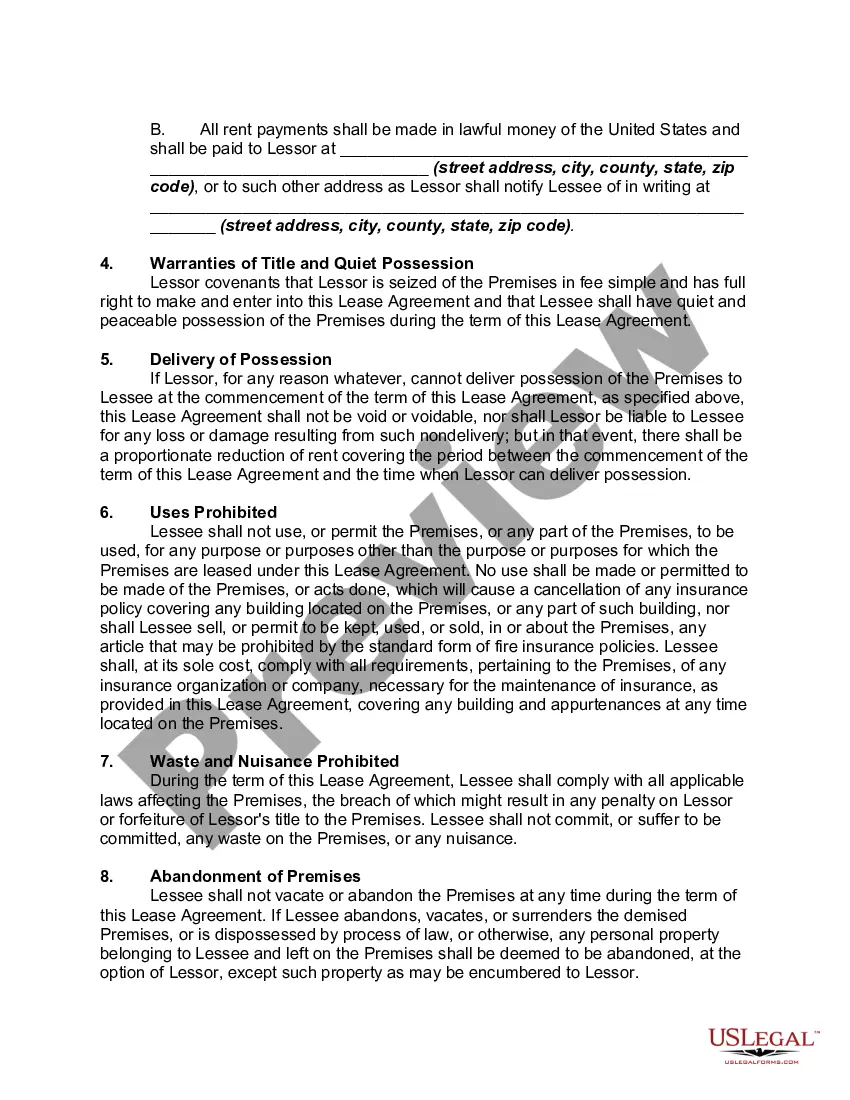
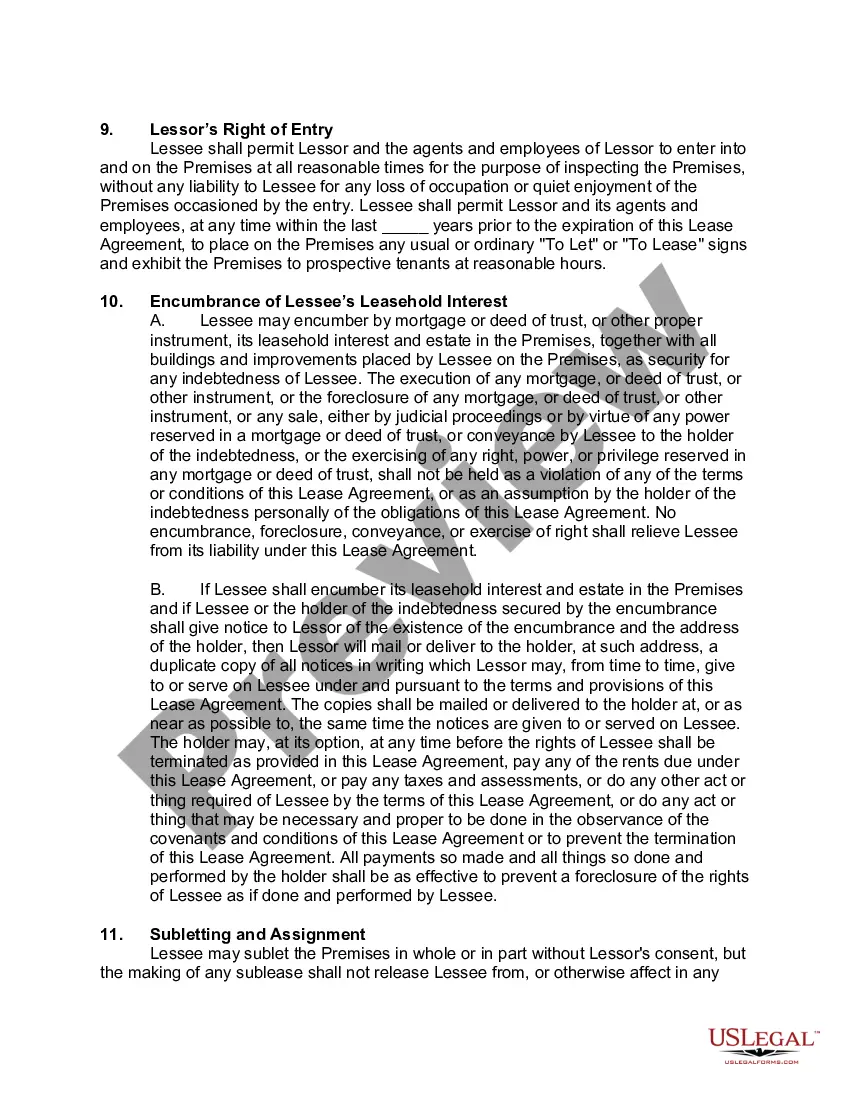
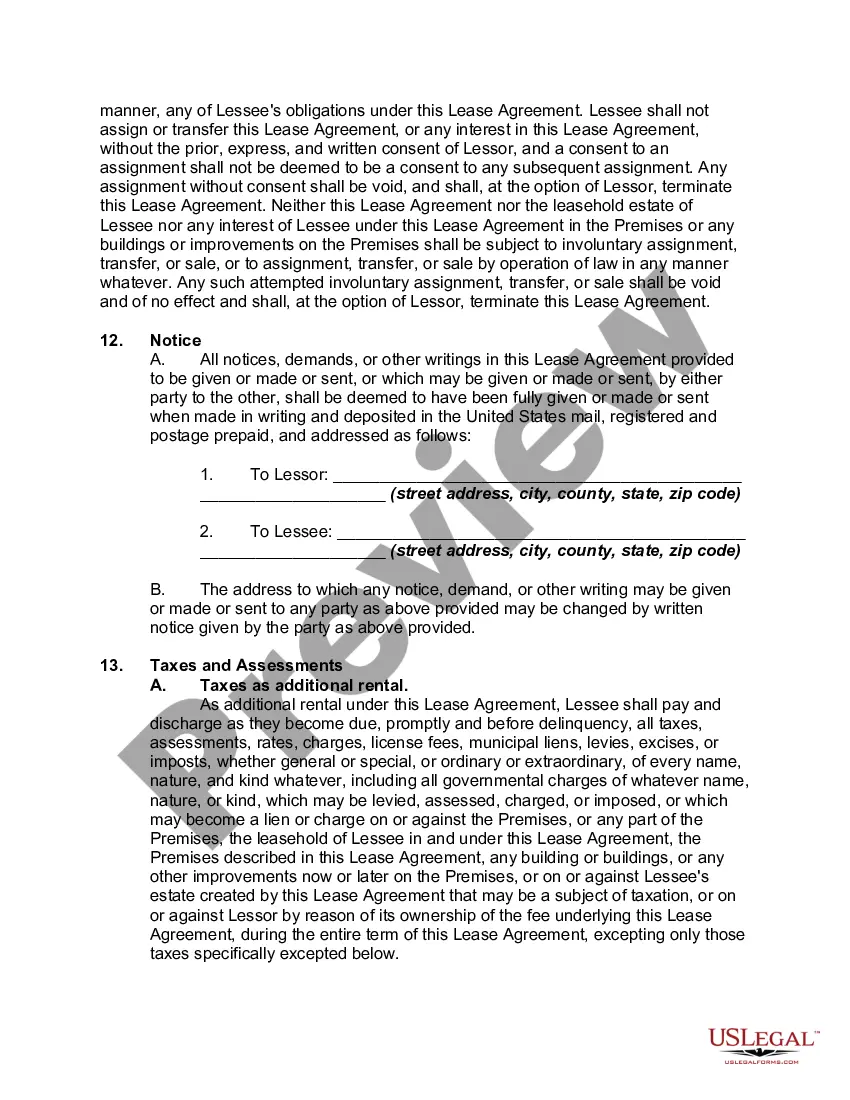

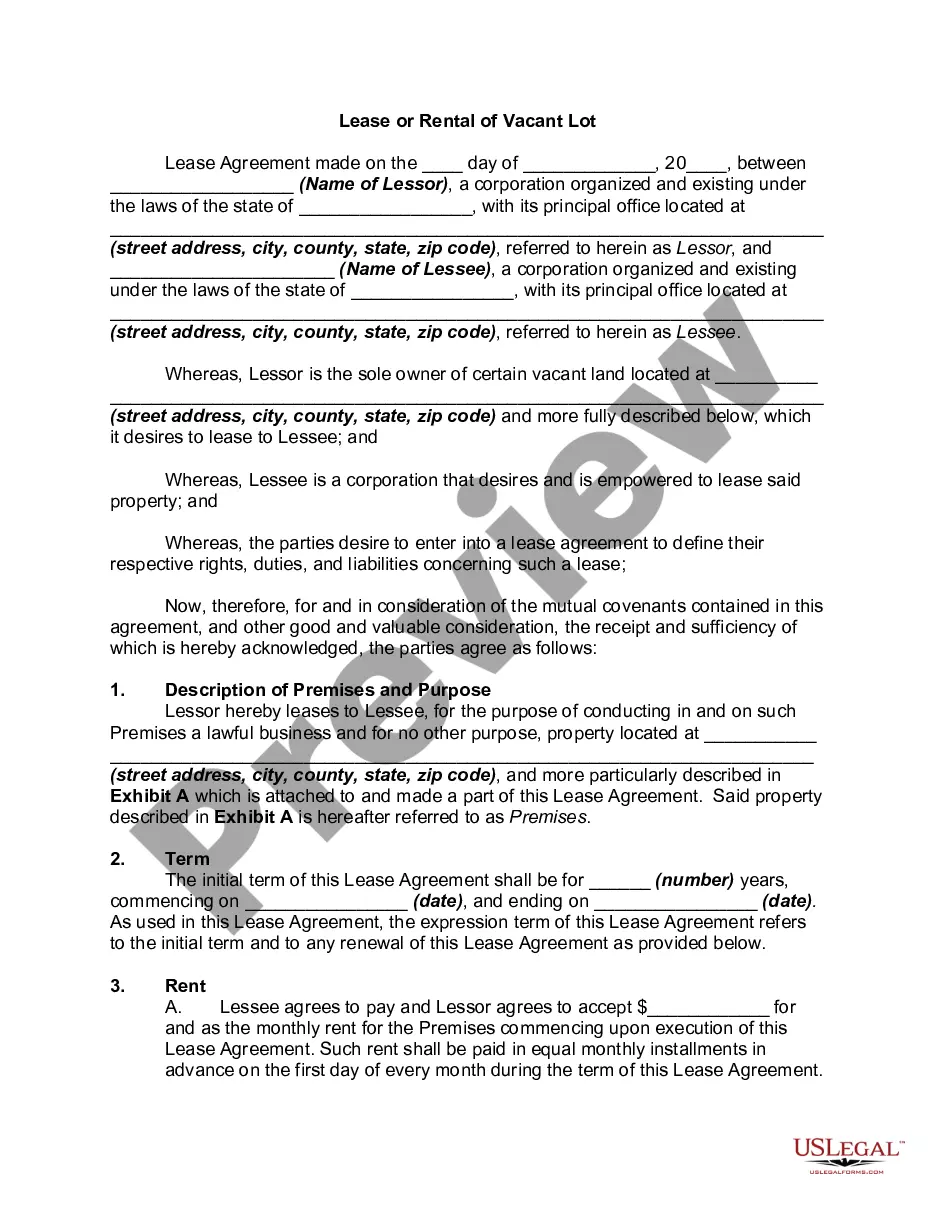
Get your form ready online
Our built-in tools help you complete, sign, share, and store your documents in one place.
Make edits, fill in missing information, and update formatting in US Legal Forms—just like you would in MS Word.
Download a copy, print it, send it by email, or mail it via USPS—whatever works best for your next step.
Sign and collect signatures with our SignNow integration. Send to multiple recipients, set reminders, and more. Go Premium to unlock E-Sign.
If this form requires notarization, complete it online through a secure video call—no need to meet a notary in person or wait for an appointment.
We protect your documents and personal data by following strict security and privacy standards.

Make edits, fill in missing information, and update formatting in US Legal Forms—just like you would in MS Word.

Download a copy, print it, send it by email, or mail it via USPS—whatever works best for your next step.

Sign and collect signatures with our SignNow integration. Send to multiple recipients, set reminders, and more. Go Premium to unlock E-Sign.

If this form requires notarization, complete it online through a secure video call—no need to meet a notary in person or wait for an appointment.

We protect your documents and personal data by following strict security and privacy standards.
Looking for another form?
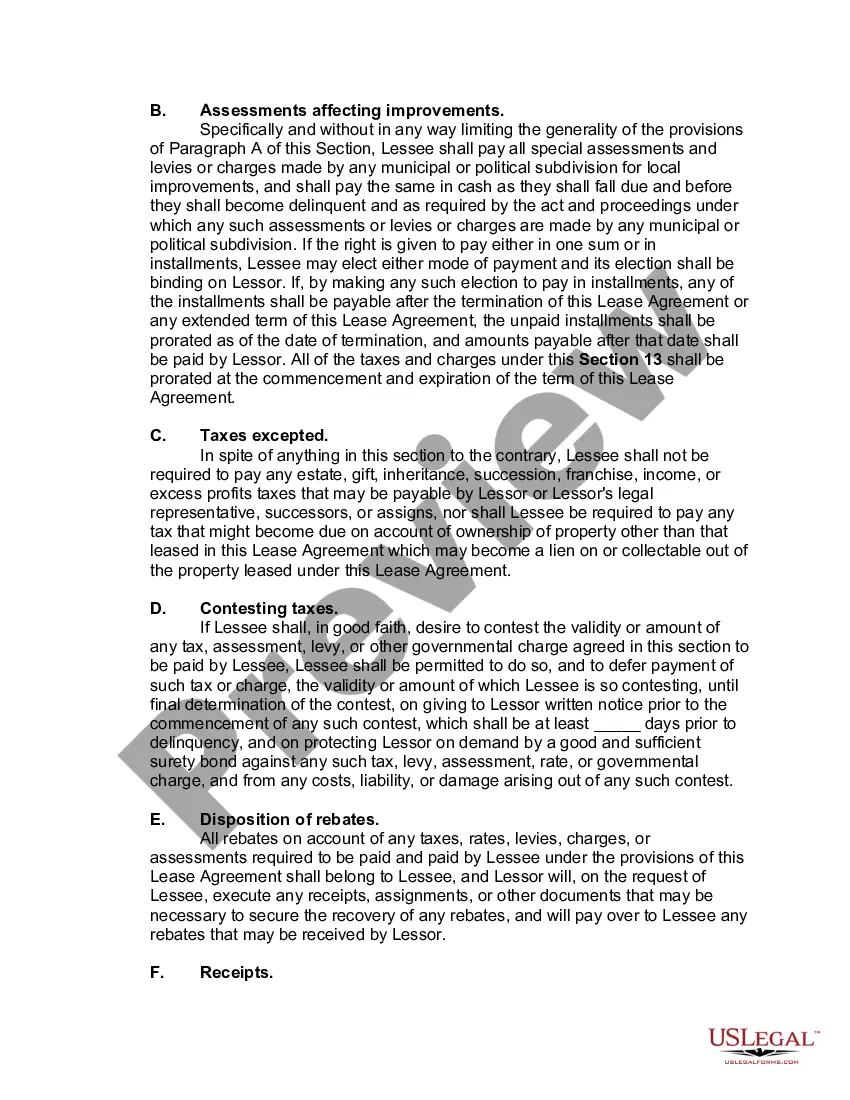
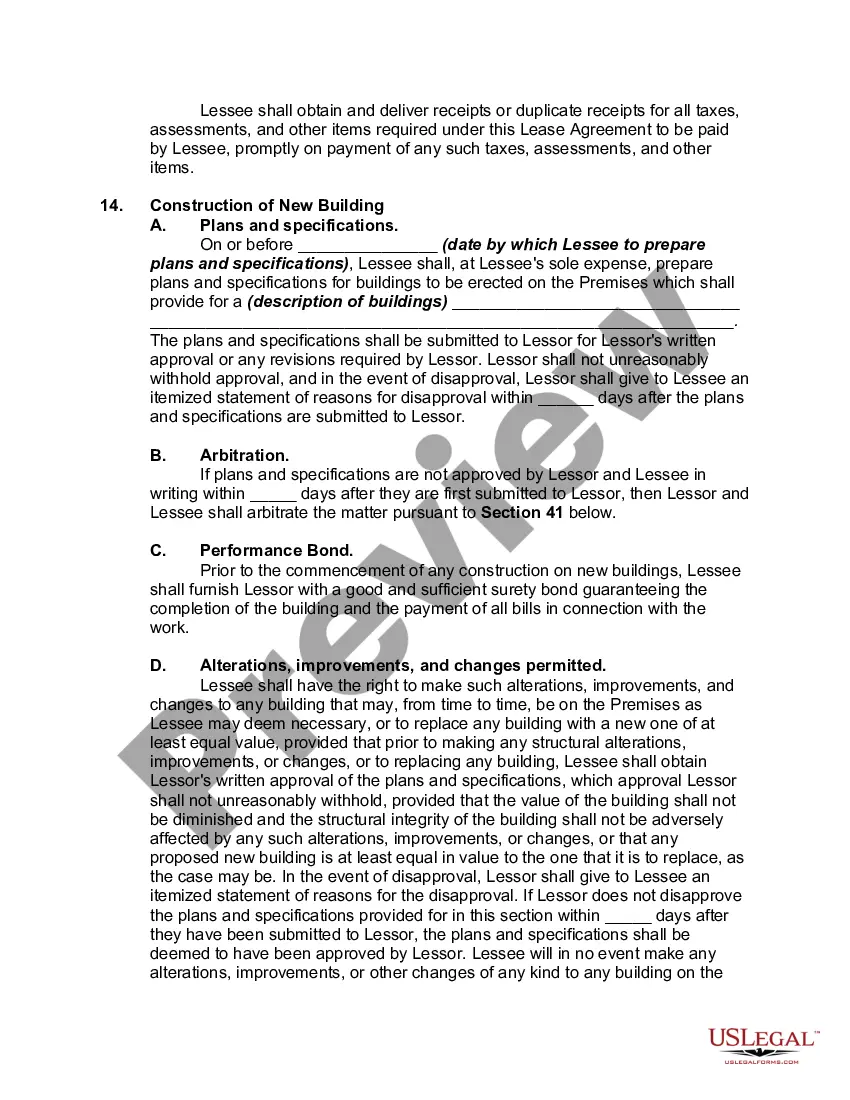
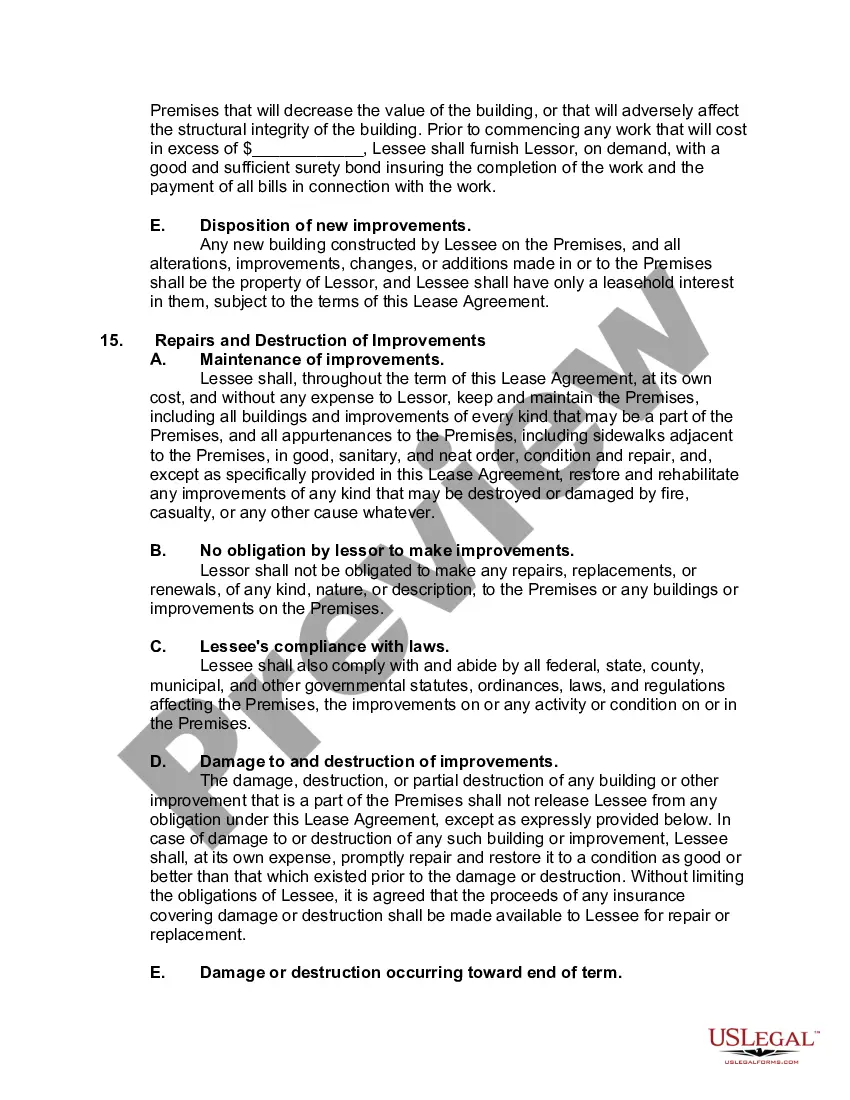
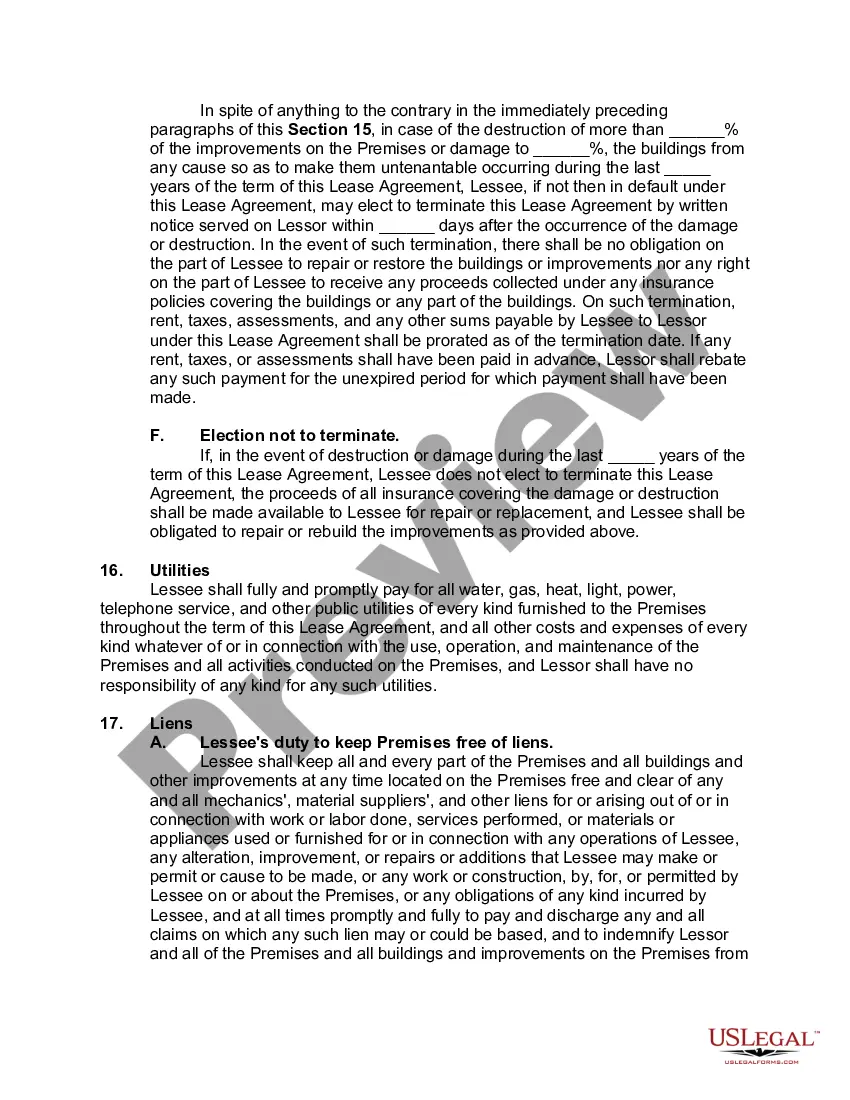
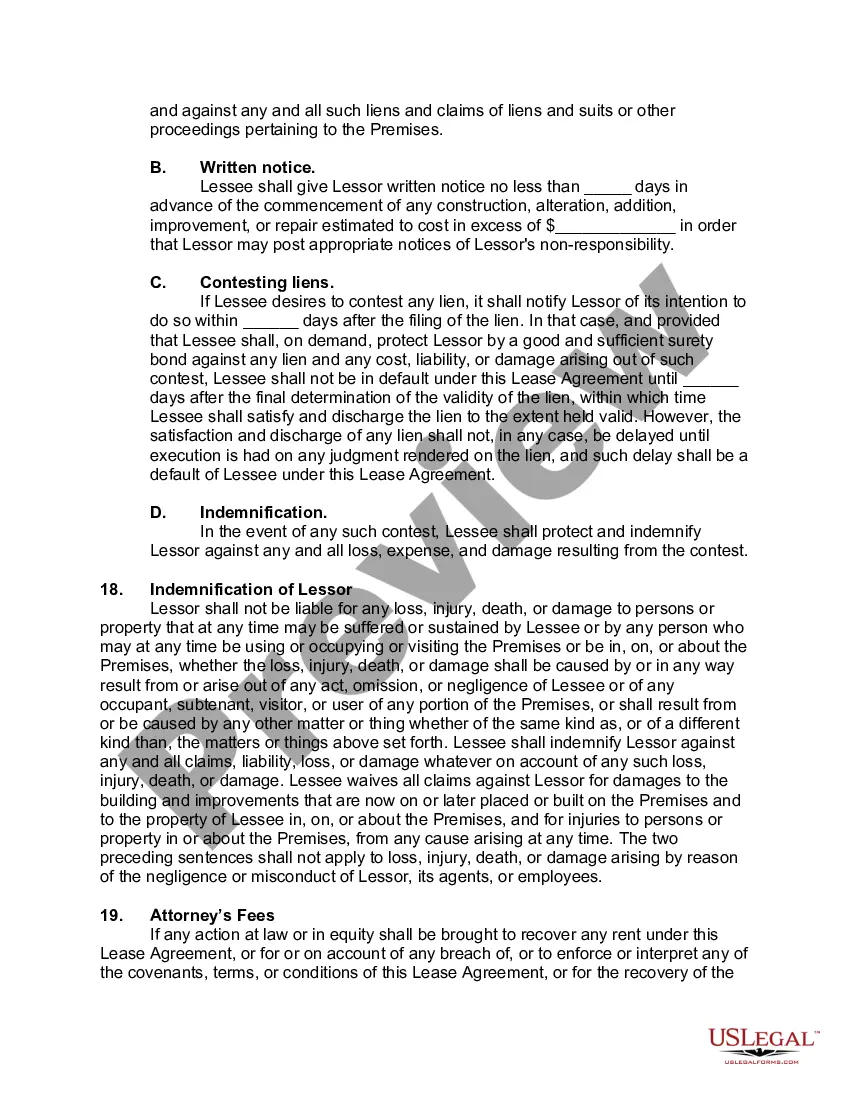
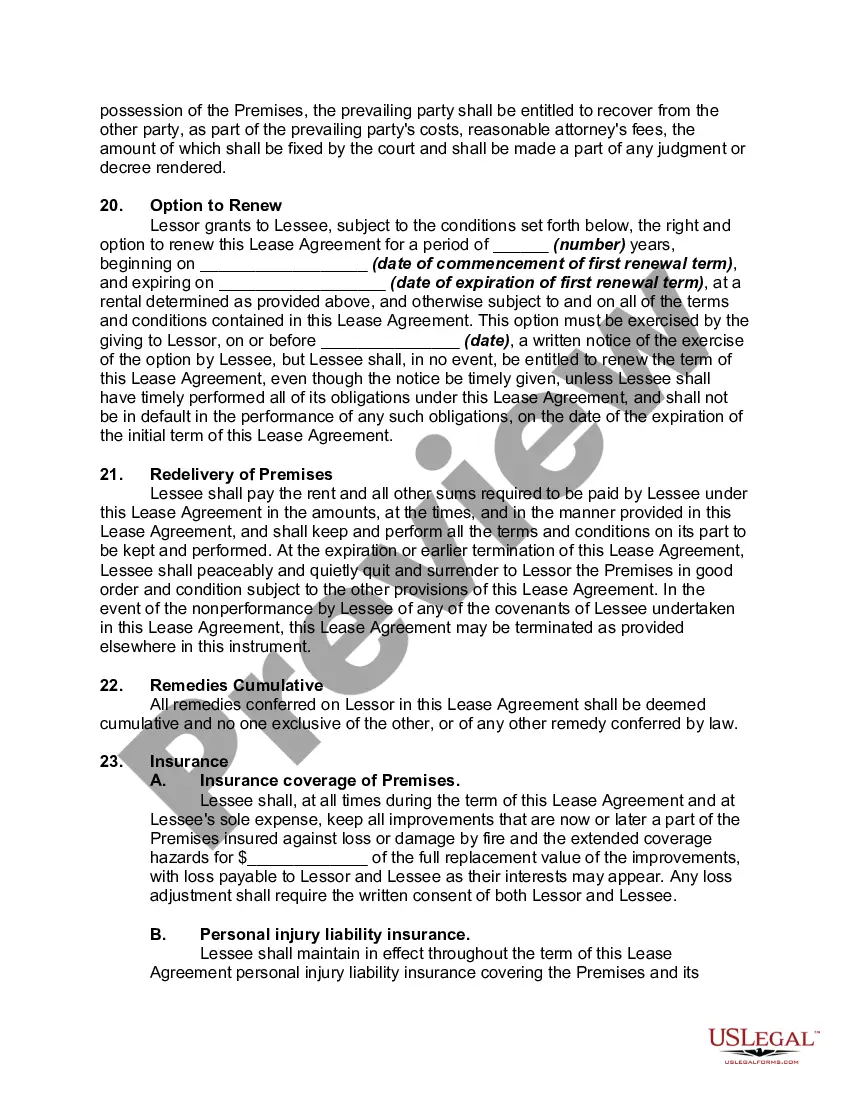
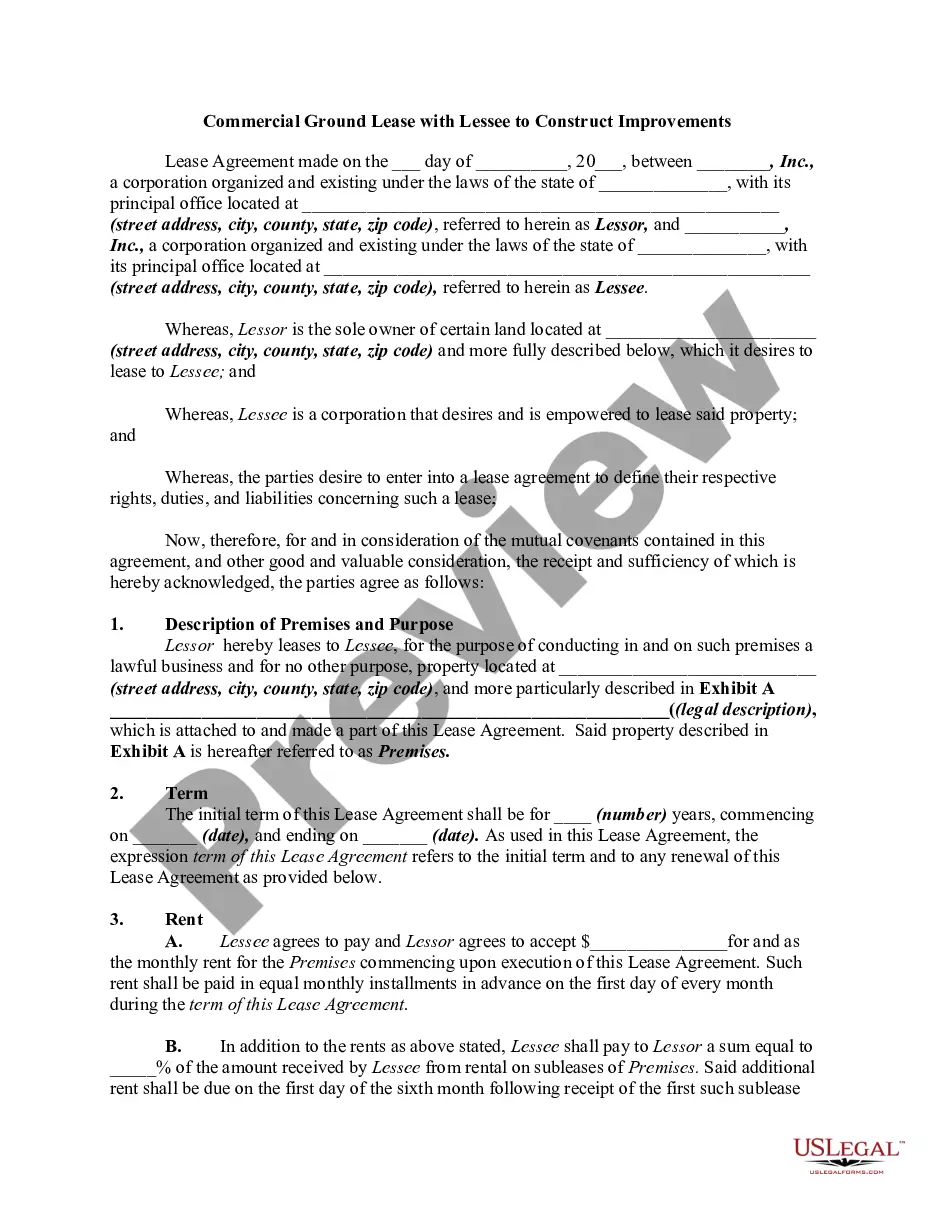
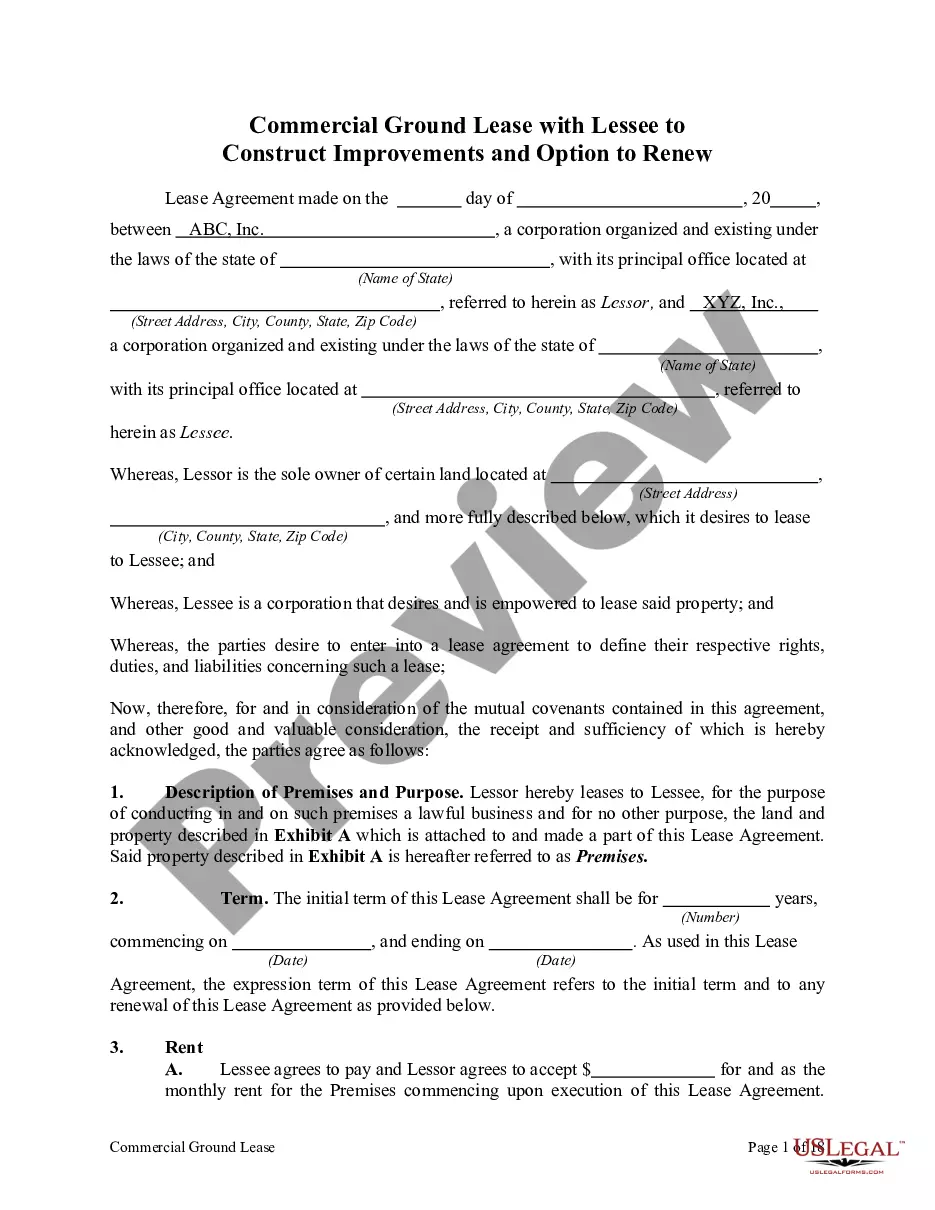
How to fill out Lease Or Rental Of Vacant Property Or Lot With Lessee To Have The Right To Construct Improvements?
- If you're an existing user, log in to your account and download your required document template by clicking the Download button. Ensure your subscription remains active.
- For first-time users, begin by exploring the Preview mode and form description to confirm you've selected a template that aligns with your needs and local regulations.
- If necessary, utilize the Search tab to find alternative templates that may better suit your requirements.
- Proceed to purchase the document by clicking the Buy Now button and selecting your preferred subscription plan. You'll need to create an account to access the extensive library.
- Complete your purchase by entering your payment details, either via credit card or PayPal for a seamless transaction.
- Finally, download the form and save it on your device to complete your improvements. You can access it anytime through the My Forms section of your profile.
By following these steps, you’ll streamline the process of implementing improvements to your rental property. US Legal Forms truly empowers you with its extensive library and expert assistance.
Start enhancing your rental property's value today! Access US Legal Forms and simplify your legal document needs.
Form popularity
FAQ
Capital improvements include significant repairs or renovations that enhance the value, longevity, or utility of your rental property. Examples are replacing the roof, updating HVAC systems, or adding new floors. These improvements to rental property not only maintain its appeal but also ensure it meets current standards and regulations. Keeping track of these upgrades is essential for investment planning and tax purposes.
To improve your rental listing, consider highlighting the unique features of your property. Quality photos, thorough descriptions, and clear benefits attract more attention from potential renters. You can also emphasize improvements to rental property, such as recent renovations or updated amenities, to capture interest. Engaging with potential tenants through prompt communication can further enhance their experience.
Improvements to rental property often focus on key areas like kitchens and bathrooms. Upgrading appliances, fixtures, and finishes can create a lasting impact on your property's appeal. Additionally, enhancing curb appeal through landscaping or exterior renovations captures attention and invites prospective tenants to explore further. Investing wisely in these areas tends to yield the highest returns.
To write off rental renovations, classify them as capital improvements or repairs based on their nature. Major upgrades that enhance property value should be treated as capital improvements, allowing you to deduct costs over time. For easier management of these deductions, utilize USLegalForms to ensure proper documentation and compliance throughout the renovation process.
Several expenses related to rental property can be tax-deductible, including mortgage interest, property tax, repairs, and depreciation. Additionally, costs associated with improvements to rental property may qualify for deductions under certain conditions. It’s wise to maintain detailed records to substantiate these expenses come tax time. For comprehensive support, USLegalForms provides valuable resources tailored for landlords.
Improvements to rental property can often be written off, but understanding how to classify these expenses is key. Generally, significant enhancements that add value qualify as capital improvements and should be capitalized. However, regular maintenance and minor repairs can often be expensed. Navigate these distinctions with ease using USLegalForms for expert guidance.
You can deduct capital improvements to rental property as these enhancements increase the property's value and longevity. These improvements must be capitalized rather than expensed in the year they occur. To fully benefit from deductions, it’s crucial to differentiate between repairs and improvements. Consider using USLegalForms for guidance on documentation and compliance to optimize your tax benefits.
Key improvements to rental property can significantly increase its value. Focus on kitchen and bathroom remodels, as these areas often yield high returns. Enhancements like energy-efficient appliances, updated fixtures, and fresh paint can also appeal to tenants and increase rental income. Prioritizing these changes can lead to a more profitable rental experience.
The 80/20 rule, often referred to as the Pareto Principle, is an observation that roughly 80% of your results come from 20% of your efforts. In rental properties, this could mean that a small number of improvements generate most of your property's value. Focusing on key enhancements to your rental property can significantly optimize your investment strategy. Identifying these impactful changes can help you maximize your returns.
The 50% rule is a common investment guideline that helps investors estimate expenses. It suggests that approximately 50% of the rental income will go toward property-related expenses. Knowing this can assist you in planning budget allocations for potential improvements to rental property. By following this rule, you can evaluate your profitability effectively.