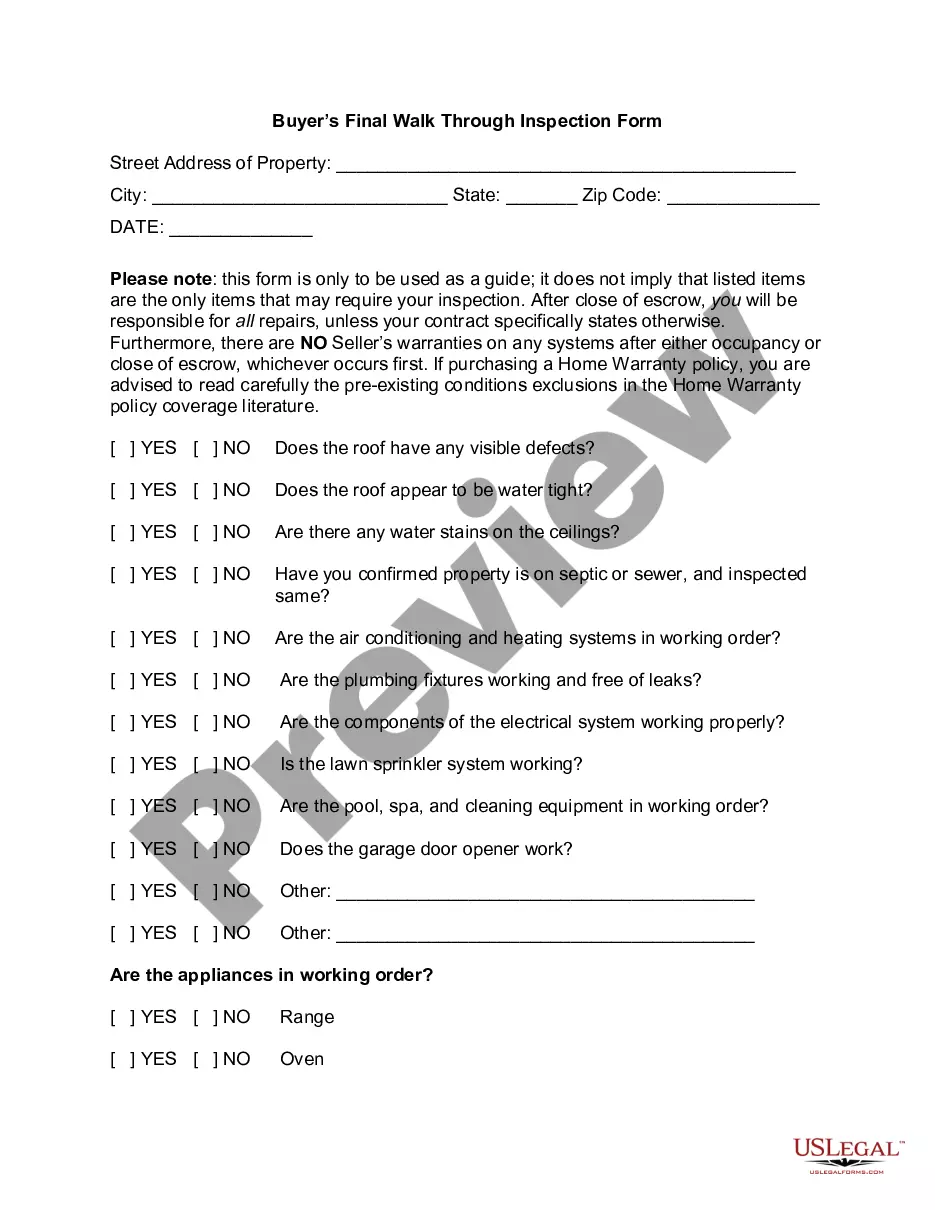
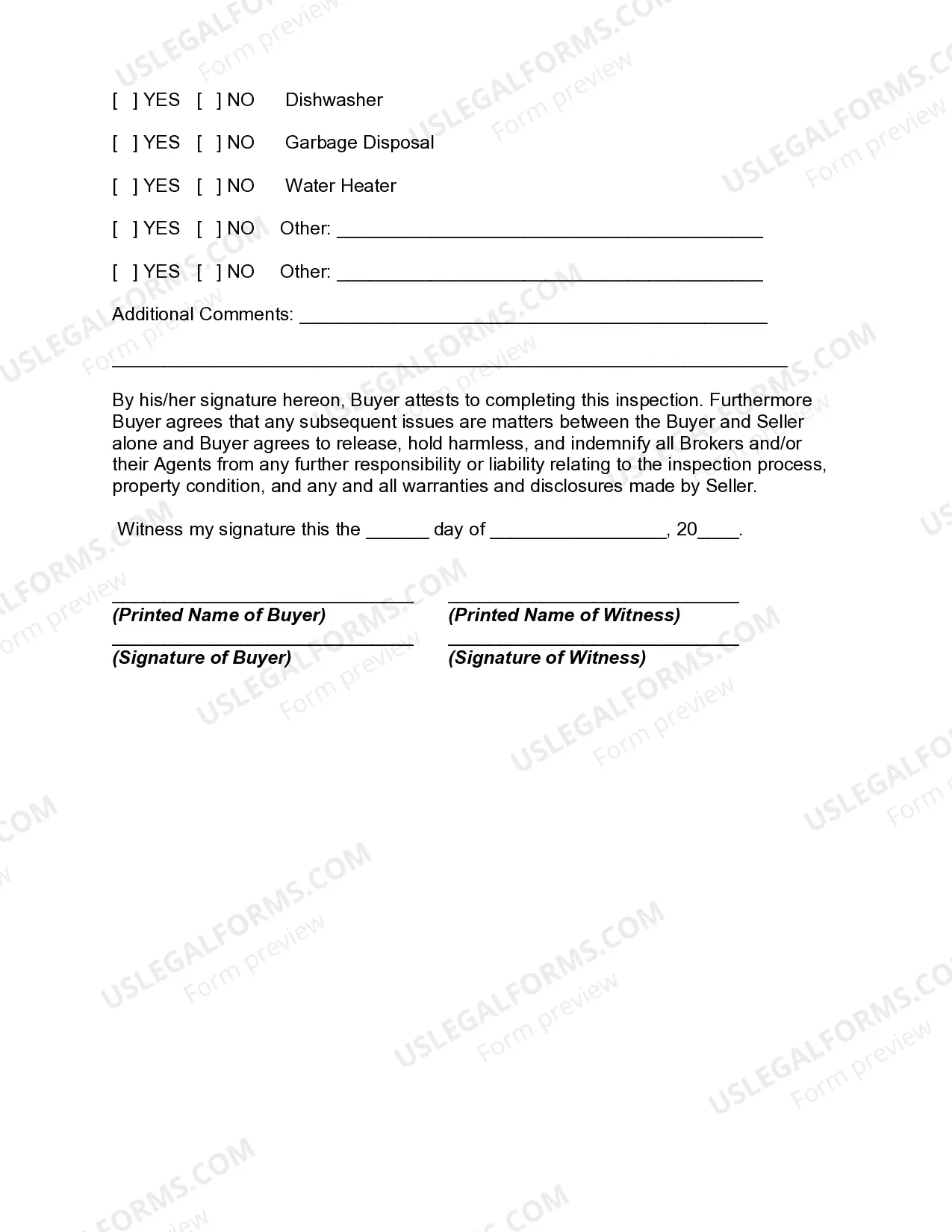
Walk Through Form With 2 Points
Description
Get your form ready online
Our built-in tools help you complete, sign, share, and store your documents in one place.
Make edits, fill in missing information, and update formatting in US Legal Forms—just like you would in MS Word.
Download a copy, print it, send it by email, or mail it via USPS—whatever works best for your next step.
Sign and collect signatures with our SignNow integration. Send to multiple recipients, set reminders, and more. Go Premium to unlock E-Sign.
If this form requires notarization, complete it online through a secure video call—no need to meet a notary in person or wait for an appointment.
We protect your documents and personal data by following strict security and privacy standards.

Make edits, fill in missing information, and update formatting in US Legal Forms—just like you would in MS Word.

Download a copy, print it, send it by email, or mail it via USPS—whatever works best for your next step.

Sign and collect signatures with our SignNow integration. Send to multiple recipients, set reminders, and more. Go Premium to unlock E-Sign.

If this form requires notarization, complete it online through a secure video call—no need to meet a notary in person or wait for an appointment.

We protect your documents and personal data by following strict security and privacy standards.
Looking for another form?








How to fill out Buyer's Final Walk Through Inspection Form?
Whether for commercial reasons or personal concerns, everyone encounters legal circumstances at some point in their existence.
Filling out legal paperwork requires meticulous focus, starting with choosing the correct template sample.
With an extensive US Legal Forms catalog available, you no longer need to waste time searching for the right sample online. Utilize the library’s straightforward navigation to find the suitable form for any circumstance.
- Acquire the required sample using the search field or through catalog navigation.
- Review the description of the form to ensure it meets your situation, jurisdiction, and region.
- Click on the preview of the form to inspect it.
- If it is not the right document, return to the search feature to locate the Walk Through Form With 2 Points sample you need.
- Download the template if it aligns with your criteria.
- If you already possess a US Legal Forms account, simply click Log in to access previously saved templates in My documents.
- If you have not created an account yet, you can download the form by selecting Buy now.
- Select the correct pricing option.
- Fill in the account registration form.
- Choose your payment method: you can opt for a credit card or PayPal account.
- Select the file format you prefer and download the Walk Through Form With 2 Points.
- Once downloaded, you can complete the form using editing software or print it out and finish it manually.
Form popularity
FAQ
To find the slope between two points, you use the formula (y2 - y1) / (x2 - x1). In this case, plug in the points into the formula: (12 - 4) / (6 - 2) equals 8 divided by 4, resulting in a slope of 2. Thus, the slope that passes through these points helps you understand how steep the line is, which is essential when you want to walk through the form with 2 points.
An uncontested divorce is often the fastest, and cheapest, way to get a divorce in Iowa, and in most other states in the US.
The statute of limitations for small claims judgments for execution purposes is twenty years, and liens on those judgments exist for ten years. See Iowa Code sections 614.1(6), 624.23(1), 626.2 and 631.12. However, a judgment can be renewed by filing a new action. See Iowa Code section 614.3.
You can file a Petition for Change of Name in the district court. See Iowa Code chapter 674. You will need to electronically file the Petition for Change of Name and pay the $195 filing fee.
If you live near your spouse, the advantages to filing first simply are the advantages of initiating the divorce proceeding, kicking the process off, and bringing about an end to this difficult period in your life.
There is a one-year residency requirement for filing for divorce in Iowa. This means that either you or your former partner must have been a resident of Iowa for at least one year. You will file for your dissolution of marriage in the county where the eligible resident lives.
In Iowa, you have to file an action against the other party to seek enforcement of the existing court decree order. The enforcement action is formally known as an Application for Rule to Show Cause, commonly referred to as a contempt filing. This filing brings the opposing party's bad acts to the court's attention.
This 90-day waiting period applies even if you and your spouse are seeking a no-contest divorce in Iowa and have agreed on all terms. In very limited circumstances (such as emergencies) a judge may waive the 90-day period and grant your divorce sooner.
The Iowa Judicial Branch provides fillable and savable court forms and also interactive interviews to assist unrepresented persons in filing and completing a divorce, also known as a dissolution of marriage, without an attorney.