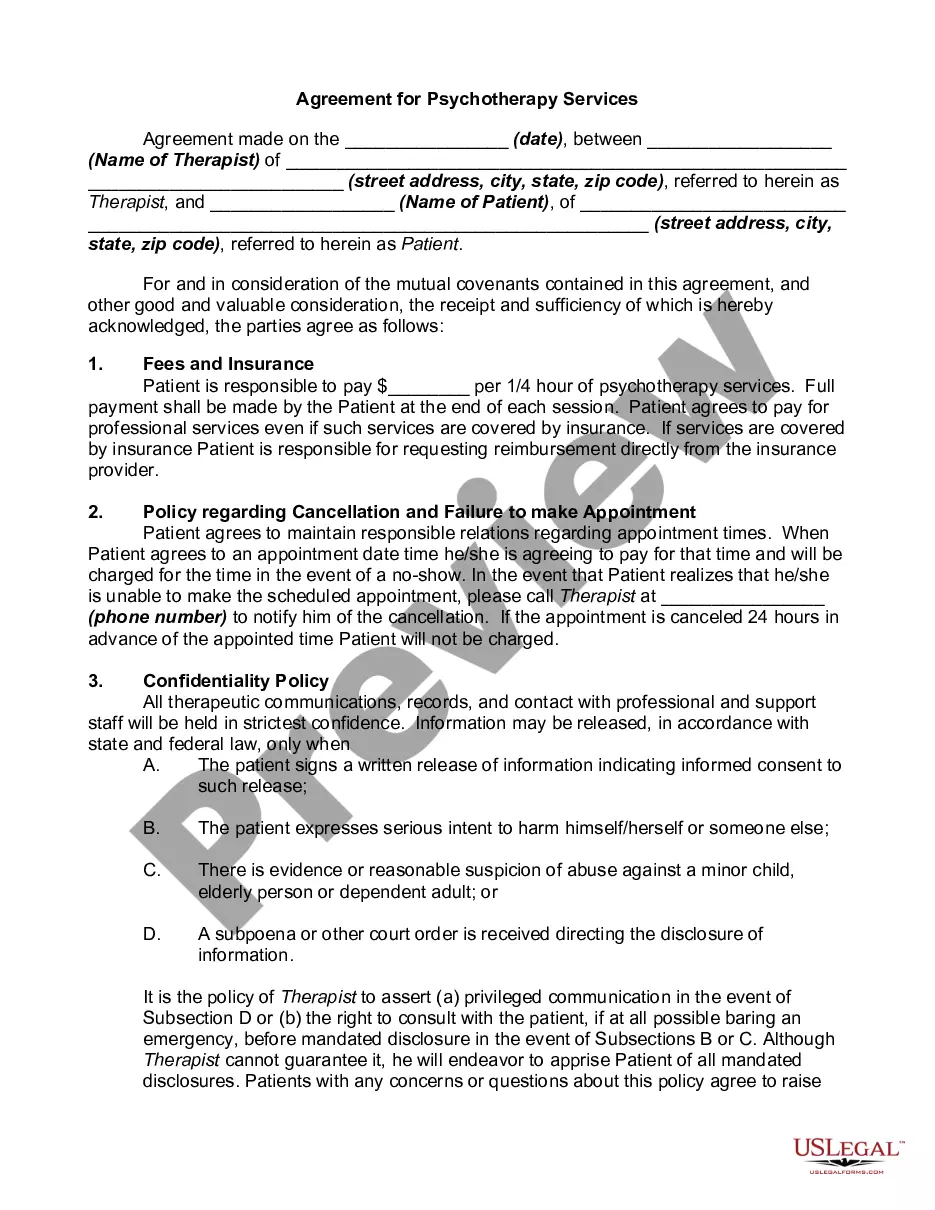
Psychotherapy Form Template For Child
Description


Get your form ready online
Our built-in tools help you complete, sign, share, and store your documents in one place.
Make edits, fill in missing information, and update formatting in US Legal Forms—just like you would in MS Word.
Download a copy, print it, send it by email, or mail it via USPS—whatever works best for your next step.
Sign and collect signatures with our SignNow integration. Send to multiple recipients, set reminders, and more. Go Premium to unlock E-Sign.
If this form requires notarization, complete it online through a secure video call—no need to meet a notary in person or wait for an appointment.
We protect your documents and personal data by following strict security and privacy standards.

Make edits, fill in missing information, and update formatting in US Legal Forms—just like you would in MS Word.

Download a copy, print it, send it by email, or mail it via USPS—whatever works best for your next step.

Sign and collect signatures with our SignNow integration. Send to multiple recipients, set reminders, and more. Go Premium to unlock E-Sign.

If this form requires notarization, complete it online through a secure video call—no need to meet a notary in person or wait for an appointment.

We protect your documents and personal data by following strict security and privacy standards.
Looking for another form?








How to fill out Agreement For Psychotherapy Services?
It’s no secret that you can’t become a law expert immediately, nor can you grasp how to quickly draft Psychotherapy Form Template For Child without the need of a specialized set of skills. Putting together legal forms is a long venture requiring a specific education and skills. So why not leave the preparation of the Psychotherapy Form Template For Child to the professionals?
With US Legal Forms, one of the most extensive legal template libraries, you can find anything from court papers to templates for internal corporate communication. We know how crucial compliance and adherence to federal and local laws are. That’s why, on our platform, all templates are location specific and up to date.
Here’s how you can get started with our platform and obtain the form you require in mere minutes:
- Discover the document you need by using the search bar at the top of the page.
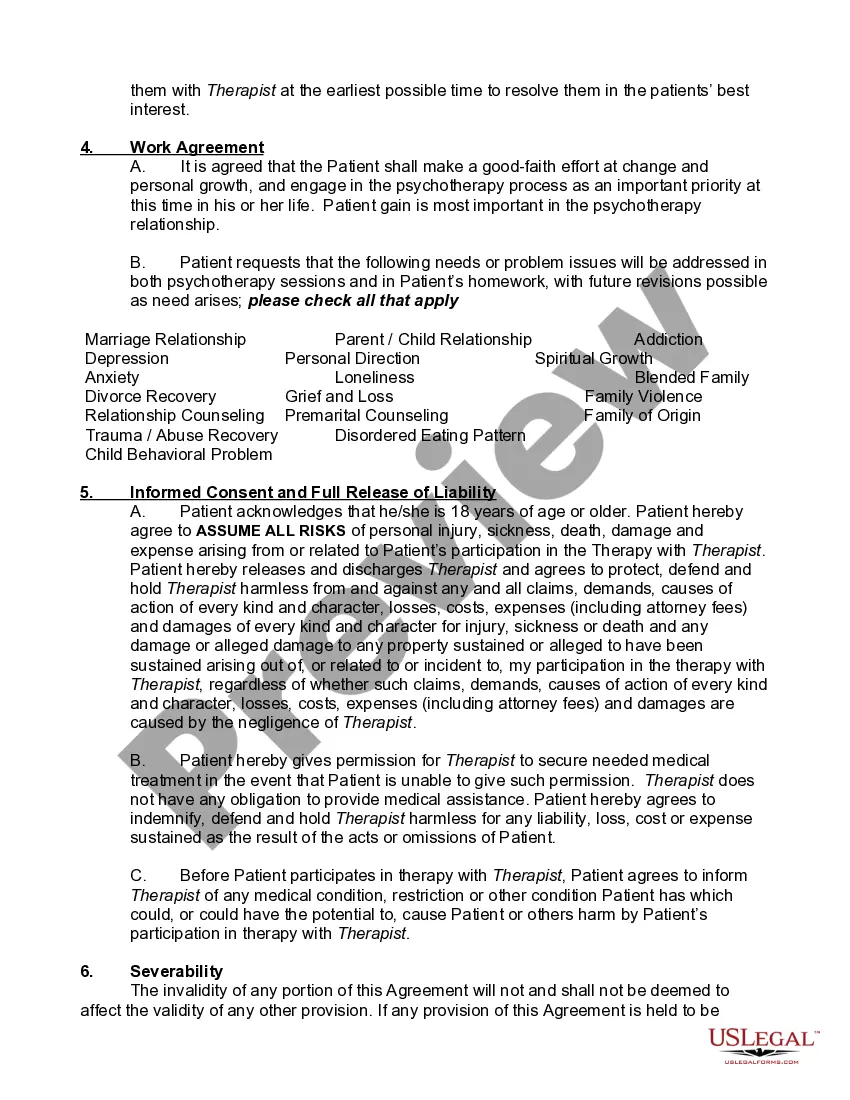
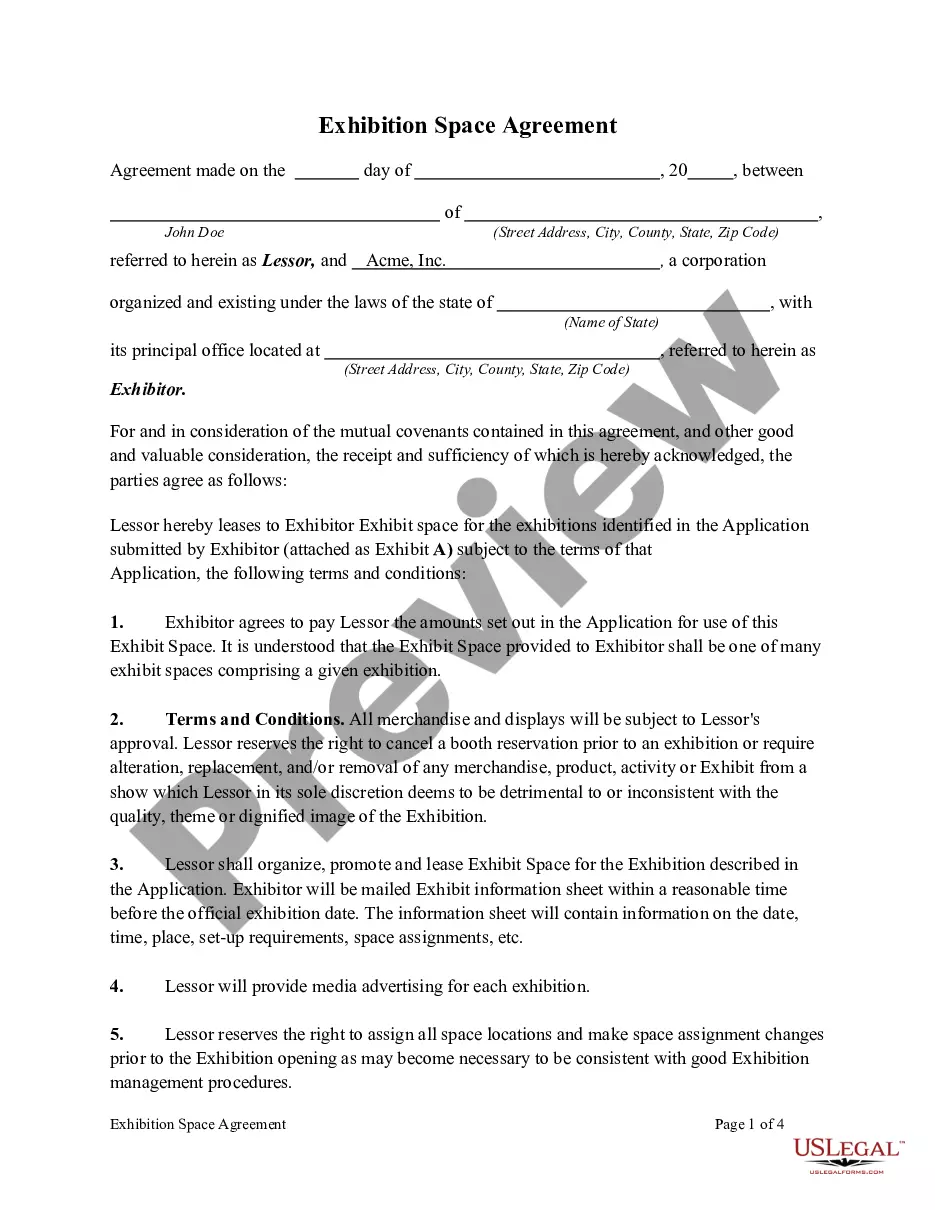
- Preview it (if this option available) and read the supporting description to determine whether Psychotherapy Form Template For Child is what you’re looking for.
- Begin your search again if you need any other template.
- Set up a free account and choose a subscription plan to buy the template.
- Choose Buy now. Once the payment is through, you can get the Psychotherapy Form Template For Child, complete it, print it, and send or mail it to the necessary individuals or entities.
You can re-gain access to your forms from the My Forms tab at any time. If you’re an existing client, you can simply log in, and find and download the template from the same tab.
Regardless of the purpose of your documents-whether it’s financial and legal, or personal-our platform has you covered. Try US Legal Forms now!
Form popularity
FAQ
The form typically includes personal information, such as the client's contact details, medical history, and current concerns and reasons for seeking therapy. The therapy intake form is important because it provides the therapist with critical information about the client to help guide the therapy process.
With play therapy progress notes, you can uncover underlying psychological issues without compromise, and help children process their emotions more healthily. These progress notes can reveal valuable insight to improve treatment, and work towards more accurate plans that pinpoint reliable coping strategies.
Psychotherapy is a form of psychiatric treatment that involves therapeutic conversations and interactions between a therapist and a child or family. It can help children and families understand and resolve problems, modify behavior, and make positive changes in their lives.
Tell your little ones a therapist is like a ?feelings doctor.? Kids know what it's like to experience distress. Tell them a therapist will help them talk about times when they feel sad, mad or bad. Use an example of a time they struggled recently, and tell them a counselor will help them with that type of situation.
These notes describe any notable symptoms or other relevant factors in the client's presentation, changes since their last visit, their response to treatment recommendations, and interventions related to their goals, as well as assessment of client risk.