Federal Court
Description
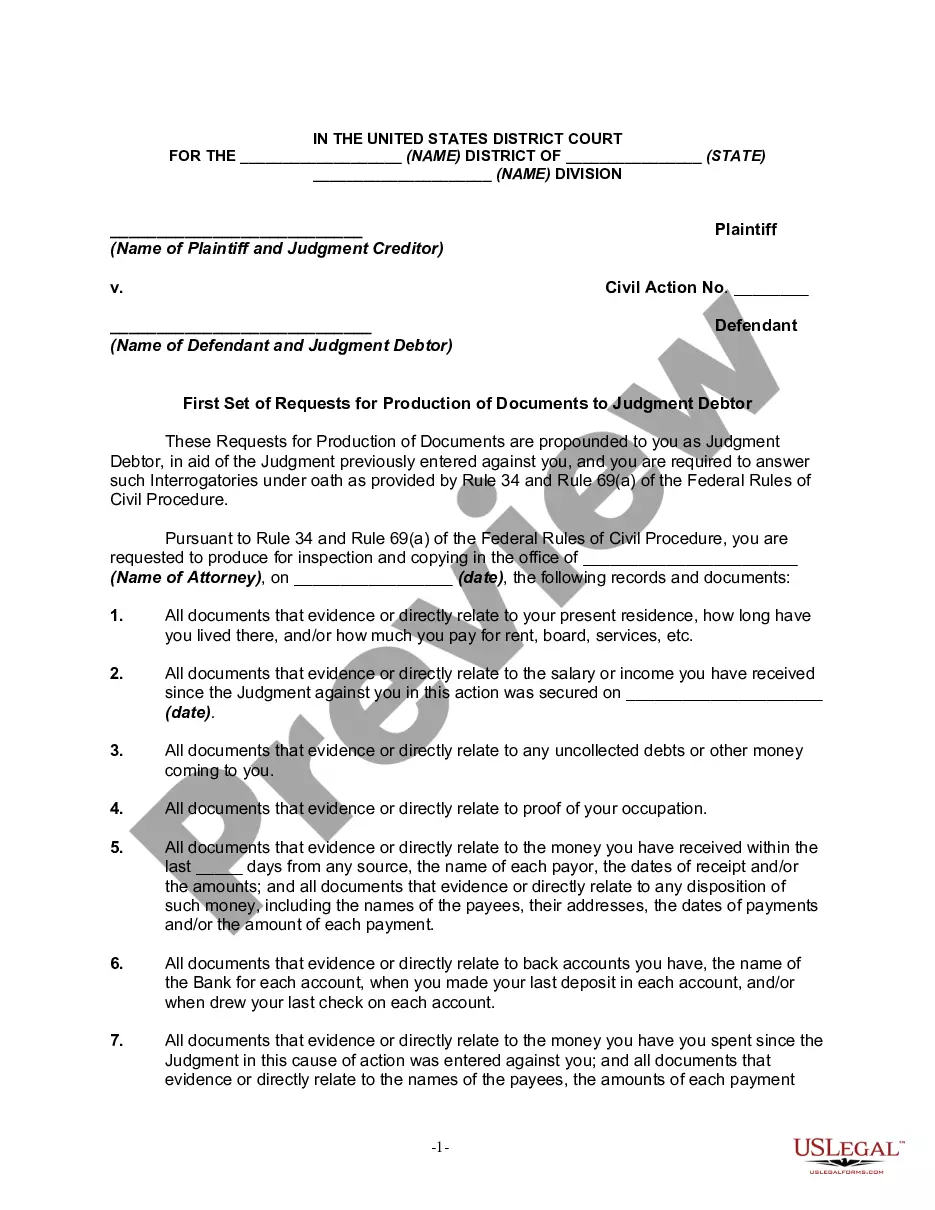
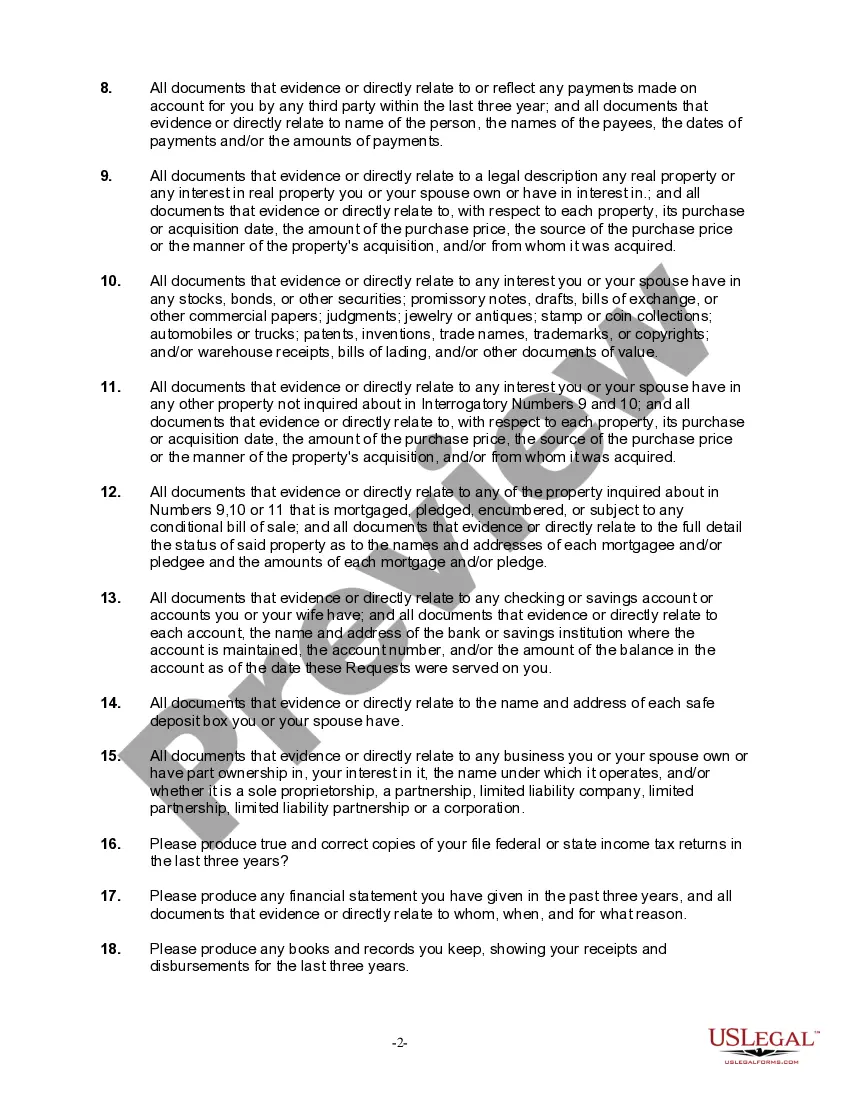
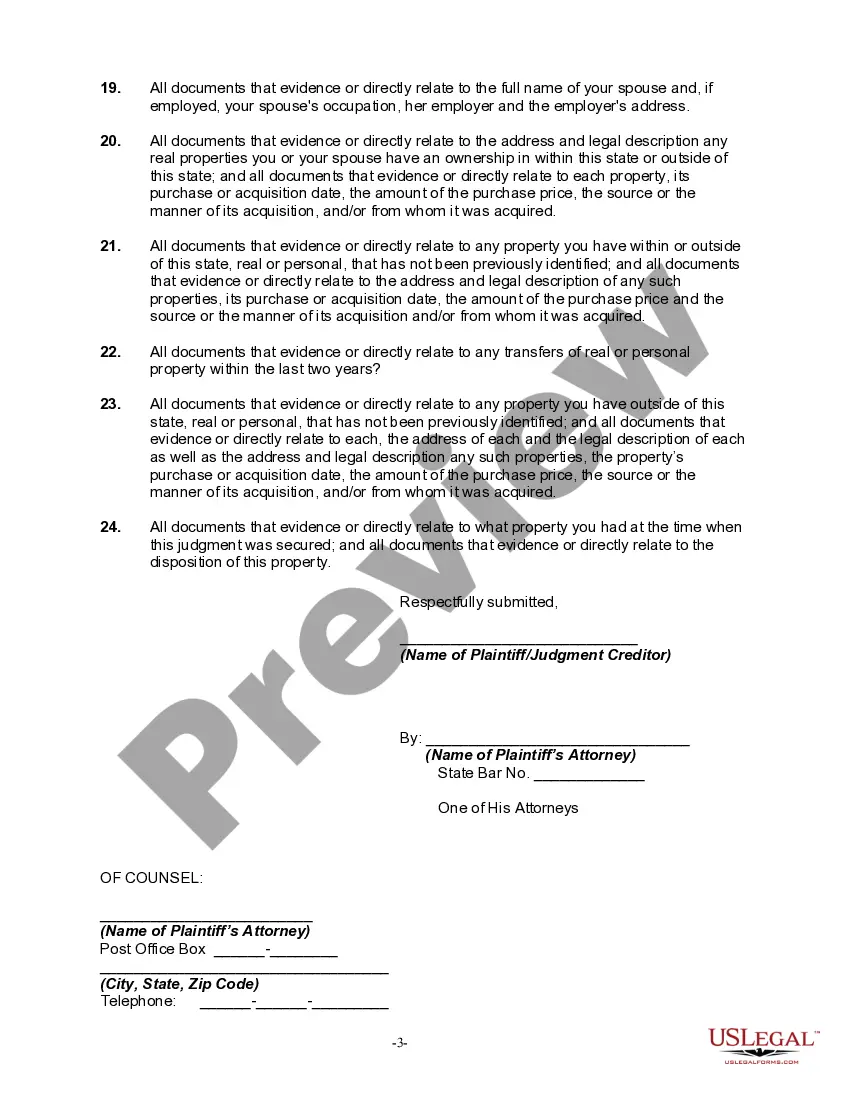
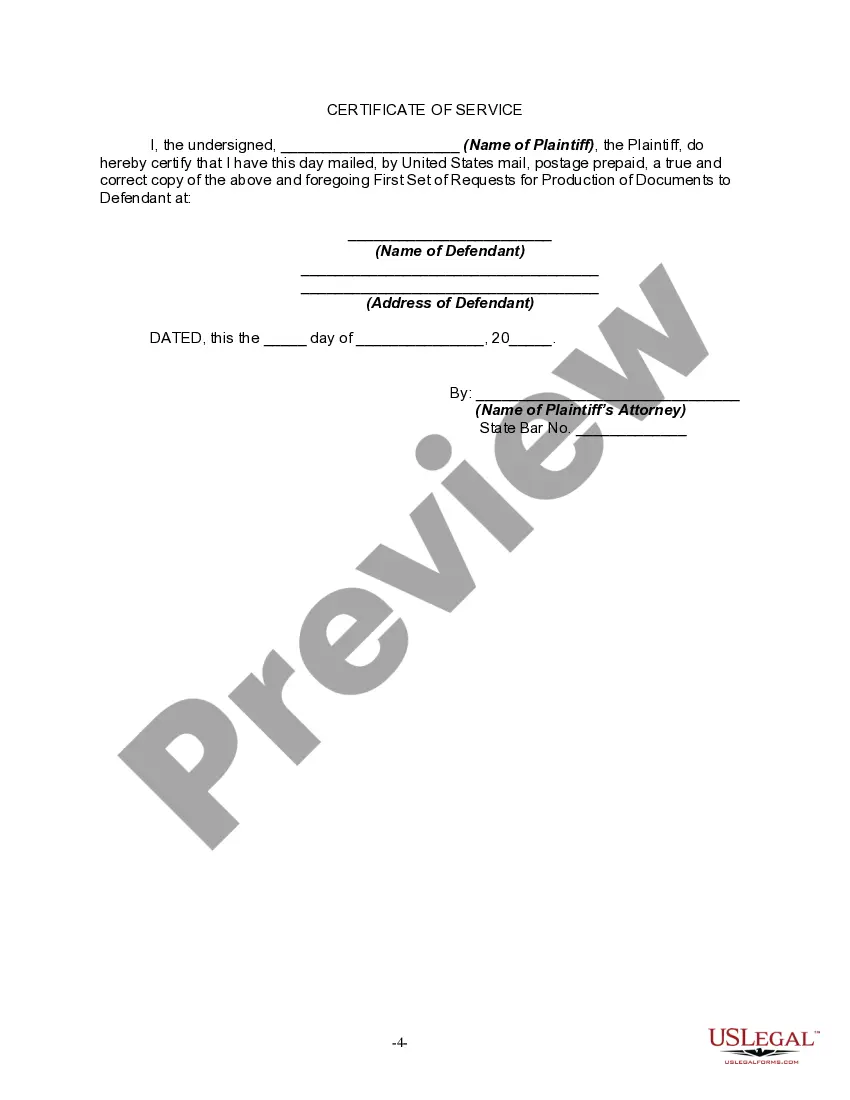
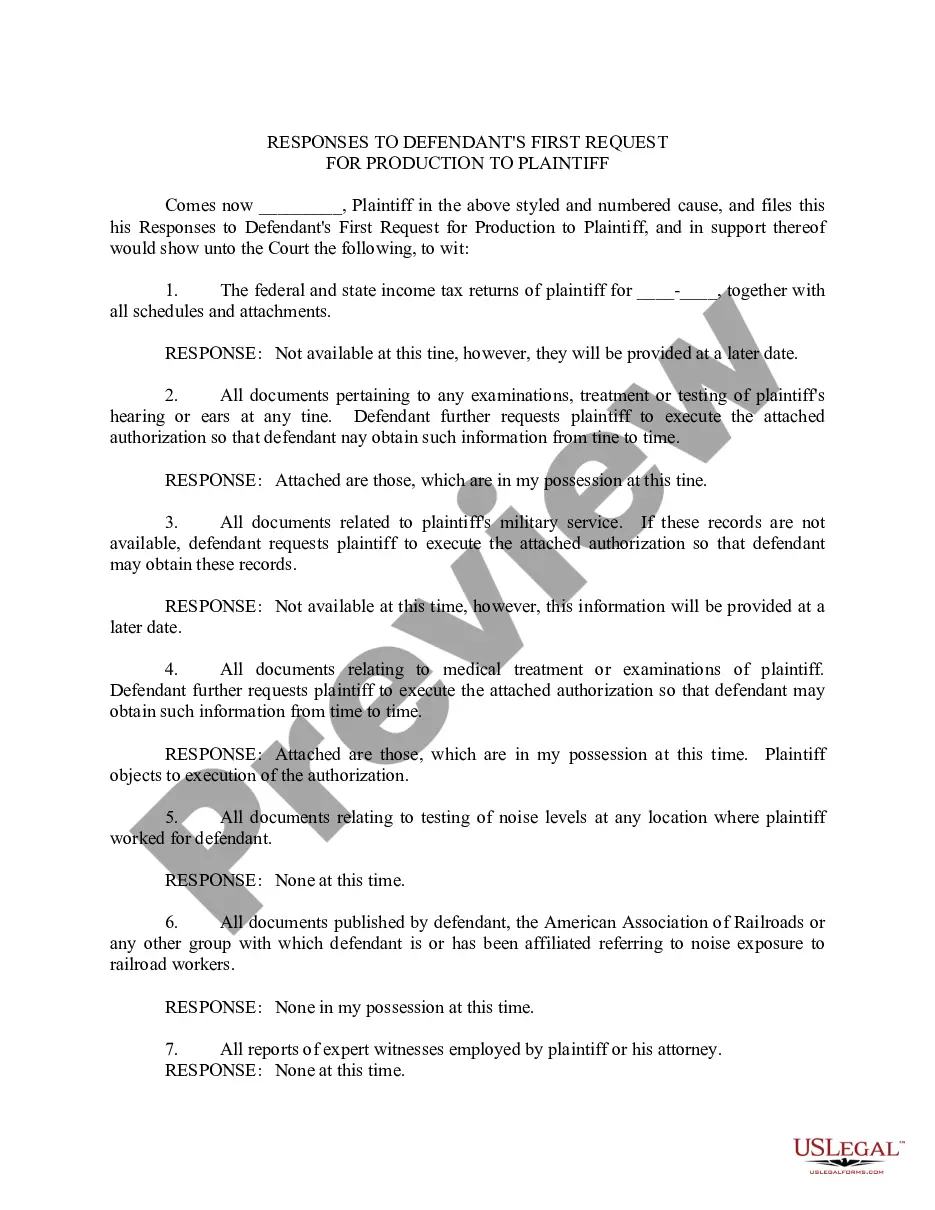
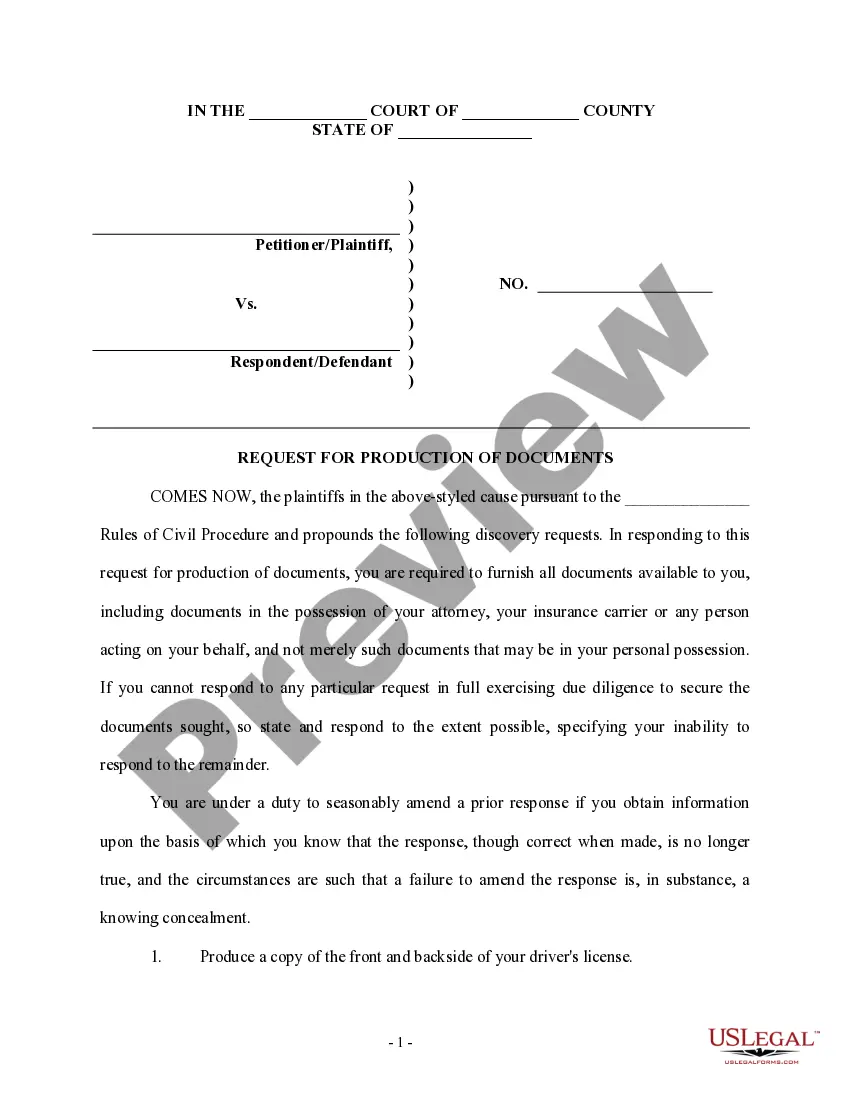
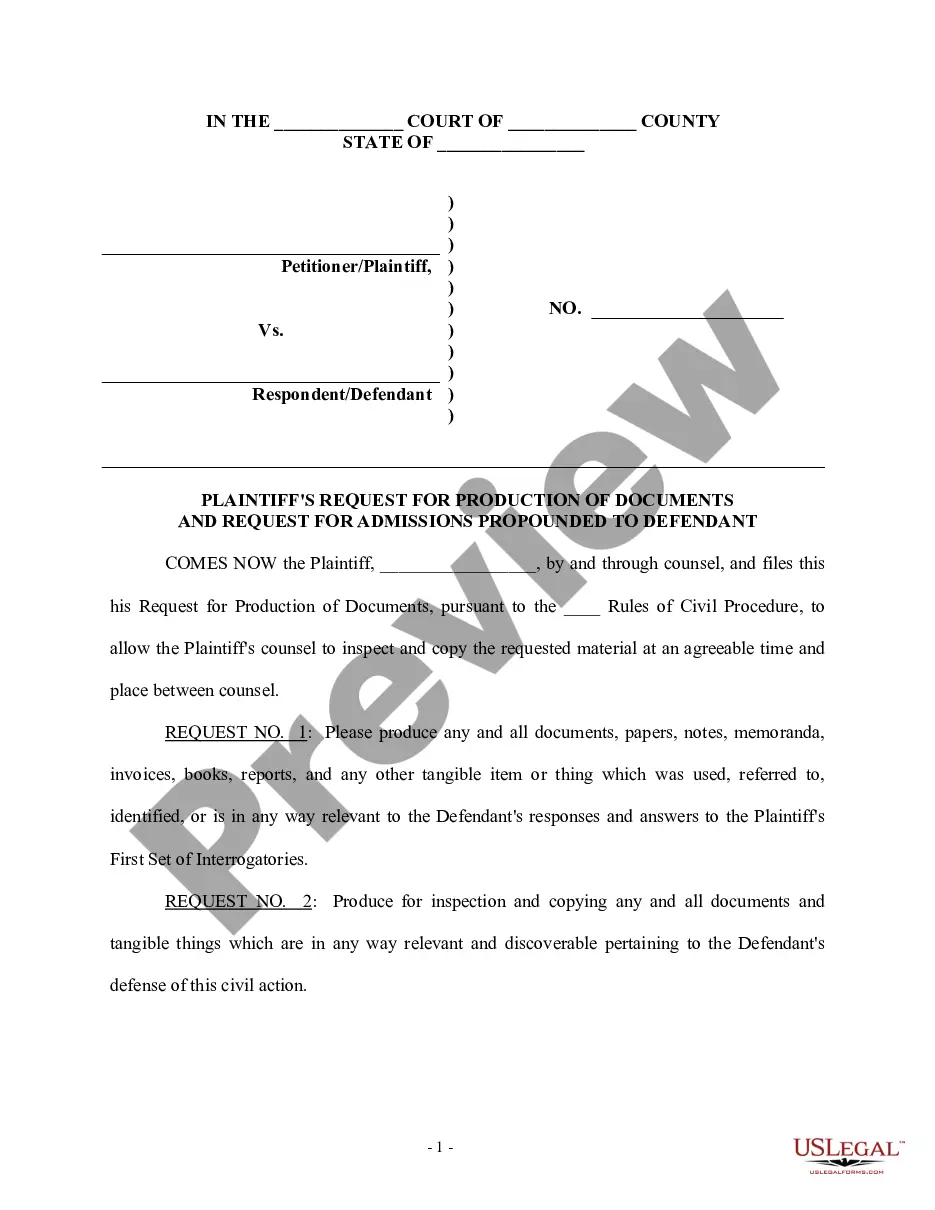
How to fill out Requests For Production Of Documents In Federal Court To Judgment Debtor In General And Regarding Property Available To Satisfy Judgment?
- Log into your US Legal Forms account. If you're an existing user, visit the login page and ensure your subscription is active.
- Review the available forms. Use the Preview mode to check the descriptions and confirm that your selected form meets federal court standards.
- Search for additional templates. If you need a different form, utilize the Search feature to find one that fits your requirements.
- Purchase the necessary document. Select the Buy Now button and choose a subscription plan that works for you, creating an account if you're a first-time user.
- Complete your payment. Enter your payment information via credit card or PayPal to finalize your subscription.
- Download your legal form. Save the document on your device and access it later in the My Forms section of your account.
By following these steps, you can quickly access the legal forms required for federal court proceedings. US Legal Forms stands out with its robust collection of over 85,000 editable documents and expert assistance, ensuring your legal paperwork is accurate and efficient.
Start simplifying your legal document needs today with US Legal Forms. Join now to access a wealth of resources geared towards your legal success.
Form popularity
FAQ
Federal court cases can include a range of issues such as civil rights disputes, cases involving federal taxes, and immigration matters. Additionally, federal courts hear appeals from state courts when federal law issues are involved. Therefore, if your case intersects with federal law, it's vital to understand how federal courts operate. For those needing assistance navigating this process, platforms like USLegalForms can provide valuable resources and templates.
The difference between federal and state court encompasses the types of cases each court hears. Federal courts focus on federal matters, such as immigration and interstate commerce, while state courts address issues like family law and criminal cases within their states. Each court operates under its own set of rules and procedures, making it essential for individuals to know where to seek justice for their unique situation.
The distinction between federal and state primarily revolves around the source of law. Federal law stems from the federal government, while state law originates from state legislatures. Federal courts interpret and enforce federal laws, whereas state courts do the same for state laws. Recognizing this difference helps clarify where jurisdiction lies in specific legal matters.
Federal court refers to the system of courts established by the U.S. Constitution to handle cases involving federal laws and issues. These courts have the authority to adjudicate matters that include federal statutes, treaties, and the Constitution itself. By understanding what federal courts do, individuals can better appreciate their role in the American legal landscape. This insight is crucial when considering your options in legal disputes.
Yes, federal court is considered serious due to the nature of the cases it handles. Federal courts typically deal with significant legal matters, including constitutional issues, federal regulations, and serious crimes. Because of the high stakes involved, federal court proceedings can be complex and rigorous. Therefore, it is often advisable to seek guidance when navigating the federal court system.
The main difference between federal and state court lies in the types of cases they handle. Federal courts deal with issues that involve federal law, while state courts handle cases that pertain to state laws. Additionally, federal courts generally have jurisdiction over disputes that cross state lines or involve citizens from different states. Therefore, understanding this distinction can help you determine where to file your case.
Filing a motion in federal court starts with drafting a document that clearly states the relief sought and the reasons for the request. After finalizing the motion, you must file it with the court and serve copies to all relevant parties. Follow specific local rules and formatting guidelines to ensure that your motion is accepted and effectively considered by the court.
The minimum amount required to sue in federal court concerning diversity jurisdiction is generally $75,000. This threshold ensures that only significant disputes are addressed in the federal system. If your case involves a federal question, however, there may not be a minimum amount needed to file a suit.
To issue a summons in federal court, you need to prepare the document according to the Federal Rules of Civil Procedure. The summons should include the details of the court, the parties involved, and the time frame for the defendant's response. Upon filing, the court will sign and issue the summons, which you must then serve to the defendant, ensuring compliance with legal requirements.
Filing a motion in federal court involves several key steps. First, draft a motion detailing your request and the legal basis for it. Next, file the motion with the court clerk and serve copies to all parties involved. Lastly, be prepared for a hearing where you may need to present your arguments, making the clarity of your motion crucial.