Motion To Dismiss Civil Case Sample With Reconsideration
Description
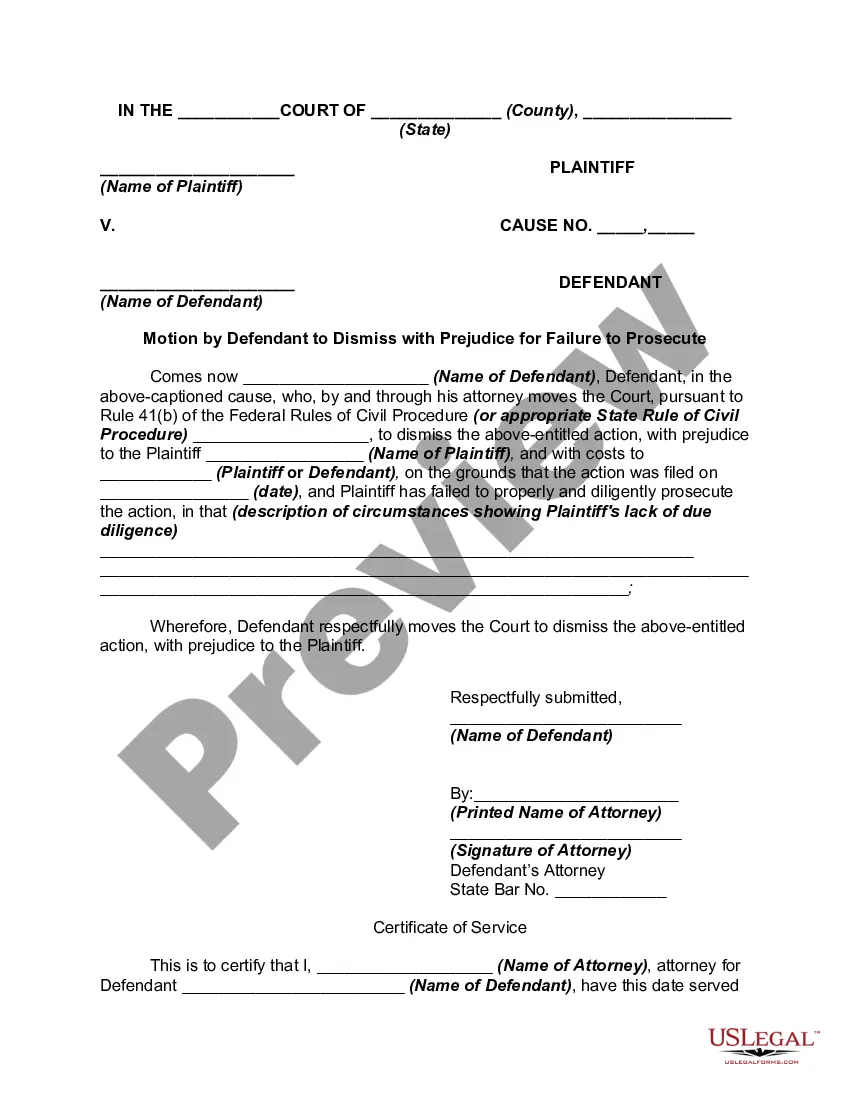
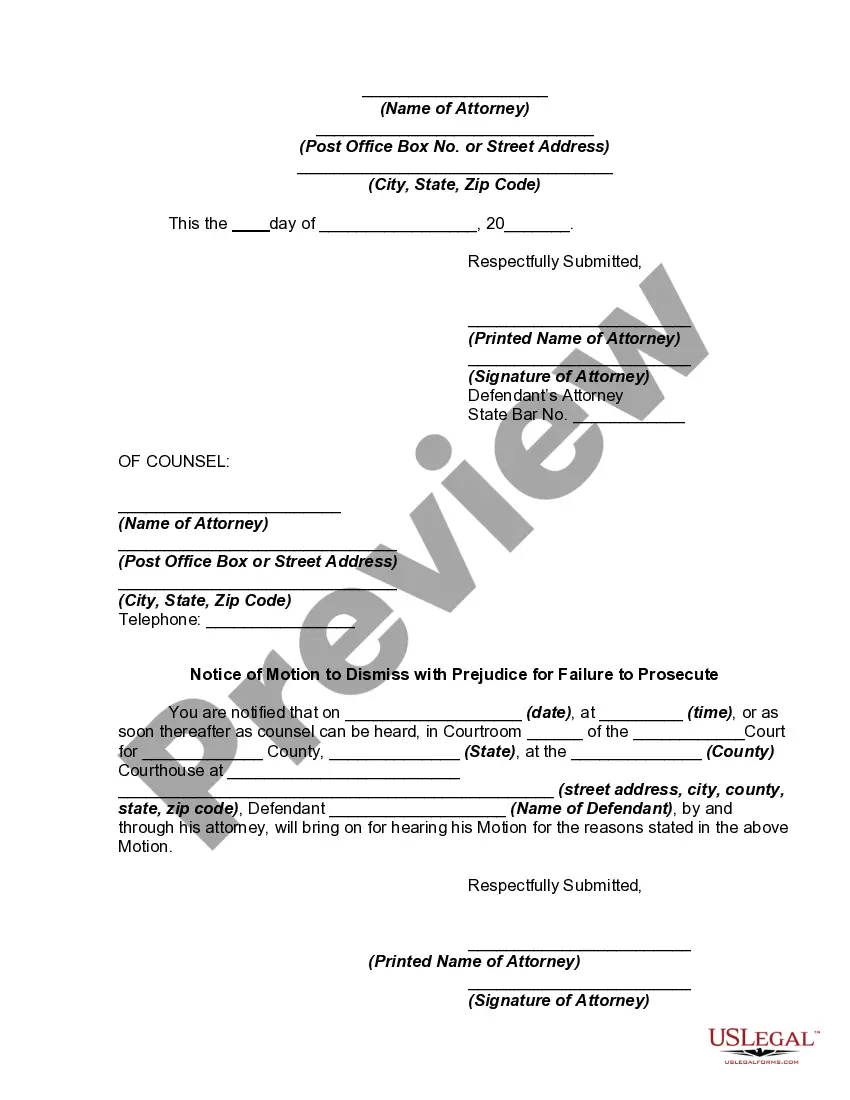
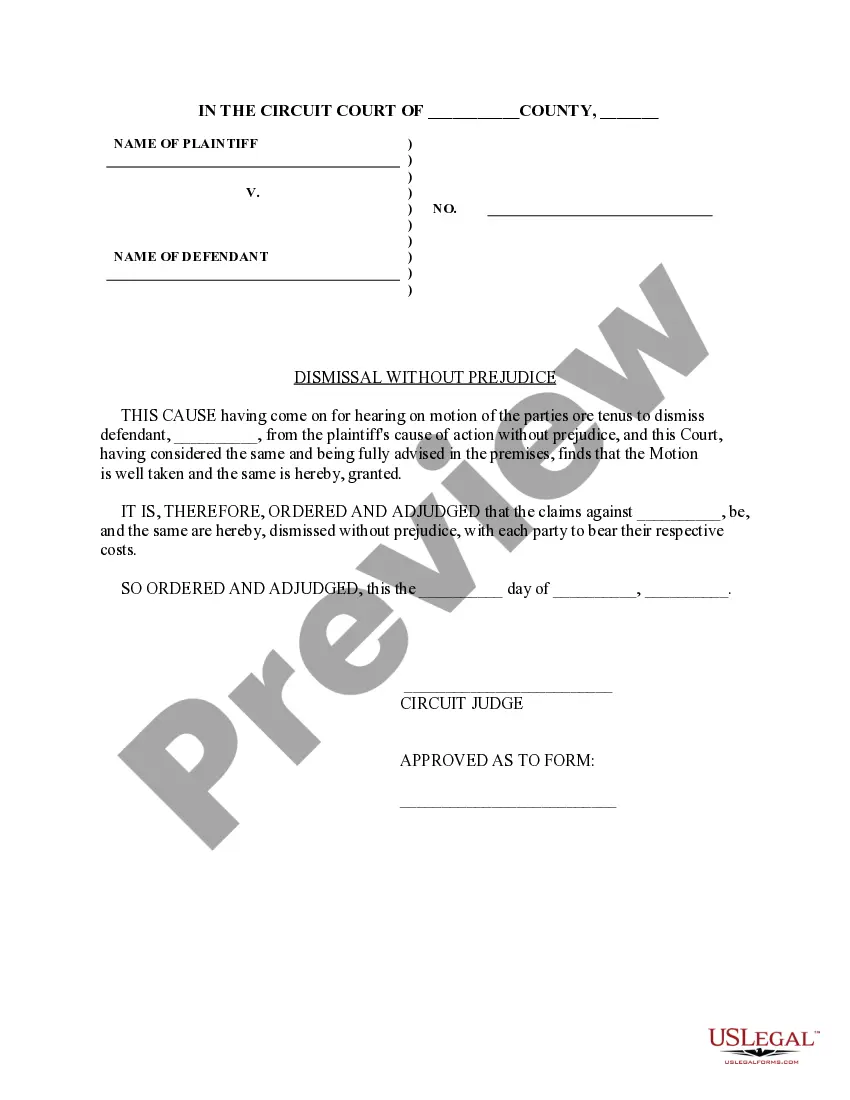
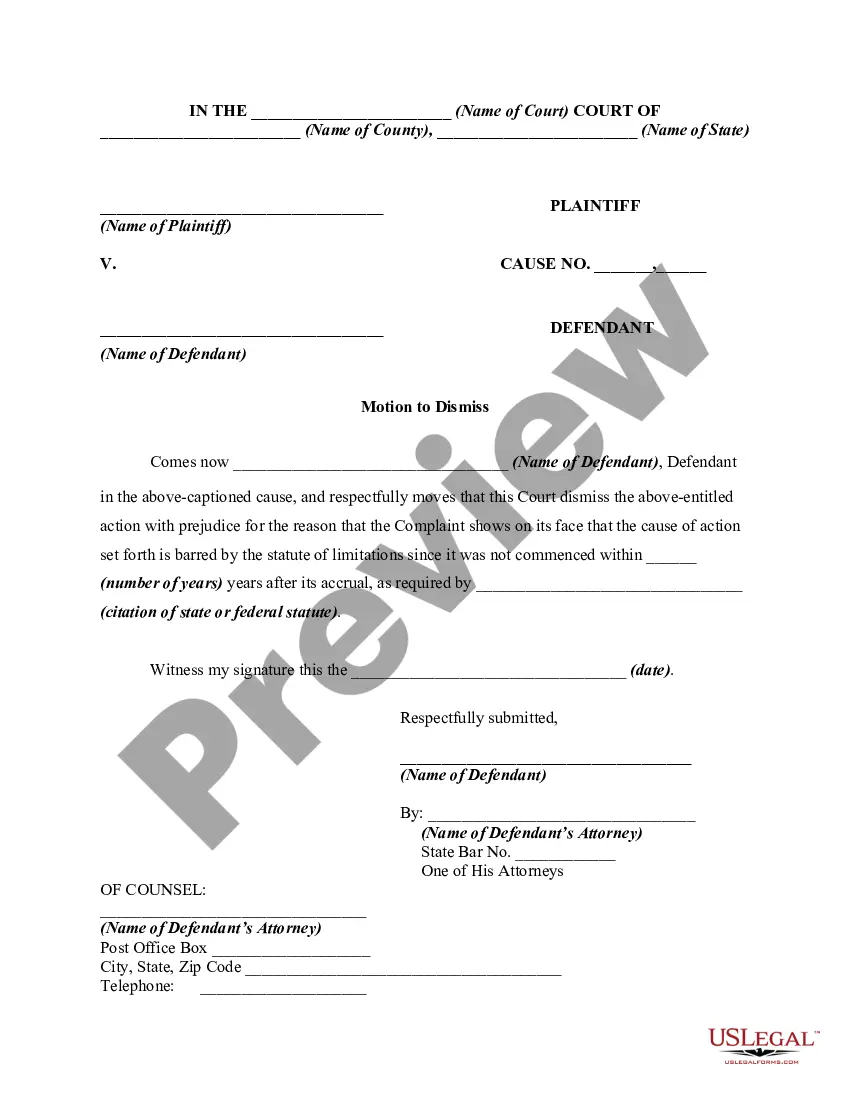
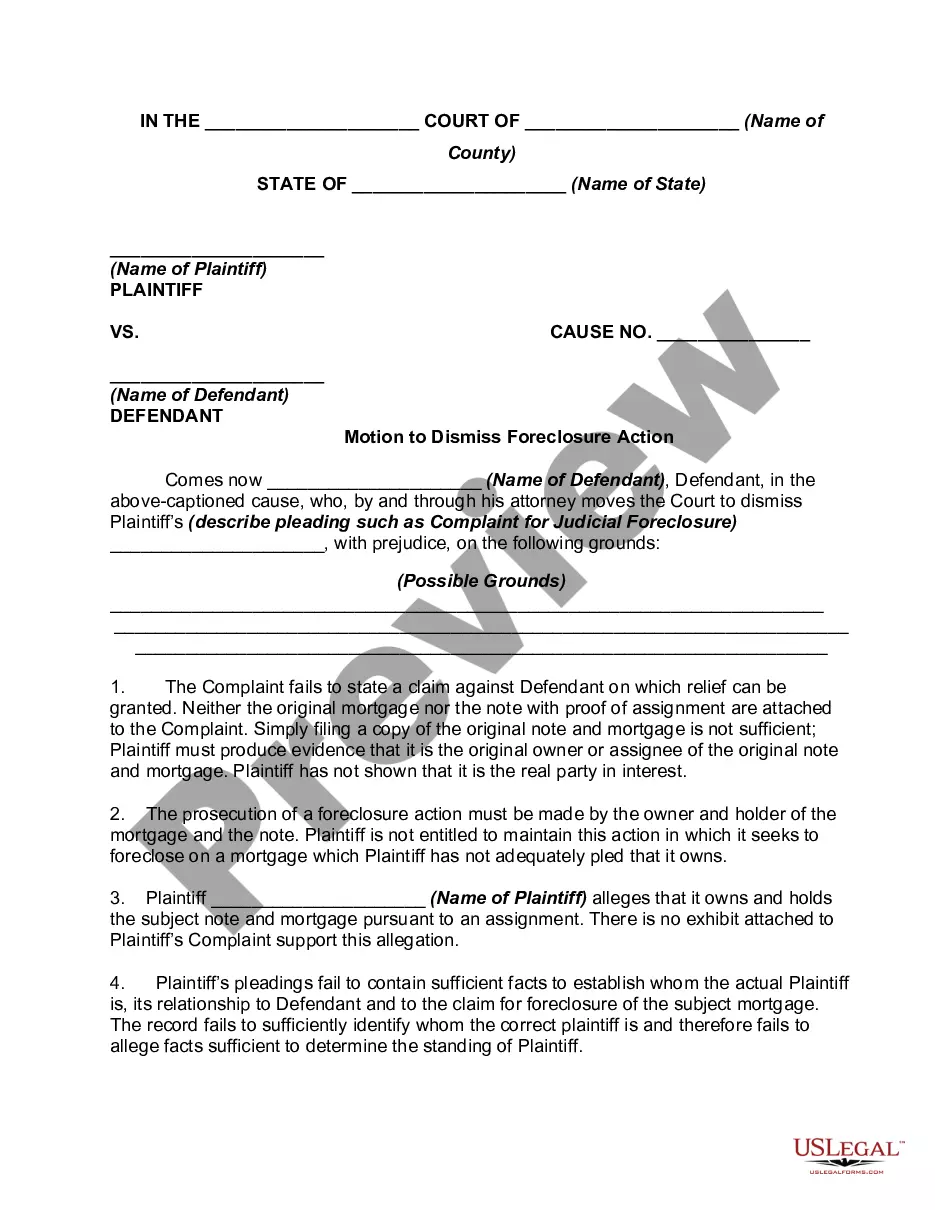
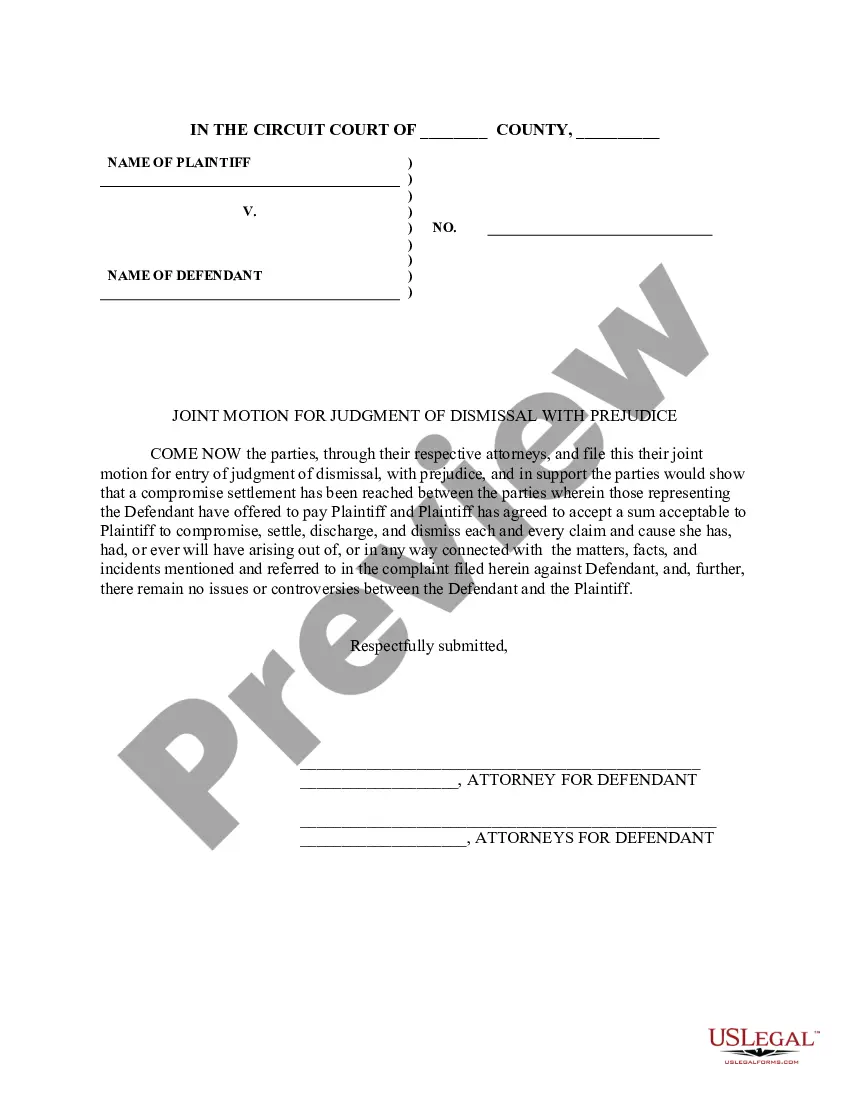
Get your form ready online
Our built-in tools help you complete, sign, share, and store your documents in one place.
Make edits, fill in missing information, and update formatting in US Legal Forms—just like you would in MS Word.
Download a copy, print it, send it by email, or mail it via USPS—whatever works best for your next step.
Sign and collect signatures with our SignNow integration. Send to multiple recipients, set reminders, and more. Go Premium to unlock E-Sign.
If this form requires notarization, complete it online through a secure video call—no need to meet a notary in person or wait for an appointment.
We protect your documents and personal data by following strict security and privacy standards.

Make edits, fill in missing information, and update formatting in US Legal Forms—just like you would in MS Word.

Download a copy, print it, send it by email, or mail it via USPS—whatever works best for your next step.

Sign and collect signatures with our SignNow integration. Send to multiple recipients, set reminders, and more. Go Premium to unlock E-Sign.

If this form requires notarization, complete it online through a secure video call—no need to meet a notary in person or wait for an appointment.

We protect your documents and personal data by following strict security and privacy standards.
Looking for another form?






How to fill out Motion By Defendant To Dismiss With Prejudice For Failure To Prosecute?
Managing legal documents can be exasperating, even for seasoned professionals.
If you're seeking a Motion To Dismiss Civil Case Sample With Reconsideration and are pressed for time to find the accurate and current version, the process may be overwhelming.
Tap into a comprehensive repository of articles, guides, and resources pertinent to your situation and requirements.
Save time and effort searching for the documents you need, and use US Legal Forms’ sophisticated search and Review tool to locate and download the Motion To Dismiss Civil Case Sample With Reconsideration.
Enjoy the advantages of the US Legal Forms online repository, backed by 25 years of expertise and reliability. Transform your document management into a seamless and user-friendly experience today.
- If you have a membership, Log In to your US Legal Forms account, search for the form, and download it.
- Check your My documents tab to view the papers you’ve previously saved and manage your folders as needed.
- If this is your first experience with US Legal Forms, create a complimentary account to gain unlimited access to all platform benefits.
- Follow these steps to acquire the form you need.
- Confirm that this is the correct form by previewing it and reviewing its details.
- Access state- or county-specific legal and business documents.
- US Legal Forms meets all of your needs, from personal to business paperwork, all in one place.
- Utilize state-of-the-art tools to complete and manage your Motion To Dismiss Civil Case Sample With Reconsideration.
Form popularity
FAQ
Eviction is the legal process used by a landlord to make a tenant move out. To evict you, your landlord must file a civil law suit against you in the King County Superior Court. If you are being evicted you should talk to a lawyer as soon as possible.
Before landlords can start with the eviction action for not paying rent, landlords must provide the tenant a form called a 14-Day Notice to Pay or Vacate. This notice to pay or vacate must inform the renters that they are required to move out of the property or pay the rent in 14 days in order to avoid eviction.
A 14-Day Notice to Pay or Vacate does not mean that you have to vacate the premises within 14 days. Eviction is a court process, and your landlord cannot have you removed from the premises until a court order has been issued.
An eviction notice must first be served properly and the tenant must have failed to comply, pay, or vacate within the specified timeframe. This must happen before the landlord can begin the eviction court process by serving you an ?unlawful detainer? eviction lawsuit, called a Summons & Complaint.
Many Washington State courts have a public access terminal in the courthouse where you can view JIS public record case information such as an index of filed cases and a list of documents filed in each case. Contact your local court to see if they have a public access terminal.
Eviction filings go on your record permanently. Once the landlord files the unlawful detainer lawsuit against you with the court, you will have the eviction on your record permanently, even if you are wrongly evicted or you win in court.
Evictions in Washington State generally take around three weeks from start to finish, but this can vary. There are many variables that impact the length of time the eviction process will take. Below is a sample timeline for eviction due to non-payment of rent.
Landlords must give 120 days' notice for the termination of month-to-month tenancies before major building changes that require tenants to leave the building. Previously, 20 days' notice was required. As a reminder, an owner or immediate family needing to occupy the unit doesn't qualify as change of use.