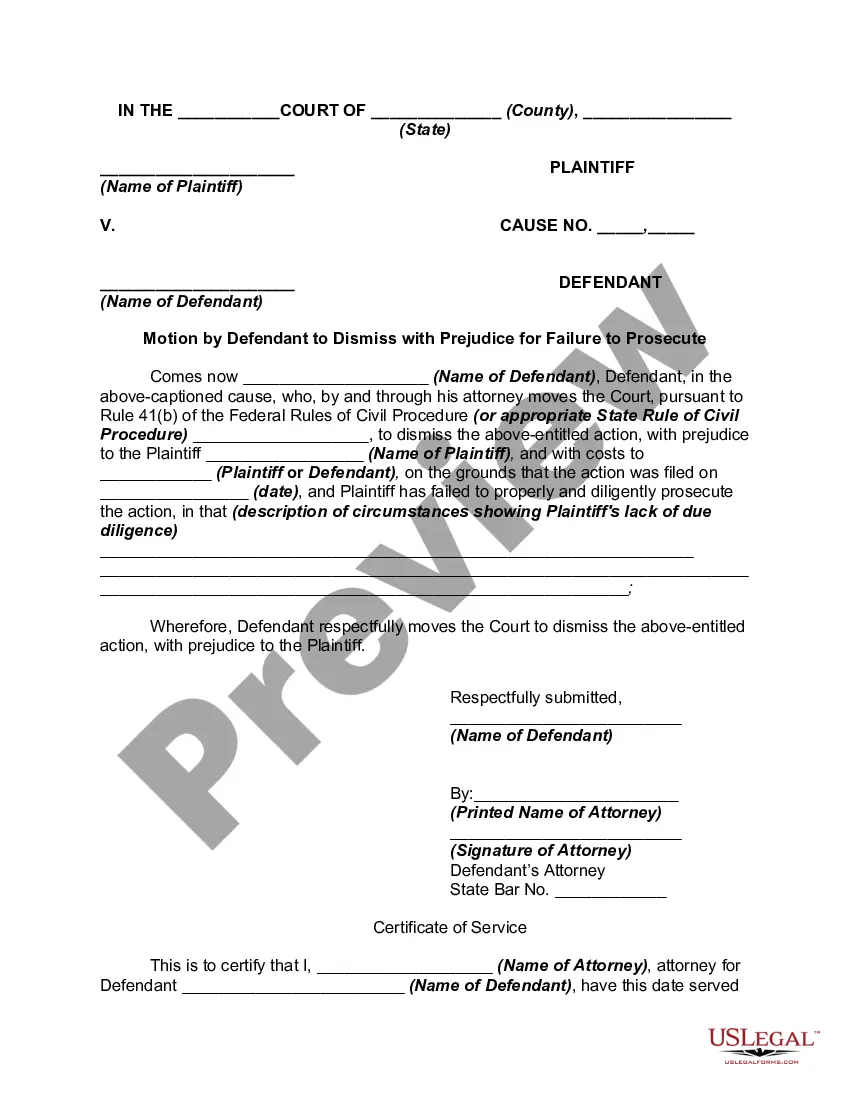
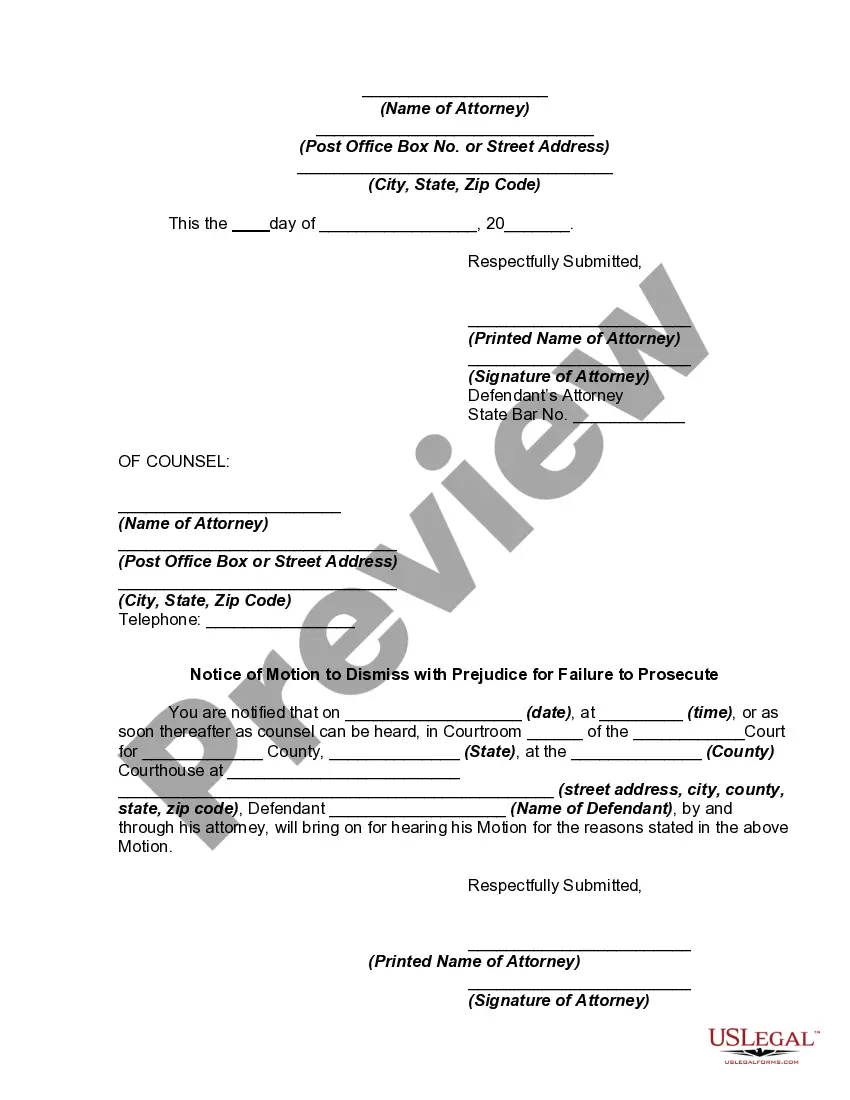
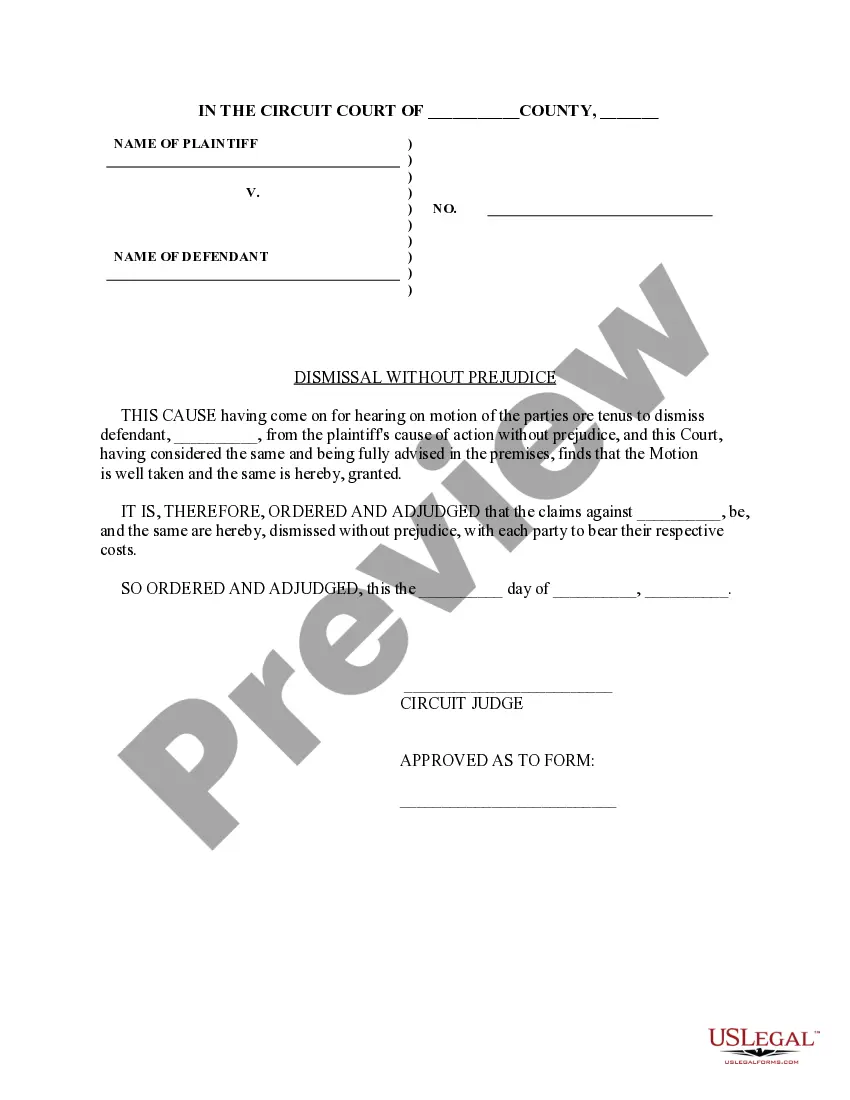
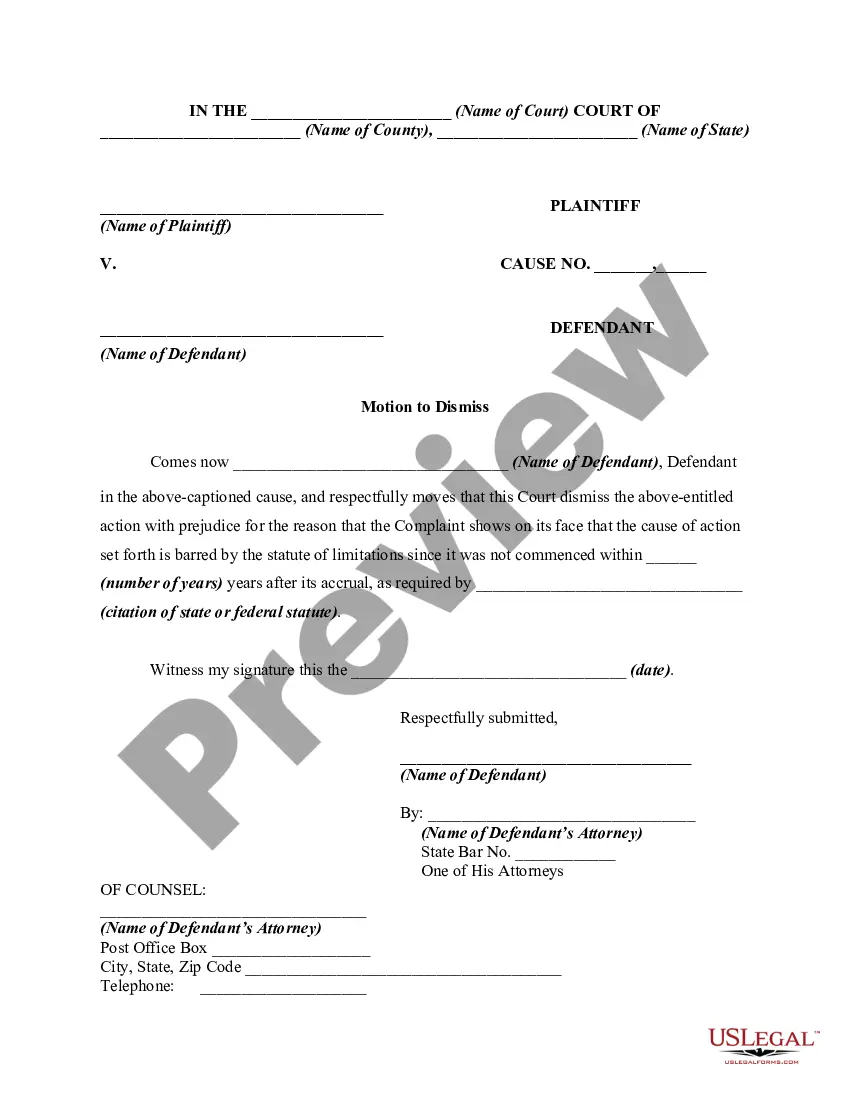
Blank Motion To Dismiss Form With Motion
Description
Get your form ready online
Our built-in tools help you complete, sign, share, and store your documents in one place.
Make edits, fill in missing information, and update formatting in US Legal Forms—just like you would in MS Word.
Download a copy, print it, send it by email, or mail it via USPS—whatever works best for your next step.
Sign and collect signatures with our SignNow integration. Send to multiple recipients, set reminders, and more. Go Premium to unlock E-Sign.
If this form requires notarization, complete it online through a secure video call—no need to meet a notary in person or wait for an appointment.
We protect your documents and personal data by following strict security and privacy standards.

Make edits, fill in missing information, and update formatting in US Legal Forms—just like you would in MS Word.

Download a copy, print it, send it by email, or mail it via USPS—whatever works best for your next step.

Sign and collect signatures with our SignNow integration. Send to multiple recipients, set reminders, and more. Go Premium to unlock E-Sign.

If this form requires notarization, complete it online through a secure video call—no need to meet a notary in person or wait for an appointment.

We protect your documents and personal data by following strict security and privacy standards.
Looking for another form?

How to fill out Motion By Defendant To Dismiss With Prejudice For Failure To Prosecute?
Dealing with legal documentation and processes can be a lengthy addition to your day.
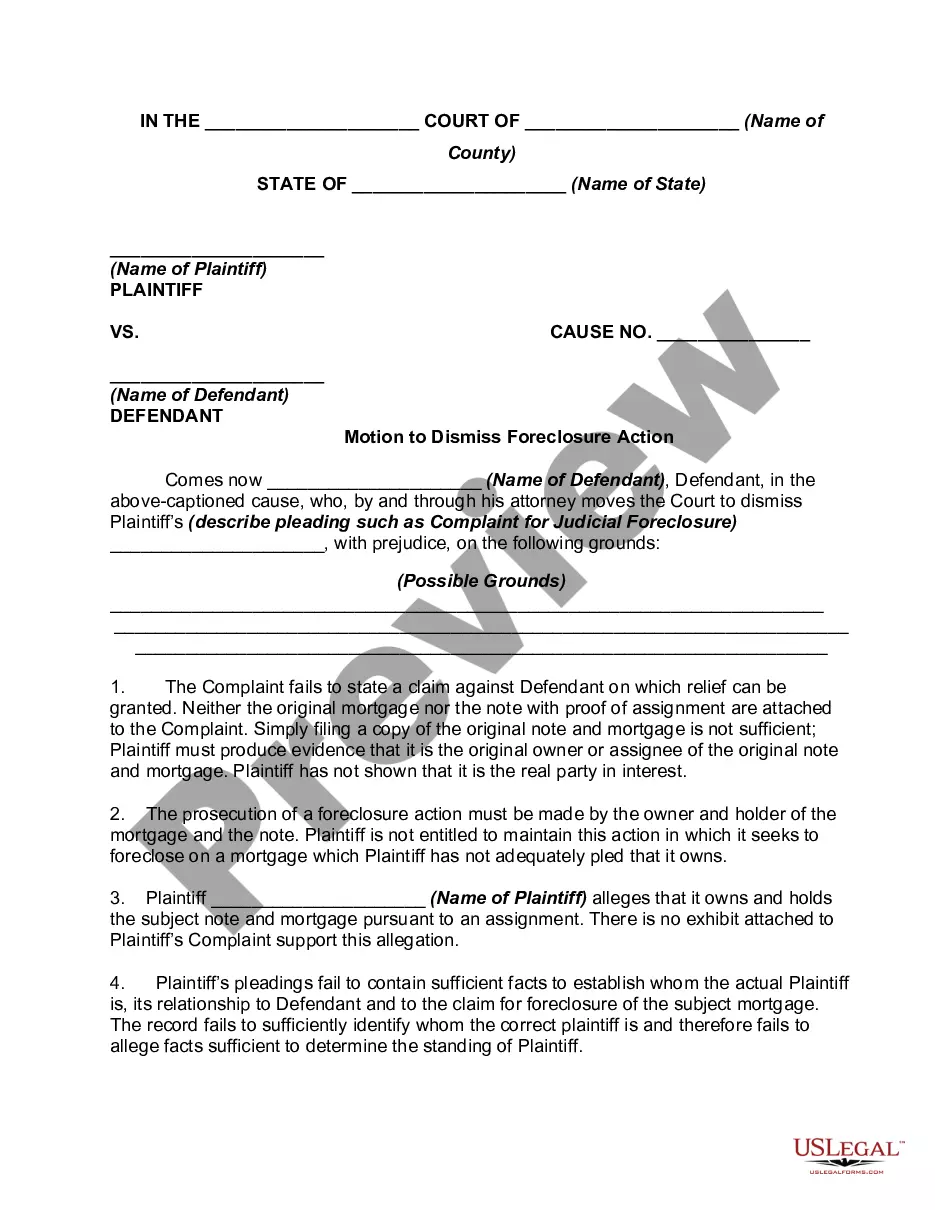
Blank Motion To Dismiss Form With Motion and similar forms frequently necessitate that you look for them and understand how to fill them out correctly.
Consequently, irrespective of whether you are handling financial, legal, or personal issues, having a comprehensive and user-friendly online repository of forms readily available will be quite beneficial.
US Legal Forms is the premier online service for legal documents, providing over 85,000 state-specific forms along with various tools to assist you in completing your paperwork with ease.
Simply Log In to your account, find Blank Motion To Dismiss Form With Motion, and obtain it instantly from the My documents section. You can also retrieve previously saved forms.
- Explore the library of relevant documents accessible to you with just one click.
- US Legal Forms gives you access to state- and county-specific documents available for download at any time.
- Protect your document management activities by utilizing a high-quality service that allows you to create any form in just a few minutes without any additional or concealed fees.
Form popularity
FAQ
Filing a blank motion requires you to develop a fit framework and customize it to your case. Begin by identifying the type of motion and the specific issues you want to address. Once you’ve filled in your details and the relevant legal arguments, file it with the court following their submission rules. Using a blank motion to dismiss form with motion ensures you include all necessary elements for success.
Filing a motion to dismiss a motion involves drafting a response that addresses the specifics of the motion in question. You should clearly state your reasons for requesting dismissal, often highlighting legal defects or procedural errors. After preparing your response, file it with the appropriate court and serve it to the opposing party. A blank motion to dismiss form with motion can assist you in organizing your thoughts effectively.
To start a motion to dismiss, you must draft a written document that outlines the legal reasons for dismissal and includes necessary case information. Be sure to cite applicable laws and precedents to support your claims. After preparing your motion, file it with the court according to local rules. A blank motion to dismiss form with motion from US Legal Forms can provide a structured template to help you get started.
Absolutely, you can file a motion to oppose or counter a motion that has already been submitted by the opposing party. This is often referred to as a response or opposition motion, where you present your reasons for why the initial motion should not be granted. Having a clear strategy and using the right documents, like a blank motion to dismiss form with motion, can strengthen your position.
Yes, you can file a motion to dismiss without submitting an answer to the complaint. In fact, it is often advisable to do so if you believe the case lacks legal merit. This allows you to address the issue promptly and avoid unnecessary work on an answer that may become irrelevant. Using a blank motion to dismiss form with motion can facilitate this process.
A motion to dismiss addresses the legal validity of a claim at an early stage, often arguing that even if all allegations are true, there is no legal basis for the case to continue. In contrast, a motion to terminate typically seeks to end ongoing proceedings based on procedural issues or changes in circumstances. Understanding these distinctions can help you determine which approach best suits your situation. For efficient navigation, you may want to utilize a blank motion to dismiss form with motion available on US Legal Forms.
Writing an effective motion requires clarity, concise arguments, and adherence to legal standards. Use a structured approach, beginning with a statement of facts followed by legal arguments that support your motion. A Blank motion to dismiss form with motion can offer templates and guidance, simplifying your drafting process. Finally, ensure that your motion anticipates counterarguments to bolster your case.
A successful motion to dismiss hinges on your ability to present compelling reasons for dismissal. Start by identifying weaknesses in the opponent's case and address them methodically. Utilizing a Blank motion to dismiss form with motion can provide structure, ensuring all necessary elements are included. Moreover, clarity and precision in your writing can strengthen your position.
To write a good motion to dismiss, begin by clearly stating the grounds for your motion. Use factual references and legal precedents to support your arguments. Additionally, filling out a Blank motion to dismiss form with motion can help streamline the process, making it easier to present your case effectively. Make sure to follow court rules and submit your motion before the specified deadline.
To fill out a motion, start by clearly identifying the parties involved and the relief you seek, such as dismissal of a case. Provide a detailed but concise statement of facts and law supporting your request. Using a blank motion to dismiss form with motion can simplify this task by guiding you through the necessary sections.