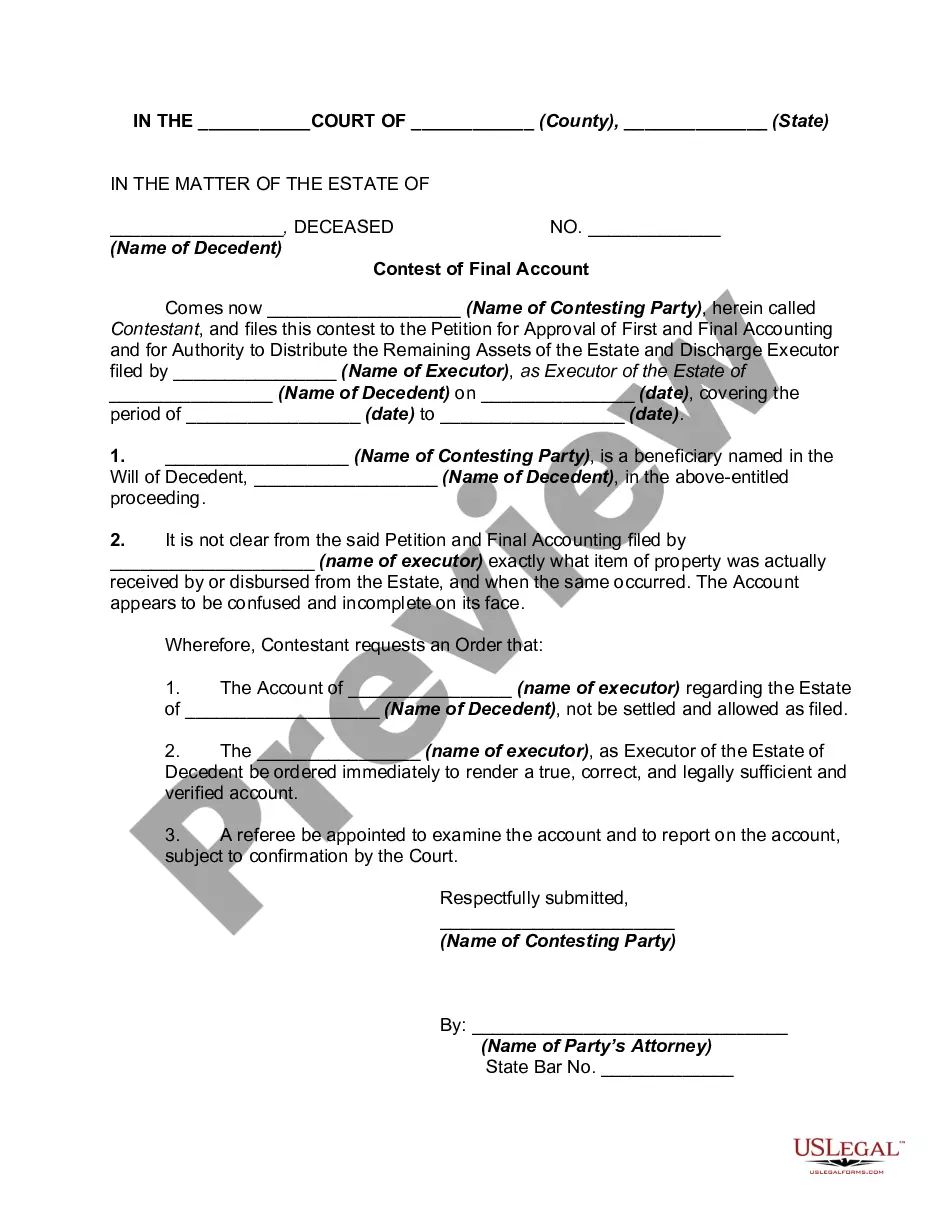
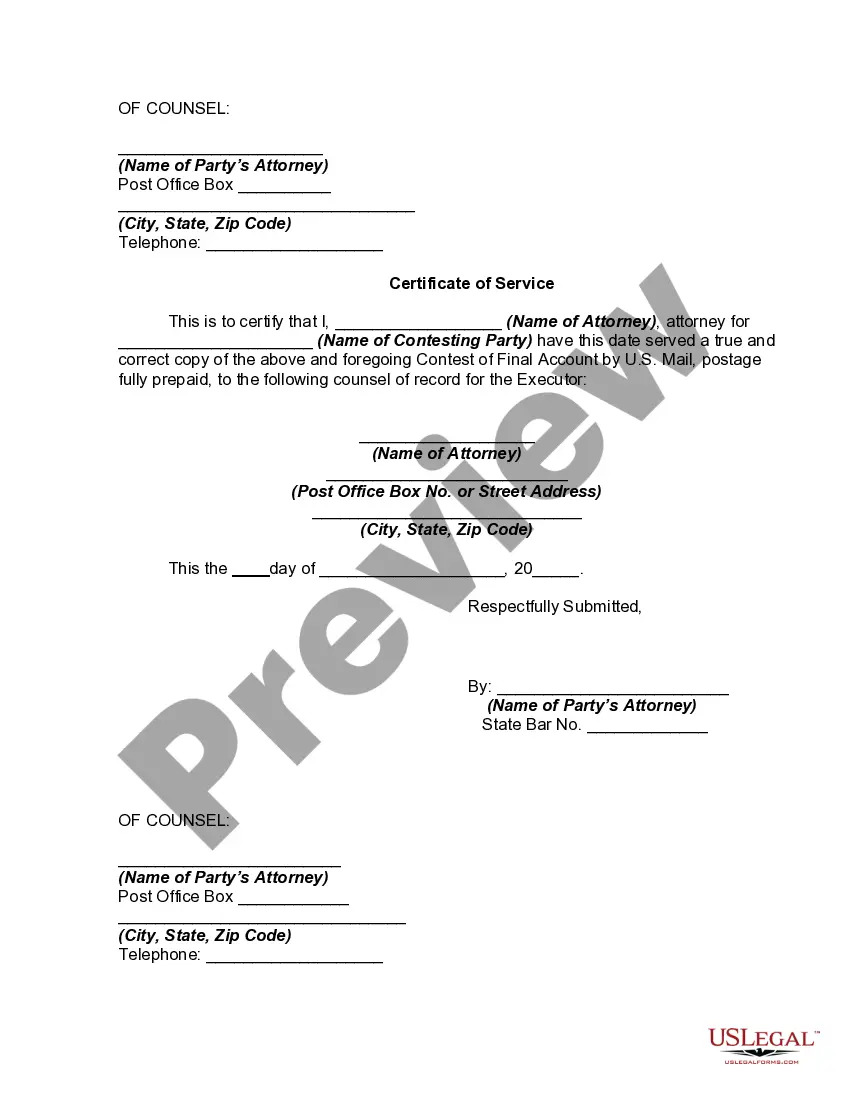
Proposed Probate Form For Bank Account
Description
Get your form ready online
Our built-in tools help you complete, sign, share, and store your documents in one place.
Make edits, fill in missing information, and update formatting in US Legal Forms—just like you would in MS Word.
Download a copy, print it, send it by email, or mail it via USPS—whatever works best for your next step.
Sign and collect signatures with our SignNow integration. Send to multiple recipients, set reminders, and more. Go Premium to unlock E-Sign.
If this form requires notarization, complete it online through a secure video call—no need to meet a notary in person or wait for an appointment.
We protect your documents and personal data by following strict security and privacy standards.

Make edits, fill in missing information, and update formatting in US Legal Forms—just like you would in MS Word.

Download a copy, print it, send it by email, or mail it via USPS—whatever works best for your next step.

Sign and collect signatures with our SignNow integration. Send to multiple recipients, set reminders, and more. Go Premium to unlock E-Sign.

If this form requires notarization, complete it online through a secure video call—no need to meet a notary in person or wait for an appointment.

We protect your documents and personal data by following strict security and privacy standards.
Looking for another form?








How to fill out Contest Of Final Account And Proposed Distributions In A Probate Estate?
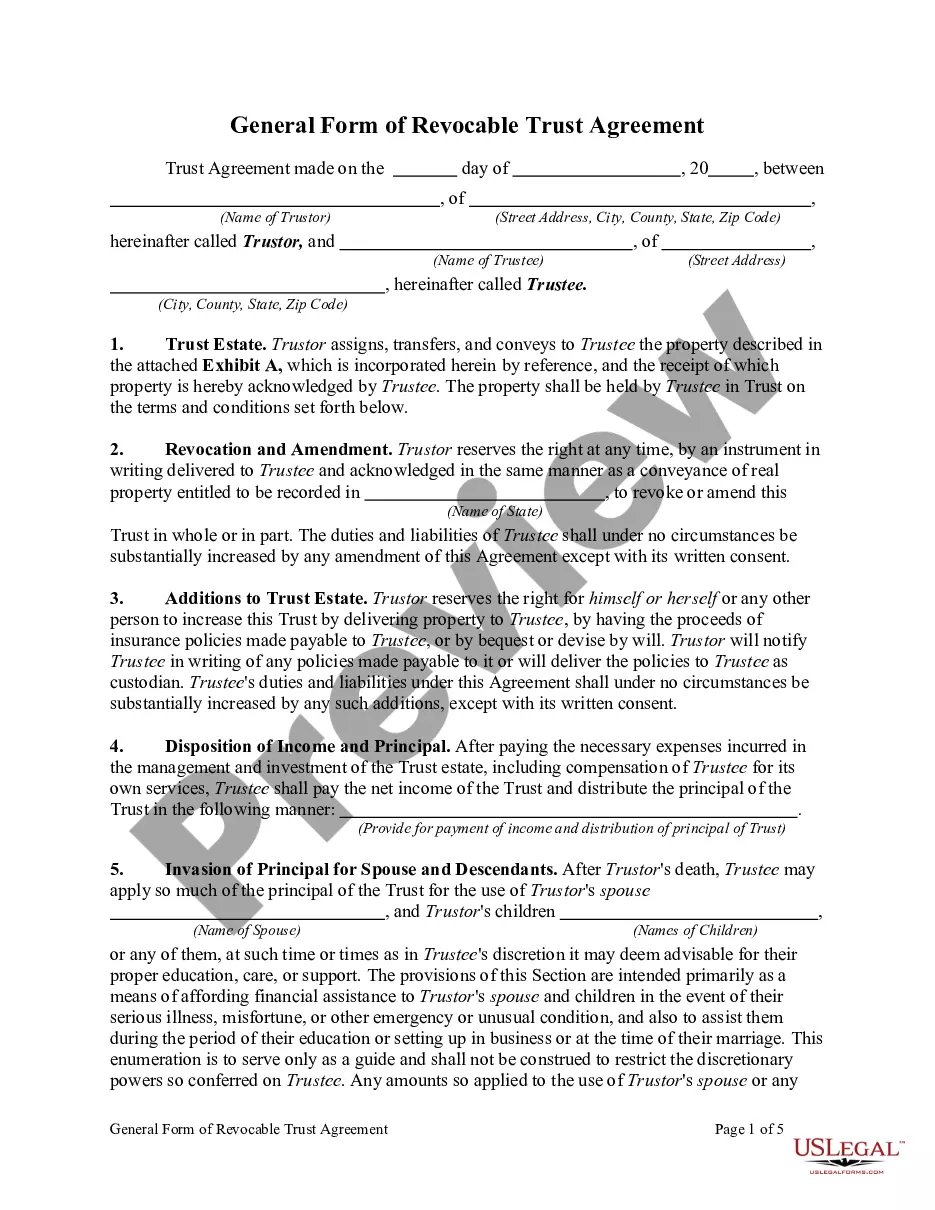
The Suggested Probate Document For Bank Account displayed on this webpage is a reusable legal template crafted by qualified lawyers in accordance with federal and state laws and statutes.
For over 25 years, US Legal Forms has furnished individuals, businesses, and legal professionals with more than 85,000 validated, state-specific forms for every business and personal need. It’s the quickest, easiest, and most dependable method to acquire the documents you require, as the service ensures bank-level data security and anti-malware safeguards.
Subscribe to US Legal Forms to access verified legal templates for all of life's situations.
- Search for the document you require and examine it.
- Browse through the file you searched and preview it or review the form description to confirm it meets your requirements. If not, utilize the search bar to find the correct one. Click Buy Now once you’ve found the template you need.
- Register and Log In.
- Select the pricing option that aligns with your needs and create an account. Use PayPal or a credit card to make an immediate payment. If you possess an account already, Log In and check your subscription to continue.
- Acquire the editable template.
- Choose the format you prefer for your Suggested Probate Document For Bank Account (PDF, DOCX, RTF) and save the example on your device.
- Fill out and sign the documents.
- Print the template to complete it manually. Alternatively, use an online multifunctional PDF editor to quickly and accurately fill out and sign your form with an eSignature.
- Download your documents once more.
- Reutilize the same document whenever required. Navigate to the My documents tab in your account to redownload any previously saved forms.
Form popularity
FAQ
Setting up an executor's bank account requires several key documents, such as the deceased's death certificate, the will appointing you as executor, and identification. Furthermore, many banks will ask for the proposed probate form for bank account to ensure they comply with legal requirements. This account will help you manage the estate's financial obligations efficiently and transparently.
The Virginia Residential Landlord and Tenant Act (VRLTA), Sections 55.1-1200 through 55.1-1262 of the Code of Virginia, establishes the rights and obligations of residential landlords and tenants in the Commonwealth, but only the courts can enforce those rights and obligations.
Yes, Microsoft Word has a free lease agreement template that you can customize to create your own contract and minimize any potential problems between tenant and landlord.
Tenants and landlords have legal protections under the Virginia Residential Landlord and Tenant Act (VRLTA). The VRLTA applies to most residential rental properties in Virginia. As a renter, there are certain rights and responsibilities that come with renting a home in Virginia.
Notice to Terminate Tenancy ? Month to Month Lease: For any lease under the term of one year, either party can terminate the lease by providing the other party written notice prior to the end of the lease. For a month to month lease, 30 days must be given. pursuant to §37-6-5.
The VRLTA, Sections 55-248.2 through 55-248.40 of the Code of Virginia, was initially enacted into law in 1974. The VRLTA establishes the rights and obligations of landlords and tenants in Virginia.
Your lease or rental agreement may be as short as one page or longer than ten. It may be typed or handwritten, easy to understand, or full of legalese. Most landlords use preprinted forms they buy in stationery stores, order from a landlords' association, oe find in a software program.
The Virginia Residential Landlord and Tenant Act (VRLTA), Sections 55-248.2 through 55-248.40 of the Code of Virginia, establishes the rights and obligations of landlords and tenants in the Commonwealth. Only the courts can enforce those rights and responsibilities.
Under Virginia law, regardless of whether you're covered by the VRLTA, all landlords must do these things: Follow building and housing codes affecting health and safety. Make all repairs needed to keep the place fit and habitable (livable). Keep the common areas clean and safe.