Final Account Estate Template For Students
Description
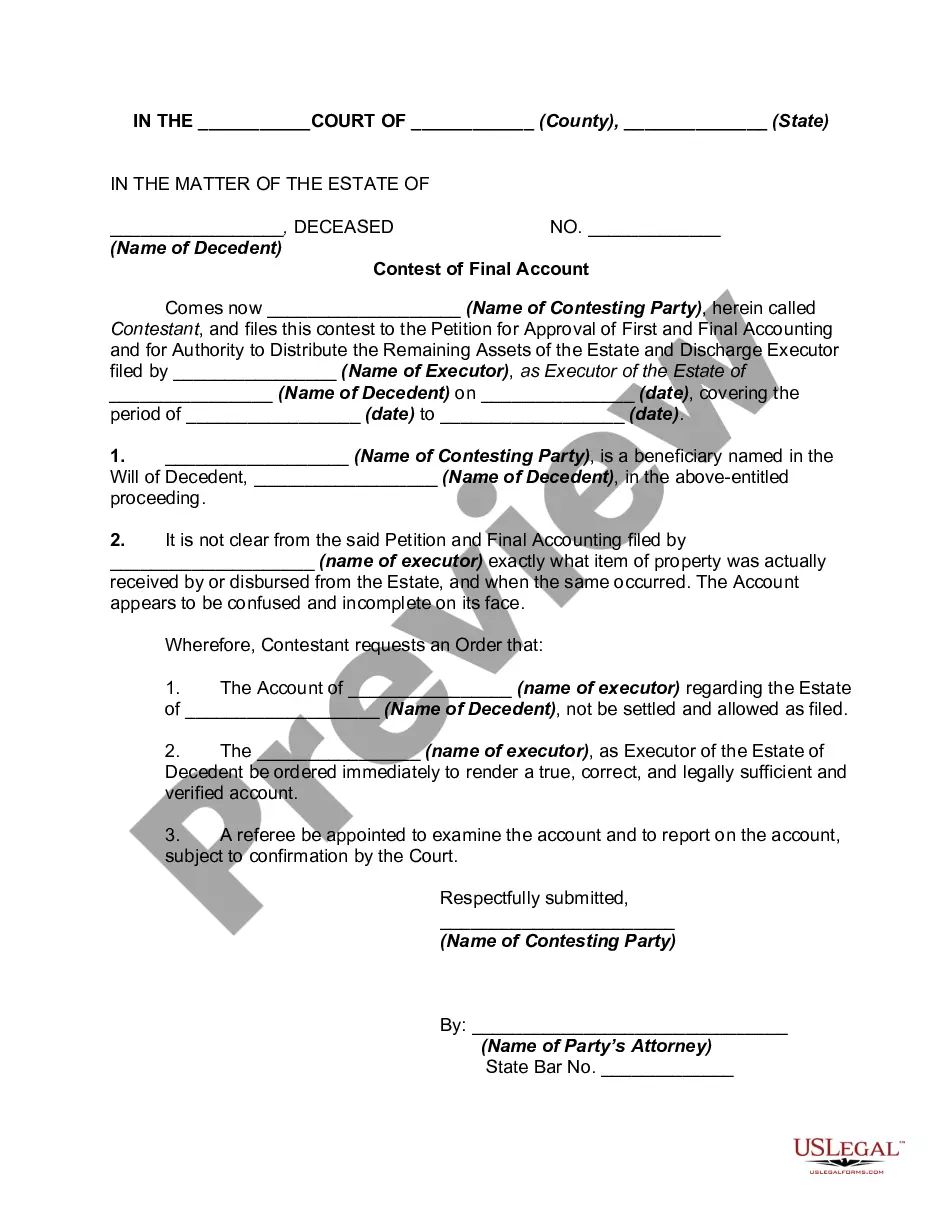
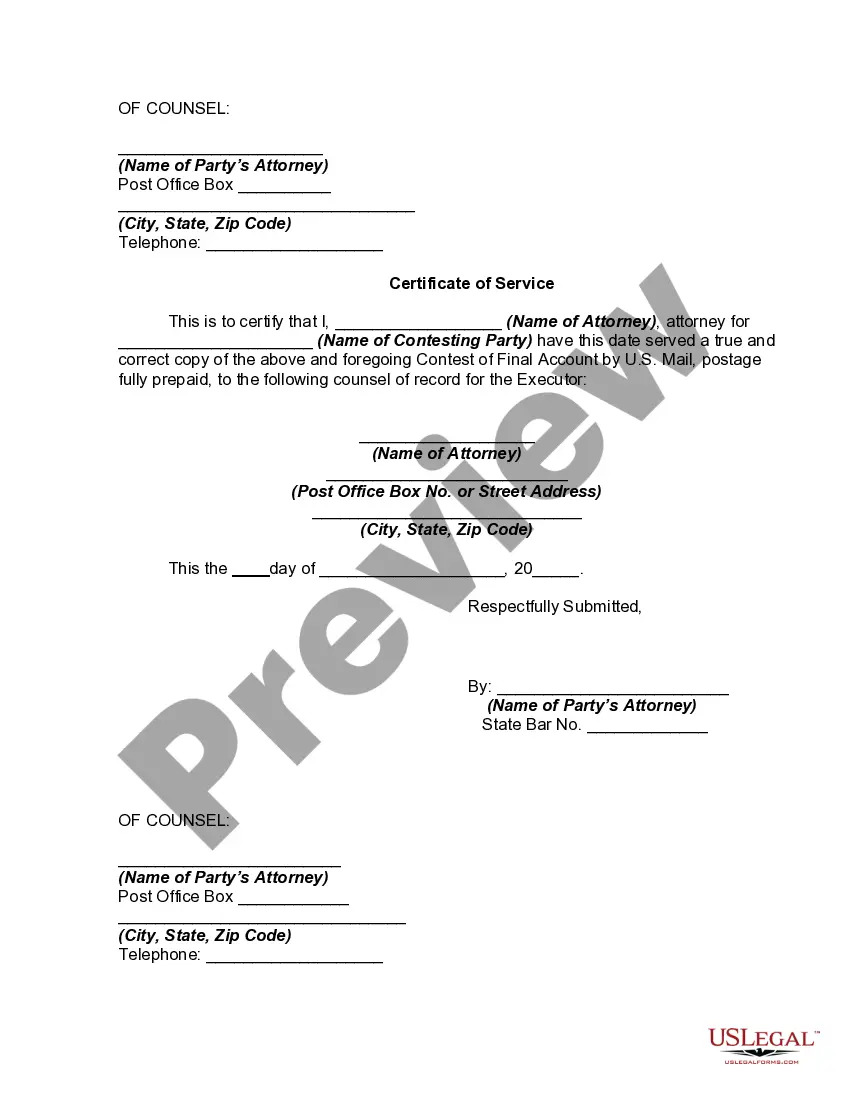
Get your form ready online
Our built-in tools help you complete, sign, share, and store your documents in one place.
Make edits, fill in missing information, and update formatting in US Legal Forms—just like you would in MS Word.
Download a copy, print it, send it by email, or mail it via USPS—whatever works best for your next step.
Sign and collect signatures with our SignNow integration. Send to multiple recipients, set reminders, and more. Go Premium to unlock E-Sign.
If this form requires notarization, complete it online through a secure video call—no need to meet a notary in person or wait for an appointment.
We protect your documents and personal data by following strict security and privacy standards.

Make edits, fill in missing information, and update formatting in US Legal Forms—just like you would in MS Word.

Download a copy, print it, send it by email, or mail it via USPS—whatever works best for your next step.

Sign and collect signatures with our SignNow integration. Send to multiple recipients, set reminders, and more. Go Premium to unlock E-Sign.

If this form requires notarization, complete it online through a secure video call—no need to meet a notary in person or wait for an appointment.

We protect your documents and personal data by following strict security and privacy standards.
Looking for another form?




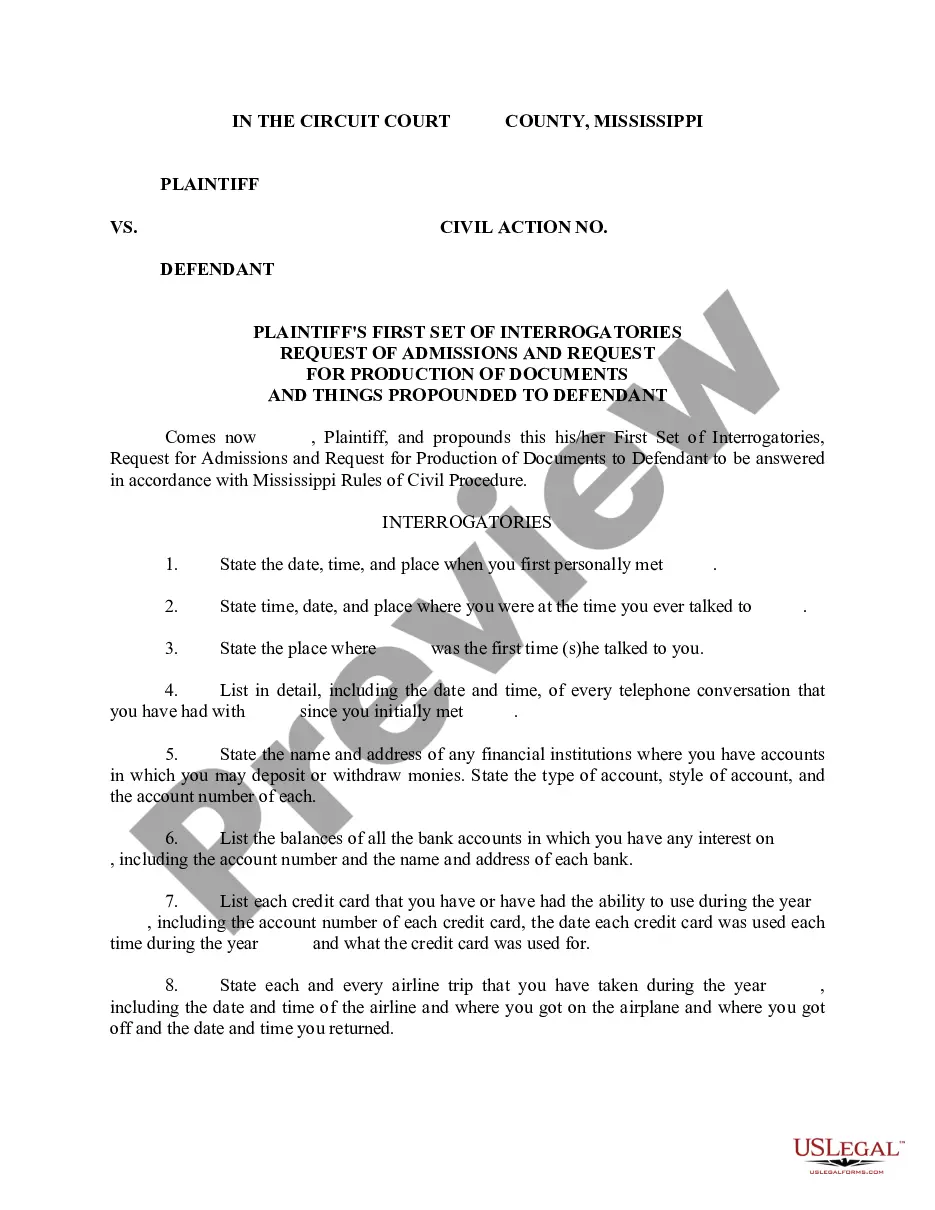





How to fill out Contest Of Final Account And Proposed Distributions In A Probate Estate?
Handling legal papers and procedures could be a time-consuming addition to your entire day. Final Account Estate Template For Students and forms like it often require that you search for them and understand the way to complete them appropriately. As a result, if you are taking care of economic, legal, or individual matters, using a extensive and practical web catalogue of forms on hand will go a long way.
US Legal Forms is the number one web platform of legal templates, featuring more than 85,000 state-specific forms and a number of tools to assist you complete your papers easily. Discover the catalogue of appropriate papers accessible to you with just a single click.
US Legal Forms gives you state- and county-specific forms offered at any time for downloading. Shield your papers administration operations having a top-notch support that lets you put together any form within minutes without extra or hidden fees. Simply log in in your account, locate Final Account Estate Template For Students and download it straight away in the My Forms tab. You may also gain access to previously saved forms.
Is it the first time using US Legal Forms? Register and set up your account in a few minutes and you will get access to the form catalogue and Final Account Estate Template For Students. Then, stick to the steps below to complete your form:
- Make sure you have discovered the right form using the Preview feature and looking at the form information.
- Choose Buy Now as soon as ready, and choose the monthly subscription plan that meets your needs.
- Press Download then complete, eSign, and print out the form.
US Legal Forms has twenty five years of expertise helping users control their legal papers. Discover the form you need right now and streamline any process without having to break a sweat.
Form popularity
FAQ
An informal accounting for an estate is a document that outlines the financial activities of the estate. This type of accounting is often used to prepare financial statements of affairs. It includes details about assets and liabilities, income and expenses, donations or transfers from the estate, and tax information.
To prepare this schedule, list the assets and values of the estate as noted on the inventory and show the changes that have occurred to these assets and values since the inventory was first prepared.
You should add together the totals for assets, changes, and income, then take away the totals for liabilities and expenses. This final figure should then be divided into the appropriate portions and then assigned to the list of beneficiaries.
So call us today! Create an Inventory of Your Possessions. ... Consider Your Family's Needs After Your Death. ... Decide Who Your Beneficiaries Will Be. ... Indicate How You Want Your Estate Divided. ... Store Your Documents Properly. ... Update Your Estate Plan Regularly. ... Seek Help from a Trusted Estate Planning Lawyer.
Final expenses. Funeral, burial, cremation or interment costs can be considered part of estate expenses, though these may not be covered by estate assets. Instead, they may be paid out of the death benefit associated with the deceased person's life insurance policy.