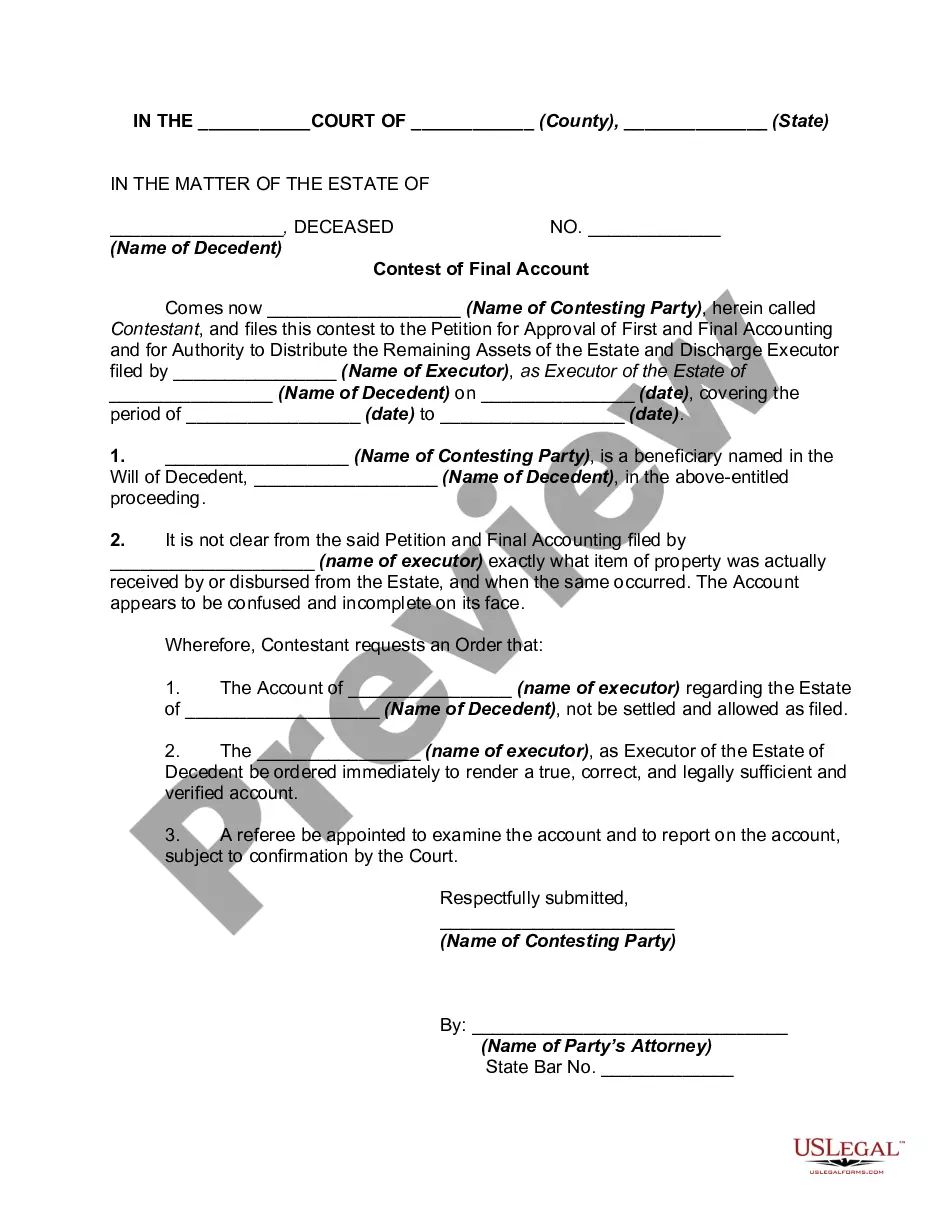
Final Account Estate Sample For Job
Description
Get your form ready online
Our built-in tools help you complete, sign, share, and store your documents in one place.
Make edits, fill in missing information, and update formatting in US Legal Forms—just like you would in MS Word.
Download a copy, print it, send it by email, or mail it via USPS—whatever works best for your next step.
Sign and collect signatures with our SignNow integration. Send to multiple recipients, set reminders, and more. Go Premium to unlock E-Sign.
If this form requires notarization, complete it online through a secure video call—no need to meet a notary in person or wait for an appointment.
We protect your documents and personal data by following strict security and privacy standards.

Make edits, fill in missing information, and update formatting in US Legal Forms—just like you would in MS Word.

Download a copy, print it, send it by email, or mail it via USPS—whatever works best for your next step.

Sign and collect signatures with our SignNow integration. Send to multiple recipients, set reminders, and more. Go Premium to unlock E-Sign.

If this form requires notarization, complete it online through a secure video call—no need to meet a notary in person or wait for an appointment.

We protect your documents and personal data by following strict security and privacy standards.
Looking for another form?
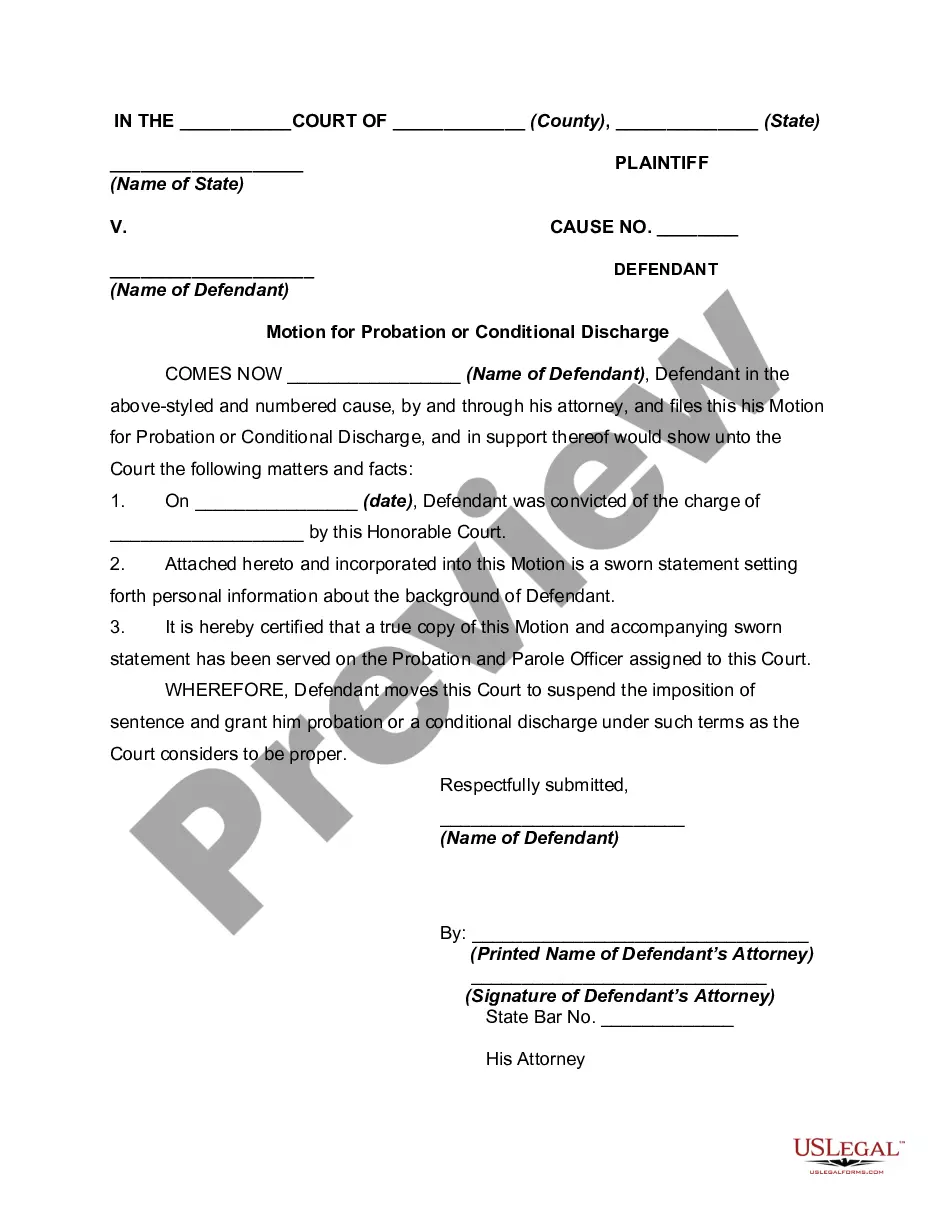






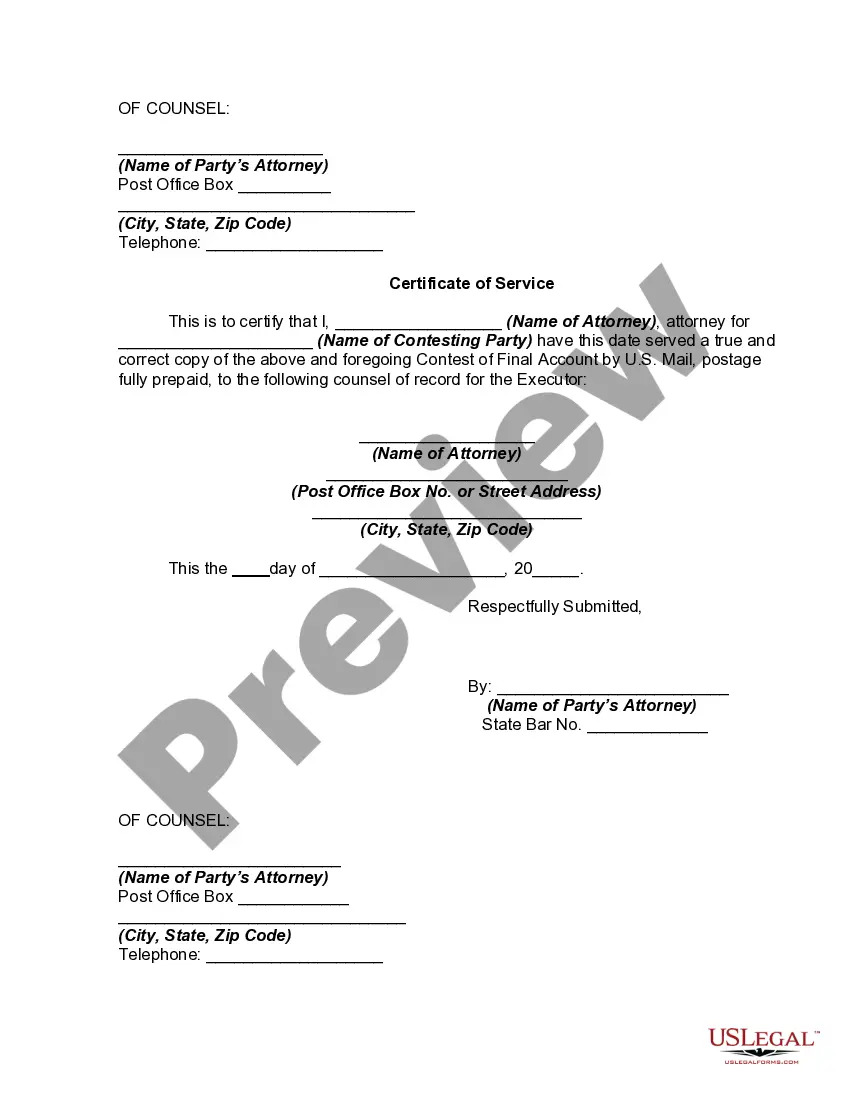
How to fill out Contest Of Final Account And Proposed Distributions In A Probate Estate?
Creating legal documents from the ground up can occasionally be intimidating.
Certain circumstances may require extensive research and substantial financial commitment.
If you’re looking for a simpler and more budget-friendly method of preparing Final Account Estate Sample For Job or any other documents without unnecessary complications, US Legal Forms is always available to assist you.
Our digital library of over 85,000 current legal forms covers nearly every aspect of your financial, legal, and personal matters.
However, before directly downloading the Final Account Estate Sample For Job, consider these suggestions: Review the document preview and descriptions to ensure you are looking at the correct document. Verify that the template you select meets the requirements of your state and county. Choose the most suitable subscription option to purchase the Final Account Estate Sample For Job. Download the file, then fill it out, sign it, and print it. US Legal Forms carries a strong reputation and boasts over 25 years of expertise. Join us today and make form completion effortless and efficient!
- With just a few clicks, you can swiftly obtain state- and county-specific forms meticulously crafted for you by our legal experts.
- Utilize our platform whenever you require dependable and trustworthy services to effortlessly locate and download the Final Account Estate Sample For Job.
- If you’re already familiar with our services and have previously created an account, simply Log In to your account, choose the template, and download it, or re-download it anytime later in the My documents tab.
- No account? Not an issue. Registering takes just a few minutes, allowing you to delve into the library.
Form popularity
FAQ
Some of the most important expenses paid by the estate include: Outstanding debts, such as credit cards, medical bills or liens. Repairs or maintenance costs for estate property. Appraisals that are necessary to determine the value of estate assets. Closing costs associated with the sale of a home.
A Final Account is a complete record detailing the assets, receipts, and disbursements made during a probate administration.
How to open an estate account Begin the probate process. The steps for beginning this process depend on the state in which the deceased person resided. ... Obtain a tax ID number for the estate account. ... Bring all required documents to the bank. ... Open the estate account.
An informal accounting for an estate is a document that outlines the financial activities of the estate. This type of accounting is often used to prepare financial statements of affairs. It includes details about assets and liabilities, income and expenses, donations or transfers from the estate, and tax information.
Final expenses. Funeral, burial, cremation or interment costs can be considered part of estate expenses, though these may not be covered by estate assets. Instead, they may be paid out of the death benefit associated with the deceased person's life insurance policy.