Executor Account For Probate
Description
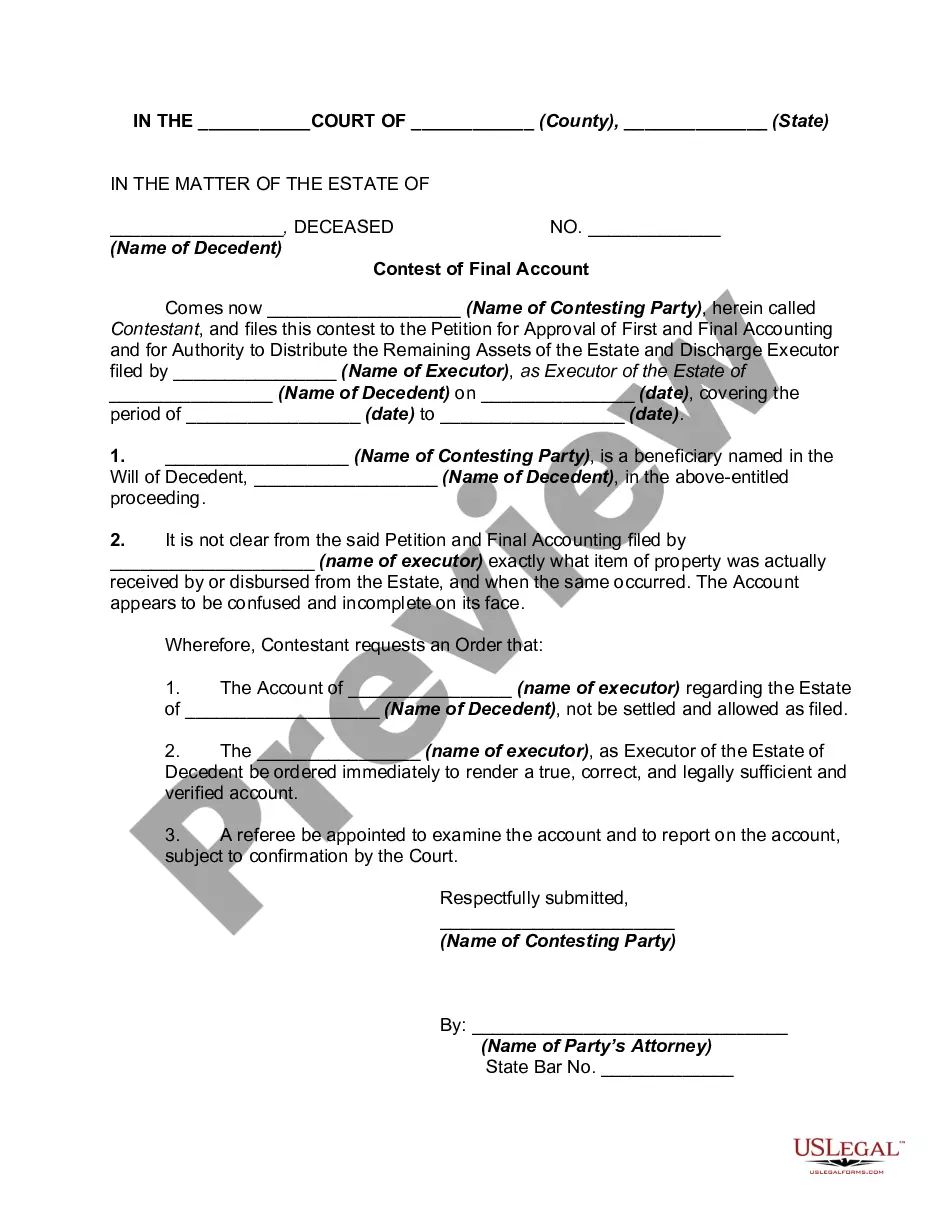
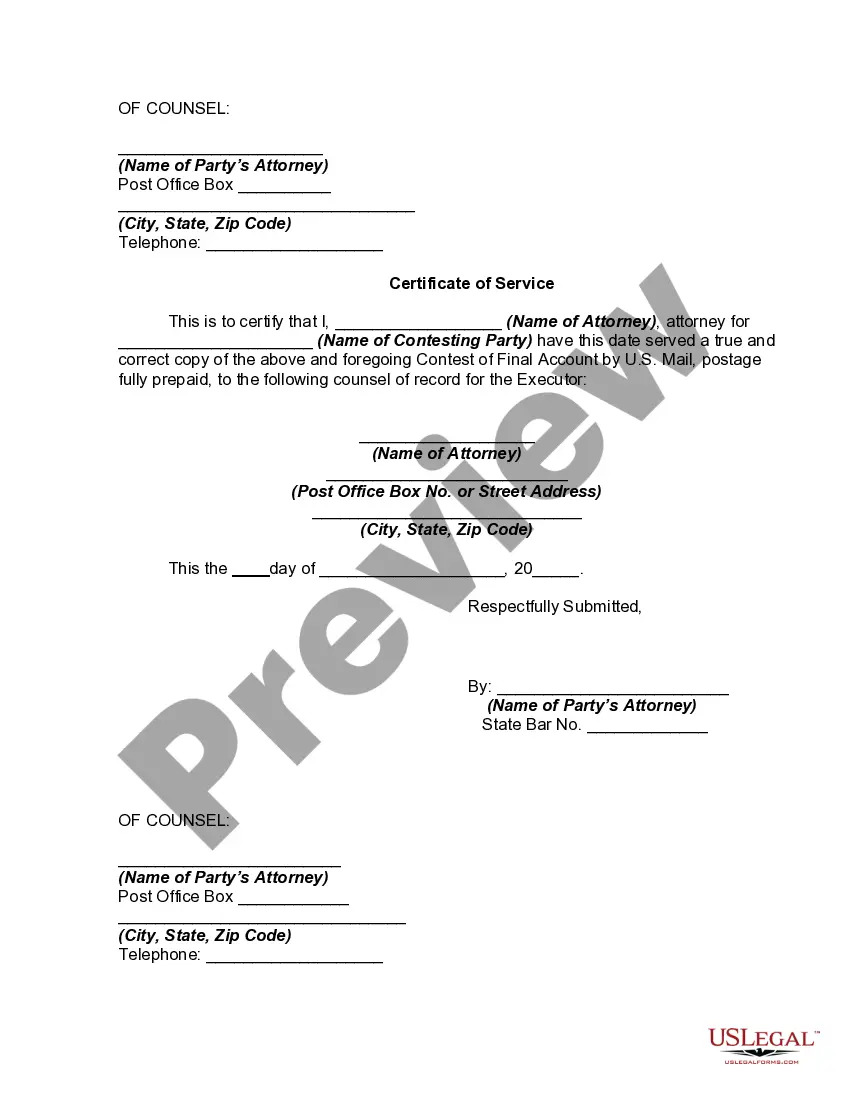
Get your form ready online
Our built-in tools help you complete, sign, share, and store your documents in one place.
Make edits, fill in missing information, and update formatting in US Legal Forms—just like you would in MS Word.
Download a copy, print it, send it by email, or mail it via USPS—whatever works best for your next step.
Sign and collect signatures with our SignNow integration. Send to multiple recipients, set reminders, and more. Go Premium to unlock E-Sign.
If this form requires notarization, complete it online through a secure video call—no need to meet a notary in person or wait for an appointment.
We protect your documents and personal data by following strict security and privacy standards.

Make edits, fill in missing information, and update formatting in US Legal Forms—just like you would in MS Word.

Download a copy, print it, send it by email, or mail it via USPS—whatever works best for your next step.

Sign and collect signatures with our SignNow integration. Send to multiple recipients, set reminders, and more. Go Premium to unlock E-Sign.

If this form requires notarization, complete it online through a secure video call—no need to meet a notary in person or wait for an appointment.

We protect your documents and personal data by following strict security and privacy standards.
Looking for another form?

How to fill out Contest Of Final Account And Proposed Distributions In A Probate Estate?
Accessing legal document samples that conform to both federal and state regulations is essential, and the internet provides a multitude of choices. However, why spend time searching for the appropriate Executor Account For Probate template on the internet when the US Legal Forms online library has already compiled such templates in one location.
US Legal Forms is the largest online legal repository with over 85,000 editable templates created by attorneys for various business and personal situations. They are simple to navigate with all documents organized by state and intended use. Our specialists monitor legislative updates, ensuring that you can trust your form remains current and compliant when obtaining an Executor Account For Probate from our site.
Acquiring an Executor Account For Probate is swift and straightforward for both existing and new users. If you already possess an account with an active subscription, Log In and save the document sample you require in your desired format. If you are visiting our website for the first time, follow these steps.
All documents available through US Legal Forms are reusable. To re-download and complete previously saved forms, access the My documents section in your account. Take advantage of the most comprehensive and user-friendly legal documentation service!
- Examine the template using the Preview feature or through the text outline to verify it fulfills your criteria.
- If necessary, find an alternative template using the search function at the top of the page.
- Click Buy Now once you have located the appropriate form and choose a subscription plan.
- Create an account or Log In and complete the transaction with PayPal or a credit card.
- Select the format for your Executor Account For Probate and download it.
Form popularity
FAQ
Yes, you can open an executor's bank account to manage the estate's financial matters. This type of account is generally called an executor account for probate and is specifically designed for handling estate funds. You'll often need specific documents, such as the death certificate and letters of administration, to set it up. Using platforms like US Legal Forms can help you gather the necessary paperwork to open an executor's bank account smoothly.
To determine if a specific bank offers executor services, it is best to check their official website or contact them directly. Many banks provide specialized executor accounts designed for probate management, which simplify the process. If you are considering a bank for your executor account for probate, inquire about their estate management features and support options. This will help you ensure the bank meets your needs.
The best bank for opening an estate account often depends on your specific requirements. Many people prefer banks that offer easy online access, lower fees, and helpful customer service. Additionally, it can be beneficial to choose a bank experienced in handling executor accounts for probate, as they can provide guidance throughout the process. Researching various banks can help you to find the best fit for your estate management.
Many national and regional banks provide executor accounts for probate. Some well-known options include Bank of America, Wells Fargo, and Chase. These banks often have dedicated services for estate management, making it easier to handle the responsibilities of an executor. It's advisable to compare each bank's fees and services to find the right executor account for probate that suits your needs.
POD accounts, or Payable on Death accounts, may seem appealing, but they come with certain drawbacks. One major concern is that they do not provide any protection against creditors of the deceased. Additionally, if you are not the executor of the estate, you may face challenges in accessing these funds during the probate process. For those seeking a reliable executor account for probate, exploring other account options may provide greater security and control over estate assets.
Yes, executor fees are subject to taxation and must be reported to the IRS. Executors receive compensation for their services, which is considered taxable income. It is important to keep accurate records of these fees and consult a tax professional for proper reporting to avoid any issues with the IRS.
Yes, you need an executor's bank account to manage estate funds properly. An executor account for probate helps track all inflows and outflows related to settling the estate. This dedicated account protects both the executor and the beneficiaries by ensuring transparency and accountability in all financial transactions.
To set up an executor account for probate, begin by gathering necessary documentation, such as the will and the death certificate. Next, visit the bank of your choice or apply online to initiate the account setup. Ensure to complete all forms accurately and submit the required documents to get your executor account up and running smoothly.
The requirements for being an executor typically include being at least 18 years old and a resident of the state where the probate is filed. In some cases, the executor must not have a criminal record or be declared incompetent. Being an executor involves significant responsibility, so understanding the role and its duties is crucial.
Yes, you can often open an executor's account online, depending on the bank or financial institution. Many banks provide online applications specifically for estate accounts. Make sure to have the necessary documentation, like the death certificate and your Letters Testamentary, to streamline the process.