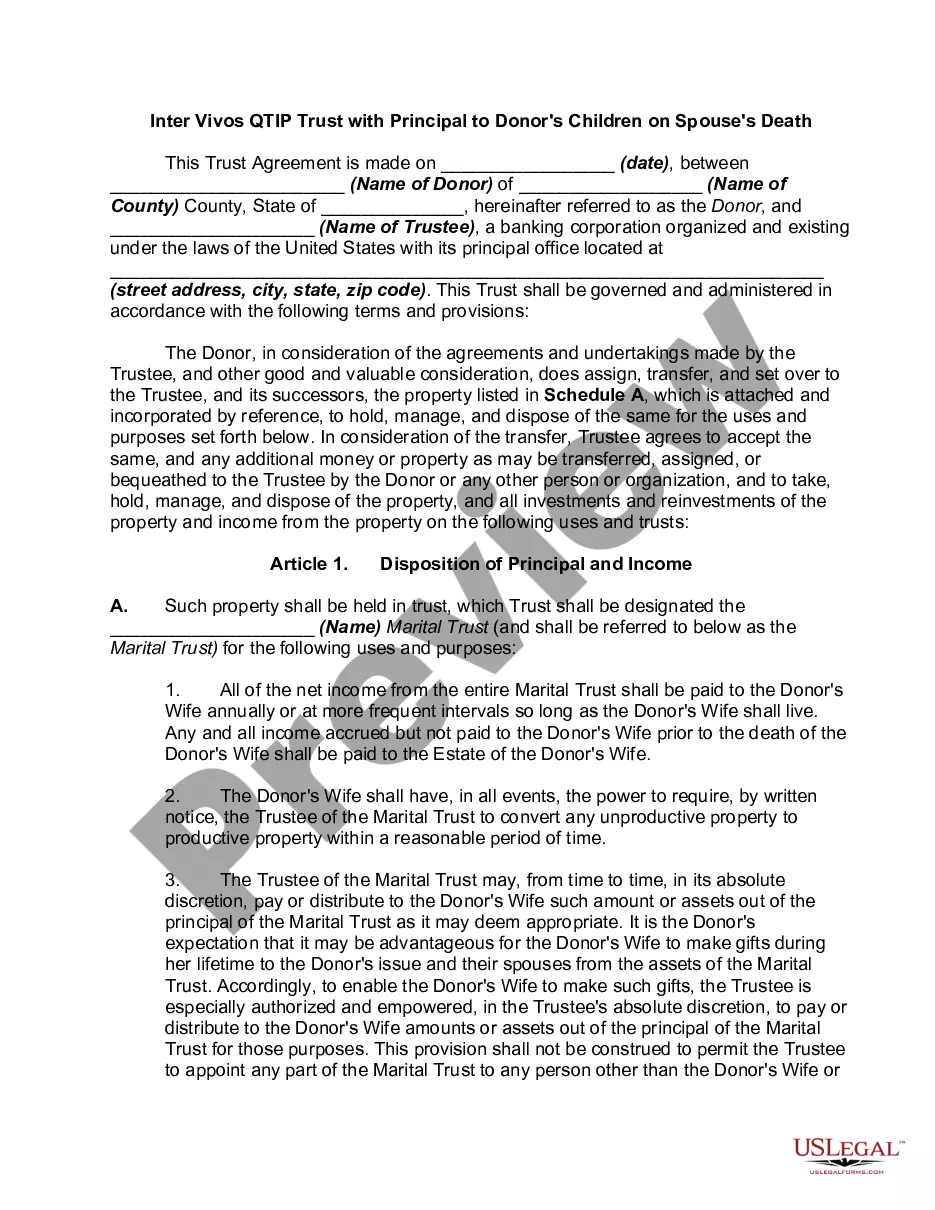
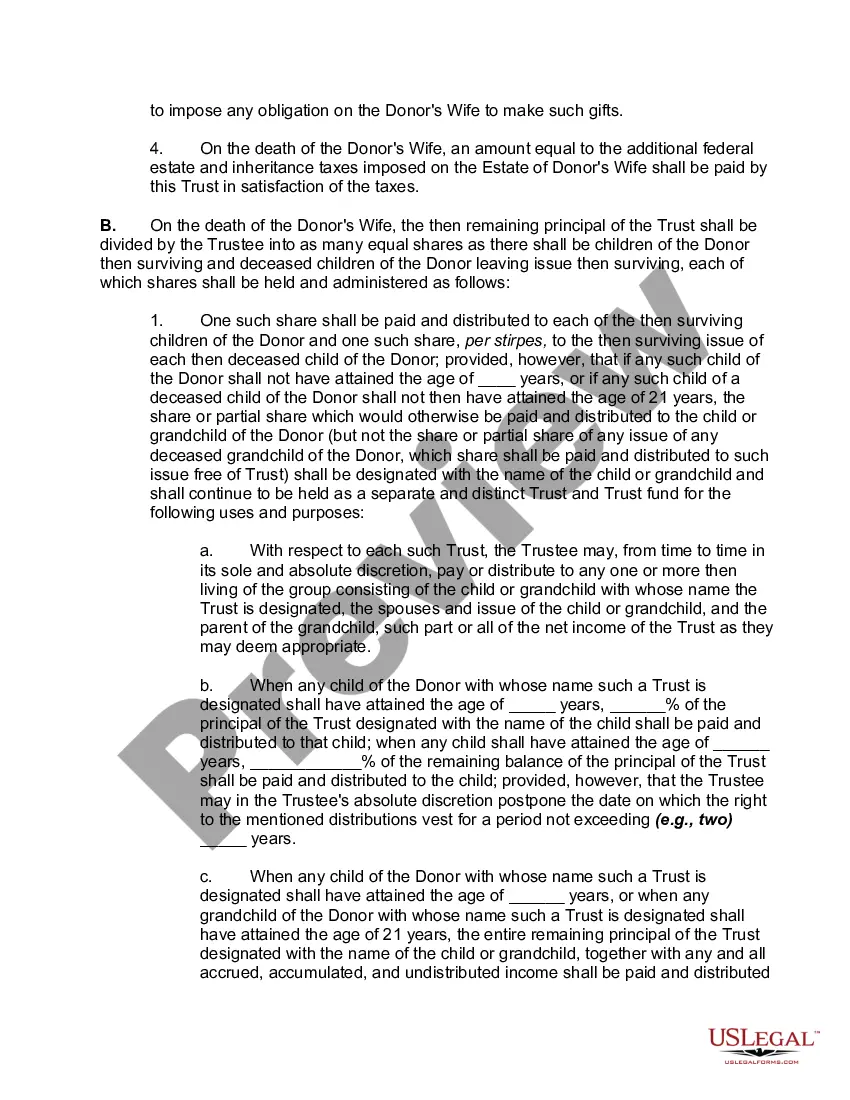
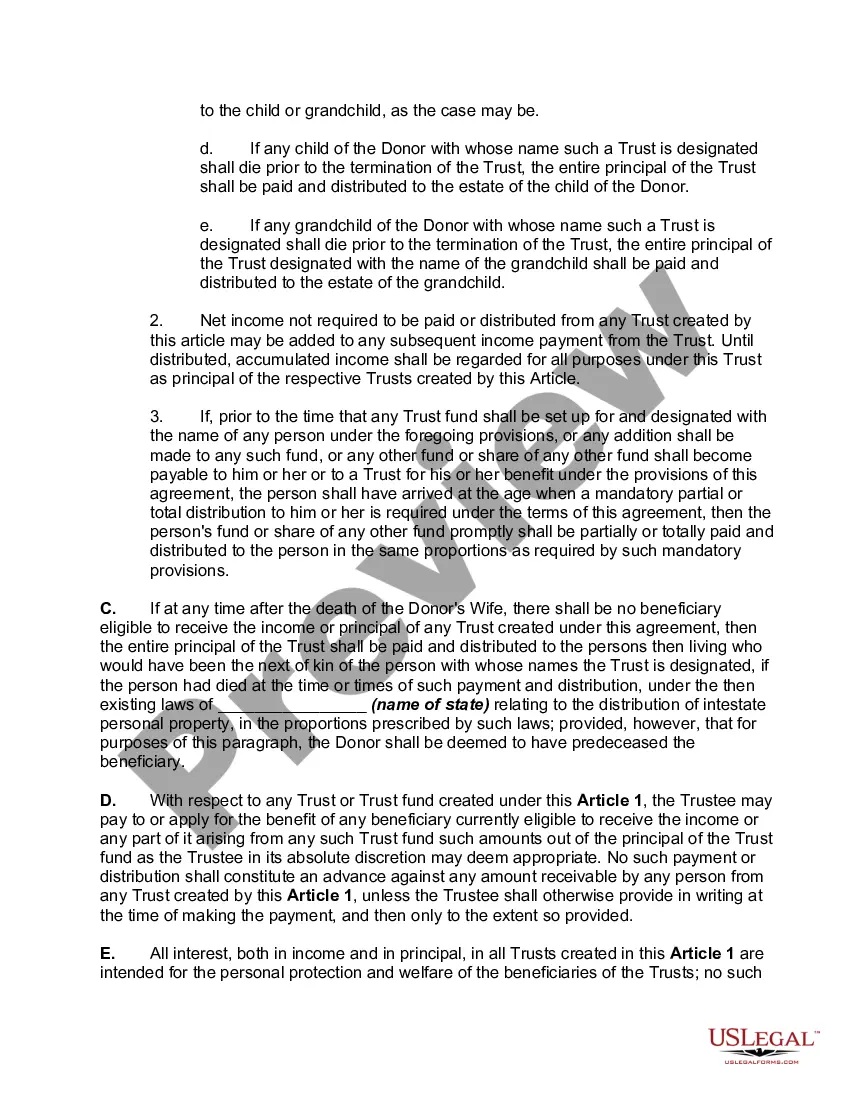
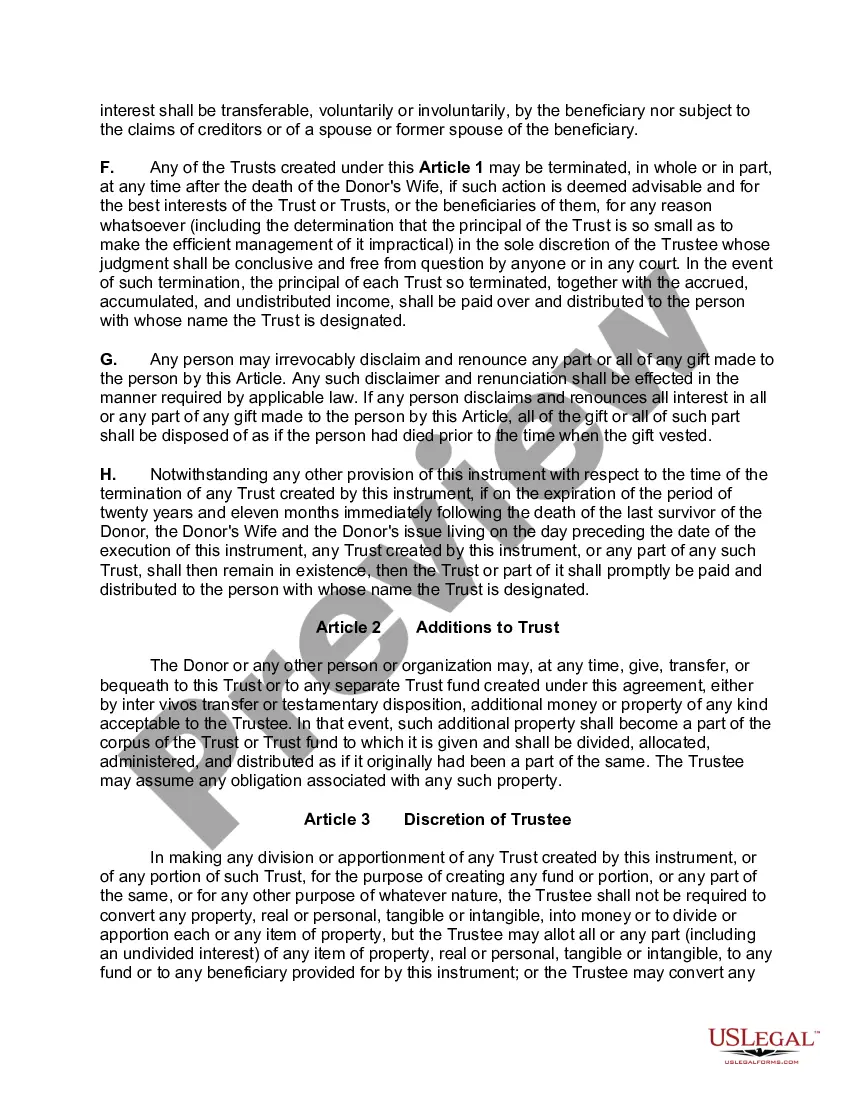
Spousal Trust On Death
Description
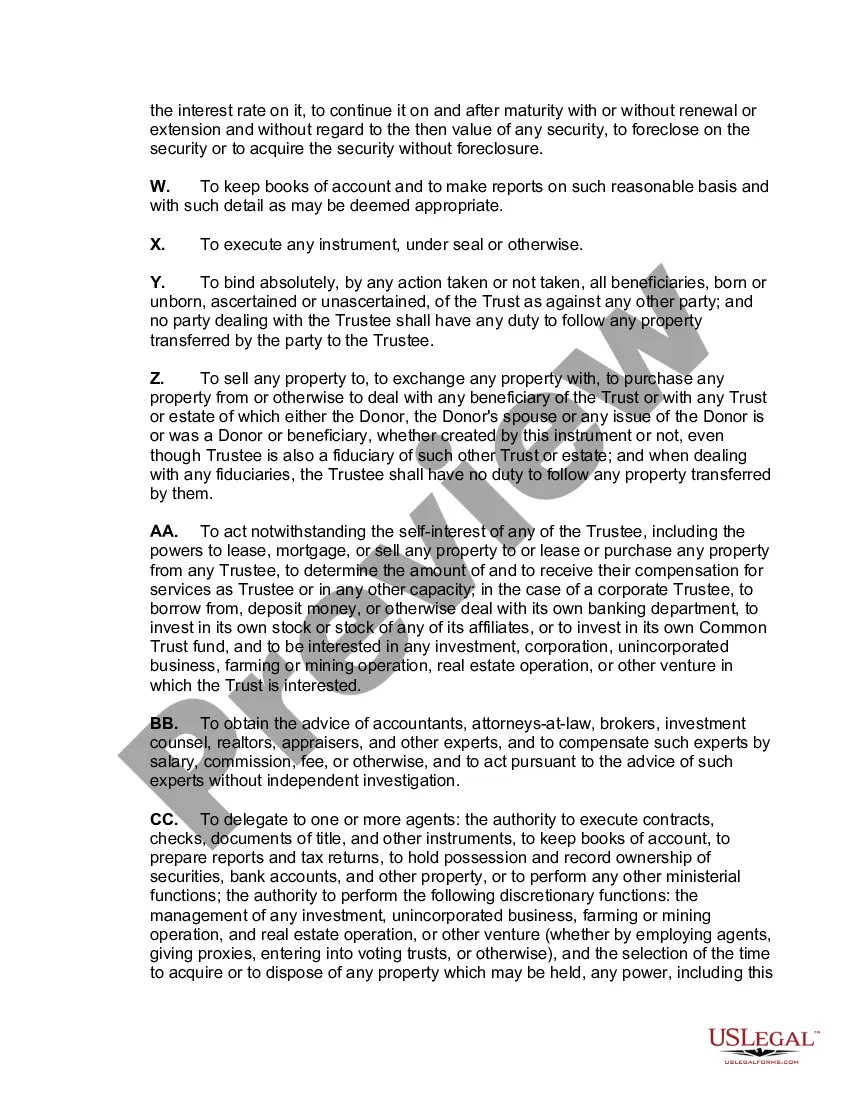
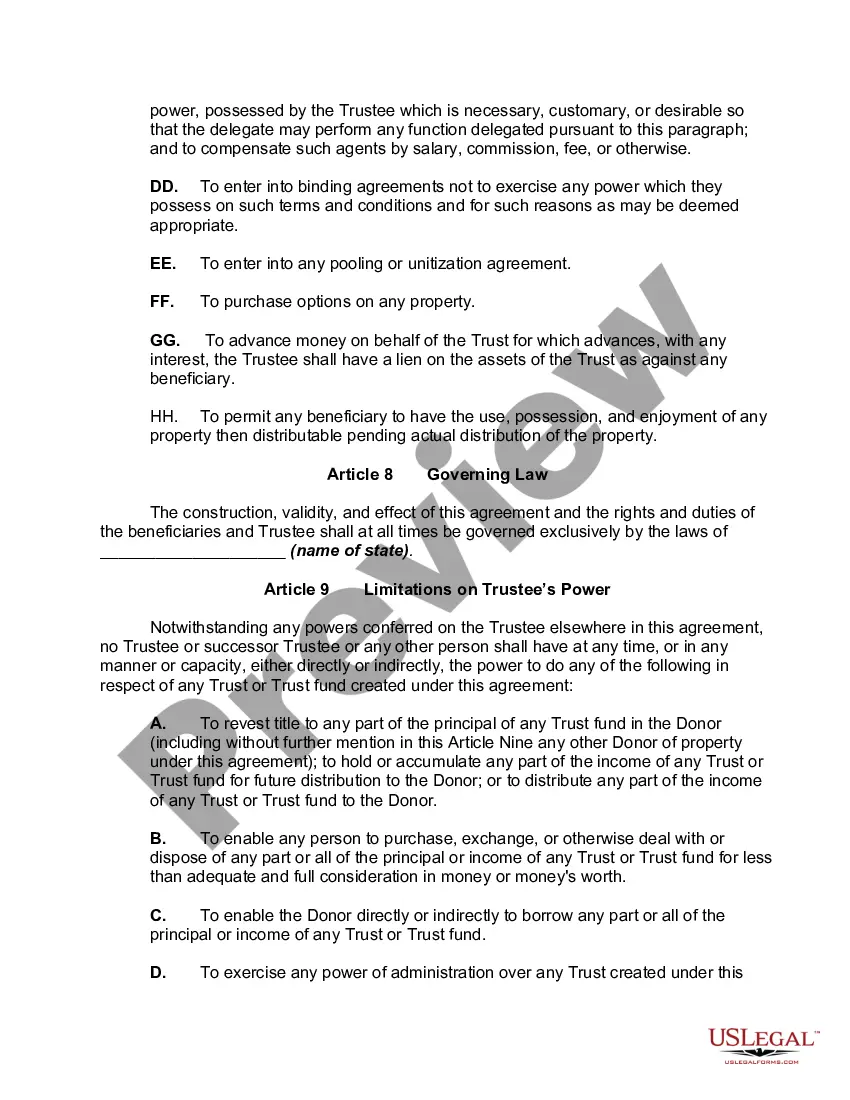

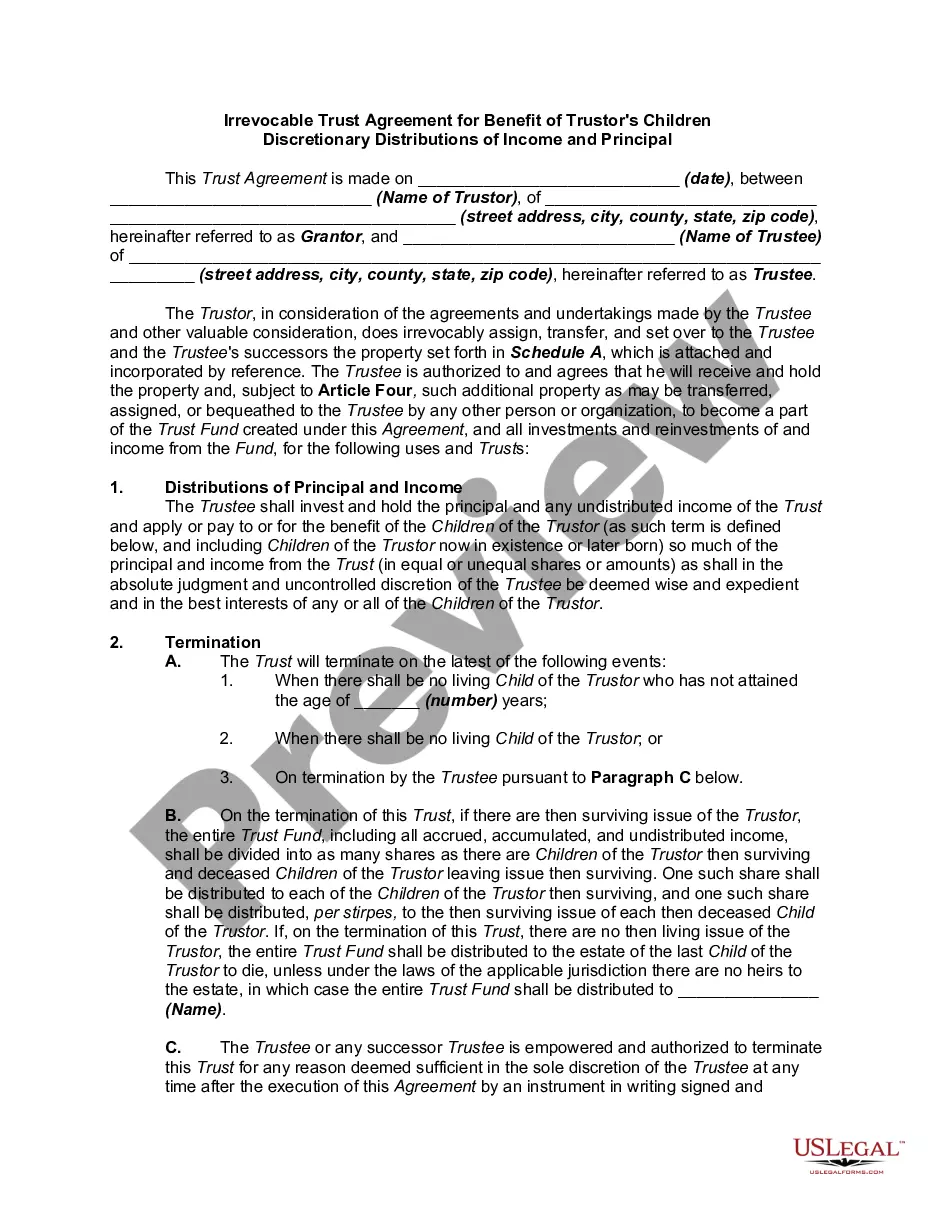
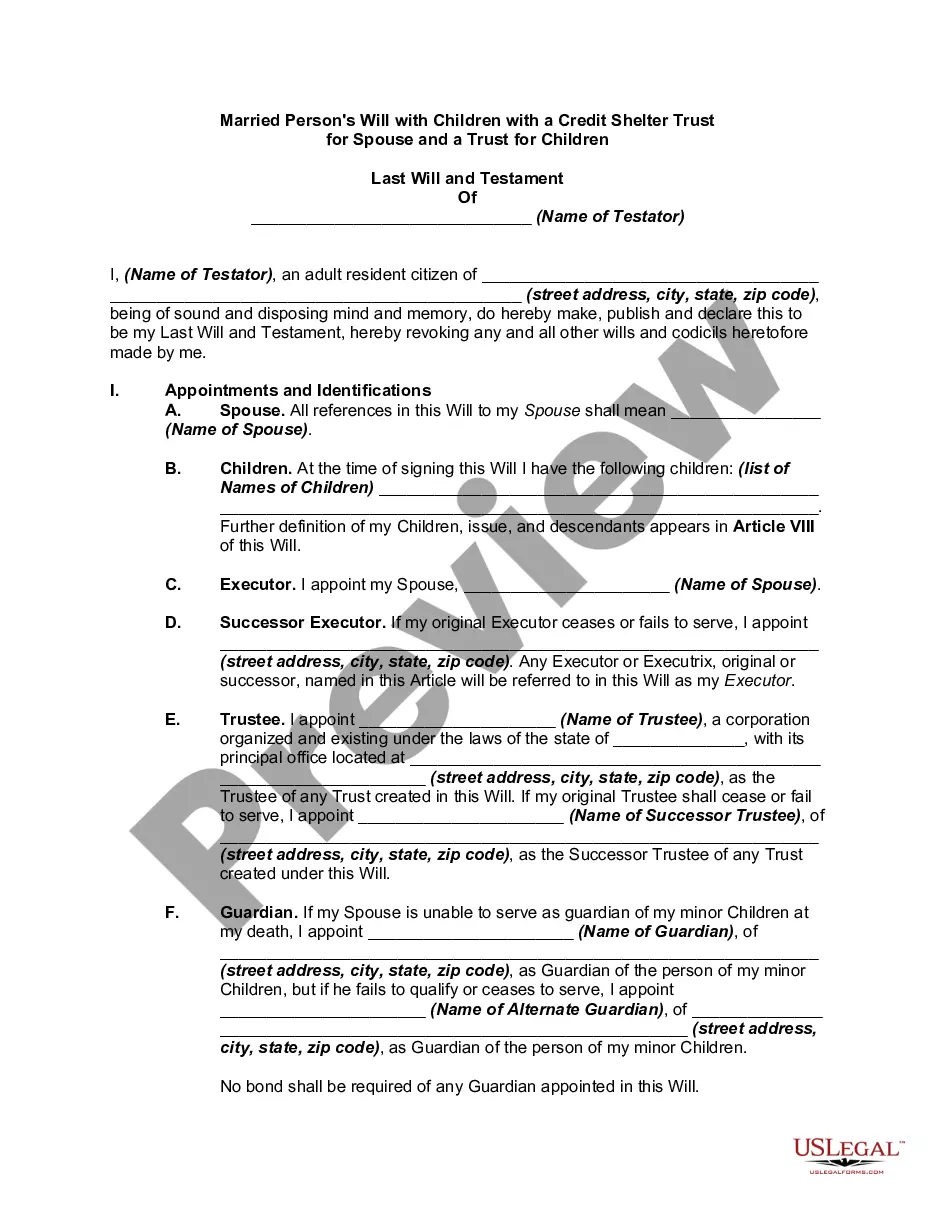
Get your form ready online
Our built-in tools help you complete, sign, share, and store your documents in one place.
Make edits, fill in missing information, and update formatting in US Legal Forms—just like you would in MS Word.
Download a copy, print it, send it by email, or mail it via USPS—whatever works best for your next step.
Sign and collect signatures with our SignNow integration. Send to multiple recipients, set reminders, and more. Go Premium to unlock E-Sign.
If this form requires notarization, complete it online through a secure video call—no need to meet a notary in person or wait for an appointment.
We protect your documents and personal data by following strict security and privacy standards.

Make edits, fill in missing information, and update formatting in US Legal Forms—just like you would in MS Word.

Download a copy, print it, send it by email, or mail it via USPS—whatever works best for your next step.

Sign and collect signatures with our SignNow integration. Send to multiple recipients, set reminders, and more. Go Premium to unlock E-Sign.

If this form requires notarization, complete it online through a secure video call—no need to meet a notary in person or wait for an appointment.

We protect your documents and personal data by following strict security and privacy standards.
Looking for another form?







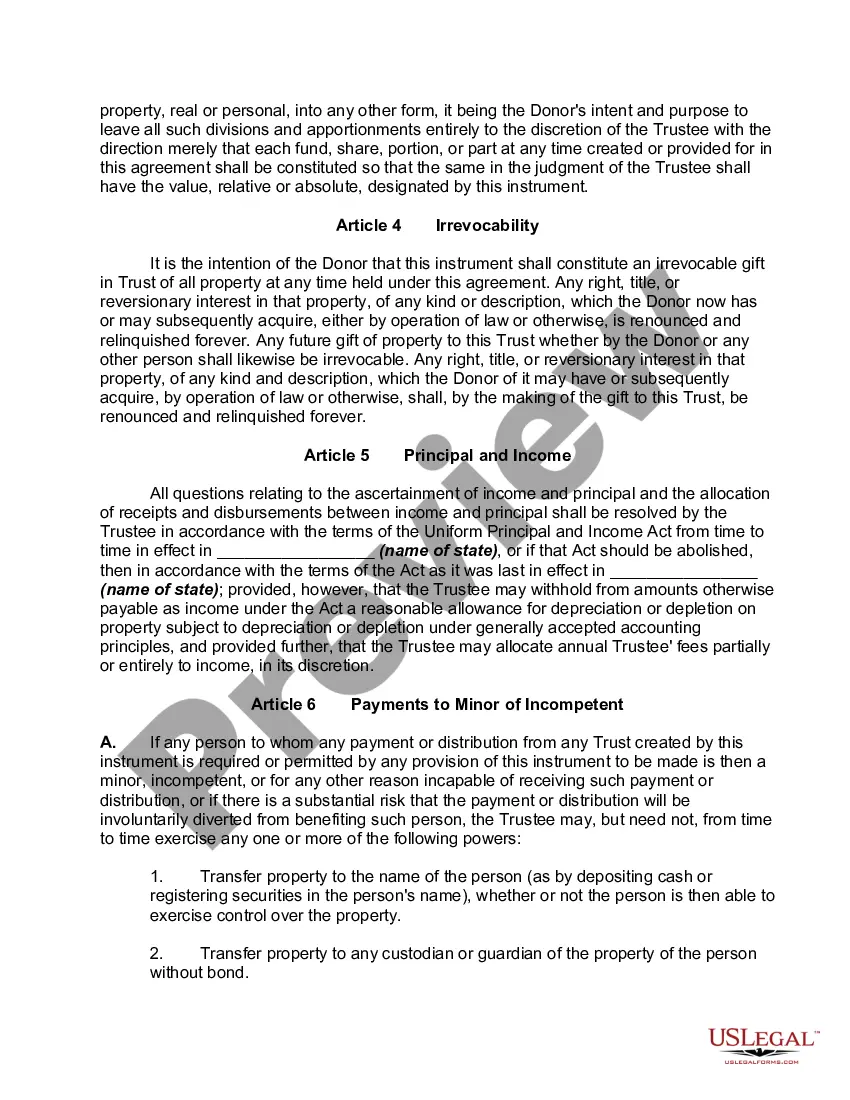
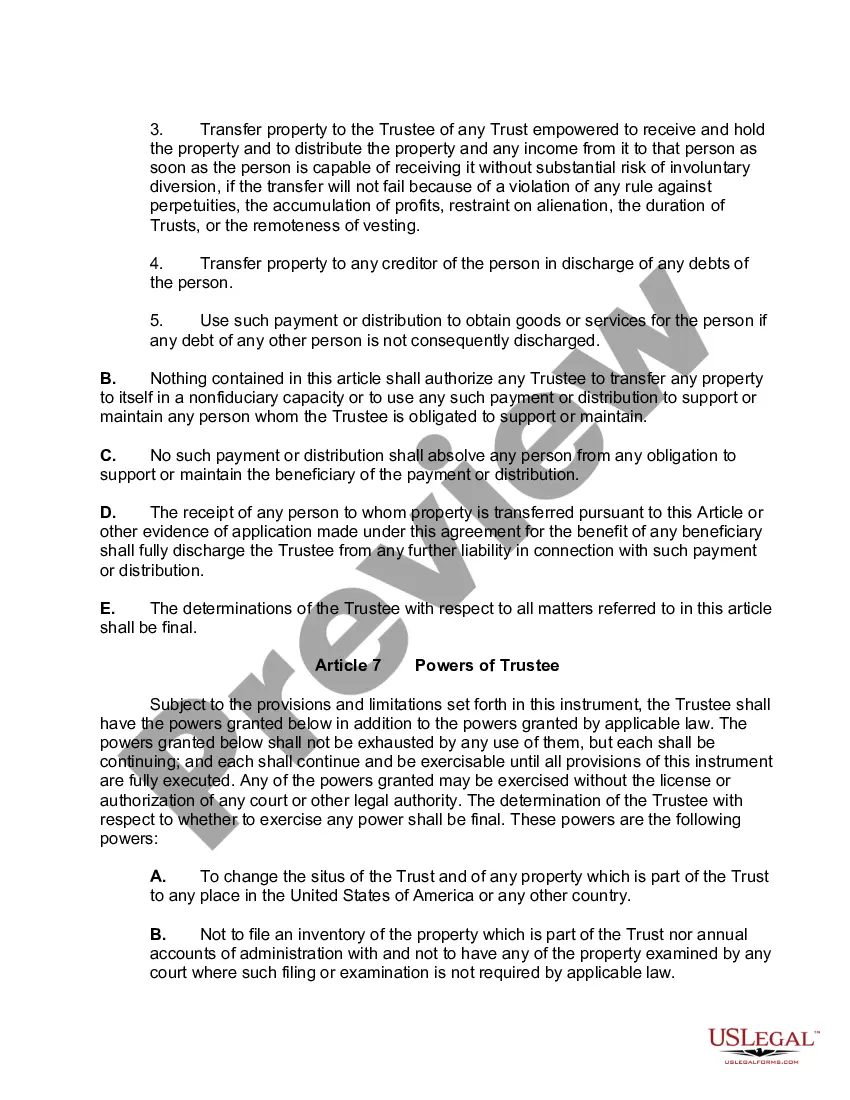
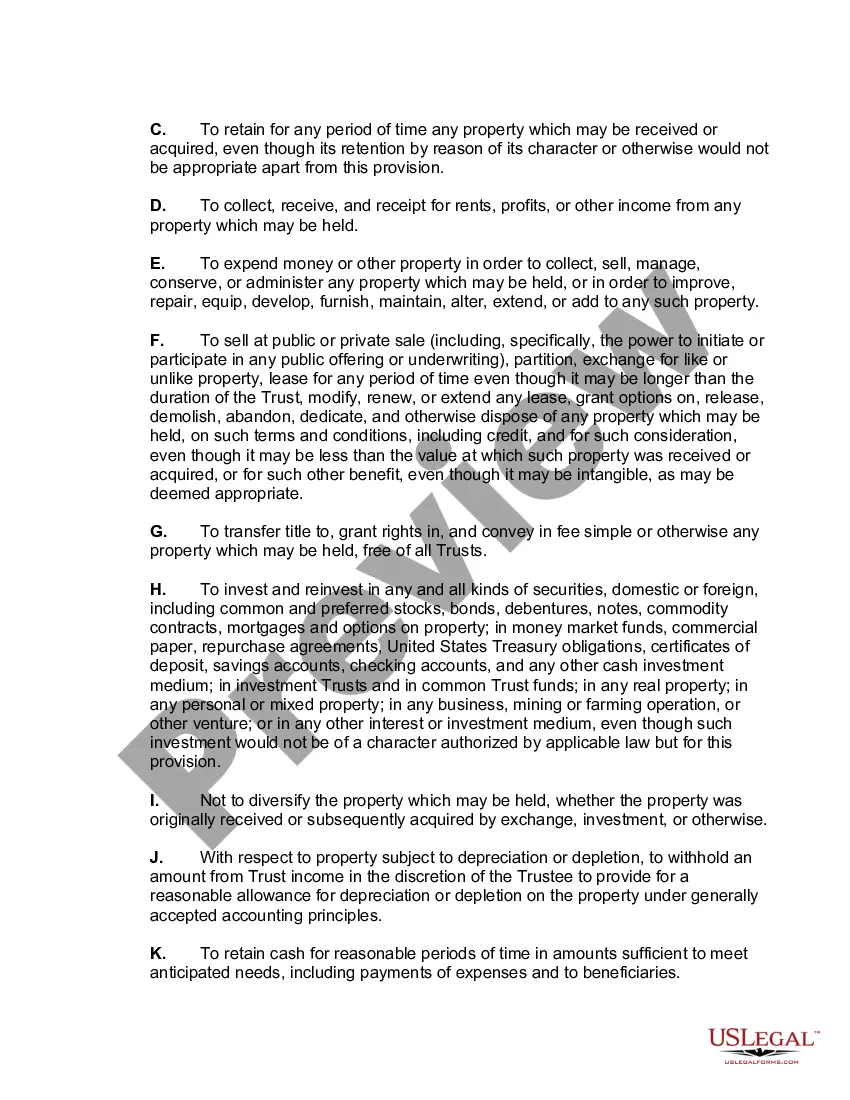
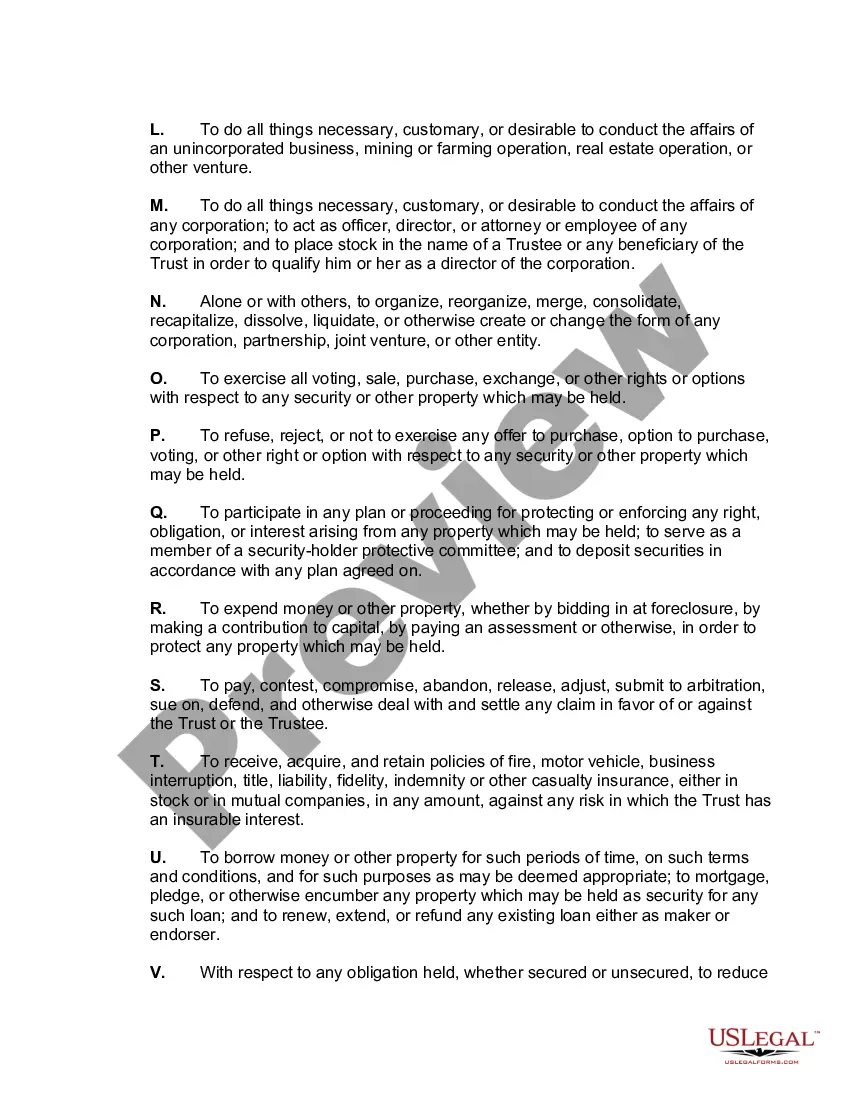
How to fill out Inter Vivos QTIP Trust With Principal To Donor's Children On Spouse's Death?
- Log in to your US Legal Forms account. If you're a first-time user, create a new account to access the extensive legal form library.
- Browse or search for the spousal trust form. Utilize the Preview mode and detailed description to ensure it meets your needs and complies with local regulations.
- Select the appropriate form. If you require a different template, utilize the search tab for additional options.
- Purchase the document. Click on the 'Buy Now' option and choose your preferred subscription plan.
- Complete your transaction. Provide your payment details, either through a credit card or PayPal.
- Download the completed form. Save it on your device and access it anytime from the 'My Forms' section of your profile.
Once you've completed these steps, you'll have a legally sound spousal trust document ready for use. US Legal Forms not only provides a vast collection of forms but also offers expert assistance for any further questions you may have.
Take control of your estate planning today. Start using US Legal Forms to ensure your spousal trust on death is set up correctly and efficiently.
Form popularity
FAQ
The primary purpose of a spousal trust on death is to provide financial security to the surviving spouse. This trust can help manage assets and ensure they are distributed according to the deceased's wishes. Additionally, a spousal trust can offer tax advantages, protect assets from creditors, and preserve wealth for future generations. Utilizing platforms like uslegalforms can guide you through creating and managing a spousal trust effectively.
A wife may be entitled to her husband's inheritance, particularly if he has a will or if state laws grant her rights as a spouse. In cases where a spousal trust on death is established, the assets will be managed according to the trust's terms, which can outline her entitlements clearly. However, these rights can vary by jurisdiction, so it's crucial to understand local laws and the specific estate planning documents involved.
A widow is entitled to inherit assets from her deceased husband's estate, which may include property, bank accounts, and personal belongings. If a spousal trust on death exists, the trust will outline specific entitlements, providing clarity on asset distribution. Moreover, her entitlements often depend on whether there is a valid will or state laws that dictate inheritance rights. Seeking legal advice can help navigate these rights effectively.
While a spousal trust on death offers many benefits, it also has certain disadvantages. One major downside is the potential loss of control over assets, as they are held in trust rather than owned outright. Additionally, the trust might incur administrative costs and complexities that could lead to confusion for the surviving spouse. It's essential to consider these factors and consult a legal expert when setting up a spousal trust.
When a husband dies, a wife typically inherits a portion of the estate according to state laws or the will. The specific assets may include property, investments, and personal belongings. In some cases, when a spousal trust on death is in place, the terms of the trust will dictate how assets are distributed, ensuring the wife receives financial support and security. Understanding the dynamics of your state's inheritance laws can provide clarity in these sensitive situations.
When one spouse dies, a spousal trust on death typically allows the surviving spouse to retain control over the assets within the trust. The trust can provide income or access to the estate, without the need for probate, thereby ensuring a smoother transition. Additionally, this arrangement can protect the deceased spouse's wishes while optimizing the financial security of the surviving partner.
Filing taxes for a deceased spouse requires careful consideration of their financial situation at the time of death. You will generally need to file a final tax return for the year of death, reporting all income up to that point. It’s recommended to consult with a tax professional or resources like USLegalForms for specific guidance, especially if a spousal trust on death was established, as it can influence tax filings and liabilities.
Suze Orman emphasizes the importance of trusts as a powerful financial tool for protecting wealth and ensuring your wishes are honored after death. She regularly highlights how trusts, including a spousal trust on death, can provide beneficiaries with greater control over inheritance. For those considering a trust, her advice aims to simplify the complexities involved, making it a beneficial strategy for many.
One significant mistake parents often make is failing to clearly define the terms and conditions of their trust fund. Without specific instructions regarding how assets should be distributed, conflicts among beneficiaries can arise after the trustor's death, making the spousal trust on death less effective. It's crucial to engage with legal experts and platforms like USLegalForms to create an airtight agreement that reflects your intentions.
A spousal trust on death offers several key advantages, primarily focused on asset protection and tax efficiency. It allows the surviving spouse to benefit from the trust assets without incurring tax liabilities immediately. Furthermore, this type of trust can help safeguard the inheritance for children from previous marriages, ensuring that your family's wishes are respected.