Qtip Trust Spouses Death Fill For No Reason
Description
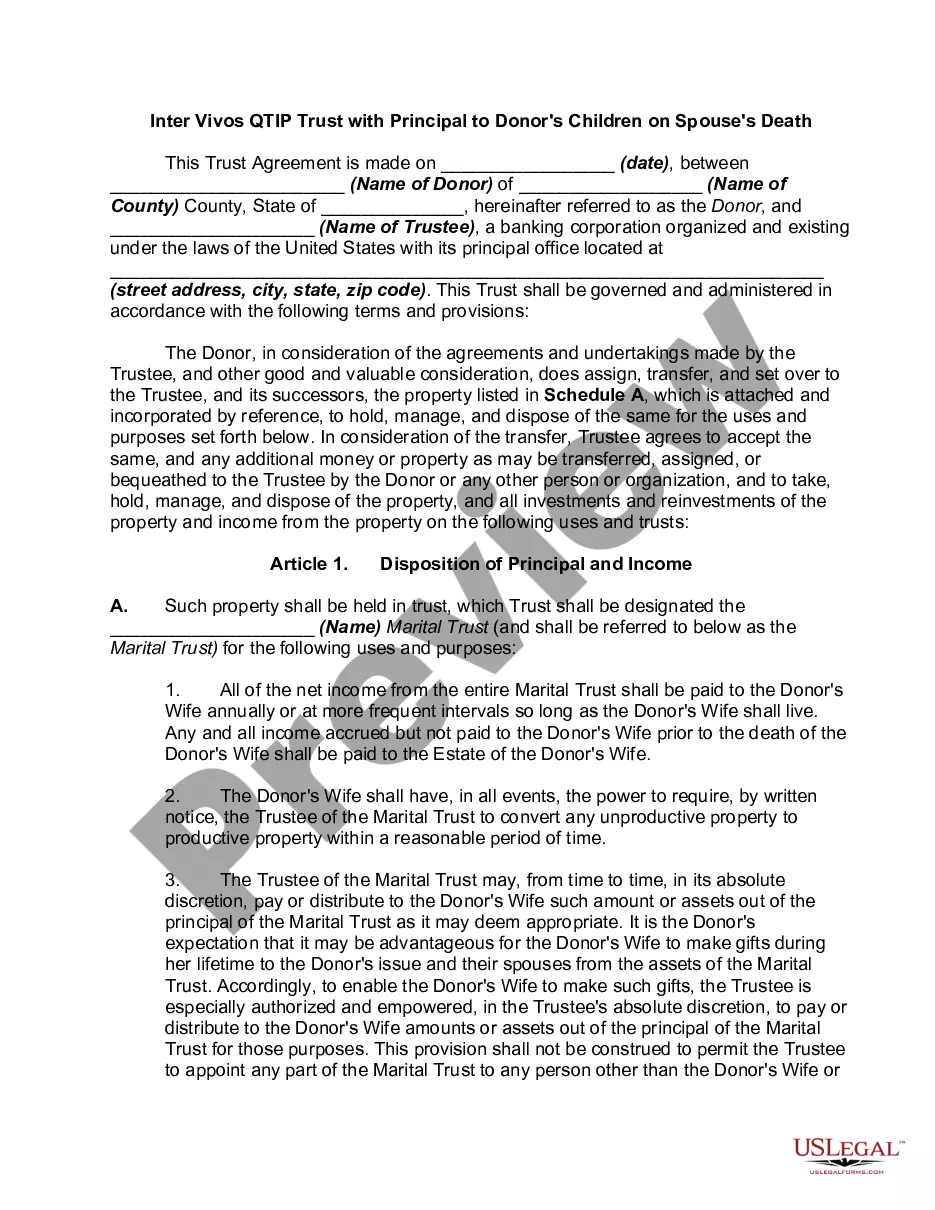
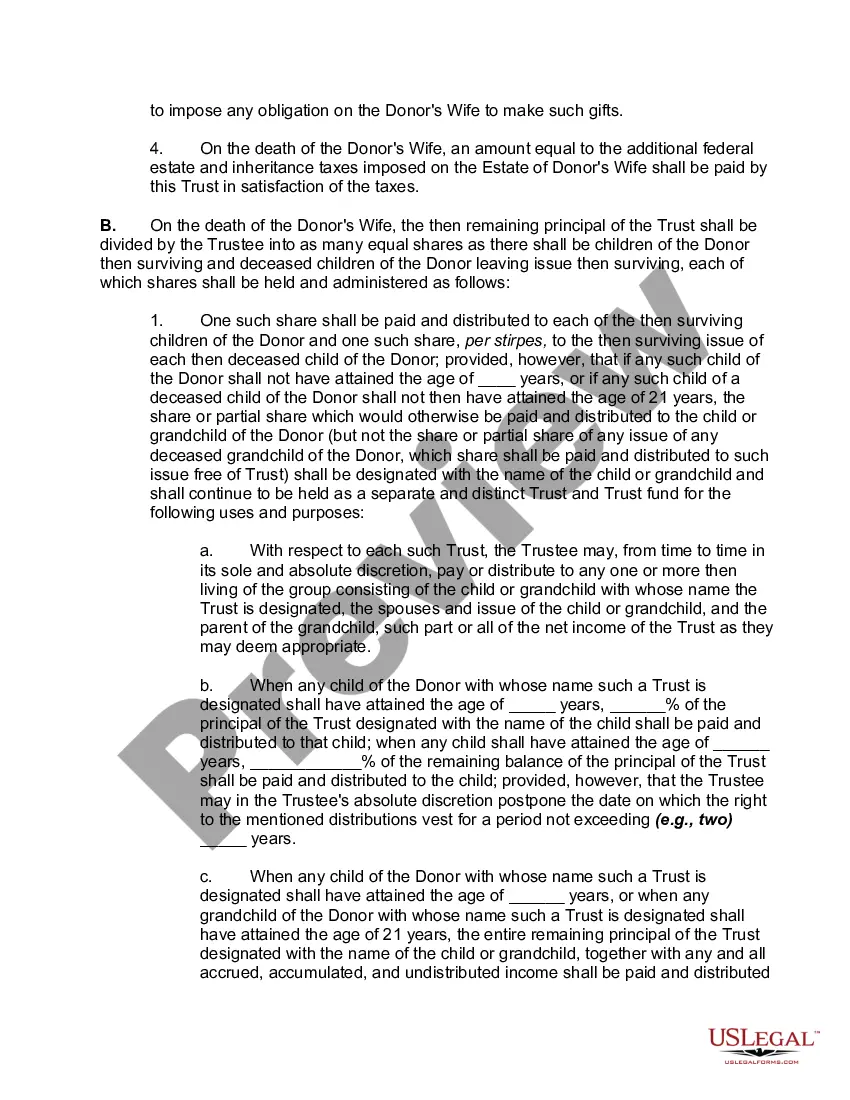
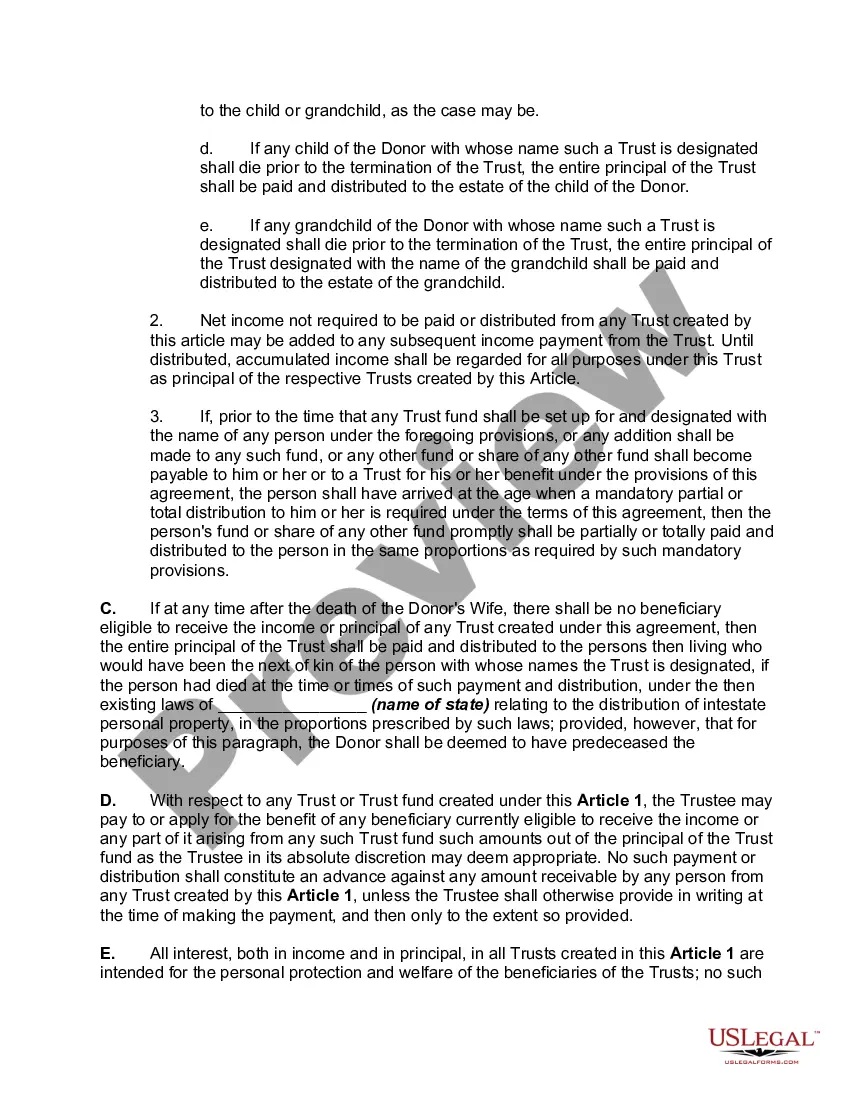
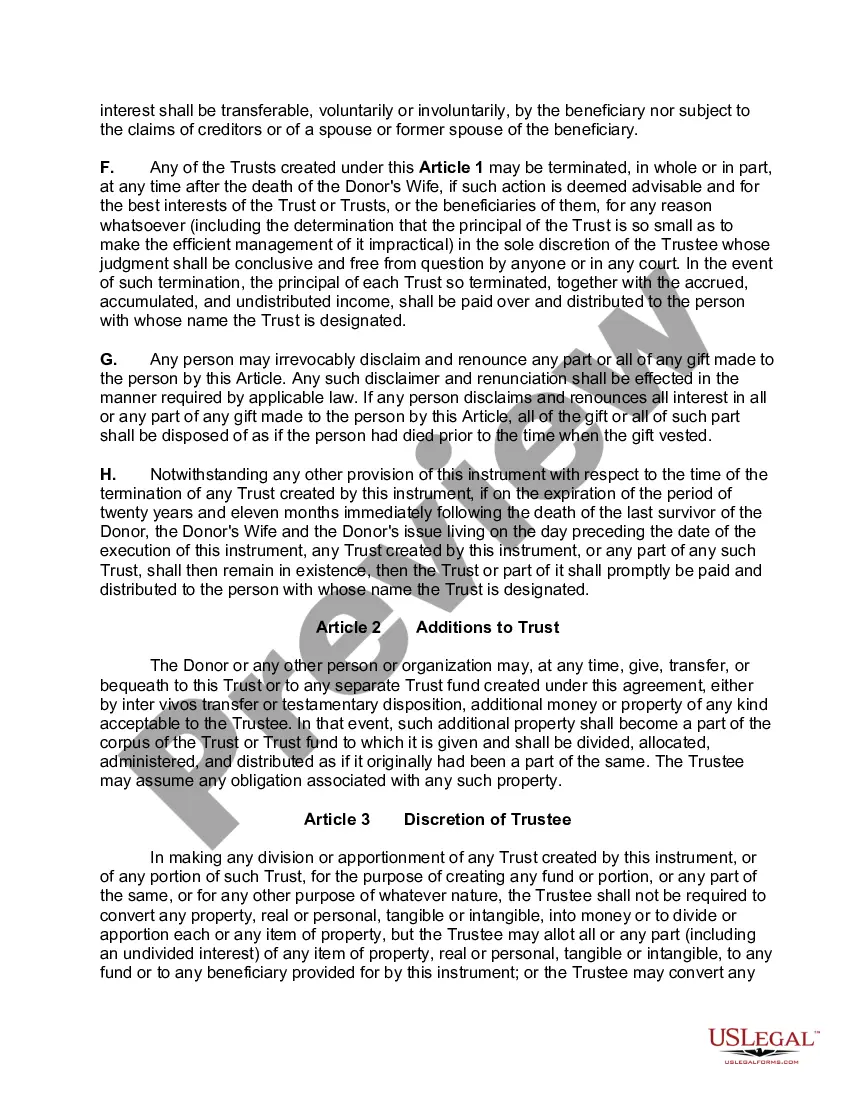
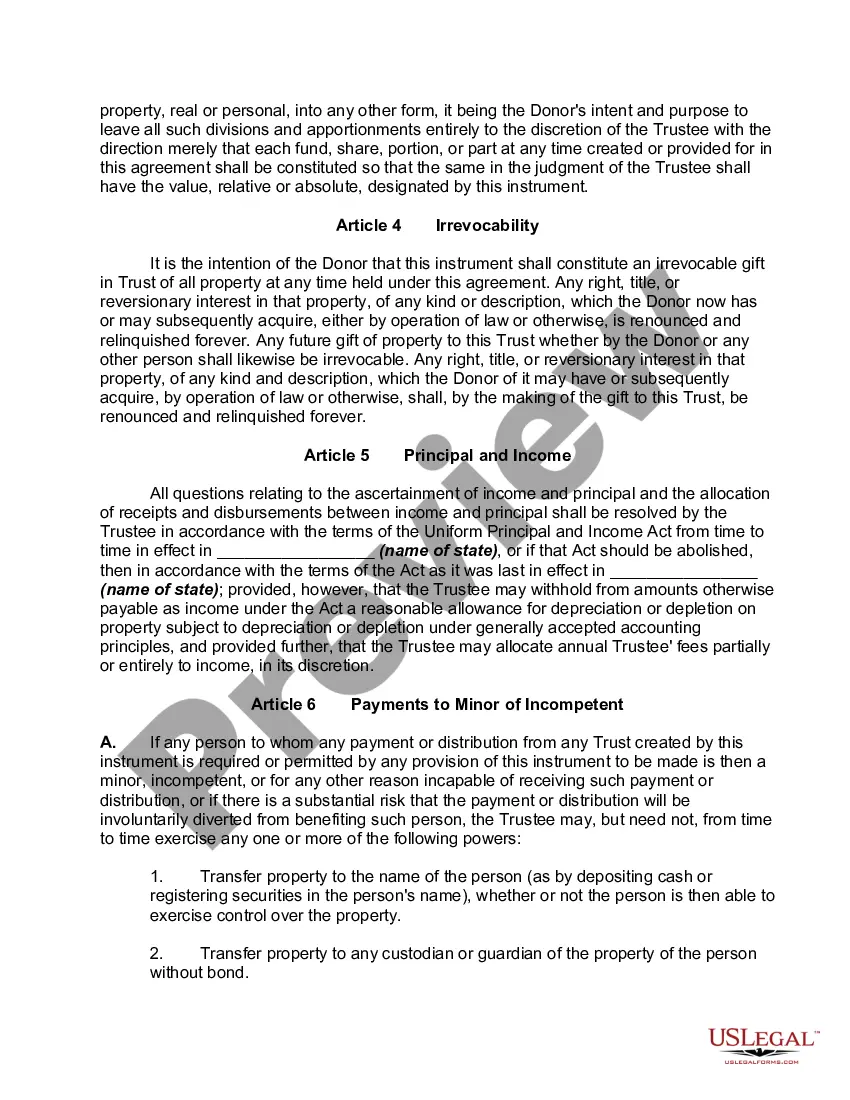
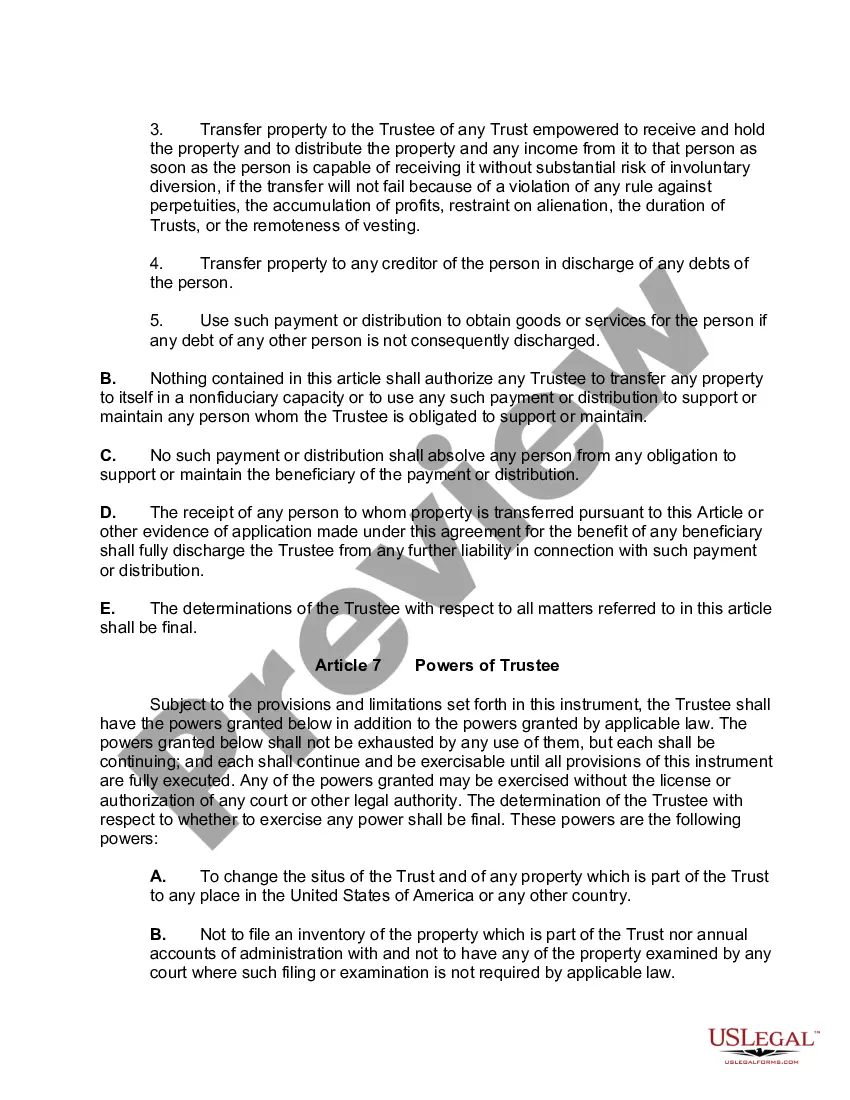
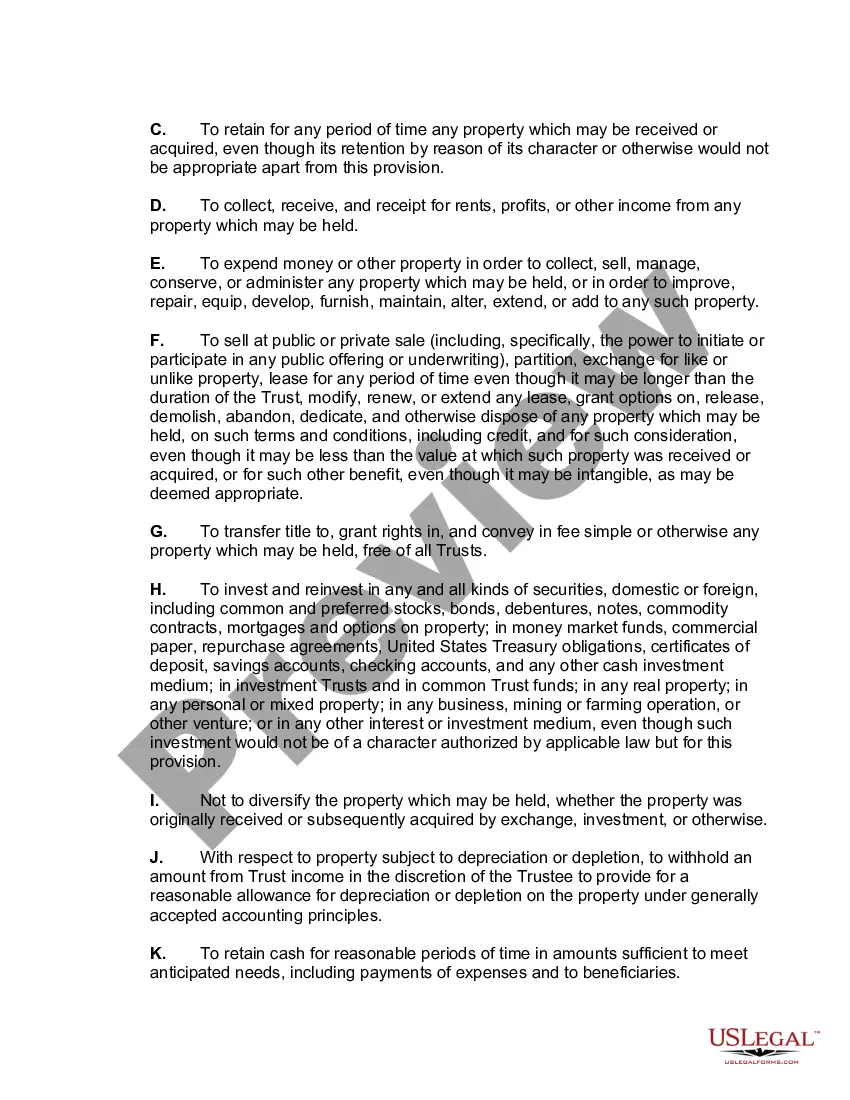
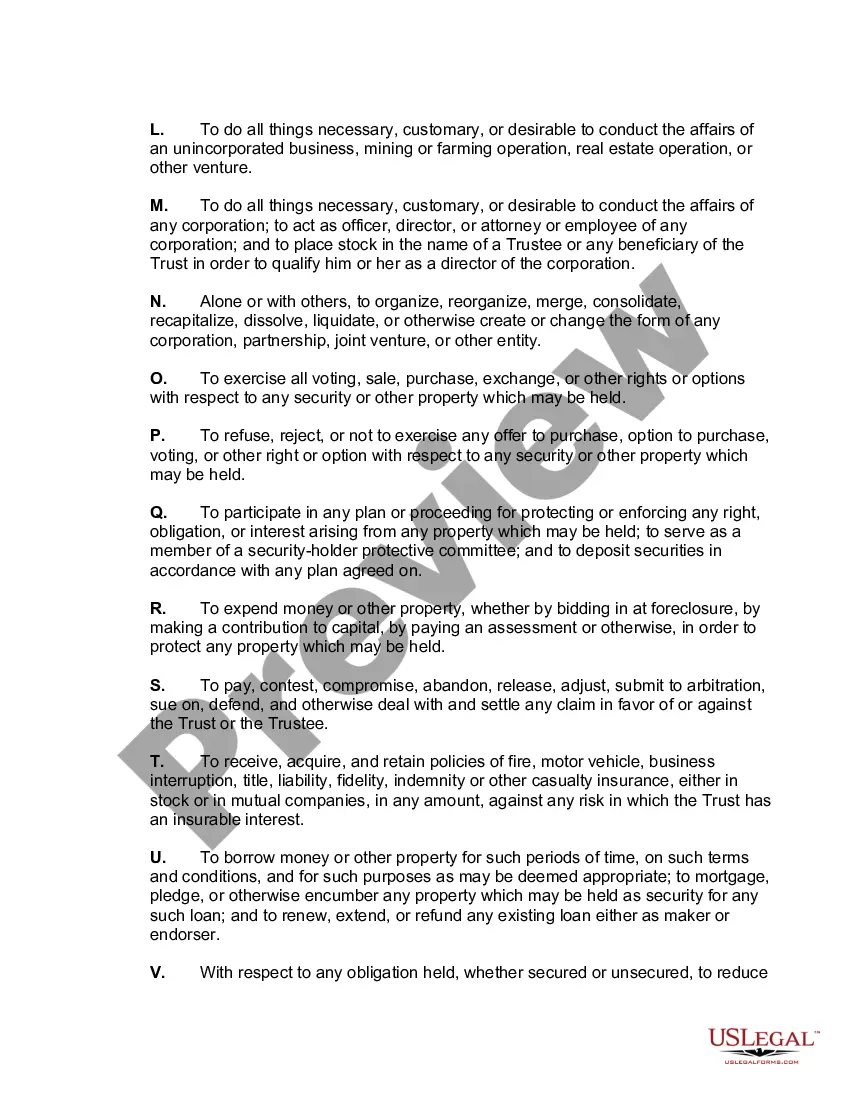

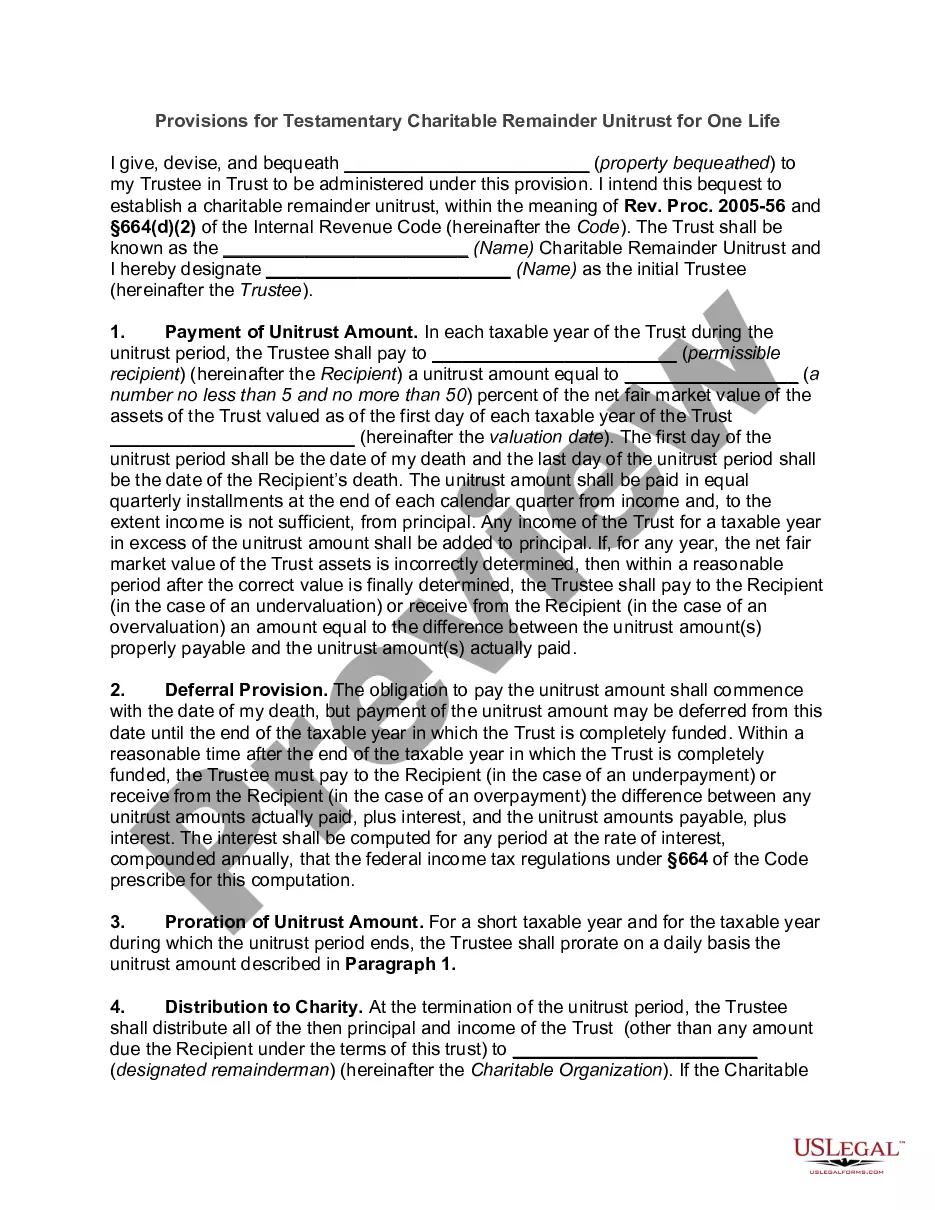
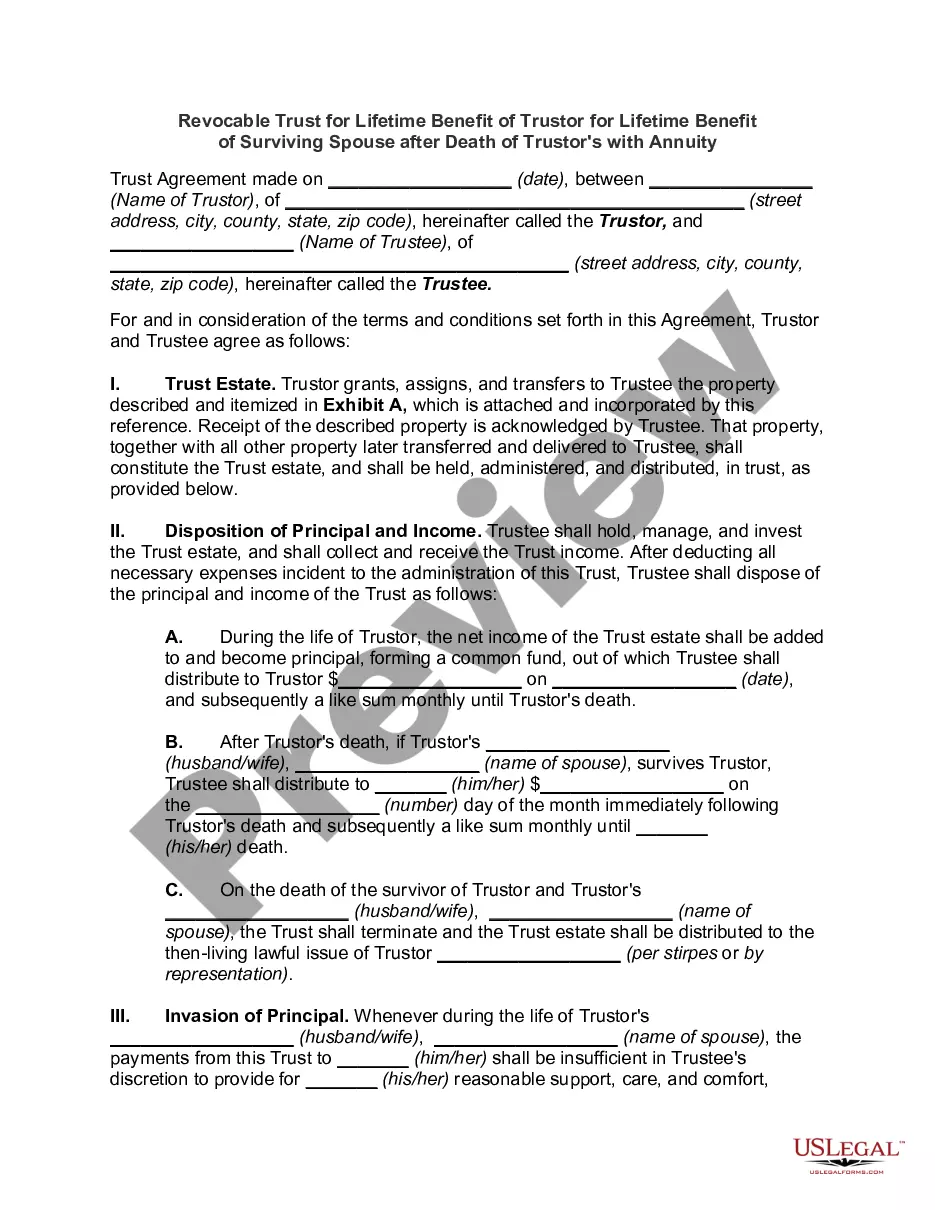
Get your form ready online
Our built-in tools help you complete, sign, share, and store your documents in one place.
Make edits, fill in missing information, and update formatting in US Legal Forms—just like you would in MS Word.
Download a copy, print it, send it by email, or mail it via USPS—whatever works best for your next step.
Sign and collect signatures with our SignNow integration. Send to multiple recipients, set reminders, and more. Go Premium to unlock E-Sign.
If this form requires notarization, complete it online through a secure video call—no need to meet a notary in person or wait for an appointment.
We protect your documents and personal data by following strict security and privacy standards.

Make edits, fill in missing information, and update formatting in US Legal Forms—just like you would in MS Word.

Download a copy, print it, send it by email, or mail it via USPS—whatever works best for your next step.

Sign and collect signatures with our SignNow integration. Send to multiple recipients, set reminders, and more. Go Premium to unlock E-Sign.

If this form requires notarization, complete it online through a secure video call—no need to meet a notary in person or wait for an appointment.

We protect your documents and personal data by following strict security and privacy standards.
Looking for another form?
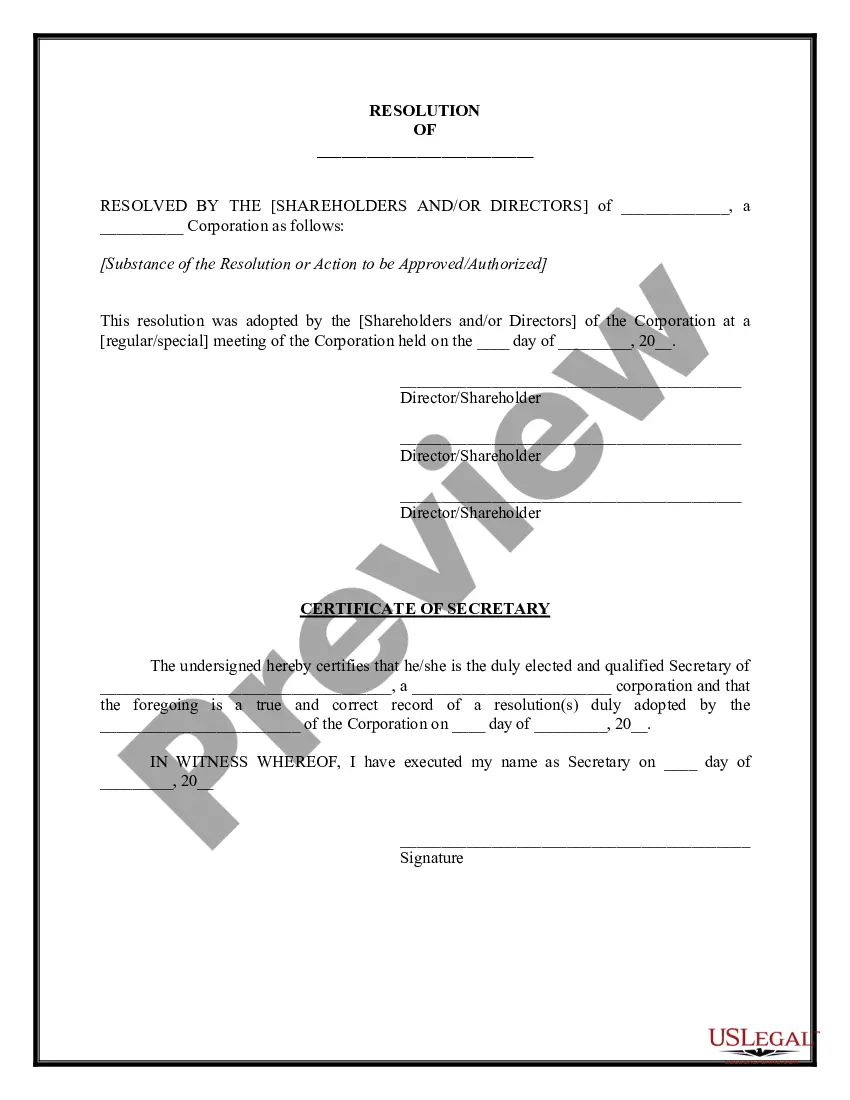
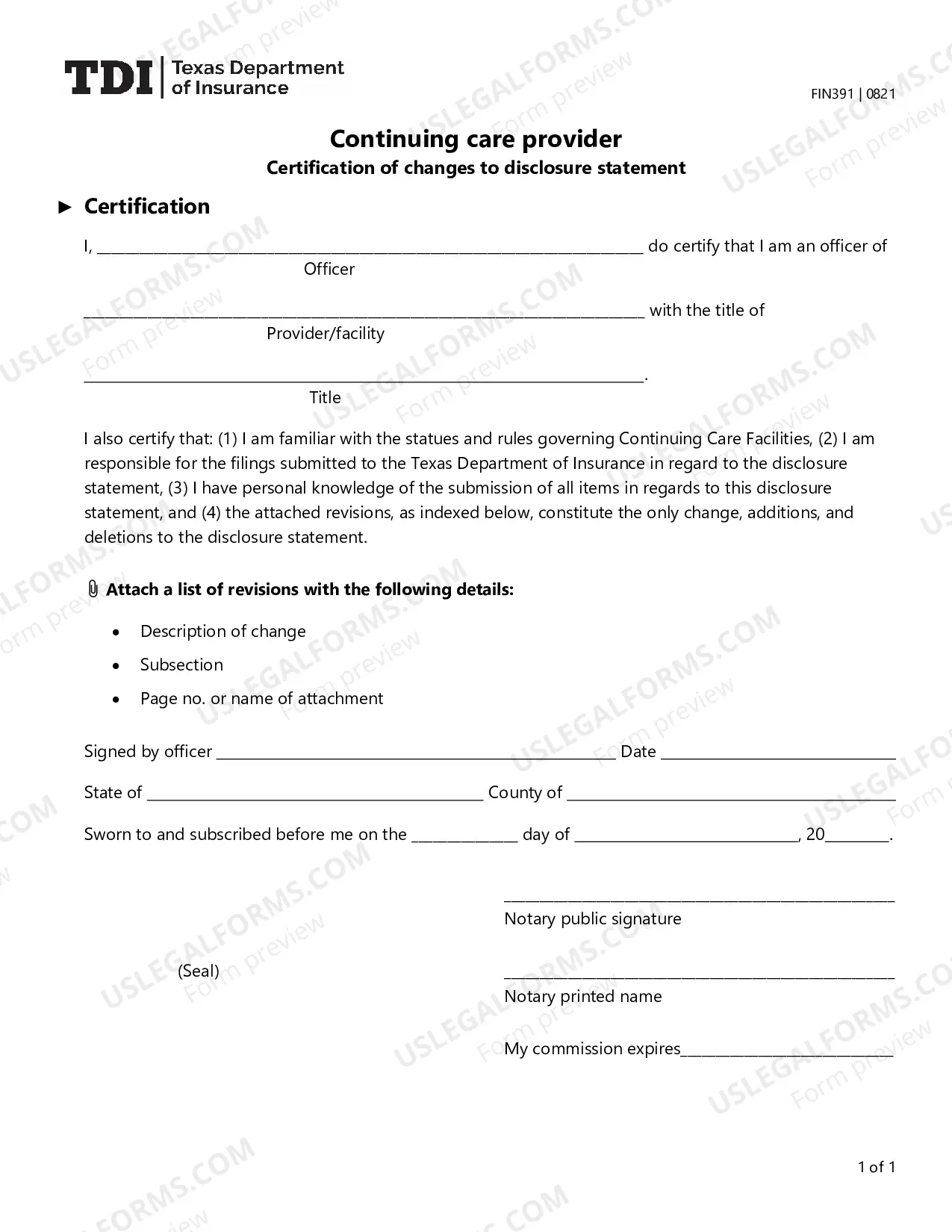
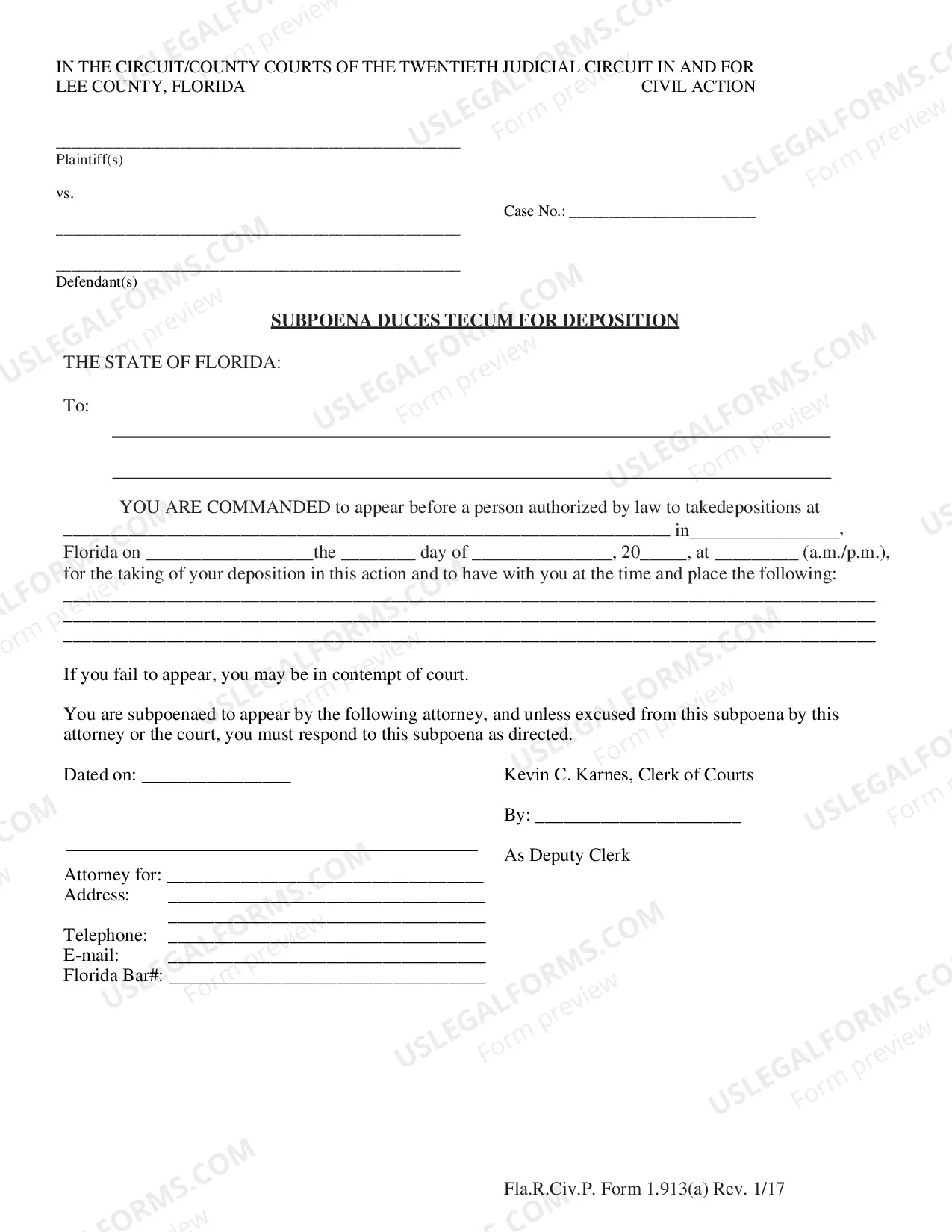






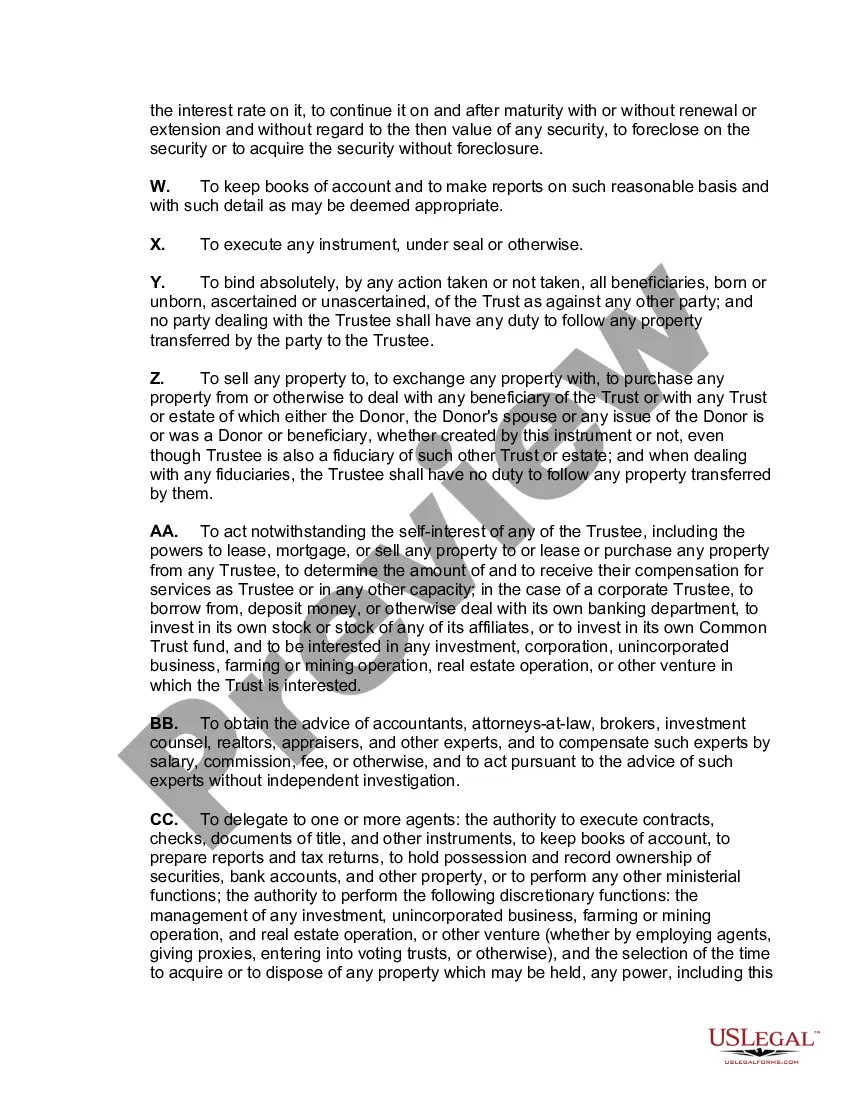
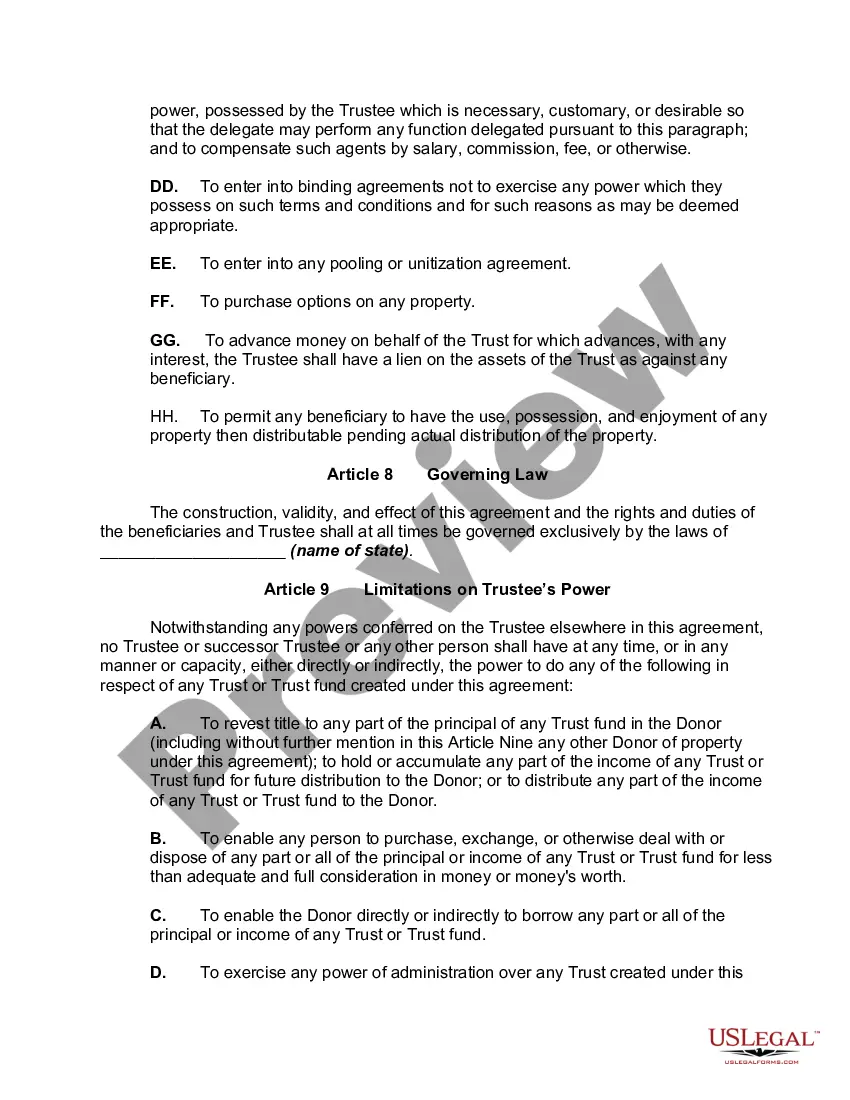
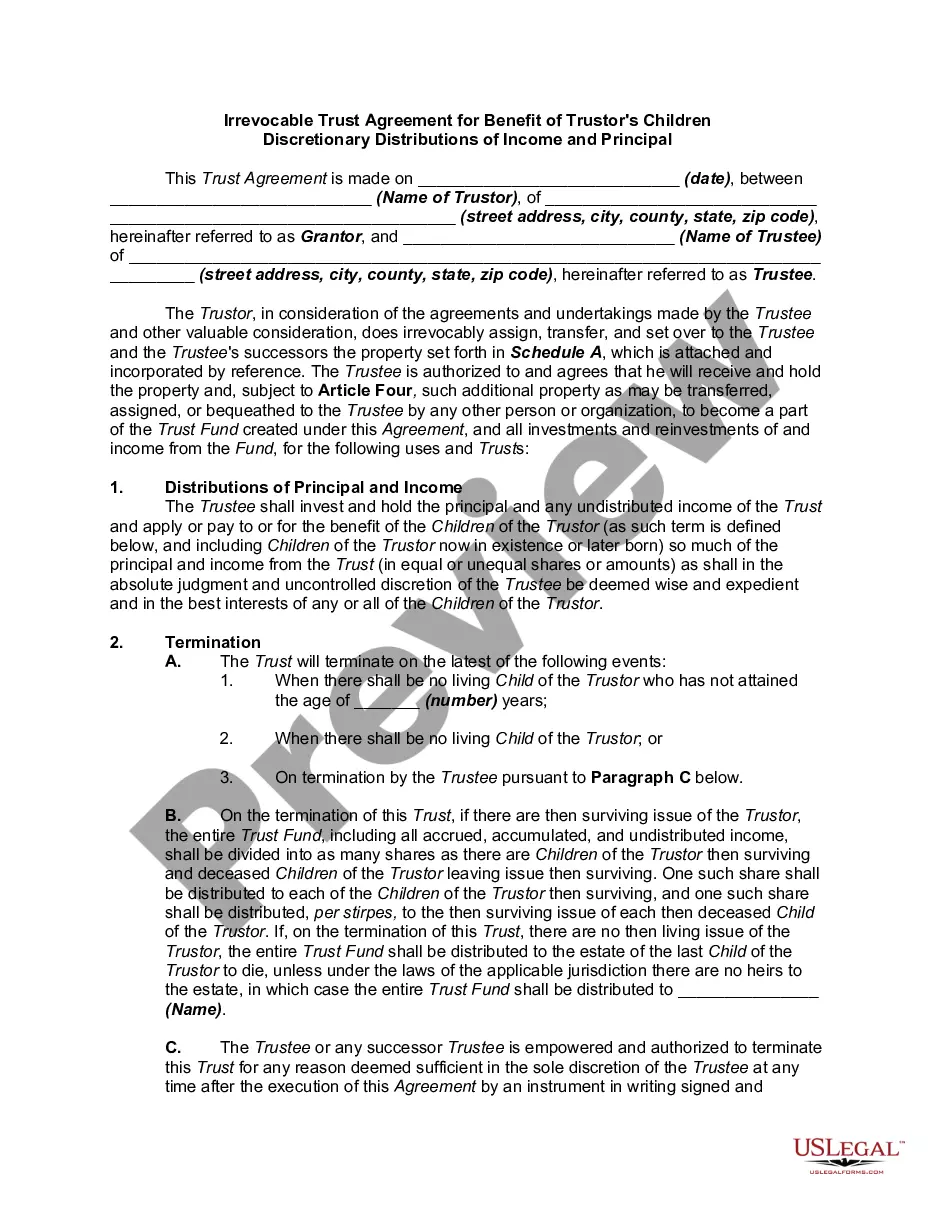
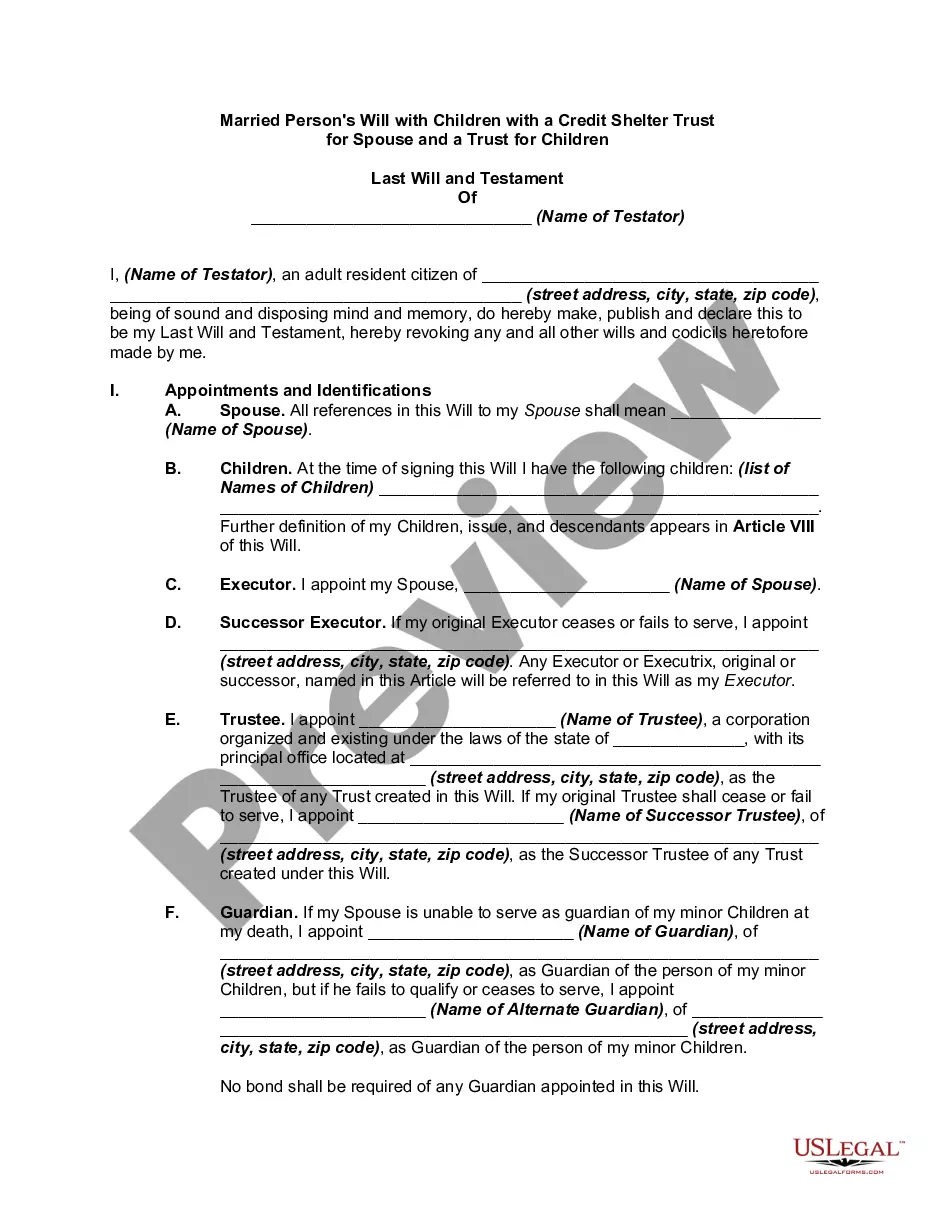
How to fill out Inter Vivos QTIP Trust With Principal To Donor's Children On Spouse's Death?
- If you're a returning user, simply log in to your account and download the required form template by clicking the Download button. Ensure your subscription is active; if not, refresh it according to your current plan.
- For new users, begin by reviewing the Preview mode and the form description. Verify that you’ve selected the correct template that aligns with your needs and complies with your local jurisdiction.
- If necessary, utilize the Search tab above to find additional templates should you come across any inconsistencies. Ensure you have located the appropriate form before proceeding.
- Purchase the document by clicking the Buy Now button. Choose your preferred subscription plan and create an account for access to the extensive library.
- Complete your purchase by entering your credit card information or utilizing your PayPal account for a seamless transaction.
- Download your form and save it on your device for easy access. You can also find it later in the My Forms section of your profile.
US Legal Forms is a powerful tool that empowers both individuals and attorneys, establishing an efficient path to execute legal documents.
With access to an extensive library of over 85,000 editable legal forms and expert assistance available, completing your Qtip trust is easier than ever. Get started with US Legal Forms today to ensure your legal documents are precise and compliant.
Form popularity
FAQ
Yes, a marital trust is typically included in the surviving spouse's estate. Depending on the specifics of the trust, the assets can be subject to estate tax upon the death of the surviving spouse. This relation is important in planning around a QTIP trust spouses death fill for no reason. Engaging with platforms like US Legal Forms can provide valuable resources to navigate these complex issues.
Yes, a QTIP trust can be included in the surviving spouse's estate. The assets might be subject to estate taxes if the surviving spouse dies. It's crucial to consider how this works in the context of a QTIP trust spouses death fill for no reason, as it can have significant tax implications. Understanding these elements can help you make informed decisions about your estate planning.
Yes, a trust is generally included in an estate when the trustor passes away. The assets held in the trust may go through estate tax considerations, depending on the type of trust. It's important to understand how a QTIP trust spouses death fill for no reason could affect estate planning and taxes. Consulting a legal professional can help clarify the specific implications.
The primary reason for using a QTIP trust is to provide support for the surviving spouse while preserving the assets for other beneficiaries. This trust structure typically offers tax benefits, allowing the surviving spouse access to income. By ensuring the surviving spouse is cared for, while also maintaining control over the ultimate distribution of assets, a QTIP trust is a powerful estate planning tool. For more guidance on this, platforms like USLegalForms can provide valuable resources.
A trust does not simply go away when someone dies; it remains in operation unless stated otherwise in the trust agreement. The trust continues to manage assets according to its terms, providing benefits to the beneficiaries as specified. This ongoing management can ensure that the deceased's wishes are honored, which makes a QTIP trust particularly valuable after a spouse's death.
Upon the death of the first spouse, the marital trust will typically continue to exist. The surviving spouse will likely have access to its income, allowing them financial stability. Eventually, after the surviving spouse’s passing, the marital trust distributes its assets to the named beneficiaries. This flow of assets minimizes the stress during a challenging time and highlights the advantages of a well-structured QTIP trust.
When a spouse dies, the trust remains intact and follows the instructions set forth in the trust agreement. The surviving spouse may continue to receive income from the QTIP trust. After their death, the trust assets usually pass to other beneficiaries as outlined in the trust document. Such arrangements ensure a seamless transition of assets, showcasing the benefits of a QTIP trust in estate planning.
A marital trust generally does form part of the surviving spouse's estate. This inclusion aids in ensuring the surviving spouse receives benefits, usually in the form of income from the trust during their lifetime. However, after their death, the principal can go to designated beneficiaries. Properly structuring this can help in reducing estate taxes, thus making a QTIP trust a thoughtful option.
Yes, a QTIP trust typically includes the assets of the surviving spouse's estate, but it also allows for specific tax benefits. This arrangement lets the surviving spouse receive income from the trust for life. Upon their passing, the assets then transfer to the beneficiaries named in the trust. Utilizing a QTIP trust can be a smart way to manage estate taxes while providing for your spouse.