Qtip Spouses Death With A Knife
Description
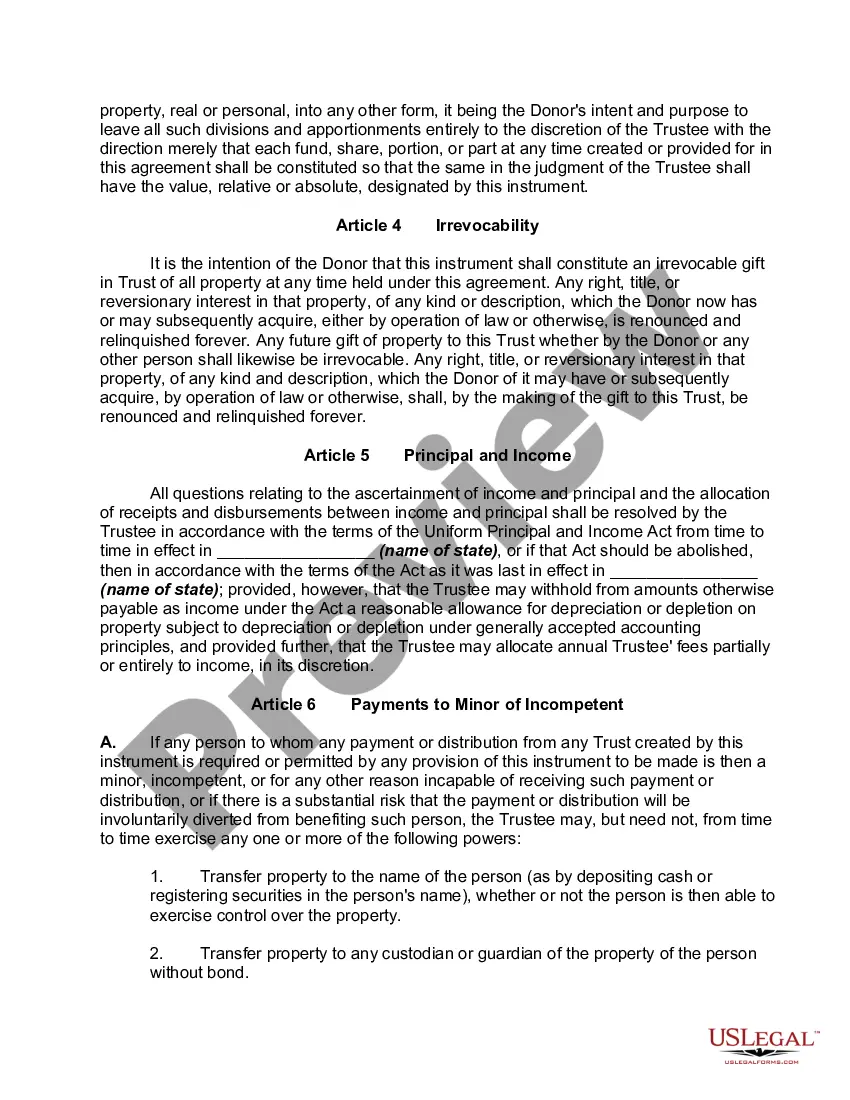
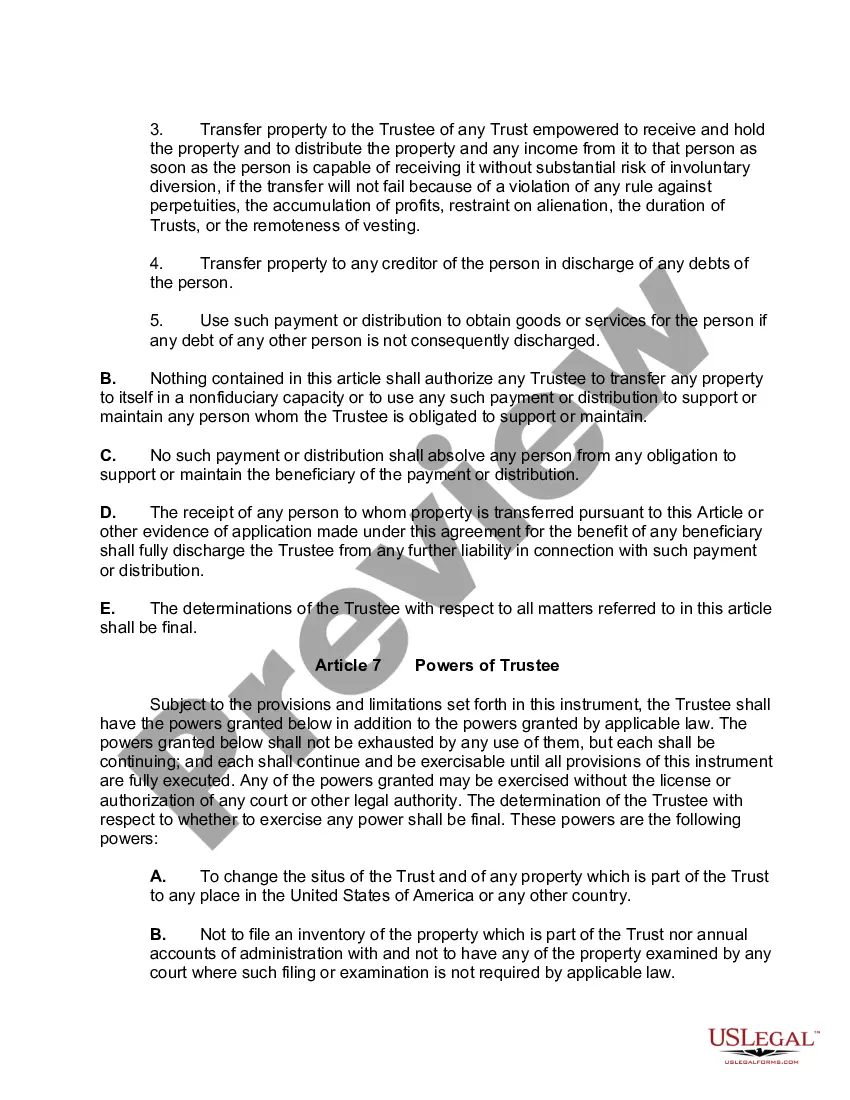
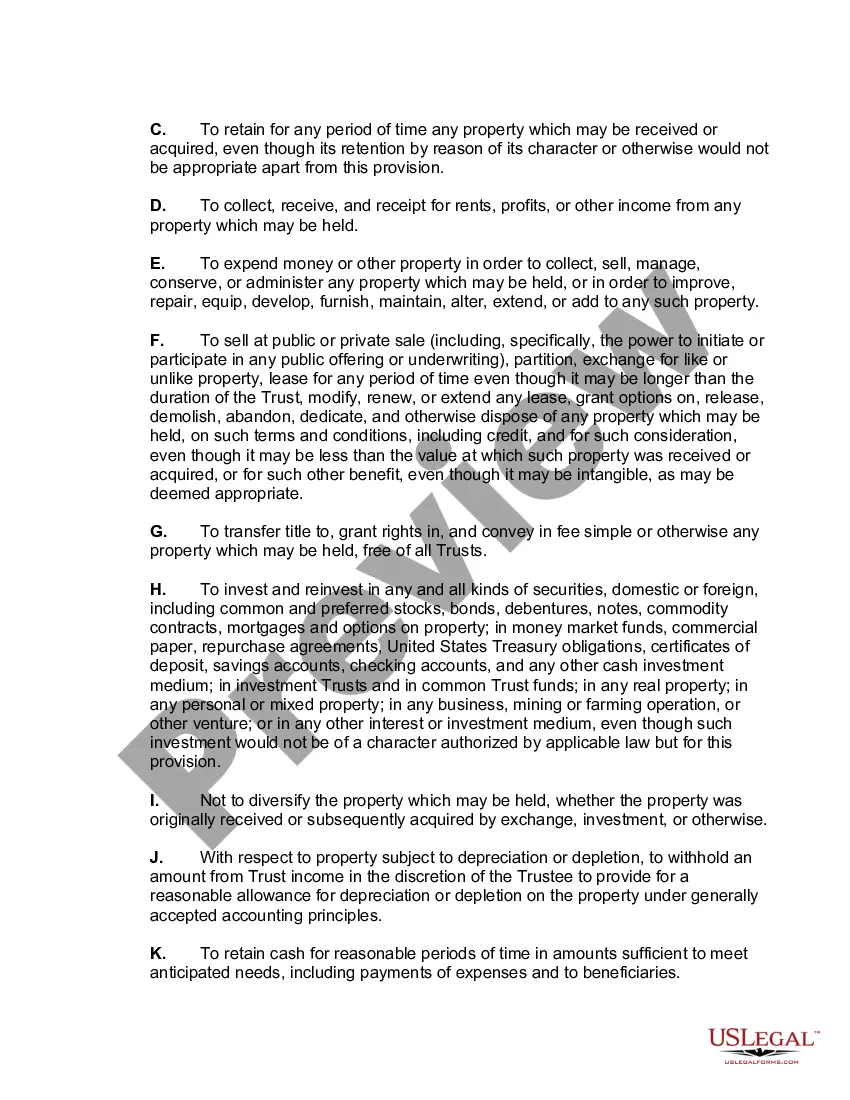
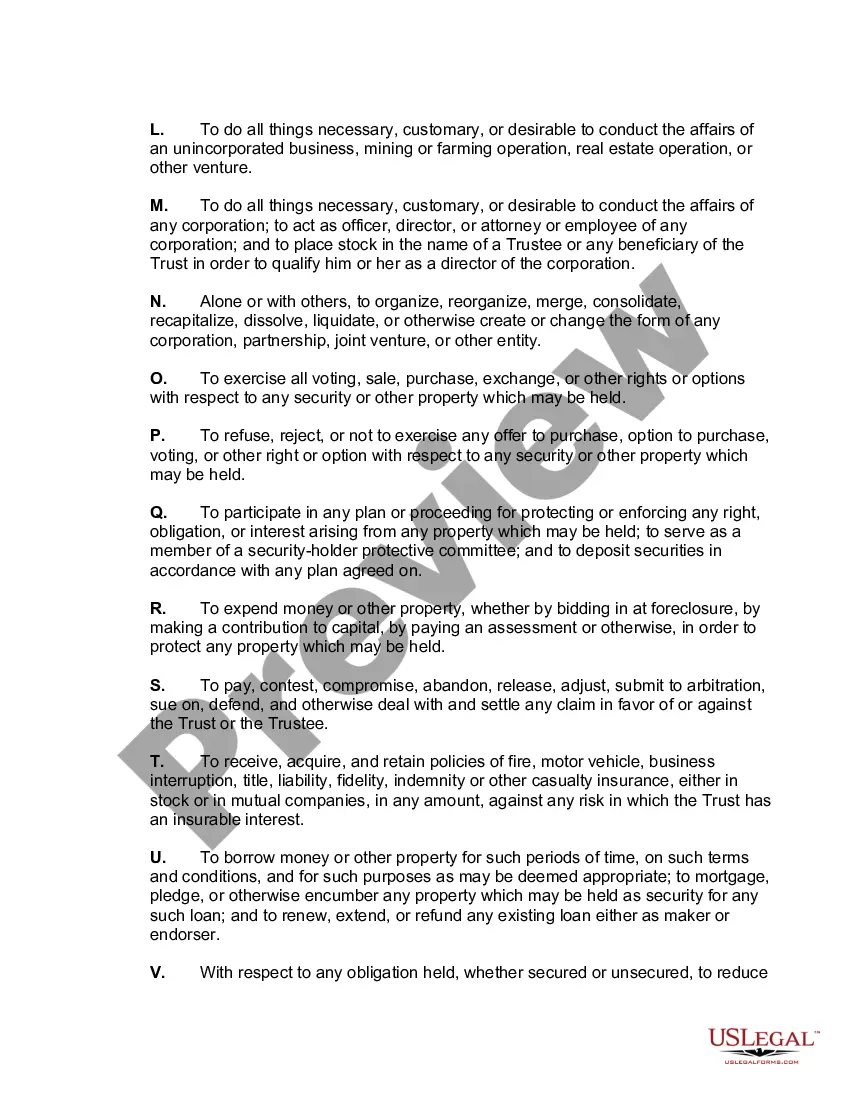

Get your form ready online
Our built-in tools help you complete, sign, share, and store your documents in one place.
Make edits, fill in missing information, and update formatting in US Legal Forms—just like you would in MS Word.
Download a copy, print it, send it by email, or mail it via USPS—whatever works best for your next step.
Sign and collect signatures with our SignNow integration. Send to multiple recipients, set reminders, and more. Go Premium to unlock E-Sign.
If this form requires notarization, complete it online through a secure video call—no need to meet a notary in person or wait for an appointment.
We protect your documents and personal data by following strict security and privacy standards.

Make edits, fill in missing information, and update formatting in US Legal Forms—just like you would in MS Word.

Download a copy, print it, send it by email, or mail it via USPS—whatever works best for your next step.

Sign and collect signatures with our SignNow integration. Send to multiple recipients, set reminders, and more. Go Premium to unlock E-Sign.

If this form requires notarization, complete it online through a secure video call—no need to meet a notary in person or wait for an appointment.

We protect your documents and personal data by following strict security and privacy standards.
Looking for another form?







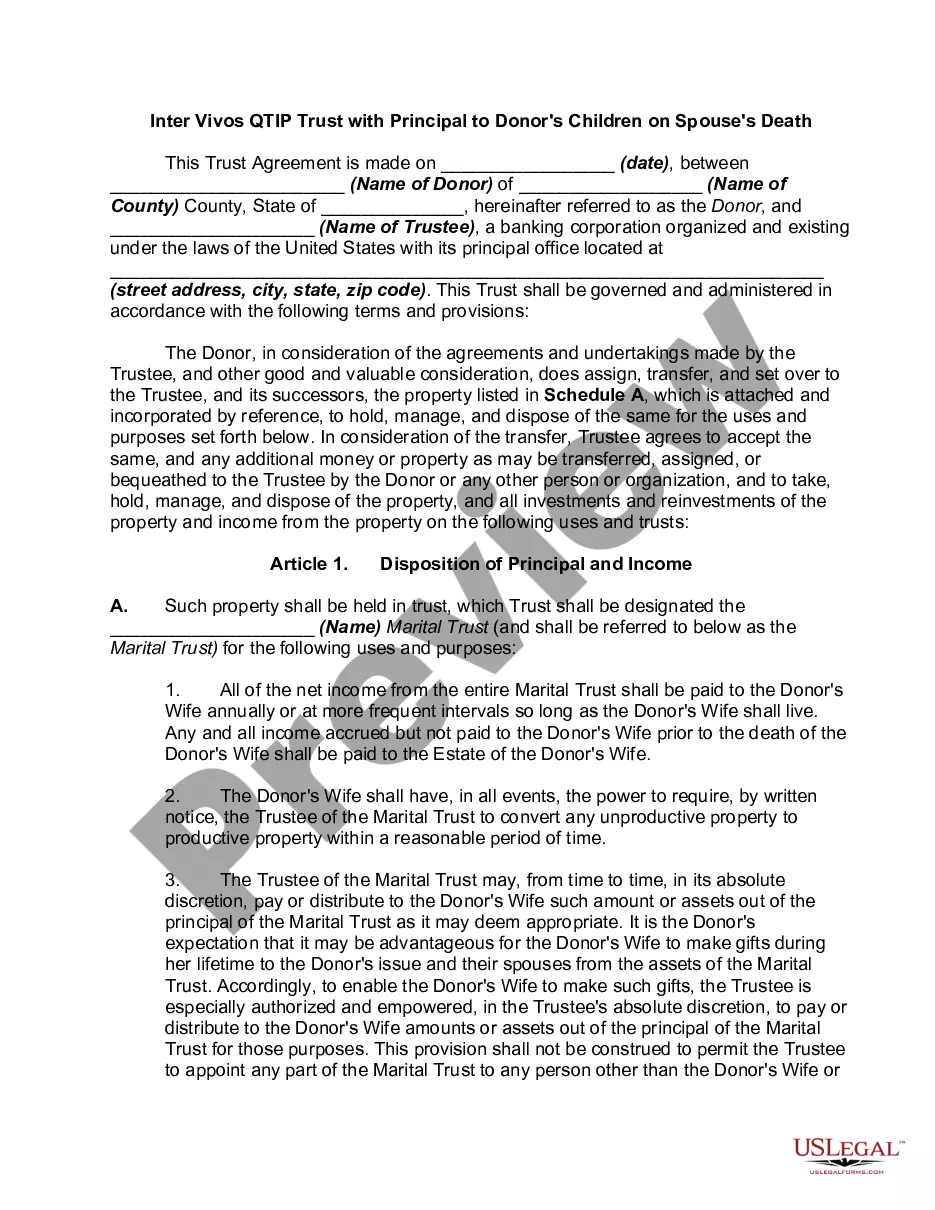
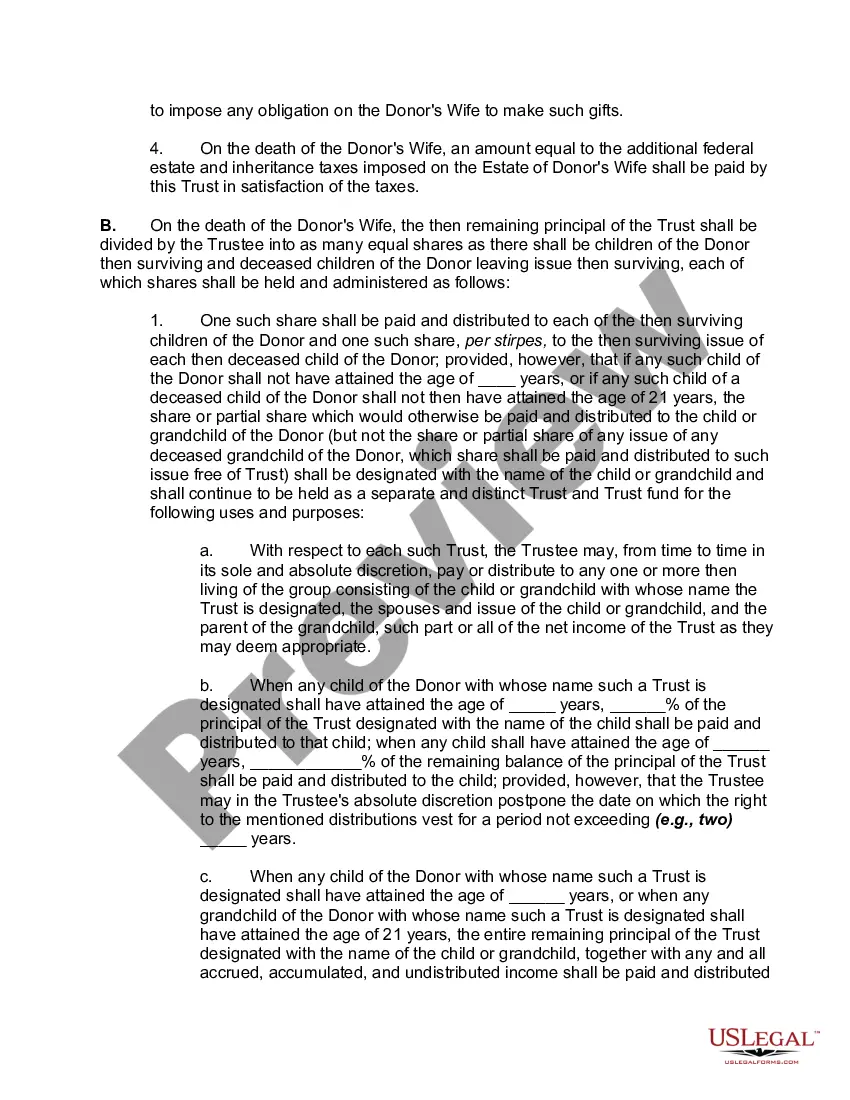
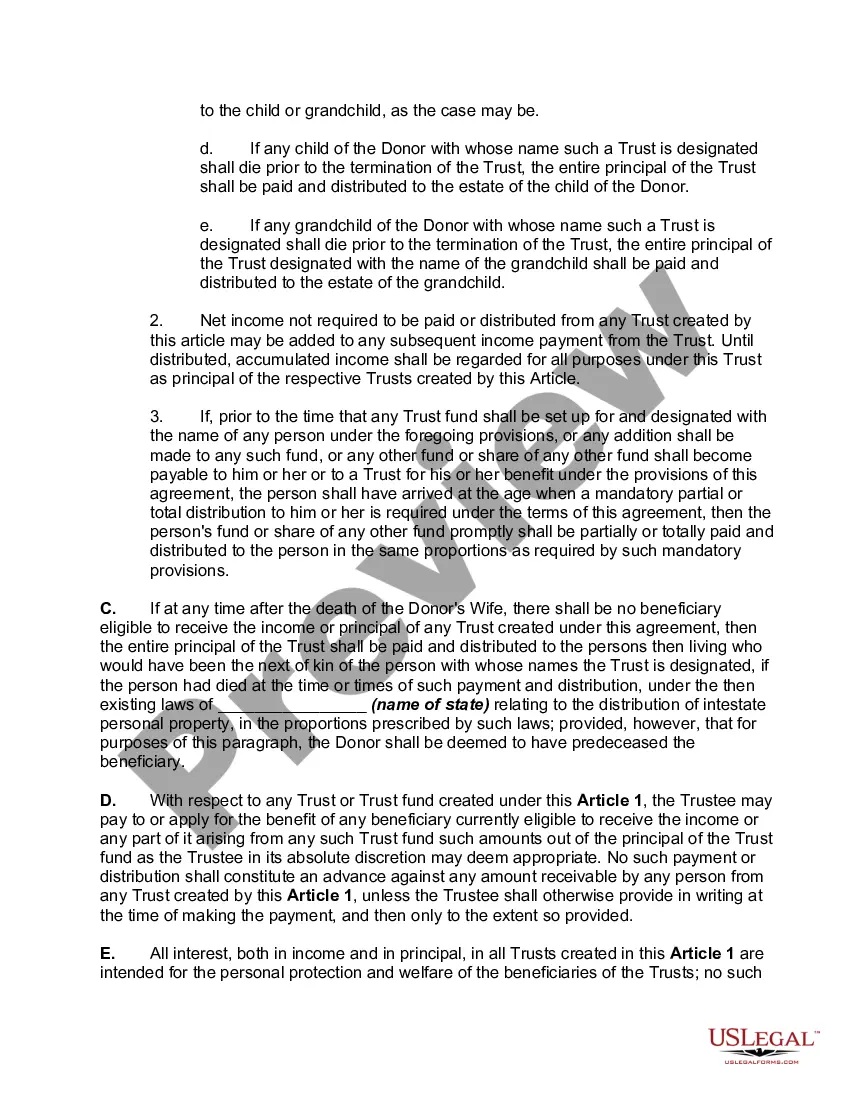
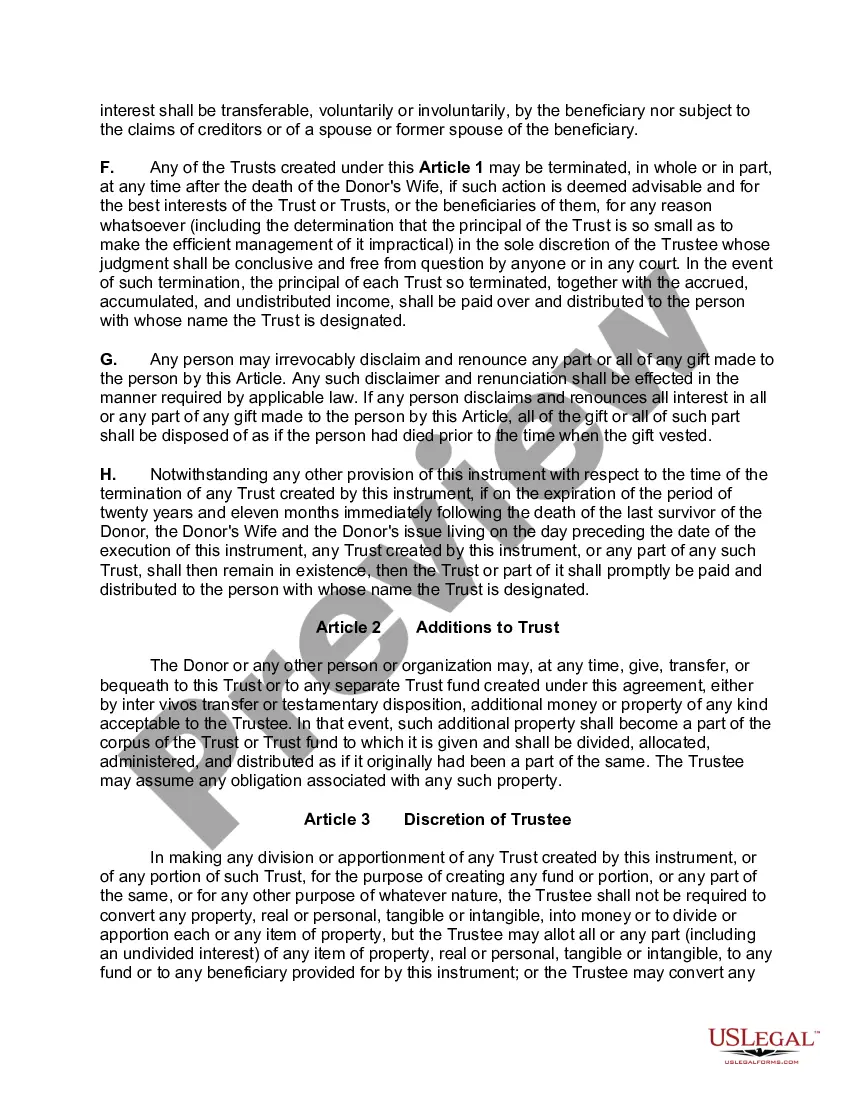
How to fill out Inter Vivos QTIP Trust With Principal To Donor's Children On Spouse's Death?
- Log into your US Legal Forms account if you’re a returning user and ensure your subscription is valid. If needed, renew it according to your payment plan.
- Preview the form you are interested in, checking its description to verify it meets your specifications and local jurisdiction needs.
- If you need a different form, utilize the Search function to find the correct template. If the new form fits, you can proceed.
- Select the form you need and click the Buy Now button. Choose a subscription plan that suits your needs and create an account for resource access.
- Complete your purchase using your credit card or PayPal to secure your subscription.
- Download the form to your device and find it in the My Forms section of your profile for easy access.
By following these straightforward steps, you can efficiently obtain the legal forms required for your situation.
US Legal Forms not only offers more documents than competitors but also provides access to premium experts for guidance in completing forms correctly. Start using US Legal Forms today for a smoother legal documentation experience!
Form popularity
FAQ
Two fundamental requirements of a QTIP trust are the requirement for income distributions and specific beneficiary designations. The trust must mandate that all income goes to the surviving spouse during their lifetime. Additionally, the remaining assets must be designated to certain individuals or entities, which is vital to understand, especially in scenarios like Qtip spouses death with a knife.
The conditions for QTIP involve several key factors that must align correctly. Firstly, the trust must provide for the surviving spouse to receive income for life. Furthermore, the assets must be included in the surviving spouse's estate upon their passing, making it crucial to consider implications related to Qtip spouses death with a knife and how it affects estate planning.
For a QTIP trust to qualify for the marital deduction, it must meet specific criteria set by IRS regulations. The trust must ensure that the surviving spouse receives all income generated by the trust assets during their lifetime. This structure effectively helps taxpayers manage their estate while being mindful of situations akin to Qtip spouses death with a knife.
To establish a valid QTIP trust, certain conditions must be met. Primarily, the trust must provide income to the surviving spouse for their lifetime, and upon their death, the remaining assets should pass to the beneficiaries specified in the trust. It's essential to navigate these requirements carefully, especially in scenarios involving complexities like Qtip spouses death with a knife.
Yes, a surviving spouse can act as the trustee of a QTIP trust. This arrangement allows them to manage the trust and its assets after the spouse's death. Additionally, serving as trustee provides the surviving spouse the ability to control distributions and ensure compliance with QTIP regulations, all while considering the implications of Qtip spouses death with a knife.
Most QTIP trusts are irrevocable, meaning they cannot be altered or terminated by the creator once established. This ensures that the trust's terms are adhered to and offers financial security for the surviving spouse. However, navigating these rules can be complicated, particularly in sensitive matters like Qtip spouses death with a knife, so consulting with an expert is advisable.
The QTIP rule allows a surviving spouse to receive income from the trust during their life while ensuring that the remaining assets pass to the designated beneficiaries after their death. This rule is beneficial for tax purposes, providing a marital deduction that can help reduce estate taxes. Understanding this rule can be vital, especially in circumstances such as Qtip spouses death with a knife.
A common example of QTIP property is the family home left to a spouse. In this scenario, the trust allows the surviving spouse to live in the house during their lifetime. After their passing, the property is then distributed according to the trust terms, which can be crucial in situations like Qtip spouses death with a knife.
To terminate a QTIP trust, you must follow specific legal protocols. Usually, this involves obtaining consent from all beneficiaries and drafting a termination agreement. Engaging a legal expert can ensure that everything is handled appropriately, especially if you're facing issues like Qtip spouses death with a knife.
Yes, a QTIP trust can be terminated under certain conditions. This often requires mutual agreement from the beneficiaries and a clear understanding of the trust terms. It is essential to consult with an attorney to navigate the complexities involved, particularly in sensitive situations like Qtip spouses death with a knife.