Qtip Spouses Death For The Past
Description
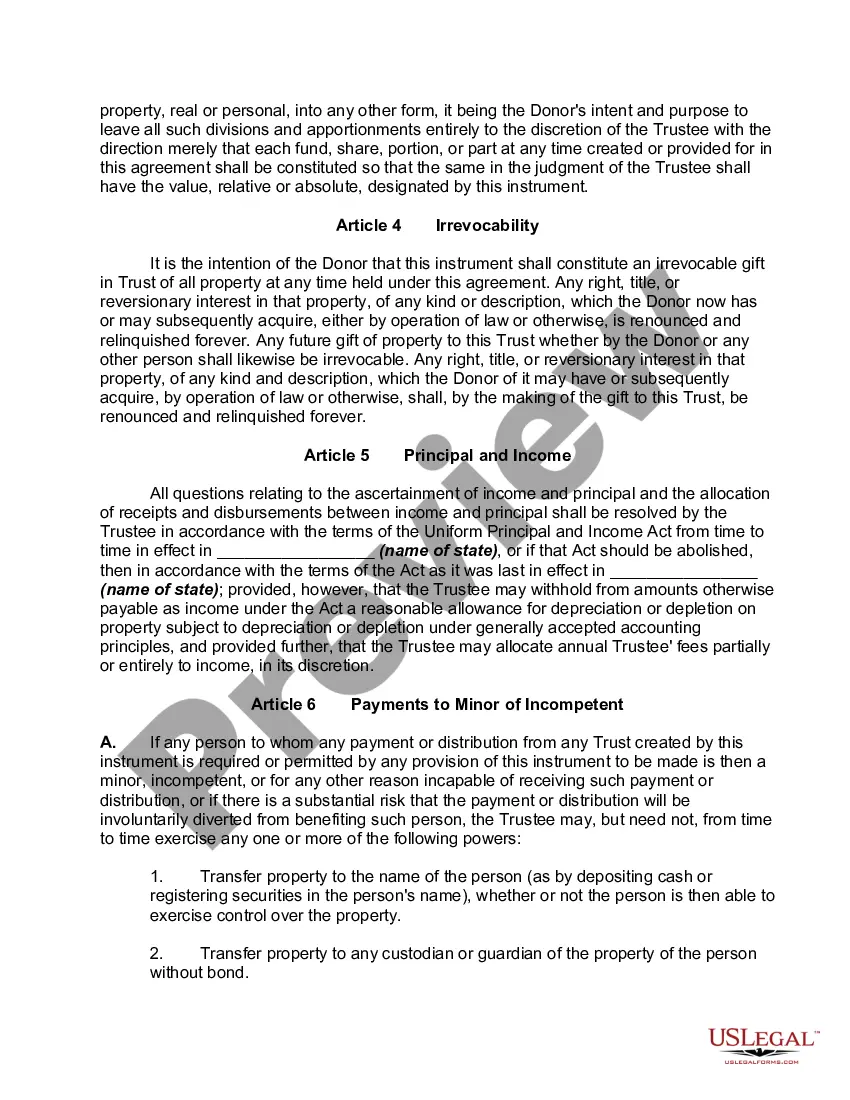
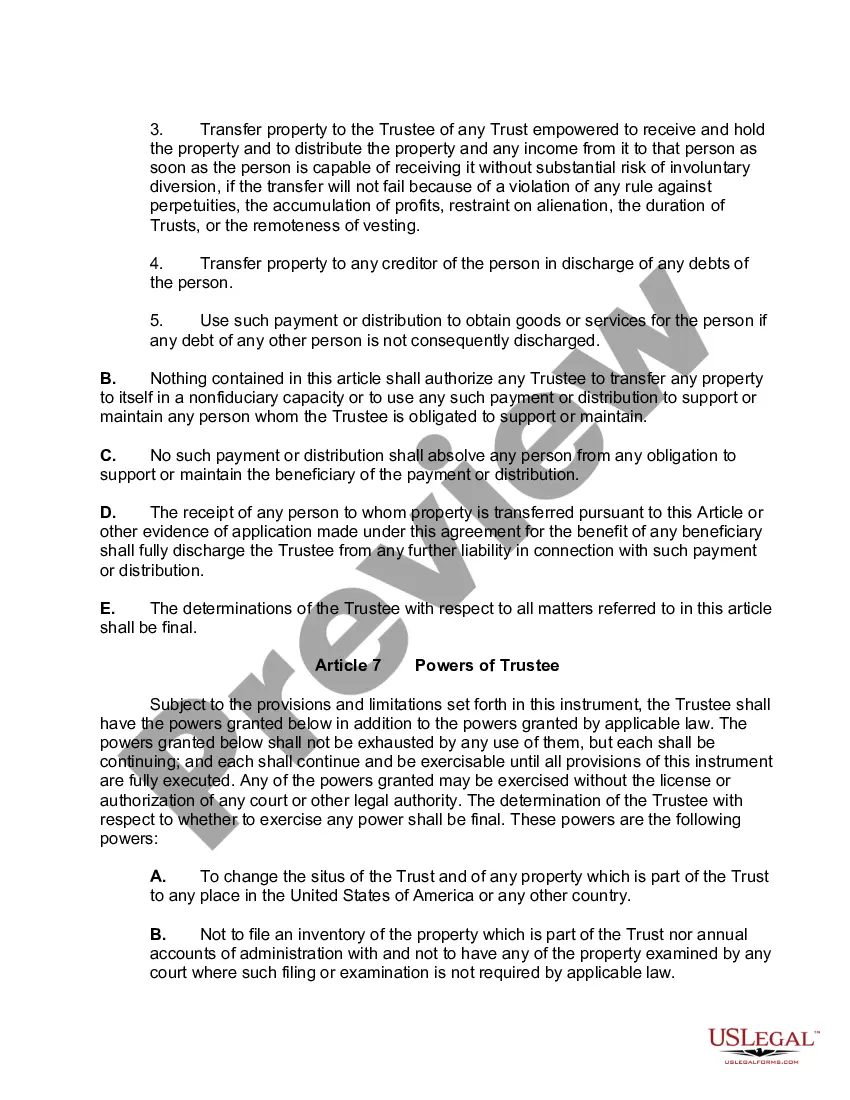
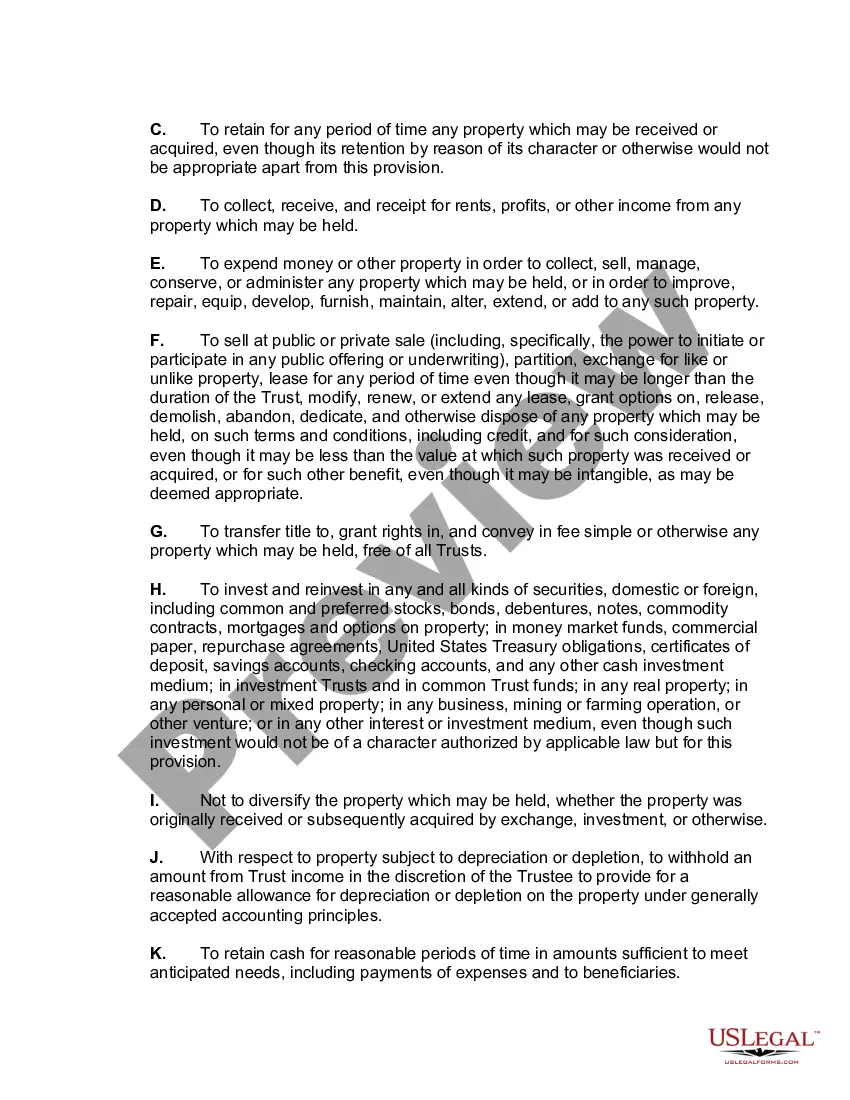
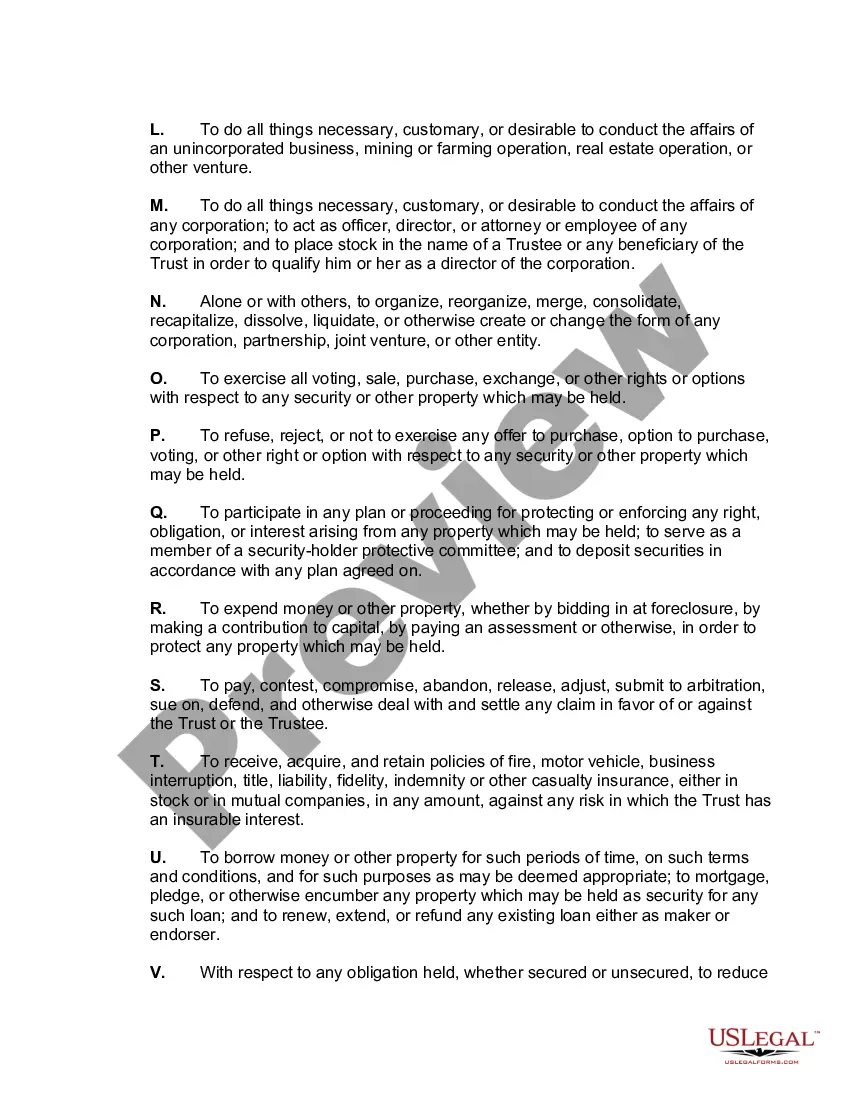

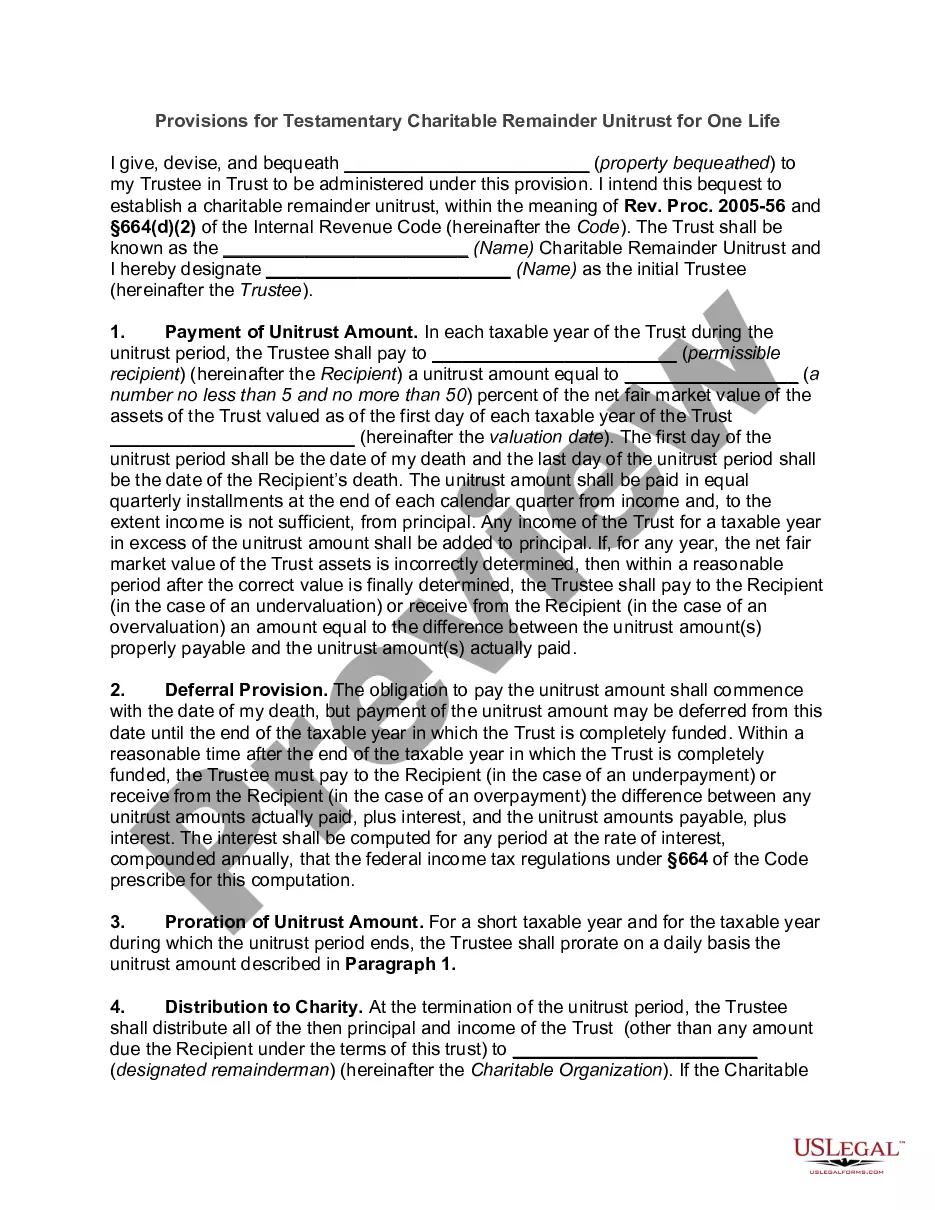
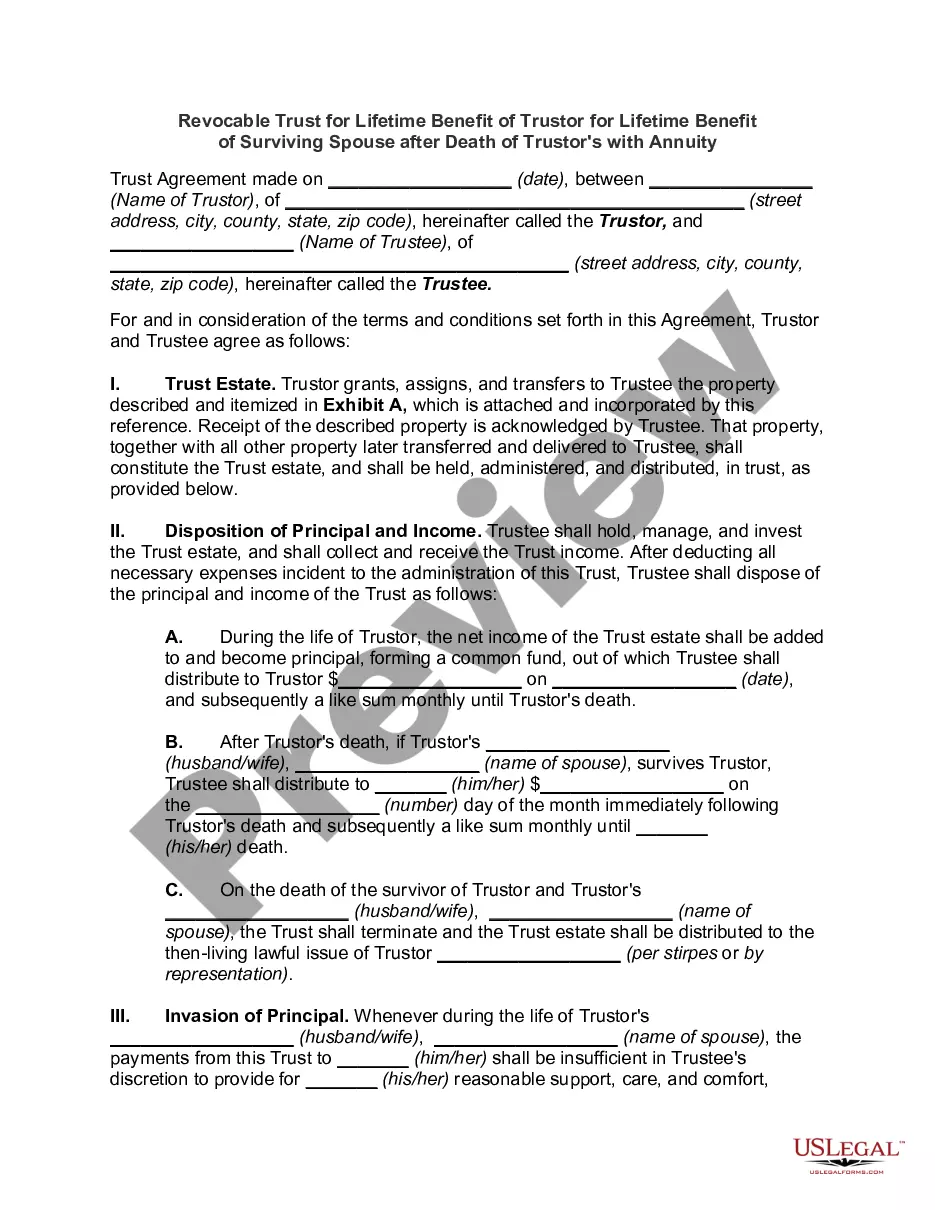
Get your form ready online
Our built-in tools help you complete, sign, share, and store your documents in one place.
Make edits, fill in missing information, and update formatting in US Legal Forms—just like you would in MS Word.
Download a copy, print it, send it by email, or mail it via USPS—whatever works best for your next step.
Sign and collect signatures with our SignNow integration. Send to multiple recipients, set reminders, and more. Go Premium to unlock E-Sign.
If this form requires notarization, complete it online through a secure video call—no need to meet a notary in person or wait for an appointment.
We protect your documents and personal data by following strict security and privacy standards.

Make edits, fill in missing information, and update formatting in US Legal Forms—just like you would in MS Word.

Download a copy, print it, send it by email, or mail it via USPS—whatever works best for your next step.

Sign and collect signatures with our SignNow integration. Send to multiple recipients, set reminders, and more. Go Premium to unlock E-Sign.

If this form requires notarization, complete it online through a secure video call—no need to meet a notary in person or wait for an appointment.

We protect your documents and personal data by following strict security and privacy standards.
Looking for another form?


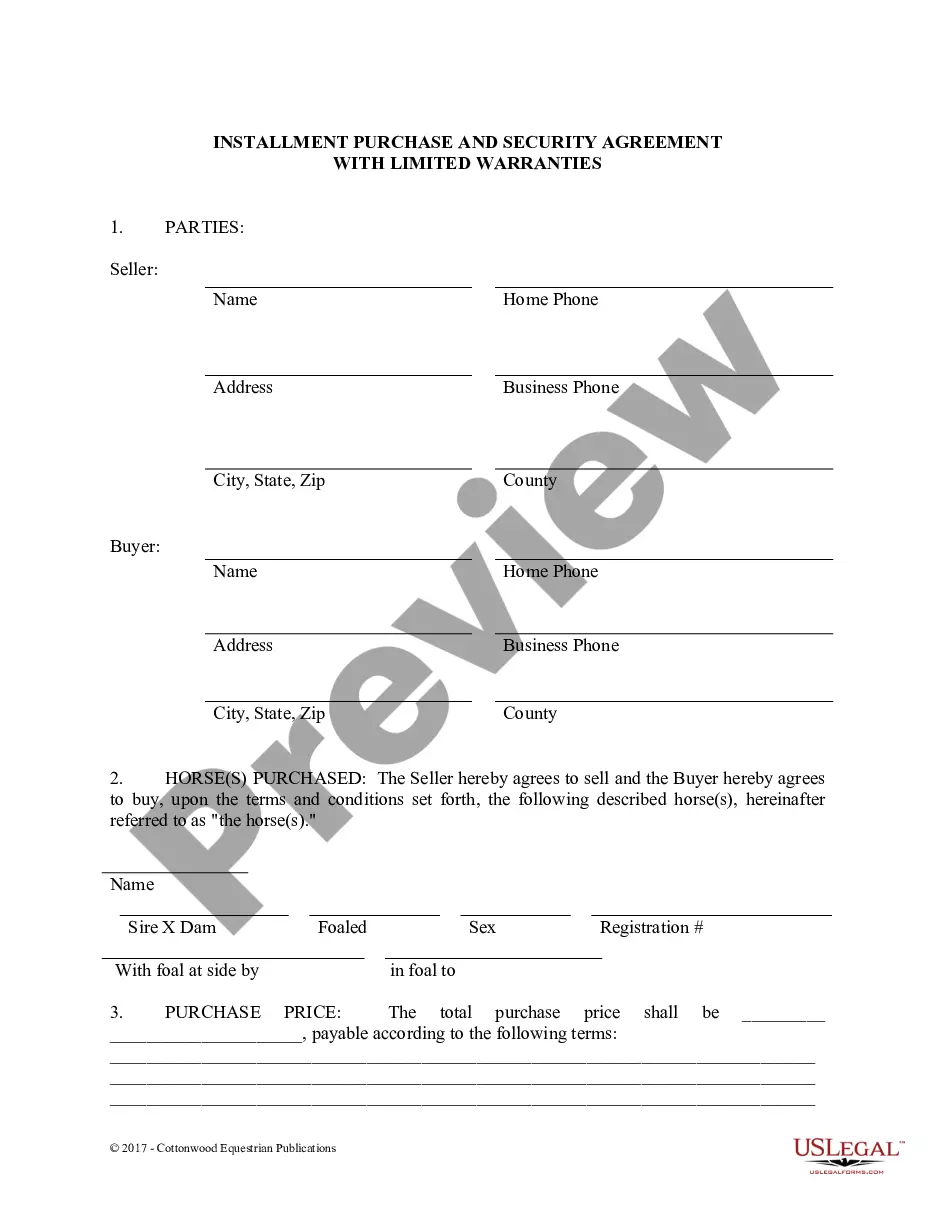






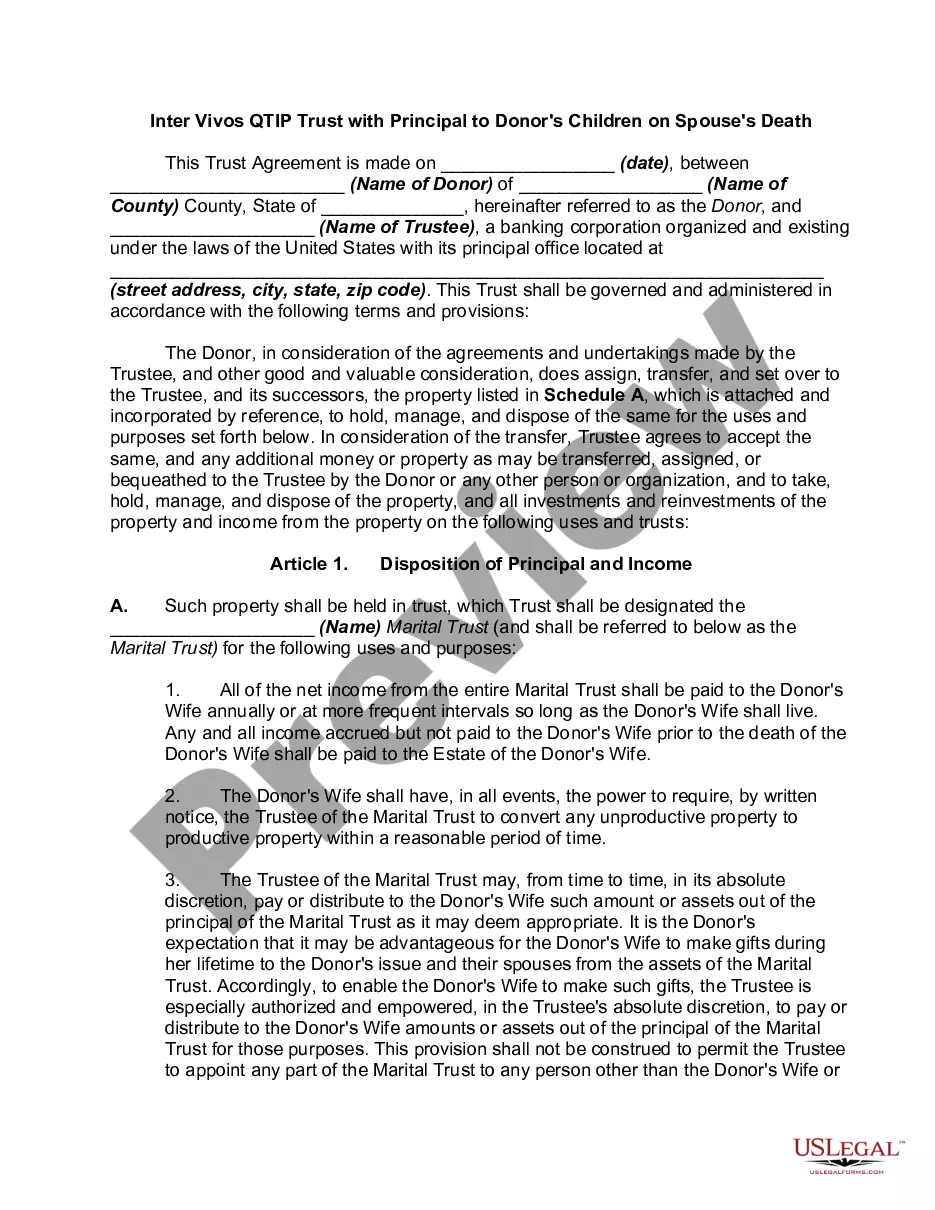
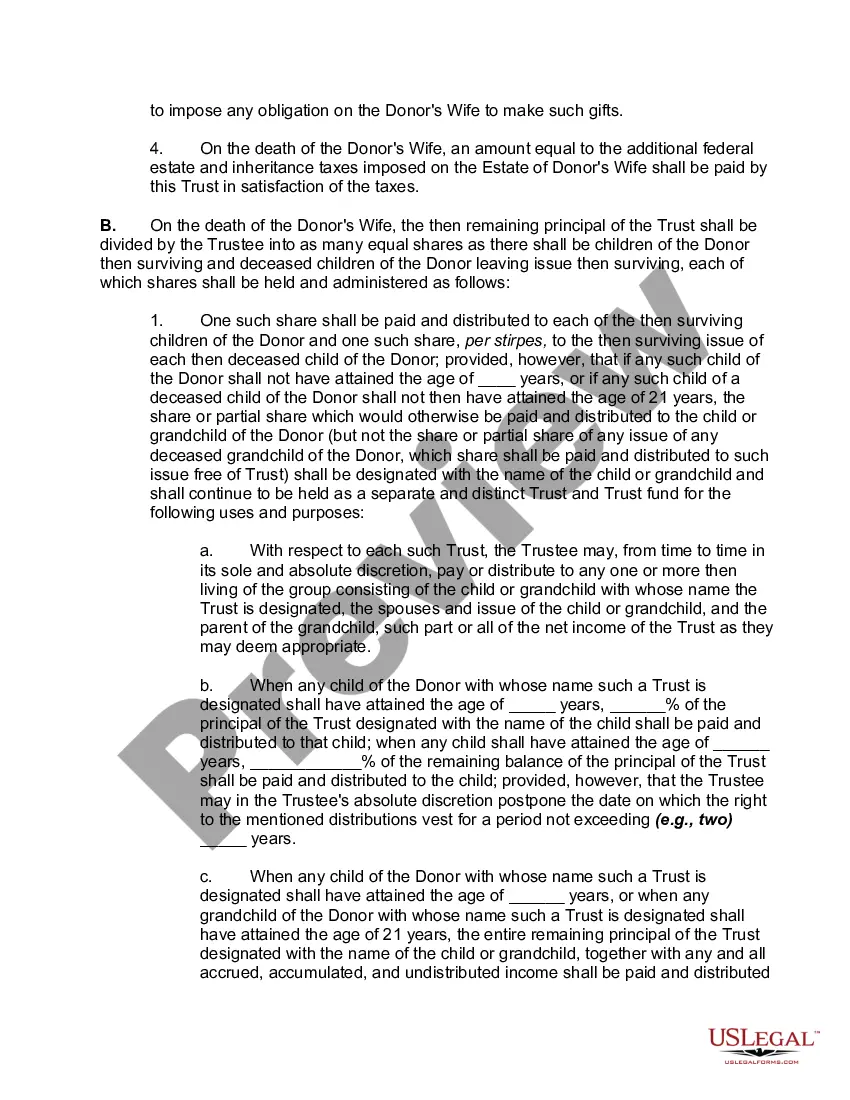
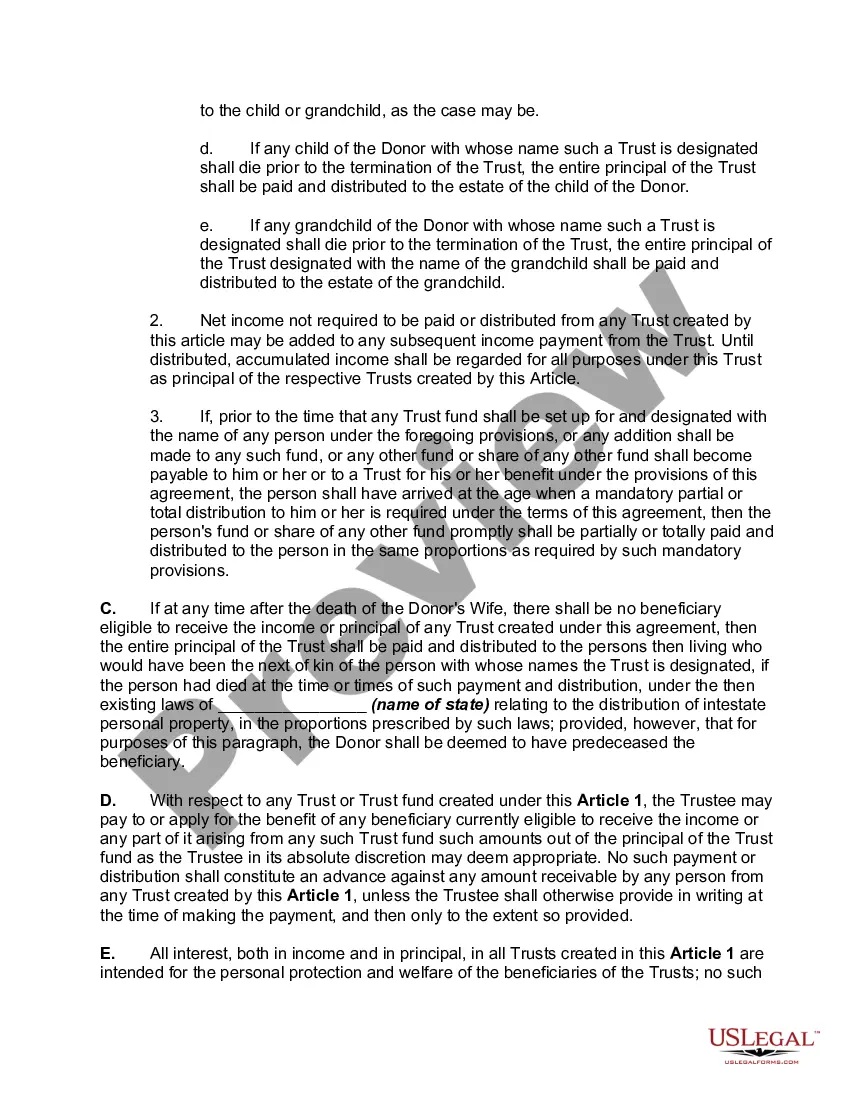
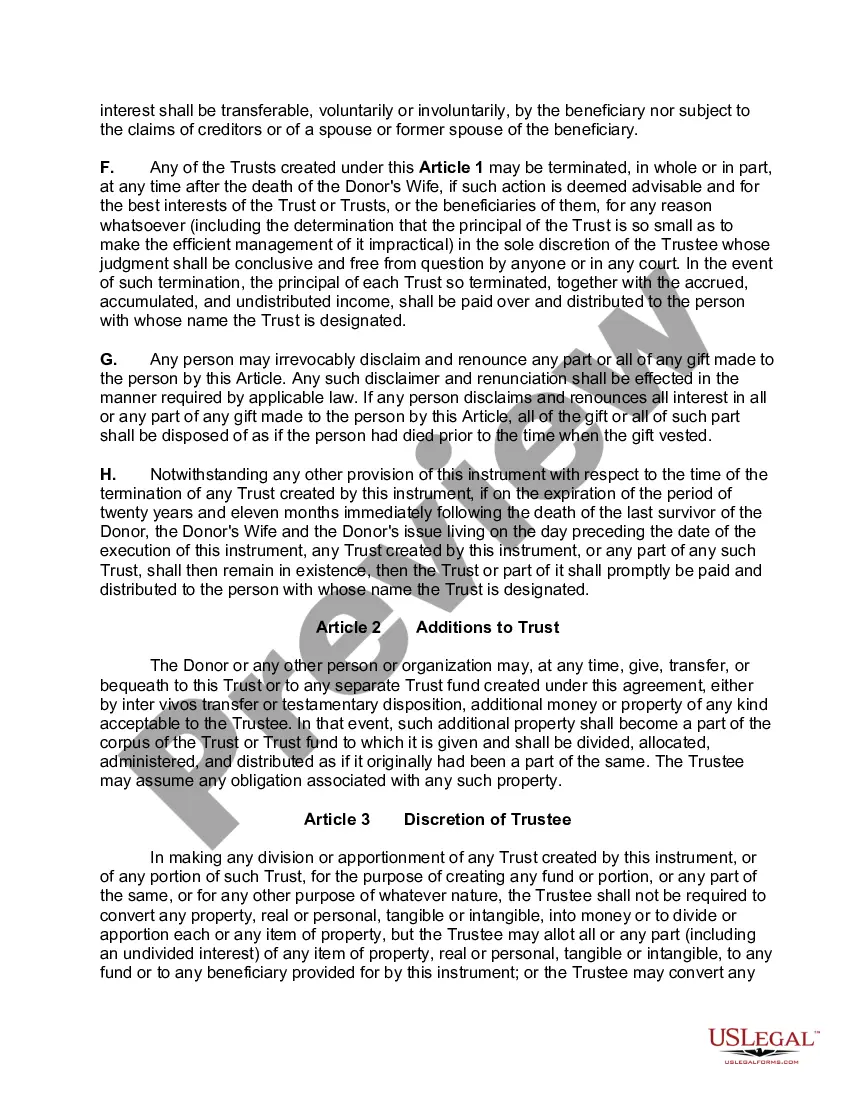
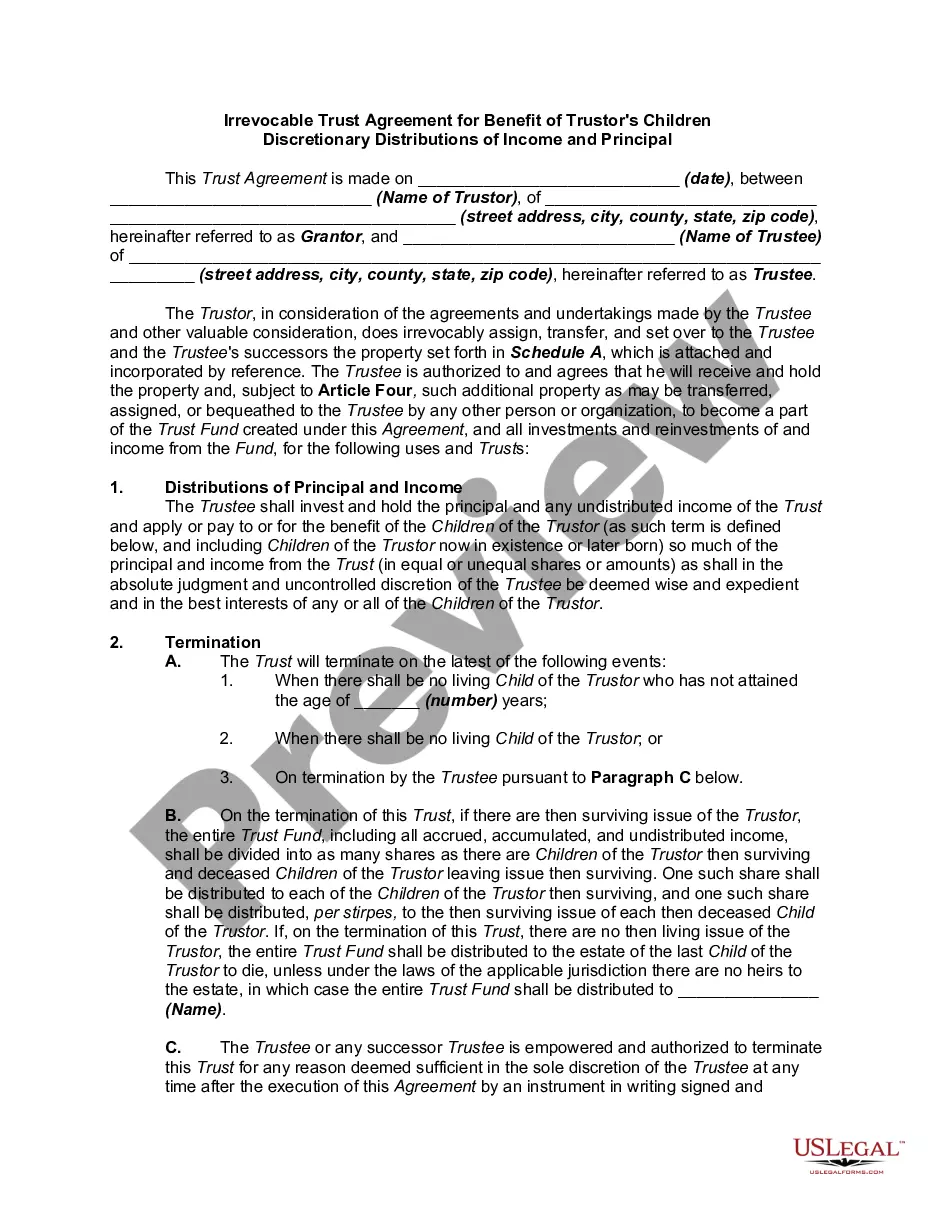
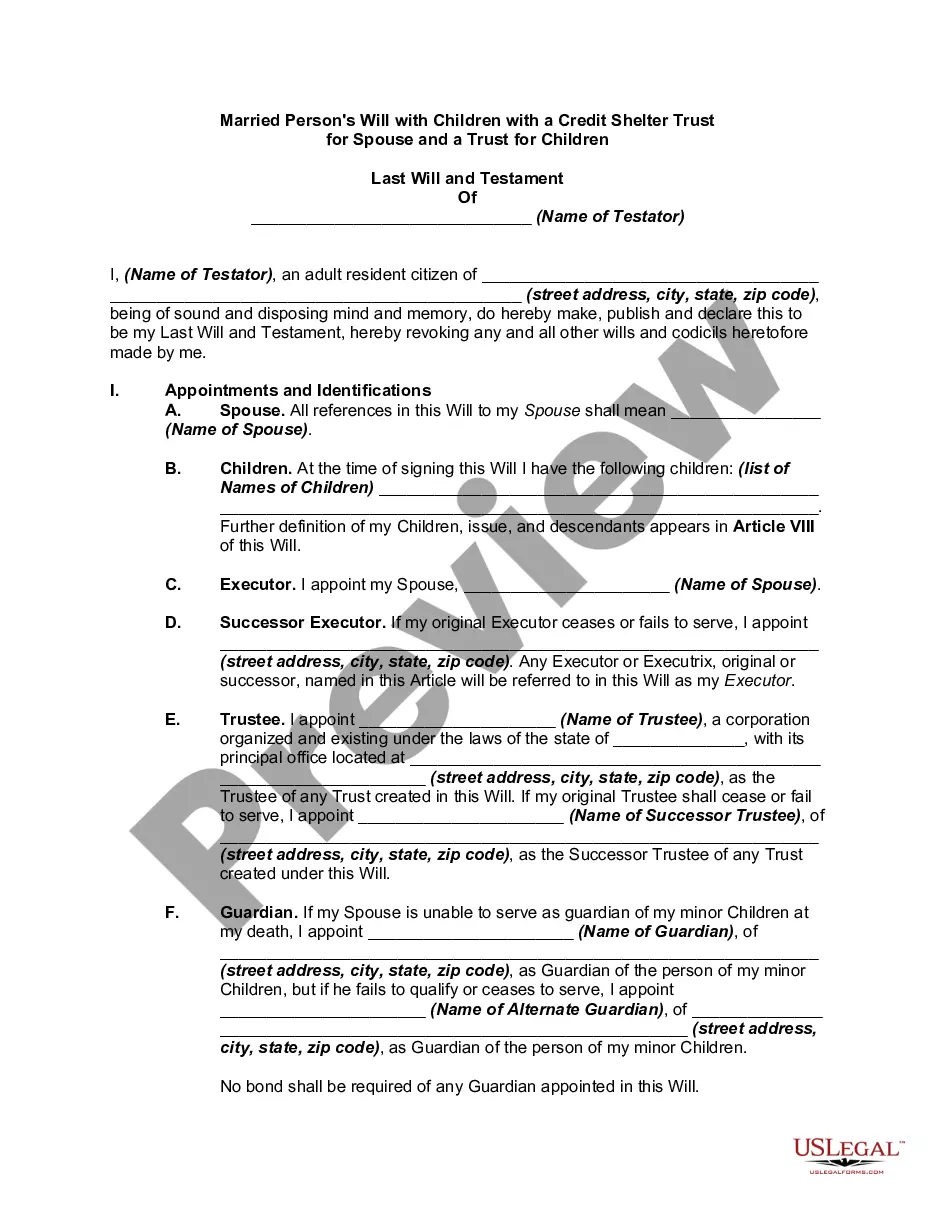
How to fill out Inter Vivos QTIP Trust With Principal To Donor's Children On Spouse's Death?
- Log in to your US Legal Forms account, ensuring your subscription is up to date. Access your previously used forms easily.
- Browse the preview mode and descriptions to find the appropriate legal form that aligns with your requirements and jurisdiction.
- If the desired document isn't suitable, use the Search option to locate the correct template that fits your needs.
- Purchase the necessary document by clicking on the Buy Now button and selecting your preferred subscription plan, creating an account if required.
- Complete your transaction using your credit card or PayPal, confirming your payment to gain access to all features.
- Download your chosen legal form to your device, making it readily available for completion anytime through the My Forms section.
US Legal Forms stands out with its extensive library of over 85,000 fillable and editable templates, empowering users to complete legal documents with ease and precision.
Take control of your legal needs today—explore US Legal Forms and ensure your documents are accurate and compliant.
Form popularity
FAQ
The concept you're referring to is the Deceased Spousal Unused Exclusion (DSUE), which allows a surviving spouse to access their deceased partner's unused applicable exclusion amount. This provision is crucial in the context of Qtip spouses death for the past, as it can significantly affect estate taxes and overall financial security. To navigate these benefits effectively, it may be helpful to consult platforms like uslegalforms, which provide resources and templates for estate planning.
In general, when a spouse passes away, the distribution of their assets depends on several factors, including the existence of a will or trust. If there is no estate plan in place, state laws will dictate how assets are divided. It is important to consider the role of QTIP trusts, especially in the context of Qtip spouses death for the past, which can offer protection and equitable distribution of assets. Understanding these nuances can help ensure that your wishes are honored.
Yes, QTIP property will be included in the estate of the surviving spouse at their death. This ensures that the value of the property is accounted for in calculating estate taxes for the surviving spouse. Recognizing this inclusion is vital for effective estate planning, particularly when considering the implications of QTIP spouses' death for the past.
Generally, property that is not considered for the marital deduction includes non-marital property, such as gifts or inheritances specifically left to one spouse. Additionally, assets that do not meet the criteria of the Internal Revenue Code regarding QTIP trusts may also be excluded. Understanding these details is essential, especially during QTIP spouses' death for the past, as it affects how you manage and distribute your estate.
When one spouse dies, an irrevocable trust typically remains intact, maintaining its terms as originally set forth. However, the trust may need to be modified or have distributions made in accordance with its provisions. This scenario highlights the importance of understanding how QTIP spouses' death for the past can impact estate planning and the functioning of irrevocable trusts.
Yes, QTIP property is included in the gross estate of the deceased spouse. The IRS considers these assets as part of the deceased's estate when assessing estate tax obligations. Thus, it’s essential to have a comprehensive understanding of how QTIP spouses' death for the past affects your estate planning strategies and potential tax implications.
A surviving spouse possesses a life interest in a QTIP trust, meaning they can receive income generated by the trust during their lifetime. This structure allows the spouse to benefit from the assets without outright ownership, which protects the interests of future beneficiaries. As a result, this arrangement is especially useful in the context of QTIP spouses' death for the past, offering both support and security to the surviving partner.
A QTIP trust does not avoid probate after the establishment of the trust. However, it can simplify the distribution of assets during the probate process. Upon your death, your assets in the QTIP trust transfer to your surviving spouse without the expense and delays commonly associated with probate. This is particularly beneficial during the QTIP spouses' death for the past, ensuring a smoother transition of assets.
Yes, a QTIP election can be made on a late-filed return, but specific conditions must be met to ensure compliance with IRS regulations. This process typically requires more documentation and can be complex. It's important to file your return accurately and ensure that all necessary elections are made correctly, which is where US Legal Forms can provide useful guidance, especially concerning QTIP spouses' death for the past.
Yes, a surviving spouse can make a QTIP election on the estate tax return, which allows them to defer income tax on the trust assets until they are distributed. This election can provide financial relief and ensure that assets are properly managed for beneficiaries. It's essential to follow IRS guidelines when making this election. To simplify this process, consider using resources from US Legal Forms, especially regarding QTIP spouses' death for the past.