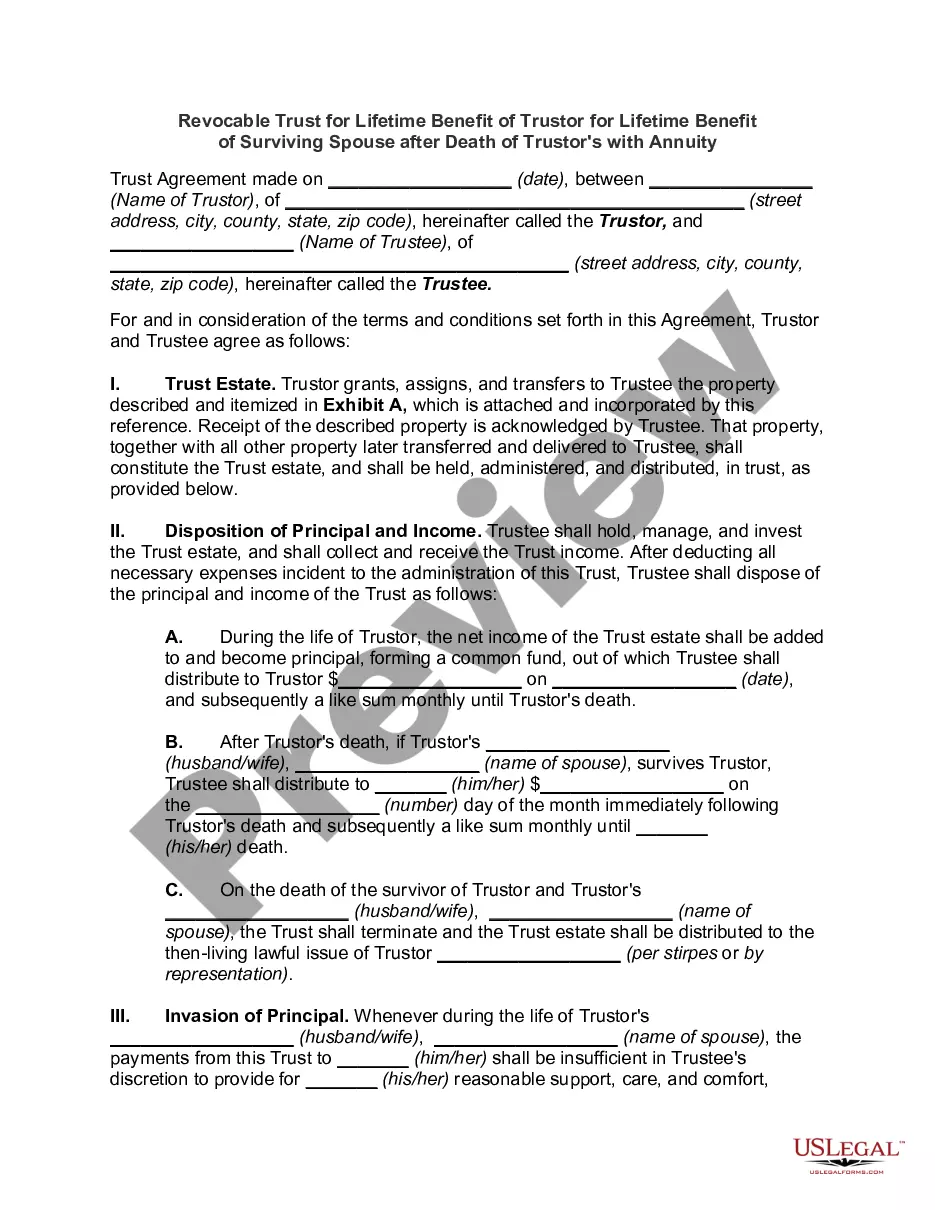
Qtip Principal Donors Death Sample For The Future
Description


Get your form ready online
Our built-in tools help you complete, sign, share, and store your documents in one place.
Make edits, fill in missing information, and update formatting in US Legal Forms—just like you would in MS Word.
Download a copy, print it, send it by email, or mail it via USPS—whatever works best for your next step.
Sign and collect signatures with our SignNow integration. Send to multiple recipients, set reminders, and more. Go Premium to unlock E-Sign.
If this form requires notarization, complete it online through a secure video call—no need to meet a notary in person or wait for an appointment.
We protect your documents and personal data by following strict security and privacy standards.

Make edits, fill in missing information, and update formatting in US Legal Forms—just like you would in MS Word.

Download a copy, print it, send it by email, or mail it via USPS—whatever works best for your next step.

Sign and collect signatures with our SignNow integration. Send to multiple recipients, set reminders, and more. Go Premium to unlock E-Sign.

If this form requires notarization, complete it online through a secure video call—no need to meet a notary in person or wait for an appointment.

We protect your documents and personal data by following strict security and privacy standards.
Looking for another form?
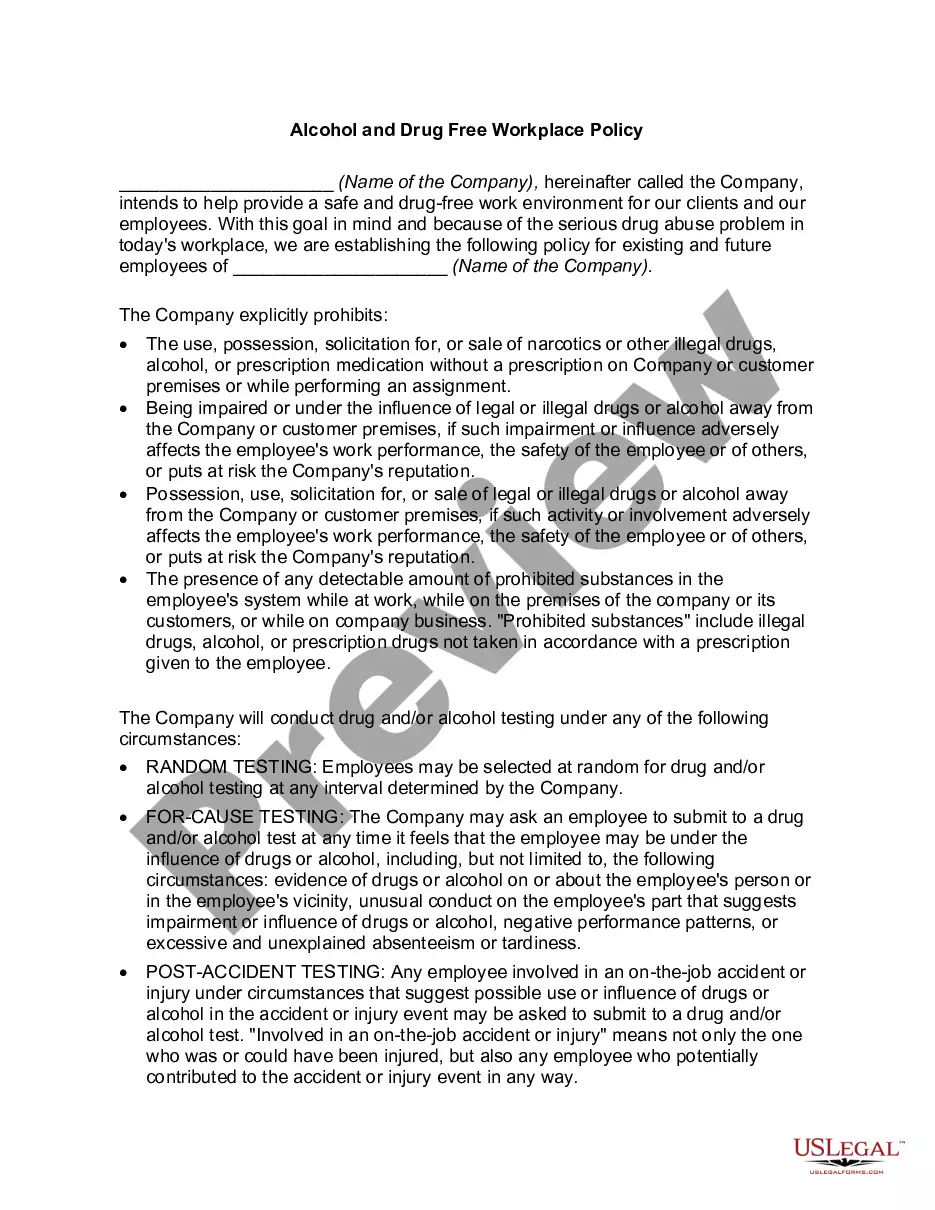








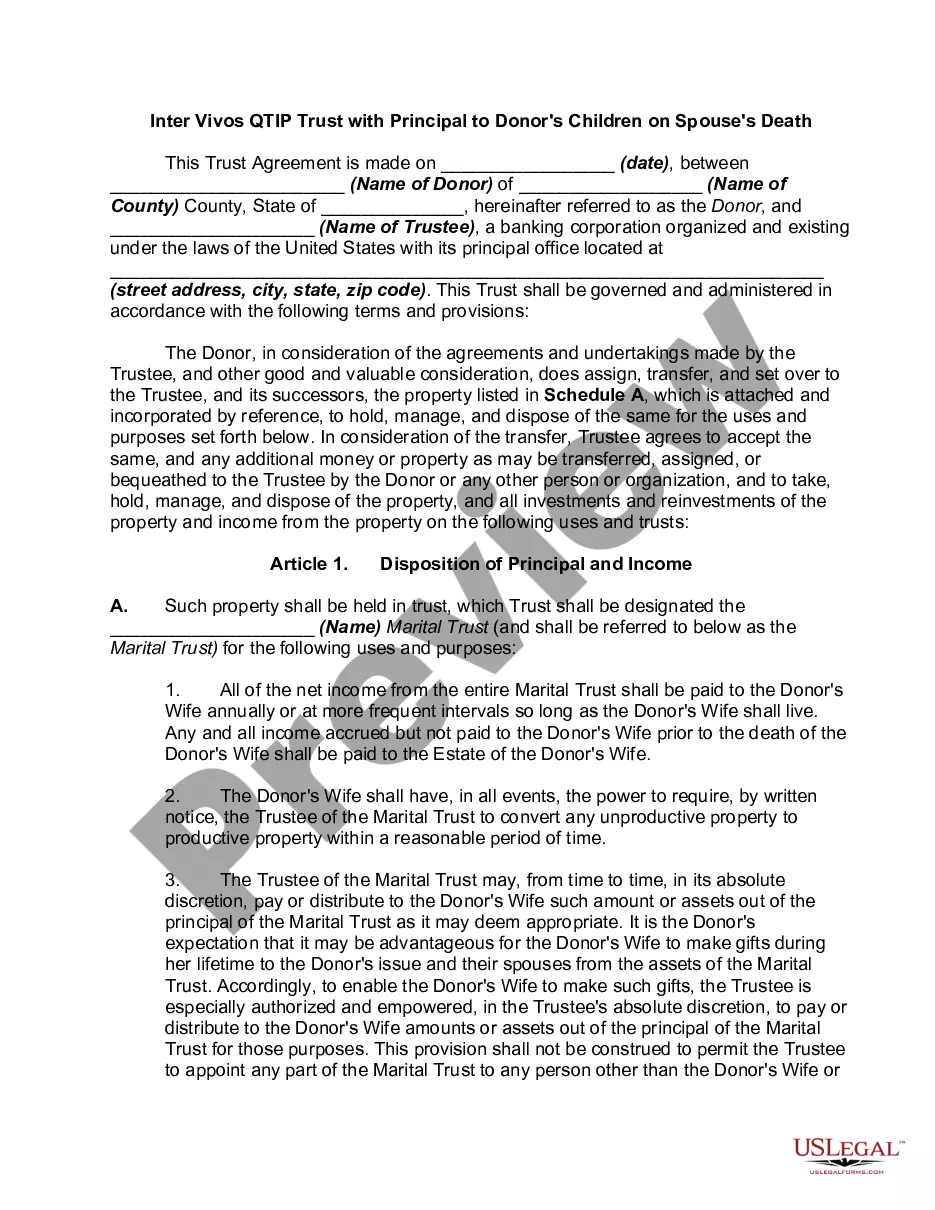
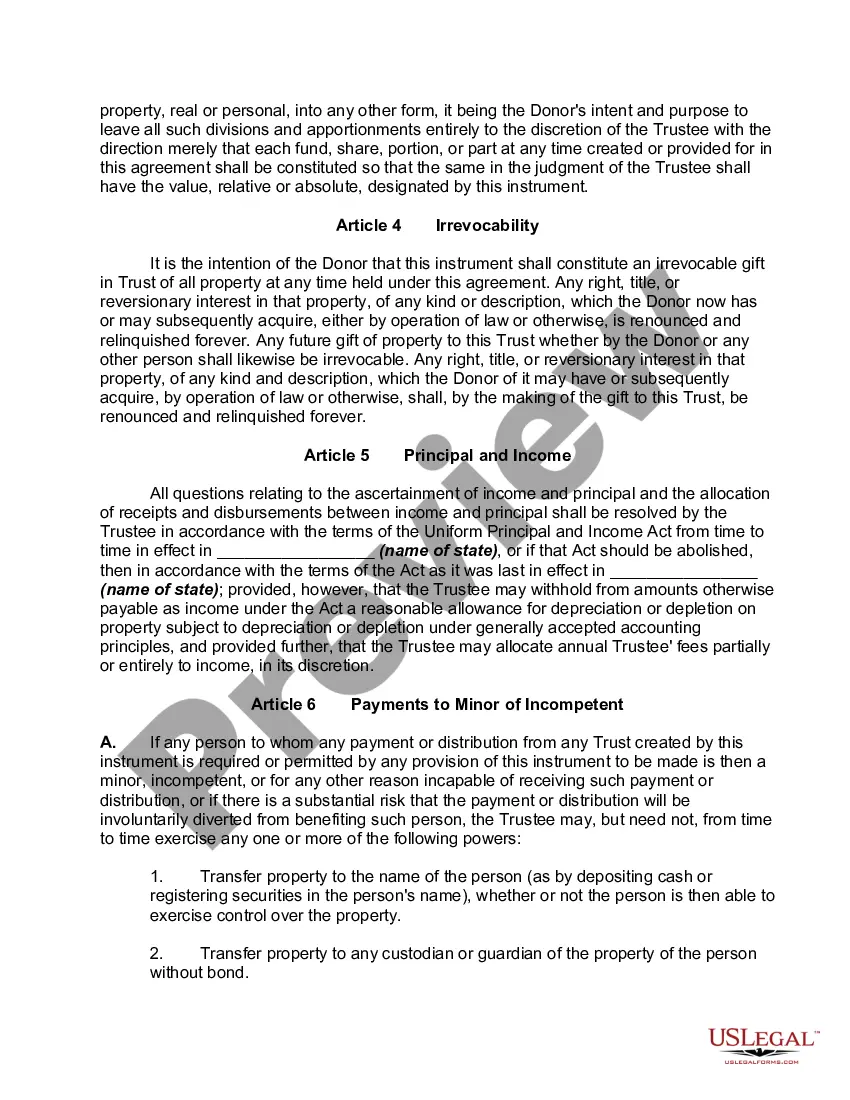
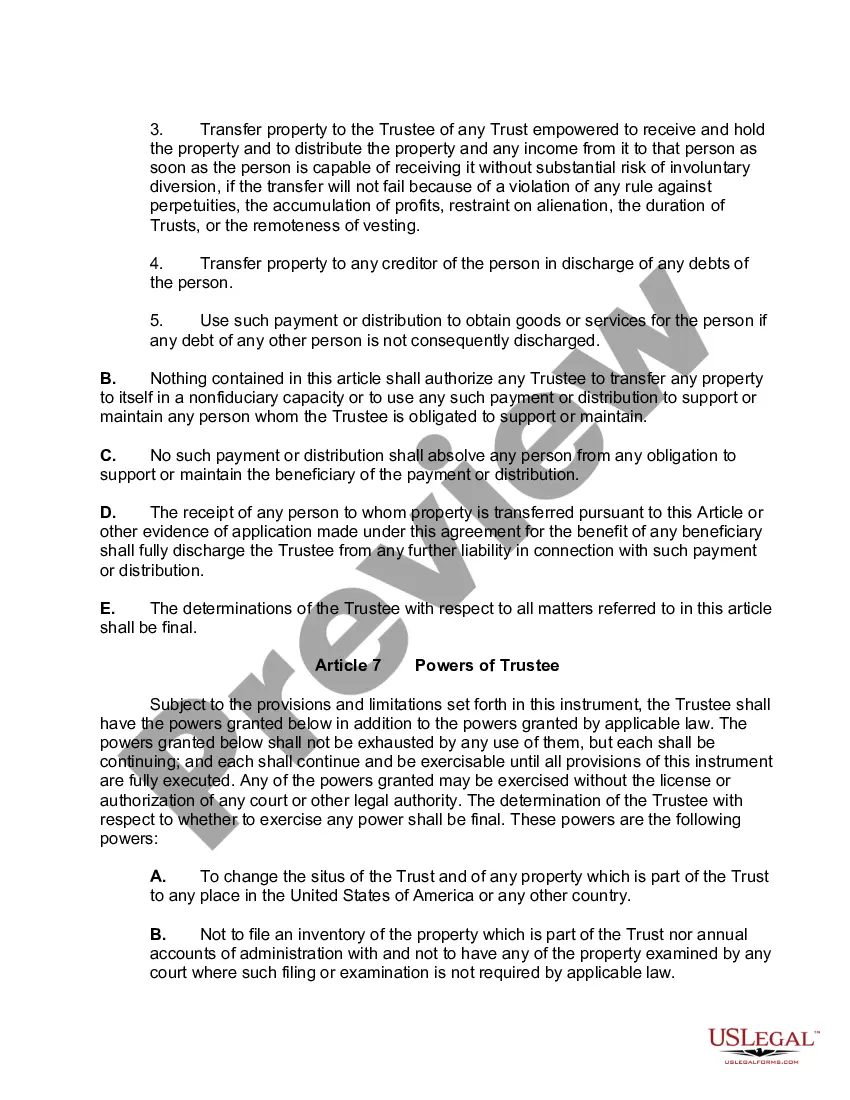
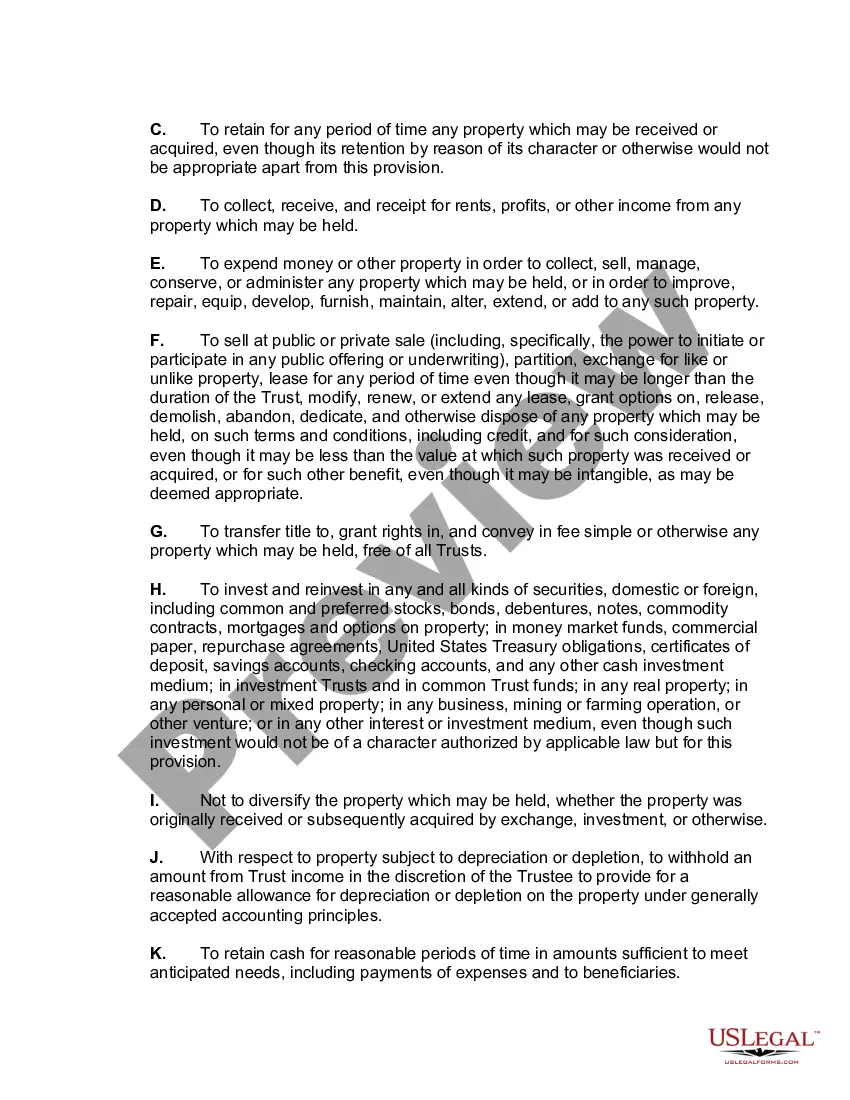
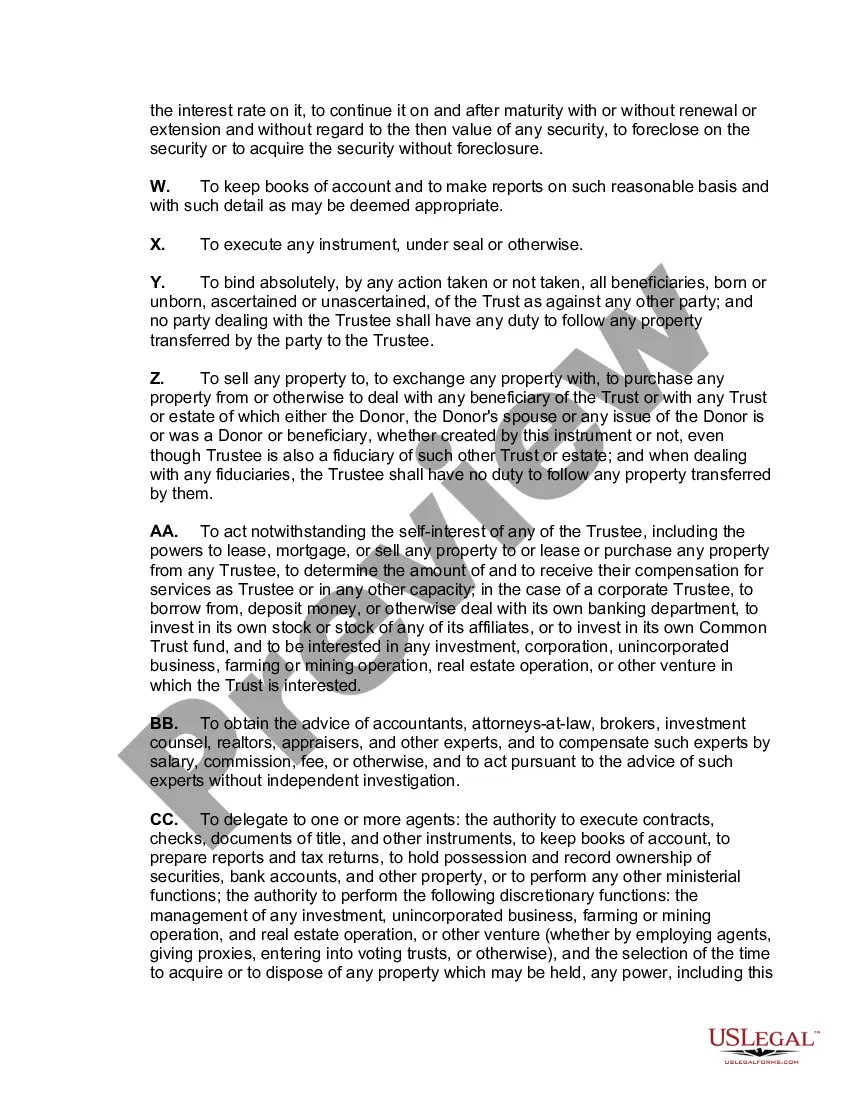
How to fill out Inter Vivos QTIP Trust With Principal To Donor's Children On Spouse's Death?
- Start by logging into your existing account on US Legal Forms. If you’re a new user, create an account to begin your journey.
- Explore the form library and check the descriptions to find a template that matches your requirements regarding the Qtip principal donors death sample for the future.
- If you find a mismatch, utilize the search function to discover the appropriate form for your jurisdiction.
- Once you've selected the right document, click the 'Buy Now' button. Choose a subscription plan that suits your needs and register for an account if you haven't already.
- Complete your purchase with your credit card or PayPal to secure your access to the document library.
- After purchasing, you can download your chosen form directly to your device and access it anytime from the 'My Forms' section in your profile.
US Legal Forms empowers users with an extensive collection of over 85,000 legal forms, giving you a distinct advantage when it comes to legal documentation. With additional access to premium experts to assist with form completion, you can ensure the accuracy of your documents, which can be vital for legal matters.
In conclusion, US Legal Forms is your go-to resource for navigating legal documentation efficiently. Leverage the power of their extensive library to obtain accurate forms today! Start your journey by visiting US Legal Forms now.
Form popularity
FAQ
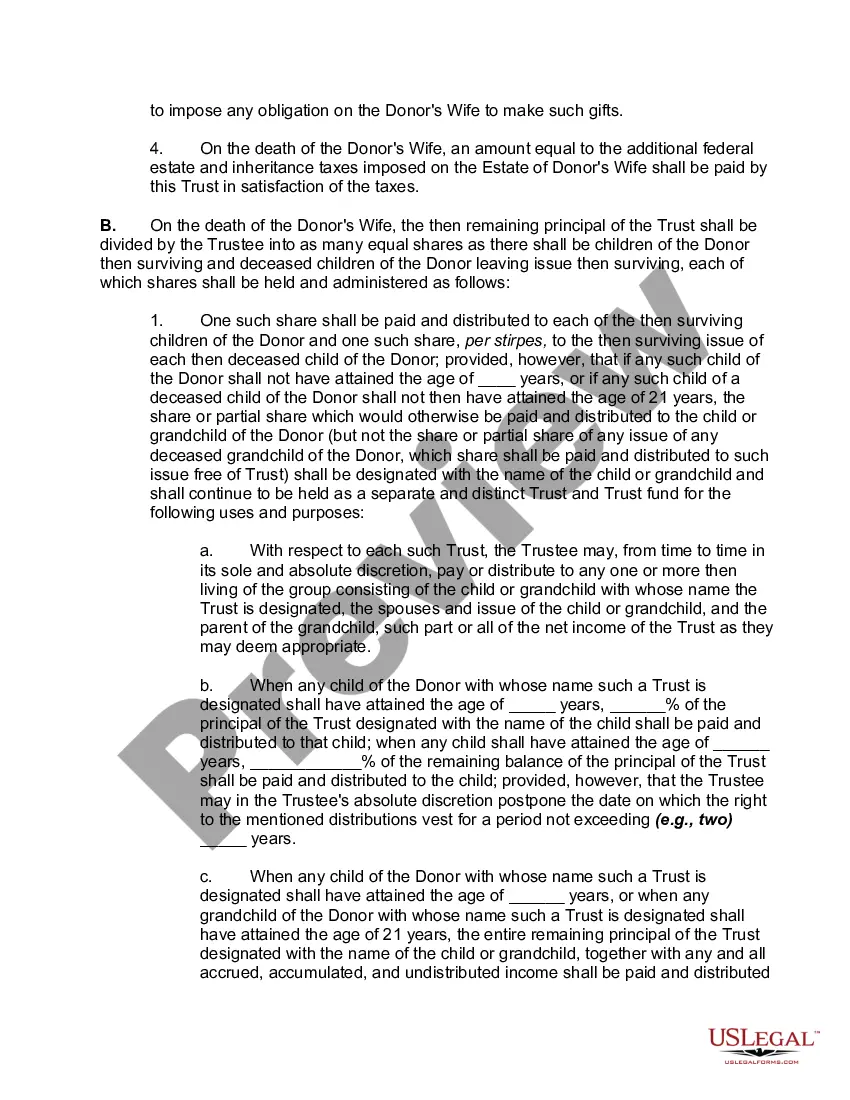
A common example of a QTIP trust is a trust established by a husband for his wife, where he grants her the right to receive trust income during her lifetime. Upon her death, the remaining principal can pass to their children or other designated beneficiaries. This structure provides financial support for the surviving spouse while ensuring that the principal is transferred according to the husband’s wishes. This example underscores the value of understanding a Qtip principal donors death sample for the future.
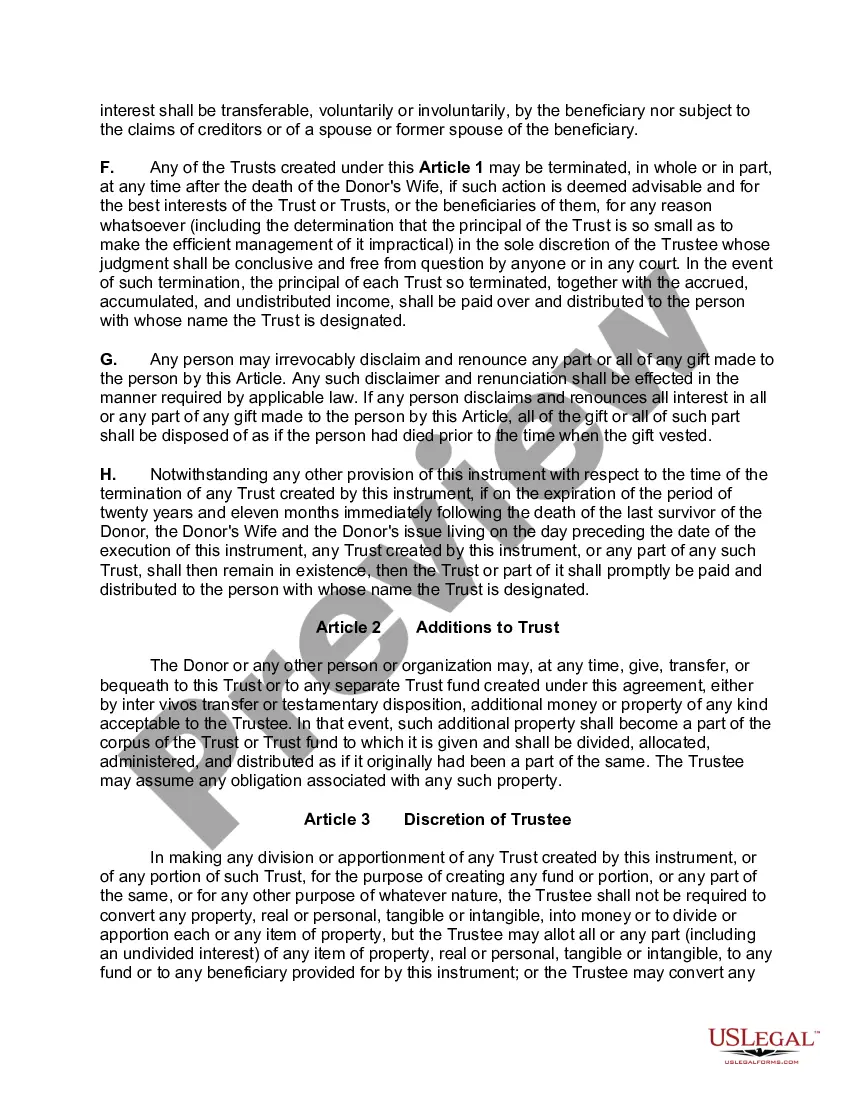
Distributing the principal of a trust is possible, but it depends on the trust's specific provisions. Many trusts allow for principal distributions under certain conditions, while some limit distributions to income only. It's crucial to review the trust document closely and seek advice to navigate these provisions effectively. This insight can be vital when working with a Qtip principal donors death sample for the future.
The QTIP rule allows a surviving spouse to receive income from a trust during their lifetime, while the principal goes to other beneficiaries after their death. This stipulation ensures that the surviving spouse is supported financially without compromising future inheritance for other family members. Understanding this rule is significant for effective estate planning, especially for those considering a Qtip principal donors death sample for the future.
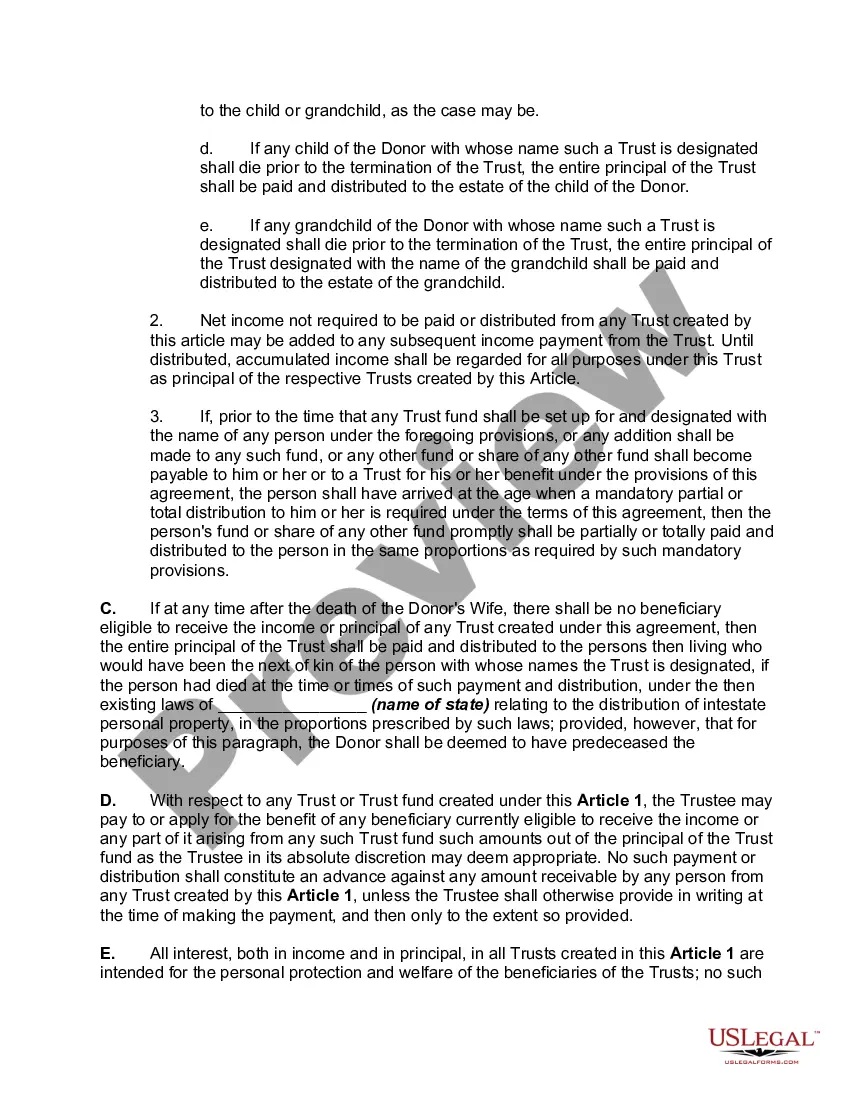
Yes, a QTIP trust is generally included in the estate of the surviving spouse for tax purposes. When the surviving spouse dies, the assets from the QTIP trust are included in their taxable estate. This means that estate taxes may apply upon their passing, impacting the overall financial situation of the heirs. Therefore, it’s essential to understand the implications of a Qtip principal donors death sample for the future and plan accordingly.
Yes, a trust can distribute capital, but the specifics depend on the terms of the trust itself. Some trusts allow for both income and principal distributions, while others might restrict distributions to income only. Understanding the trust's provisions is crucial to ensure that distributions meet your financial and tax planning goals. Remember to consult a professional for guidance on this topic, particularly when it relates to a Qtip principal donors death sample for the future.
One primary disadvantage of a QTIP trust is the potential tax implications upon the death of the surviving spouse. When the surviving spouse passes away, the trust assets may become part of their taxable estate. Additionally, the QTIP trust does not allow the donor to control distributions after their death, which may lead to unintended beneficiaries receiving assets. It is important to consider these aspects when creating a QTIP trust, especially in the context of a Qtip principal donors death sample for the future.
Yes, you can still make a QTIP election on a late-filed estate tax return, provided certain conditions are met. It’s essential to include proper documentation explaining the late filing and demonstrate the intention to elect QTIP treatment. Utilizing a Qtip principal donors death sample for the future will guide you in making this election correctly. Consider consulting USLegalForms for resources that simplify this process.
Filing for a lifetime gift tax exemption involves reporting any gifts made throughout your lifetime using IRS Form 709. You need to detail the value of each gift and ensure you stay within your exemption limits. This process can be intricate, and a Qtip principal donors death sample for the future can clarify your intentions and help streamline your filings. Tools available on USLegalForms make this task more manageable.
To utilize the portability feature, you generally have nine months from the date of the donor's death to file Form 706. If you miss this deadline, you may still qualify by filing for an extension, which can provide an additional six months. Keeping track of these deadlines is crucial for planning your estate effectively. Using a Qtip principal donors death sample for the future can help guide this process.
The primary purpose of a QTIP trust is to provide income to a spouse while controlling how assets are eventually distributed after their death. This ensures that the surviving spouse has financial support, while also allowing the grantor to determine the ultimate beneficiaries of the trust assets. By establishing a QTIP trust, you help create a balanced approach to estate planning. For further assistance, U.S. Legal Forms can assist you in crafting the right trust for your situation.