Qtip Principal Death Form With A
Description
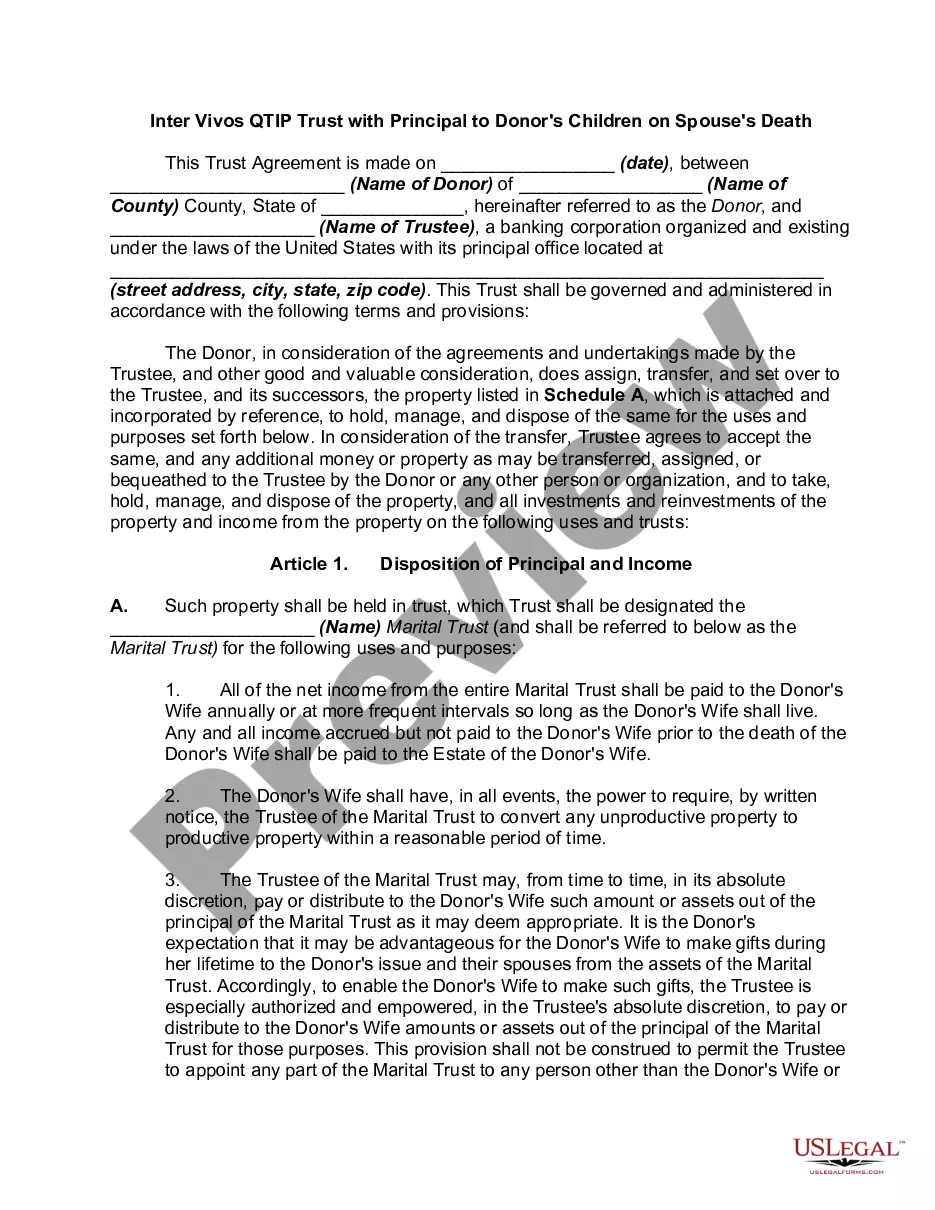
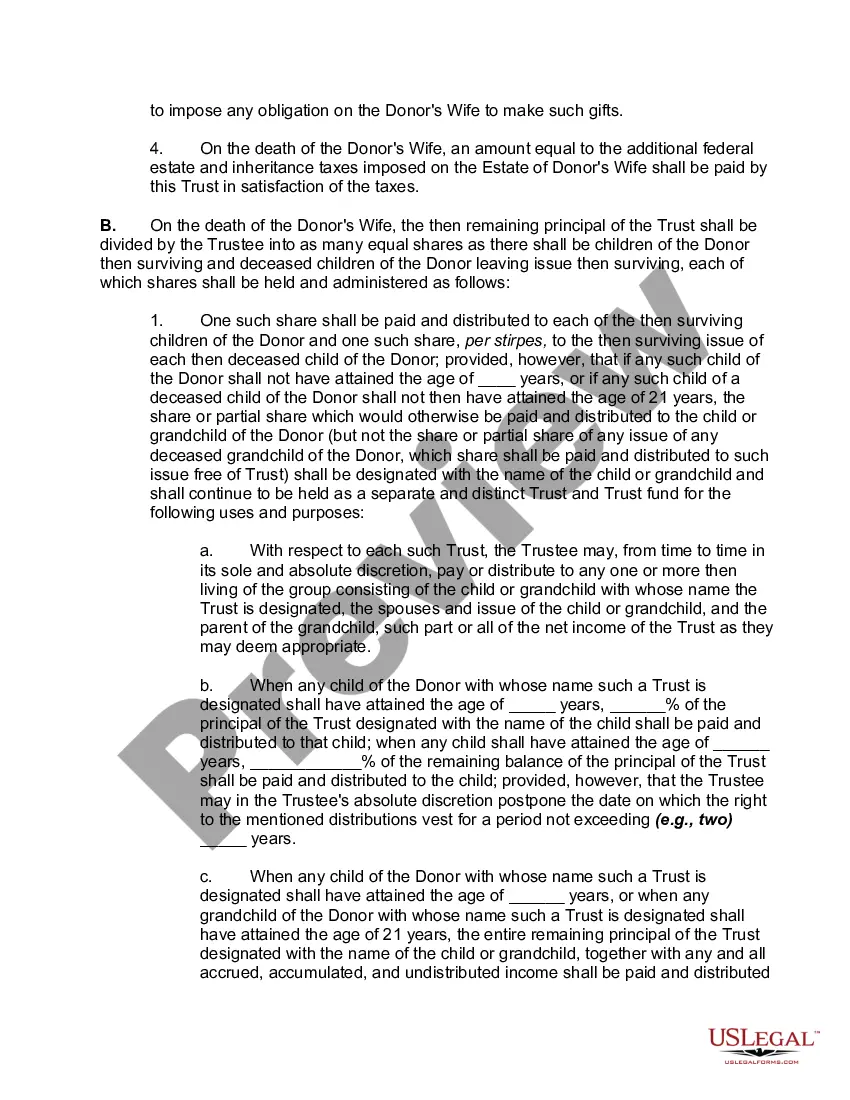
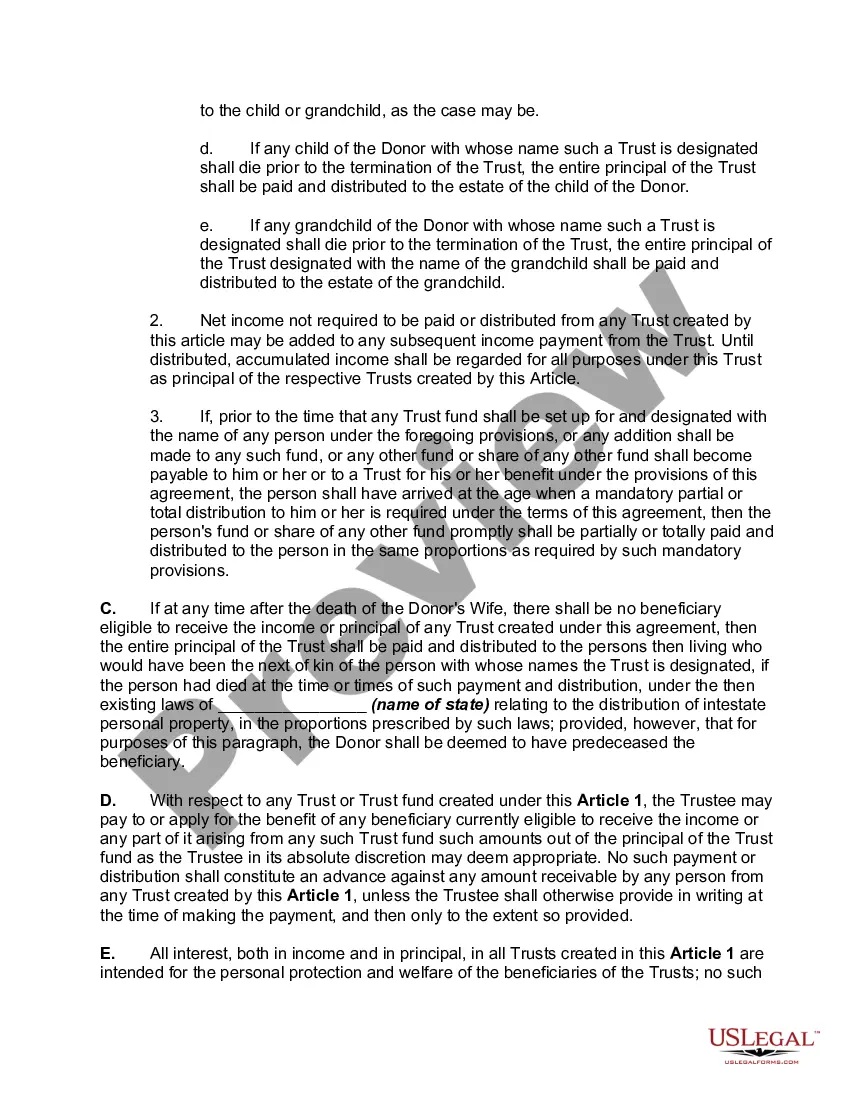
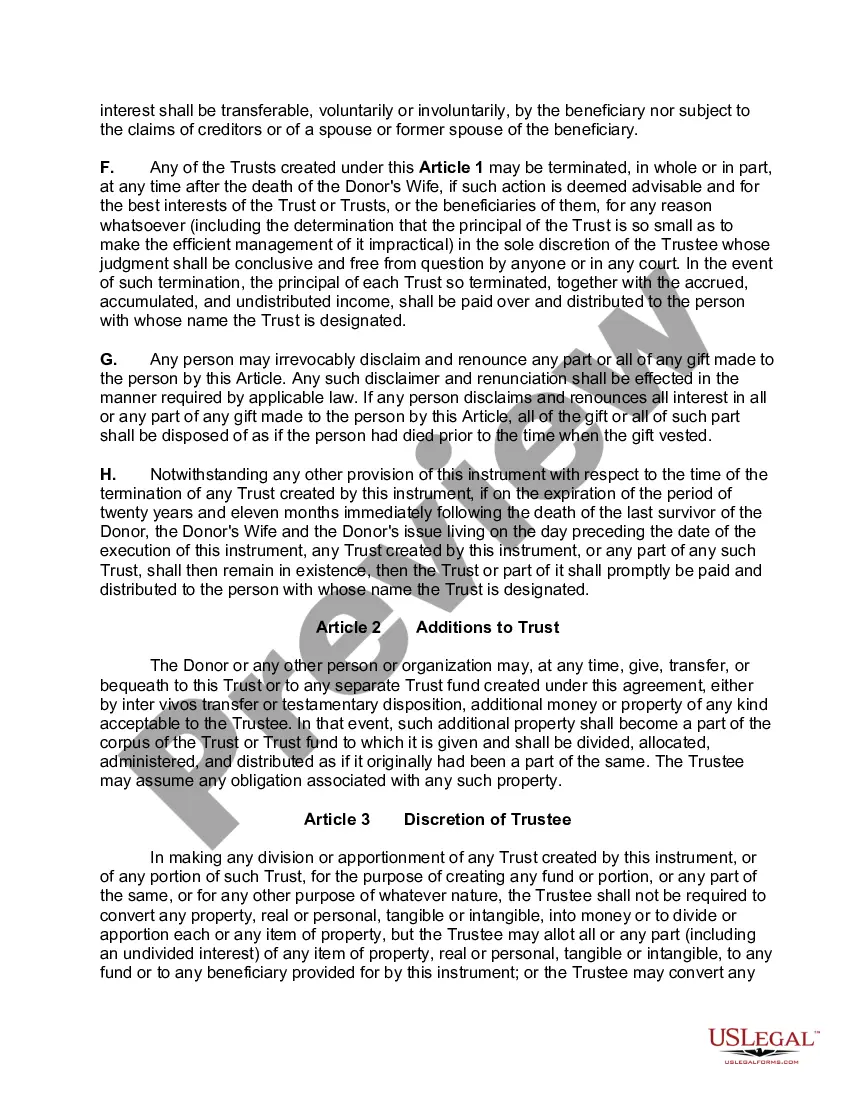
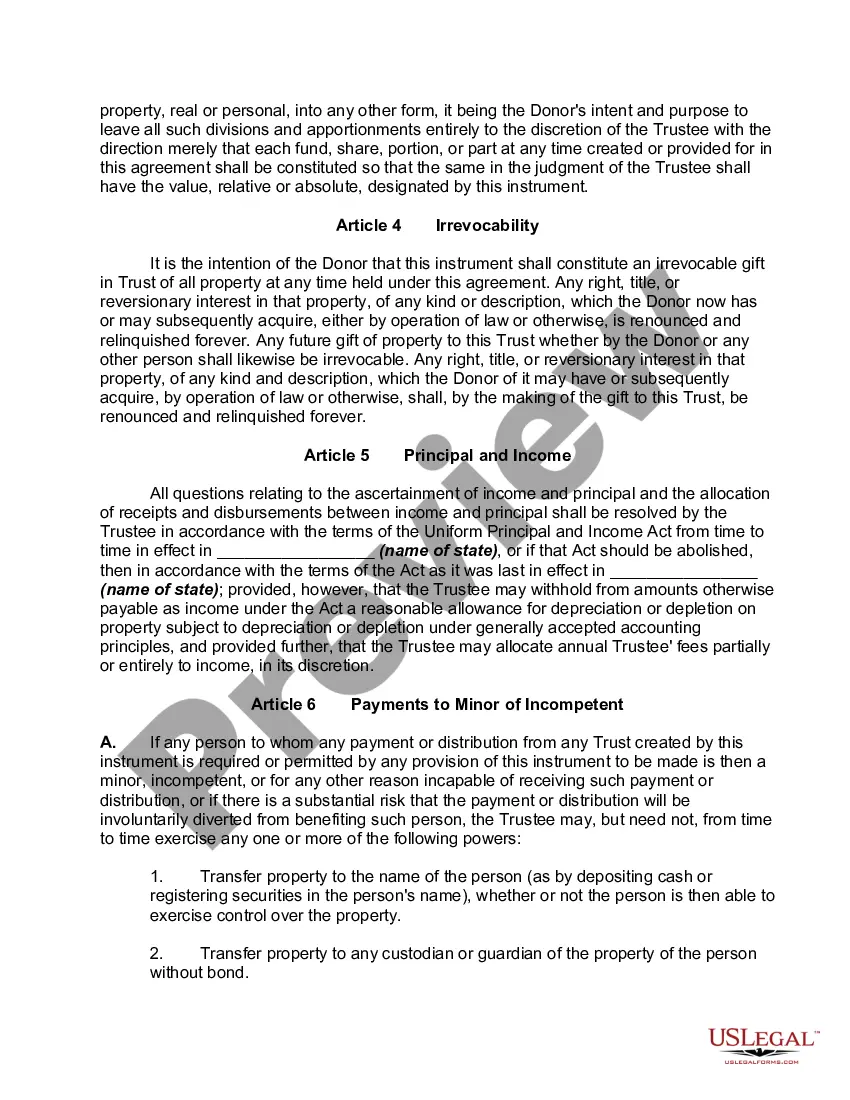
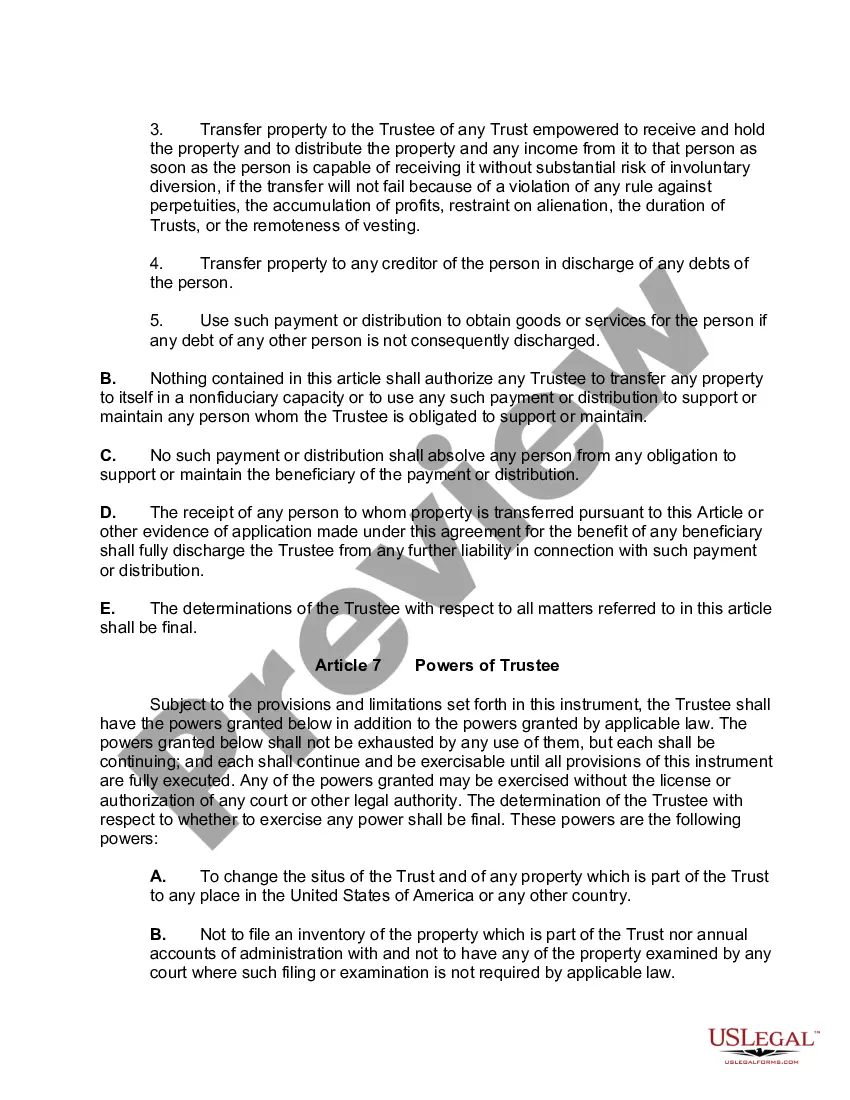
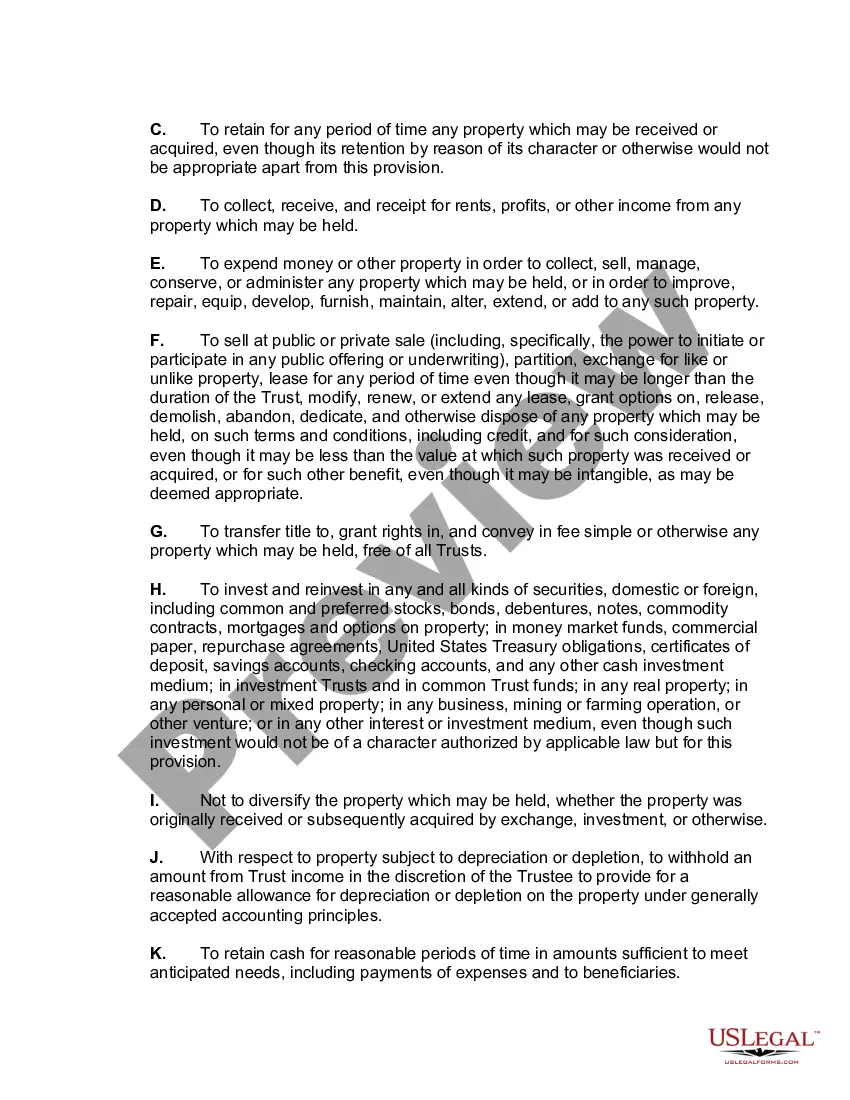
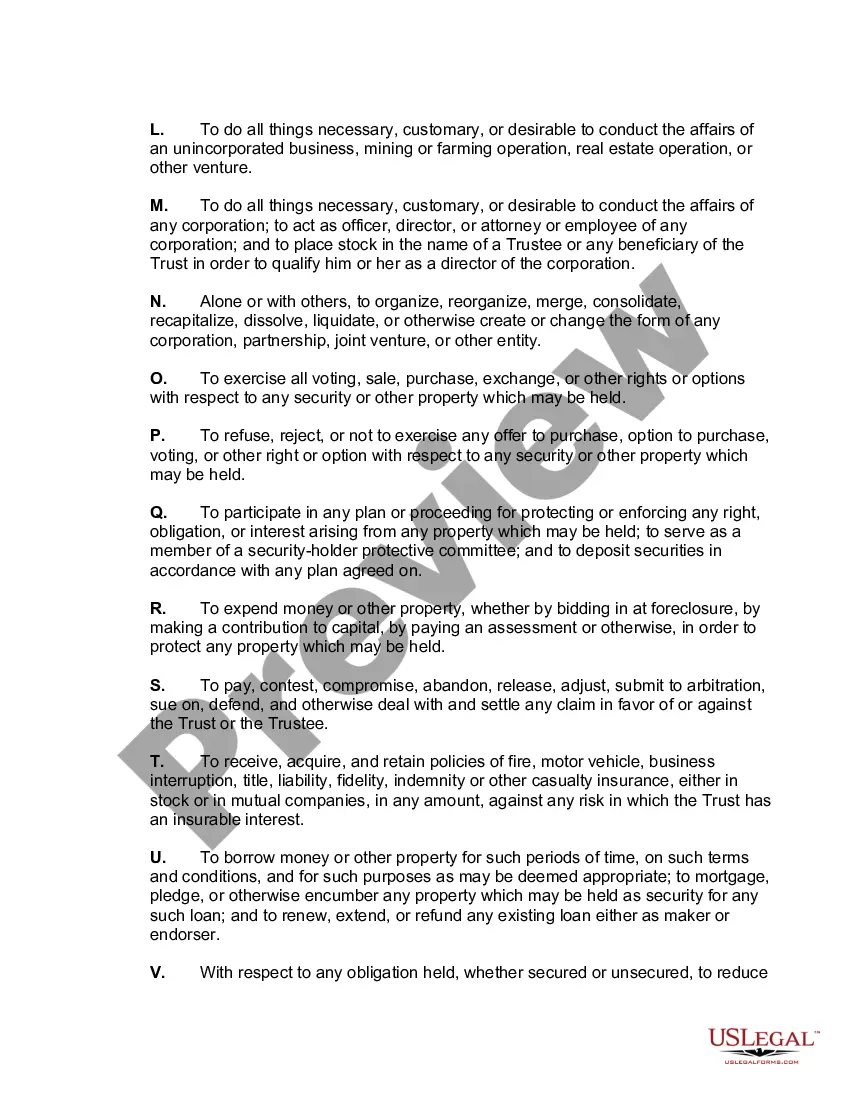
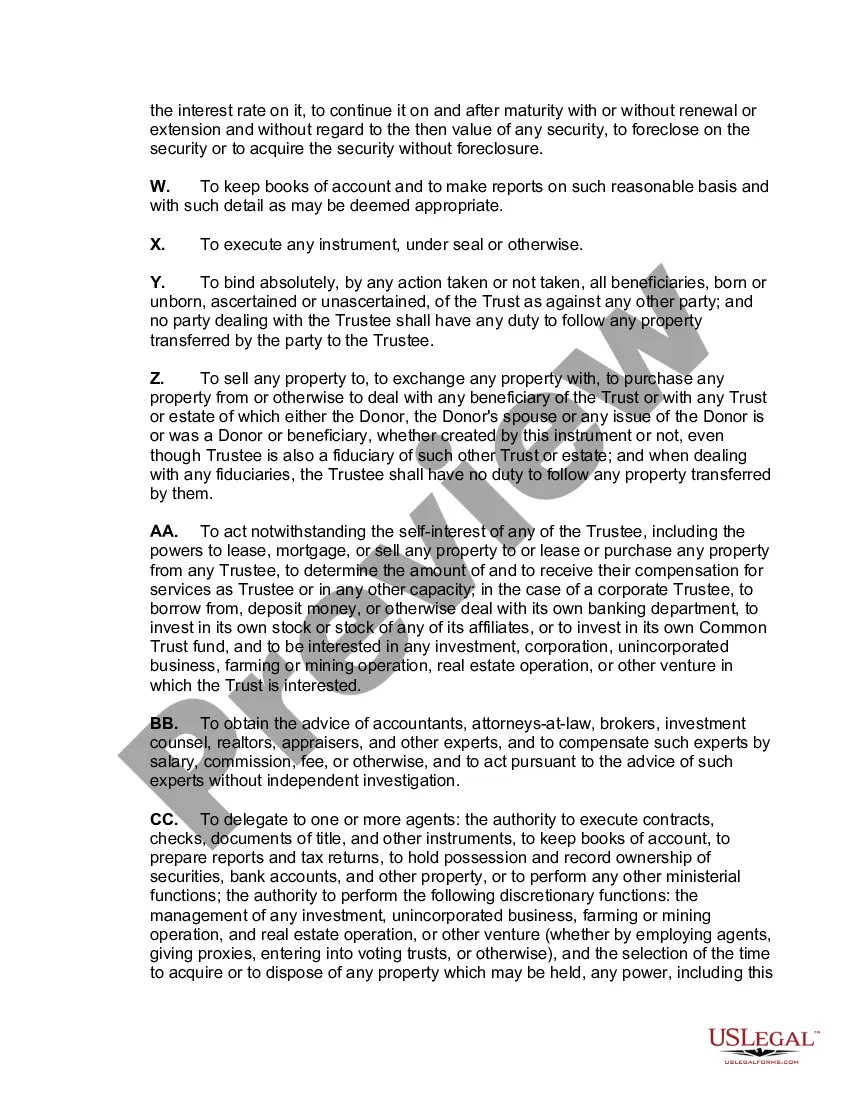
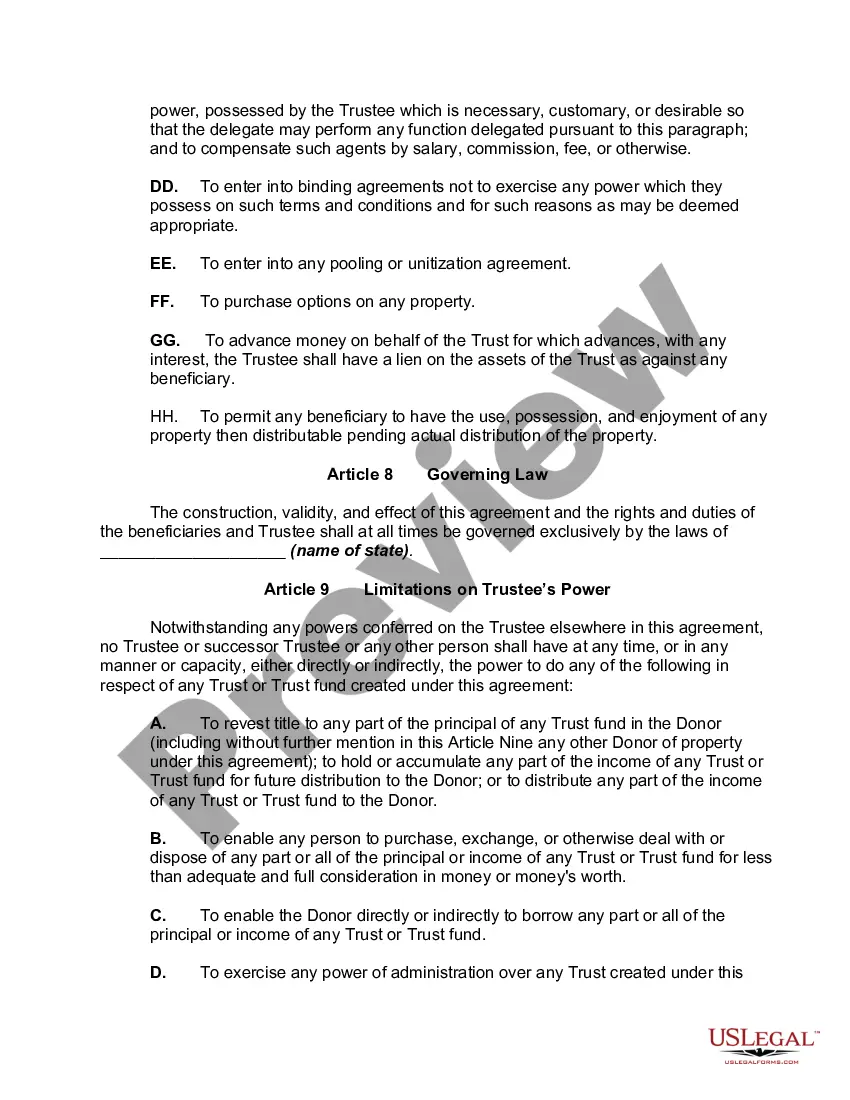

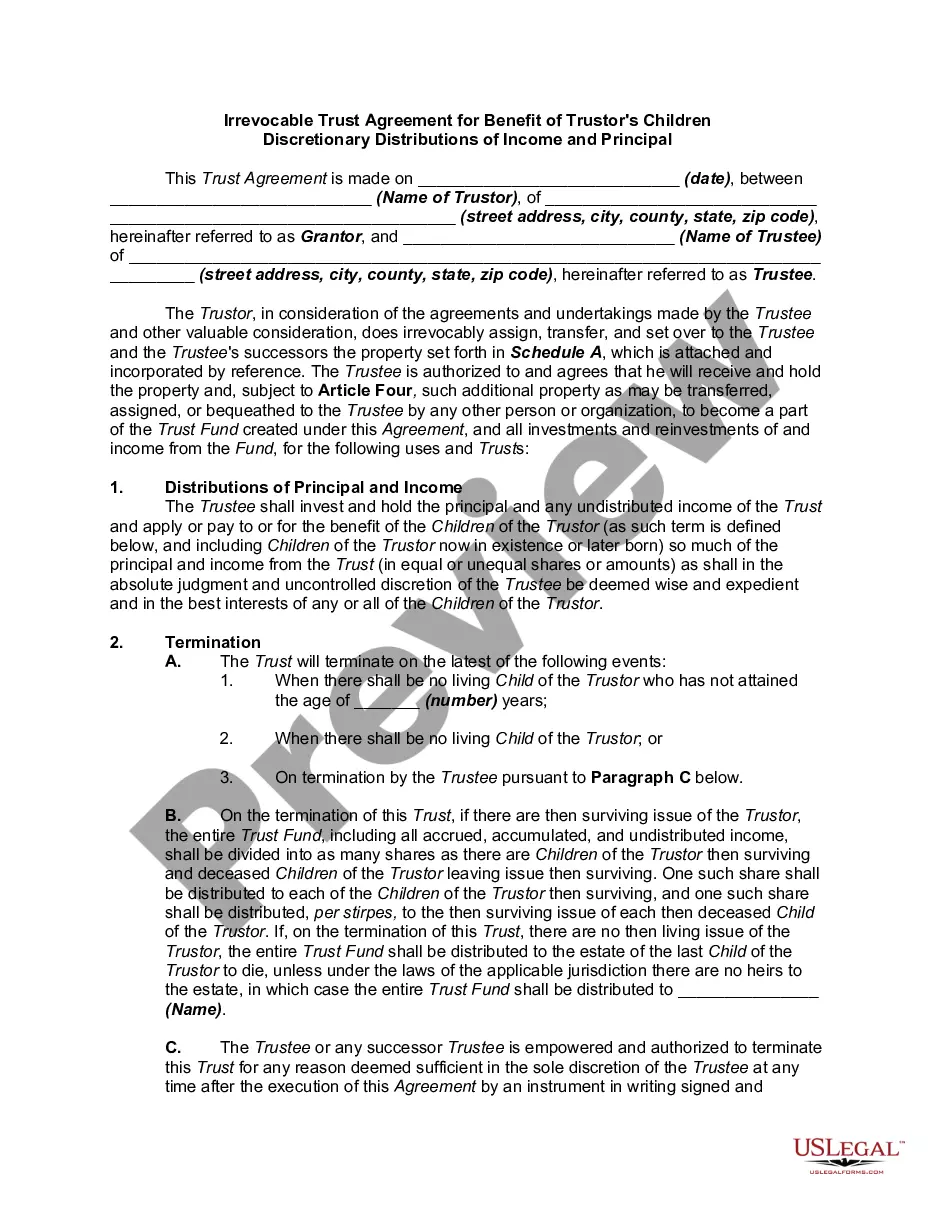
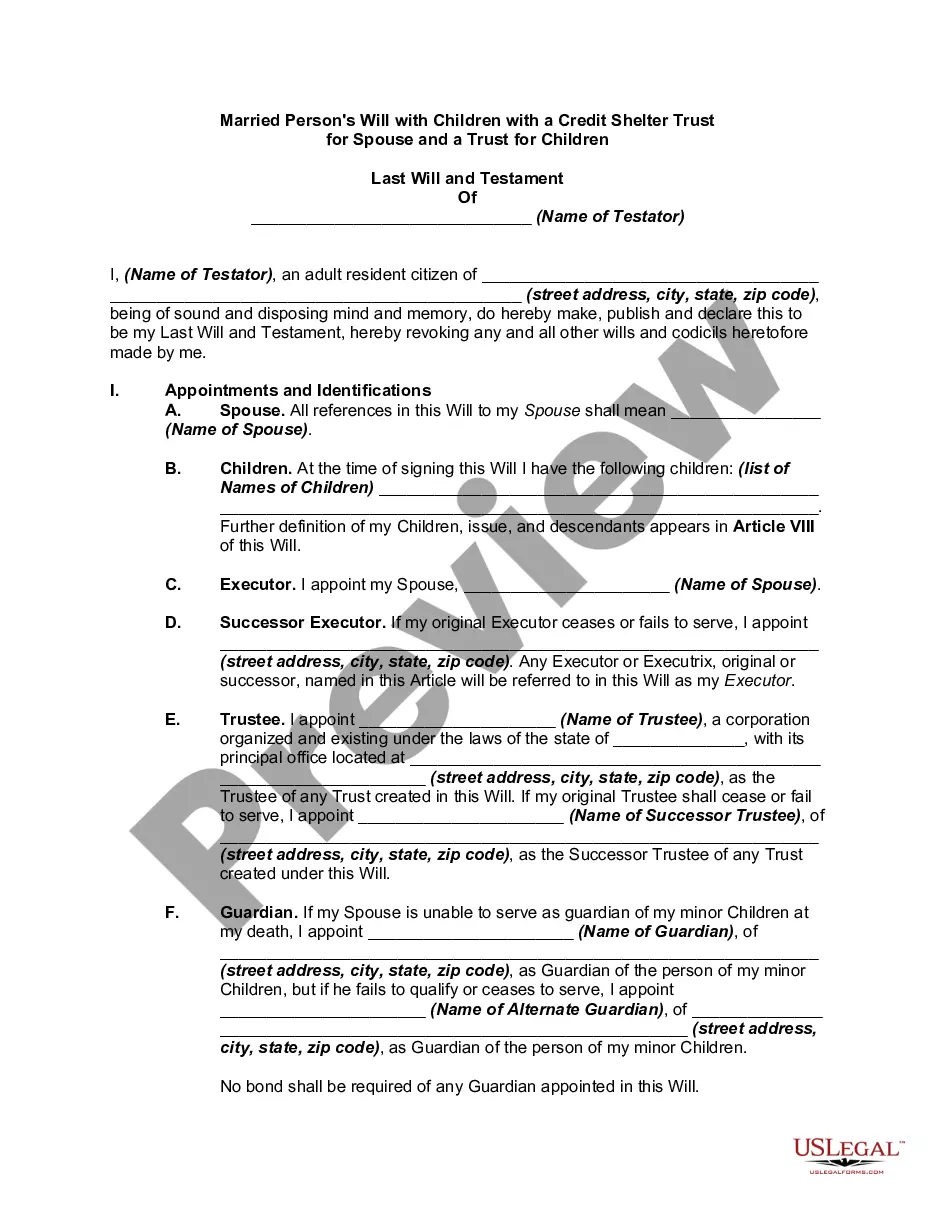
Get your form ready online
Our built-in tools help you complete, sign, share, and store your documents in one place.
Make edits, fill in missing information, and update formatting in US Legal Forms—just like you would in MS Word.
Download a copy, print it, send it by email, or mail it via USPS—whatever works best for your next step.
Sign and collect signatures with our SignNow integration. Send to multiple recipients, set reminders, and more. Go Premium to unlock E-Sign.
If this form requires notarization, complete it online through a secure video call—no need to meet a notary in person or wait for an appointment.
We protect your documents and personal data by following strict security and privacy standards.

Make edits, fill in missing information, and update formatting in US Legal Forms—just like you would in MS Word.

Download a copy, print it, send it by email, or mail it via USPS—whatever works best for your next step.

Sign and collect signatures with our SignNow integration. Send to multiple recipients, set reminders, and more. Go Premium to unlock E-Sign.

If this form requires notarization, complete it online through a secure video call—no need to meet a notary in person or wait for an appointment.

We protect your documents and personal data by following strict security and privacy standards.
Looking for another form?







How to fill out Inter Vivos QTIP Trust With Principal To Donor's Children On Spouse's Death?
- Log in to your US Legal Forms account if you're a returning user. Ensure your subscription is active; renew if necessary.
- For first-time users, begin by reviewing the form descriptions and previews. Make sure you select the Qtip principal death form that fits your jurisdiction.
- If the form is not suitable, utilize the Search feature to find the correct template.
- Purchase the selected form by clicking 'Buy Now' and choose a subscription plan that works for you. You’ll need to create an account to unlock access to the legal library.
- Complete the payment using a credit card or PayPal to finalize your subscription.
- Download your Qtip principal death form to your device. You'll also find it available anytime under the 'My Forms' section of your profile.
By following these straightforward steps, you'll be equipped with the necessary documentation in no time. US Legal Forms not only offers a vast array of templates but also connects users with legal experts for an added layer of support.
Take charge of your legal documentation today by utilizing the extensive resources at US Legal Forms. Start your journey towards easier legal compliance!
Form popularity
FAQ
Typically, an interest that does not qualify for the estate tax marital deduction is one that does not grant the surviving spouse full ownership or control. Examples may include certain life estates or interests limited by contingent conditions. It is critical to accurately represent these interests on the Qtip principal death form. For help in navigating these complexities, USLegalForms offers valuable resources tailored to your needs.
Yes, a life estate is indeed classified as a terminable interest. It allows an individual to use or benefit from a property during their lifetime, with ownership transferring upon their death. This type of arrangement should be carefully noted on documents like the Qtip principal death form to ensure proper tax treatment. For detailed assistance, refer to USLegalForms for resources on life estates.
A QTIP trust does not automatically include the surviving spouse's estate. Instead, it allows the surviving spouse to benefit from the trust's income while ensuring the principal passes to designated beneficiaries after their death. When completing the Qtip principal death form, it's important to distinguish between trust assets and the surviving spouse's personal assets. USLegalForms can provide guidance on structuring these trusts effectively.
A terminable interest is an interest in a property that lasts only for a specific period or until a certain event occurs. An example would be a life estate, where the owner retains rights to the property for their lifetime, but those rights end upon their death. Understanding how terminable interests interact with estate planning is vital when preparing the Qtip principal death form. You can find helpful resources on this topic at USLegalForms.
A QTIP property primarily includes assets that are held in a Qualified Terminable Interest Property trust. This typically encompasses real estate held jointly or a business interest transferred to a surviving spouse. The benefit of naming such properties on the Qtip principal death form helps ensure they qualify for the marital deduction. For clarity on how to declare these assets, consider using USLegalForms.
The 3-year rule refers to the IRS guideline for gifts made by a deceased individual within three years prior to their death. If a gift was made during this period, it could potentially impact the estate's tax obligations. Understanding the 3-year rule is crucial when filling out the Qtip principal death form with a focus on accurate reporting. Consulting resources like USLegalForms can help clarify these details.
The best way to leave property upon death is through a legal mechanism that minimizes complications for your heirs. Options include wills, trusts, or transfer on death deeds, but each has its own implications. A trust often provides clearer instructions and a smoother transfer process. For an effective solution, explore using a QTIP principal death form with a strategic estate plan.
For a QTIP trust to function correctly, it must provide income to the surviving spouse for their lifetime. Furthermore, the trust must designate the remaining assets to beneficiaries after the spouse's death. This arrangement ensures that the surviving partner is financially secure while also fulfilling the original owner's wishes. Utilizing a QTIP principal death form with a properly drafted trust can simplify these requirements.
The ideal approach to leave your house to heirs involves creating a clear and concise estate plan. Many people opt for a trust, as it allows for the direct transfer of property without probate. This method also provides greater control over how and when your heirs receive the property. A QTIP principal death form with a well-structured trust can significantly streamline this process.
A transfer on death deed can lead to disputes among heirs, especially if the intent is unclear. Additionally, it does not protect property from creditors or taxes after death. This deed also cannot be changed without the consent of all involved parties, which might complicate family dynamics. To avoid potential issues, consider using a QTIP principal death form with a trust.