Qtip Principal Death Form For A
Description
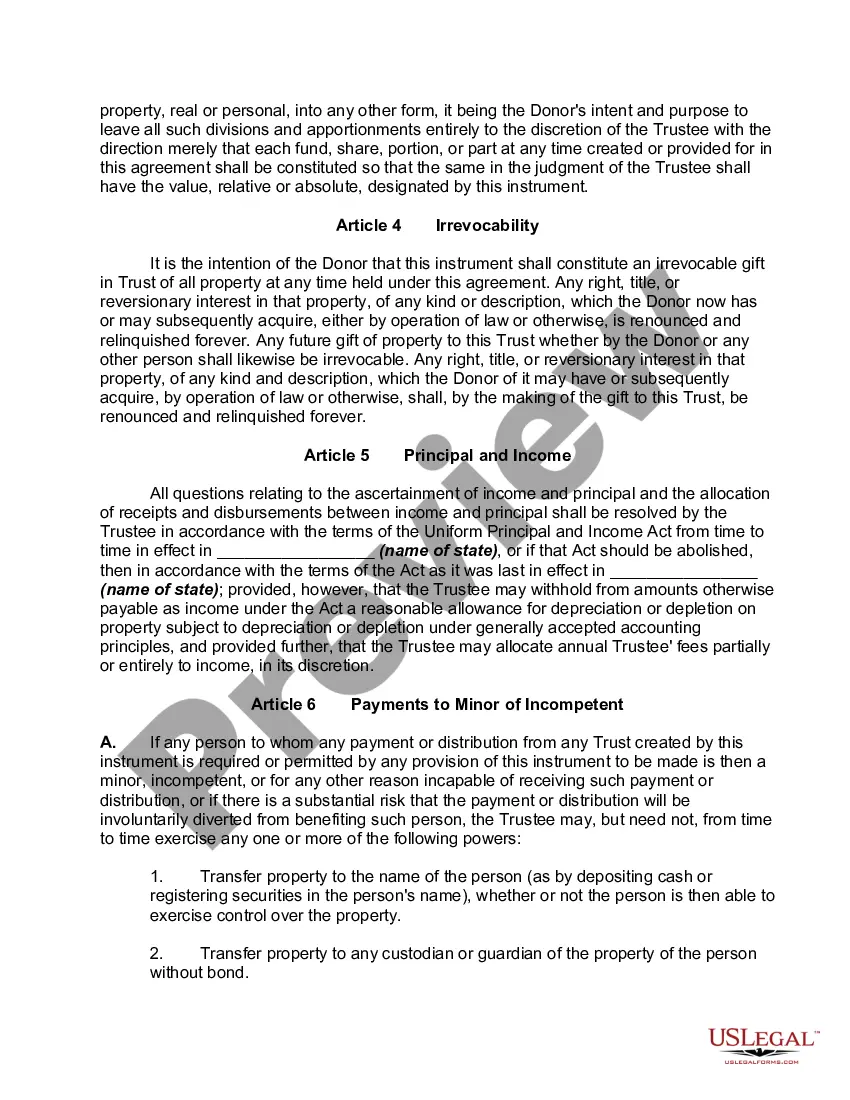
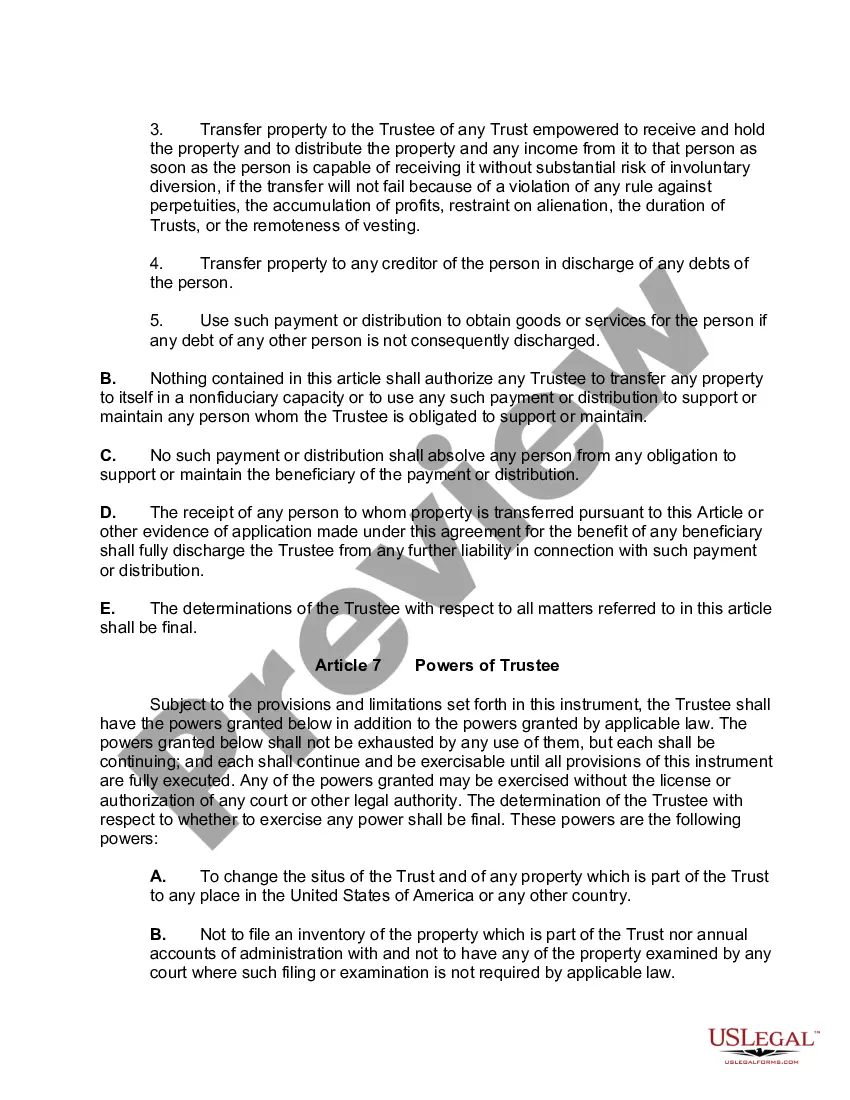
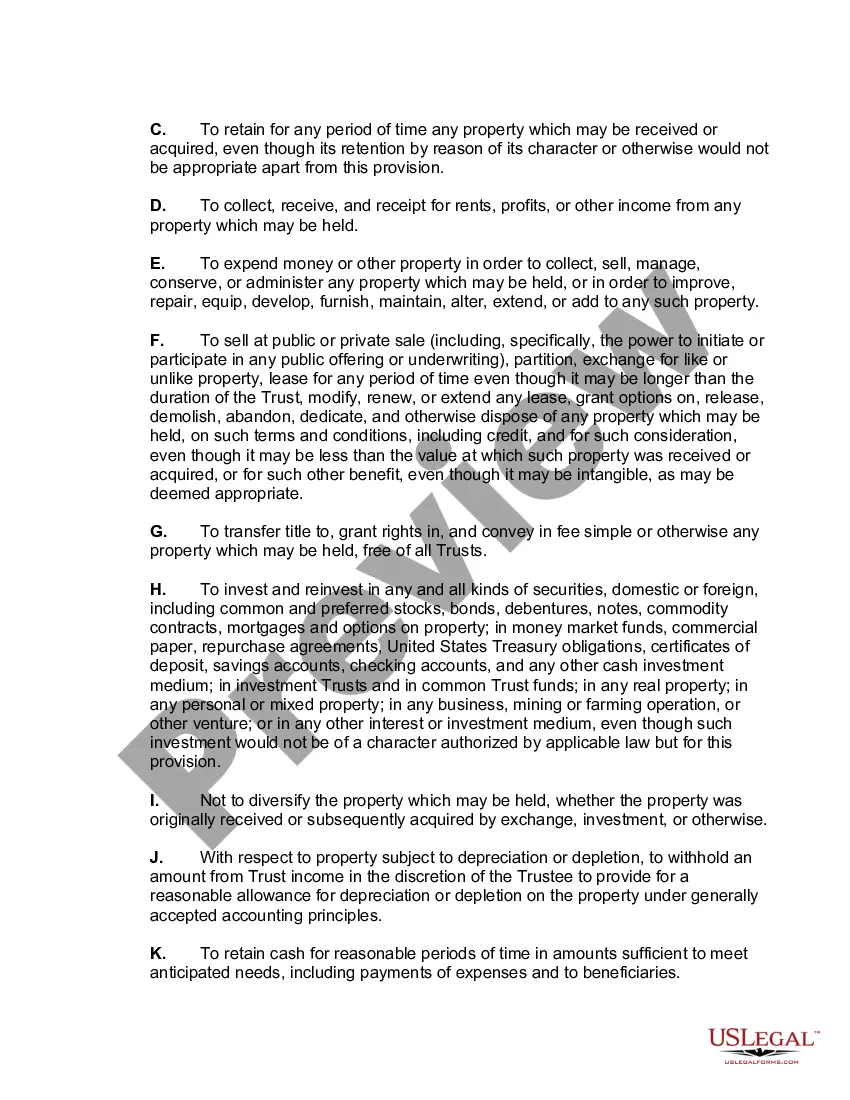
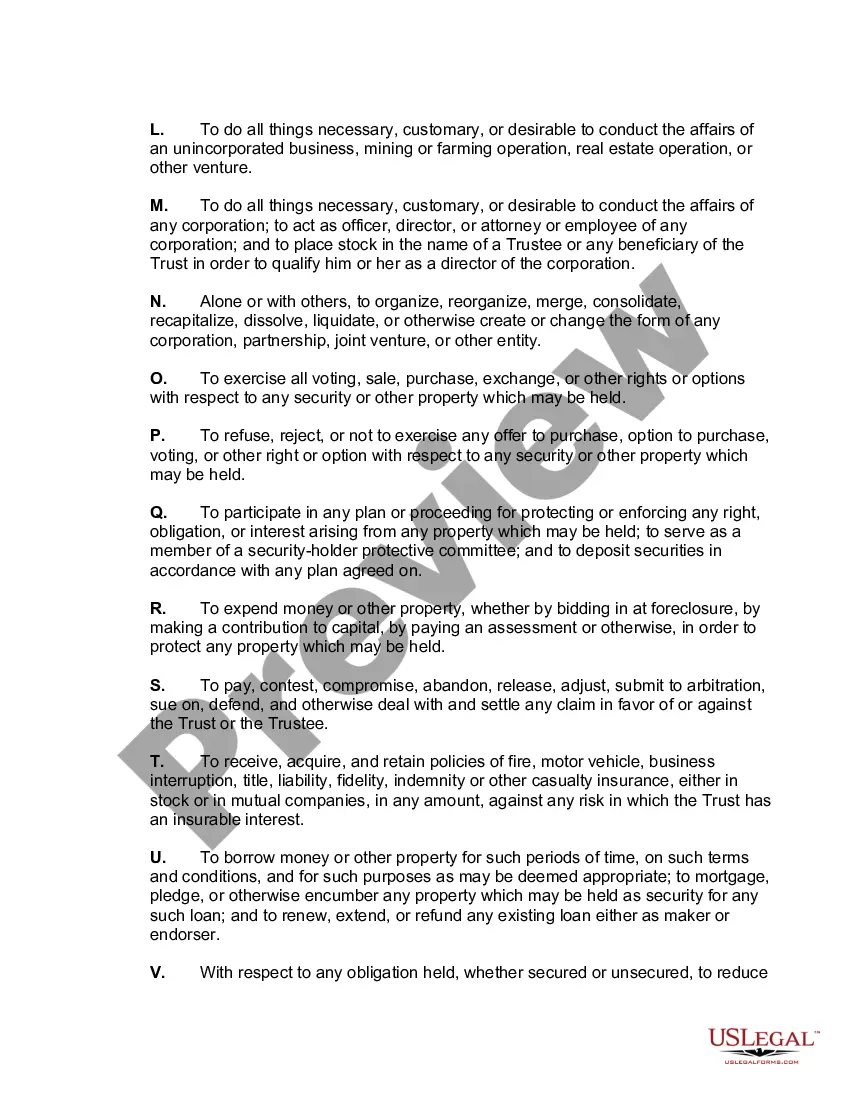
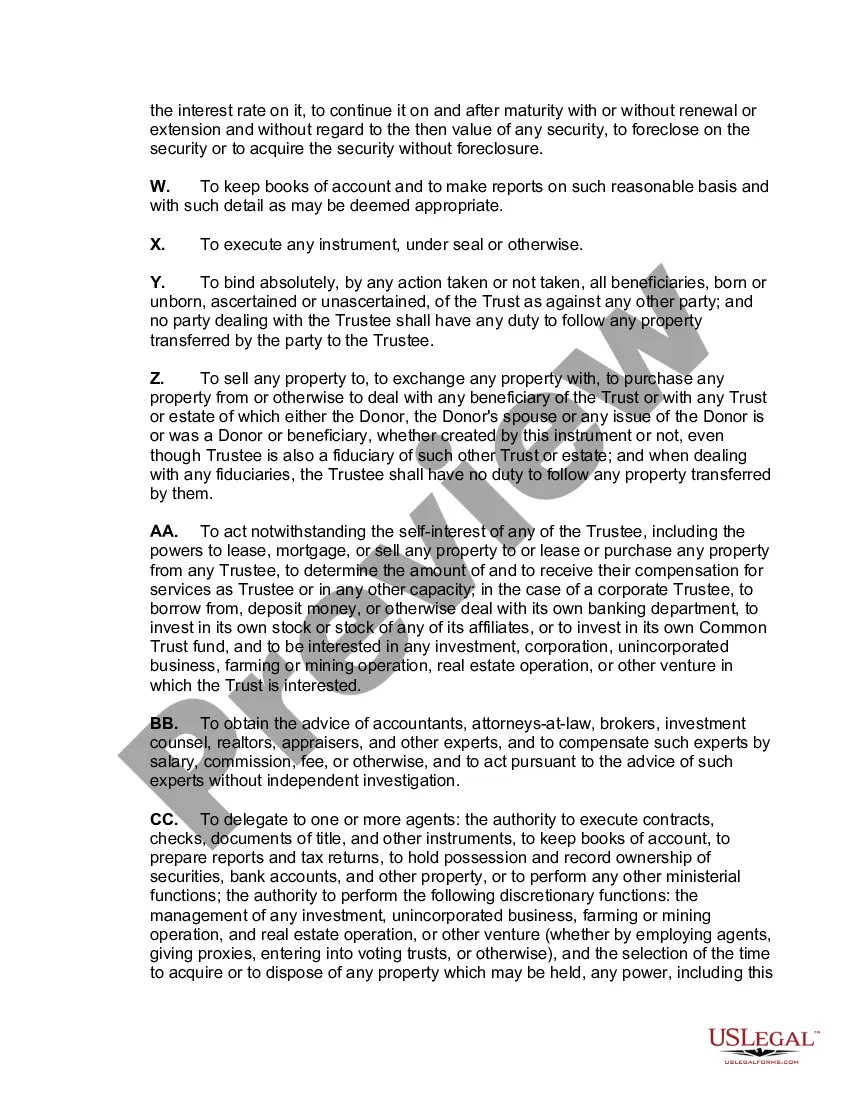
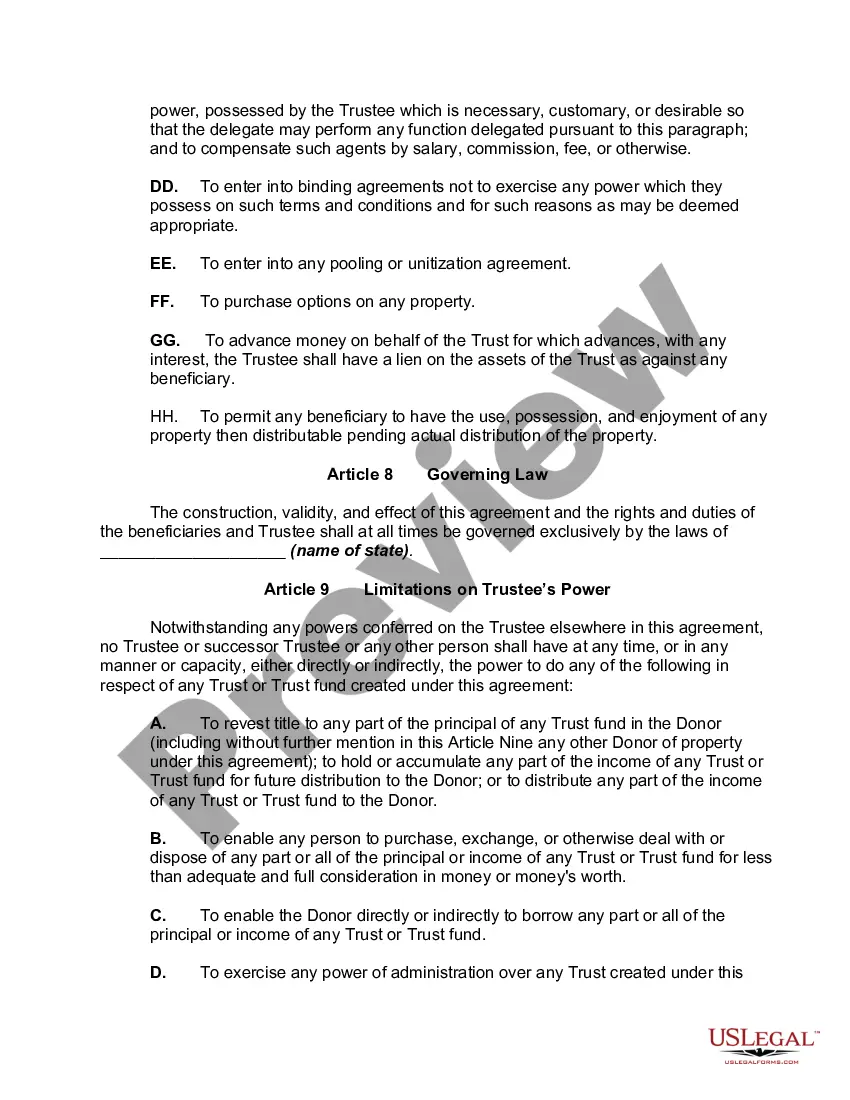

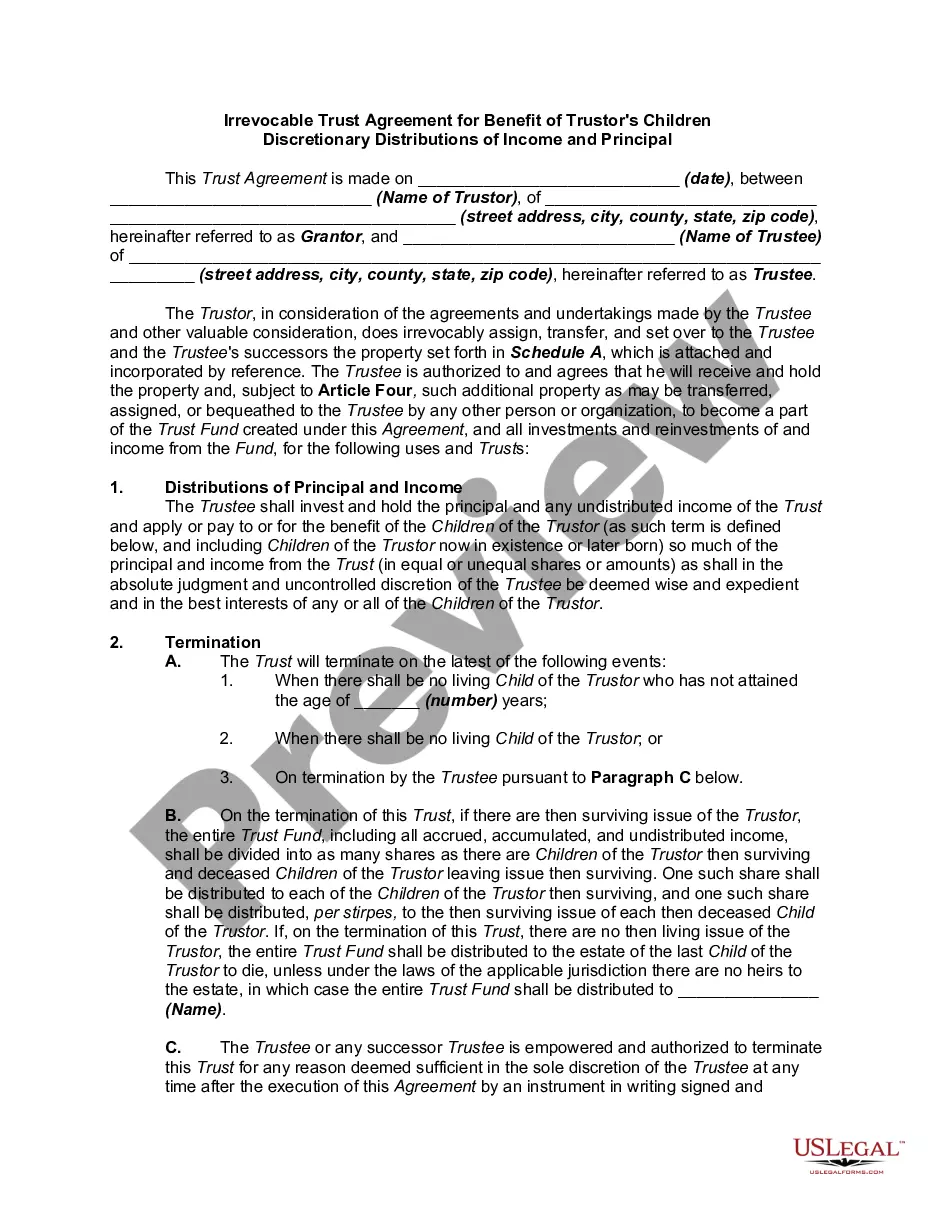
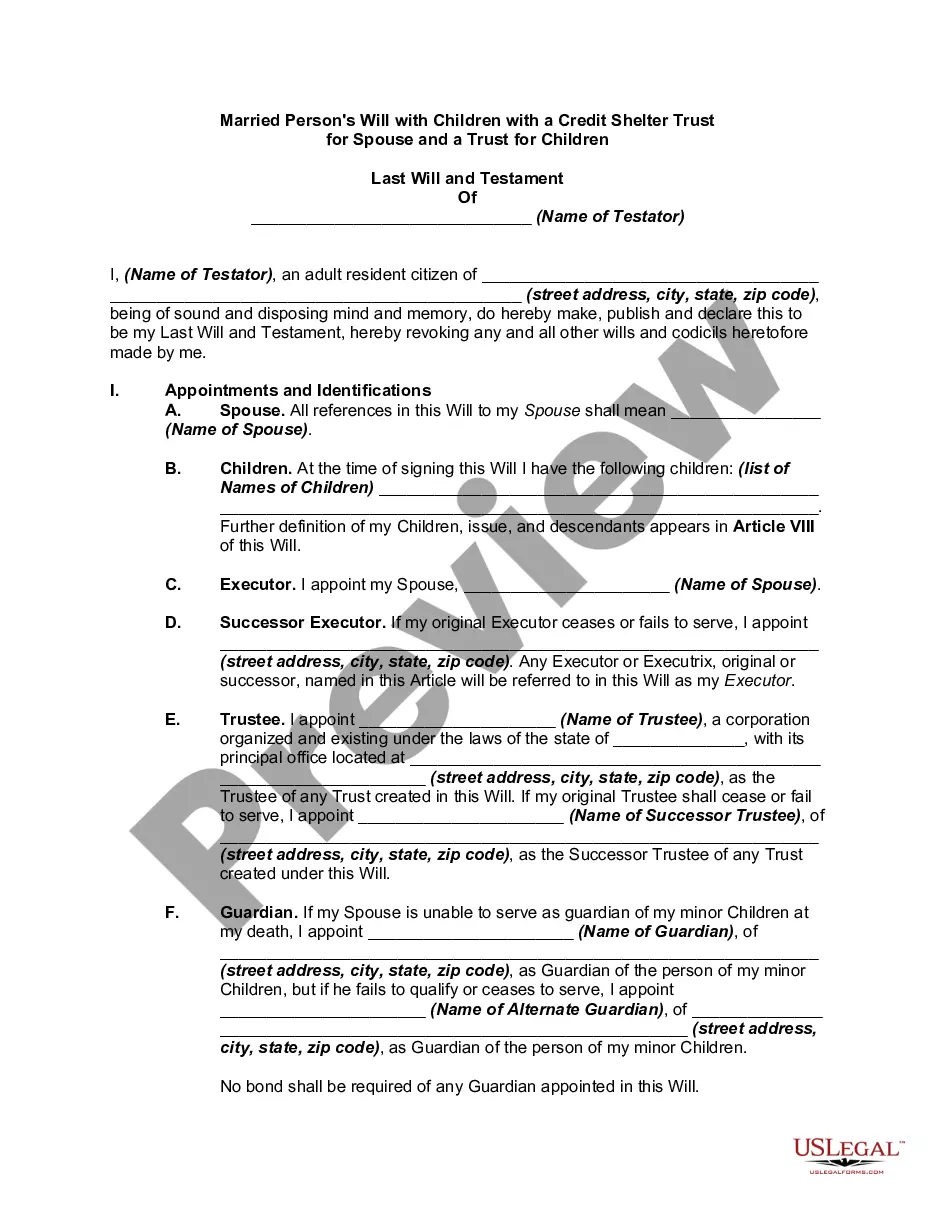
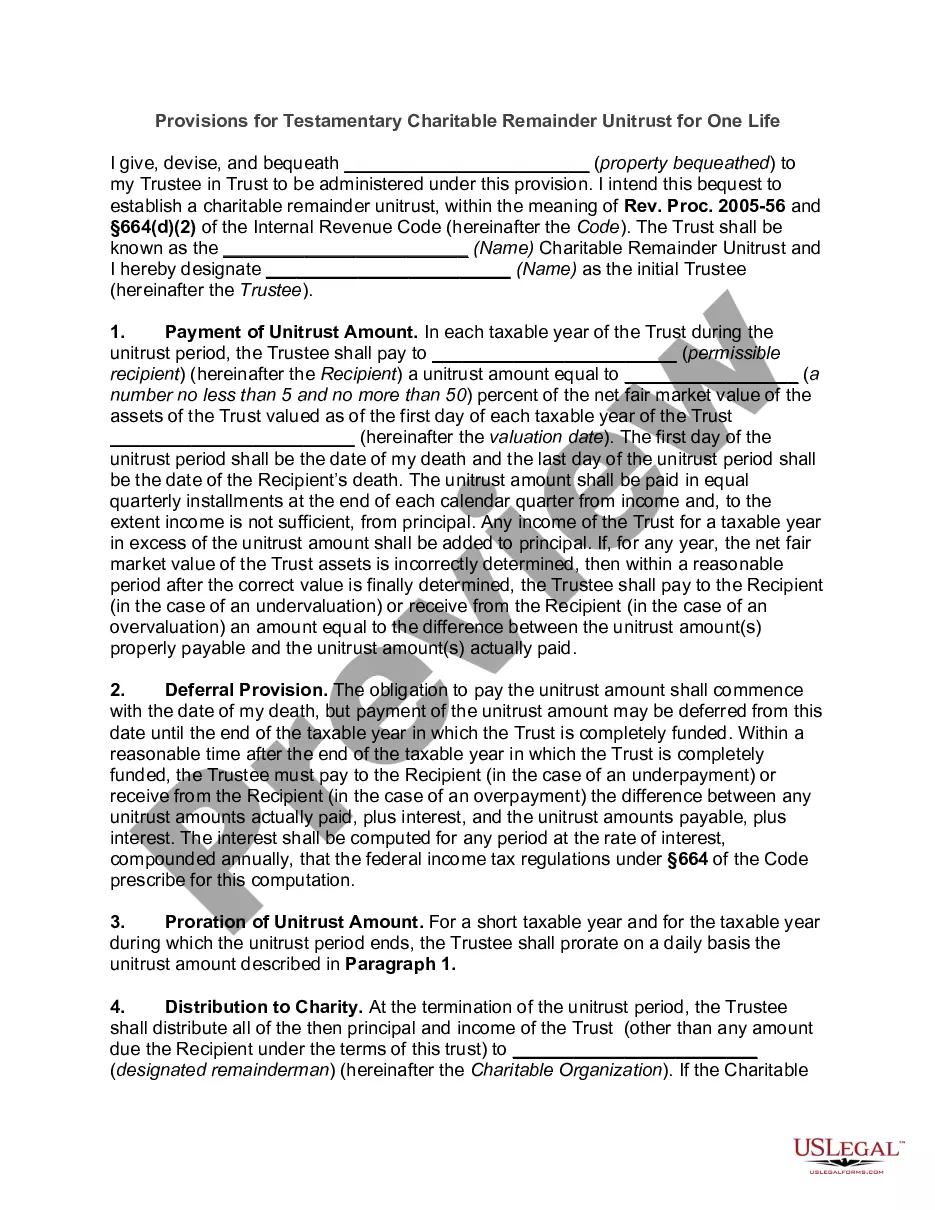
Get your form ready online
Our built-in tools help you complete, sign, share, and store your documents in one place.
Make edits, fill in missing information, and update formatting in US Legal Forms—just like you would in MS Word.
Download a copy, print it, send it by email, or mail it via USPS—whatever works best for your next step.
Sign and collect signatures with our SignNow integration. Send to multiple recipients, set reminders, and more. Go Premium to unlock E-Sign.
If this form requires notarization, complete it online through a secure video call—no need to meet a notary in person or wait for an appointment.
We protect your documents and personal data by following strict security and privacy standards.

Make edits, fill in missing information, and update formatting in US Legal Forms—just like you would in MS Word.

Download a copy, print it, send it by email, or mail it via USPS—whatever works best for your next step.

Sign and collect signatures with our SignNow integration. Send to multiple recipients, set reminders, and more. Go Premium to unlock E-Sign.

If this form requires notarization, complete it online through a secure video call—no need to meet a notary in person or wait for an appointment.

We protect your documents and personal data by following strict security and privacy standards.
Looking for another form?






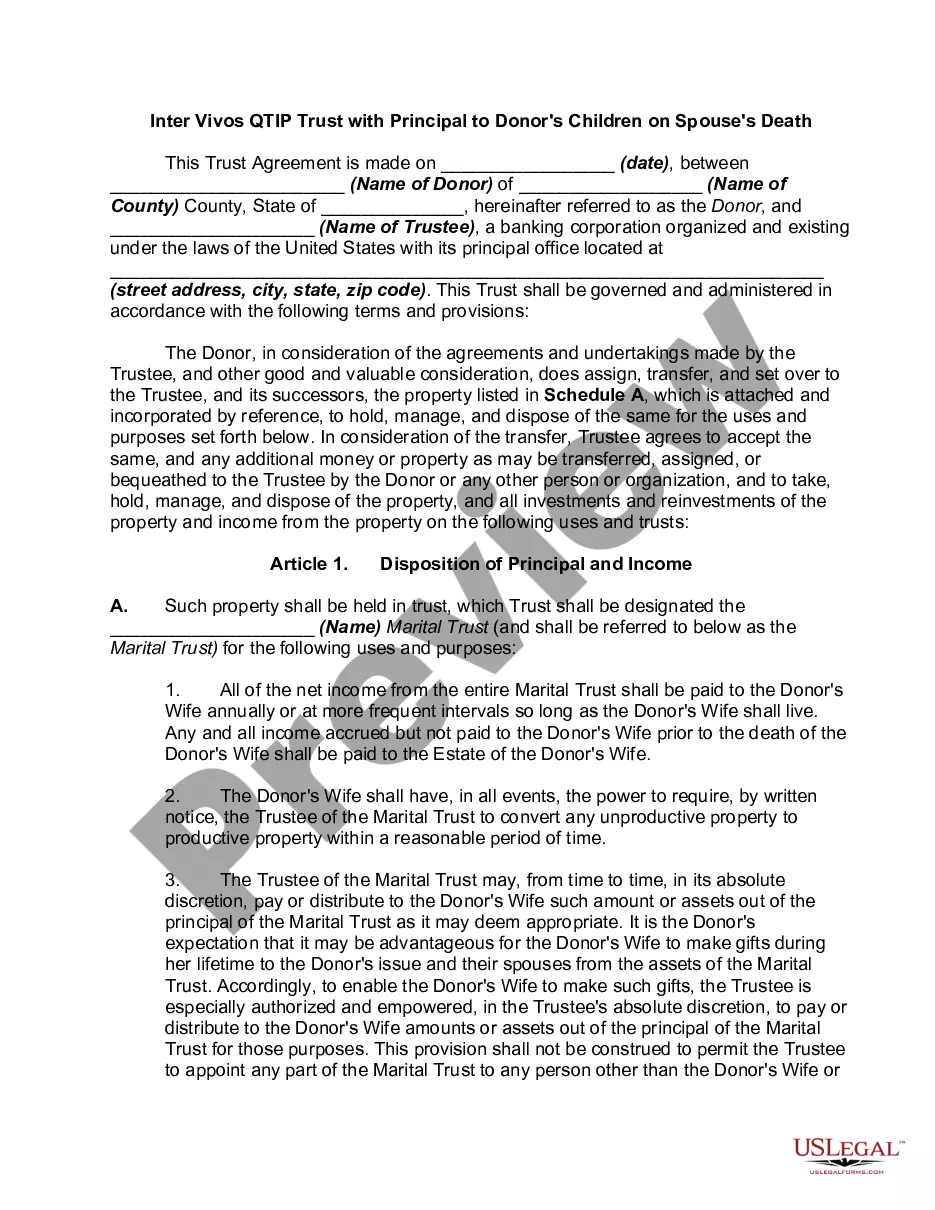
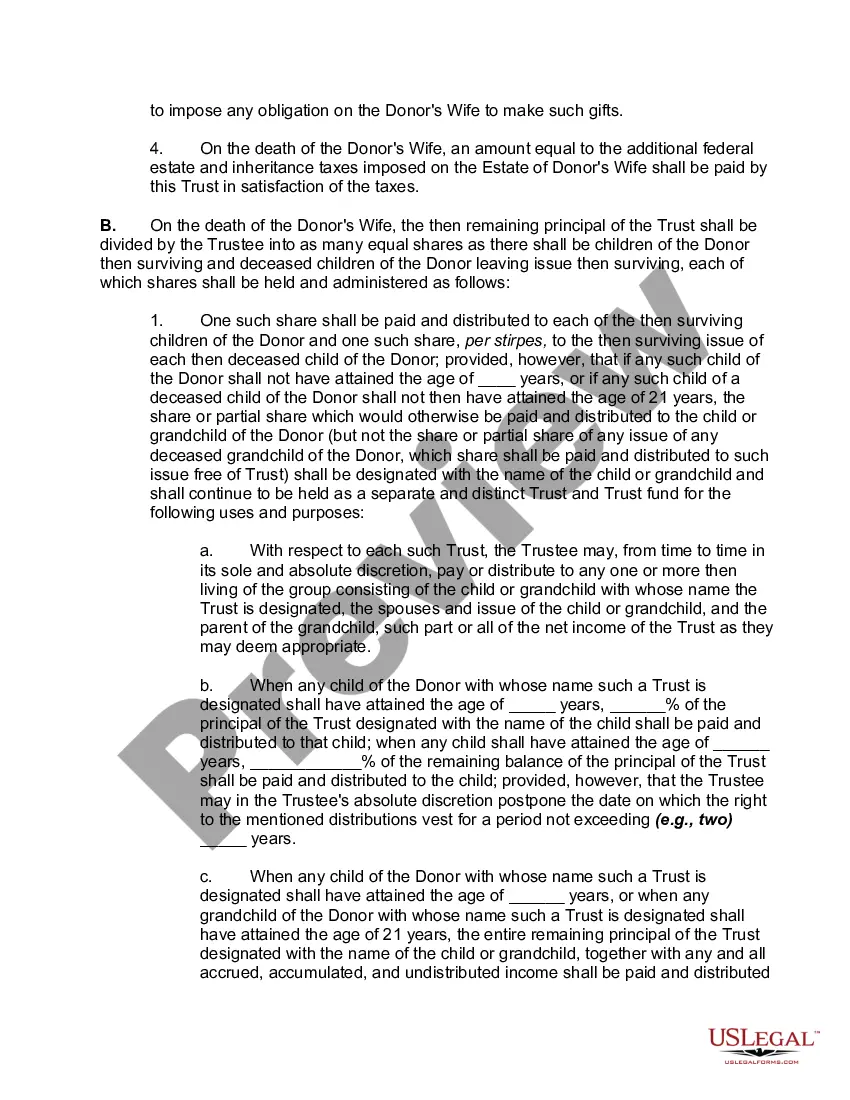
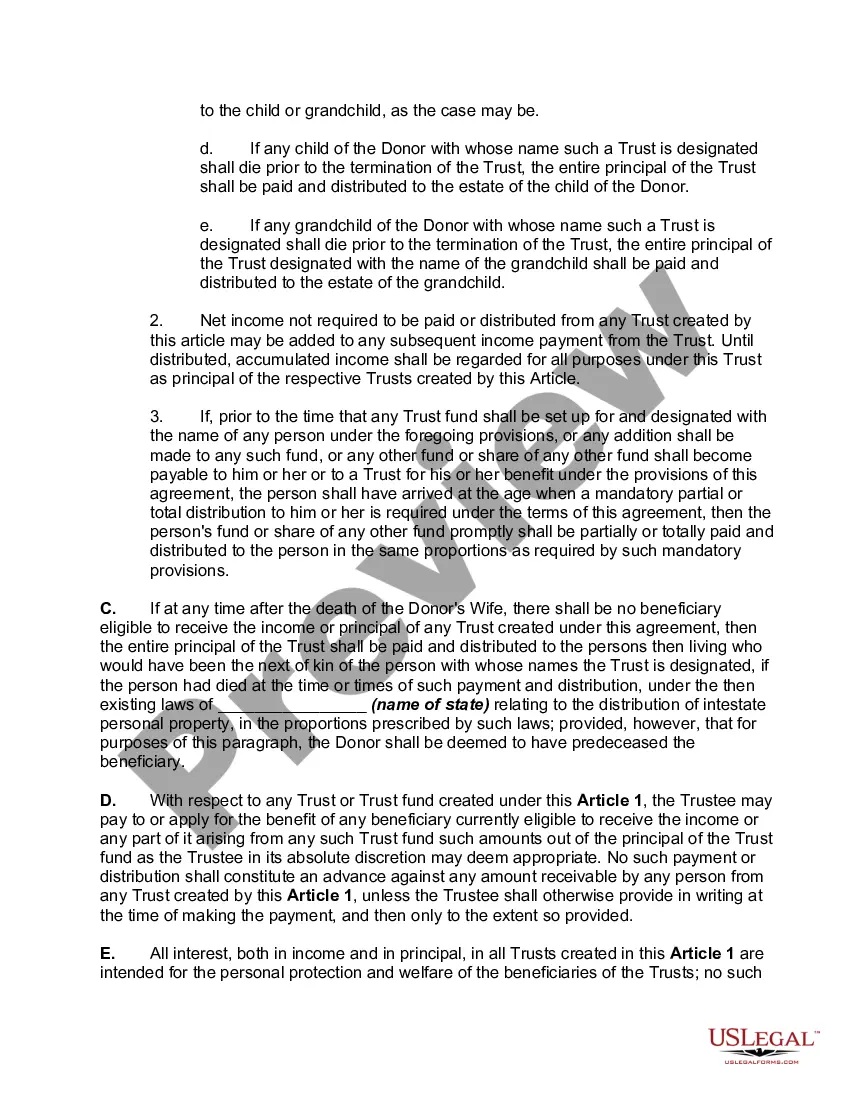
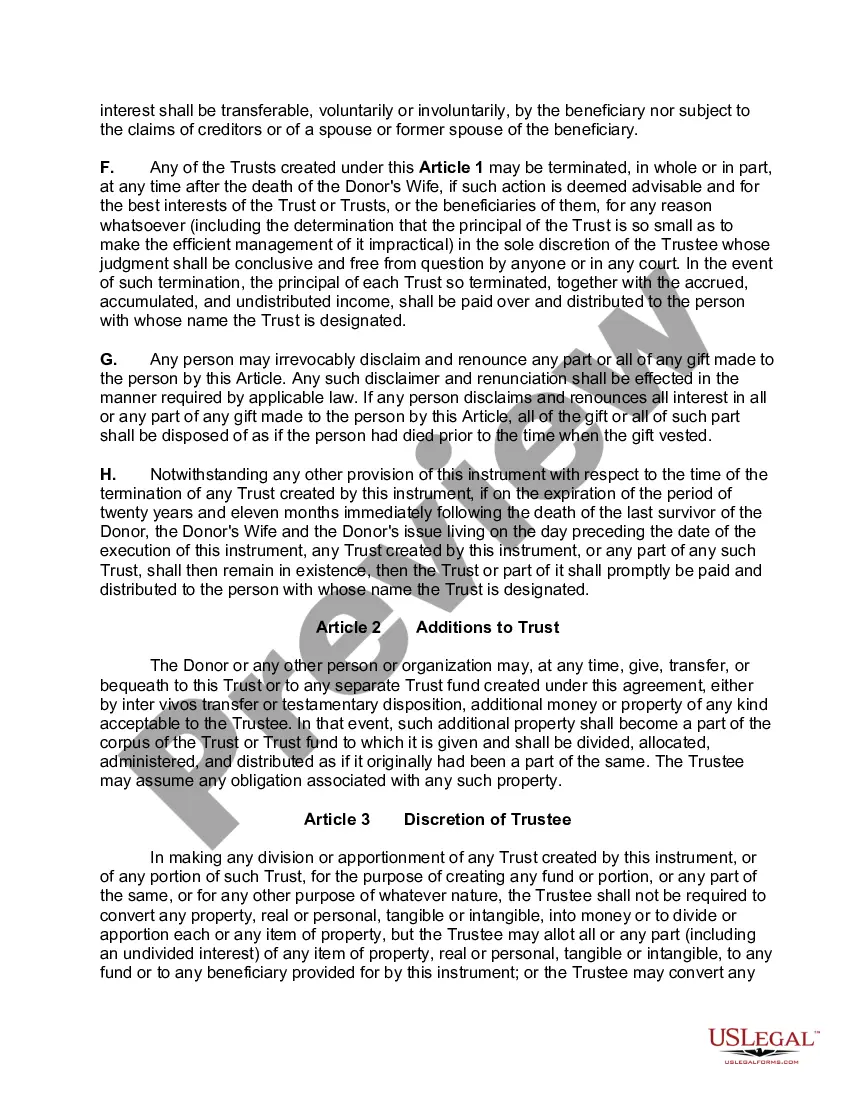
How to fill out Inter Vivos QTIP Trust With Principal To Donor's Children On Spouse's Death?
- Log in to your US Legal Forms account if you've used the service before. Ensure that your subscription is active, or renew it as required.
- Review the Preview mode and description of the Qtip principal death form to confirm it fits your needs and complies with local jurisdiction laws.
- If you need a different form, utilize the Search tab at the top to find the appropriate template for your situation.
- Select the Qtip principal death form by clicking the Buy Now button, and choose a suitable subscription plan, registering an account to gain full access.
- Complete your payment using credit card or PayPal to finalize your subscription.
- Download the Qtip principal death form to your device, ready for completion, and save it in your 'My Forms' section for future access.
By following these straightforward steps, you can ensure that you have the right Qtip principal death form at your fingertips. US Legal Forms not only saves you time but also provides a reliable source for legal documentation.
Start your journey with US Legal Forms today to benefit from their vast selection of legal forms, and ensure your legal processes go smoothly. Visit the website to get started!
Form popularity
FAQ
Yes, you may need to file both Forms 1040 and 1041 for a deceased individual. The choice depends on the income produced by the estate or trust and the timing involved in filing. If there’s a QTIP election in play, the QTIP principal death form for a could be critical for accurately reporting income from the trust.
No, Form 1041 does not replace Form 1040. Form 1040 is used for individual income tax returns, while Form 1041 is specifically for estates and trusts. Understanding the differences helps you effectively manage tax obligations related to the QTIP principal death form for a and any associated income.
For a deceased person, you typically file Form 1040 for the year of their death if they were required to file during their lifetime. Additionally, if the estate generates income, Form 1041 may be necessary. It's essential to consider the QTIP principal death form for a, especially if a trust is involved, as it impacts how income is reported.
Firstly, a QTIP trust must provide income to the surviving spouse for their lifetime. Secondly, upon the surviving spouse's death, the remaining trust assets must be included in their taxable estate. Properly understanding these elements and the QTIP principal death form for a can bolster your estate planning strategy.
As a beneficiary, you typically do not file Form 1041. Instead, the fiduciary of the estate or trust files this form to report income generated during the estate’s administration. However, beneficiaries should be aware of the QTIP principal death form for a, since it may influence your tax responsibilities in relation to the trust income.
Yes, a surviving spouse can make a QTIP election for a trust that qualifies under the regulations. This election allows the spouse to treat the trust income as their income for tax purposes, which can often lead to tax benefits. It's essential to file the QTIP principal death form for a within the appropriate timeframe to ensure the trust is managed correctly.
A surviving spouse has a marital interest in a QTIP trust that provides them with income from the trust assets during their lifetime. This setup allows the spouse to benefit financially while also ensuring that the remaining assets pass to the desired beneficiaries after their death. Filling out a QTIP principal death form for a trust correctly is vital in establishing this interest and facilitating the wishes of the trust creator.
Yes, a QTIP trust typically helps avoid probate since the assets held in the trust are not subject to the probate process after the trust creator's death. This provides privacy and expedites the transfer of assets to beneficiaries. Utilizing a QTIP principal death form for a trust efficiently manages these assets, ensuring smooth distribution while sparing loved ones from the strain of probate.
Yes, a life estate is indeed considered a terminable interest as it lasts only during the lifetime of the person holding it. Upon their passing, the interest terminates, and the property transfers to another individual or entity. Understanding this concept is crucial for anyone filling out a QTIP principal death form for a trust, as it influences how assets will be treated in estate planning.
No, a QTIP trust does not directly include the surviving spouse's estate. Instead, the trust holds assets that provide income to the surviving spouse during their lifetime, with the remainder passing to designated beneficiaries after their death. Properly utilizing a QTIP principal death form for a can simplify this arrangement and clarify asset distribution while helping the spouse with their estate.