Inter Vivos Donors With Trust
Description
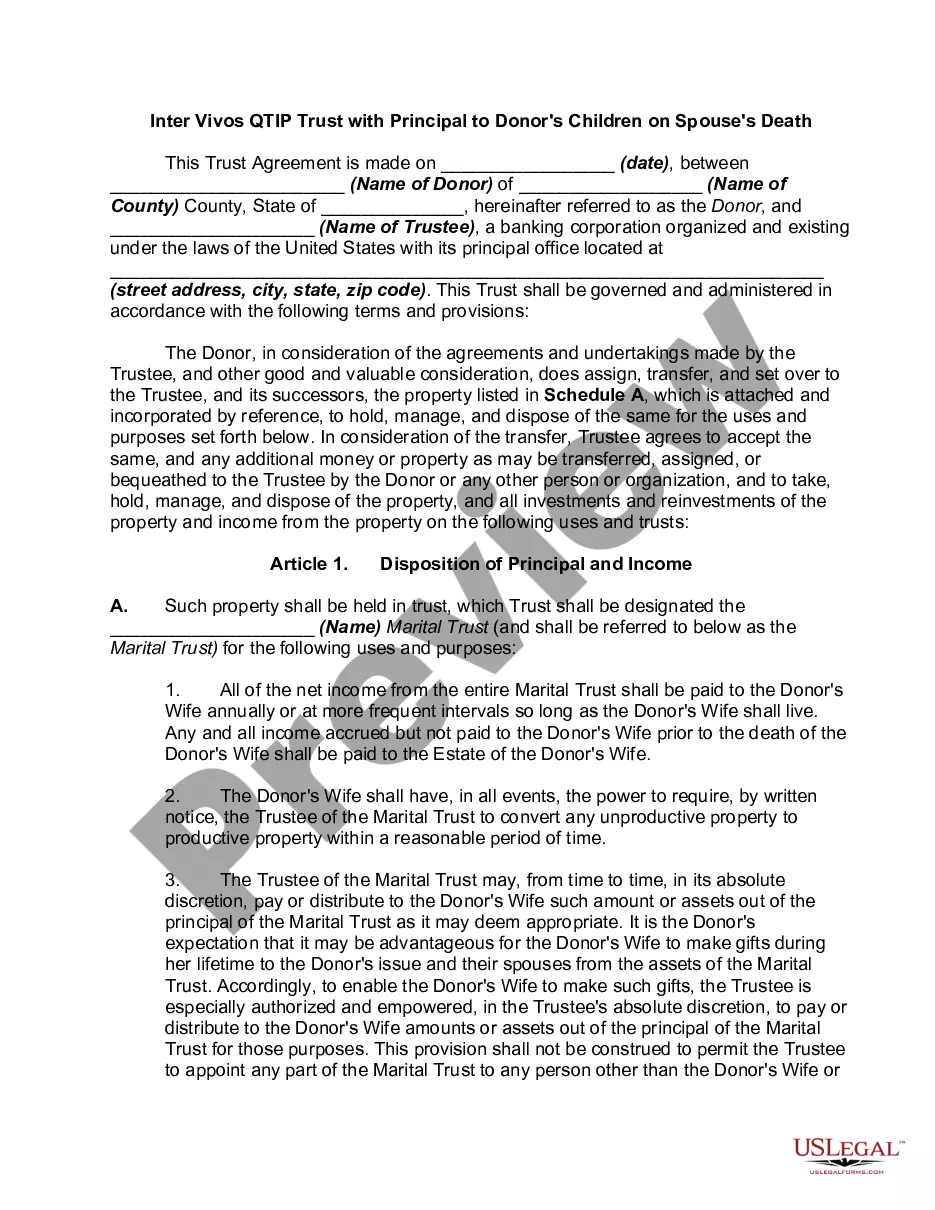
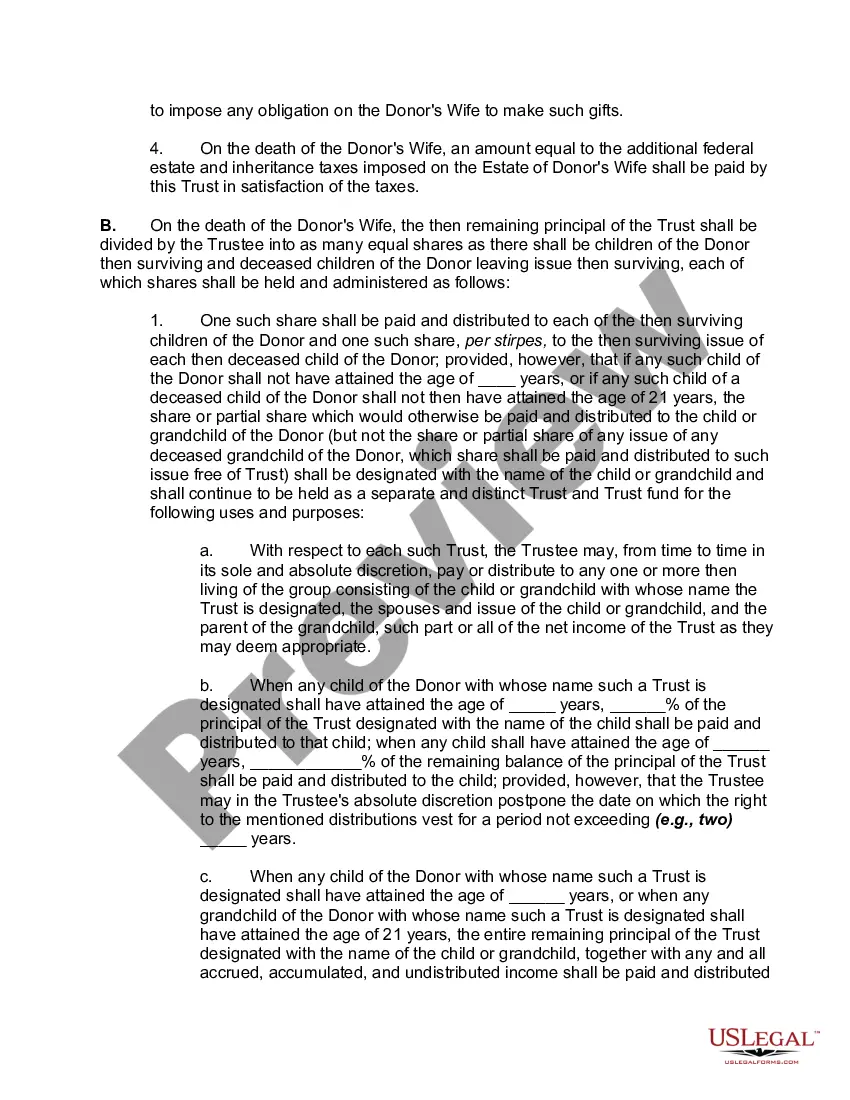
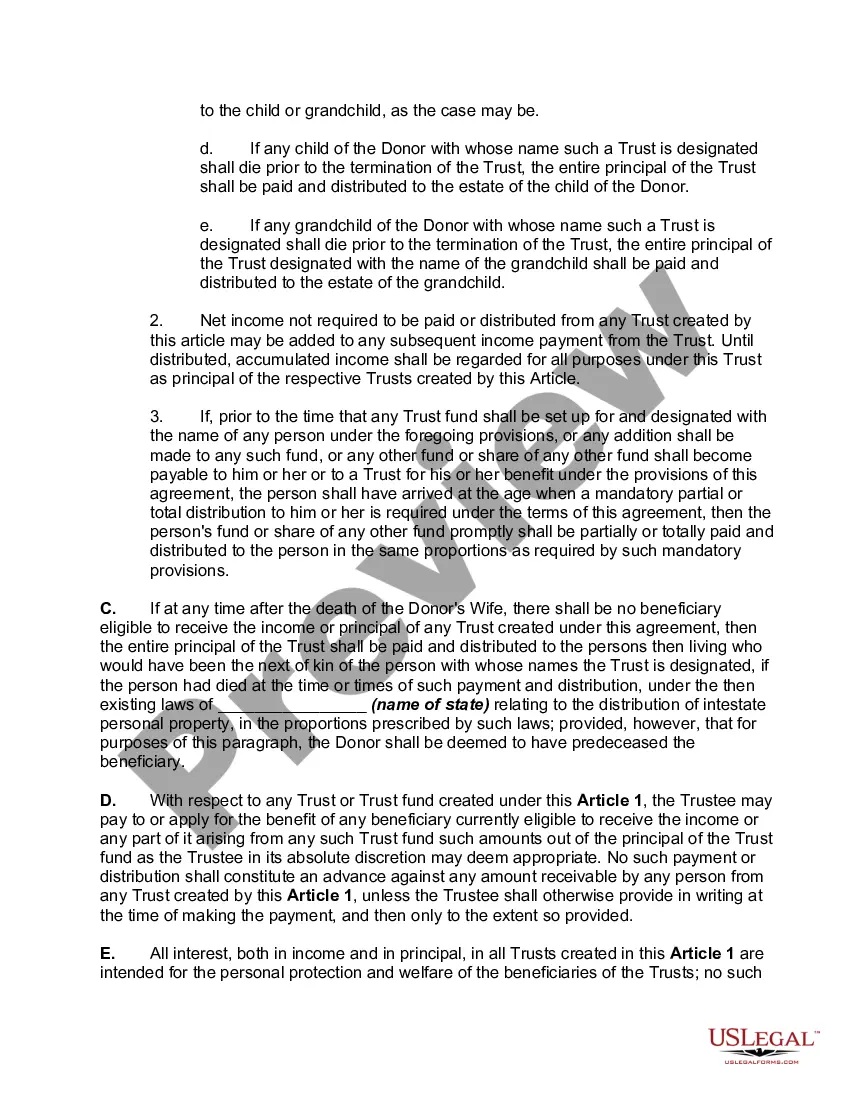
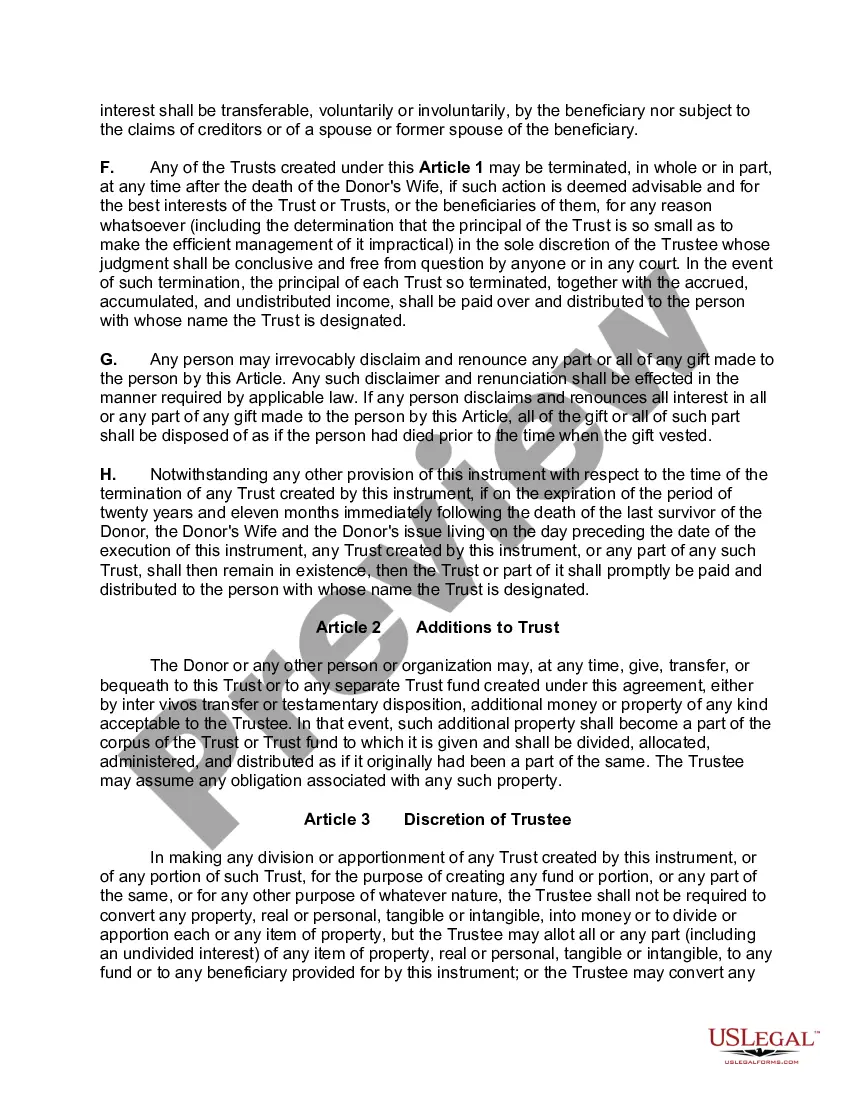
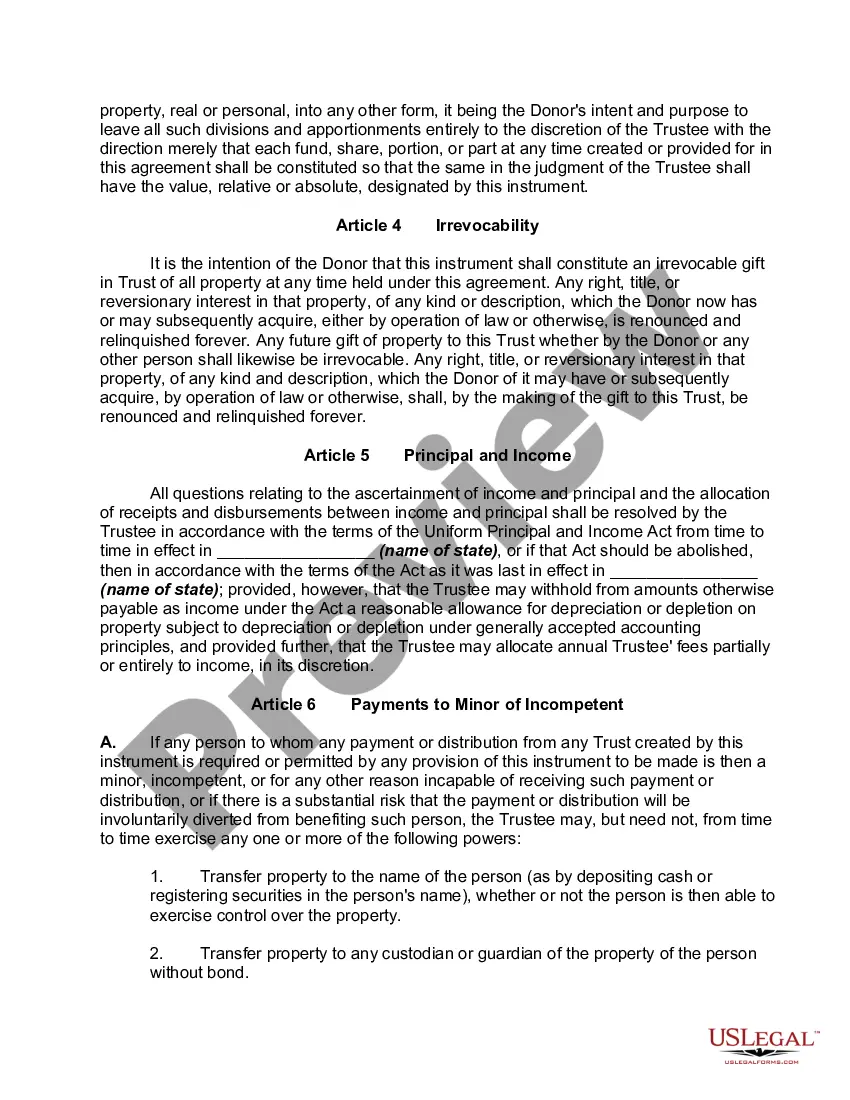
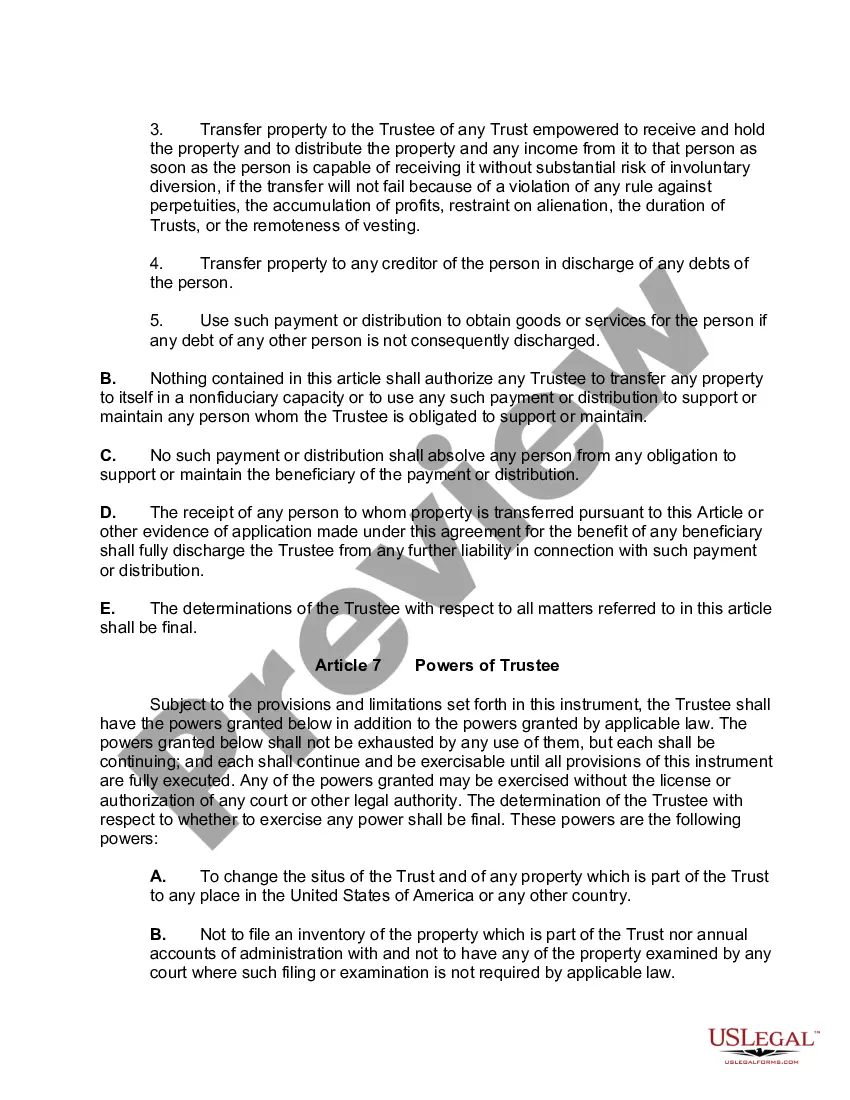
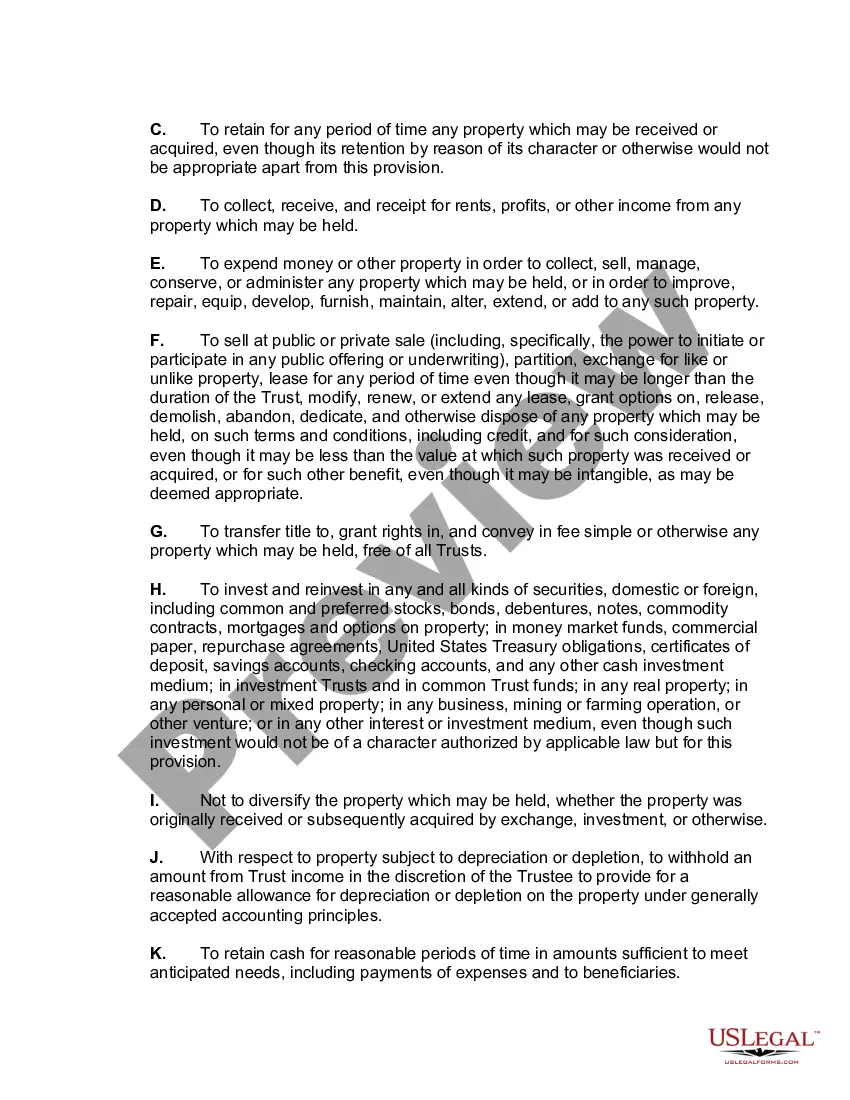
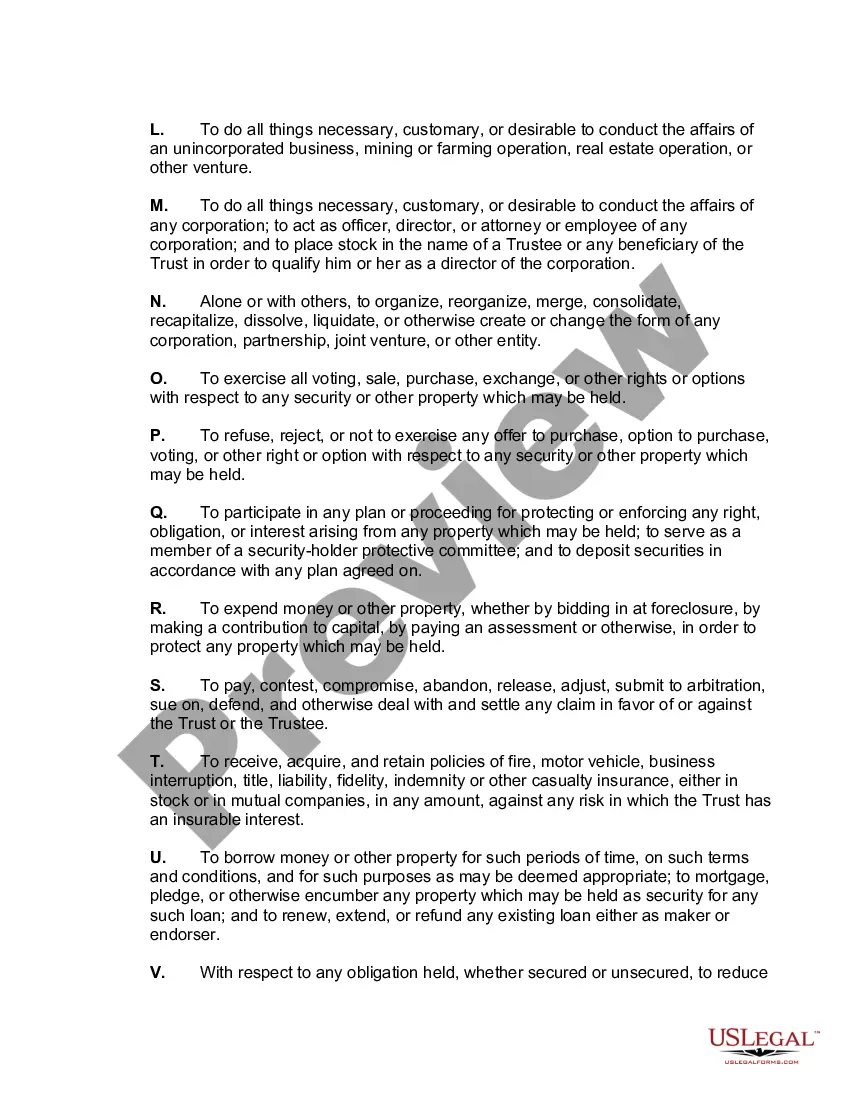
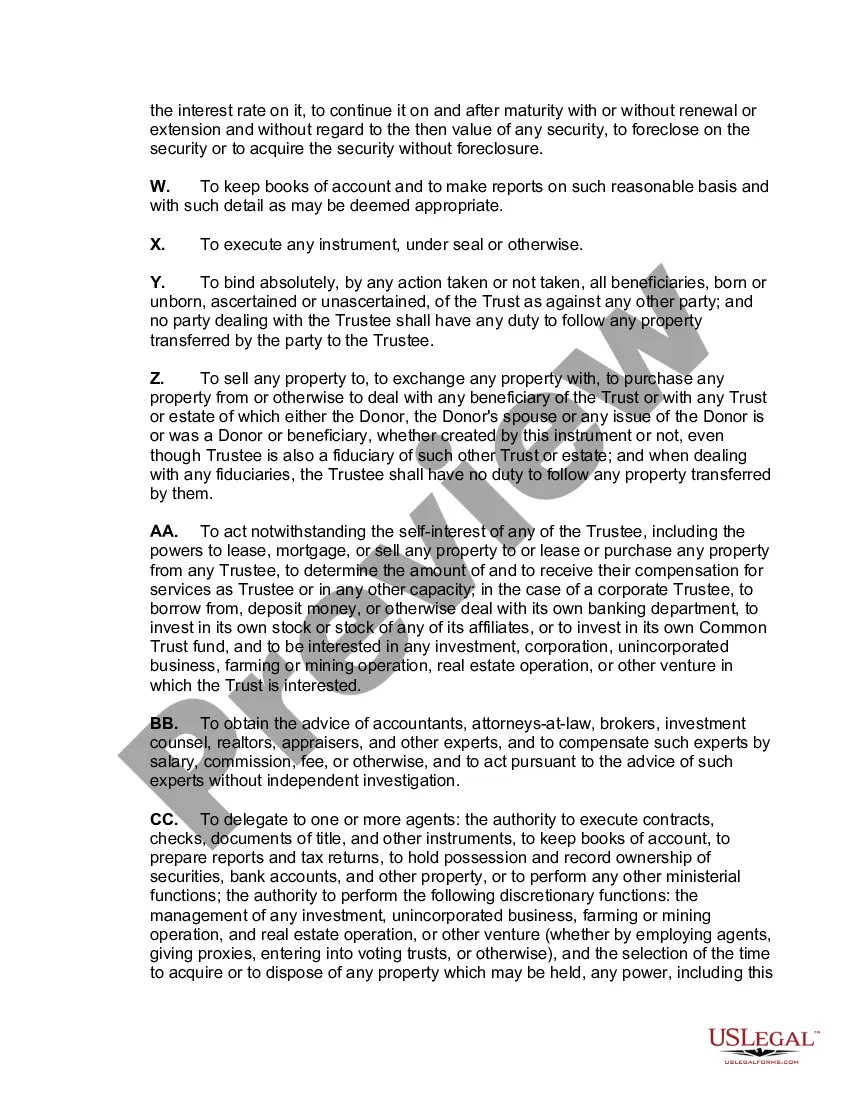
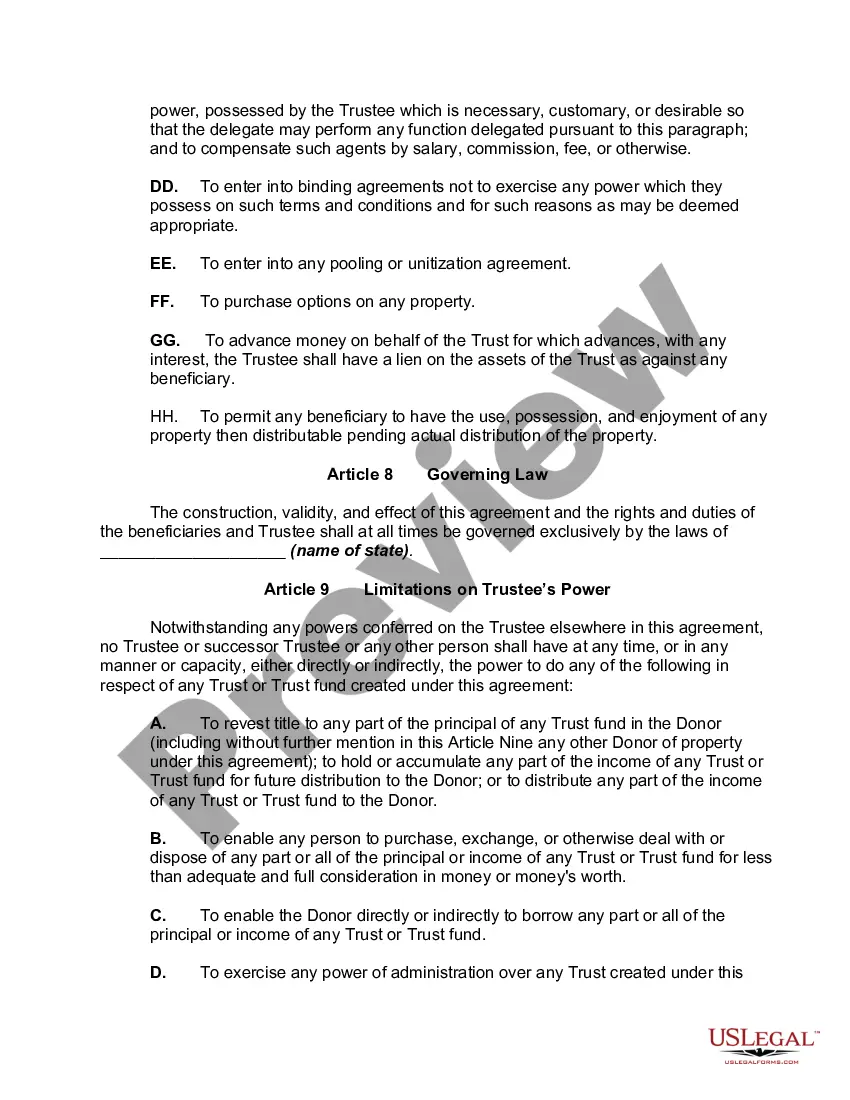

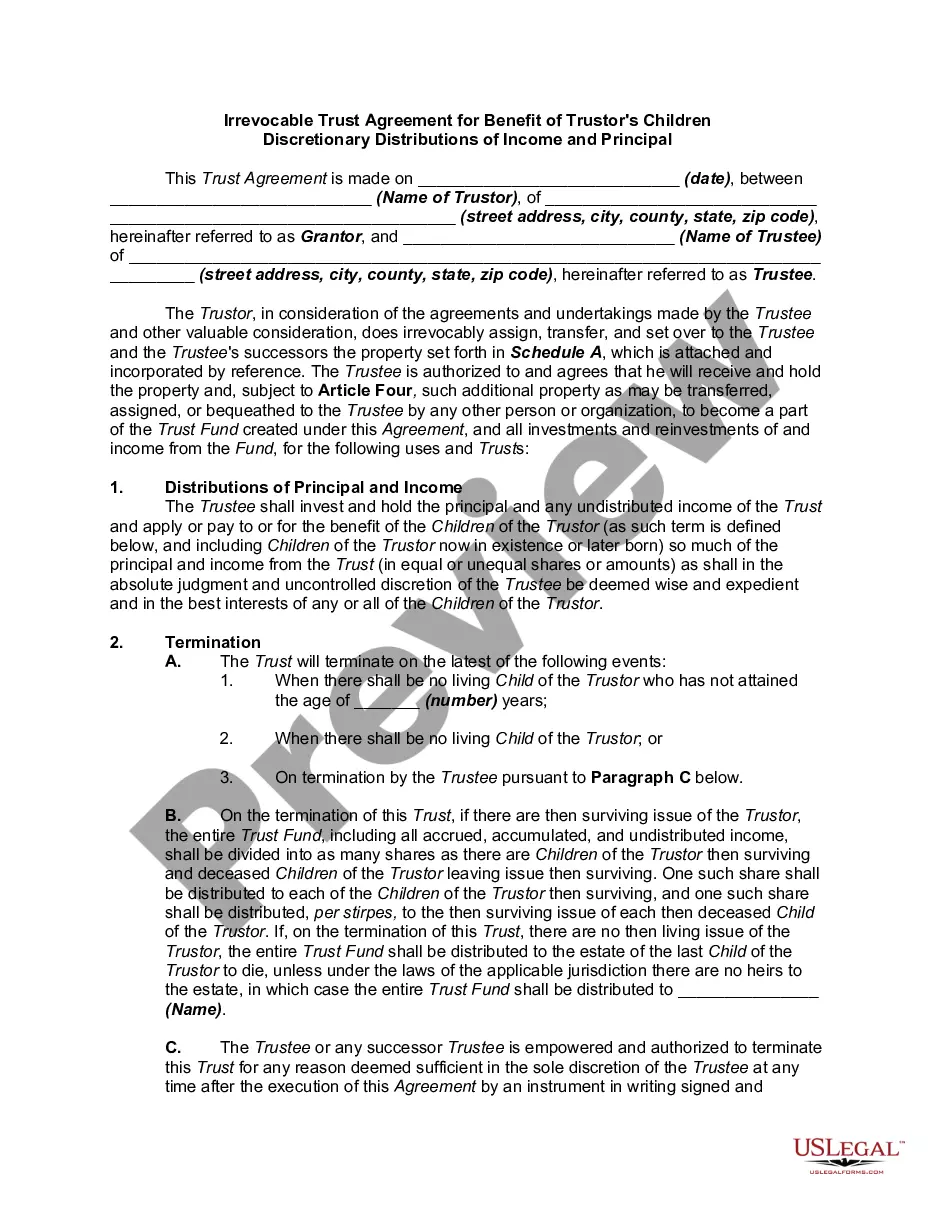
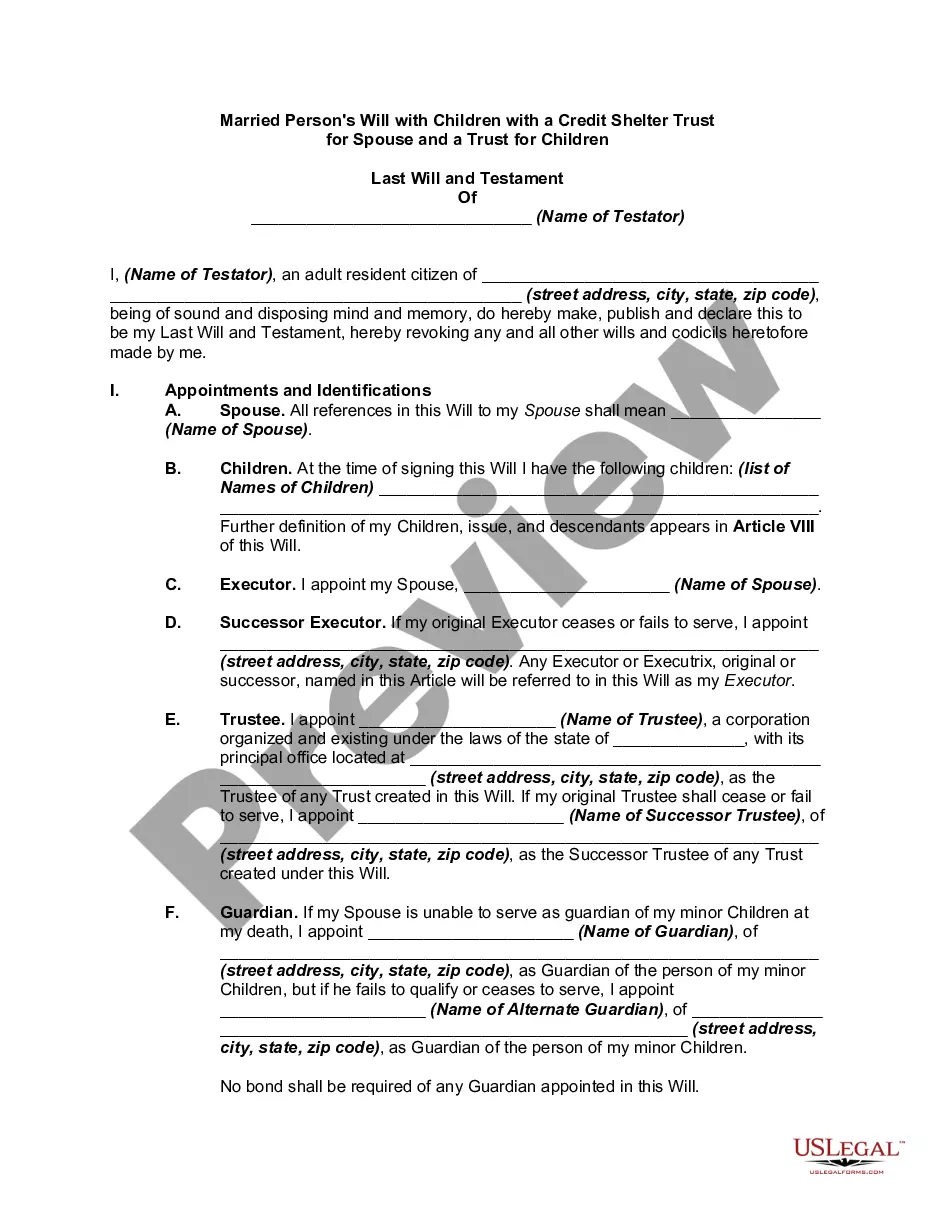
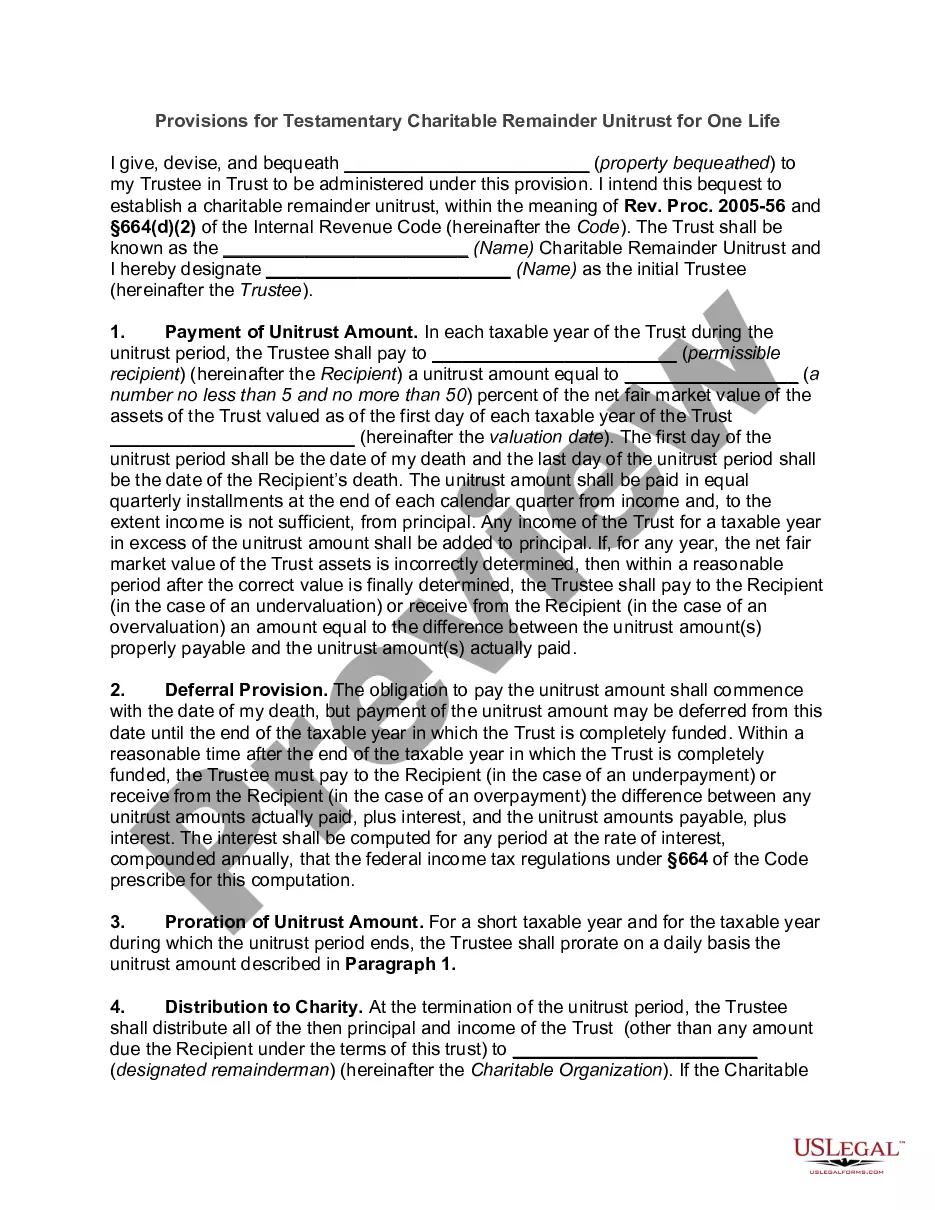
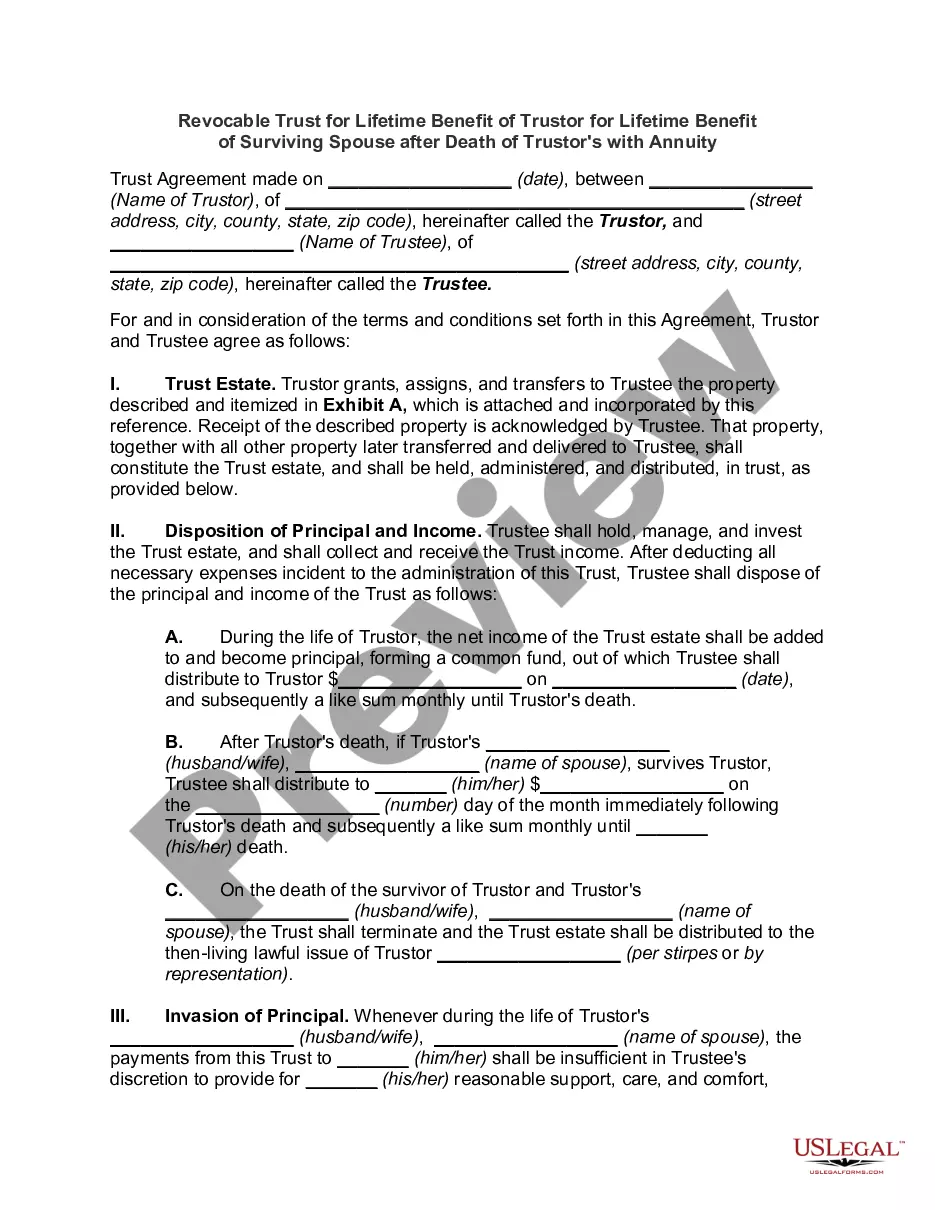
Get your form ready online
Our built-in tools help you complete, sign, share, and store your documents in one place.
Make edits, fill in missing information, and update formatting in US Legal Forms—just like you would in MS Word.
Download a copy, print it, send it by email, or mail it via USPS—whatever works best for your next step.
Sign and collect signatures with our SignNow integration. Send to multiple recipients, set reminders, and more. Go Premium to unlock E-Sign.
If this form requires notarization, complete it online through a secure video call—no need to meet a notary in person or wait for an appointment.
We protect your documents and personal data by following strict security and privacy standards.

Make edits, fill in missing information, and update formatting in US Legal Forms—just like you would in MS Word.

Download a copy, print it, send it by email, or mail it via USPS—whatever works best for your next step.

Sign and collect signatures with our SignNow integration. Send to multiple recipients, set reminders, and more. Go Premium to unlock E-Sign.

If this form requires notarization, complete it online through a secure video call—no need to meet a notary in person or wait for an appointment.

We protect your documents and personal data by following strict security and privacy standards.
Looking for another form?
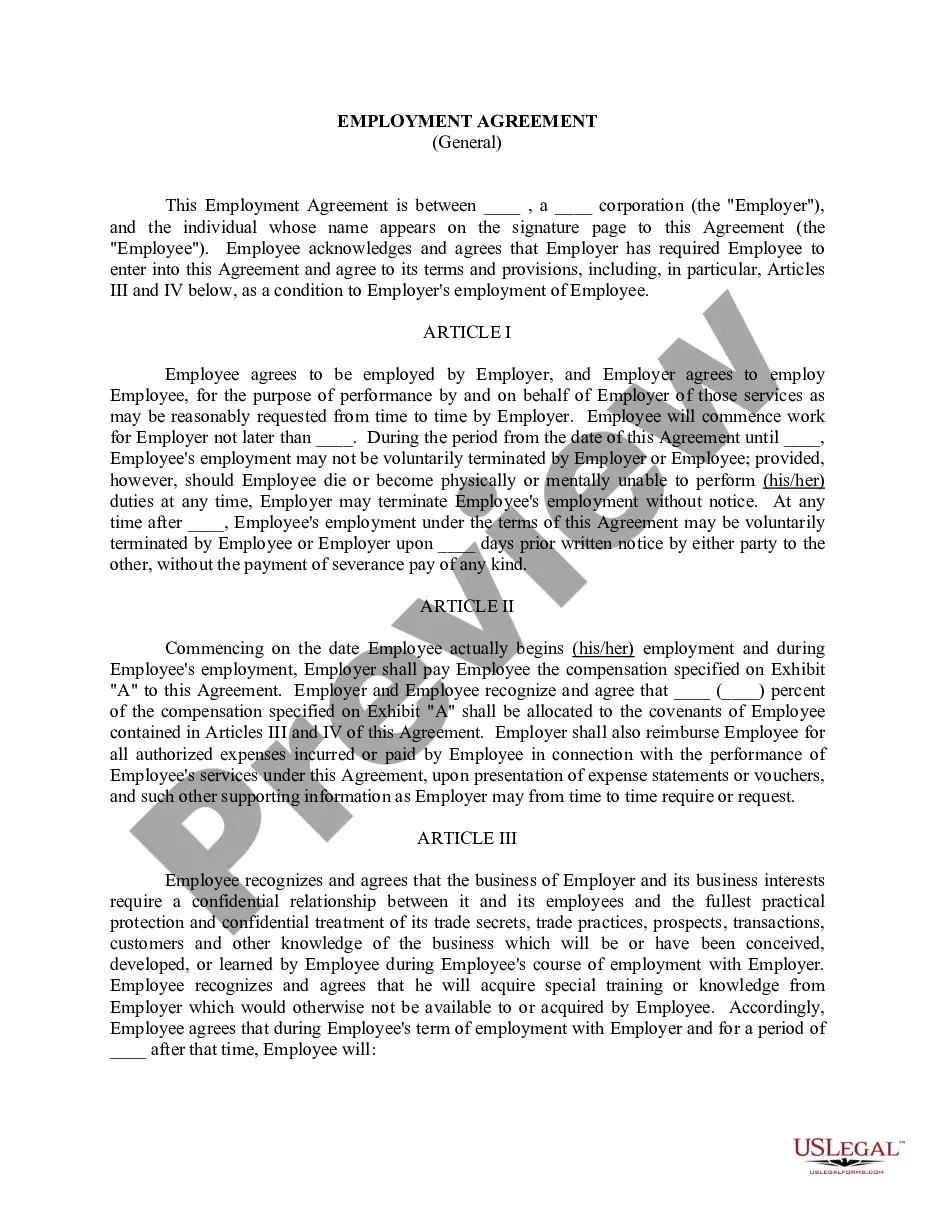
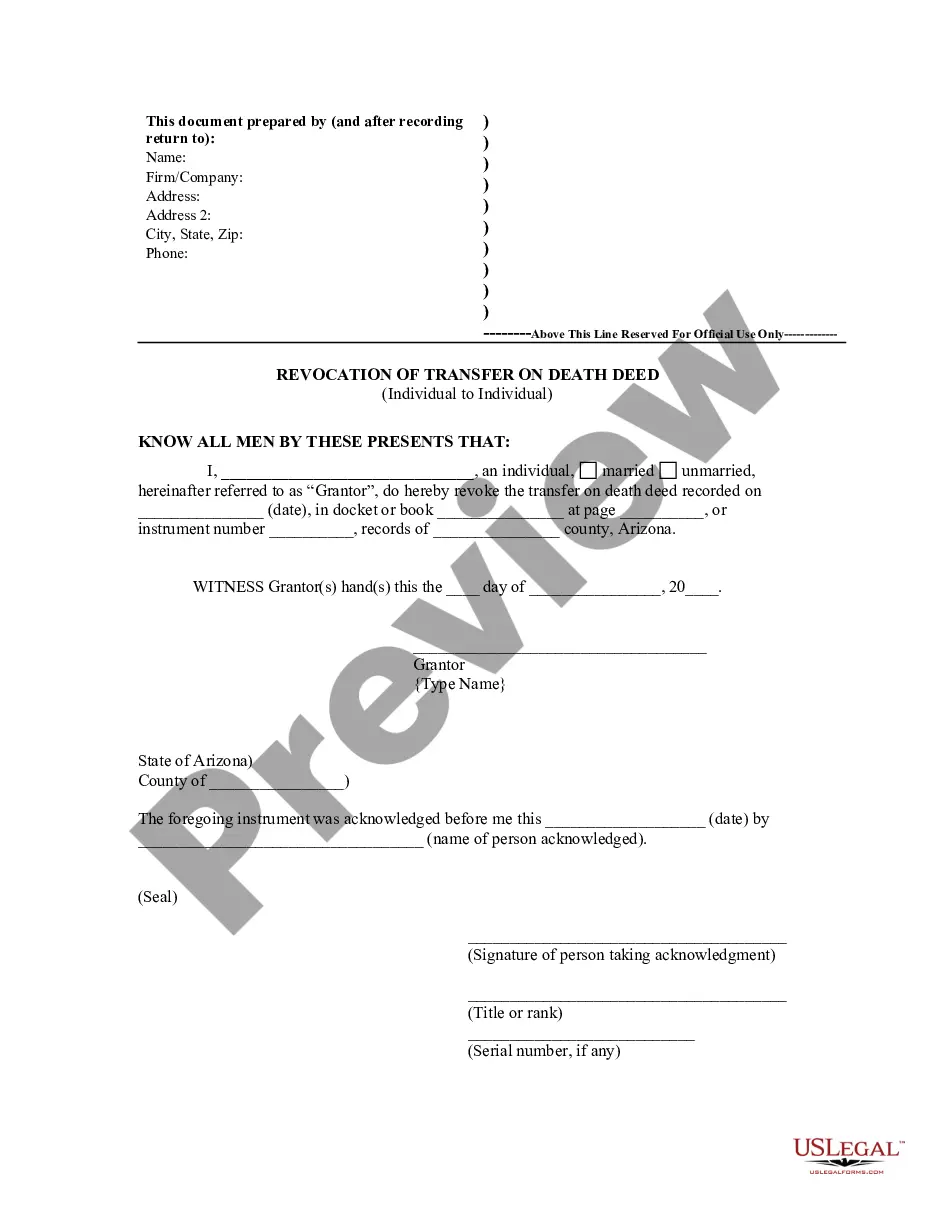






How to fill out Inter Vivos QTIP Trust With Principal To Donor's Children On Spouse's Death?
Legal document managing may be frustrating, even for skilled specialists. When you are searching for a Inter Vivos Donors With Trust and don’t have the a chance to spend looking for the correct and updated version, the processes can be stress filled. A strong online form library can be a gamechanger for anybody who wants to handle these situations efficiently. US Legal Forms is a market leader in web legal forms, with over 85,000 state-specific legal forms available to you at any moment.
With US Legal Forms, it is possible to:
- Gain access to state- or county-specific legal and organization forms. US Legal Forms covers any needs you may have, from personal to enterprise documents, all in one spot.
- Utilize advanced tools to finish and control your Inter Vivos Donors With Trust
- Gain access to a useful resource base of articles, guides and handbooks and materials relevant to your situation and requirements
Help save time and effort looking for the documents you need, and use US Legal Forms’ advanced search and Preview feature to get Inter Vivos Donors With Trust and get it. If you have a monthly subscription, log in to your US Legal Forms profile, look for the form, and get it. Review your My Forms tab to see the documents you previously saved and also to control your folders as you see fit.
If it is your first time with US Legal Forms, make an account and have unlimited usage of all benefits of the library. Here are the steps for taking after downloading the form you want:
- Verify this is the correct form by previewing it and reading through its information.
- Be sure that the sample is accepted in your state or county.
- Pick Buy Now once you are ready.
- Choose a subscription plan.
- Pick the format you want, and Download, complete, sign, print out and send your papers.
Enjoy the US Legal Forms online library, supported with 25 years of expertise and stability. Change your day-to-day papers management in a smooth and easy-to-use process right now.
Form popularity
FAQ
One example to help you imagine how an Inter Vivos Trust can be used is a college education fund. Let's say you have two young children, and you and your spouse became motivated to establish an estate plan. You set up two Trusts and name your children as the beneficiaries, one Trust per child.
What Is Gift Inter Vivos? A gift inter vivos, a gift between the living in Latin, is the legal term that refers to a transfer or gift made during the grantor's life. Inter vivos gifts, which include property related to an estate, are not subject to probate taxes since they are not part of the donor's estate at death.
The essential elements of an inter vivos gift are: (1) present donative intent (the donor's clear intent to pass title/interest to the property to the recipient); (2) delivery (a surrender of all or some dominion and control by the donor and allowing the donee to have possession, which may take different forms ...
In establishing a trust, the grantor names the trust parties, which include the grantors, typically the spouse; the beneficiaries; and the trustee. Sometimes, the spouses are named as trustees. However, a contingent trustee should be named in the event both spouses die.