Inter Vivos Donors With No Limit
Description
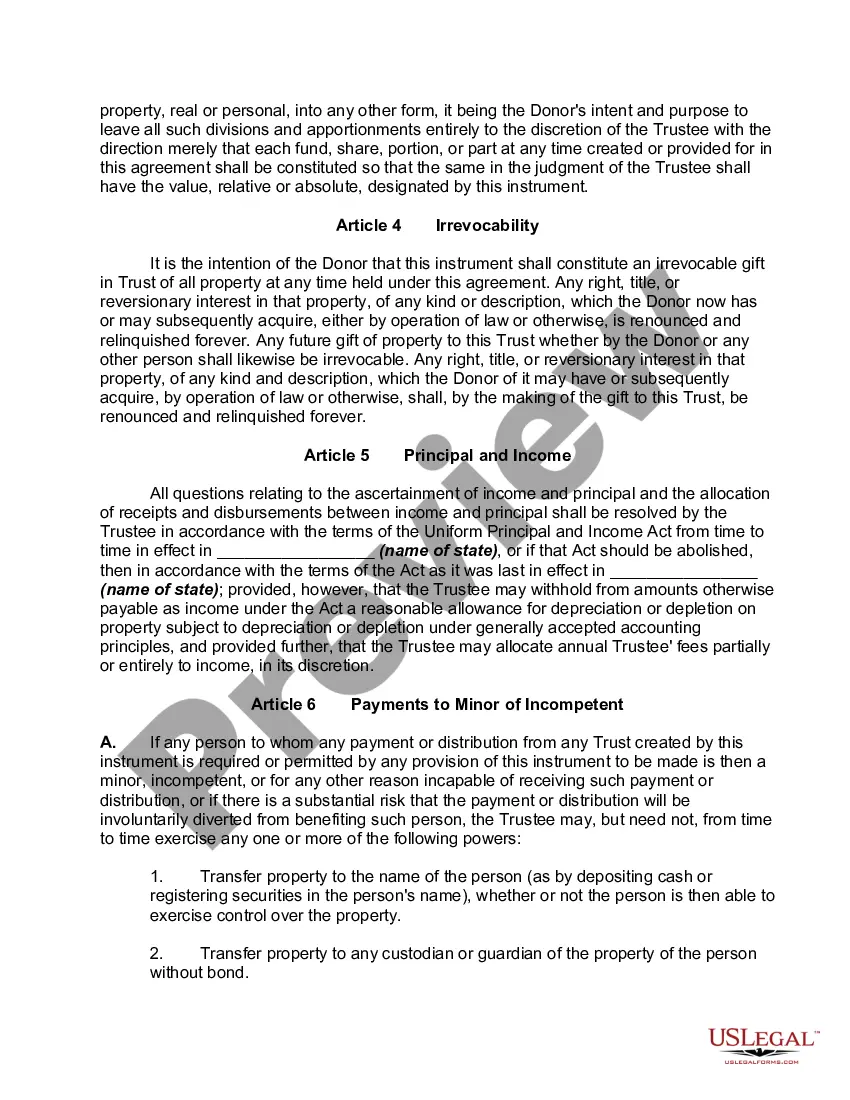
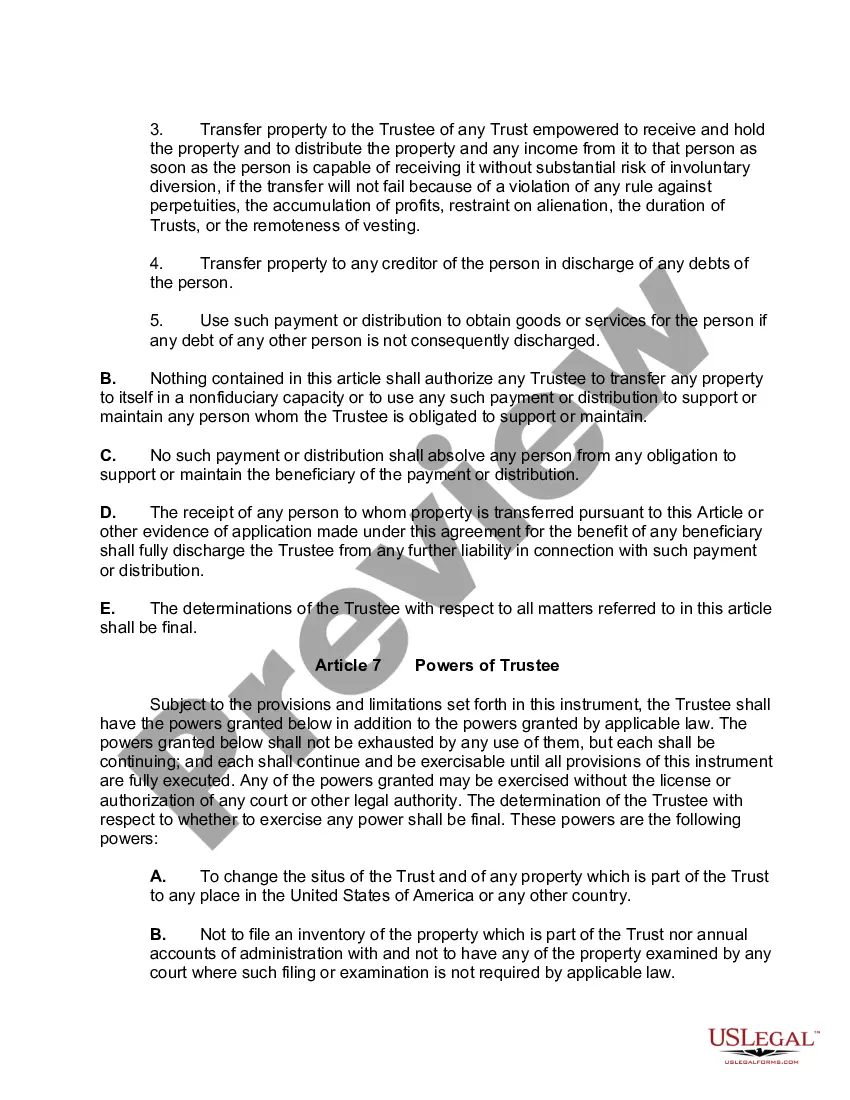
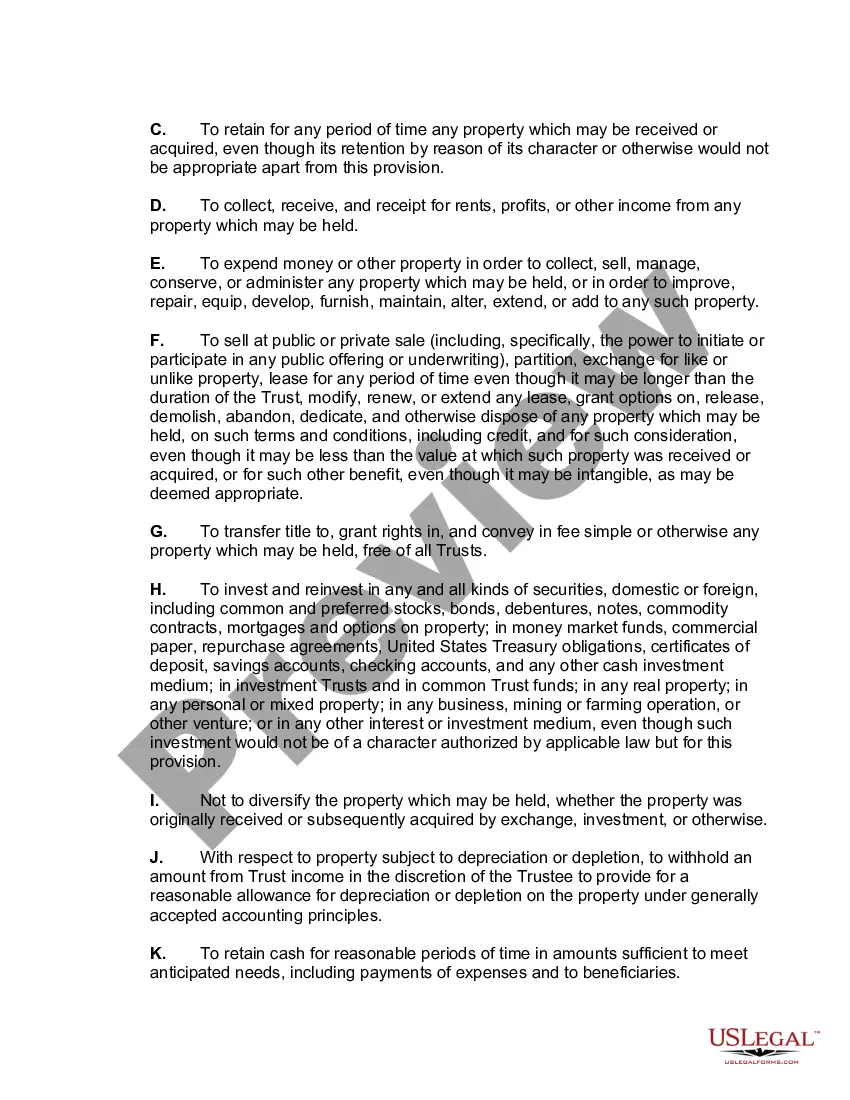
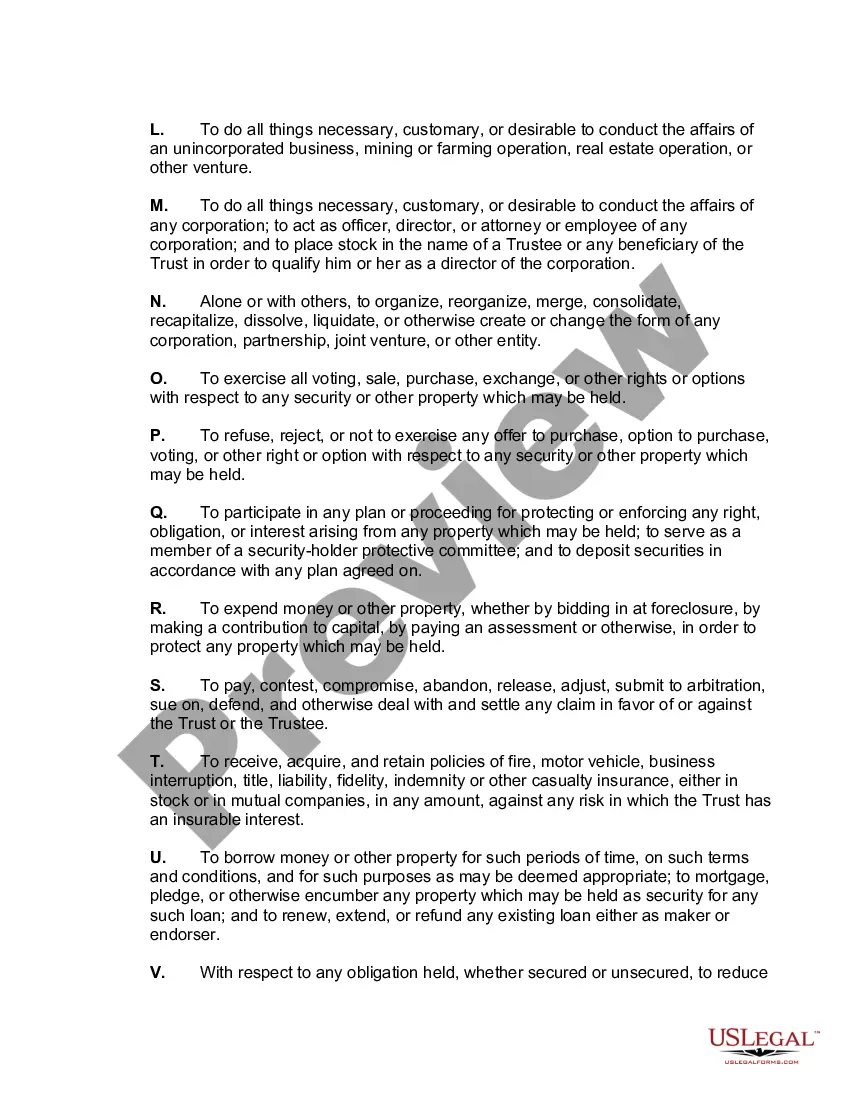
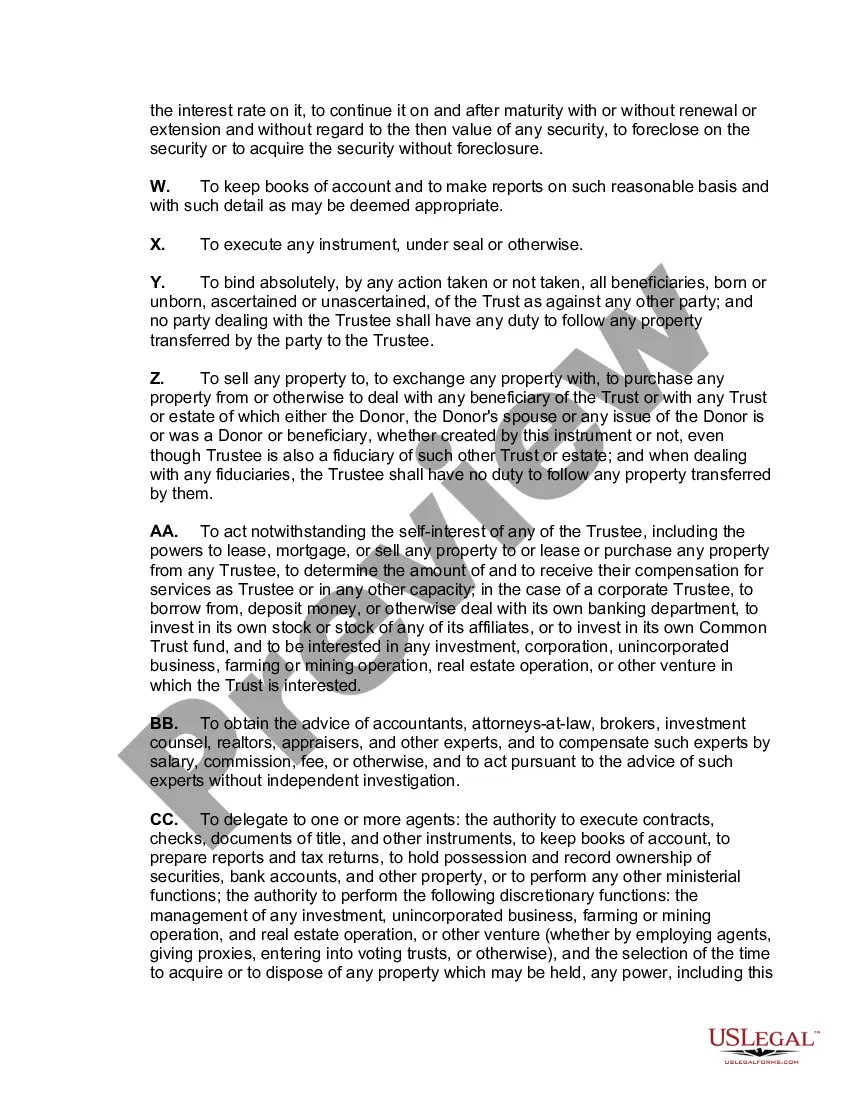
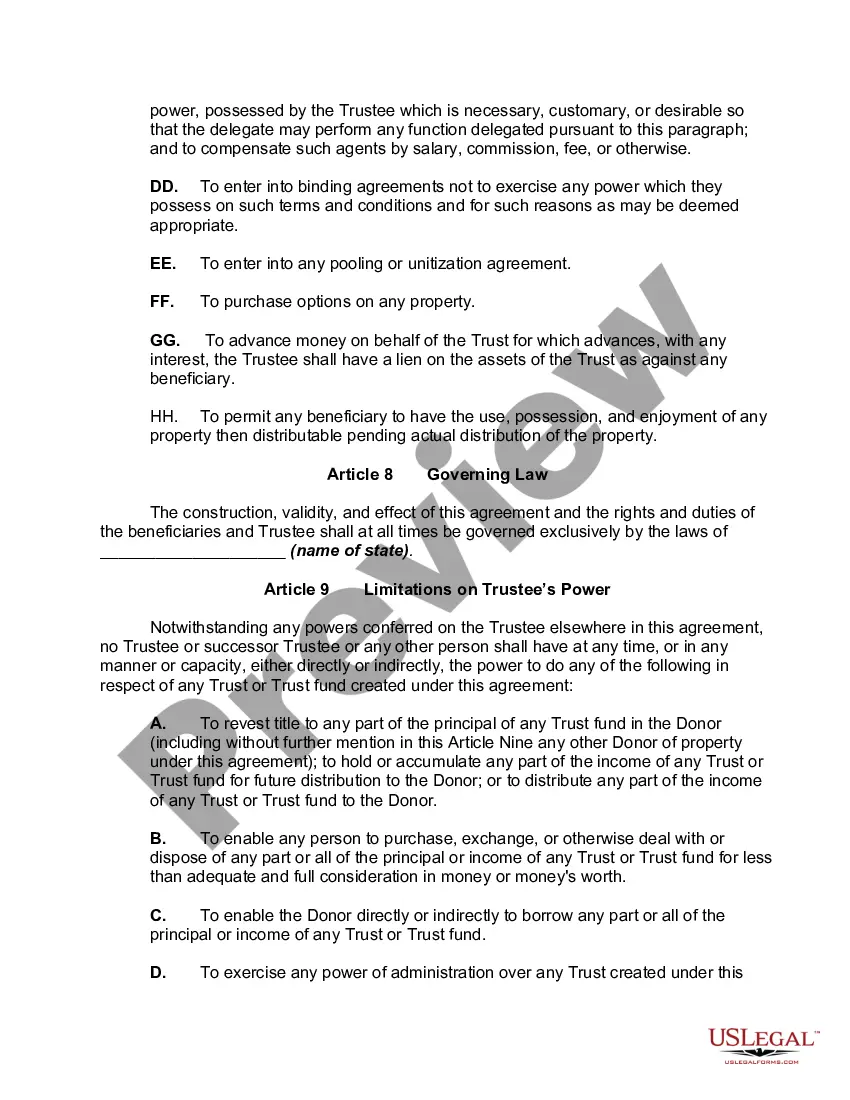

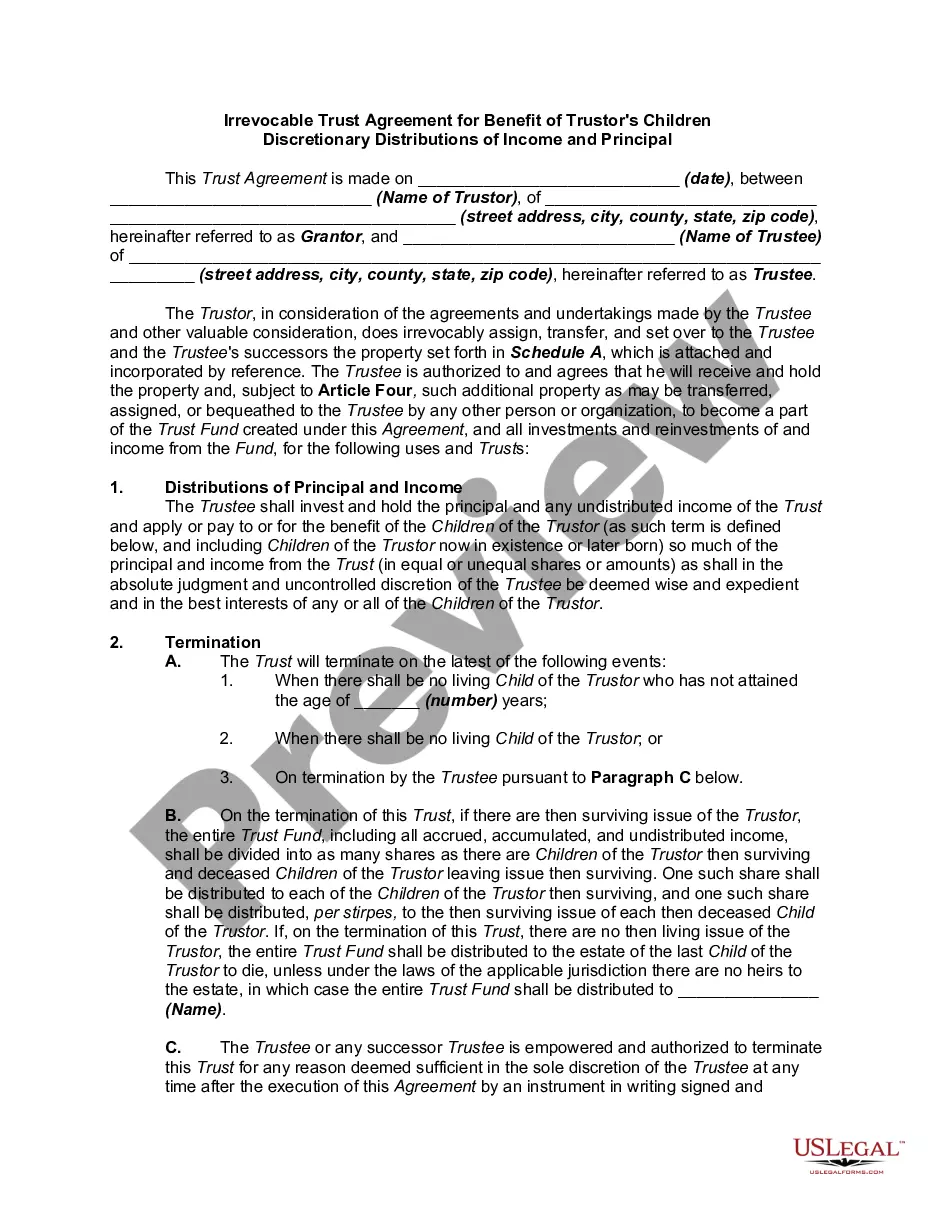
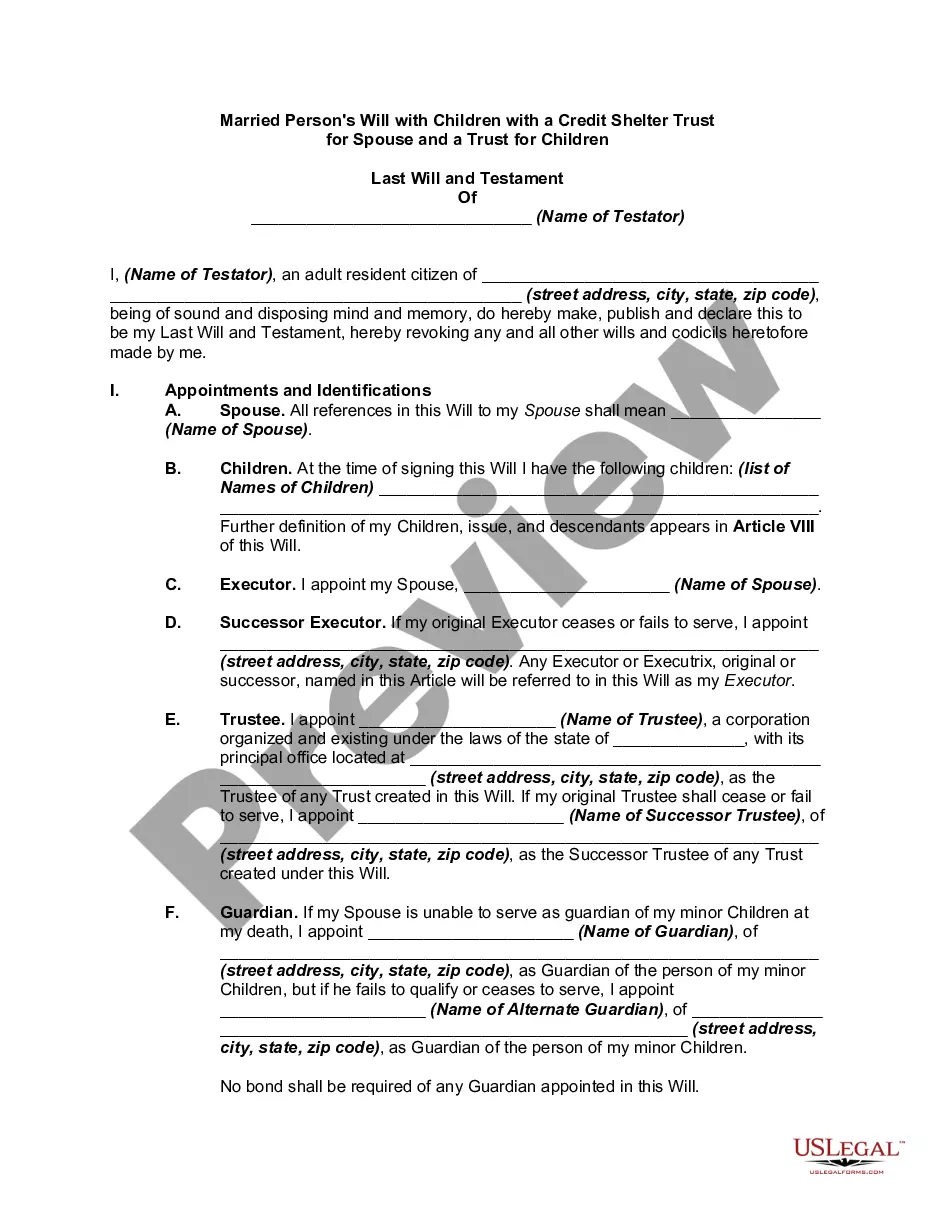
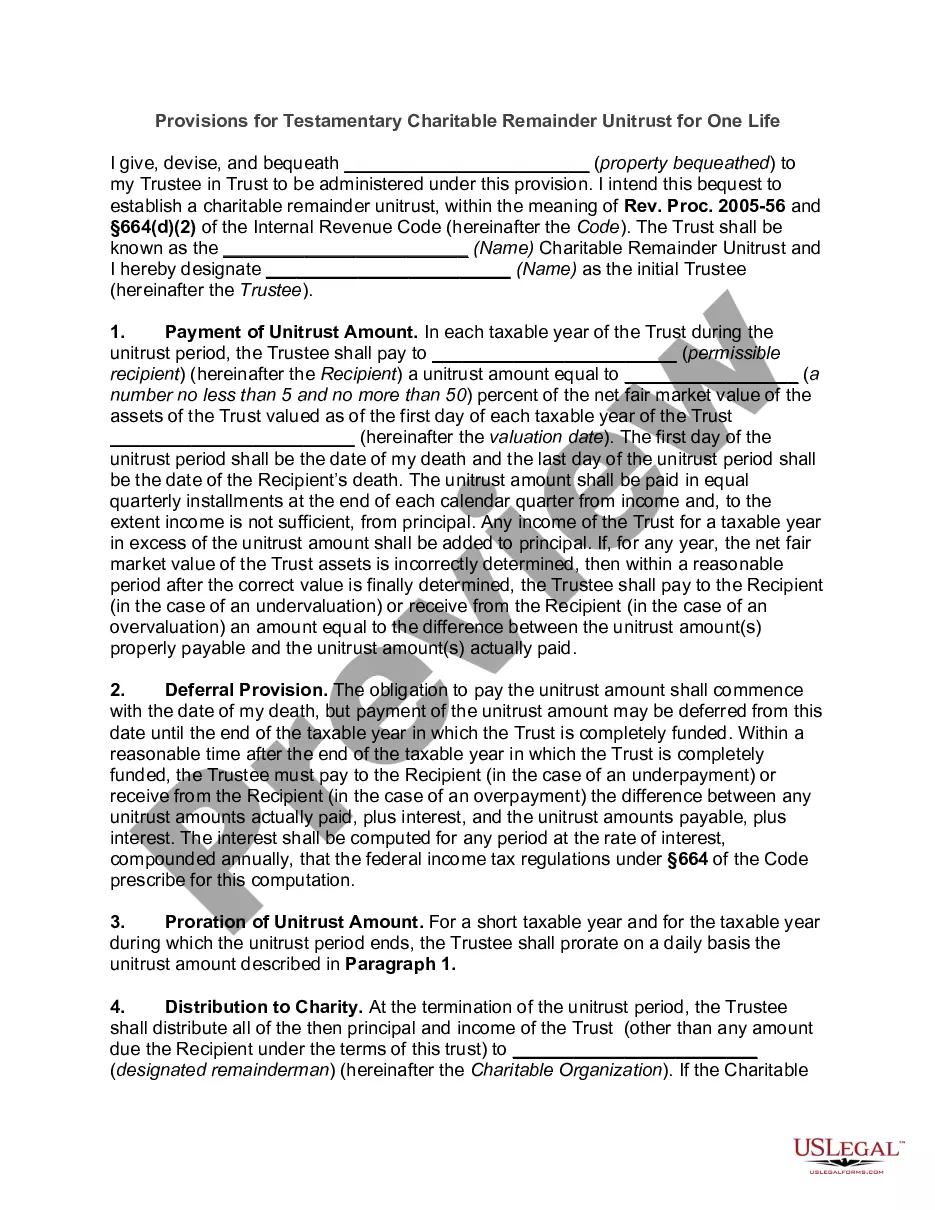
Get your form ready online
Our built-in tools help you complete, sign, share, and store your documents in one place.
Make edits, fill in missing information, and update formatting in US Legal Forms—just like you would in MS Word.
Download a copy, print it, send it by email, or mail it via USPS—whatever works best for your next step.
Sign and collect signatures with our SignNow integration. Send to multiple recipients, set reminders, and more. Go Premium to unlock E-Sign.
If this form requires notarization, complete it online through a secure video call—no need to meet a notary in person or wait for an appointment.
We protect your documents and personal data by following strict security and privacy standards.

Make edits, fill in missing information, and update formatting in US Legal Forms—just like you would in MS Word.

Download a copy, print it, send it by email, or mail it via USPS—whatever works best for your next step.

Sign and collect signatures with our SignNow integration. Send to multiple recipients, set reminders, and more. Go Premium to unlock E-Sign.

If this form requires notarization, complete it online through a secure video call—no need to meet a notary in person or wait for an appointment.

We protect your documents and personal data by following strict security and privacy standards.
Looking for another form?






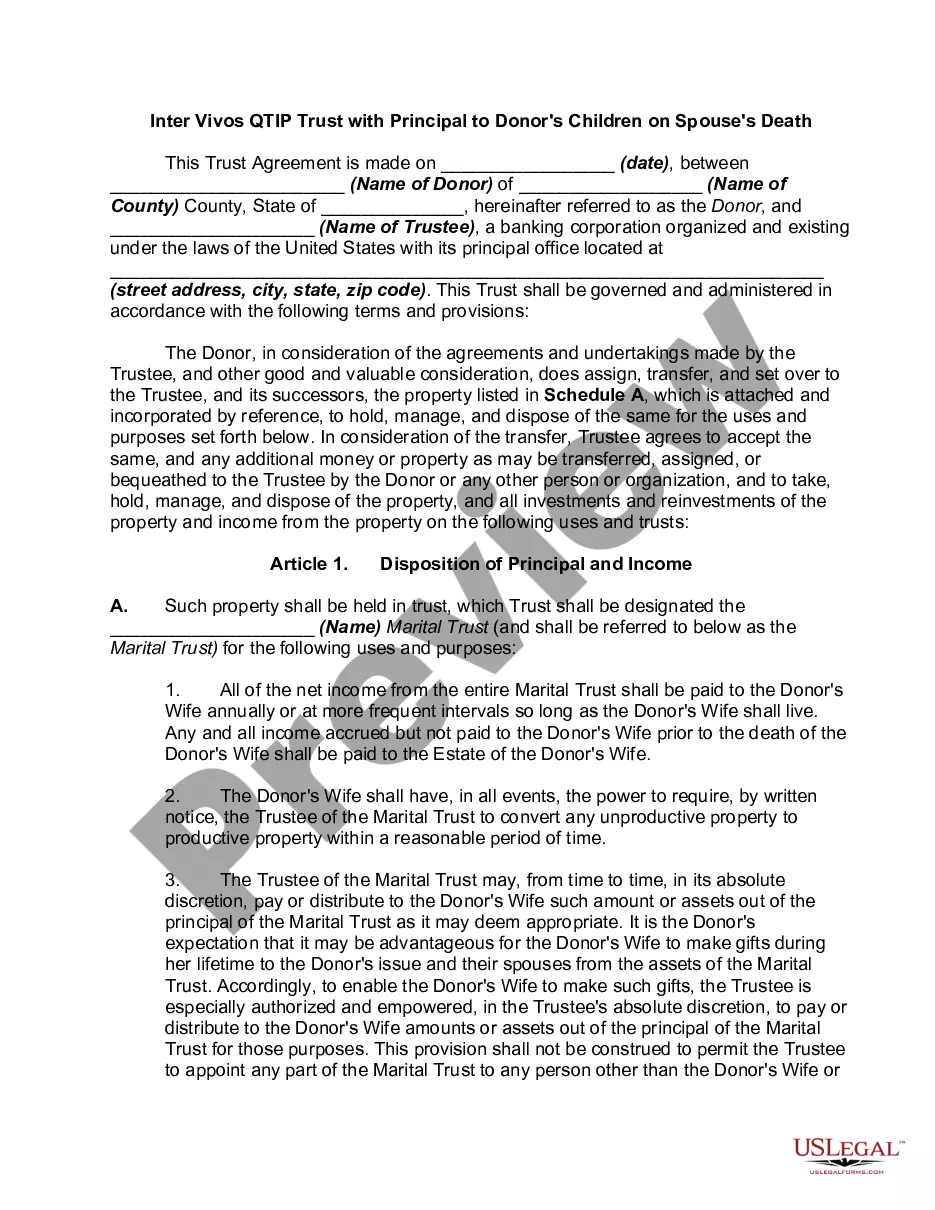
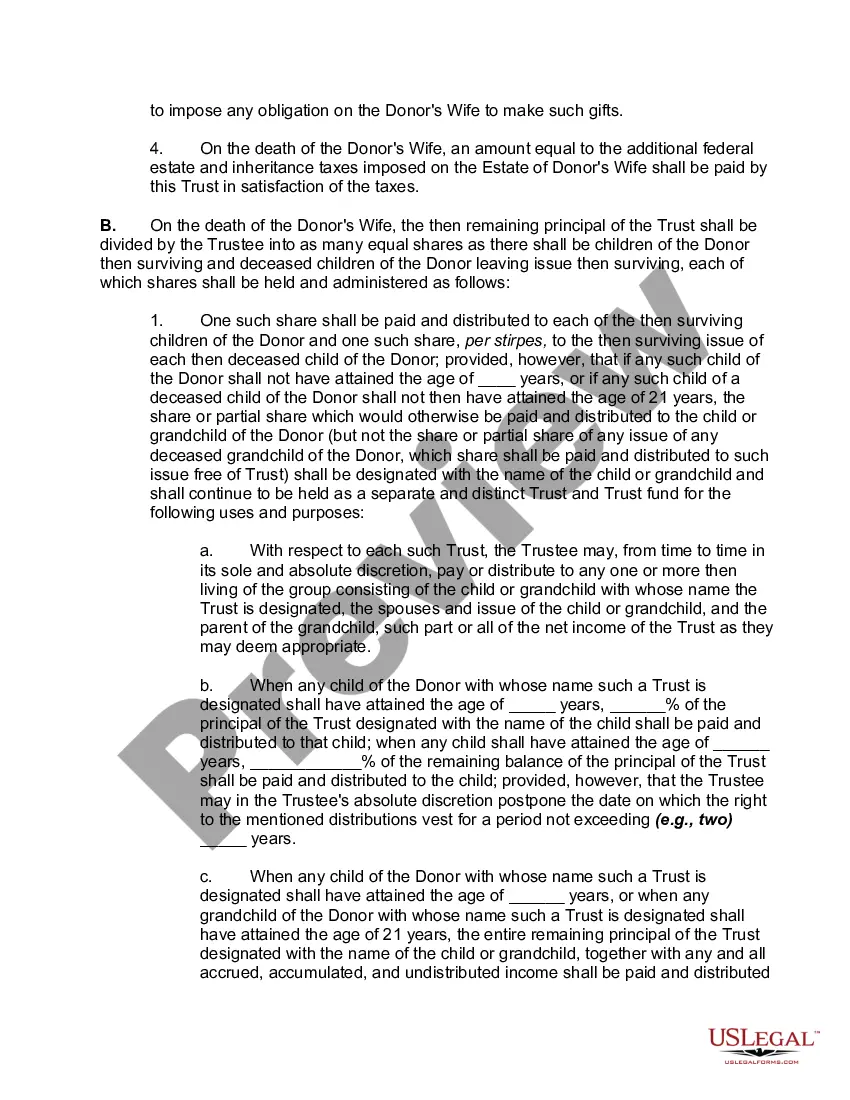
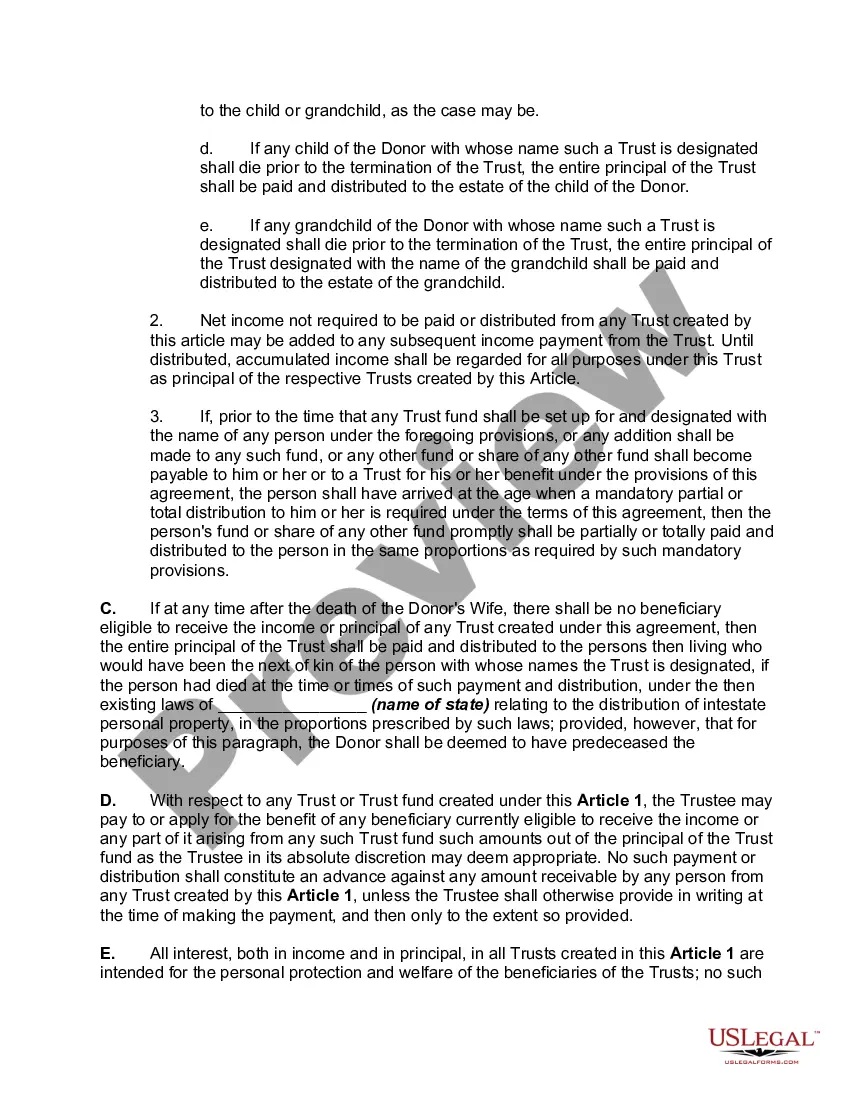
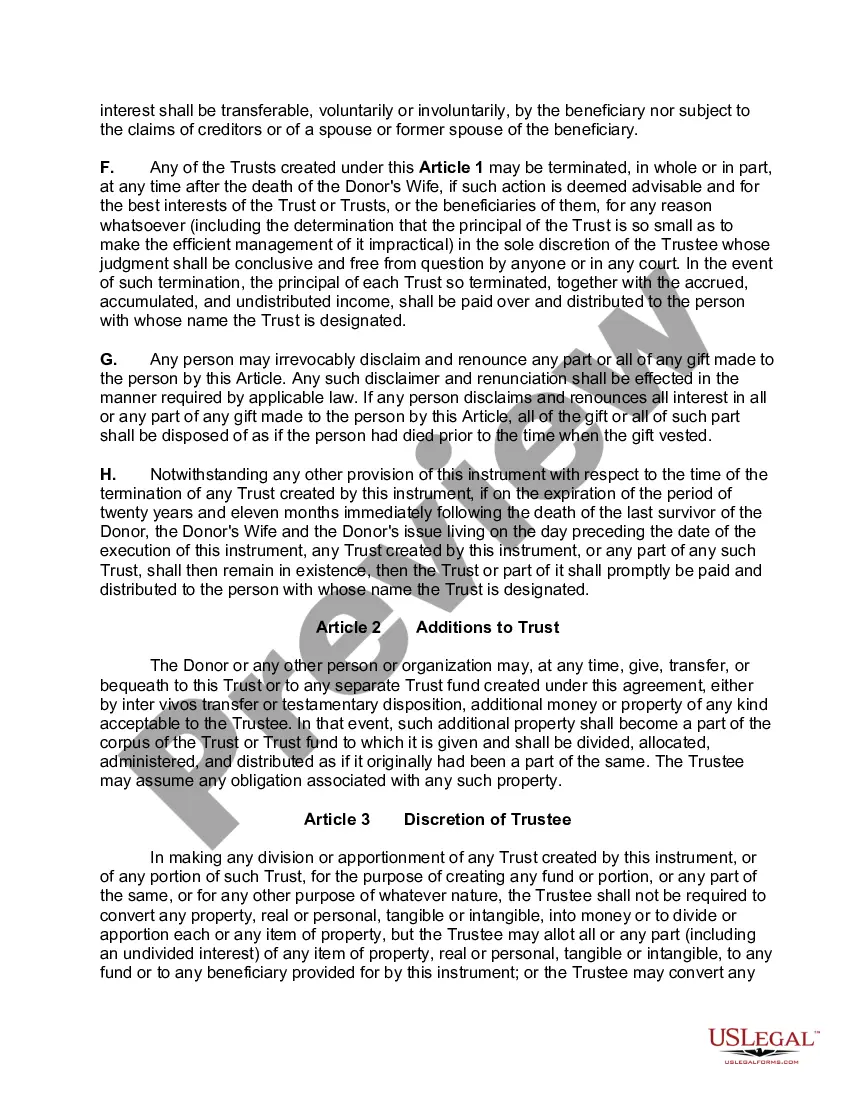
How to fill out Inter Vivos QTIP Trust With Principal To Donor's Children On Spouse's Death?
Whether for business purposes or for personal matters, everybody has to handle legal situations at some point in their life. Completing legal paperwork requires careful attention, starting with selecting the proper form template. For instance, when you select a wrong edition of the Inter Vivos Donors With No Limit, it will be rejected when you submit it. It is therefore essential to have a trustworthy source of legal documents like US Legal Forms.
If you need to get a Inter Vivos Donors With No Limit template, stick to these easy steps:
- Get the sample you need by using the search field or catalog navigation.
- Examine the form’s description to make sure it fits your situation, state, and county.
- Click on the form’s preview to examine it.
- If it is the incorrect document, go back to the search function to locate the Inter Vivos Donors With No Limit sample you require.
- Download the file if it meets your needs.
- If you already have a US Legal Forms account, click Log in to access previously saved documents in My Forms.
- If you don’t have an account yet, you may obtain the form by clicking Buy now.
- Choose the proper pricing option.
- Finish the account registration form.
- Pick your transaction method: you can use a bank card or PayPal account.
- Choose the file format you want and download the Inter Vivos Donors With No Limit.
- When it is saved, you are able to complete the form by using editing applications or print it and finish it manually.
With a vast US Legal Forms catalog at hand, you do not need to spend time searching for the right sample across the internet. Take advantage of the library’s simple navigation to get the correct template for any situation.
Form popularity
FAQ
What Is Gift Inter Vivos? A gift inter vivos, a gift between the living in Latin, is the legal term that refers to a transfer or gift made during the grantor's life. Inter vivos gifts, which include property related to an estate, are not subject to probate taxes since they are not part of the donor's estate at death.
The essential elements of an inter vivos gift are: (1) present donative intent (the donor's clear intent to pass title/interest to the property to the recipient); (2) delivery (a surrender of all or some dominion and control by the donor and allowing the donee to have possession, which may take different forms ...
First, complete the General Information section on part one of the form. Line 12 would also allow you to check off on whether you and your spouse made joint gifts for the tax year. If not, you may skip lines 13 through 18. Note that your spouse must also sign Form 709 in the appropriate spot if you made joint gifts.
To make an effective gift inter vivos or causa mortis, the law imposes three requirements: (1) the donor must deliver a deed or object to the donee; (2) the donor must actually intend to make a gift, and (3) the donee must accept (see Figure 36.1 "Gift Requirements").
Both types of gifts share three elements which must be met in order for the gift to be legally effective: donative intent (the intention of the donor to give the gift to the donee), the delivery of the gift to the donee, and the acceptance of the gift.