Building Trust With Children
Description



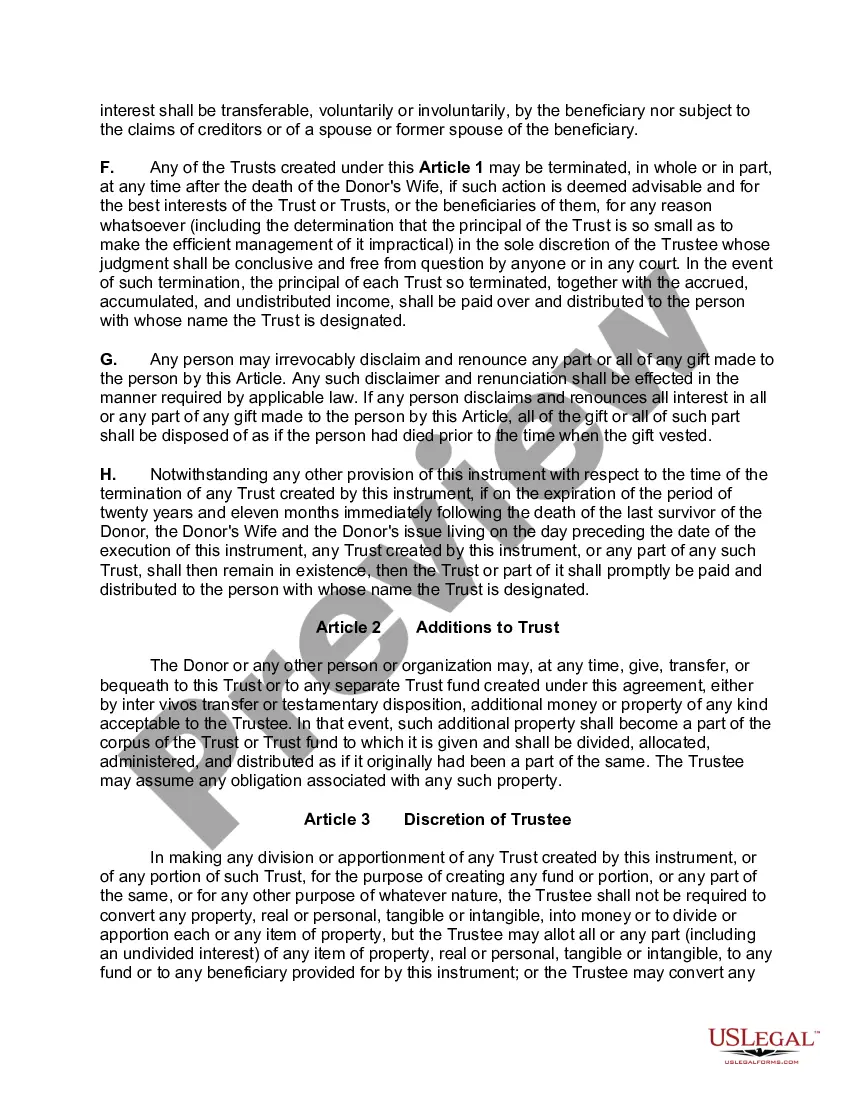
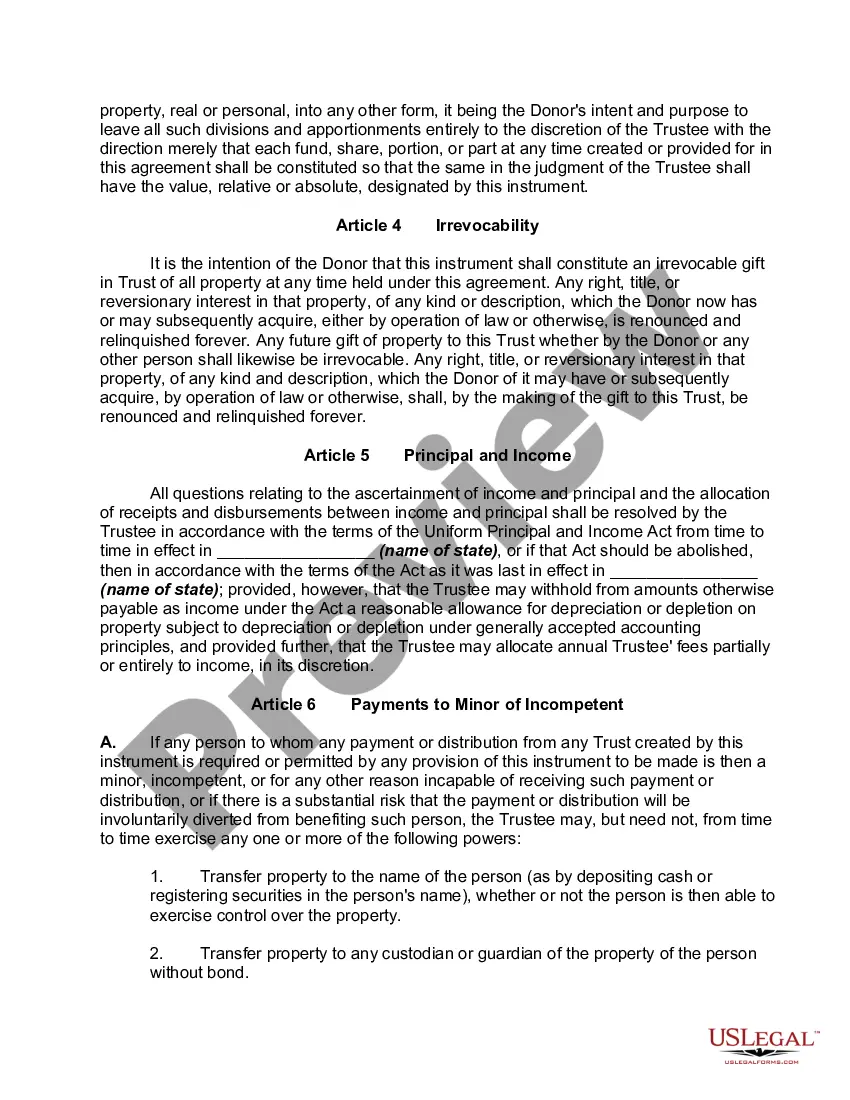
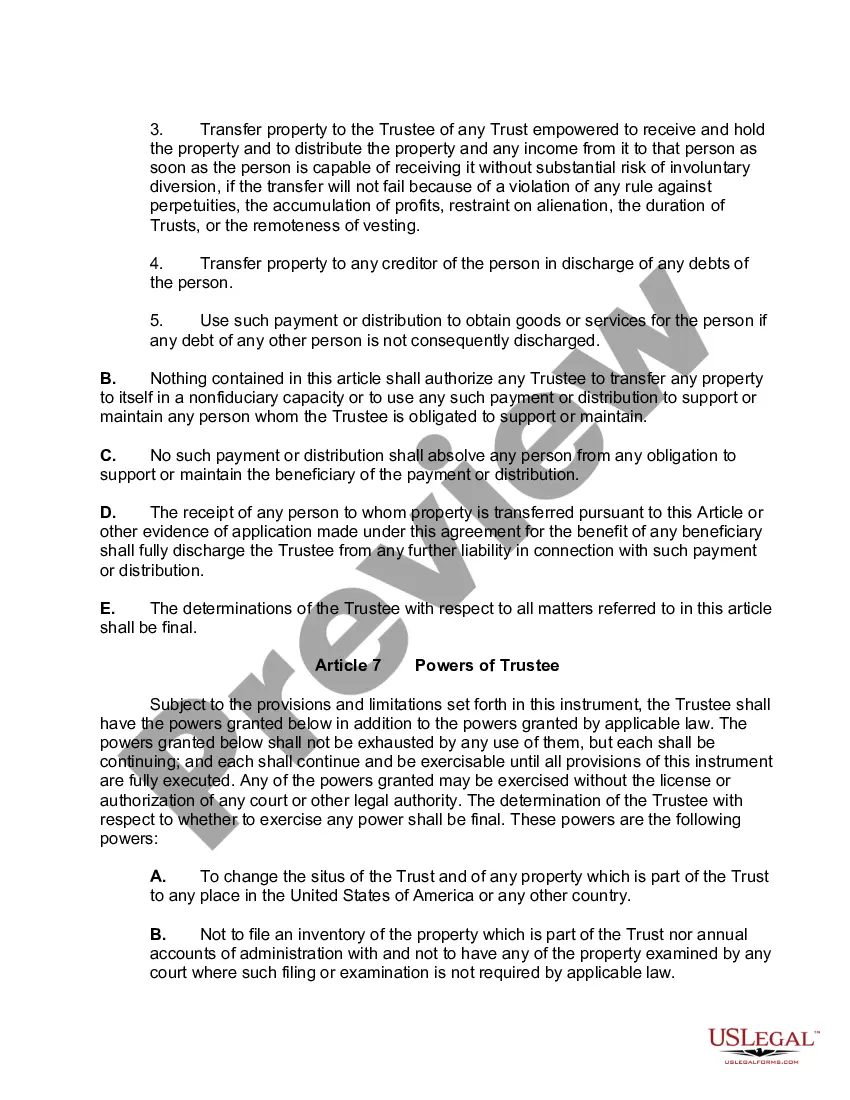


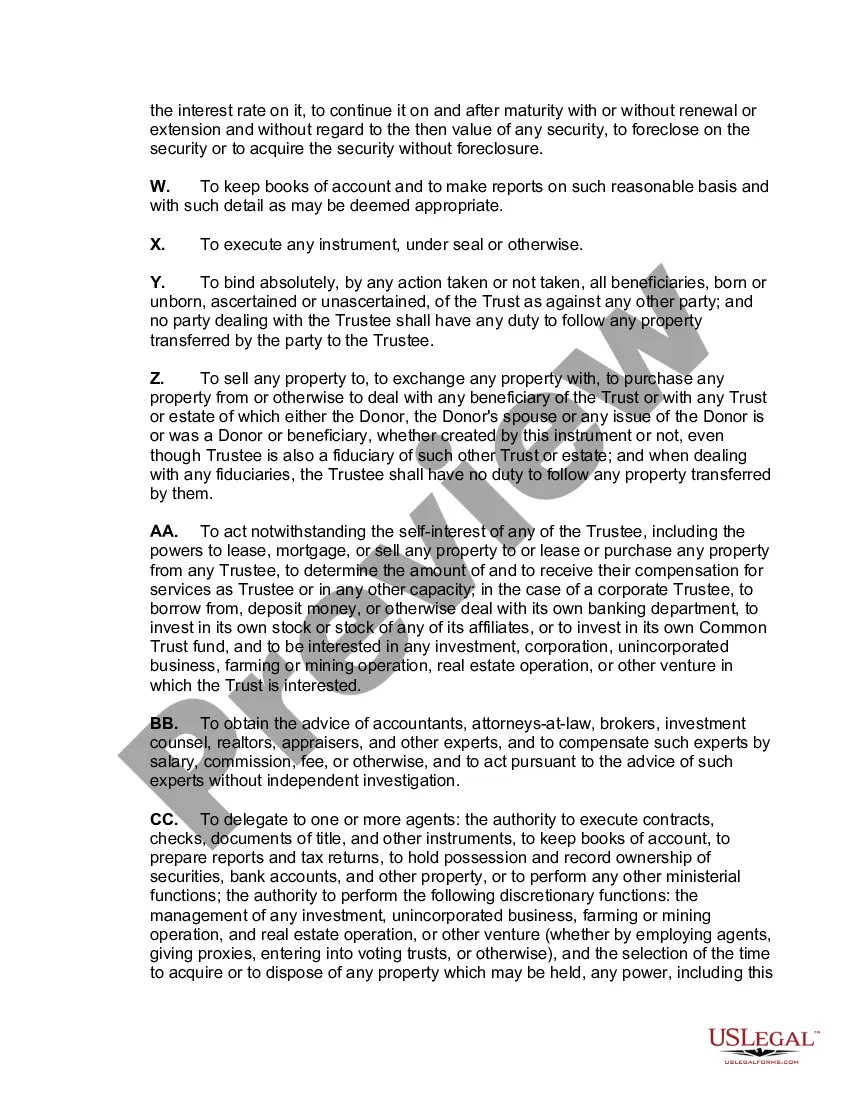


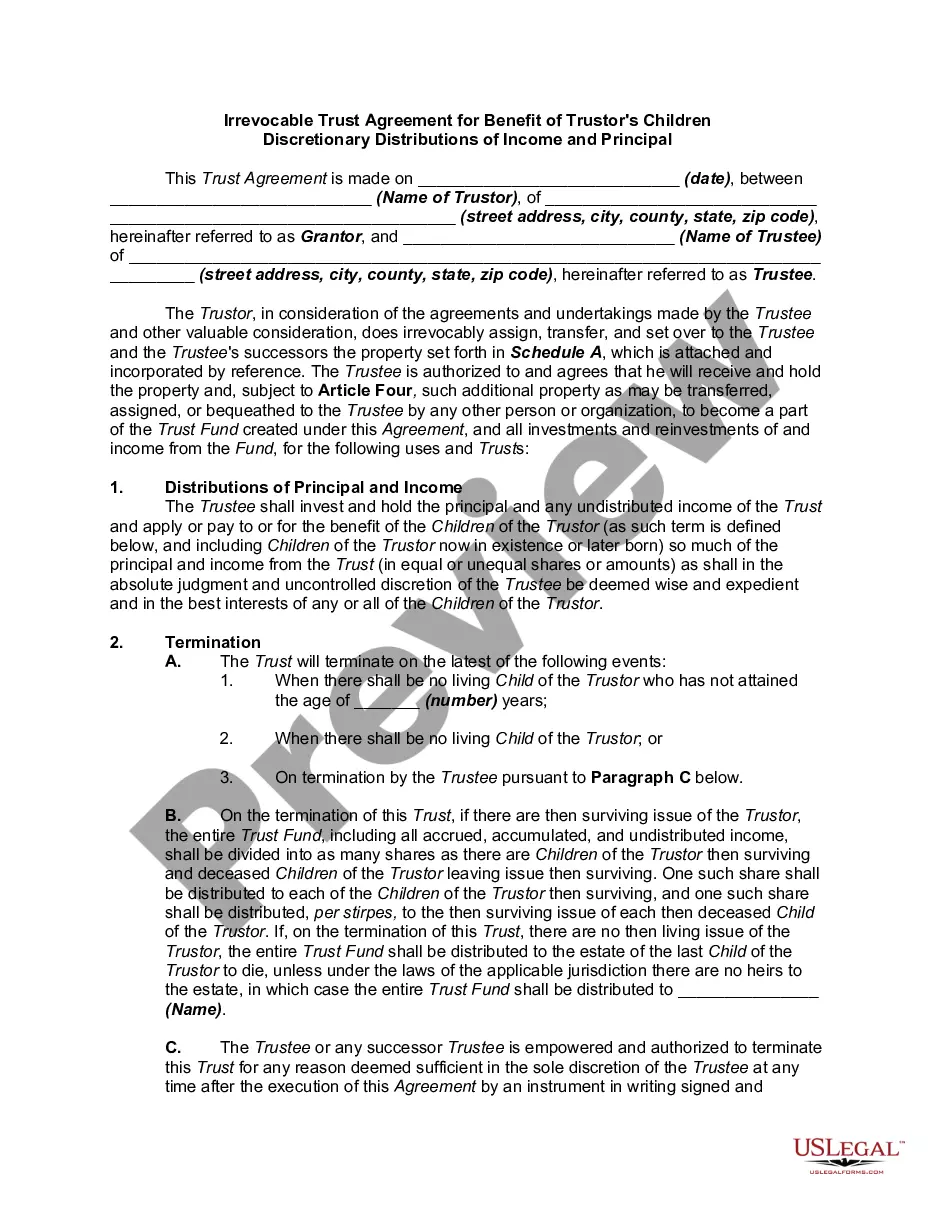
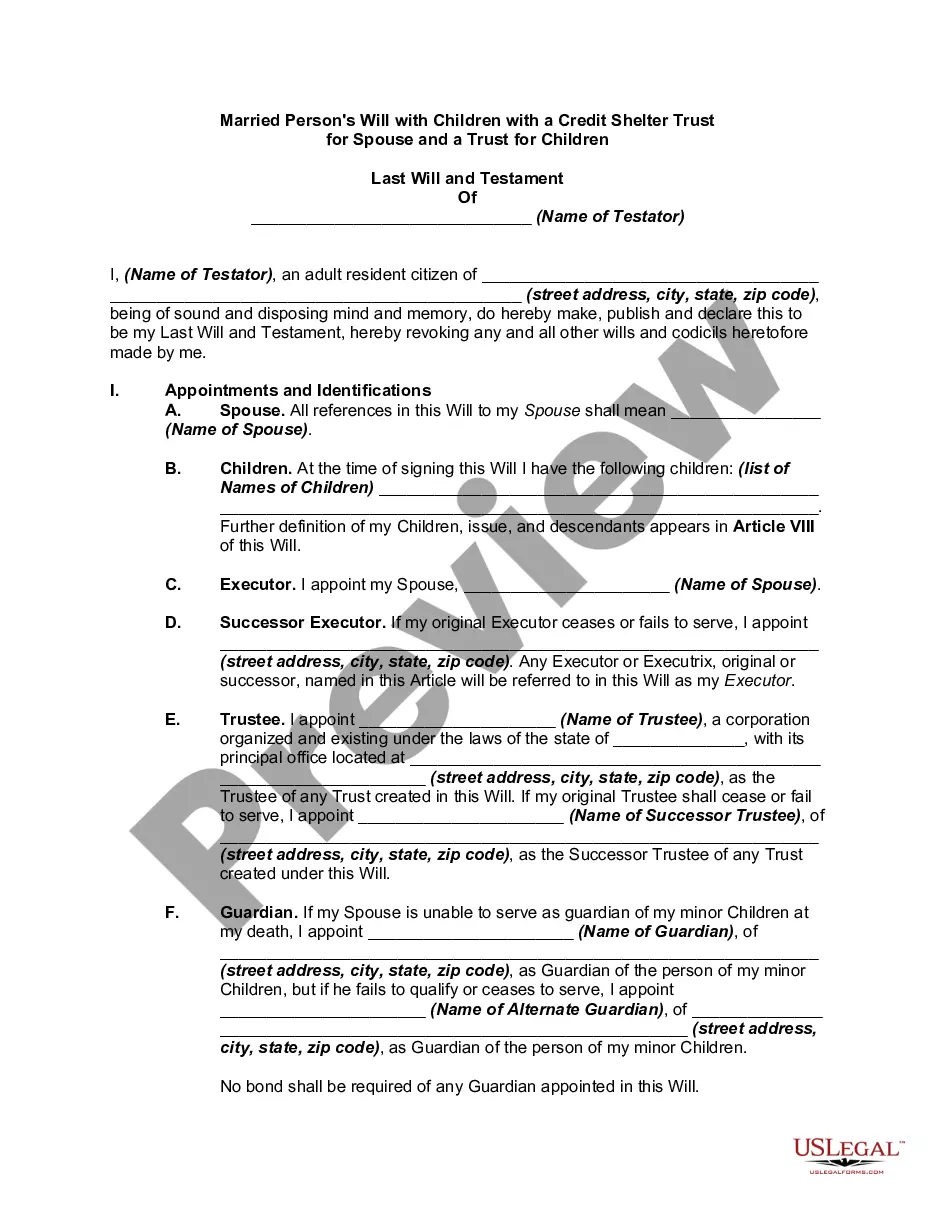
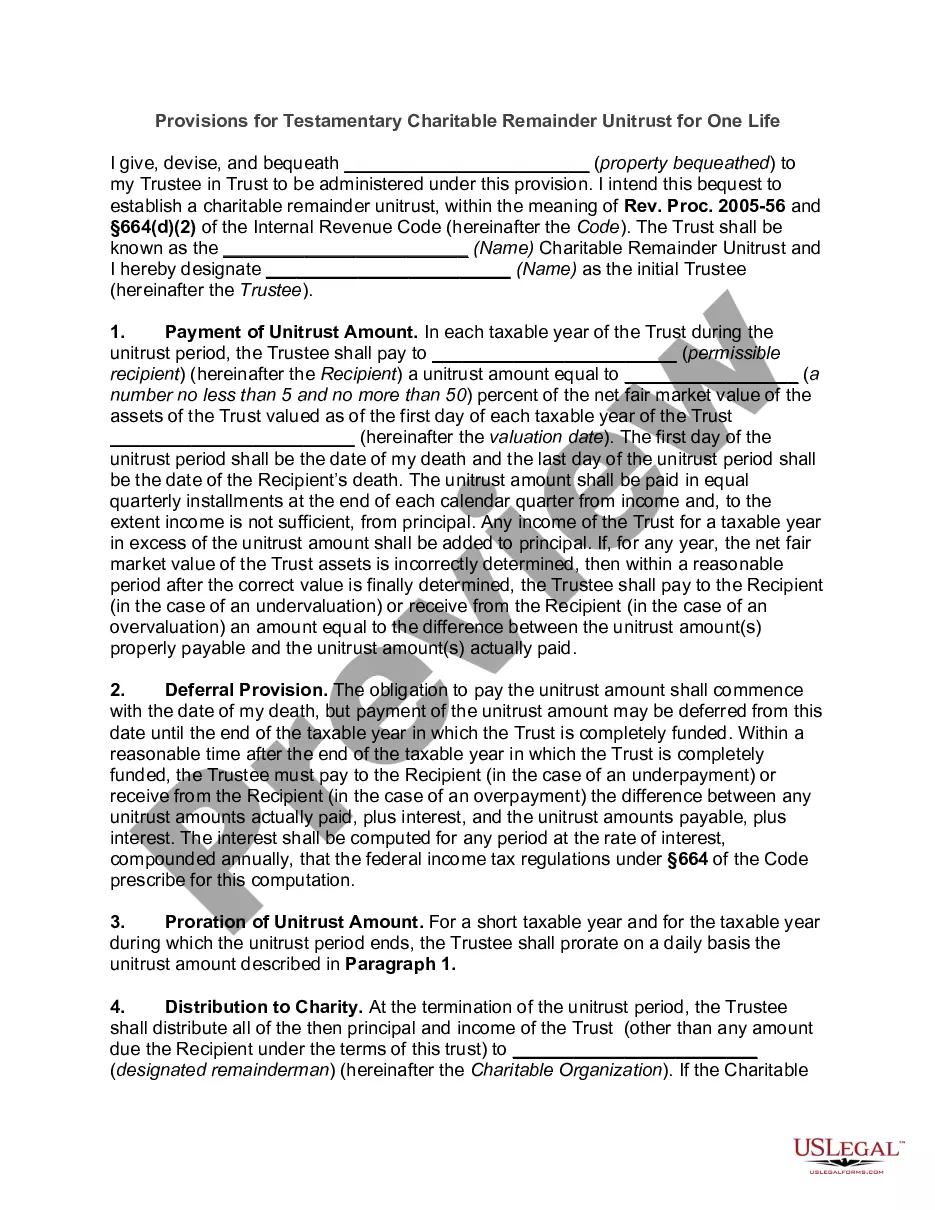
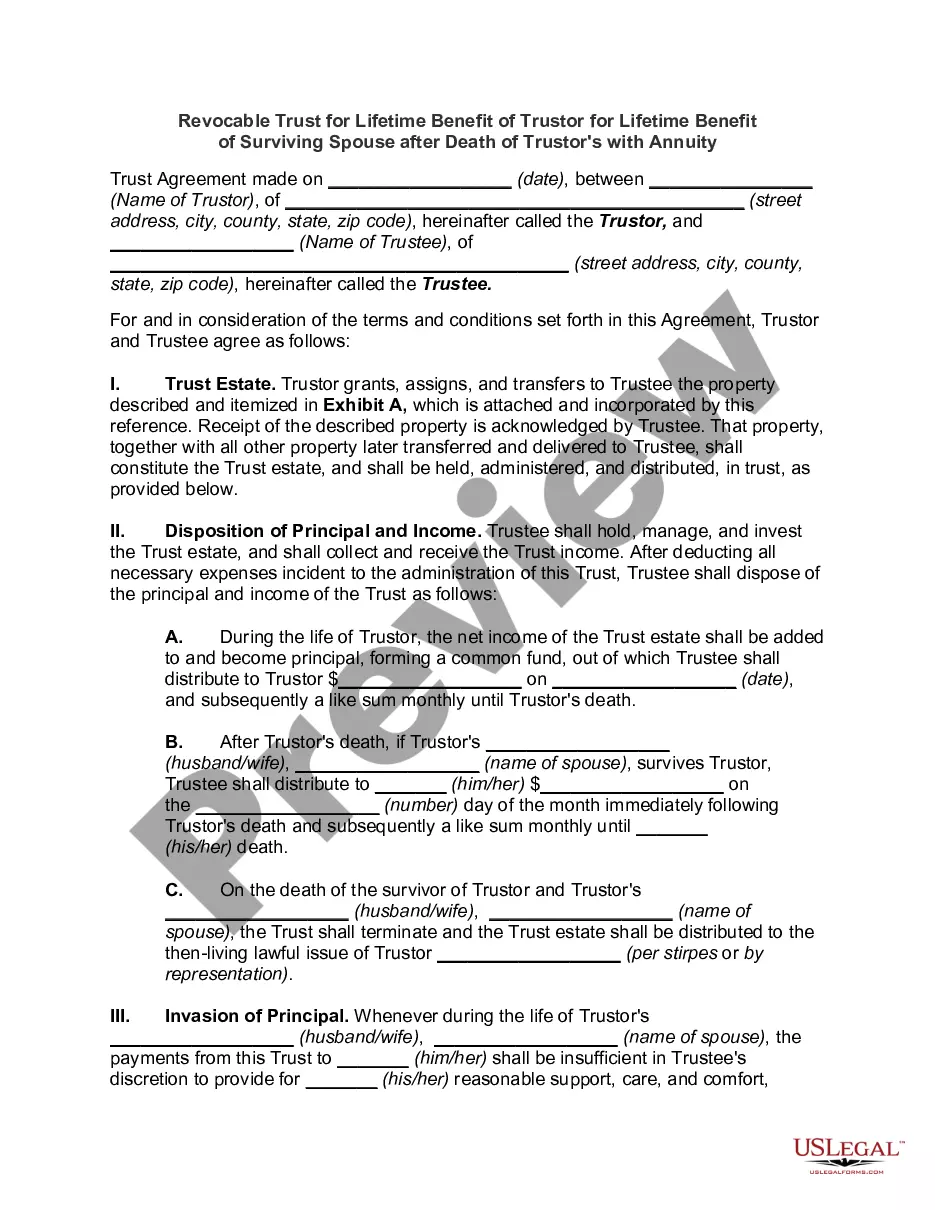
Get your form ready online
Our built-in tools help you complete, sign, share, and store your documents in one place.
Make edits, fill in missing information, and update formatting in US Legal Forms—just like you would in MS Word.
Download a copy, print it, send it by email, or mail it via USPS—whatever works best for your next step.
Sign and collect signatures with our SignNow integration. Send to multiple recipients, set reminders, and more. Go Premium to unlock E-Sign.
If this form requires notarization, complete it online through a secure video call—no need to meet a notary in person or wait for an appointment.
We protect your documents and personal data by following strict security and privacy standards.

Make edits, fill in missing information, and update formatting in US Legal Forms—just like you would in MS Word.

Download a copy, print it, send it by email, or mail it via USPS—whatever works best for your next step.

Sign and collect signatures with our SignNow integration. Send to multiple recipients, set reminders, and more. Go Premium to unlock E-Sign.

If this form requires notarization, complete it online through a secure video call—no need to meet a notary in person or wait for an appointment.

We protect your documents and personal data by following strict security and privacy standards.
Looking for another form?









How to fill out Inter Vivos QTIP Trust With Principal To Donor's Children On Spouse's Death?
- Start by logging into your account on the US Legal Forms website. If you haven't used the service before, create a new account to access their vast library of legal forms.
- Navigate to the desired legal form and review its description in Preview mode to ensure it meets your specific needs and complies with local legal requirements.
- If the form doesn’t suit your requirements, use the Search functionality to hunt for alternatives that are more tailored to your situation.
- Once you find the correct document, click the 'Buy Now' button to select your preferred subscription plan, which grants you access to the entire library.
- Enter your payment information, whether through credit card or PayPal, and confirm your purchase to complete the transaction.
- After the purchase, download your chosen legal form directly to your device and access it any time through the 'My Forms' section in your account.
Upon following these steps, you'll be equipped with the necessary legal documents, enabling you to establish and maintain trust with children in your care or relationships.
Start building that trust today—visit US Legal Forms and explore their extensive library to find the document best suited for your needs!
Form popularity
FAQ
Reaching a point where you feel incapable of coping with your child can be daunting, but there are steps to take. Start by acknowledging your feelings and consider seeking help, whether through friends, family, or professional services. Building trust with children allows for healthier communication, which can clarify many issues. Platforms like US Legal Forms offer resources that guide you through effective parenting strategies and legal considerations if necessary.
If you find yourself losing patience with your child, it helps to take a moment and breathe. Building trust with children requires consistency and understanding. Focus on connecting with your child through positive interactions, as this can improve your patience. Creating a routine that allocates special time for just you and your child can significantly enhance your relationship and reduce stress.
Feeling overwhelmed as a parent is common, and it’s crucial to recognize these feelings. To cope effectively, practice techniques that promote building trust with children, such as setting clear boundaries while being supportive. Involve your child in discussions about their behavior and feelings, fostering an environment of mutual respect. Additionally, exploring available support resources can provide you with strategies and tools for better handling tough situations.
When you find yourself struggling to handle your child, it's essential to take a step back and evaluate the situation. Focus on building trust with children by acknowledging their feelings and experiences. Engage in open conversations with them, showing empathy and understanding. If needed, consider reaching out for professional support or utilizing resources, like the US Legal Forms platform, to access helpful guidance.
To keep a child away from bad influence, create a supportive environment that promotes healthy interactions. Establish clear expectations and involve them in activities that align with their interests. Additionally, maintaining strong communication can help you detect any negative influences early on, thereby aiding in your mission of building trust with children.
Fixing a broken relationship with your child starts with acknowledging past mistakes and expressing genuine regret. Demonstrate your commitment to change and rebuilding trust through your actions. Engage in open conversations that encourage your child to share their feelings, which will facilitate the healing process and help in building trust with children.
To keep your kids away from bad kids, monitor their social circles and actively encourage friendships with positive influences. Provide opportunities for them to participate in healthy activities, such as sports or clubs, where they can meet friends with similar values. Remember, building trust with children involves being present and guiding them in making good choices.
The four keys to building trust include open communication, consistency, reliability, and empathy. Demonstrating these traits in your relationships can foster a safe environment for children. As you implement these strategies, you'll find that building trust with children becomes more natural and impactful.
To protect your child from bad people, educate them about safety and the importance of trusting their instincts. Open discussions about appropriate and inappropriate behavior can empower them. Additionally, engage in community resources that build trust with children and provide them with the skills they need to navigate social situations.
Children may be drawn to peers who display rebellious behavior due to curiosity or a desire for acceptance. Often, they are exploring their boundaries and seeking attention or excitement. To counter this, focus on building trust with children by encouraging involvement in positive activities and friendships.