Any Trust Name For Beneficiary
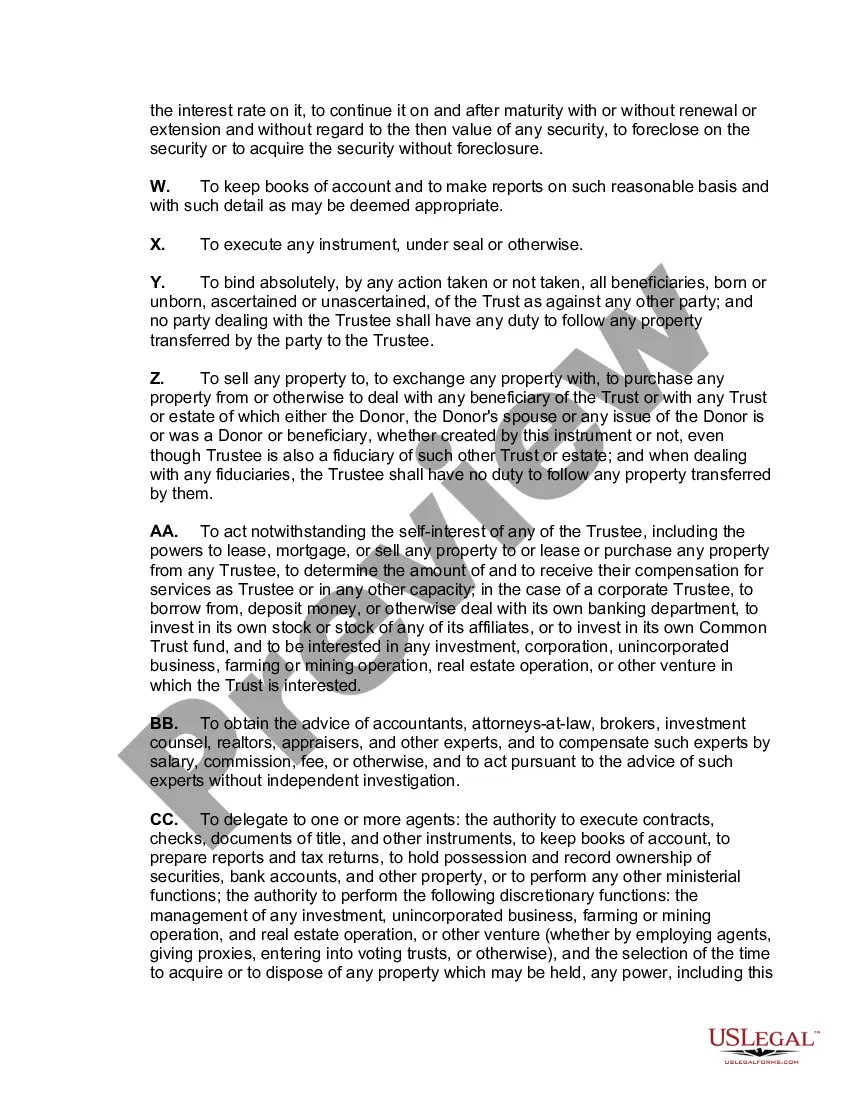
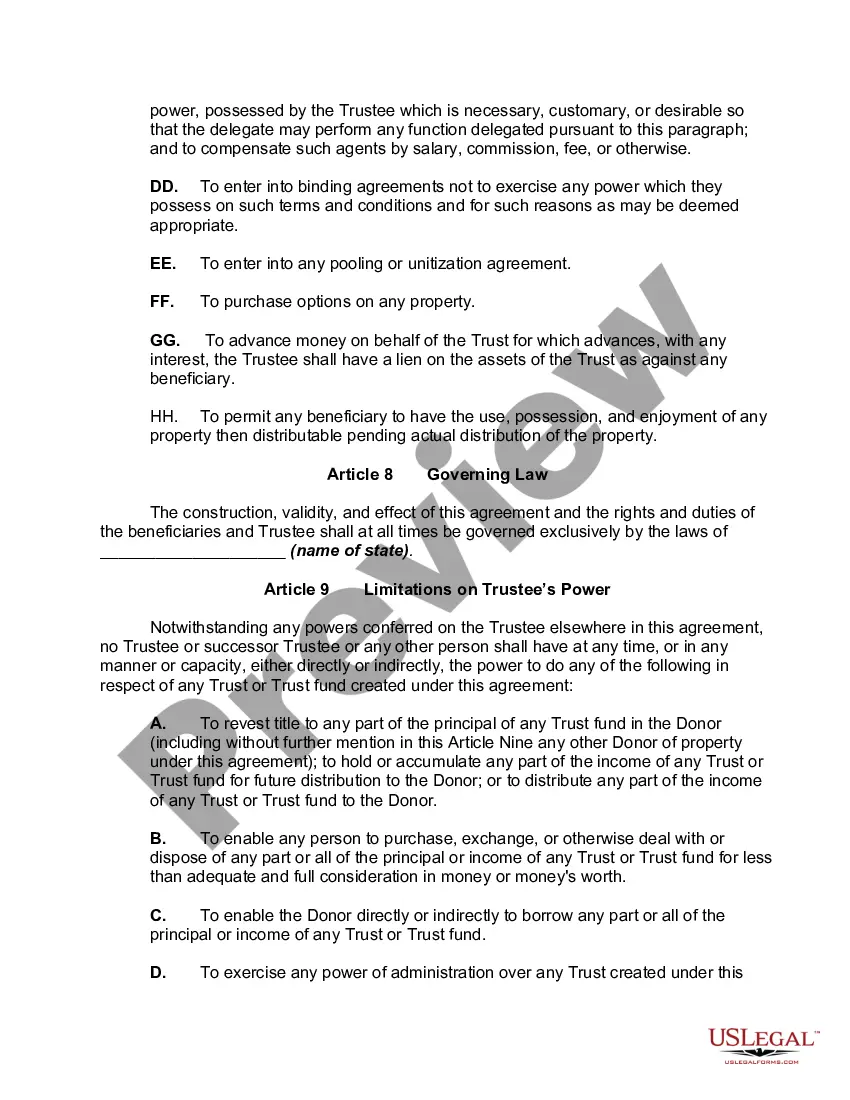
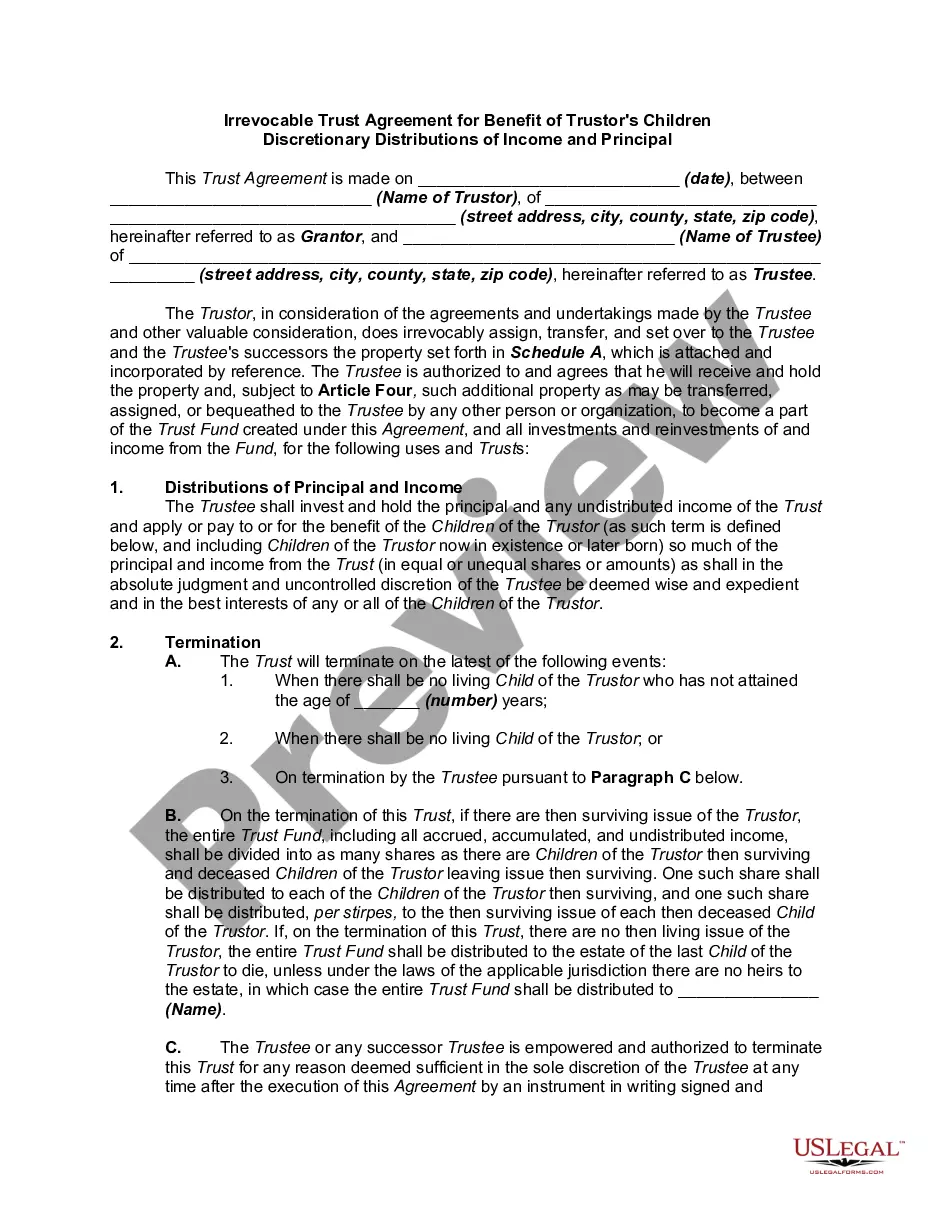
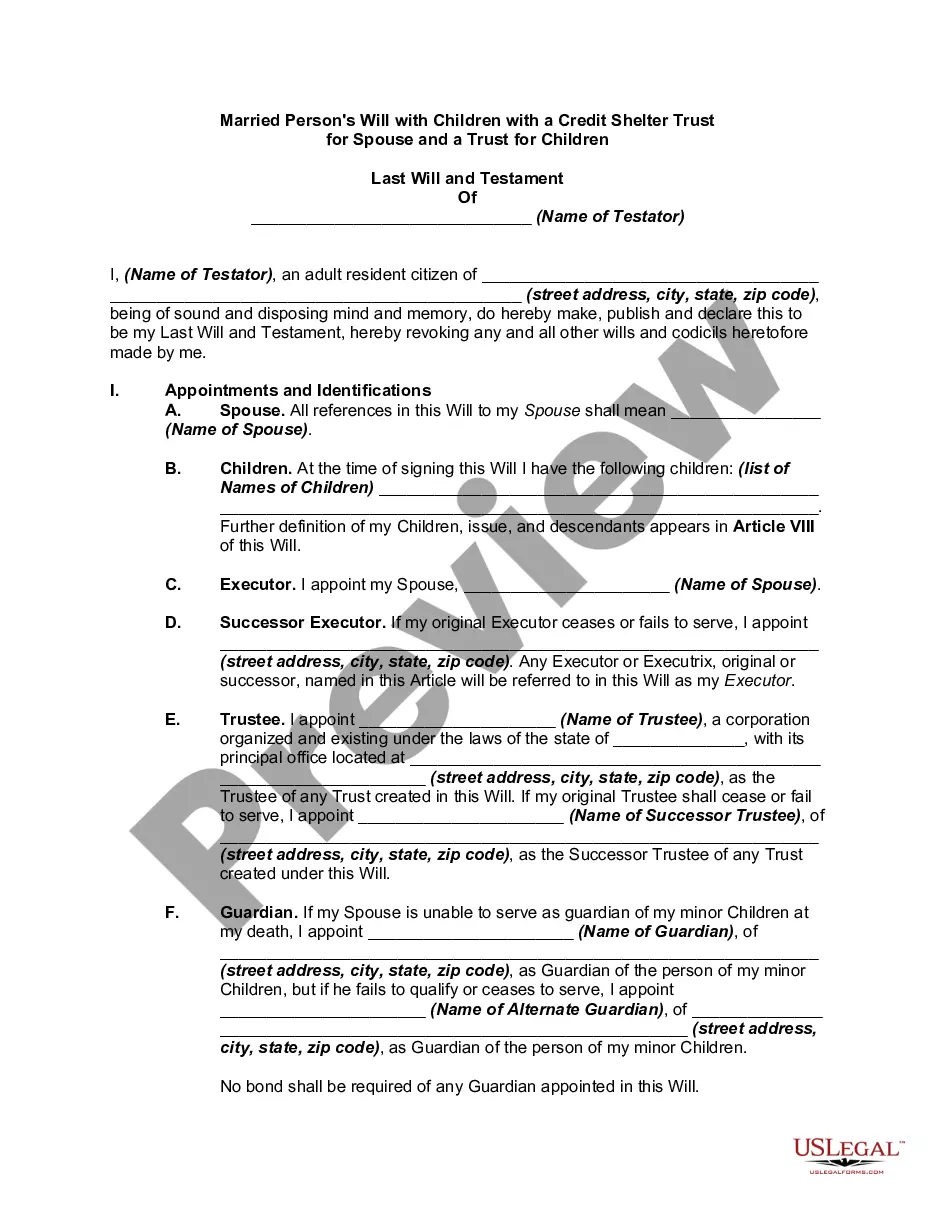
Description
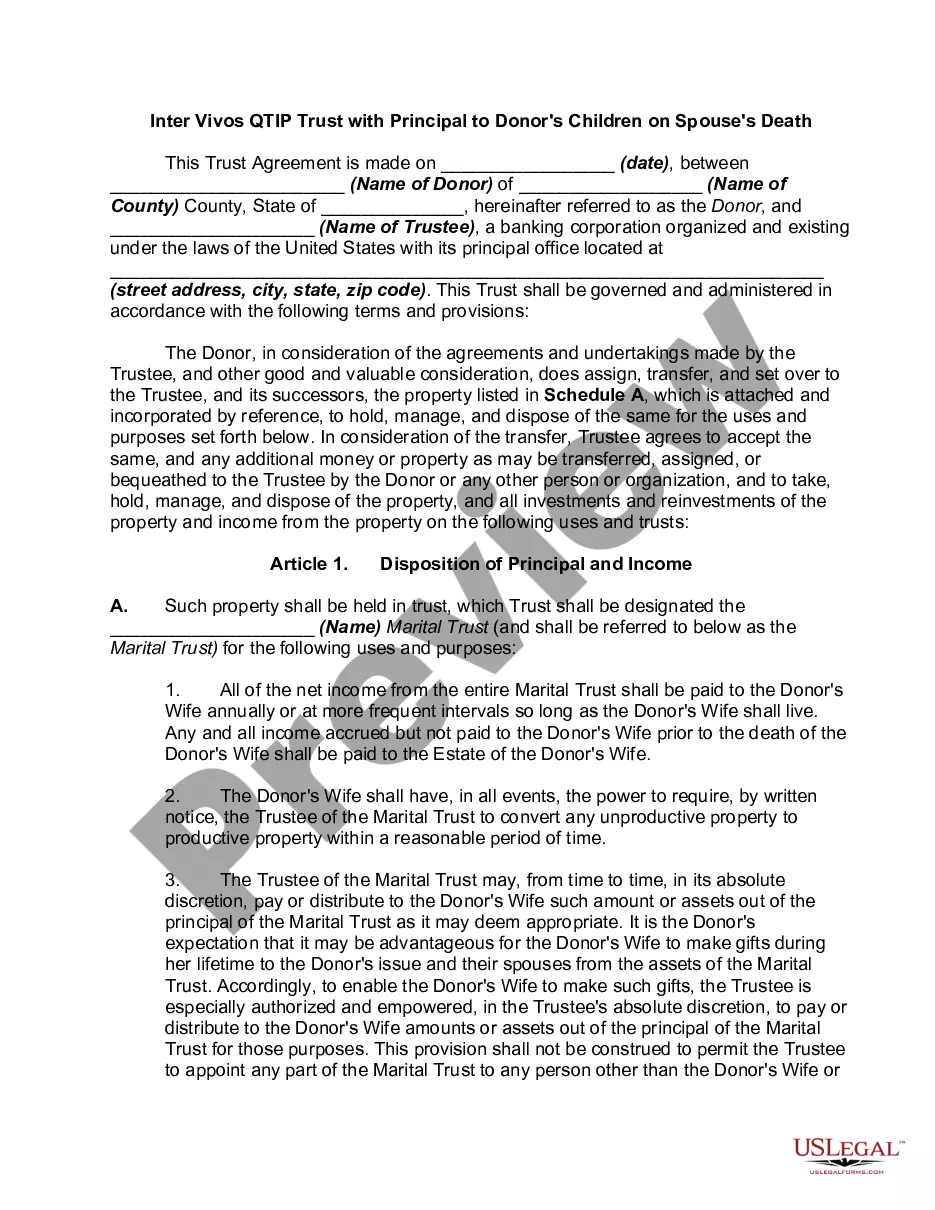
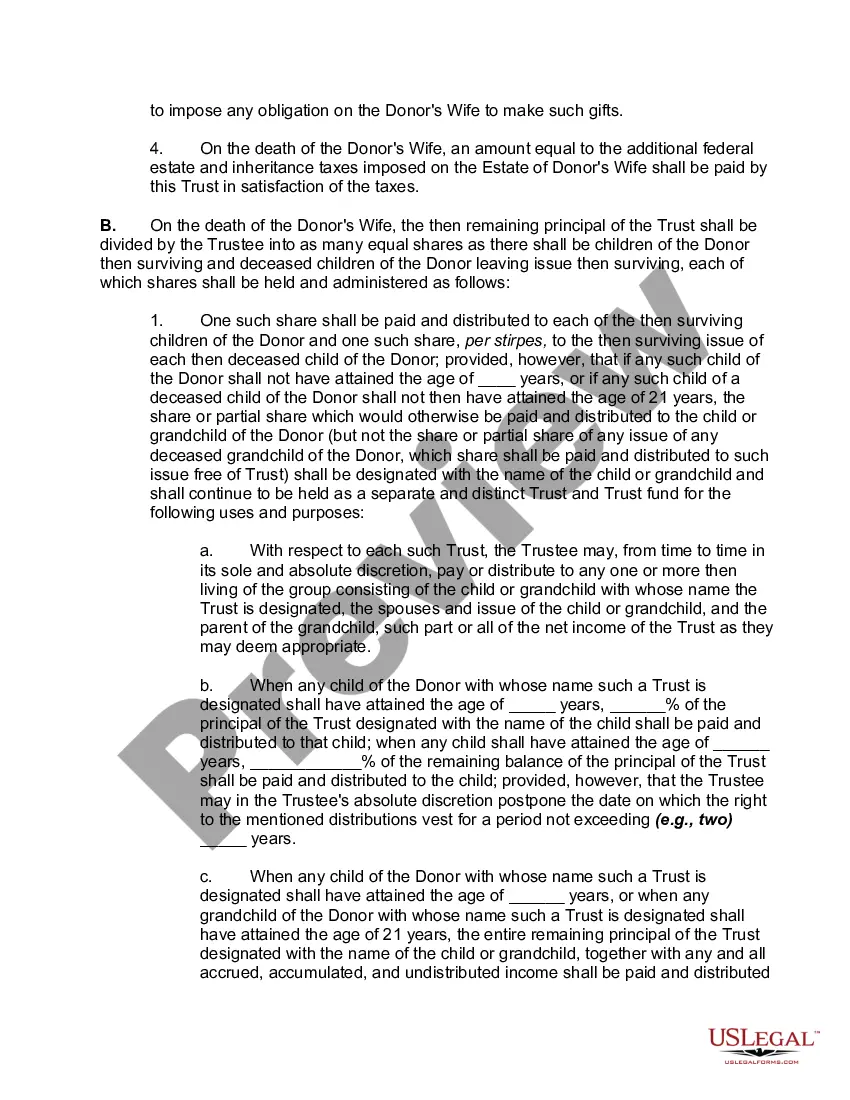
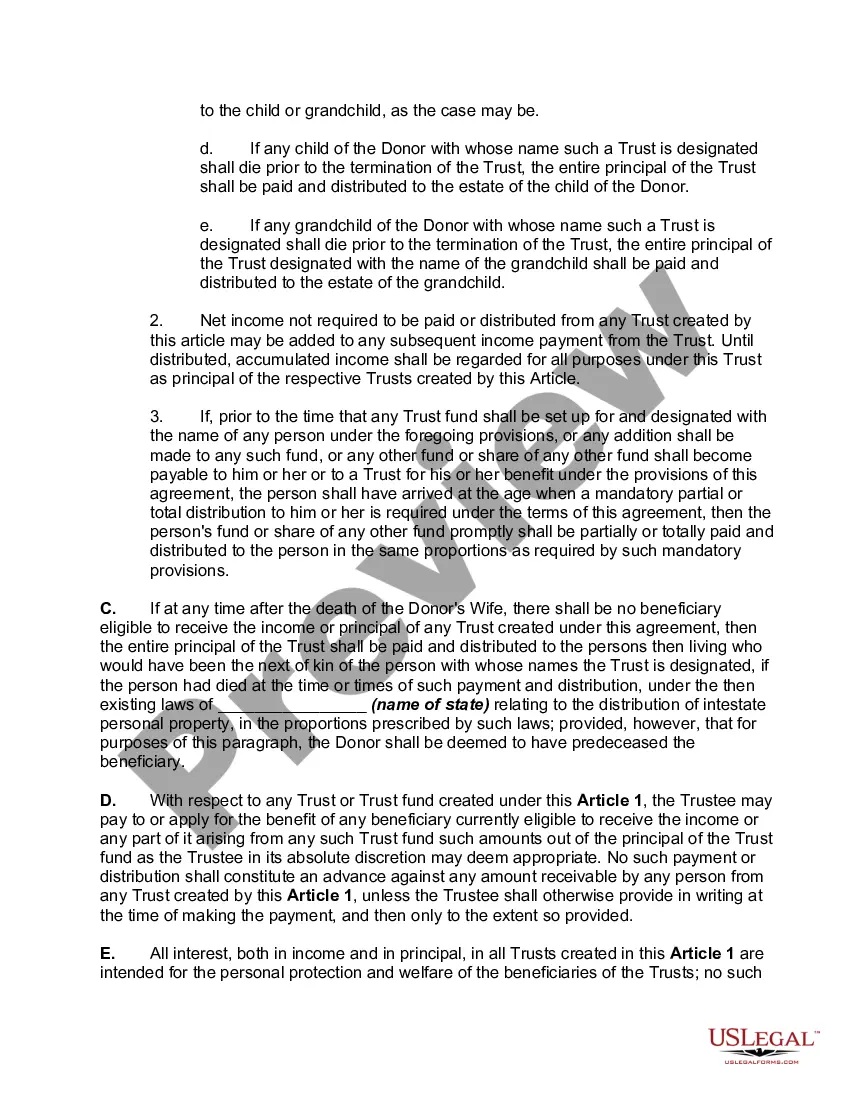
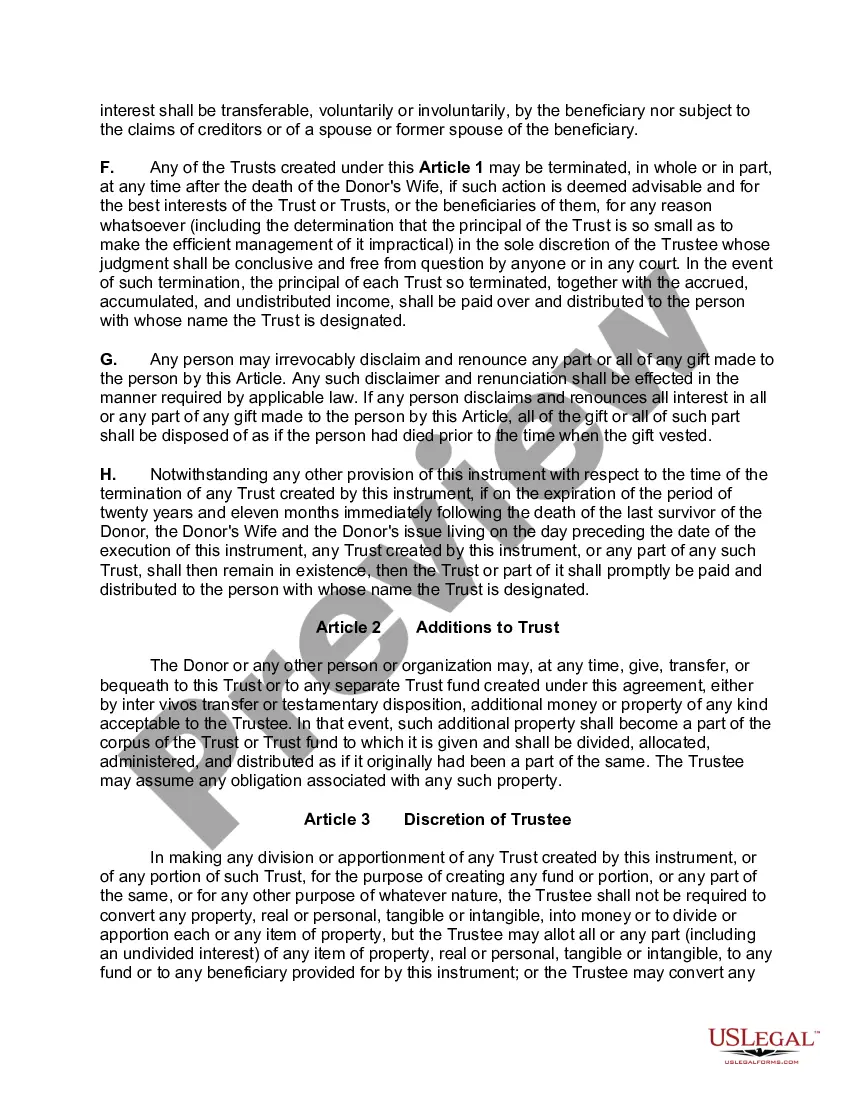

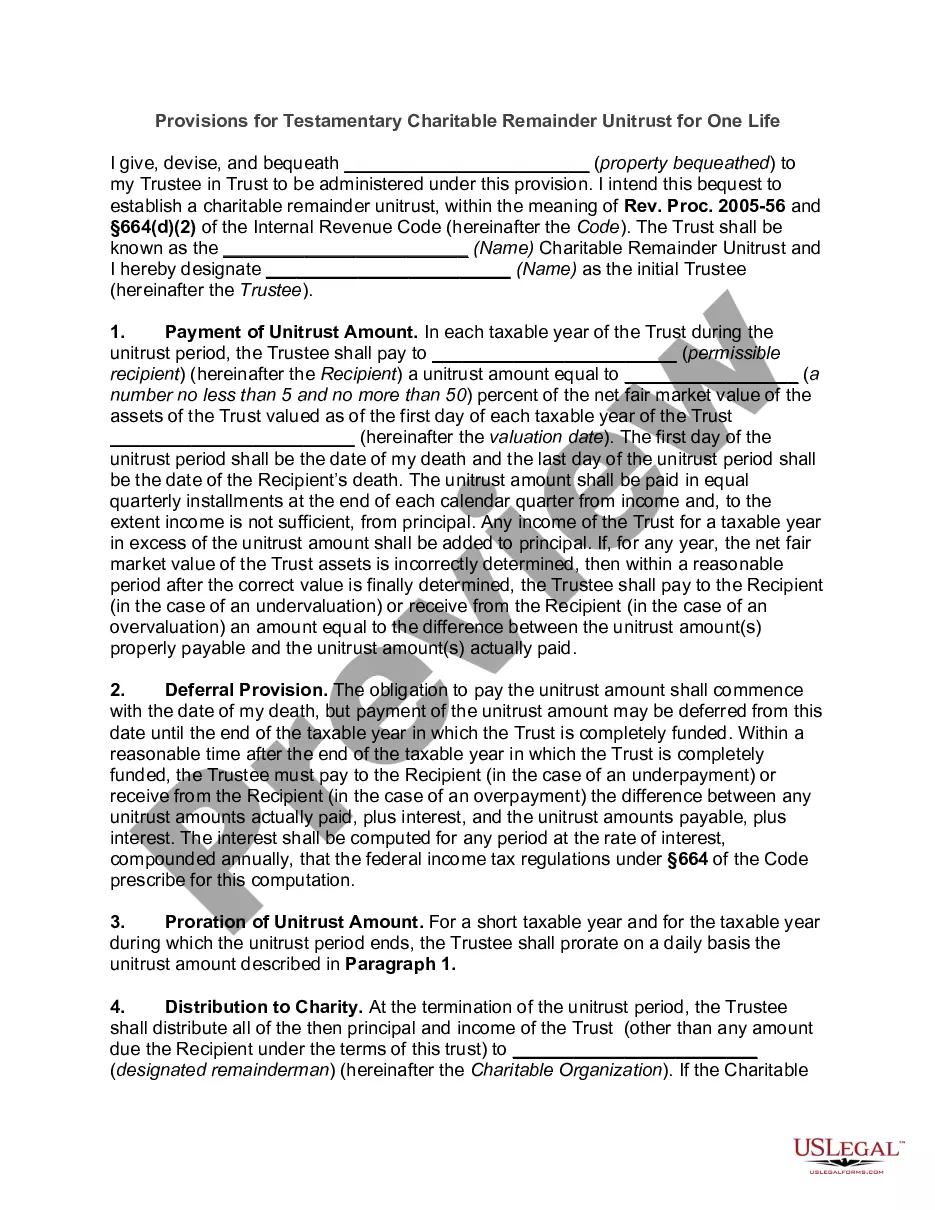
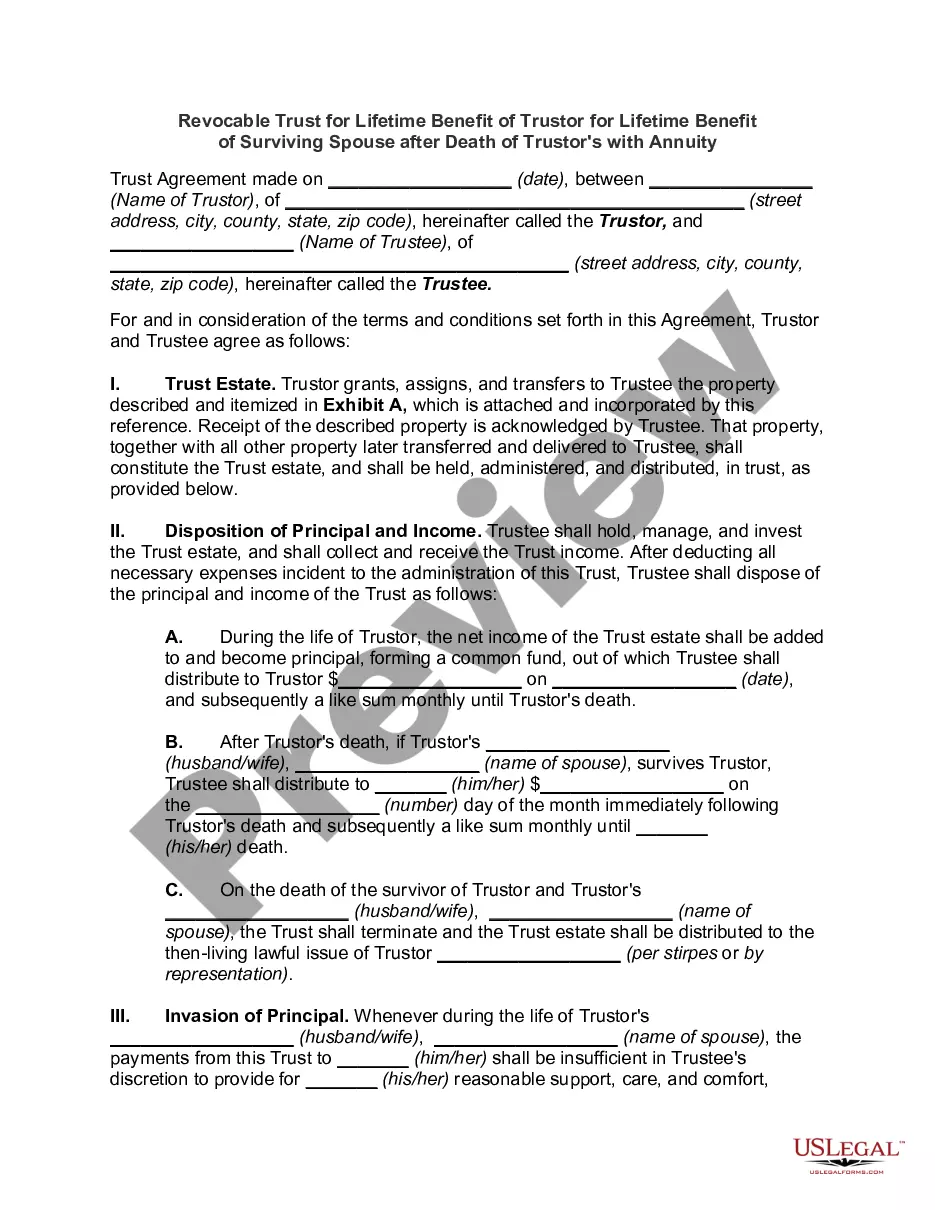
Get your form ready online
Our built-in tools help you complete, sign, share, and store your documents in one place.
Make edits, fill in missing information, and update formatting in US Legal Forms—just like you would in MS Word.
Download a copy, print it, send it by email, or mail it via USPS—whatever works best for your next step.
Sign and collect signatures with our SignNow integration. Send to multiple recipients, set reminders, and more. Go Premium to unlock E-Sign.
If this form requires notarization, complete it online through a secure video call—no need to meet a notary in person or wait for an appointment.
We protect your documents and personal data by following strict security and privacy standards.

Make edits, fill in missing information, and update formatting in US Legal Forms—just like you would in MS Word.

Download a copy, print it, send it by email, or mail it via USPS—whatever works best for your next step.

Sign and collect signatures with our SignNow integration. Send to multiple recipients, set reminders, and more. Go Premium to unlock E-Sign.

If this form requires notarization, complete it online through a secure video call—no need to meet a notary in person or wait for an appointment.

We protect your documents and personal data by following strict security and privacy standards.
Looking for another form?






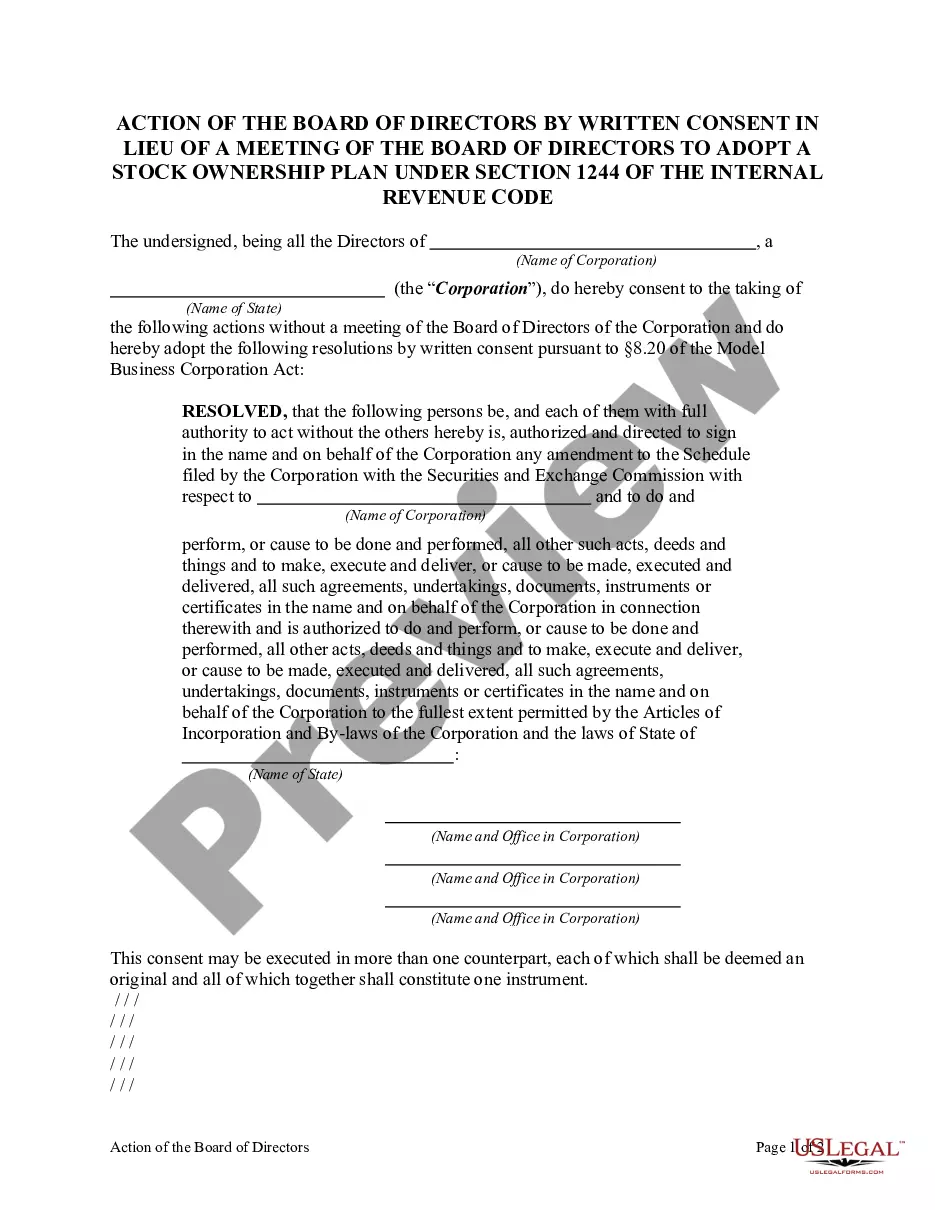



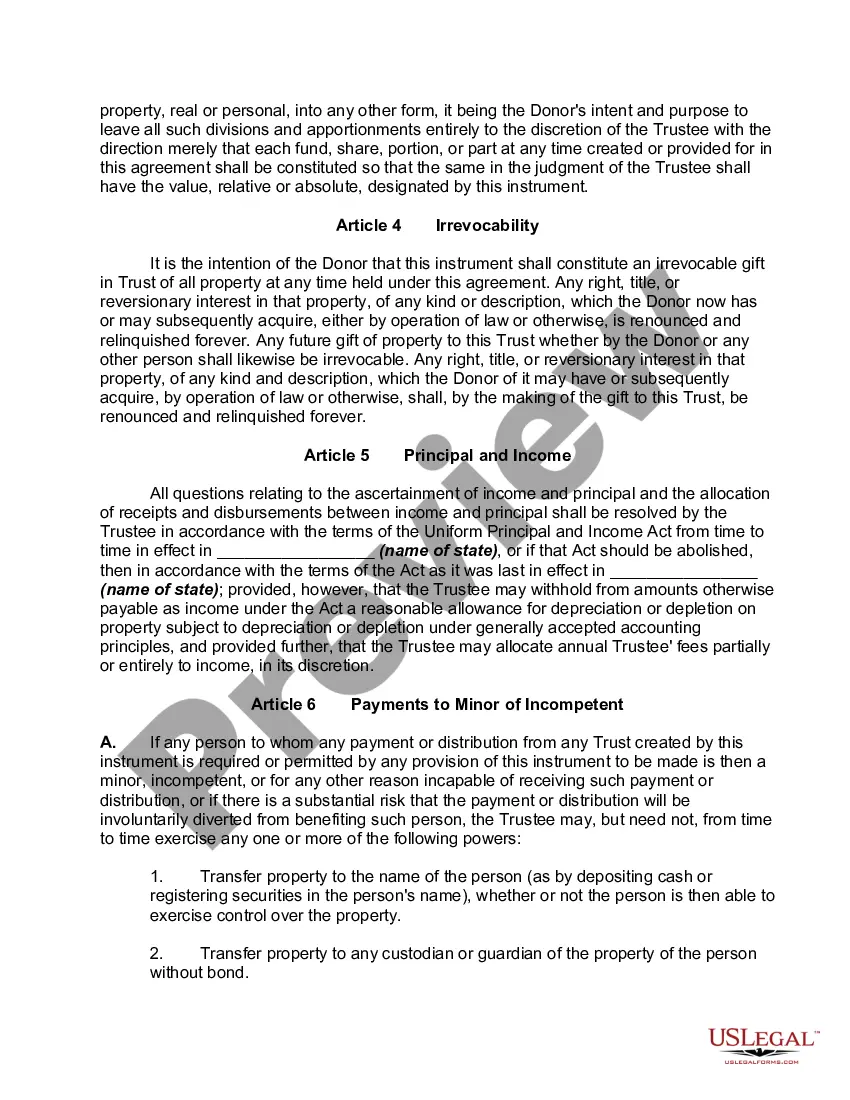
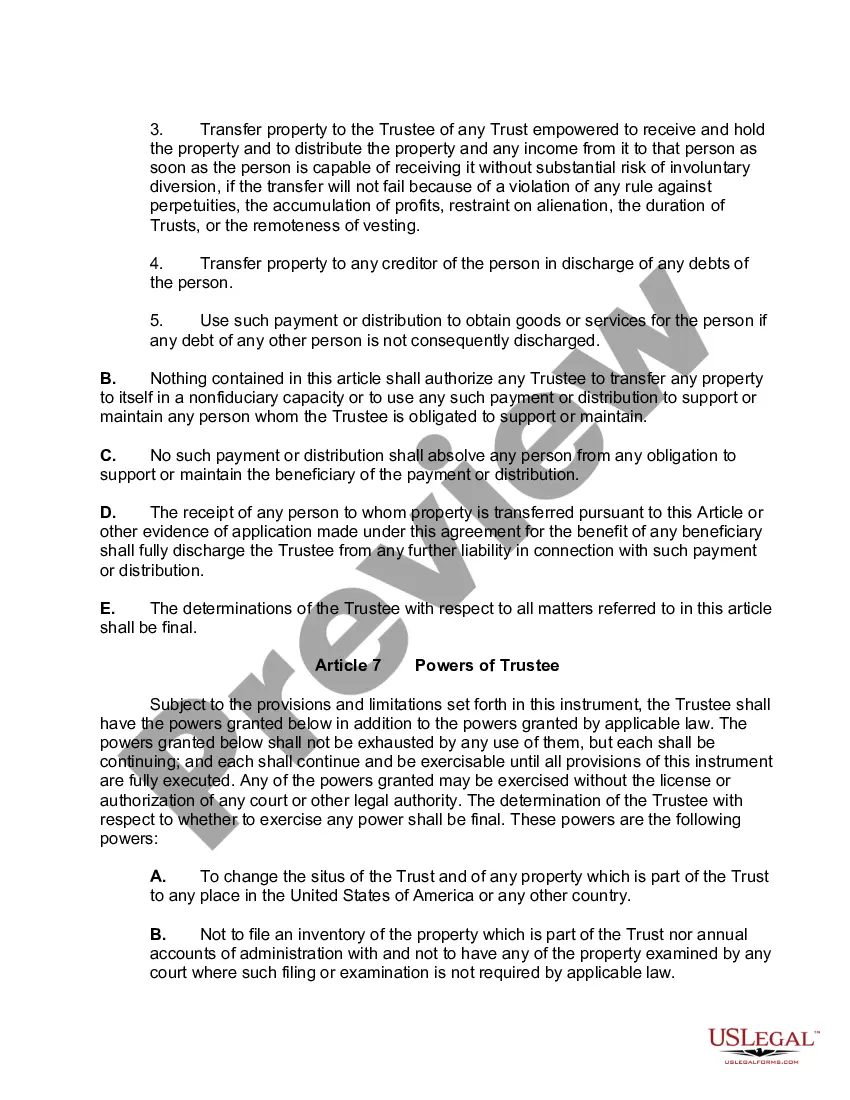
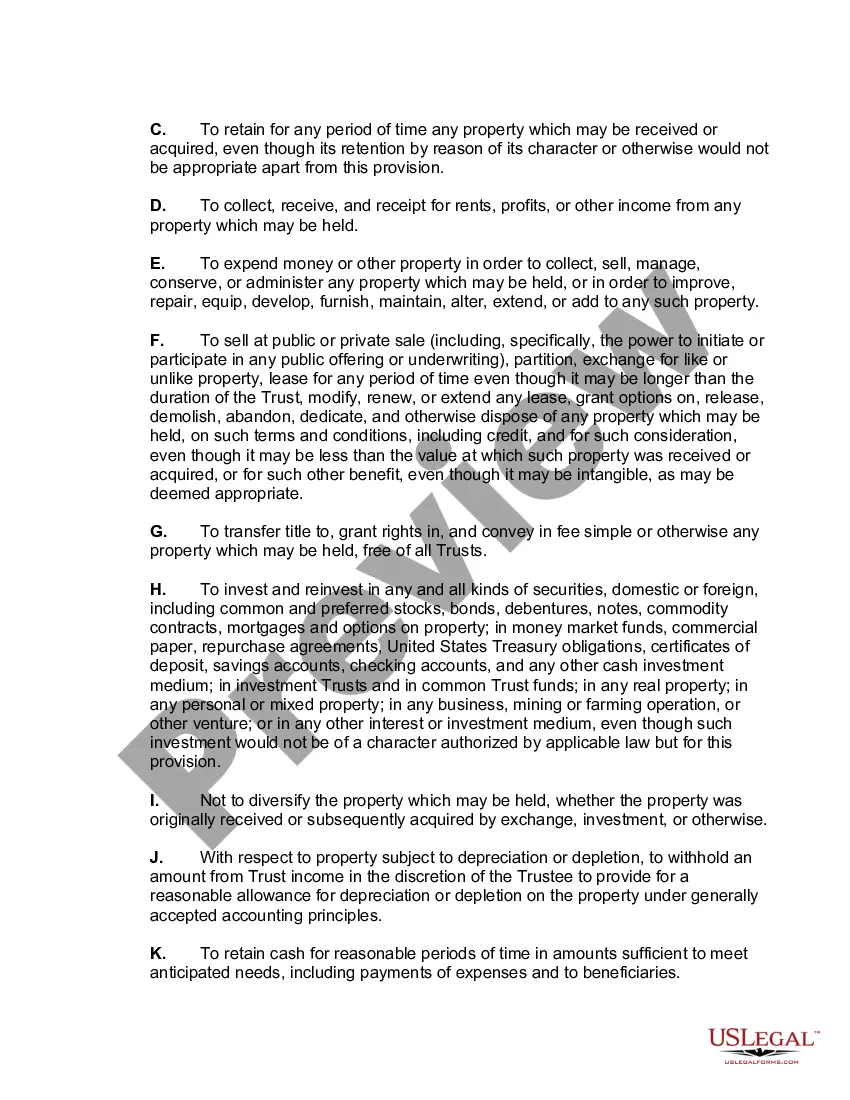
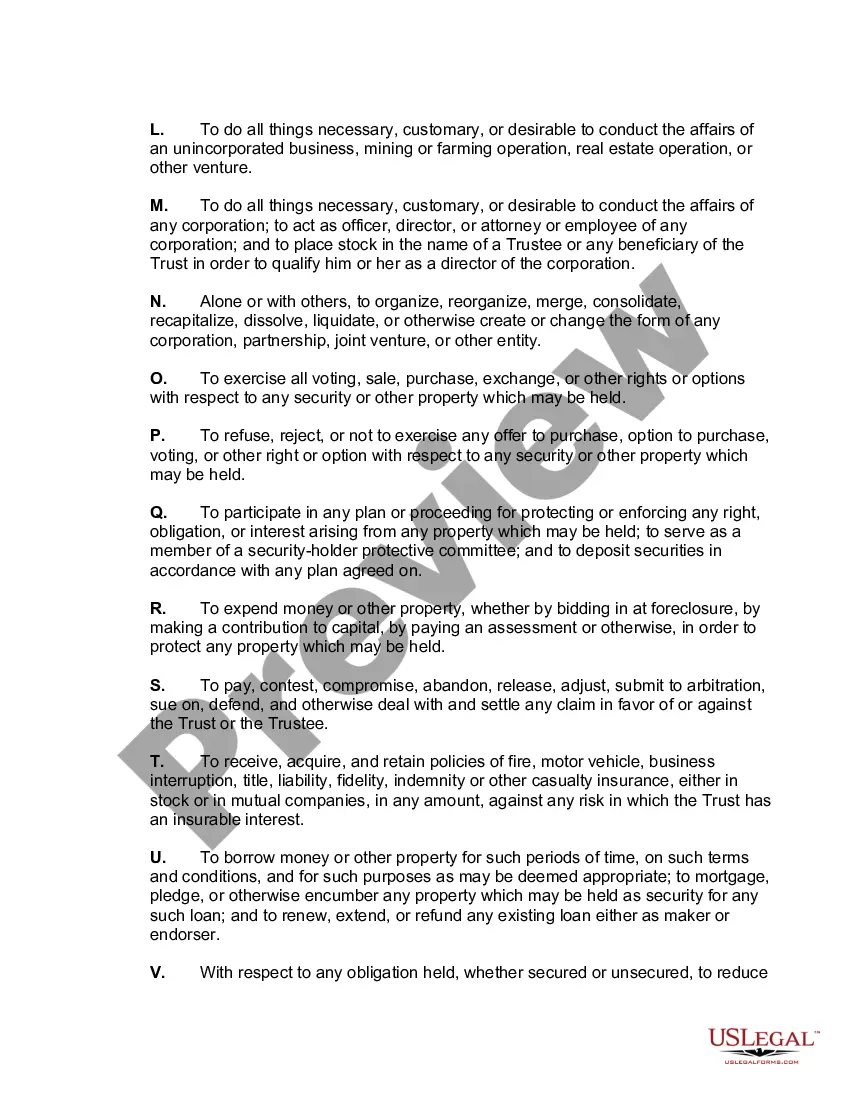
How to fill out Inter Vivos QTIP Trust With Principal To Donor's Children On Spouse's Death?
Regardless of whether it's for commercial reasons or private matters, everyone encounters legal circumstances at some time in their life.
Completing legal documents requires meticulous care, starting with choosing the appropriate form template.
Once saved, you can fill out the form using editing software or print it and complete it by hand. With an extensive catalog from US Legal Forms available, you never have to waste time searching for the correct template online. Take advantage of the library’s easy navigation to find the right form for any situation.
- For instance, selecting an incorrect version of a Any Trust Name For Beneficiary will result in its rejection upon submission.
- Thus, it is vital to find a trustworthy source of legal documents like US Legal Forms.
- If you wish to acquire a Any Trust Name For Beneficiary template, follow these straightforward steps.
- Locate the necessary template using the search bar or by browsing the catalog.
- Review the form’s description to ensure it fits your circumstances, region, and county.
- Click on the form’s preview to view it.
- If it is the wrong form, go back to the search feature to discover the Any Trust Name For Beneficiary example you need.
- Obtain the template if it aligns with your requirements.
- If you already have a US Legal Forms account, simply click Log in to access documents saved in My documents.
- Should you not possess an account yet, you can acquire the form by clicking Buy now.
- Select the appropriate pricing option.
- Fill out the account registration form.
- Choose your payment method: either a credit card or a PayPal account.
- Select the file format you prefer and download the Any Trust Name For Beneficiary.
Form popularity
FAQ
A guardian of the person is authorized by the court to make decisions for the disabled person about their health care, shelter, and any other daily needs. A guardian of property is a person or agency appointed by the court to manage the property of a disabled person.
Begin the guardianship process by filing a petition asking the court to appoint a guardian for the person in need. You can download the petition form ? look for form CC-GN-002 -- from the Maryland Court's website at .mdcourts.gov. Step by step instructions on how to fill out the form are also online.
To obtain your Maryland Certificate of Authority, you will submit an Application for Certificate of Authority, along with required certificates or certified copies from your home state. You will need to appoint a registered agent in order for your filing to be approved.
When an executed summons or waiver of service is docketed, CM/ECF will automatically enter the date an answer is due, based upon the date service was made and using the default settings of 21 or 60 days.
Use this form to certify to the court that documents were mailed or hand delivered to a party in a case.
If you are not served legally, you can request that the court dismiss the case for improper service. File your request as soon as possible before the trial date on the DC-002, Motion. If the judge grants your request and postpones the trial, the plaintiff will have to serve you with a new summons.
Service of process is the way the other person, called the defendant, receives court papers and notice about a court case. The defendant must be served before the court will hear your case. You may not serve the defendant yourself. Someone else, 18 or older, who is not involved in the case, must serve the defendant.
This form allows you to choose someone you trust to be the children's temporary guardian and to make decisions related to health education or travel when you can't be there. This might be useful in the event of military deployment or long-term hospitalization or other instance when you can't be there for your children.