Any Trust May For The Future
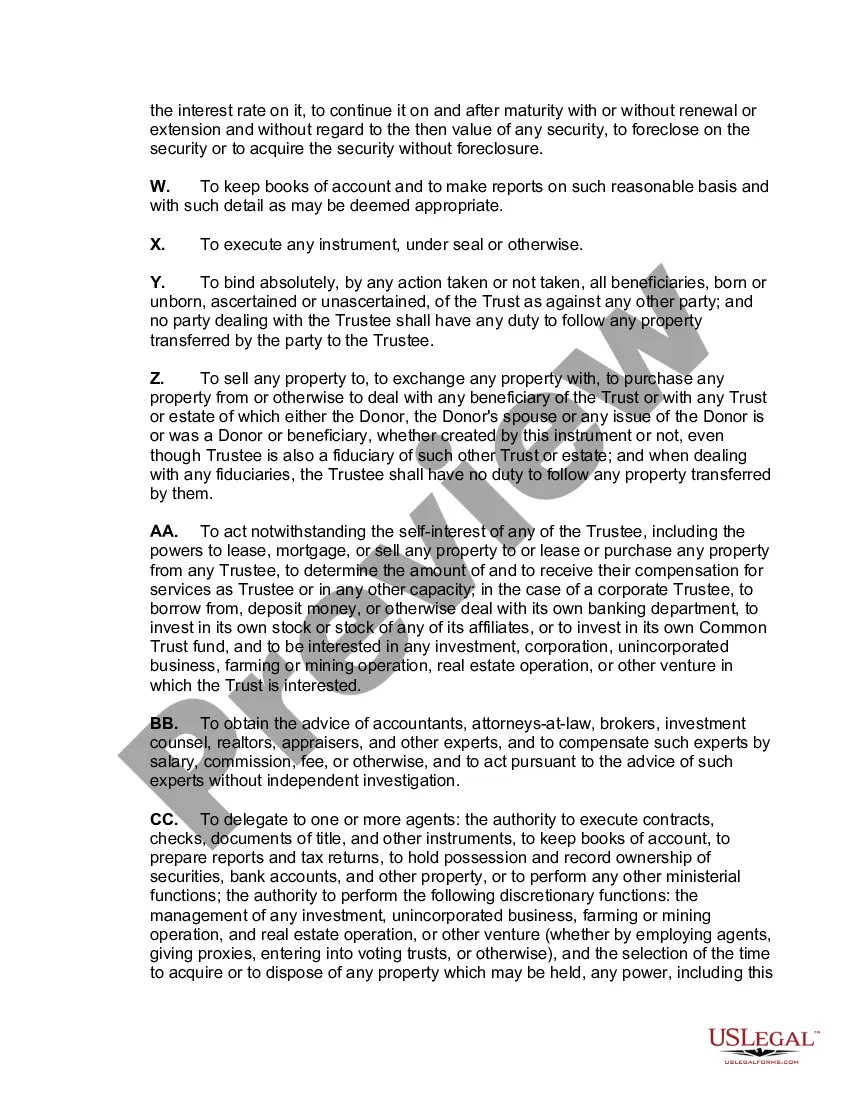
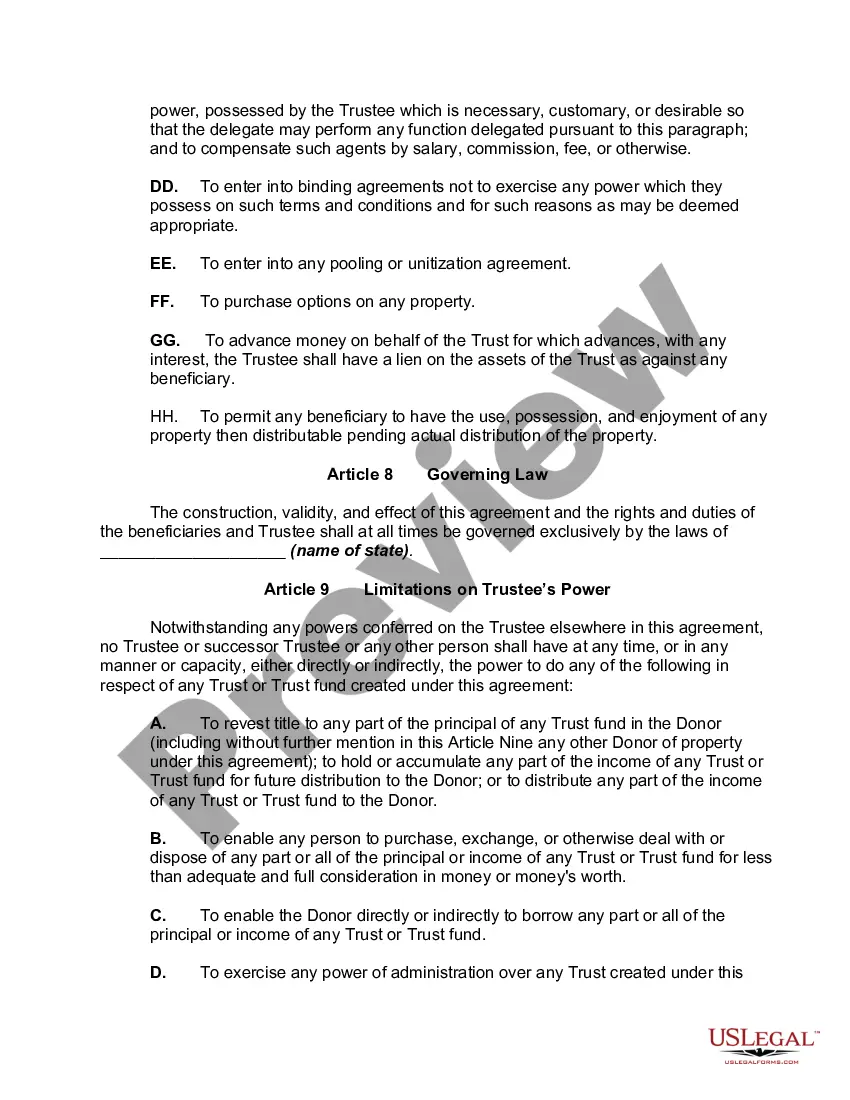
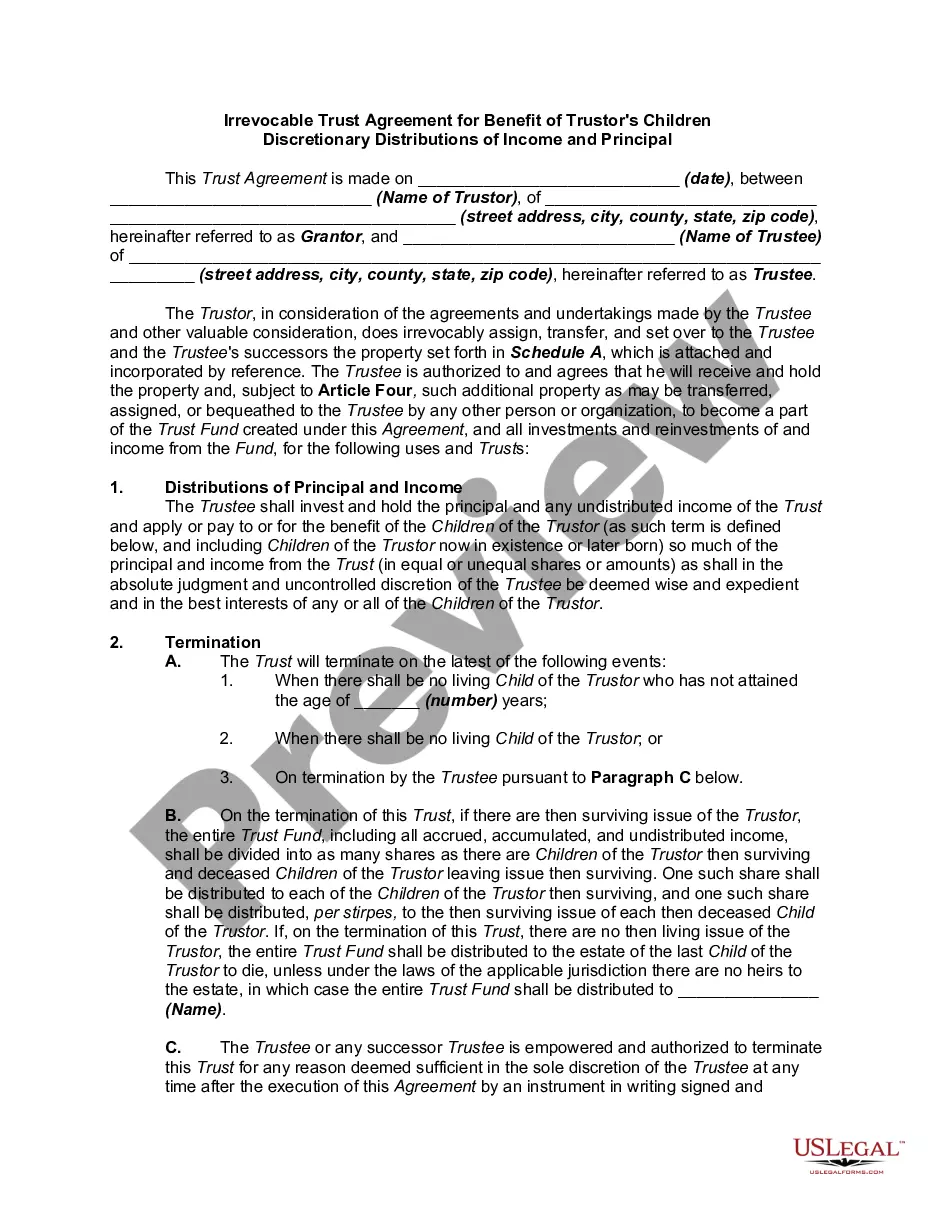
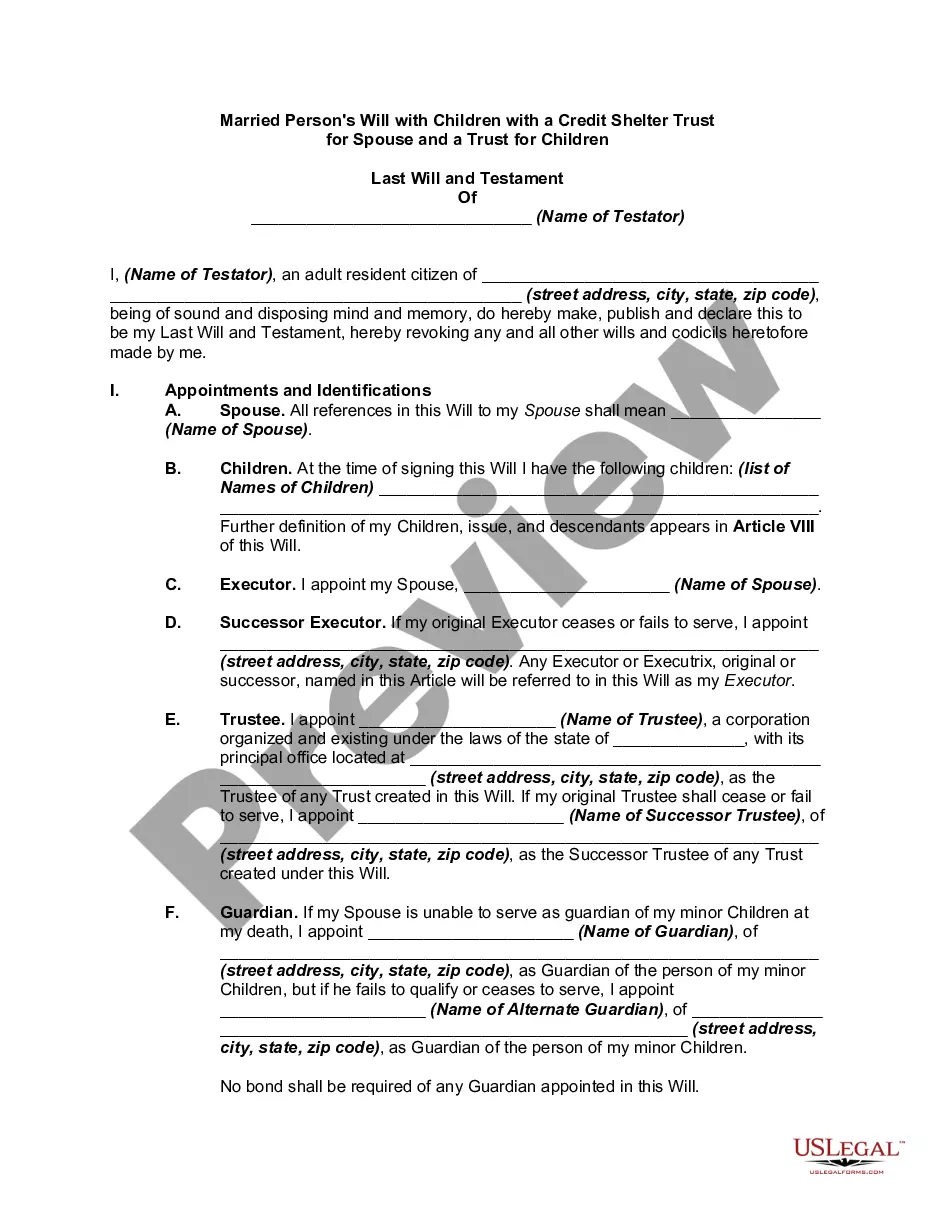
Description
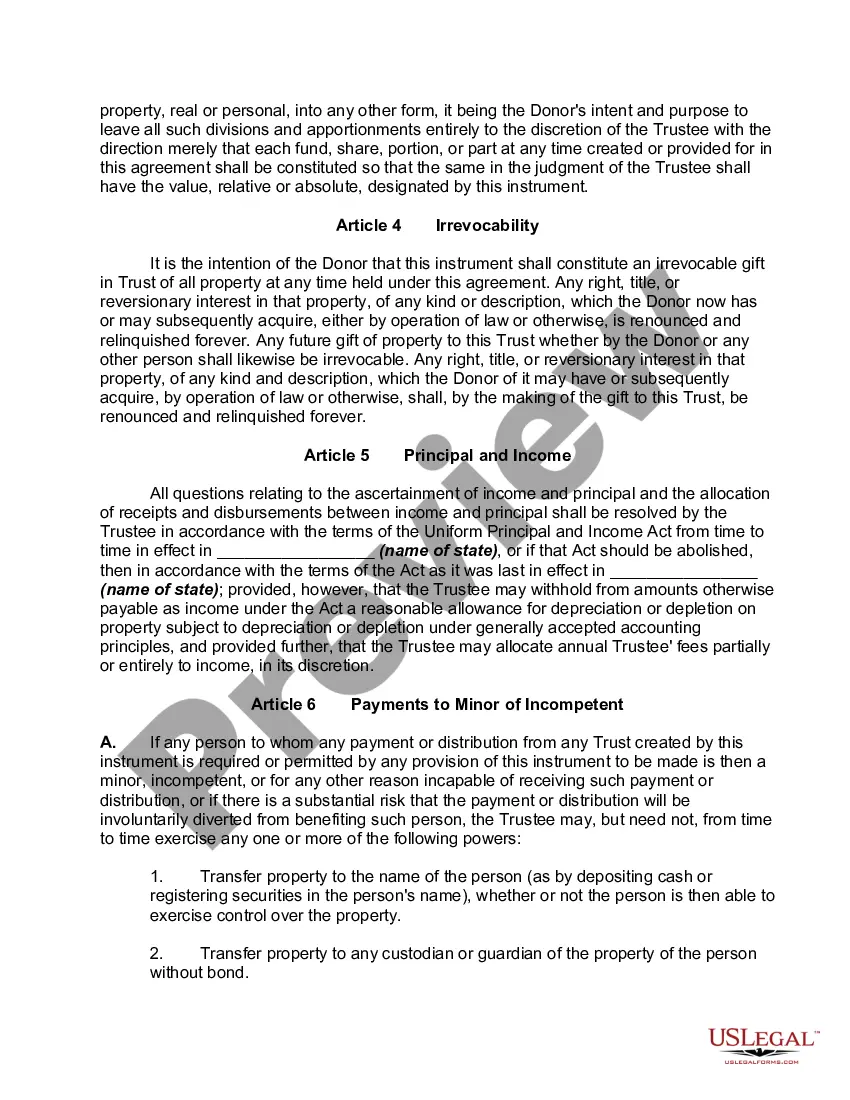
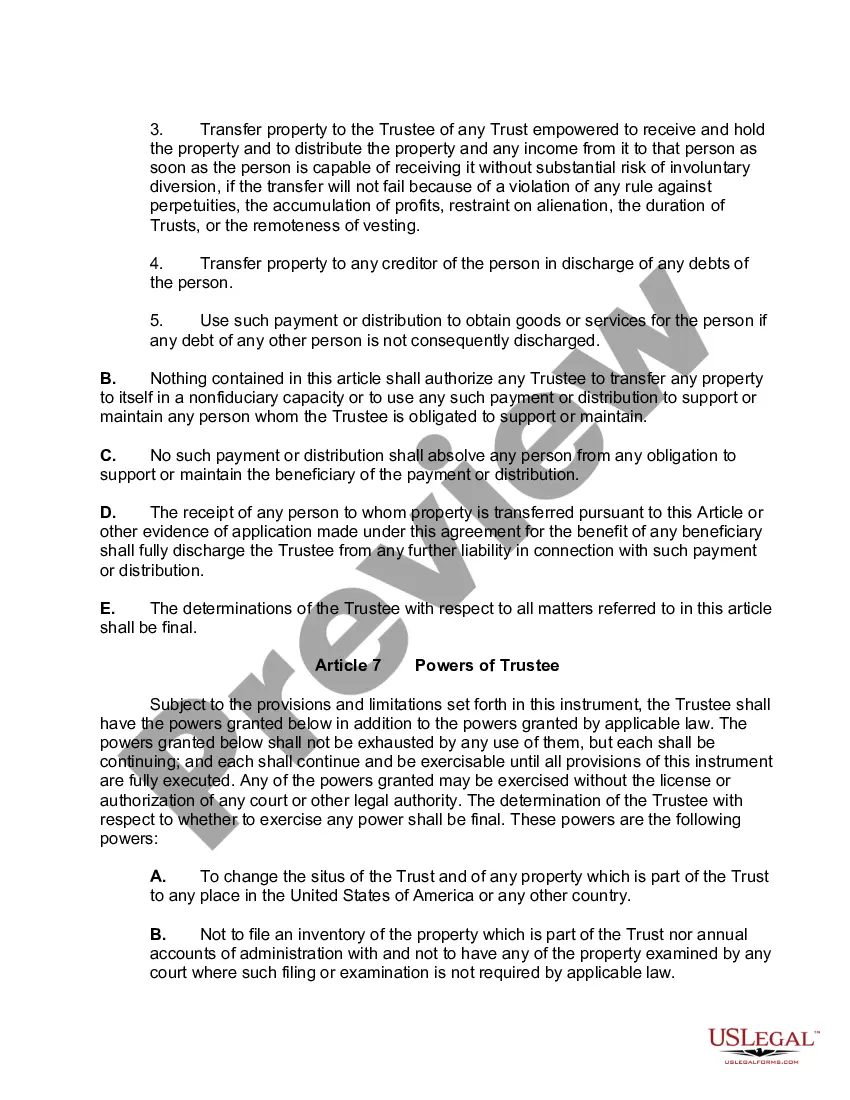
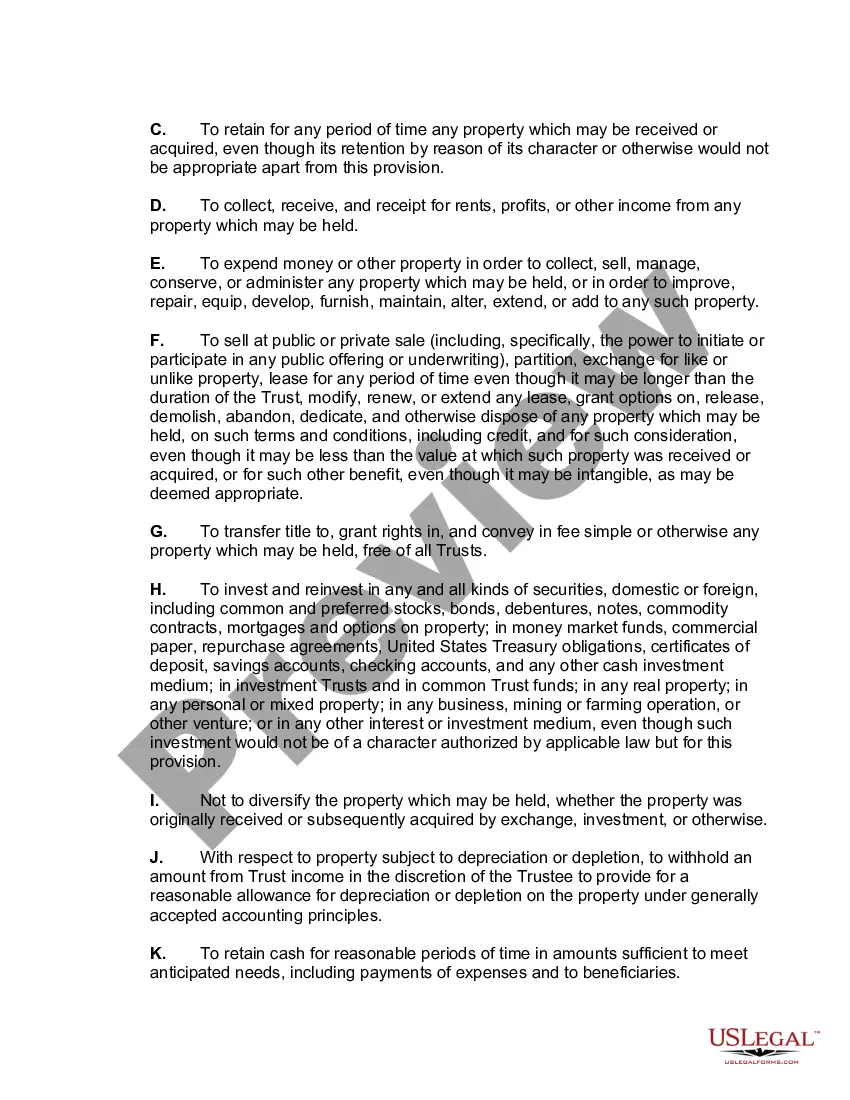
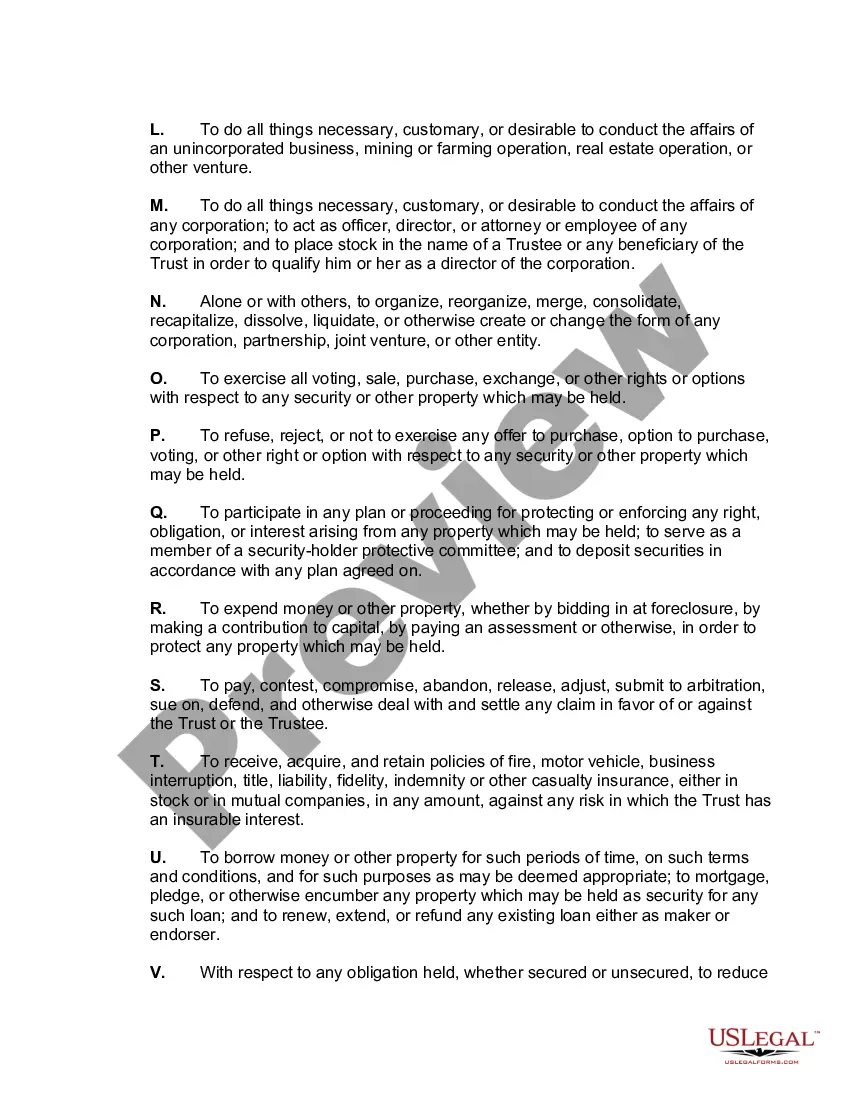

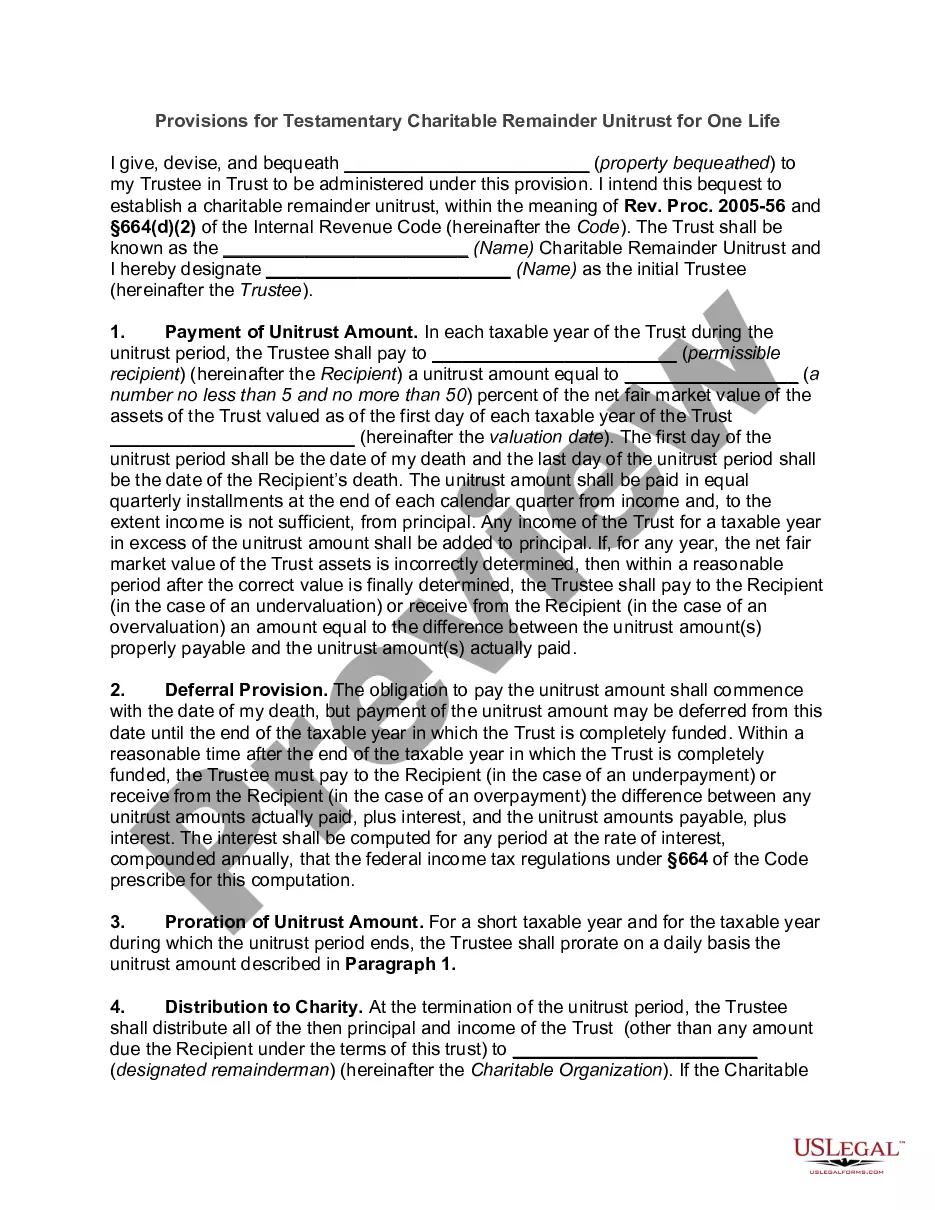
Get your form ready online
Our built-in tools help you complete, sign, share, and store your documents in one place.
Make edits, fill in missing information, and update formatting in US Legal Forms—just like you would in MS Word.
Download a copy, print it, send it by email, or mail it via USPS—whatever works best for your next step.
Sign and collect signatures with our SignNow integration. Send to multiple recipients, set reminders, and more. Go Premium to unlock E-Sign.
If this form requires notarization, complete it online through a secure video call—no need to meet a notary in person or wait for an appointment.
We protect your documents and personal data by following strict security and privacy standards.

Make edits, fill in missing information, and update formatting in US Legal Forms—just like you would in MS Word.

Download a copy, print it, send it by email, or mail it via USPS—whatever works best for your next step.

Sign and collect signatures with our SignNow integration. Send to multiple recipients, set reminders, and more. Go Premium to unlock E-Sign.

If this form requires notarization, complete it online through a secure video call—no need to meet a notary in person or wait for an appointment.

We protect your documents and personal data by following strict security and privacy standards.
Looking for another form?








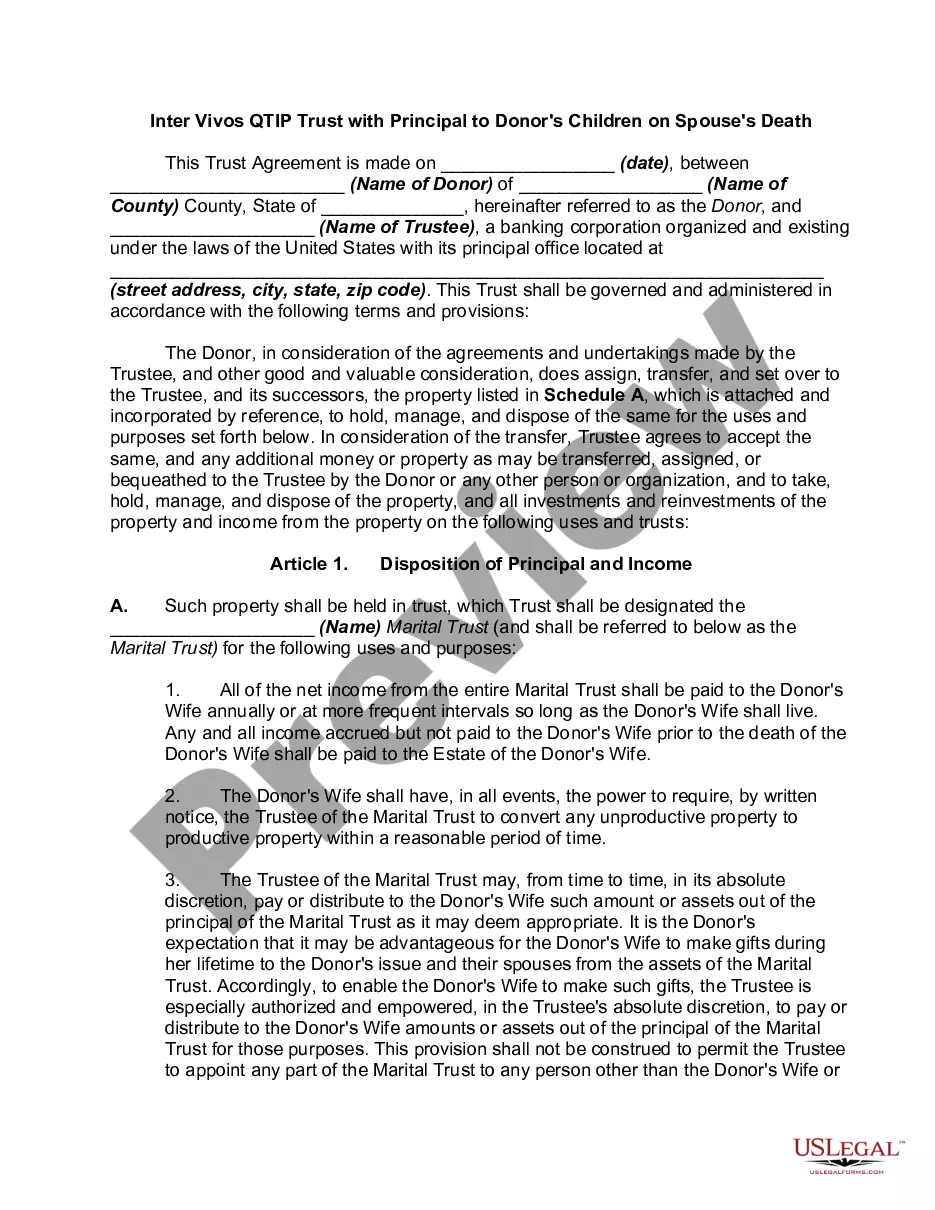
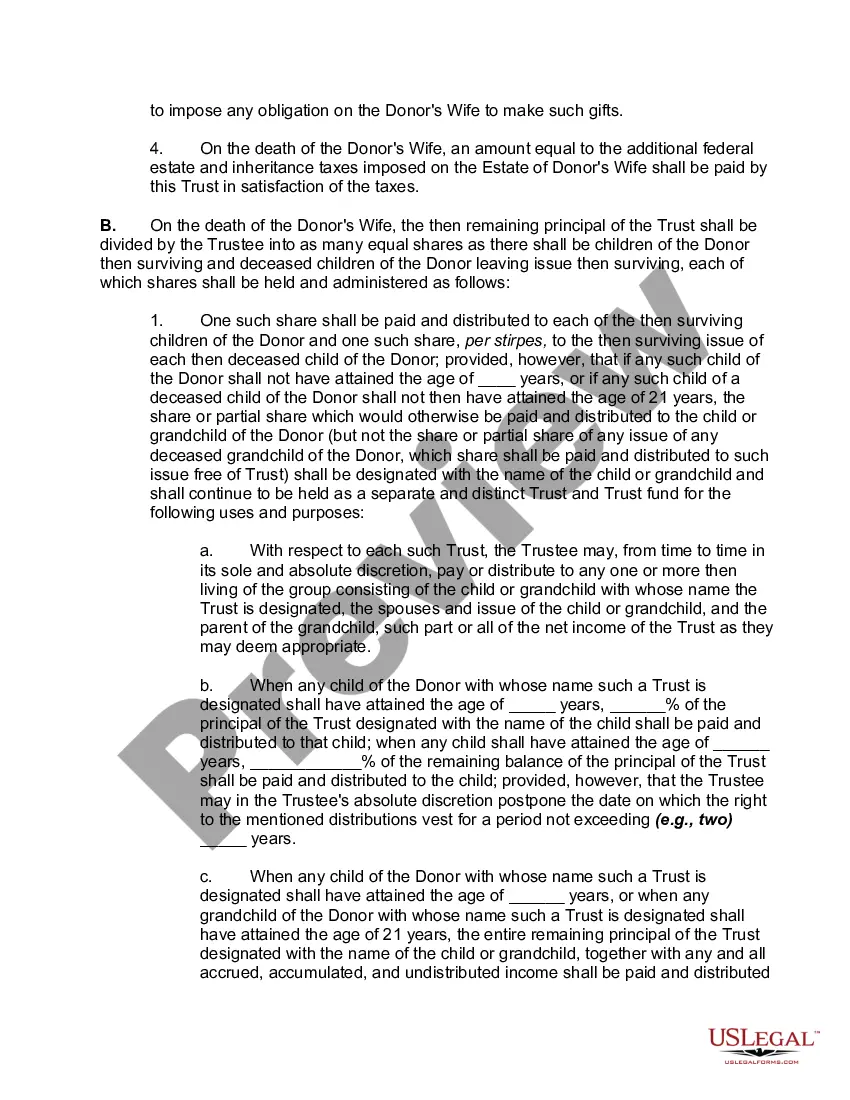
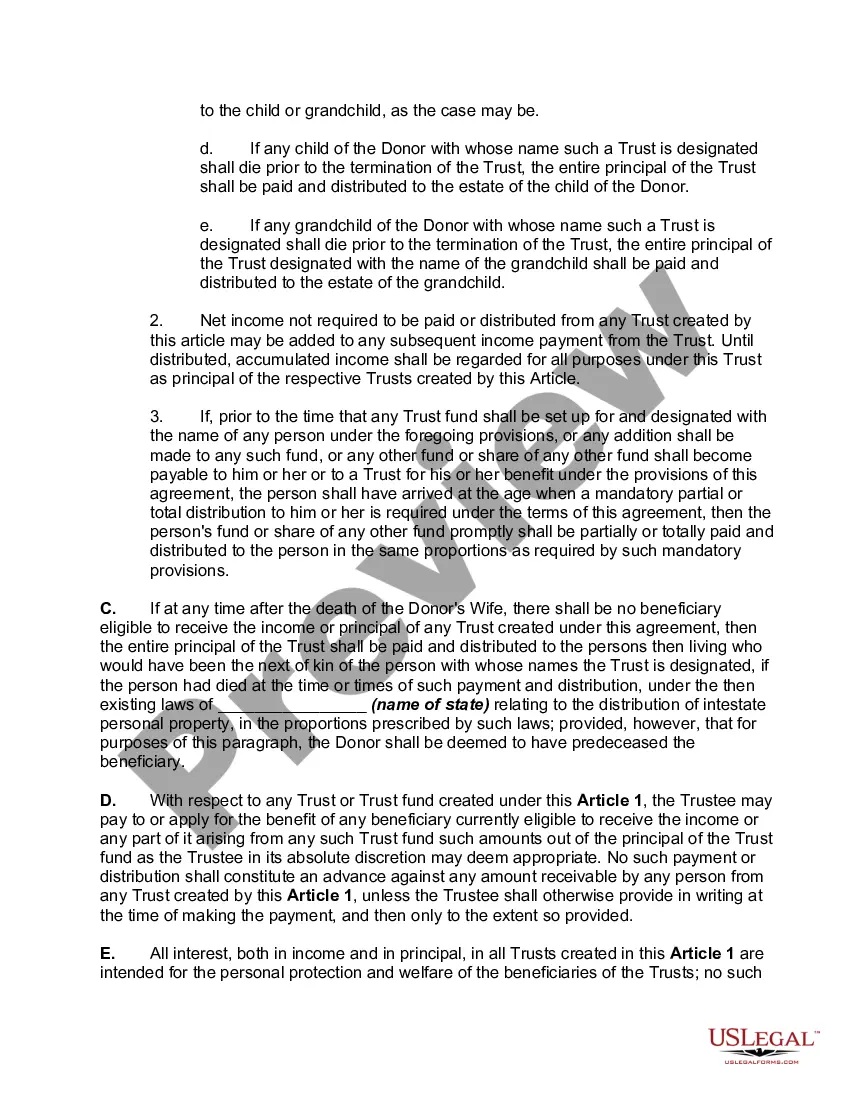
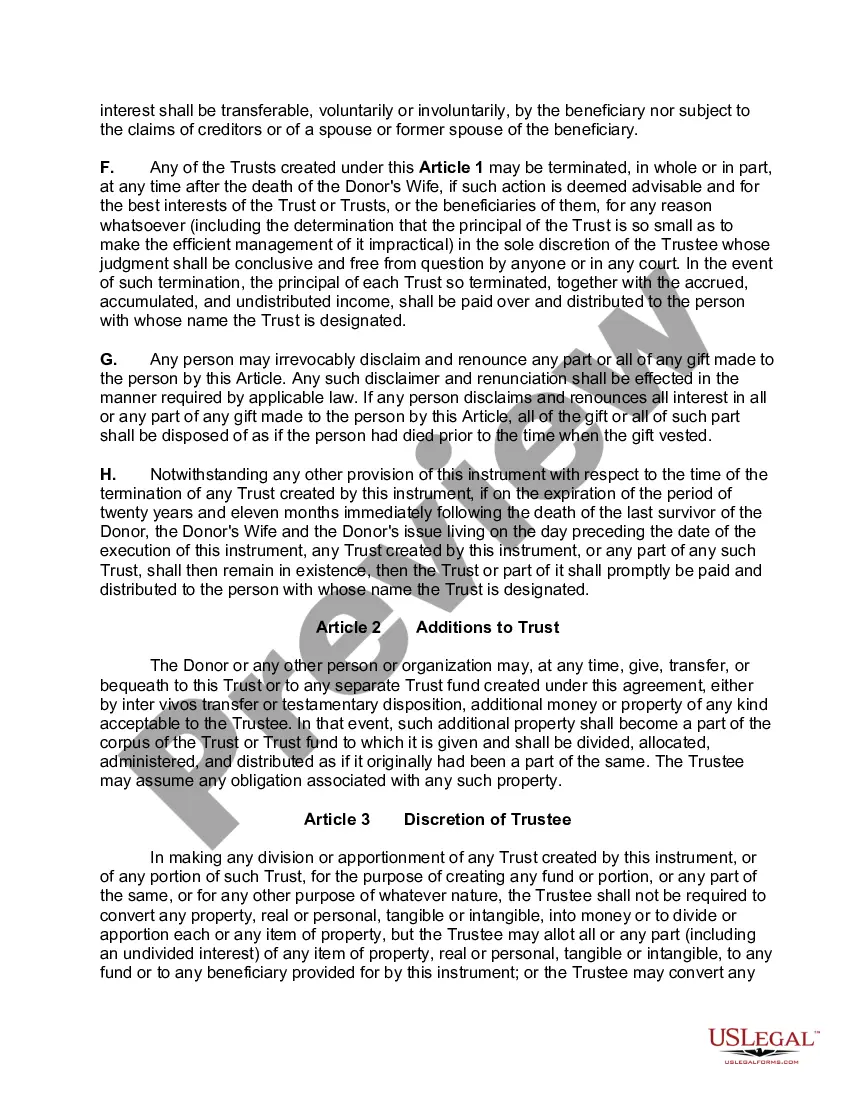
How to fill out Inter Vivos QTIP Trust With Principal To Donor's Children On Spouse's Death?
- Visit the US Legal Forms website and log in to your account if you have used the service before. Ensure your subscription is active.
- If you are a new user, explore the Preview mode to review form descriptions and confirm the document meets your jurisdiction's requirements.
- Utilize the Search tab to find alternative templates if you notice any discrepancies with your initial choice.
- Select the document you need by clicking the Buy Now button and choose a subscription plan that fits your needs.
- Complete your purchase by entering your payment details, either via credit card or PayPal for a seamless transaction.
- Finally, download your legal form directly to your device and access it anytime from the My Forms section in your profile.
US Legal Forms stands out with its vast library of over 85,000 forms, offering users flexibility and precision in legal documentation. With access to premium experts, users can ensure their forms are filled out correctly, providing peace of mind.
Start your legal journey with confidence. Visit US Legal Forms today and harness the power of an extensive legal library for your future needs!
Form popularity
FAQ
The trust fund loophole often refers to strategies that allow individuals to circumvent taxes through creative trust arrangements. By utilizing specific types of trusts, individuals may shield their wealth, preserving more of it for future generations. This loophole can significantly enhance financial outcomes, but it's crucial to approach it with proper guidance. Utilizing platforms like US Legal Forms can help you create any trust may for the future that takes advantage of these strategies legally and ethically.
The 5 year rule for trusts pertains to how long assets must remain in a trust to avoid certain tax implications, particularly Medicaid eligibility. This rule is crucial when considering the length of time assets must be held in a trust to ensure they are treated as separate from your personal assets. If you plan to utilize trusts, understanding this rule helps you navigate financial planning successfully. Therefore, any trust may for the future be crafted with strategies to comply with such regulations.
Yes, you can set a trust fund for yourself, often referred to as a self-settled trust. This type of trust allows you to manage your assets while enjoying tax benefits and protecting your estate. By establishing it, you secure your financial future and ensure your assets are distributed according to your wishes. Ultimately, any trust may for the future provide peace of mind and stability for you and your loved ones.
Determining whether your parents should put their assets in a trust depends on their financial situation and goals. A trust can help manage assets effectively while avoiding probate, but it might not be suitable for everyone. Engaging with a legal professional who understands your family's needs is crucial. This way, they can ensure that any trust may for the future aligns with your parents' financial objectives.
One major downfall of having a trust is the complexity involved in setting it up and managing it over time. Trusts require regular oversight and may involve legal fees, which can be a burden if not managed properly. Moreover, some family members may misunderstand the trust's purpose, leading to disputes. To mitigate these issues, ensure any trust may for the future is well-structured and communicates your intent clearly.
Certain assets are generally better left outside of a trust, such as retirement accounts and life insurance policies. These assets often have designated beneficiaries, rendering a trust unnecessary. Additionally, it's wise to avoid placing personal property with significant sentimental value into a trust, as this can complicate family dynamics. Always consult with a legal advisor to ensure that any trust may for the future supports your goals effectively.
Filling out a trust fund involves gathering necessary documents and ensuring all required information is included. You'll need to specify the trust's name, beneficiaries, and assets. Using online resources, such as US Legal Forms, can simplify the process, providing templates that ensure compliance with state laws. In this way, any trust may for the future will be properly established and easy to manage.
A common mistake parents make when establishing a trust fund is not clearly defining the terms and conditions of the trust. This lack of clarity can lead to confusion and conflict among beneficiaries. Furthermore, failing to review and update the trust regularly can also create issues as family situations change. Planning effectively means understanding that any trust may for the future needs to be adaptable.
While placing assets in any trust may provide benefits like avoiding probate, some downsides include reduced flexibility and possible tax implications. For example, transferring your property into a trust could trigger capital gains taxes or impact eligibility for certain benefits. It's important to weigh these factors carefully to ensure that any trust may for the future meets your financial goals.
One significant disadvantage of a family trust is the potential for loss of control. When you place assets into any trust, you transfer ownership to that trust, which can make managing those assets more complicated. Additionally, some family trusts can incur ongoing administrative fees, which may burden your beneficiaries. Ultimately, understanding these aspects is crucial, so any trust may for the future aligns with your family's vision.