Letter Of Instruction To Financial Institution
Description
Get your form ready online
Our built-in tools help you complete, sign, share, and store your documents in one place.
Make edits, fill in missing information, and update formatting in US Legal Forms—just like you would in MS Word.
Download a copy, print it, send it by email, or mail it via USPS—whatever works best for your next step.
Sign and collect signatures with our SignNow integration. Send to multiple recipients, set reminders, and more. Go Premium to unlock E-Sign.
If this form requires notarization, complete it online through a secure video call—no need to meet a notary in person or wait for an appointment.
We protect your documents and personal data by following strict security and privacy standards.
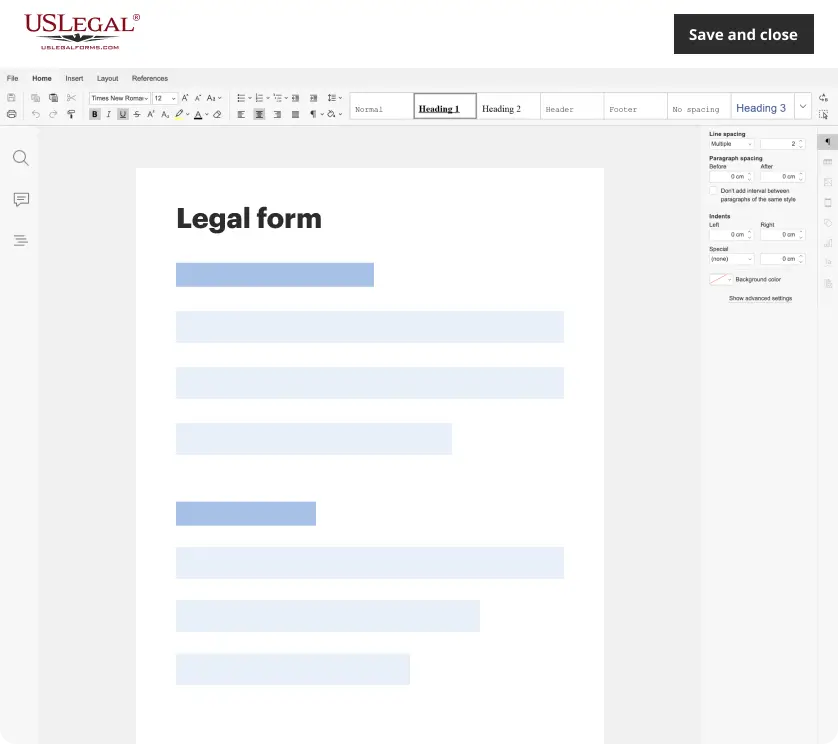
Make edits, fill in missing information, and update formatting in US Legal Forms—just like you would in MS Word.
Download a copy, print it, send it by email, or mail it via USPS—whatever works best for your next step.
Sign and collect signatures with our SignNow integration. Send to multiple recipients, set reminders, and more. Go Premium to unlock E-Sign.

If this form requires notarization, complete it online through a secure video call—no need to meet a notary in person or wait for an appointment.
We protect your documents and personal data by following strict security and privacy standards.
Looking for another form?
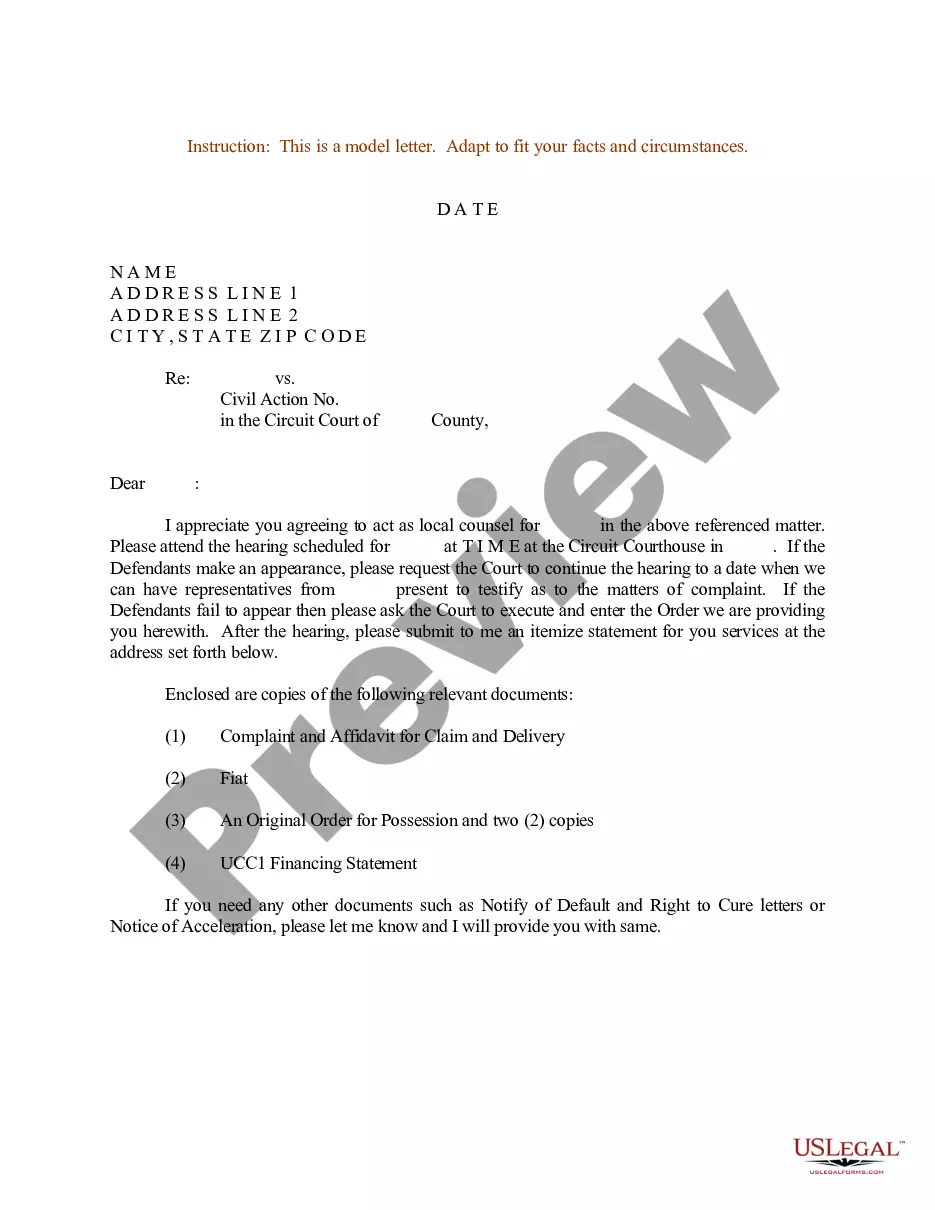
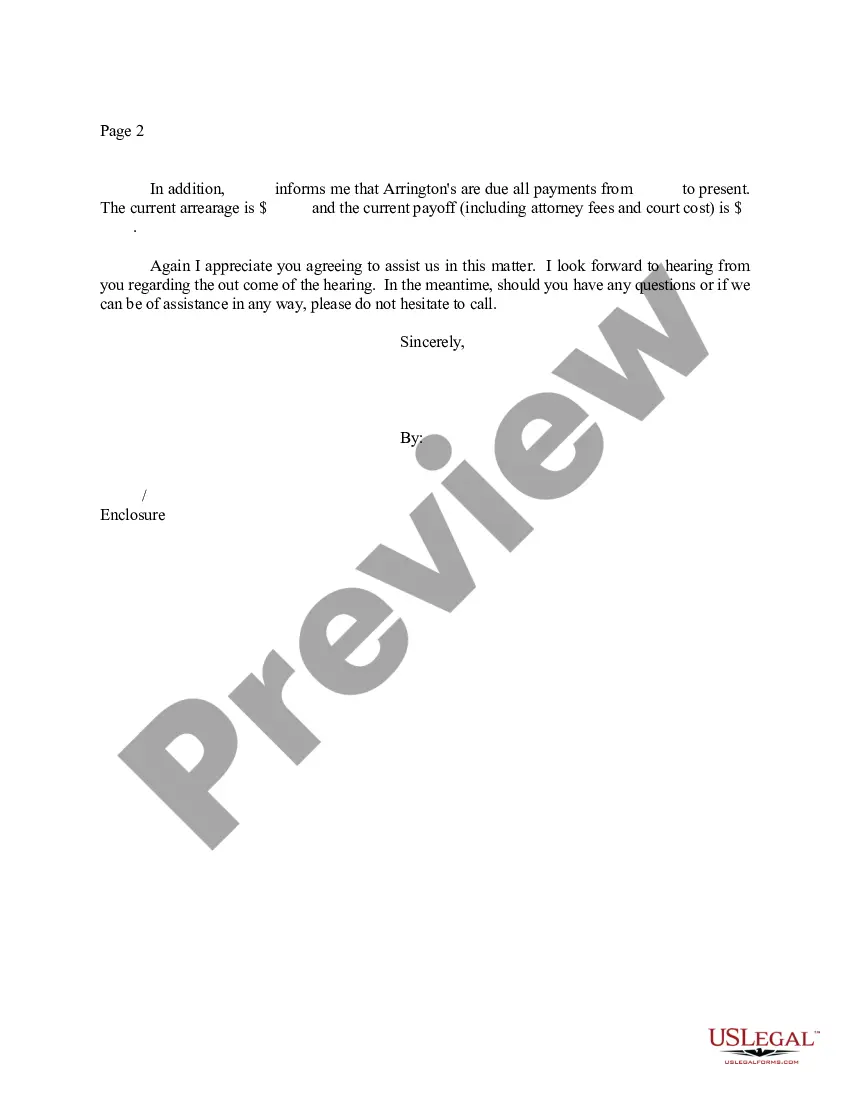
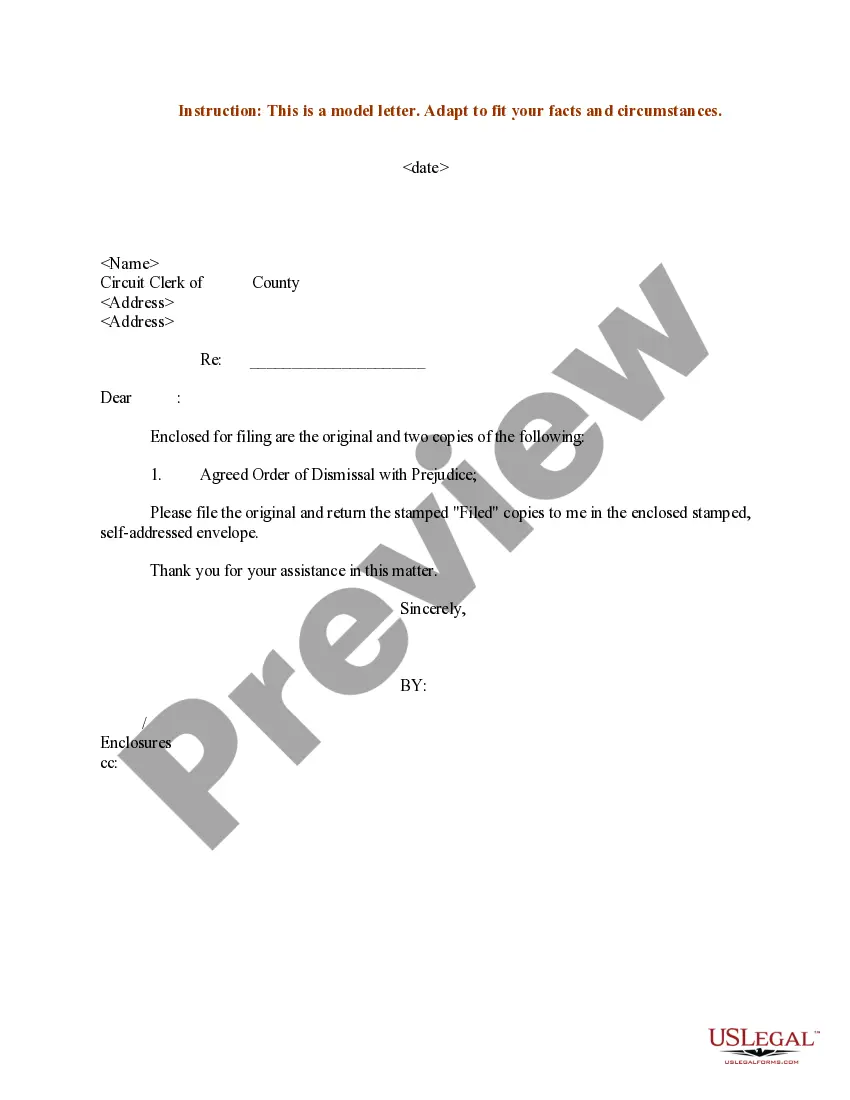
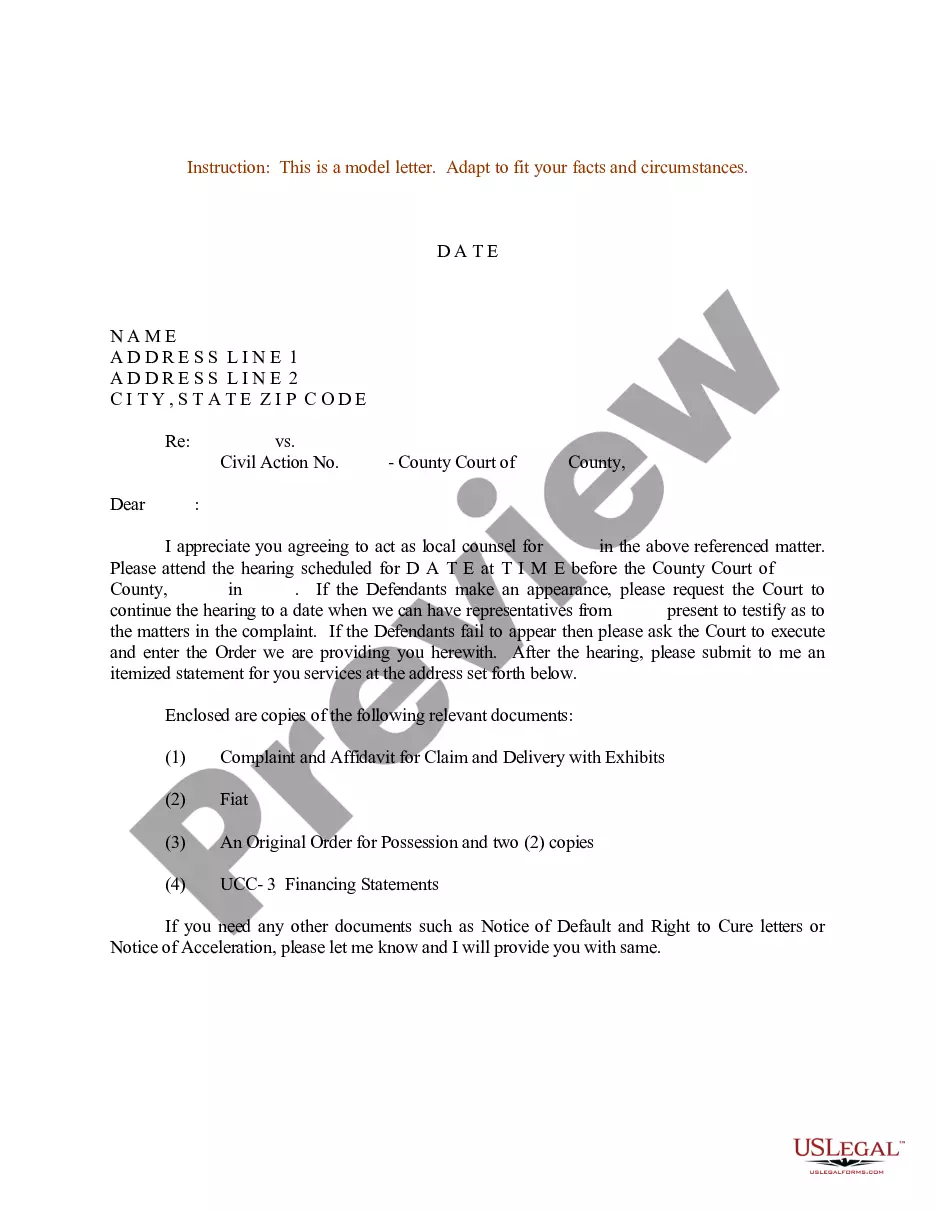
How to fill out Sample Letter For Instructions To Appointed - Local Counsel - UCC-1?
Regardless of whether it's for business-related tasks or personal issues, everyone must confront legal matters at some point in their lives.
Filling out legal paperwork necessitates meticulous care, beginning with selecting the appropriate form template. For example, if you opt for an incorrect version of the Letter Of Instruction To Financial Institution, it will be turned down upon submission.
With an extensive catalog from US Legal Forms available, you never need to waste time searching for the correct template online. Utilize the library’s user-friendly navigation to find the right form for any situation.
- Locate the template you require by using the search bar or browsing the catalog.
- Review the form's overview to ensure it aligns with your circumstances, state, and county.
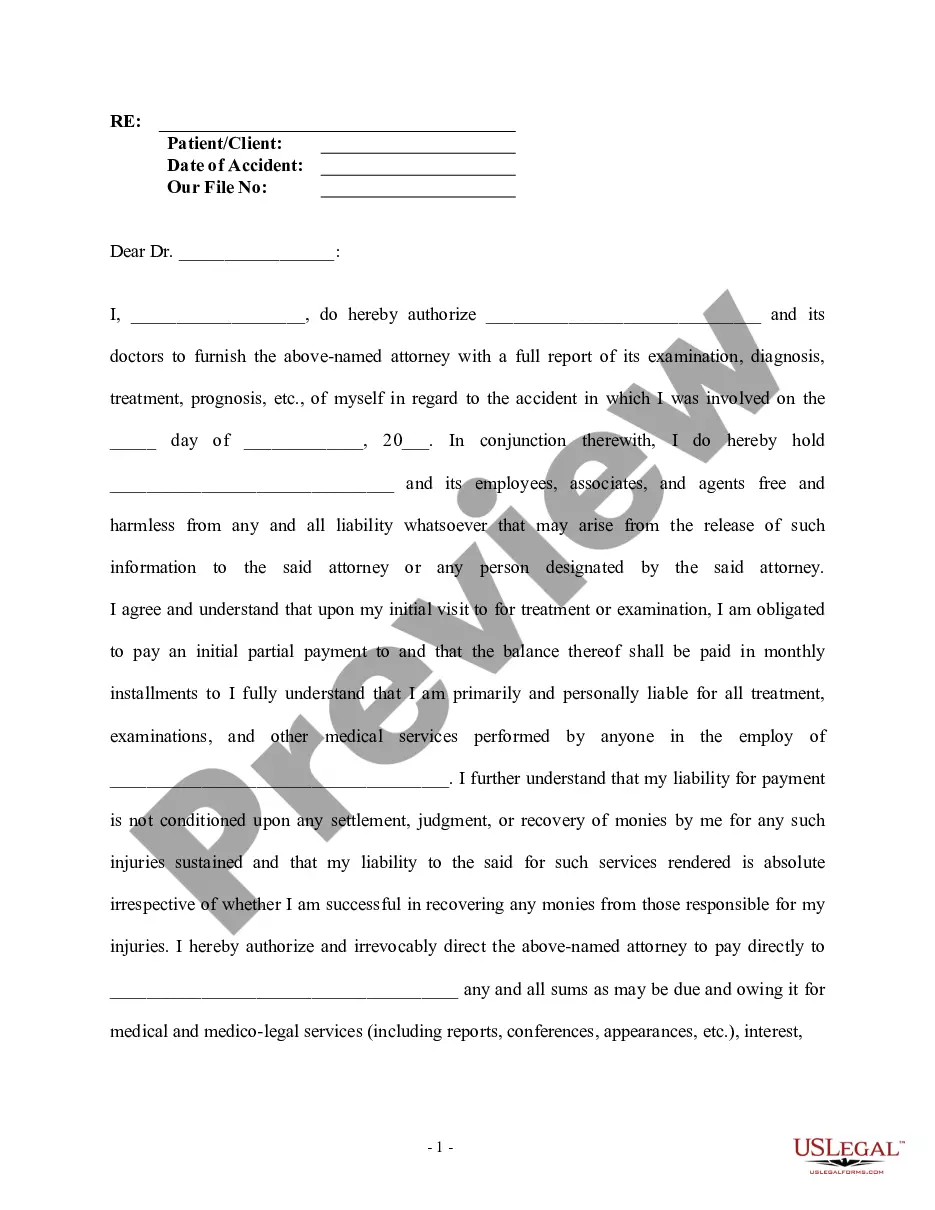
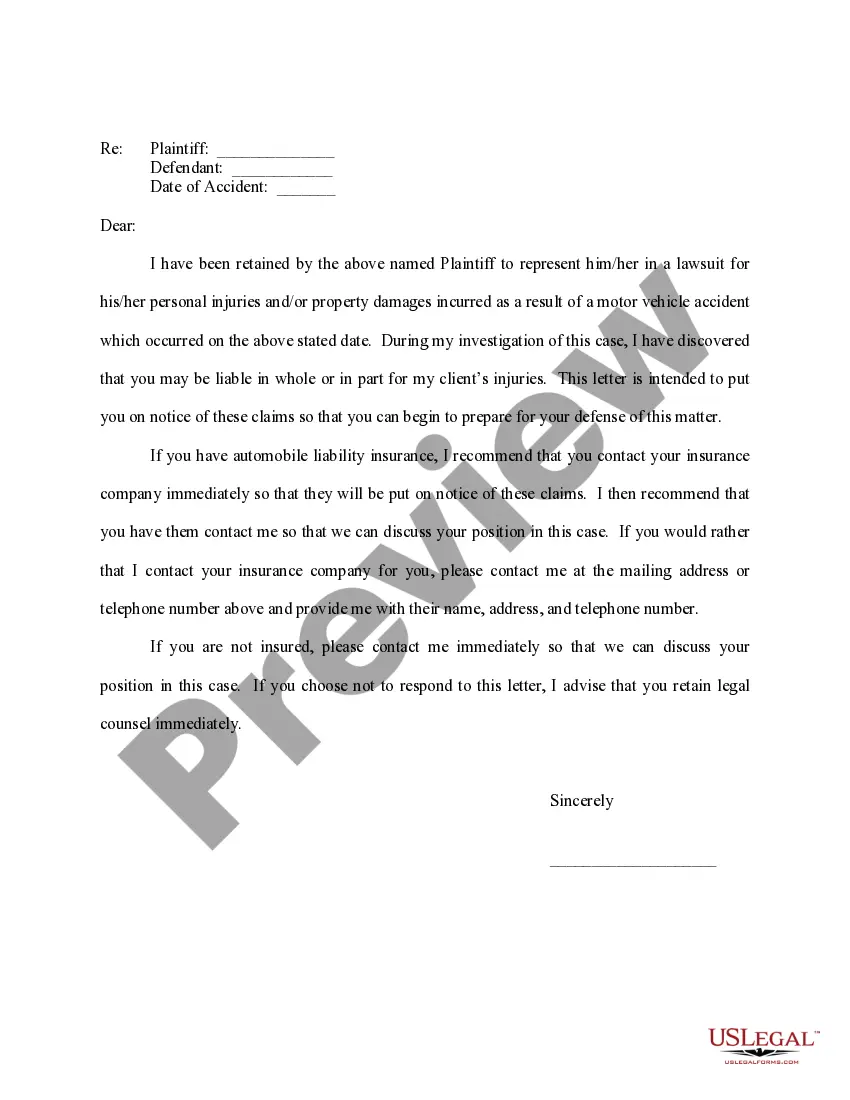
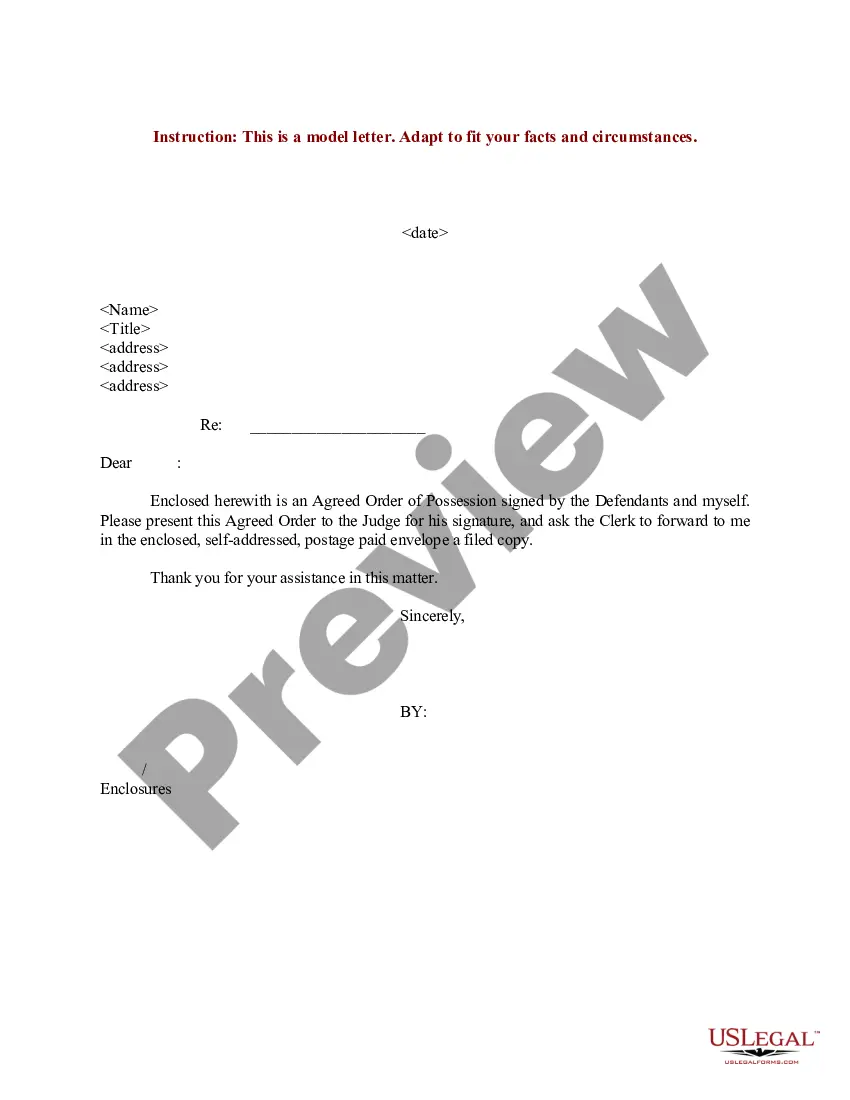
- Examine the form’s preview to view its content.
- If it is not the correct document, return to the search tool to find the Letter Of Instruction To Financial Institution template you need.
- Download the file if it fulfills your specifications.
- If you possess a US Legal Forms account, simply click Log in to access previously saved templates in My documents.
- If you don't yet have an account, you can acquire the form by clicking Buy now.
- Select the appropriate pricing option.
- Complete the account registration form.
- Choose your payment method: a credit card or PayPal account.
- Select the document format you prefer and download the Letter Of Instruction To Financial Institution.
- Once downloaded, you can fill out the form using editing software or print it and finish it by hand.
Form popularity
FAQ
Creating a letter of instruction to a financial institution involves several key steps. Begin by clearly stating your intent and any specific instructions related to your accounts or assets. Include essential details such as account numbers, your contact information, and any relevant deadlines. To simplify the process, you can utilize platforms like USLegalForms, which offer templates and guidance to help you draft a comprehensive and effective letter.
To obtain a financial institution letter, start by contacting your bank or financial advisor directly. Request a letter of instruction template or inquire about their specific requirements. Many financial institutions may have guidelines or forms to facilitate this process, ensuring your letter adheres to their standards for clarity and legality.
The standard letter of instruction to a financial institution serves as a guide for the institution on how to handle your accounts or assets after a specific event. This document typically includes clear directives regarding account distributions, asset management, and preferences on various transactions. By providing a detailed letter, you help ensure that your intentions are followed, making it a valuable tool in estate planning.
Yes, a letter of instruction to a financial institution can be handwritten. However, it is important to ensure that the writing is clear and legible. While handwritten letters may be accepted, using a typed document can help avoid misunderstandings or errors. Additionally, using a formal format can enhance the professionalism of your communication.
Formatting a letter of instruction to a financial institution is straightforward. Use a standard business letter format, starting with your address, the date, and the bank's address. Use a clear subject line and write the body with concise instructions, ensuring to conclude with your signature and printed name for authenticity.
To activate your bank account, draft a letter of instruction that includes your personal details and account number. State clearly that you are requesting activation and provide any additional information the bank may require. It's beneficial to include a phone number where they can reach you if they have further questions about your request.
A letter of instruction to a financial institution typically includes your personal details, account number, date, and explicit instructions. You should specify the actions you want the institution to take, whether it's transferring funds or updating account information. Always include your contact information for any follow-up or clarification.
When you need to write a letter of instruction to your bank, begin with a professional greeting and your account information. Clearly outline the instructions you wish to convey, such as account transactions or changes. Ensure you sign the letter to validate your request, and consider sending it via a method that provides proof of delivery.
To write a formal letter of instruction to a financial institution, start with your contact information at the top, followed by the date and the institution's contact details. Be clear and concise in your message; state the purpose of the letter and provide specific instructions. Always include your account number and any necessary details to help the institution process your request efficiently.
To write a letter of instruction, begin with a clear purpose statement followed by your specific instructions. Make sure to include pertinent details, such as account numbers and contact information, to facilitate the implementation of your requests. Keep the language simple and direct, ensuring readability. For added convenience, consider using USLegalForms, which offers templates to guide you through the writing process.