Letter Of Instruction For Ira Transfer
Description
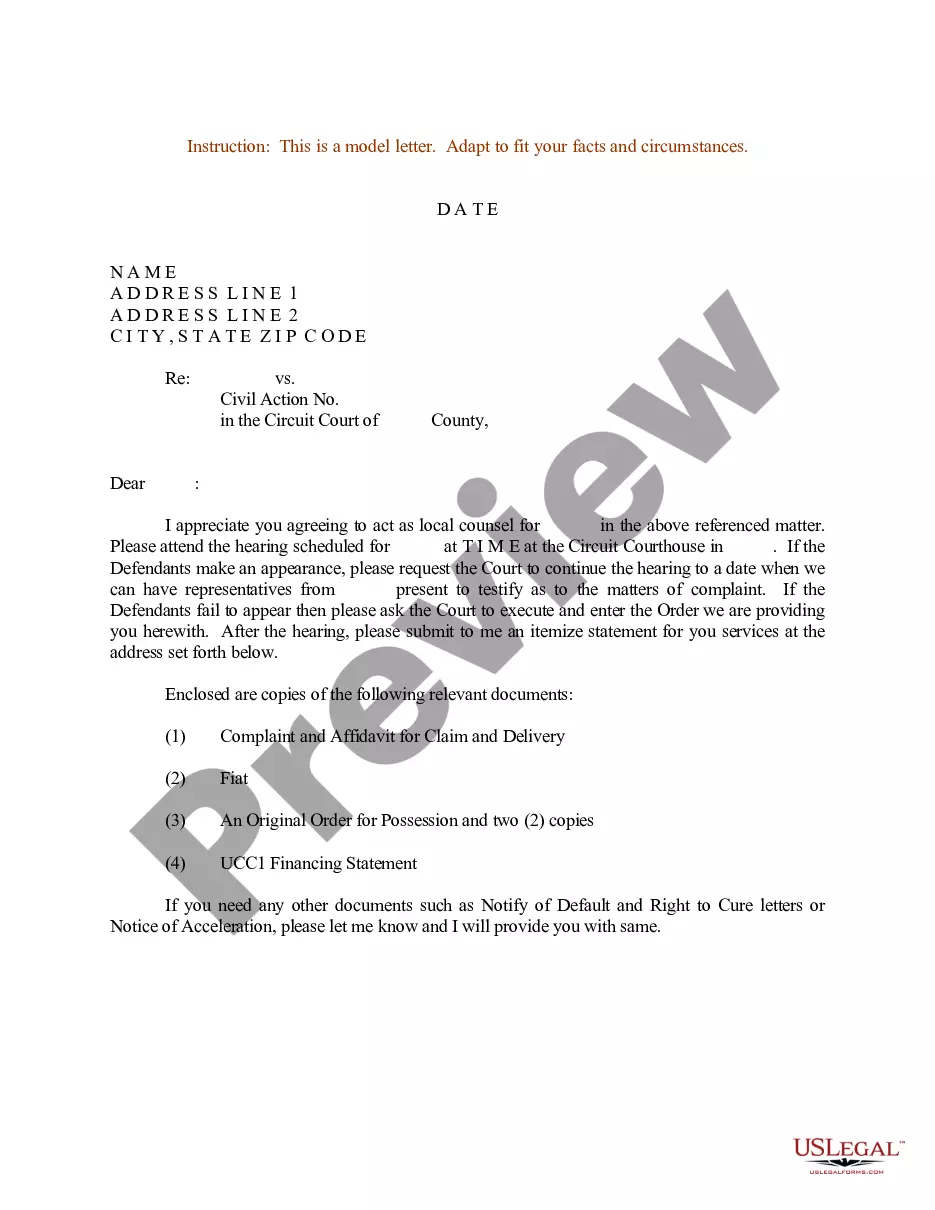
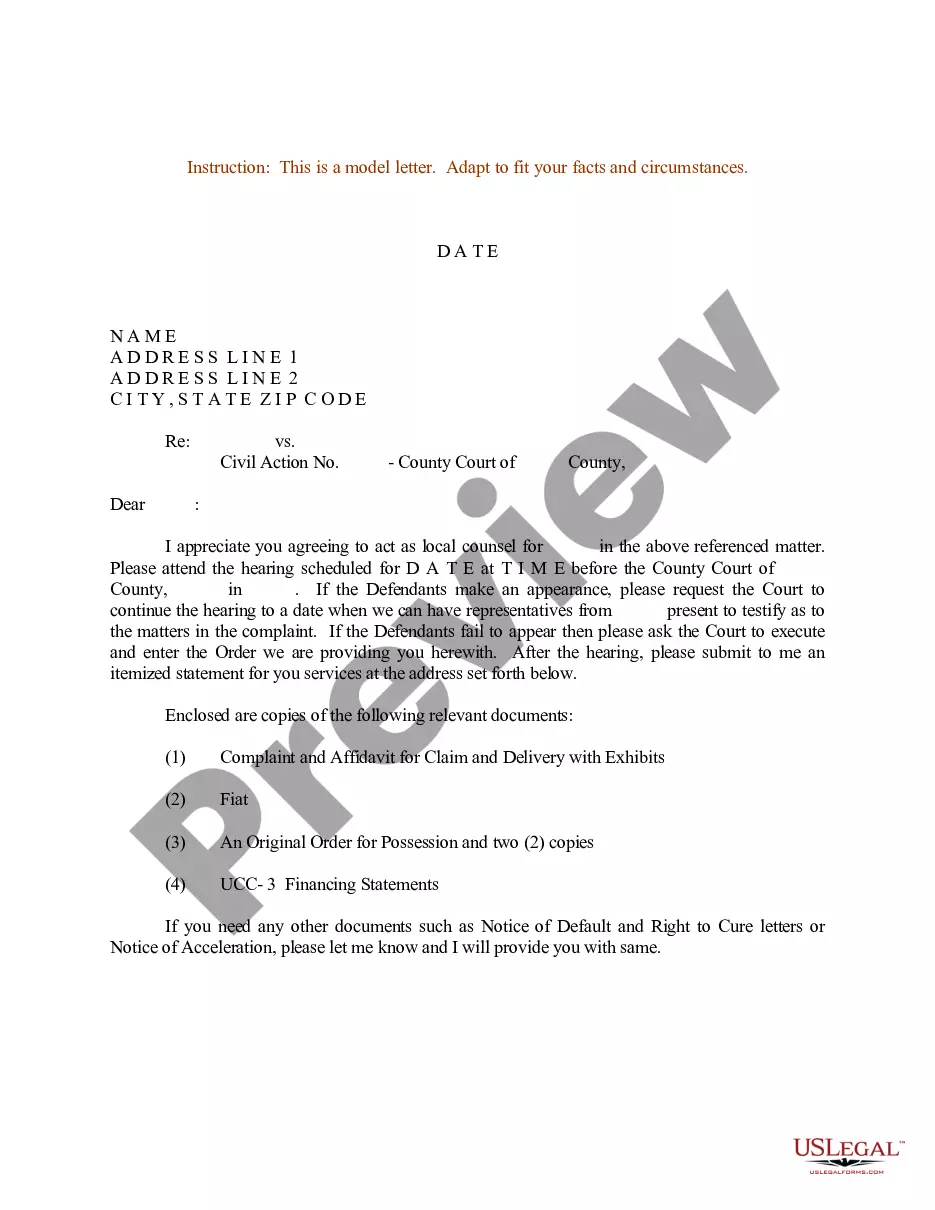
Get your form ready online
Our built-in tools help you complete, sign, share, and store your documents in one place.
Make edits, fill in missing information, and update formatting in US Legal Forms—just like you would in MS Word.
Download a copy, print it, send it by email, or mail it via USPS—whatever works best for your next step.
Sign and collect signatures with our SignNow integration. Send to multiple recipients, set reminders, and more. Go Premium to unlock E-Sign.
If this form requires notarization, complete it online through a secure video call—no need to meet a notary in person or wait for an appointment.
We protect your documents and personal data by following strict security and privacy standards.

Make edits, fill in missing information, and update formatting in US Legal Forms—just like you would in MS Word.

Download a copy, print it, send it by email, or mail it via USPS—whatever works best for your next step.

Sign and collect signatures with our SignNow integration. Send to multiple recipients, set reminders, and more. Go Premium to unlock E-Sign.

If this form requires notarization, complete it online through a secure video call—no need to meet a notary in person or wait for an appointment.

We protect your documents and personal data by following strict security and privacy standards.
Looking for another form?

How to fill out Sample Letter For Instructions To Appointed - Local Counsel - UCC-1?
The Instruction Letter For IRA Transfer presented on this page is a versatile legal template created by qualified attorneys in compliance with federal and state laws.
For over 25 years, US Legal Forms has supplied individuals, companies, and lawyers with more than 85,000 authenticated, state-specific documents for any business or personal circumstance. It is the quickest, easiest, and most reliable method to acquire the forms you require, as the service assures bank-level data protection and anti-virus safeguards.
Subscribe to US Legal Forms to have verified legal templates for every life situation readily available.
- Explore the document you require and evaluate it.
- Look through the sample you searched for and preview it or check the form description to confirm it meets your requirements. If it does not, utilize the search feature to locate the correct one. Click Buy Now once you have found the template you want.
- Register and sign in.
- Select the pricing option that works best for you and create an account. Use PayPal or a credit card for a swift payment. If you already have an account, Log In and verify your subscription to continue.
- Acquire the editable template.
- Select the format you prefer for your Instruction Letter For IRA Transfer (PDF, DOCX, RTF) and save the document on your device.
- Fill out and sign the document.
- Print the template to complete it manually. Alternatively, use an online multifunctional PDF editor to swiftly and accurately fill and sign your form electronically.
- Download your documents again.
- Utilize the same document once more whenever necessary. Access the My documents section in your profile to redownload any previously purchased documents.
Form popularity
FAQ
A letter of instruction for IRA transfer is a document that provides clear guidance on how to move assets from one retirement account to another. This letter typically outlines important details, such as account numbers and the specific assets being transferred. By including this information, you help ensure a smooth transaction between financial institutions. Utilizing a service like US Legal Forms can simplify this process, making it easier for you to create a comprehensive letter of instruction for IRA transfer tailored to your needs.
Yes, you can transfer an IRA from one company to another without facing tax penalties. This process usually requires filling out a transfer request form along with a letter of instruction for IRA transfer. By providing clear guidance in your letter, you can streamline the transfer and minimize any potential errors. Always check with both the current and new IRA providers to ensure a smooth transition.
To transfer your IRA from one employer to another, first contact your current IRA provider for their specific transfer procedures. They will typically require a completed letter of instruction for IRA transfer, along with some basic account information. Once you provide the necessary documentation, your new employer's plan administrator will help complete the transfer. It is important to ensure there are no penalties or tax implications during this process.
A letter of instruction form is a document that guides the recipient on how to handle certain tasks or transfers. When transferring an IRA, this letter specifies your wishes regarding the transfer process. It may include details such as account numbers and instructions for your financial institution. Using a well-drafted letter of instruction for IRA transfer can simplify the process and ensure your requests are clear.
Writing a letter of instruction for heirs and beneficiaries is a straightforward process that involves clear communication. Start by detailing your wishes regarding asset distribution, including specific instructions for your IRA transfer. Ensure you include important information like account numbers and contact details of your financial institution. Using a platform like US Legal Forms can simplify this process, providing you with ready-made templates tailored to facilitate an effective letter of instruction for IRA transfer.
To transfer your IRA from one institution to another, start by contacting your new financial institution for their requirements. You will need to fill out a letter of instruction for IRA transfer to guide the process. It is important to ensure that both your existing and new institutions communicate effectively to avoid any issues. Utilizing services like US Legal Forms can simplify this process with ready-to-use templates specifically designed for IRA transfers.
A letter of instruction from a bank is a document you provide to your financial institution, detailing your requests regarding your accounts. When transferring an IRA, this letter may serve as a guide to facilitate the transfer process. The letter of instruction for IRA transfer should clearly state your wishes and include any required information. It is crucial to communicate clearly with both your old and new institutions to avoid any delays.
An IRA transfer request form is a document that initiates the process of moving your IRA assets from one institution to another. This form usually includes details about your accounts and a letter of instruction for IRA transfer. It provides the necessary information to both institutions, ensuring a smooth transfer. Always verify the specific requirements of your new provider to complete this form accurately.
Yes, you can transfer your IRA to a different company. The process typically involves completing a letter of instruction for IRA transfer and submitting it to your new provider. Ensure you check both your old and new institutions for any specific transfer guidelines, as requirements may vary. This process allows you to take advantage of better investment options or services.
To move an IRA from one institution to another, start by reviewing your current IRA plan. Next, you'll need to complete a letter of instruction for IRA transfer, which provides details about the transfer. Contact your new institution to determine their specific requirements, as they may have their own forms or procedures. Once you submit the necessary documents, your old institution will process the transfer.