Transfer Documents For House
Description

Get your form ready online
Our built-in tools help you complete, sign, share, and store your documents in one place.
Make edits, fill in missing information, and update formatting in US Legal Forms—just like you would in MS Word.
Download a copy, print it, send it by email, or mail it via USPS—whatever works best for your next step.
Sign and collect signatures with our SignNow integration. Send to multiple recipients, set reminders, and more. Go Premium to unlock E-Sign.
If this form requires notarization, complete it online through a secure video call—no need to meet a notary in person or wait for an appointment.
We protect your documents and personal data by following strict security and privacy standards.

Make edits, fill in missing information, and update formatting in US Legal Forms—just like you would in MS Word.

Download a copy, print it, send it by email, or mail it via USPS—whatever works best for your next step.

Sign and collect signatures with our SignNow integration. Send to multiple recipients, set reminders, and more. Go Premium to unlock E-Sign.

If this form requires notarization, complete it online through a secure video call—no need to meet a notary in person or wait for an appointment.

We protect your documents and personal data by following strict security and privacy standards.
Looking for another form?






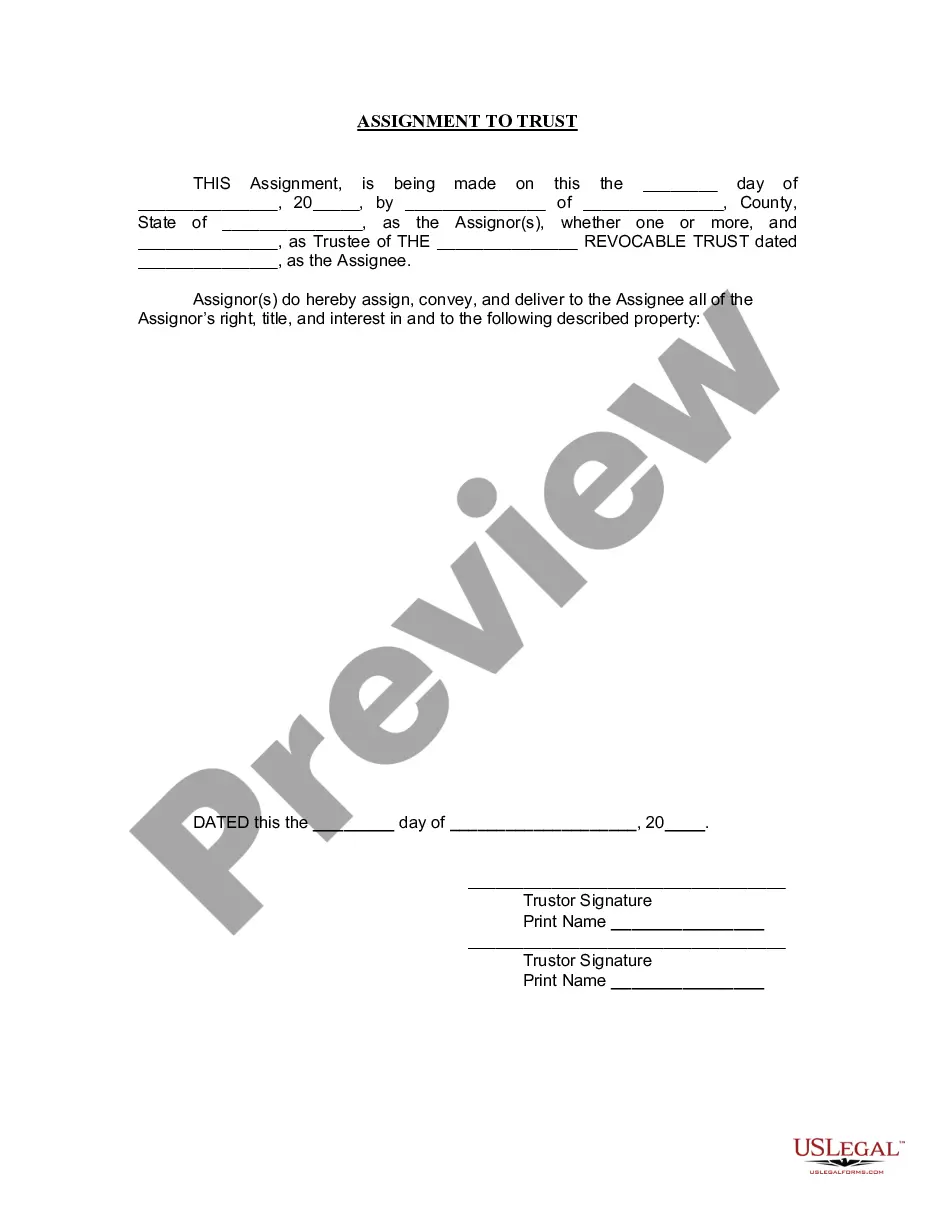
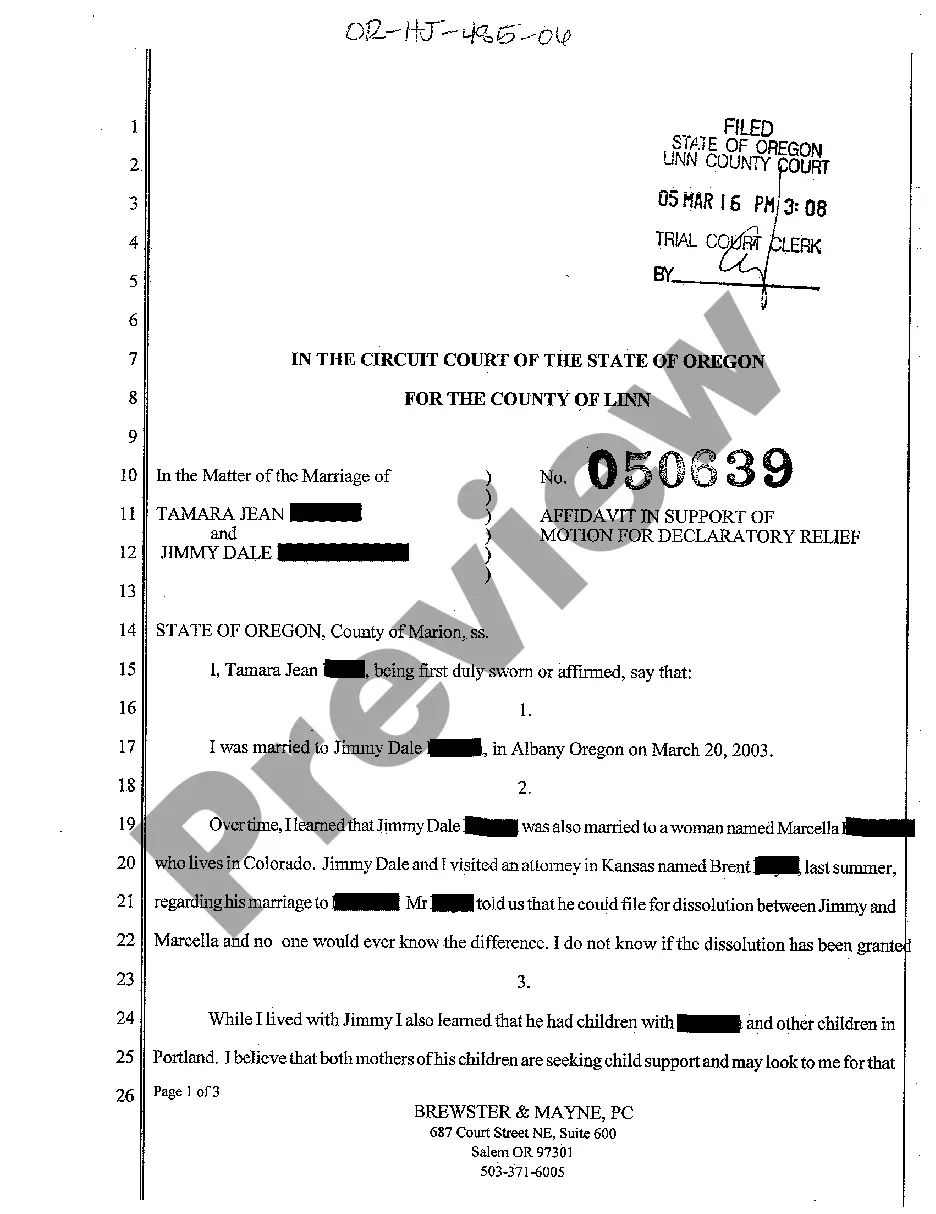


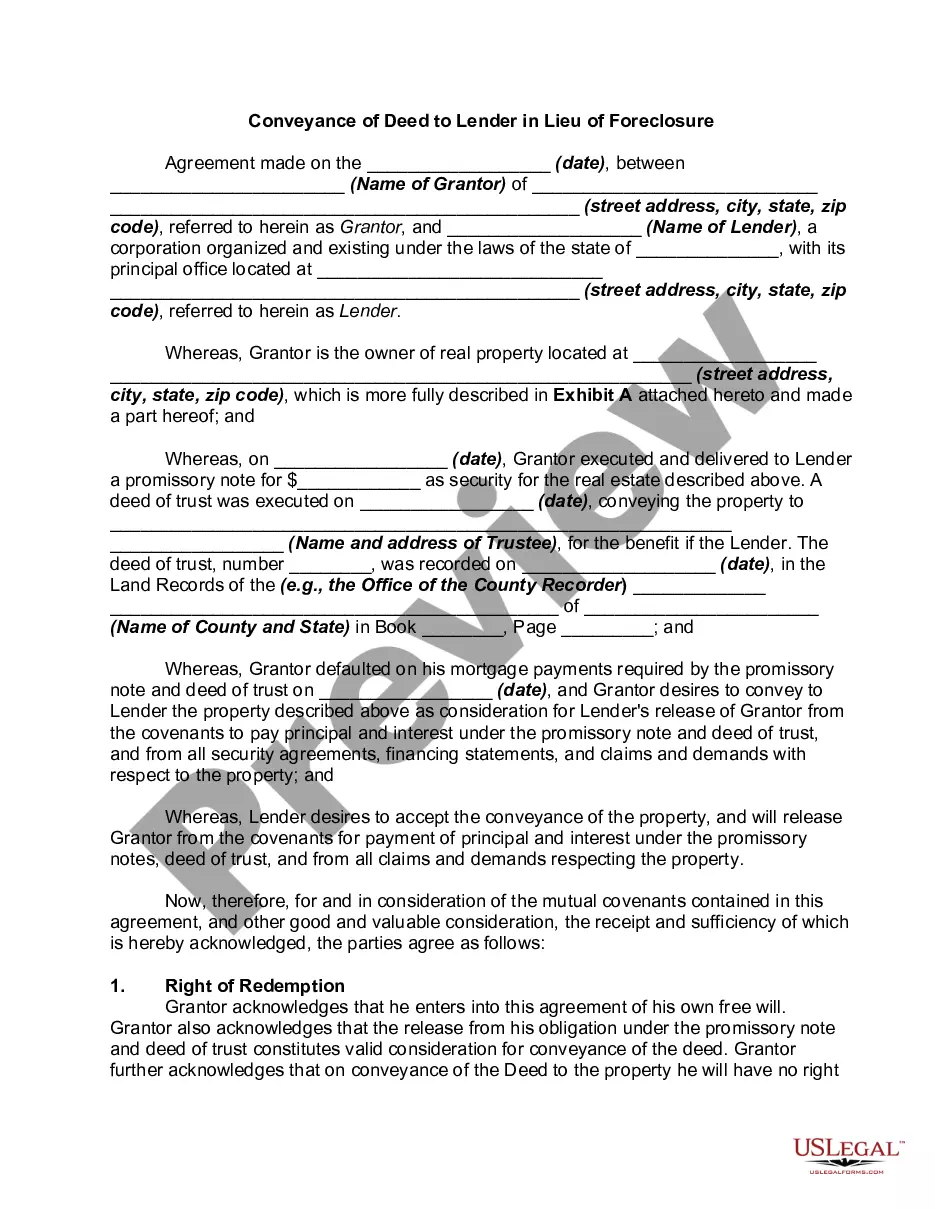
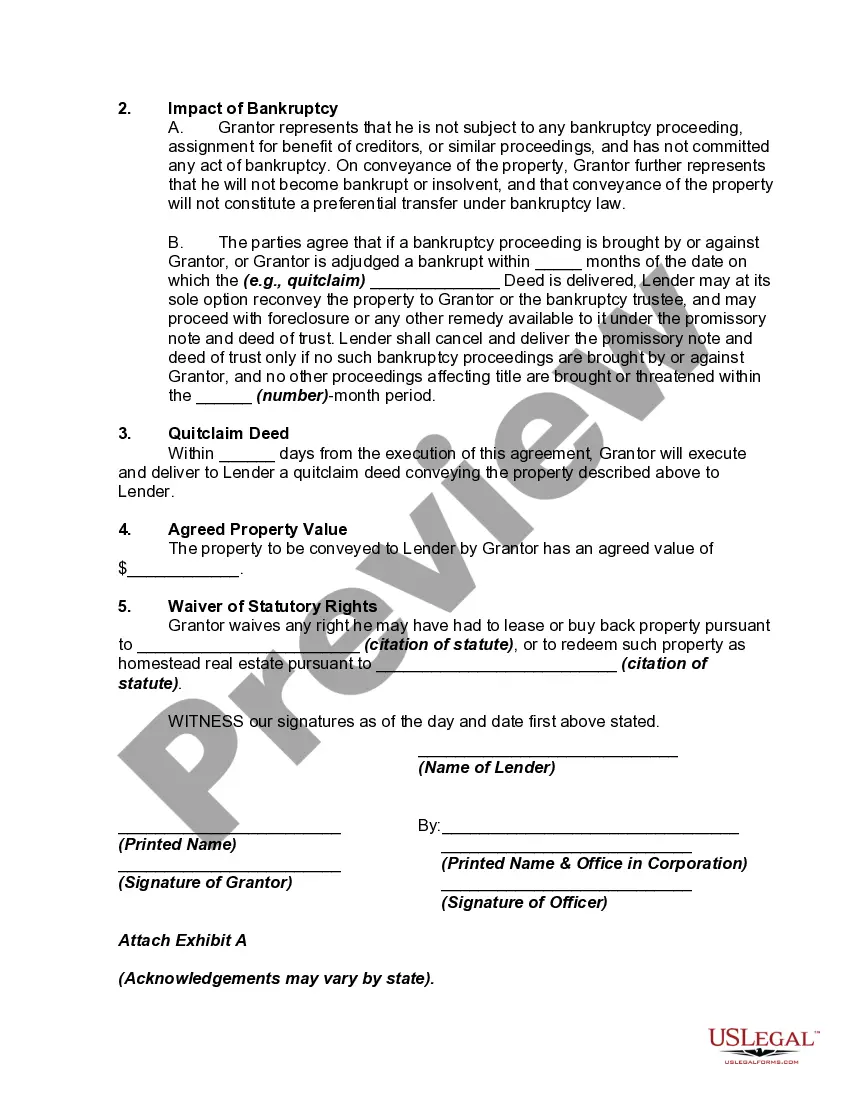
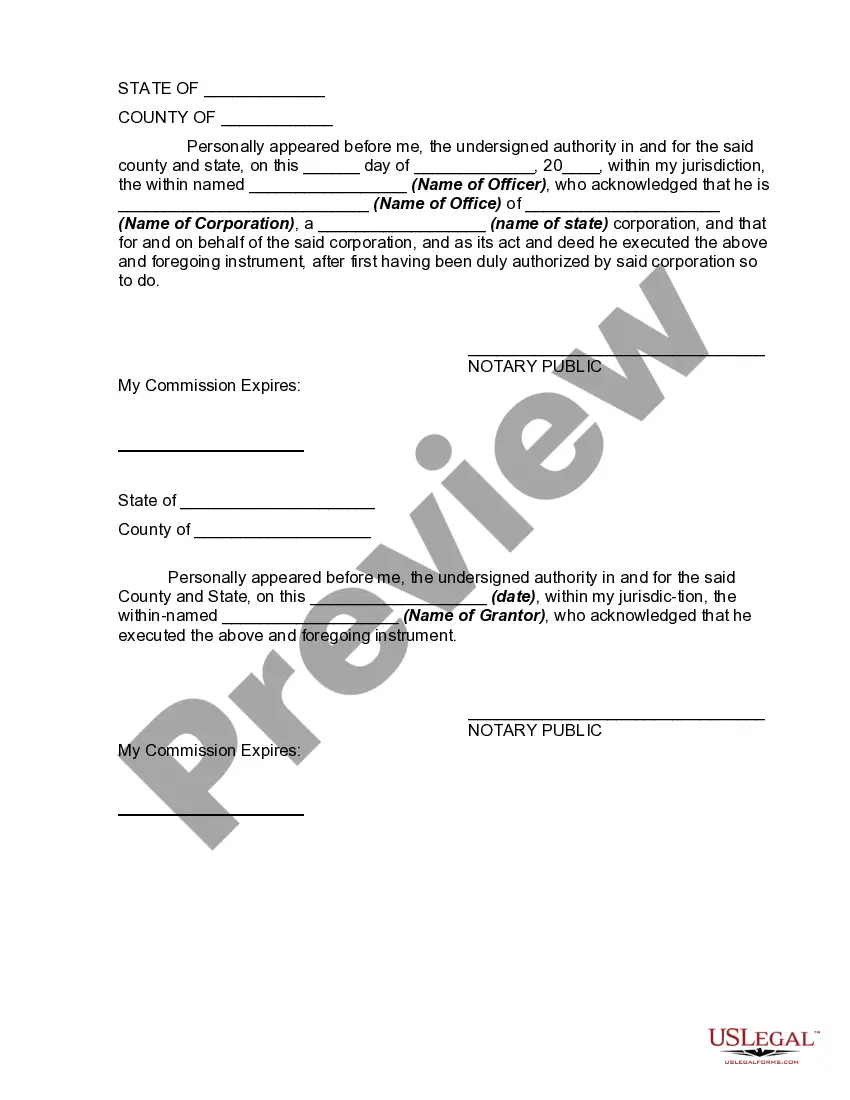
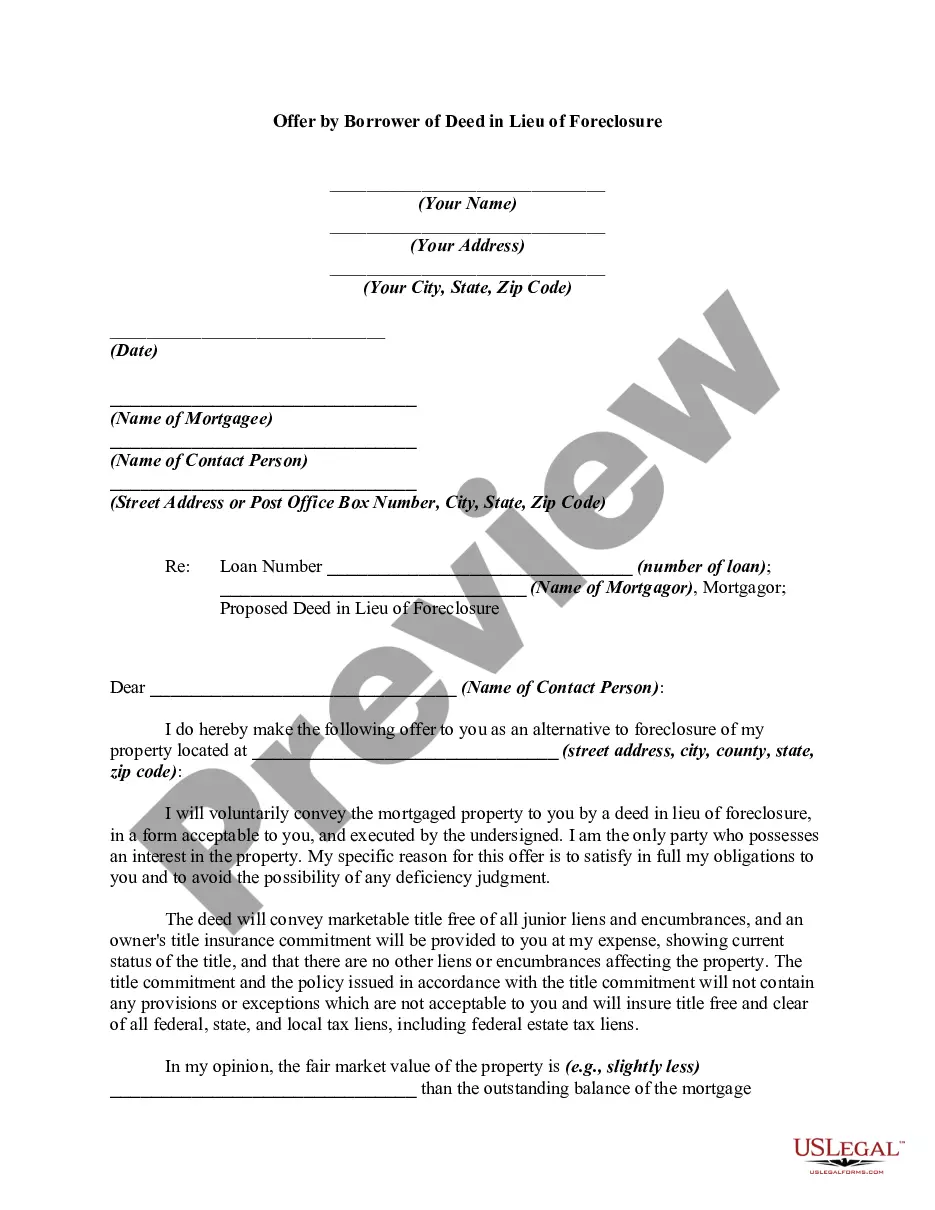
How to fill out Conveyance Of Deed To Lender In Lieu Of Foreclosure?
The Transfer Documents For House displayed on this site is a reusable official template created by expert attorneys in accordance with national and local laws and regulations.
For over 25 years, US Legal Forms has supplied individuals, businesses, and legal practitioners with more than 85,000 validated, state-specific forms for various business and personal needs. It is the fastest, simplest, and most reliable method to acquire the documentation you require, as the service ensures bank-level data security and anti-malware safeguards.
Subscribe to US Legal Forms to have validated legal templates ready for all of life's occasions.
- Search for the document you require and examine it.
- Pick the subscription plan that fits you and set up an account. Use PayPal or a credit card for a swift payment. If you already possess an account, Log In and verify your subscription to proceed.
- Select the format you prefer for your Transfer Documents For House (PDF, Word, RTF) and download the template to your device.
- Print the template to fill it out manually. As an alternative, use an online multi-functional PDF editor to efficiently and accurately complete and sign your form with an eSignature.
- Re-download your documents whenever necessary. Access the My documents tab in your profile to retrieve any previously saved forms.
Form popularity
FAQ
Don't Cross the Legal Line You assign employees to help the contractor. You're using a contractor for a big project. ... You give the contractor a dedicated workspace. ... You provide paid time off (or other benefits). ... You work with the contractor on a long-term basis. ... You have the contractor perform core business functions.
Learn what to do if your contractor is threatening or bullying you. Communicate and Document Everything in Writing. ... Refer to Your Agreement and Modify if Needed. ... Reach Out for Help. ... Withhold Payments. ... 5. Mail a Registered Letter. ... Seek Arbitration. ... File Through Small Claims Court. ... Part Ways.
Protect Yourself When Hiring a Contractor Get Proof of Bonding, Licenses, and Insurance. ... Don't Base Your Decision Solely on Price. ... Ask for References. ... Avoid Paying Too Much Upfront. ... Secure a Written Contract. ... Be Wary of Pressure and Scare Tactics. ... Consider Hiring Specialized Pros for Additional Guidance. ... Go With Your Gut.
7 tips for working with contractors Get an itemized quote. ... Ask about subcontractors. ... Set up a time to talk with contractors. ... Plot a timeline. ... Prepare for problems. ... Inspect contractor work periodically. ... Offer kind gestures.
Seven Things to Never Say to a Contractor Never Tell a Contractor They are the Only One Bidding on the Job. ... Don't Tell a Contractor Your Budget. ... Never Ask a Contractor for a Discount if You Pay Upfront. ... Don't Tell a Contractor That You Aren't in A Hurry. ... Do Not Let a Contractor Choose the Materials.
Texas builders can be criminally liable for failing to comply with financial bookkeeping requirements and misusing construction funds paid by the owner. While many district attorney offices are reluctant to prosecute construction industry fraud, some DA offices will seek criminal prosecution in egregious circumstances.
Ask for the contractor's license and insurance information If a contractor cannot prove that he or she has ever done a similar project, is that really someone you are comfortable hiring? You can also verify whether a contractor is insured. Ask for his or her policy number and insurance carrier and call for yourself.