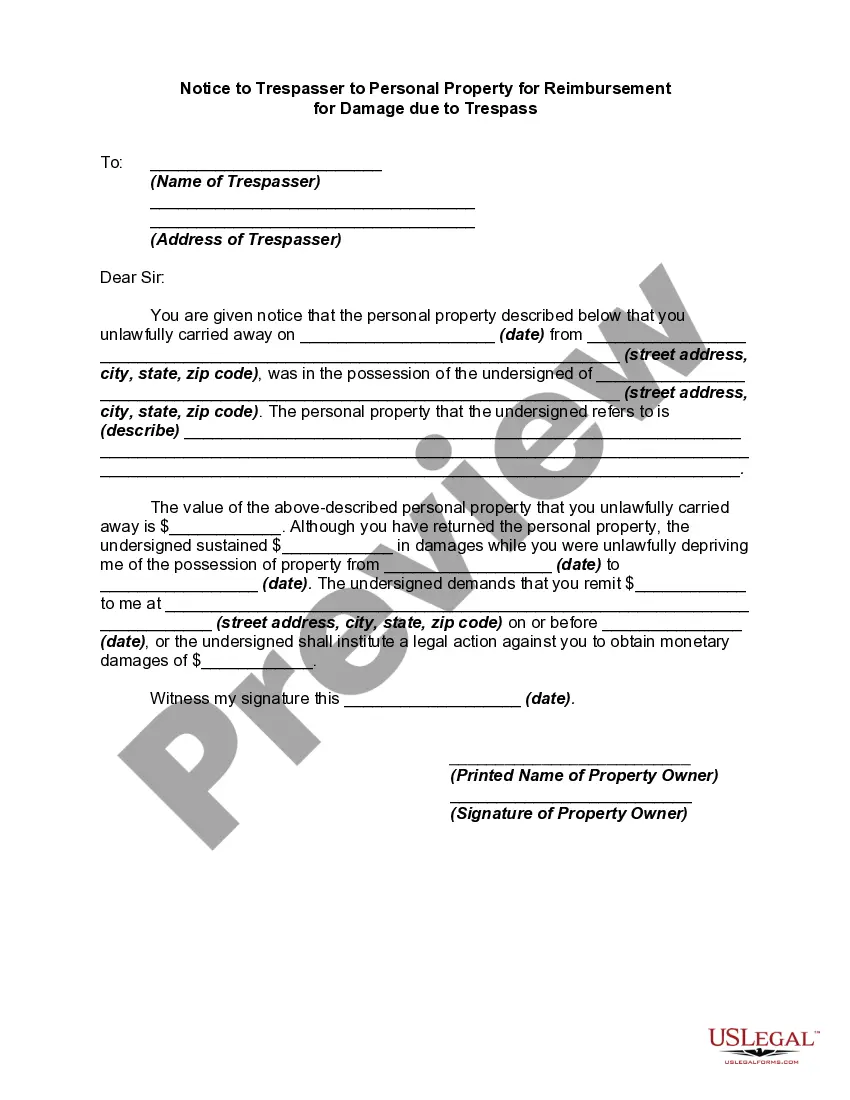
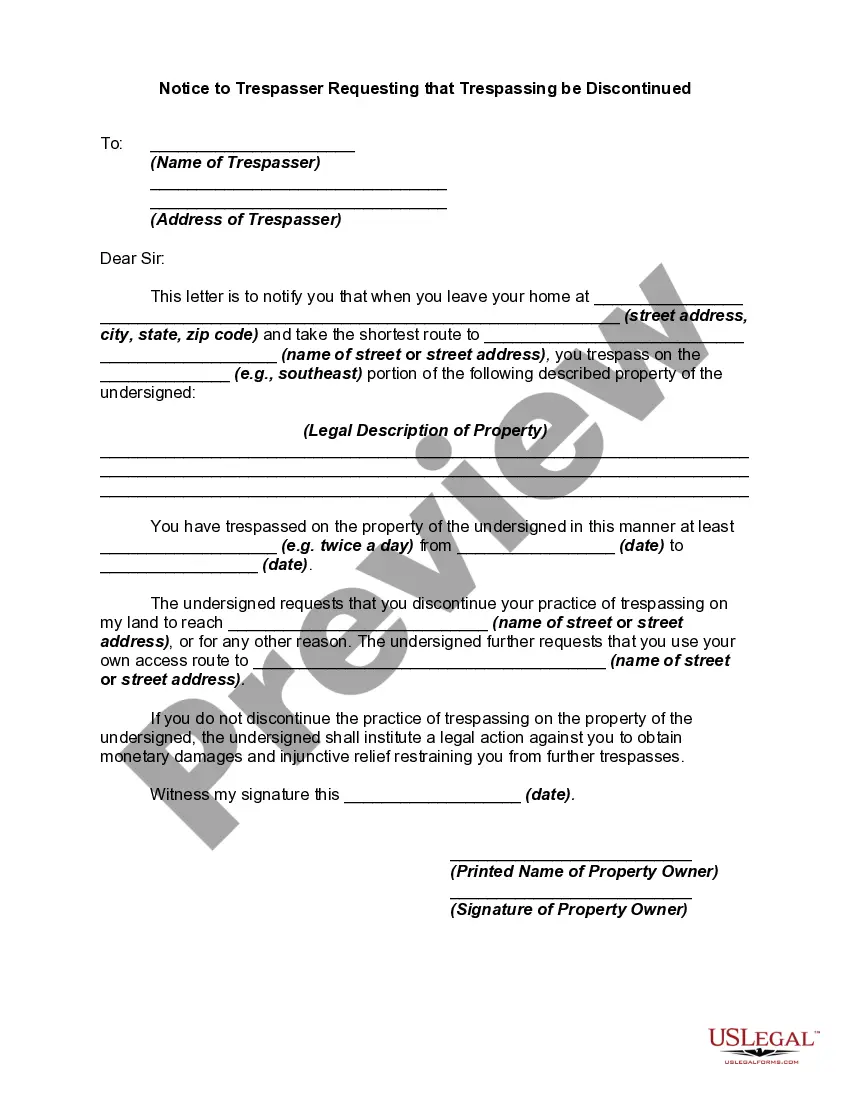
Trespassing With Damage To Property
Description
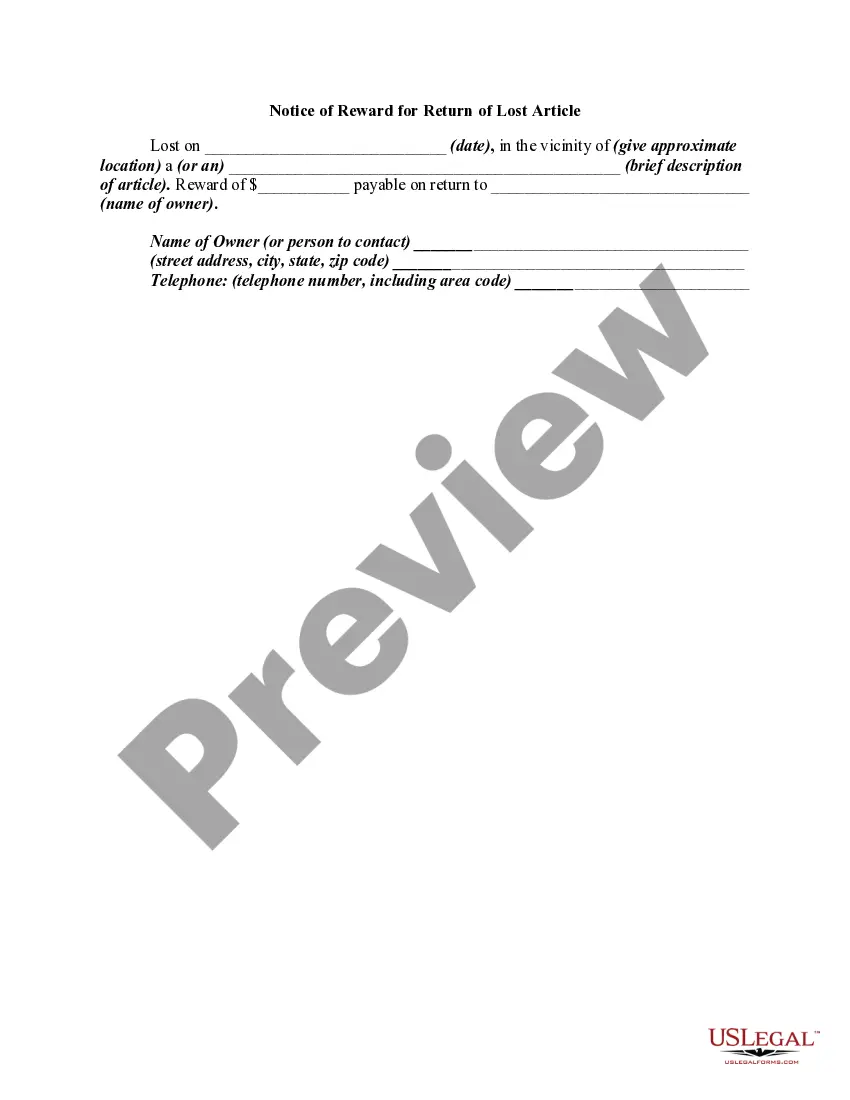
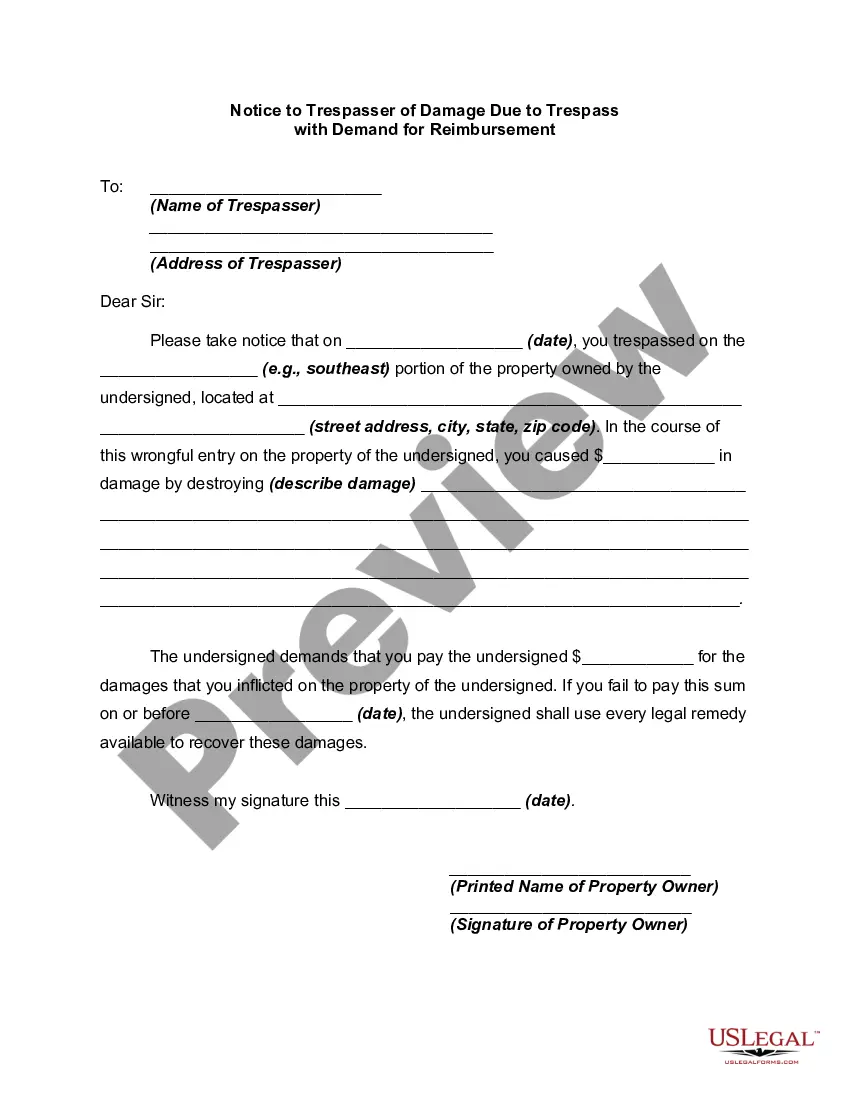
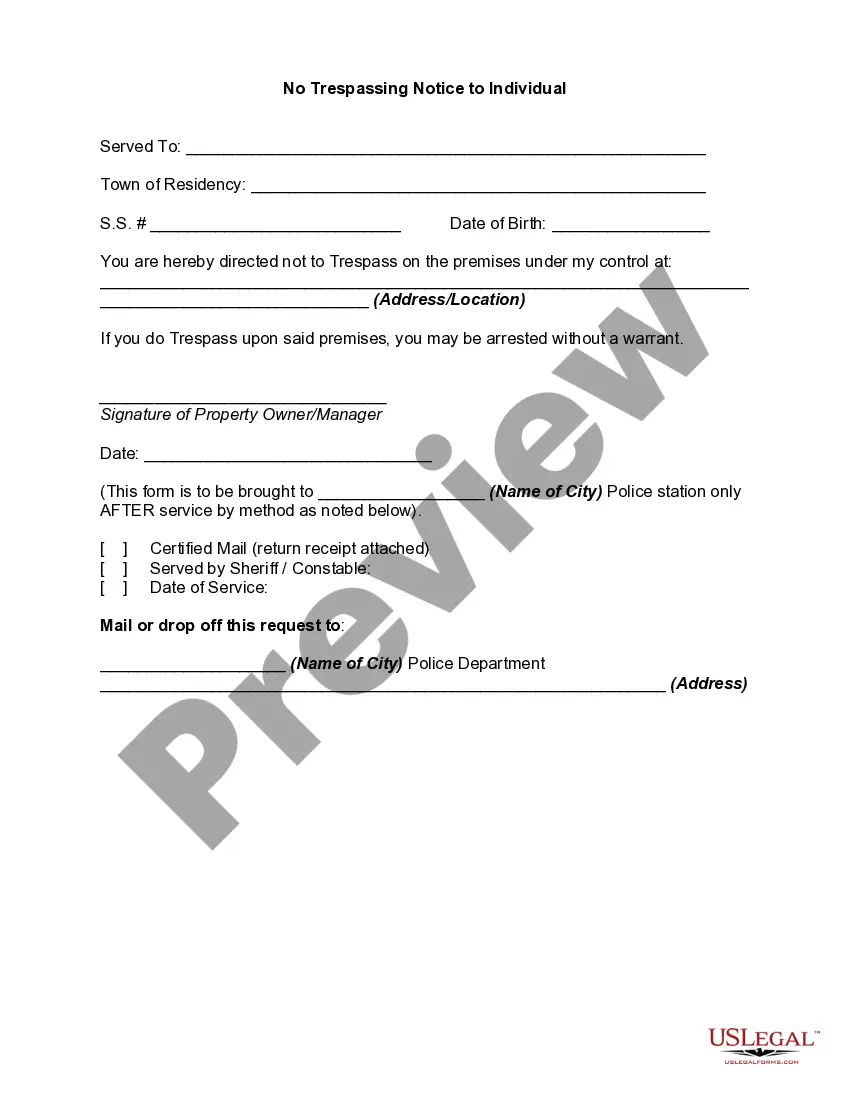
Get your form ready online
Our built-in tools help you complete, sign, share, and store your documents in one place.
Make edits, fill in missing information, and update formatting in US Legal Forms—just like you would in MS Word.
Download a copy, print it, send it by email, or mail it via USPS—whatever works best for your next step.
Sign and collect signatures with our SignNow integration. Send to multiple recipients, set reminders, and more. Go Premium to unlock E-Sign.
If this form requires notarization, complete it online through a secure video call—no need to meet a notary in person or wait for an appointment.
We protect your documents and personal data by following strict security and privacy standards.

Make edits, fill in missing information, and update formatting in US Legal Forms—just like you would in MS Word.

Download a copy, print it, send it by email, or mail it via USPS—whatever works best for your next step.

Sign and collect signatures with our SignNow integration. Send to multiple recipients, set reminders, and more. Go Premium to unlock E-Sign.

If this form requires notarization, complete it online through a secure video call—no need to meet a notary in person or wait for an appointment.

We protect your documents and personal data by following strict security and privacy standards.
Looking for another form?
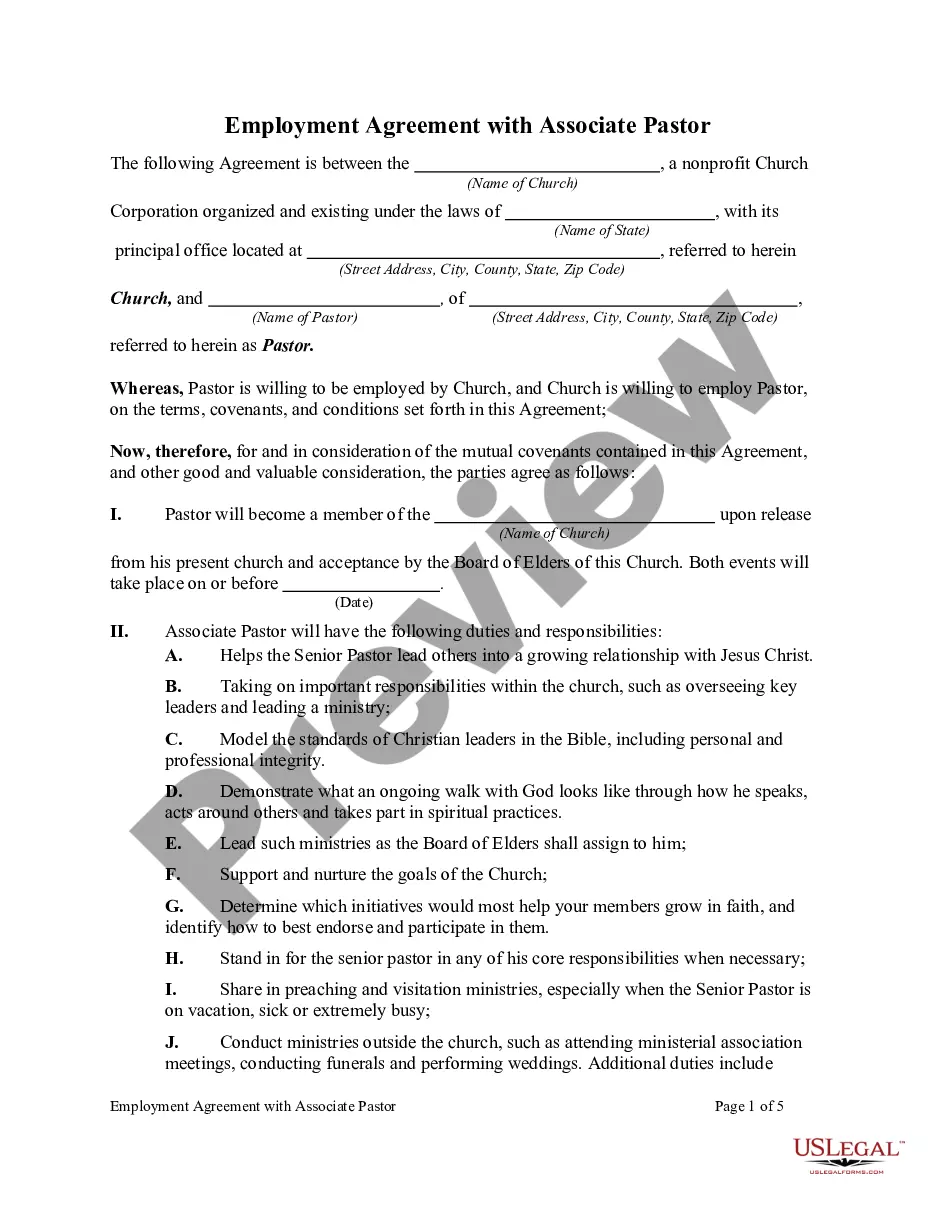

How to fill out Notice To Trespasser To Personal Property For Reimbursement For Damage Due To Trespass?
- Log in to your account on US Legal Forms if you have one; otherwise, create a new account.
- Review the available templates in Preview mode to ensure it meets the specific requirements for your jurisdiction.
- If you need another template, use the search function to locate the correct document tailored to your needs.
- Select your desired form and click on the Buy Now button; choose a subscription plan that fits your legal needs.
- Complete your payment using a credit card or PayPal for the chosen subscription.
- Upon payment confirmation, download your form template and save it on your device for easy access and completion.
After following these steps, you will easily have the appropriate legal document in hand. US Legal Forms not only saves you time but also ensures that your forms are accurate and compliant with legal standards.
Don’t hesitate to start your journey today—visit US Legal Forms to streamline your legal documentation process!
Form popularity
FAQ
To write a trespass letter, begin by clearly stating the purpose of the letter, identifying the specific property involved and the date of the trespass. Be sure to include a warning that further trespassing will result in legal action for trespassing with damage to property. Providing a timeline for the trespasser to vacate the property can also emphasize the seriousness of your intentions. Utilizing platforms like US Legal Forms can help you find templates and guidance to ensure your letter meets legal standards.
Yes, someone can sue you if they get hurt while trespassing on your property, but it can depend on various factors. Liability often hinges on whether the person was injured due to your actions or maintained dangerous conditions on your property. In cases of trespassing with damage to property, you may have a stronger position against lawsuits, particularly if you can demonstrate that the trespasser acted recklessly. Having clear property boundaries and signage may also help protect you legally.
In North Carolina, trespassing occurs when someone enters or remains on property without permission. If damage to property occurs during trespassing, this becomes a more serious offense with potential legal consequences. Property owners in NC can seek damages and may file criminal charges against the trespasser. Utilizing platforms like US Legal Forms can aid you in navigating the complexities of laws surrounding trespassing with damage to property.
To legally keep someone off your property, you must first post clear signs indicating that it is private property. If someone enters your property without permission, document the incident and consider contacting law enforcement. You may have legal grounds to pursue an eviction if the individual does not leave voluntarily. Engaging with legal resources, such as US Legal Forms, can help you understand your rights regarding trespassing with damage to property.
Criminal trespassing refers to illegal entry or remaining on property without permission, which can lead to legal action, while simply trespassing might include unintentional or non-malicious acts. However, both can involve significant issues if property damage occurs during the act. Understanding the distinction is vital, especially if you find yourself facing legal consequences. Platforms like uslegalforms can provide vital resources and templates to help with these situations.
In Georgia, qualifying actions for criminal trespass include entering or remaining on property without consent, tampering with property, or causing damage while trespassing. These actions can seen as serious violations, especially if they disrupt normal use of the property. It’s essential for individuals to recognize these boundaries to avoid legal troubles. If you're unsure whether a behavior constitutes trespassing with damage to property, seeking legal clarification can prevent misunderstandings.
The most severe consequences for trespassing typically depend on the specifics of the case, including any damage caused to property. Penalties can range from fines to jail time, particularly when the act involves property damage or is repeated behavior. Additionally, negative consequences may also impact future legal standing in related matters. Knowing these potential penalties can help you make informed choices about property boundaries and personal conduct.
Criminal trespass in Georgia includes entering someone's land or property without permission, and can also involve remaining on the property after being asked to leave. Actions that cause damage to property while trespassing may lead to more severe consequences, which is vital for both property owners and potential trespassers to keep in mind. Understanding these definitions can help everyone respect property rights and avoid conflicts. Knowledge of local laws is essential in preventing legal issues.
In Georgia, using deadly force against a trespasser is generally not justified unless there is an immediate threat to life or serious injury. Simply trespassing does not grant property owners the right to use violence, especially if the trespass does not involve damage to property or a threat to safety. It's crucial to understand these legal boundaries and explore other options for addressing trespassing concerns. Seeking advice from legal experts can help navigate these complex laws.
Criminal trespass in the second degree typically involves entering property without permission, especially if it results in damage or interference with someone else's use of that property. This form of trespassing carries various penalties, depending on the degree of damage caused and the circumstances involved. If you find yourself facing charges of trespassing with damage to property, it’s vital to understand your rights and possible defenses. Consulting legal resources can provide clarity on your specific situation.