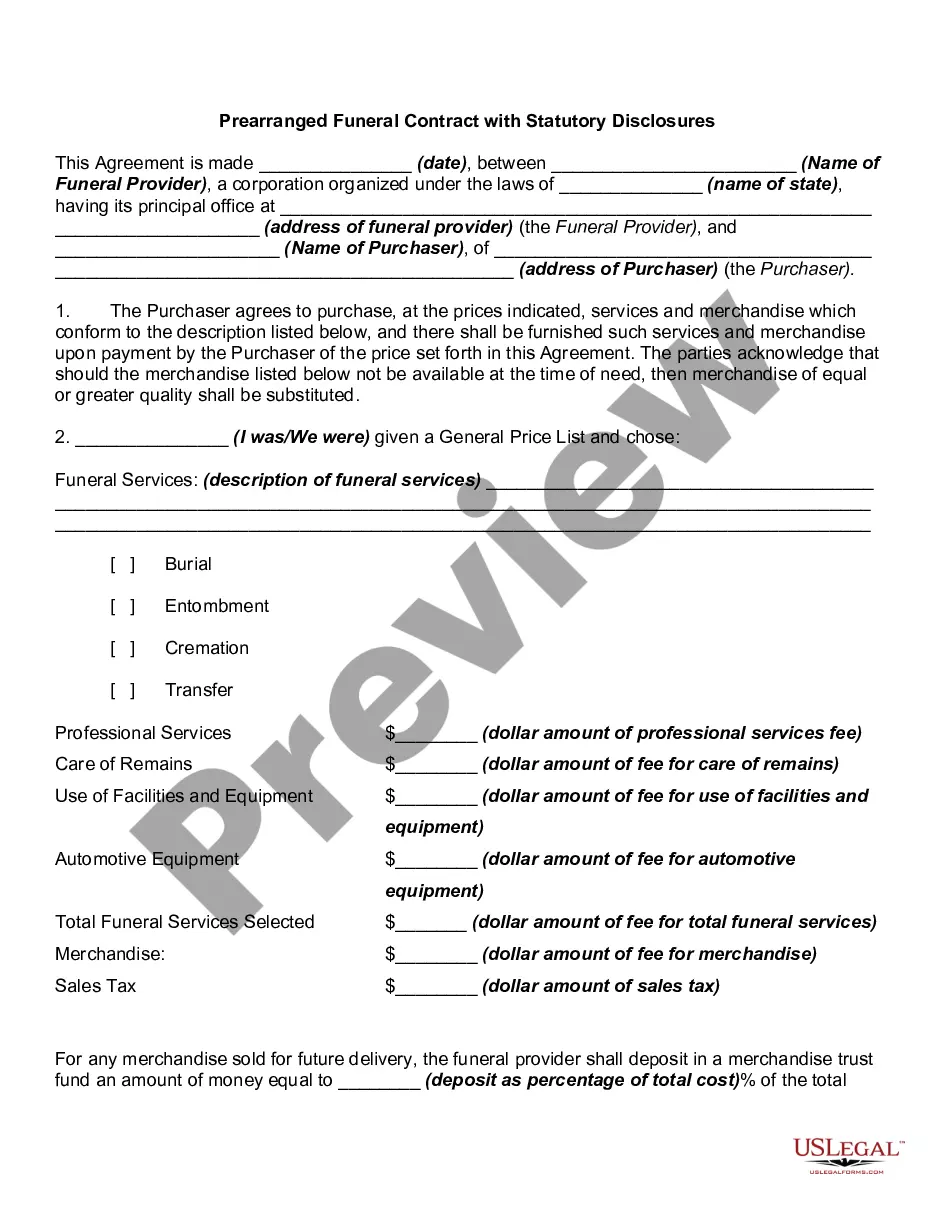
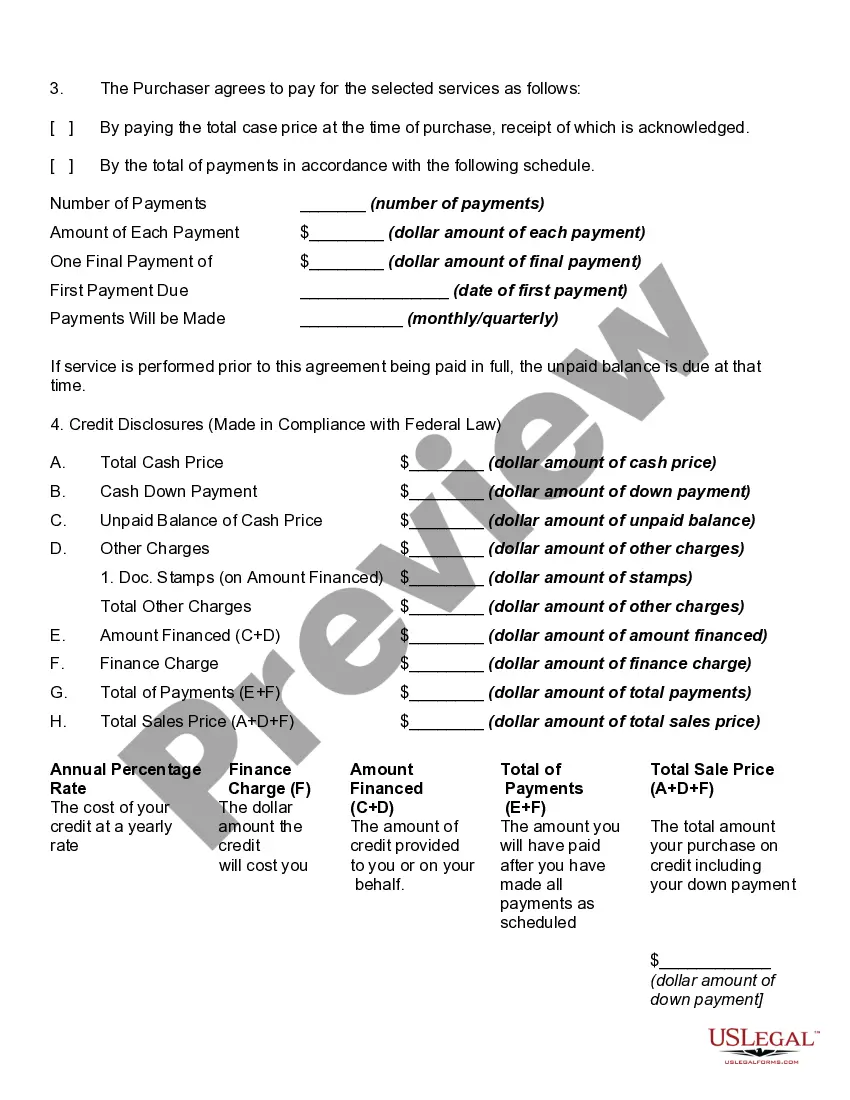
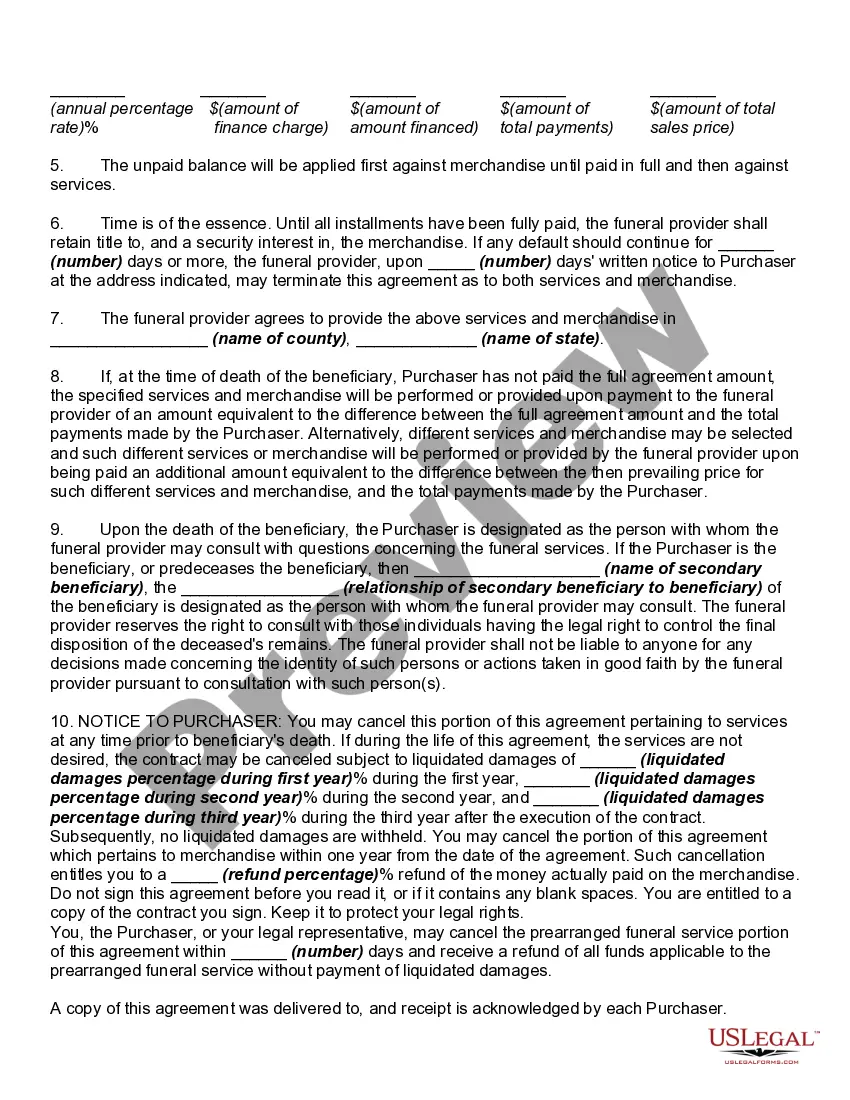
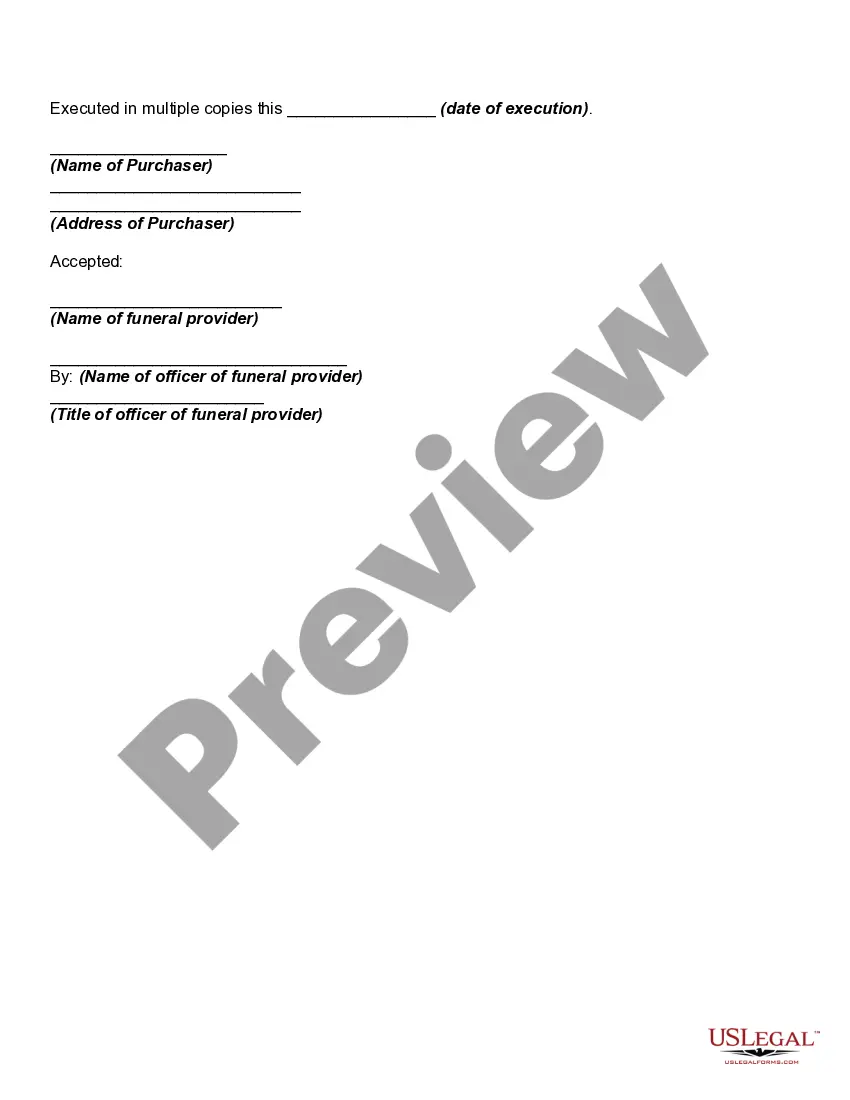
Funeral Contract Sample For A Woman
Description
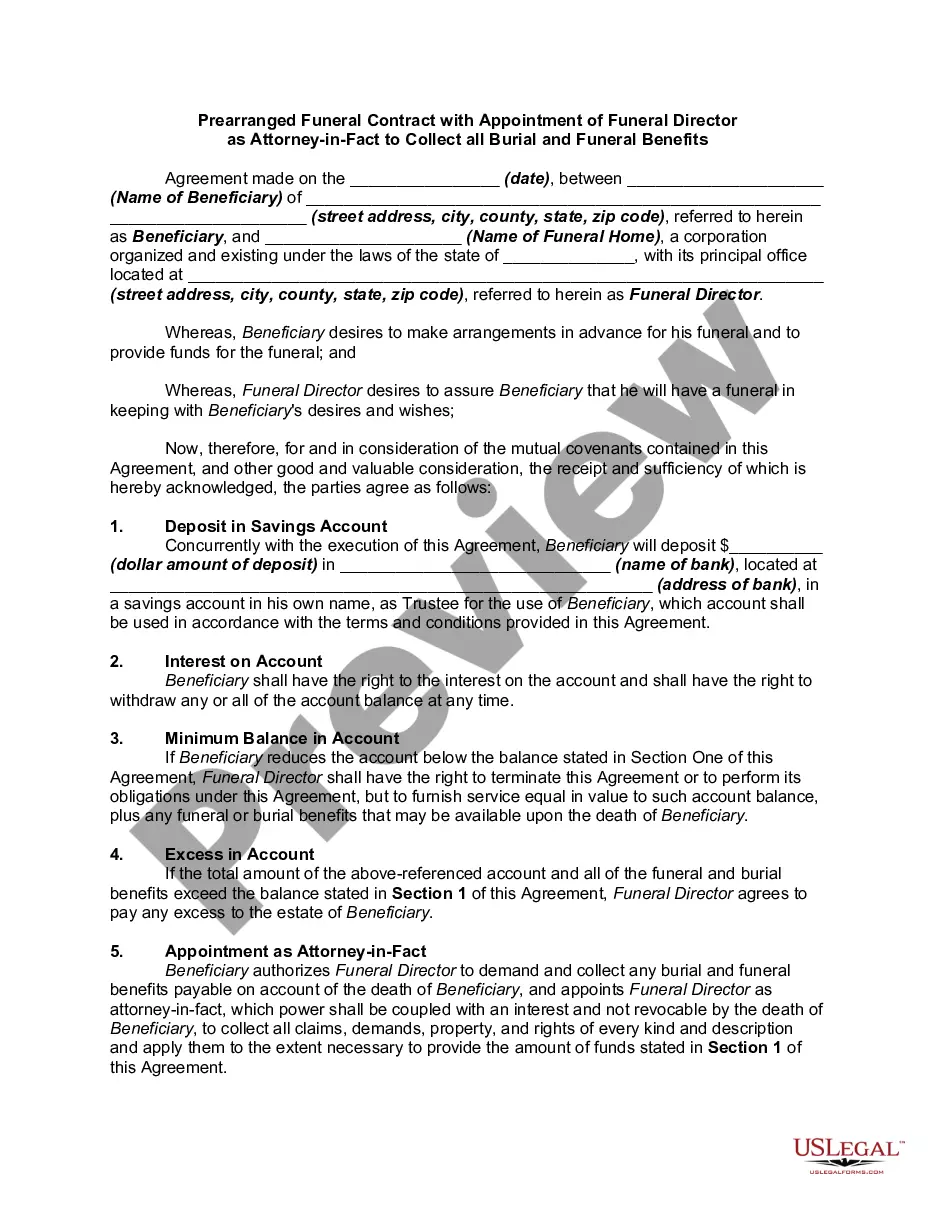
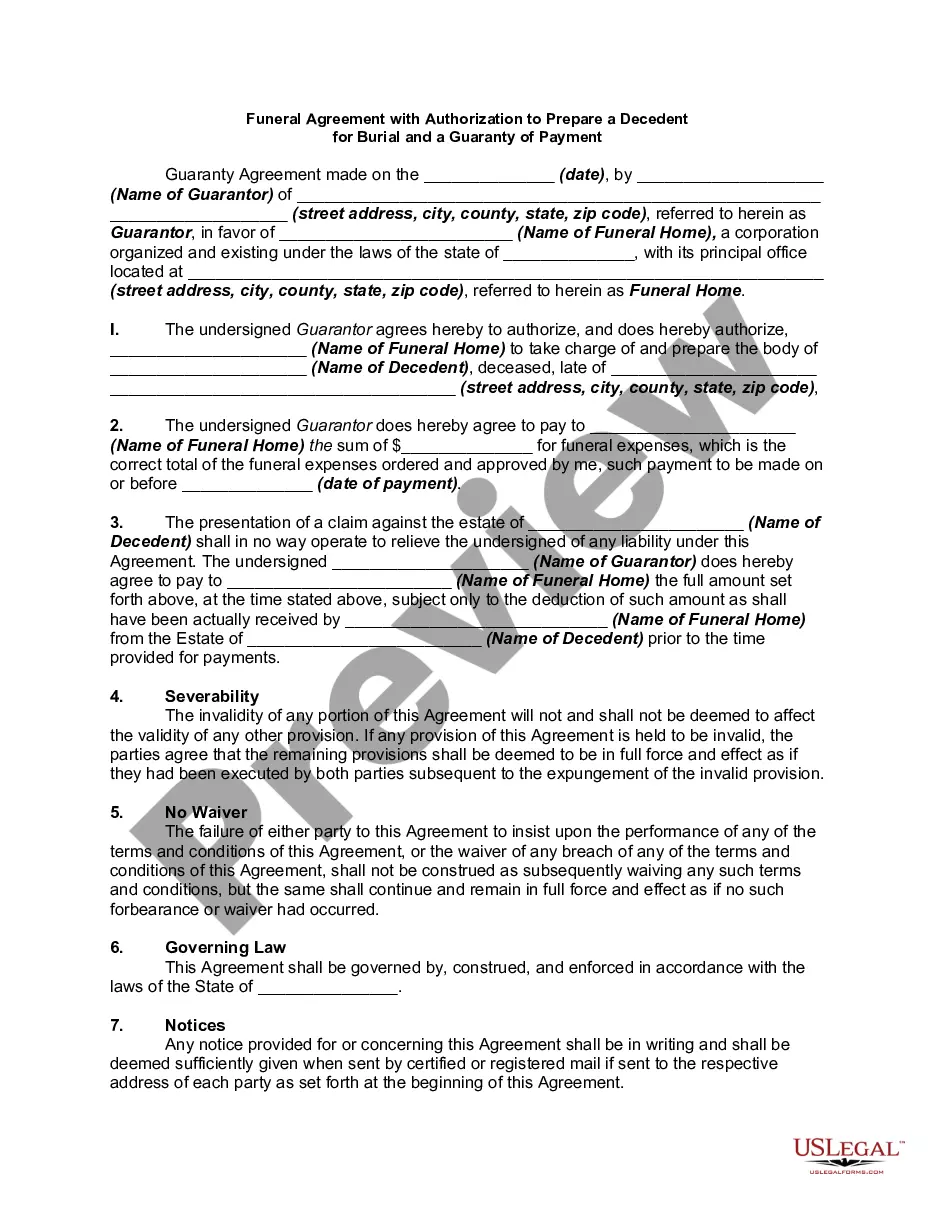
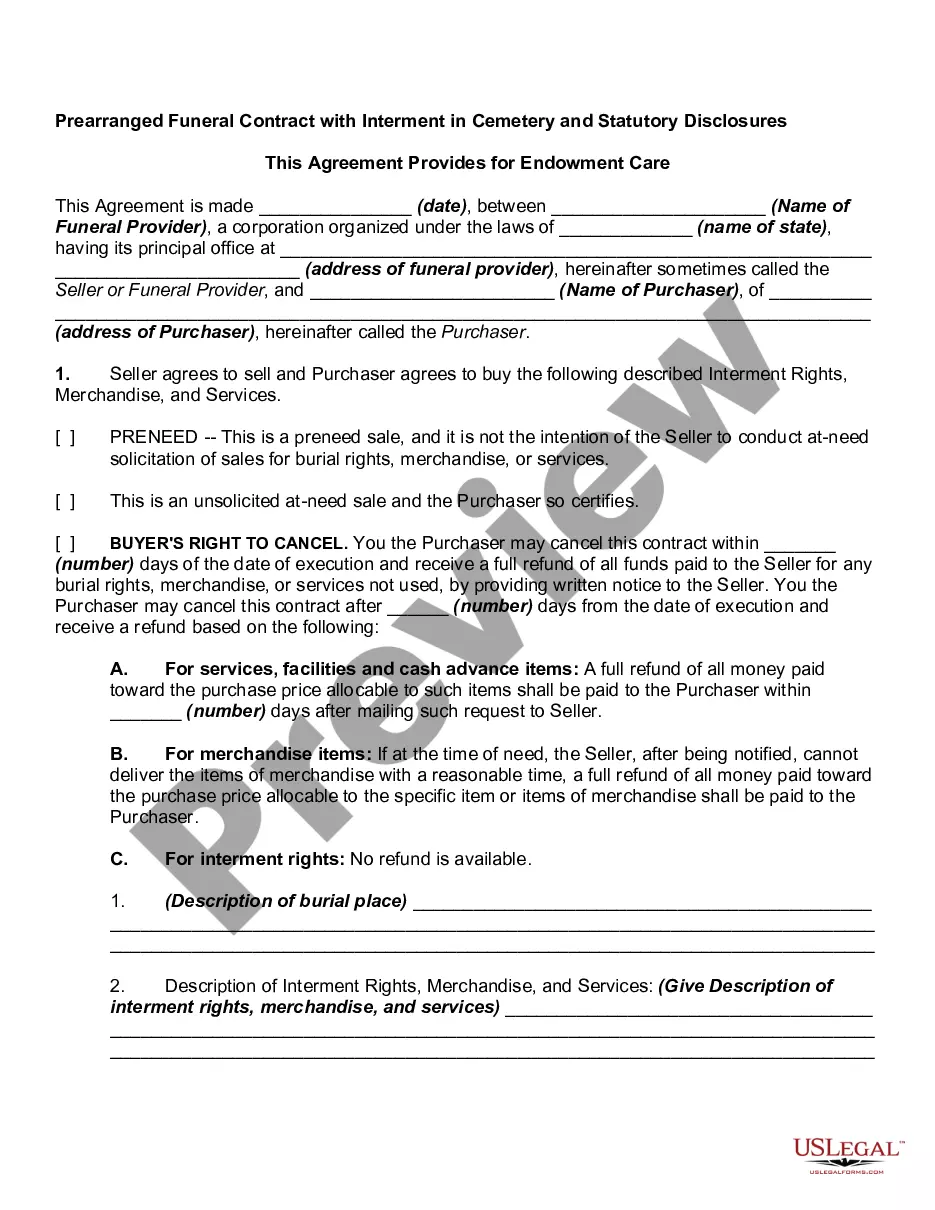
Get your form ready online
Our built-in tools help you complete, sign, share, and store your documents in one place.
Make edits, fill in missing information, and update formatting in US Legal Forms—just like you would in MS Word.
Download a copy, print it, send it by email, or mail it via USPS—whatever works best for your next step.
Sign and collect signatures with our SignNow integration. Send to multiple recipients, set reminders, and more. Go Premium to unlock E-Sign.
If this form requires notarization, complete it online through a secure video call—no need to meet a notary in person or wait for an appointment.
We protect your documents and personal data by following strict security and privacy standards.

Make edits, fill in missing information, and update formatting in US Legal Forms—just like you would in MS Word.

Download a copy, print it, send it by email, or mail it via USPS—whatever works best for your next step.

Sign and collect signatures with our SignNow integration. Send to multiple recipients, set reminders, and more. Go Premium to unlock E-Sign.

If this form requires notarization, complete it online through a secure video call—no need to meet a notary in person or wait for an appointment.

We protect your documents and personal data by following strict security and privacy standards.
Looking for another form?

How to fill out Prearranged Funeral Contract With Statutory Disclosures?
Well-prepared formal documentation is one of the crucial safeguards against issues and legal disputes, but acquiring it without an attorney’s assistance may be time-consuming.
Whether you need to swiftly locate an updated Funeral Contract Sample For A Woman or any other documents for employment, family, or business contexts, US Legal Forms is always eager to assist.
The process is even more straightforward for current users of the US Legal Forms library. If your subscription is active, you only need to Log In to your account and click the Download button next to the selected file. Additionally, you can access the Funeral Contract Sample For A Woman at any point in the future, as all documents previously obtained on the platform are accessible within the My documents tab of your account. Save time and money on preparing official documents. Experience US Legal Forms today!
- Ensure the document is appropriate for your circumstances and locale by reviewing the description and preview.
- Search for additional samples (if necessary) using the Search bar at the top of the page.
- Click Buy Now once you find the relevant template.
- Select your pricing plan, sign in to your account or create a new one.
- Choose your preferred payment method to obtain the subscription plan (via credit card or PayPal).
- Select PDF or DOCX file format for your Funeral Contract Sample For A Woman.
- Click Download, then print the form to complete it or upload it to an online editor.
Form popularity
FAQ
5 Steps To Make Sure Your Funeral Plans Are FollowedWrite out your funeral plans apart from your will.Tell your family and share copies of your funeral plans with them.Pay for your funeral arrangements ahead of time.Create an advance directive.Assign a durable power of attorney.More items...?
How to plan a funeral step-by-stepContact the deceased's legal representative.Select a funeral home.Choose a form of disposition.Choose a service type.Choose a location for the funeral service.Find and schedule a clergy member or officiant.Select a casket.Select a burial container and/or vault.More items...
The Funeral Rule describes a traditional, full-service funeral as including a viewing or visitation of the deceased, usually held in the funeral home, a formal funeral service, transportation of the deceased to the cemetery (hearse), the burial, entombment or cremation in addition to the funeral director's basic
The Funeral Rule requires funeral providers to give consumers accurate information the funeral home's price lists and any other available information that reasonably answers their questions when they telephone the funeral home to ask about prices or offerings.
If the deceased didn't make any preferences legally known, then the decision falls to the next-of-kin (nearest relative). If the next of kin is unavailable or unable to make decisions of this nature, the next of kin hierarchy is followed until someone who is able to make these decisions can be found.
