Releasing Patient Information
Description
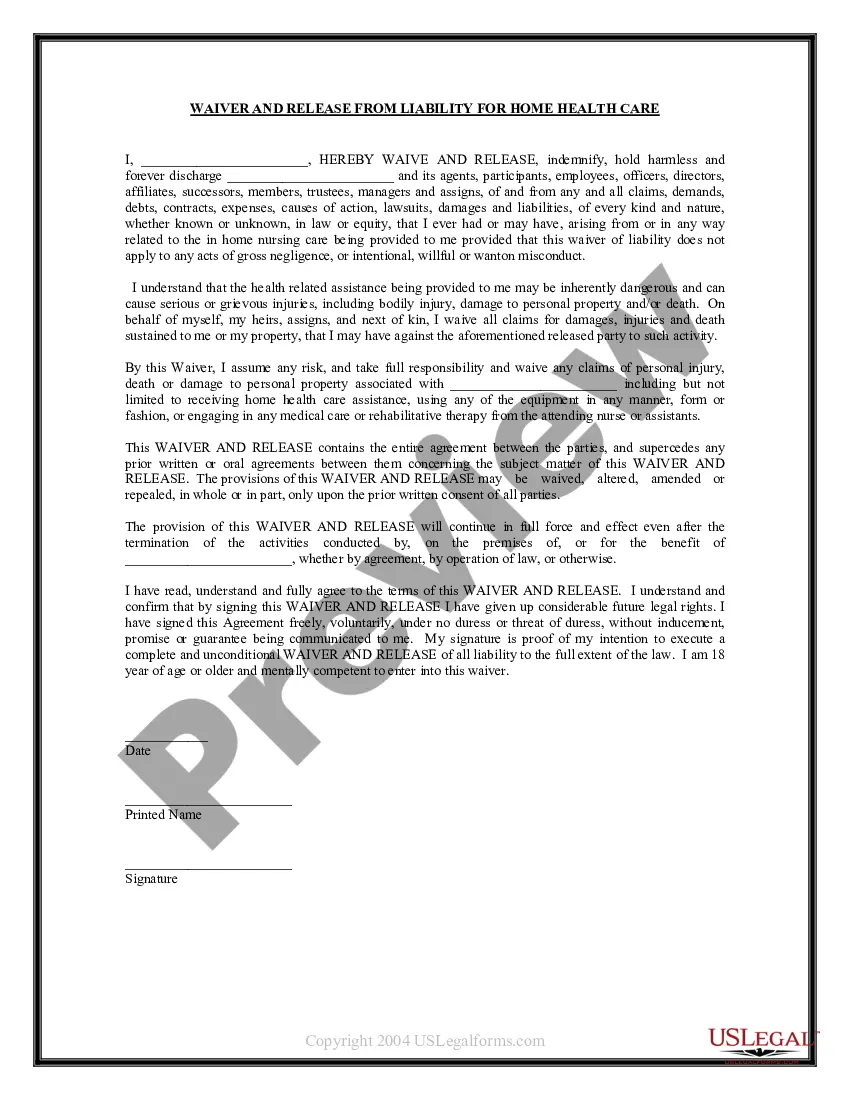
Get your form ready online
Our built-in tools help you complete, sign, share, and store your documents in one place.
Make edits, fill in missing information, and update formatting in US Legal Forms—just like you would in MS Word.
Download a copy, print it, send it by email, or mail it via USPS—whatever works best for your next step.
Sign and collect signatures with our SignNow integration. Send to multiple recipients, set reminders, and more. Go Premium to unlock E-Sign.
If this form requires notarization, complete it online through a secure video call—no need to meet a notary in person or wait for an appointment.
We protect your documents and personal data by following strict security and privacy standards.

Make edits, fill in missing information, and update formatting in US Legal Forms—just like you would in MS Word.

Download a copy, print it, send it by email, or mail it via USPS—whatever works best for your next step.

Sign and collect signatures with our SignNow integration. Send to multiple recipients, set reminders, and more. Go Premium to unlock E-Sign.

If this form requires notarization, complete it online through a secure video call—no need to meet a notary in person or wait for an appointment.

We protect your documents and personal data by following strict security and privacy standards.
Looking for another form?




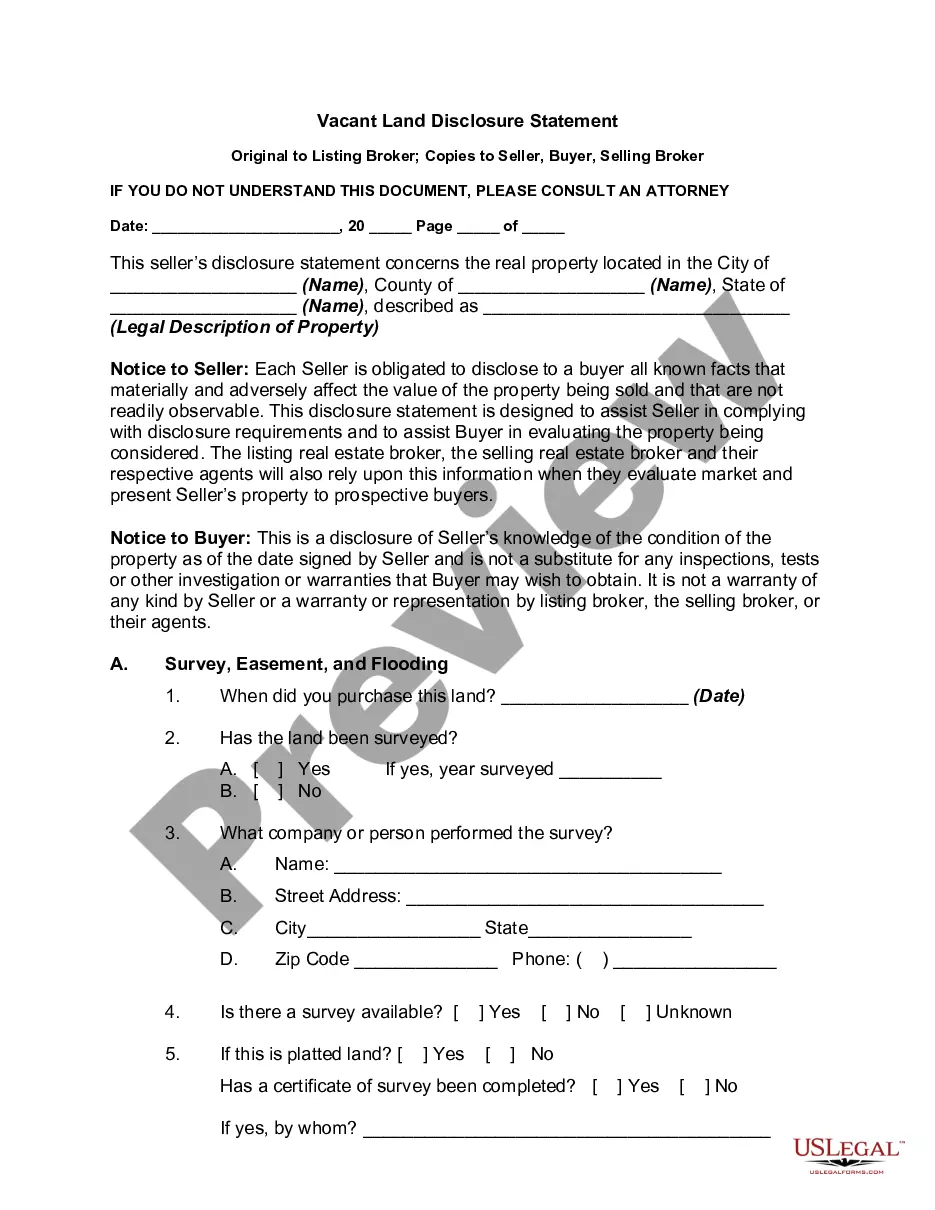



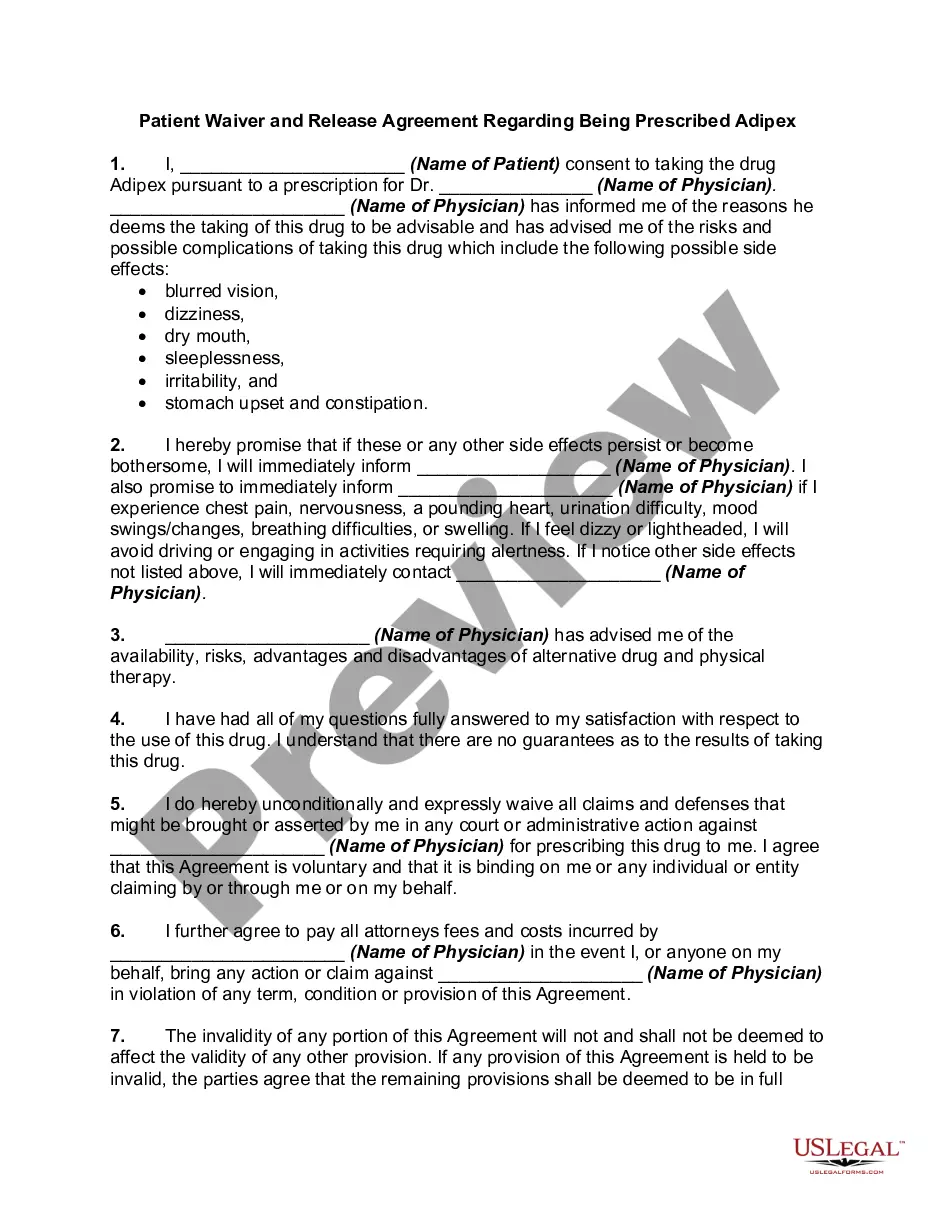
How to fill out Patient Waiver And Release Agreement Regarding Being Prescribed Adipex?
It’s well known that you cannot transform into a legal expert instantly, nor can you comprehend how to swiftly prepare Releasing Patient Information without possessing a specialized foundation.
Assembling legal papers is a lengthy endeavor necessitating particular training and expertise. So why not entrust the formulation of the Releasing Patient Information to the experts.
With US Legal Forms, one of the most extensive legal template repositories, you can discover anything from judicial documents to templates for in-office correspondence.
You can re-access your documents from the My documents section at any time.
If you’re an existing client, you can simply Log In, and locate and download the template from the same section.
- Identify the document you require using the search bar at the top of the page.
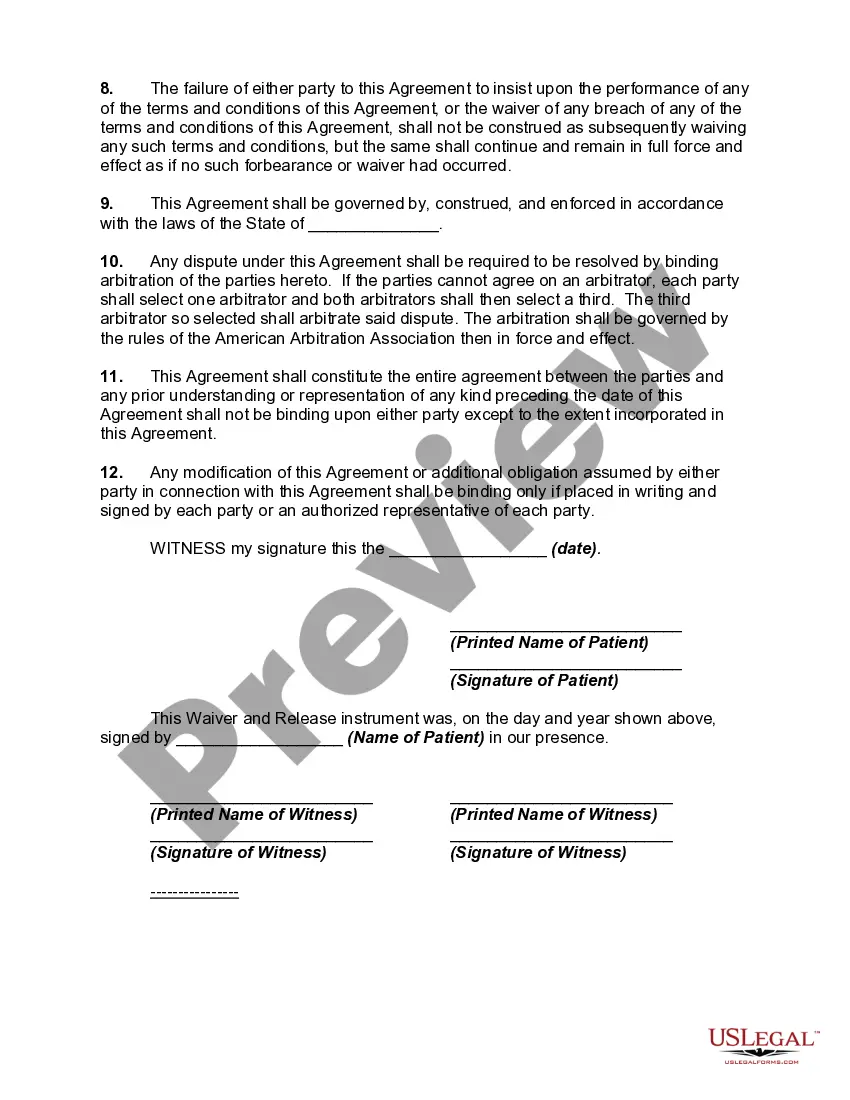
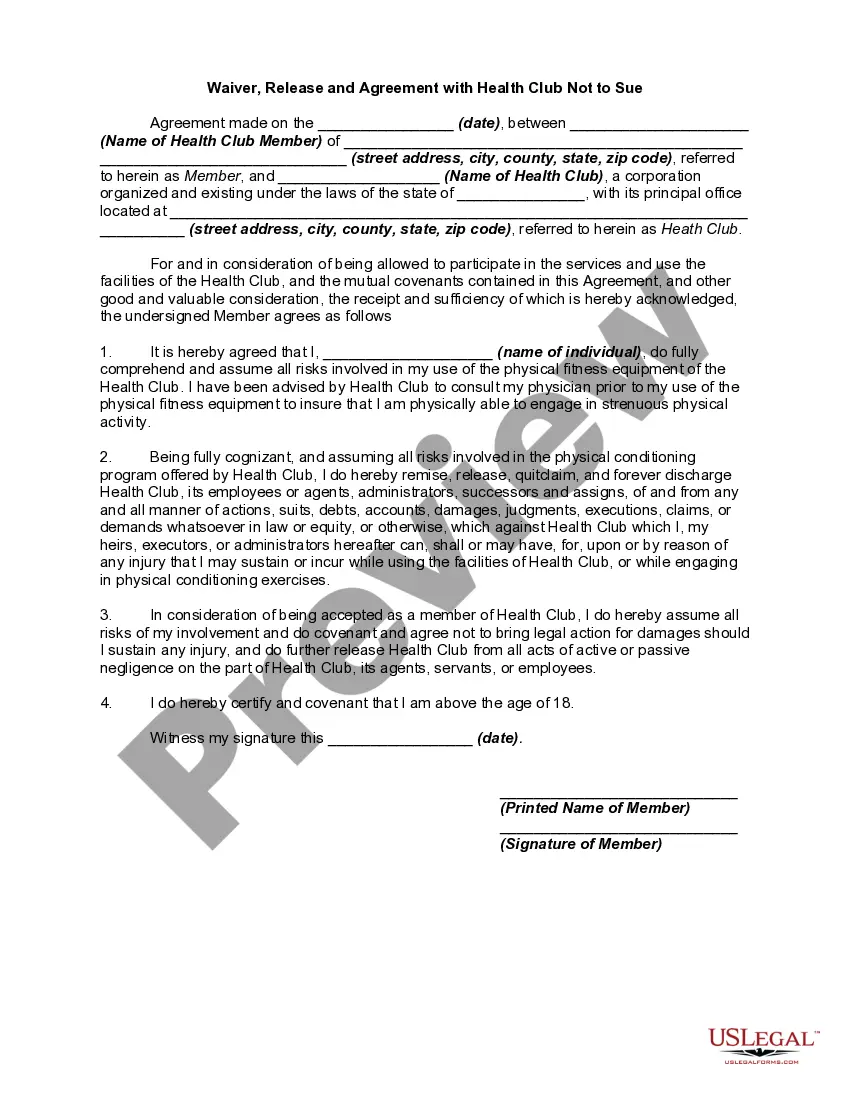
- Preview it (if this option is available) and review the supporting description to determine if Releasing Patient Information is what you need.
- Initiate your search again if you require any additional template.
- Create a free account and choose a subscription plan to purchase the form.
- Select Buy now. After the payment is processed, you can obtain the Releasing Patient Information, complete it, print it, and send or mail it to the specified individuals or organizations.
Form popularity
FAQ
Tips for good record keeping5 Write legibly. Include details of the patient, date, and time. Avoid abbreviations. Do not alter an entry or disguise an addition. Avoid unnecessary comments. Check dictated letters and notes. Check reports. Be familiar with the Data Protection Act 1998.
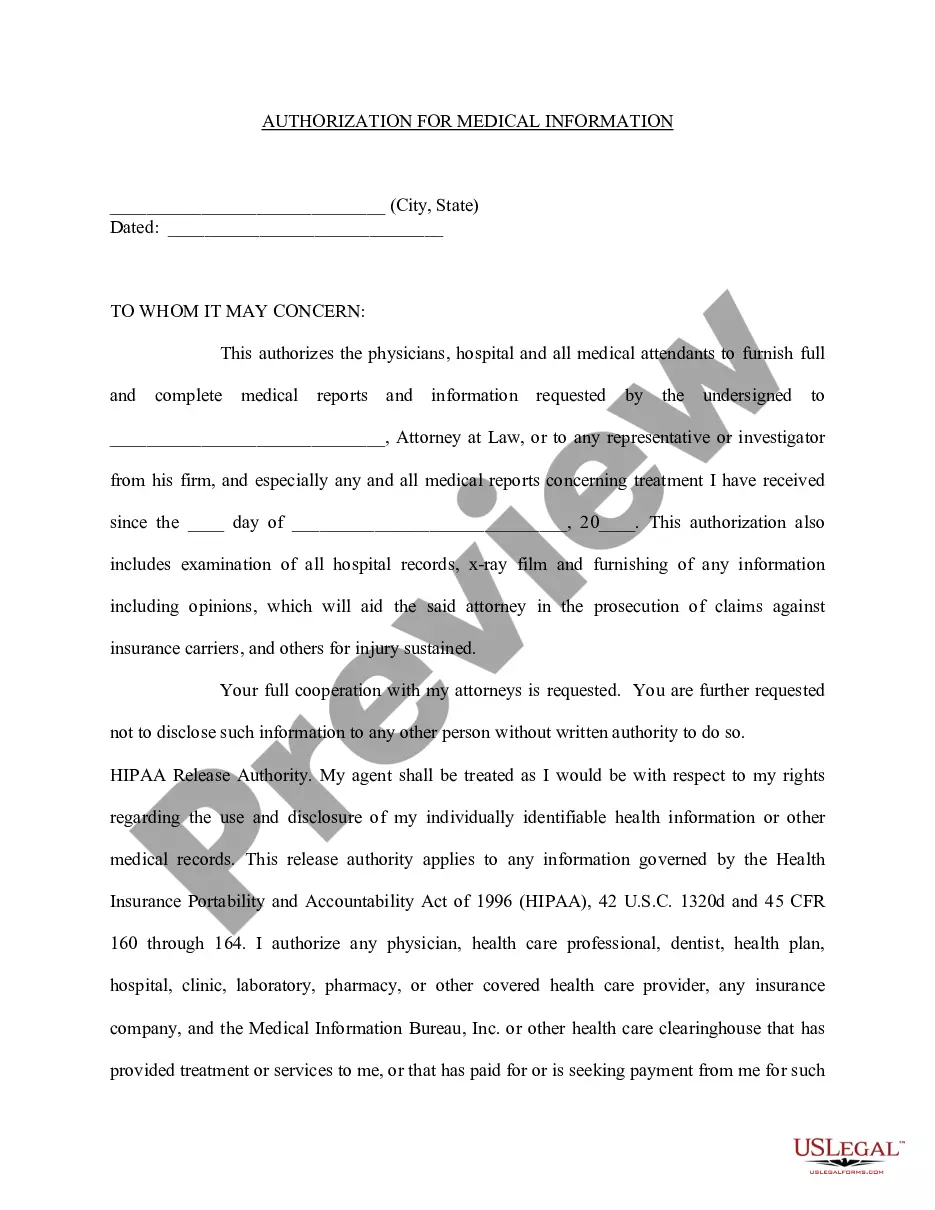
Release of Information Authorization The PHI that will be disclosed. The party that's authorized to make the disclosure ? like a hospital or clinic. The person to whom the party may make the disclosure ? in this case, your attorney. An expiration date or event.
How to send medical records to a new doctor (or get a copy for yourself) Talk to the new provider to determine what type of records they need. ... Visit or call your current physician. ... Submit the records request. ... Wait for the transfer to complete. ... Keep the records safe.
Common formats used to document patient care include charting by exception, focused DAR notes, narrative notes, SOAPIE progress notes, patient discharge summaries, and Minimum Data Set (MDS) charting.
Describe what happens during each phase of the ROI process, which are: Recording, tracking, and verifying the request. Retrieving your protected health information ? PHI. Safeguarding your sensitive medical information. Releasing your PHI. Completing the request and preparing an invoice.