Release Patient Information Without Consent
Description
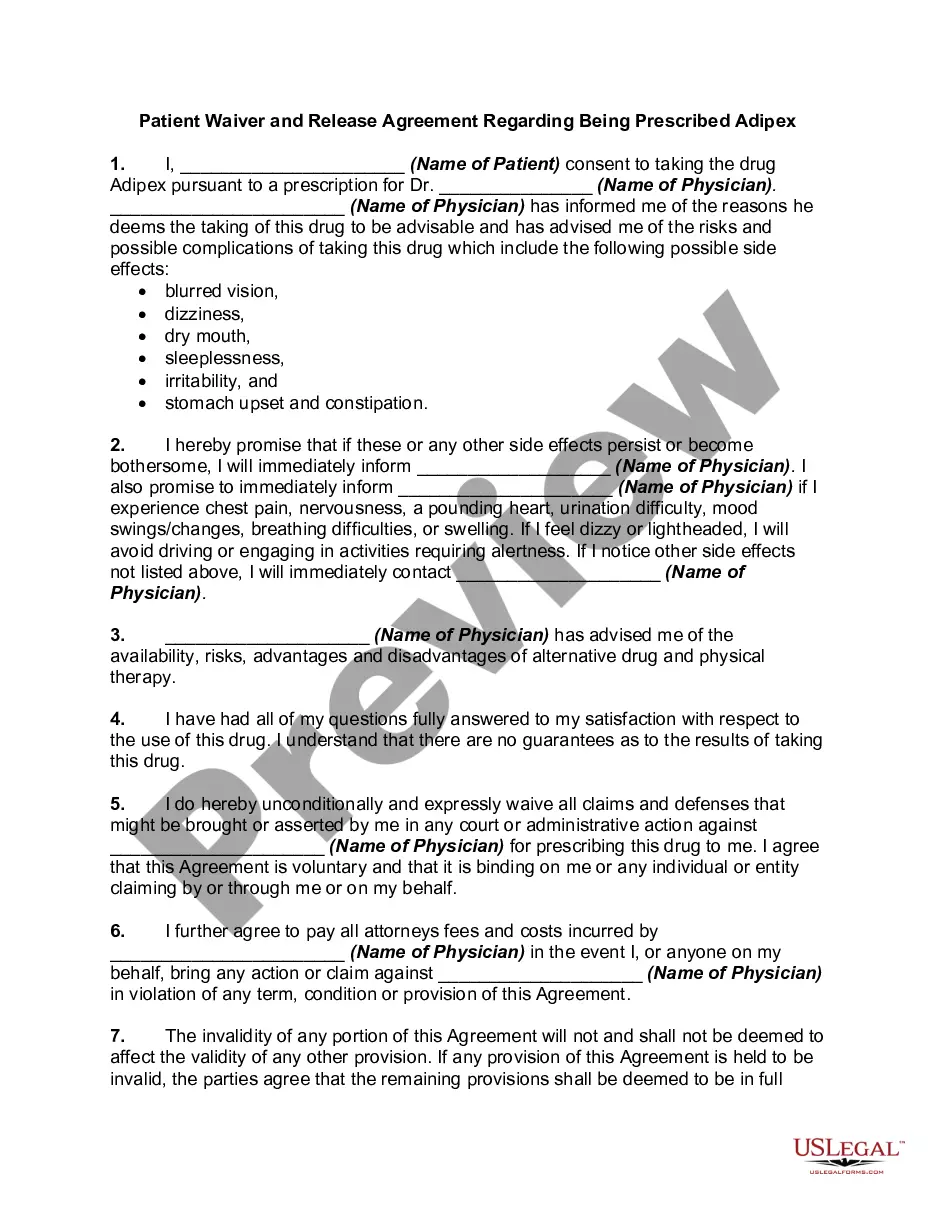
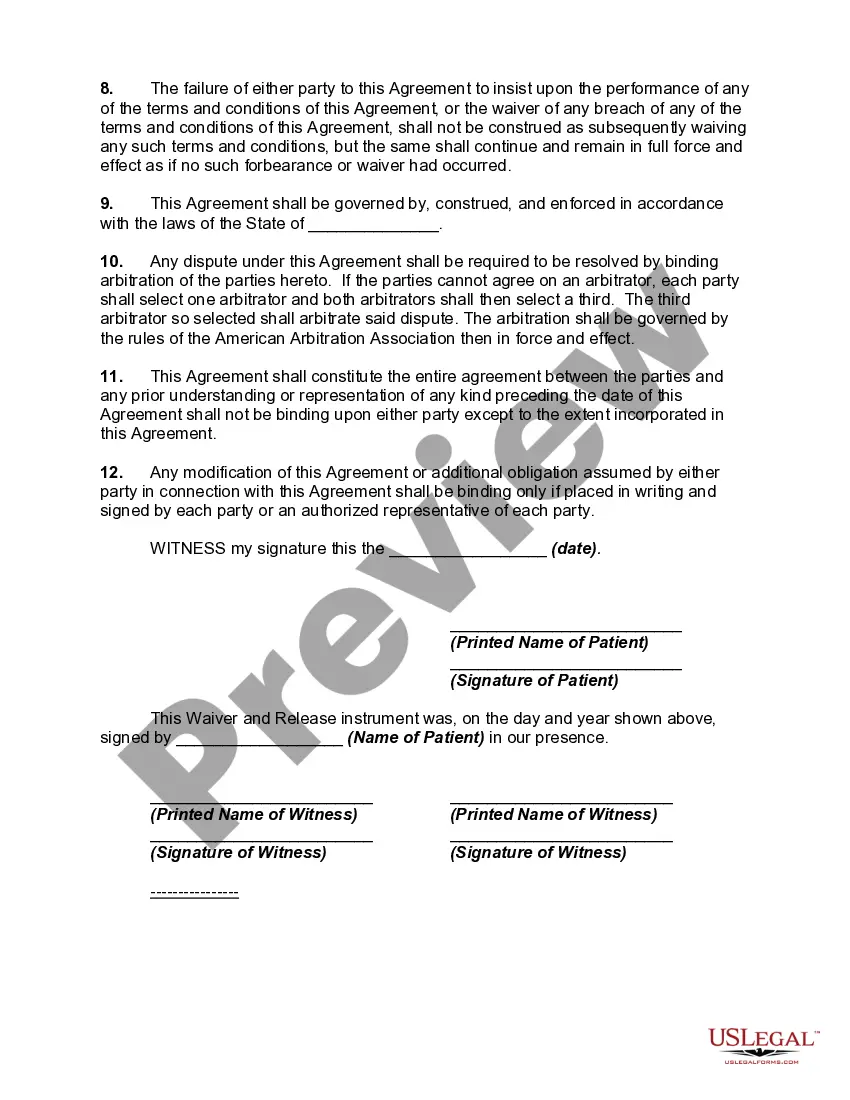
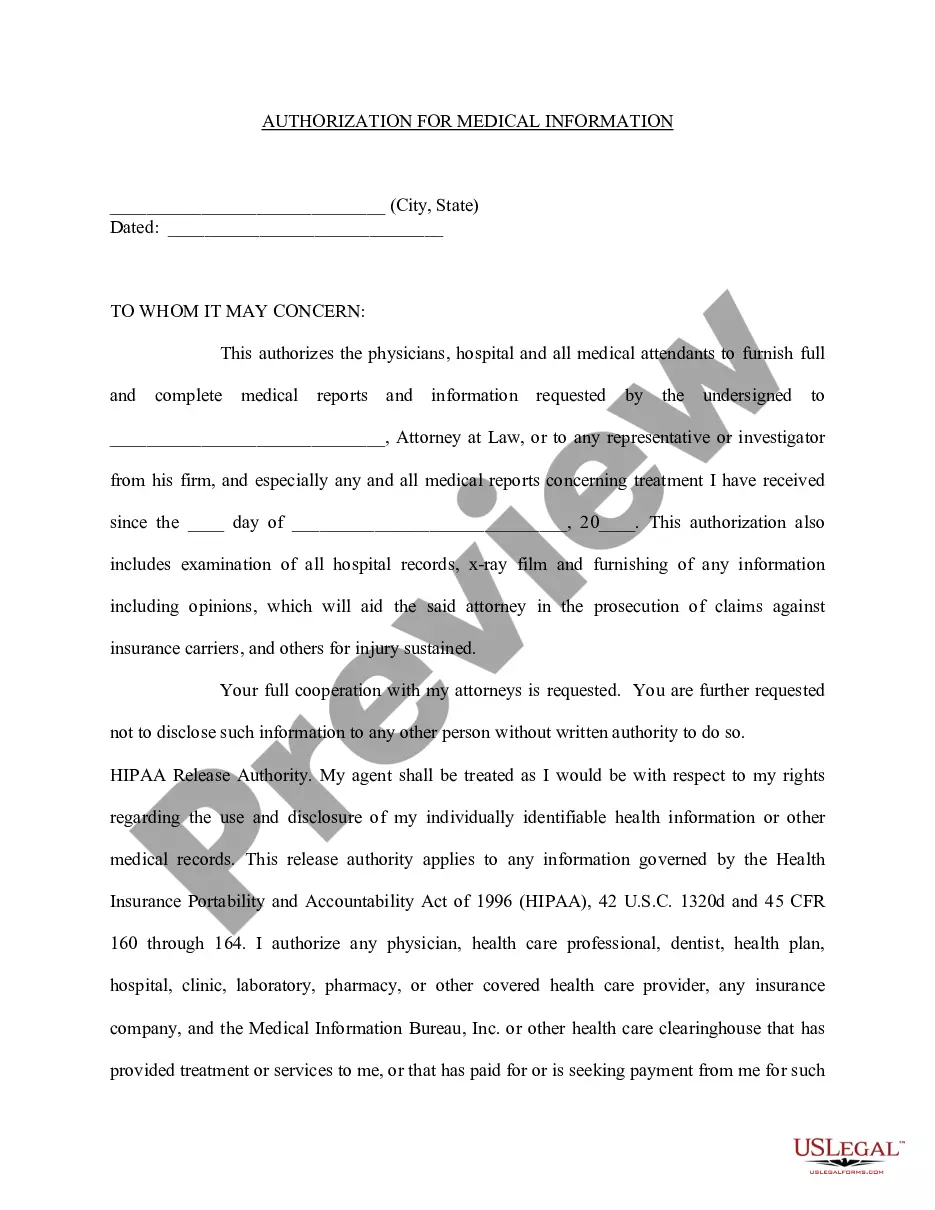
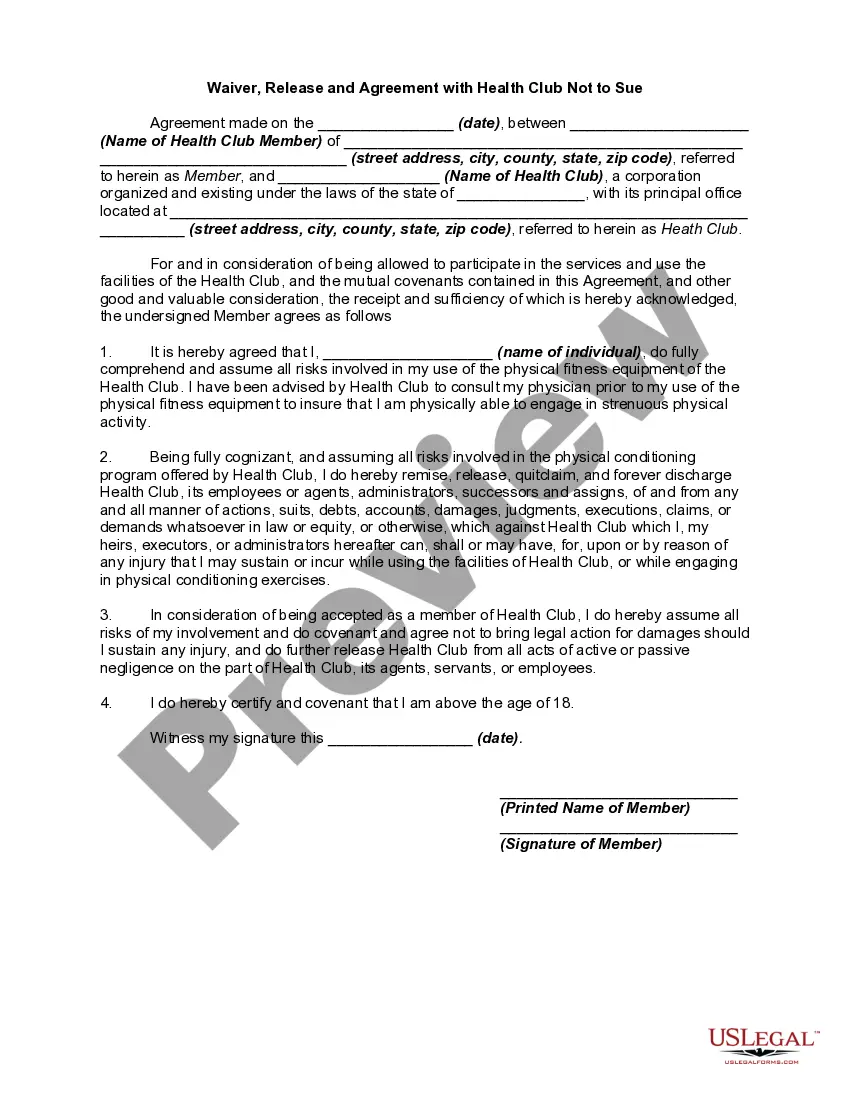
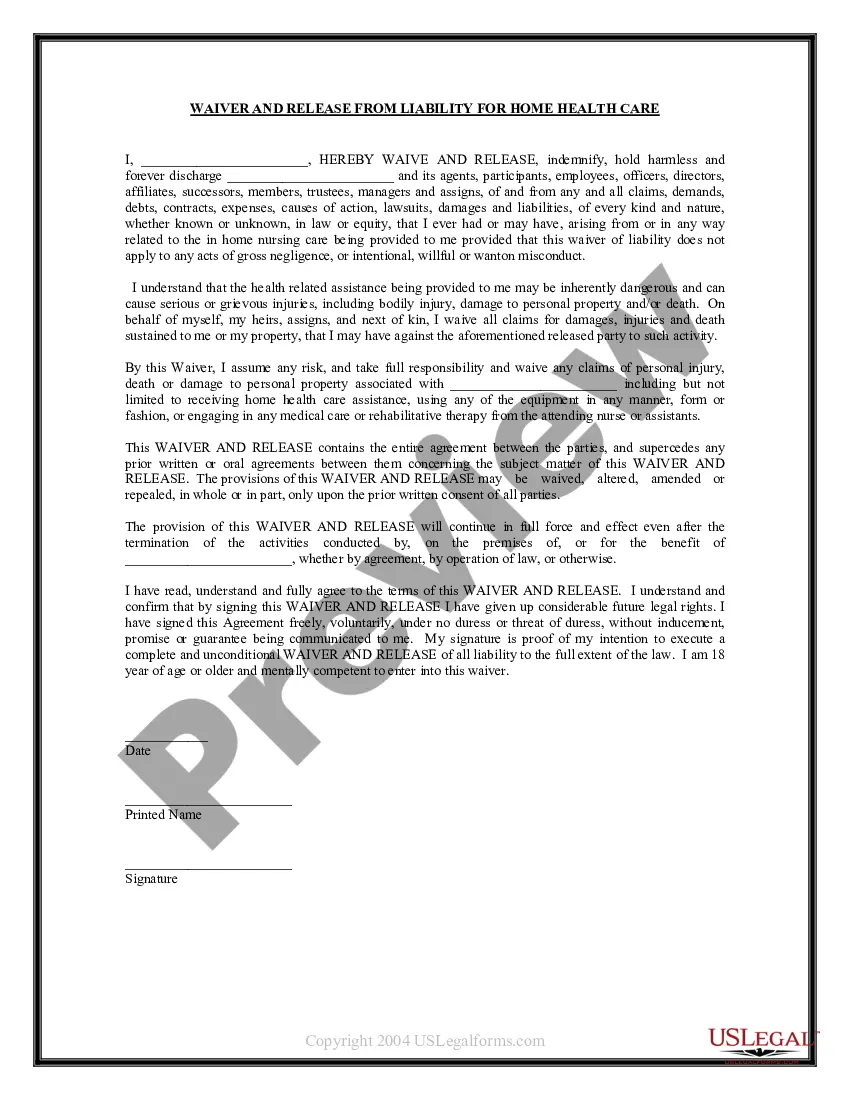

How to fill out Patient Waiver And Release Agreement Regarding Being Prescribed Adipex?
Managing legal paperwork and processes may be a lengthy addition to your schedule.
Release Patient Information Without Consent and similar forms frequently require you to look for them and learn how to fill them out properly.
As a result, whether you are handling financial, legal, or personal issues, utilizing a comprehensive and user-friendly online repository of forms readily available will greatly assist.
US Legal Forms is the leading online source of legal templates, providing over 85,000 state-specific forms and a range of tools to facilitate the completion of your documents seamlessly.
Is this your first experience with US Legal Forms? Register and create a free account in a few minutes to gain access to the form library and Release Patient Information Without Consent. Then, follow the steps below to fill out your form: Ensure you have identified the correct form using the Preview feature and reviewing the form description. Click Buy Now when you are prepared, and select the subscription plan that suits you best. Click Download, then complete, sign, and print the form. US Legal Forms has twenty-five years of experience helping clients manage their legal documents. Obtain the form you require now and streamline any process effortlessly.
- Explore the collection of relevant documents accessible to you with just one click.
- US Legal Forms provides you with state- and county-specific forms available for download at any time.
- Protect your document management processes with a premium service that allows you to prepare any form in minutes without extra or hidden fees.
- Simply Log In to your account, find Release Patient Information Without Consent, and obtain it instantly from the My documents section.
- You can also access previously saved forms.
Form popularity
FAQ
Employ encryption software When handling confidential data, businesses should instead use encryption software. Encryption effectively scrambles electronic information, making it appear like random characters. Only individuals who have been issued the appropriate key can view or interact with the content.
The third party must agree to sign and must sign a nondisclosure agreement before the receiving party provides the confidential information. The third party may be reluctant to agree to sign a NDA. If that is the case, then confidential information should not be provided to that third party.
[8] Disclosure of confidential information must be no more than is reasonably necessary to prevent the criminal act. Under paragraph (D), disclosure of confidential information, when made, must be no more extensive than the member reasonably believes necessary to prevent the criminal act.
These should include, for example: Ensuring that confidential information is always locked away at night, and not left unattended during the day; Password-protecting sensitive computer files; Marking confidential information clearly as such, and ensuring that paper copies are shredded before disposal; and.
Conventional Language Used in the Past For example: "Your answers will be held in strict confidentiality and will be used only for the purposes of this study. The results will be reported in aggregate form only, and cannot be identified individually."