Letter Of Competency Form For Employees
Description
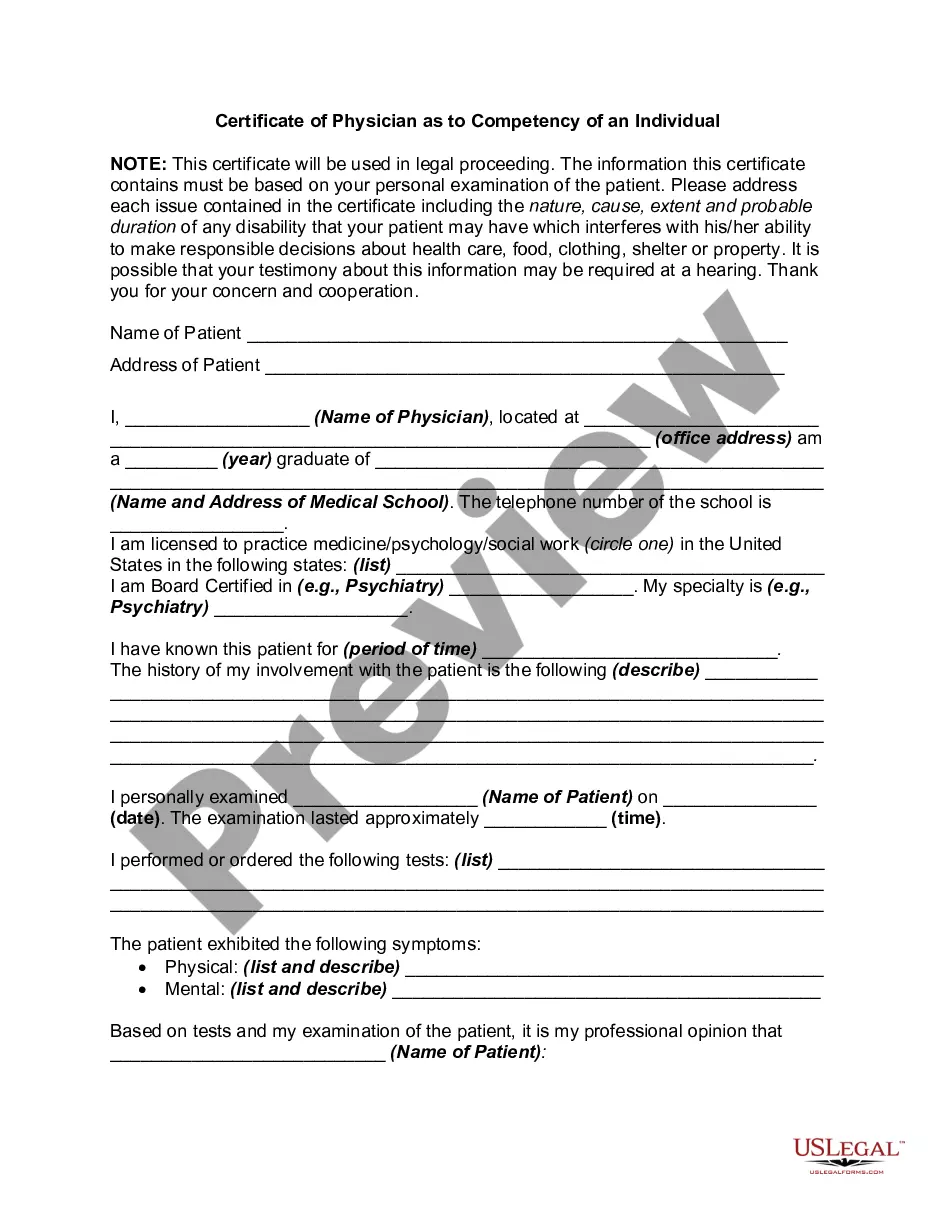
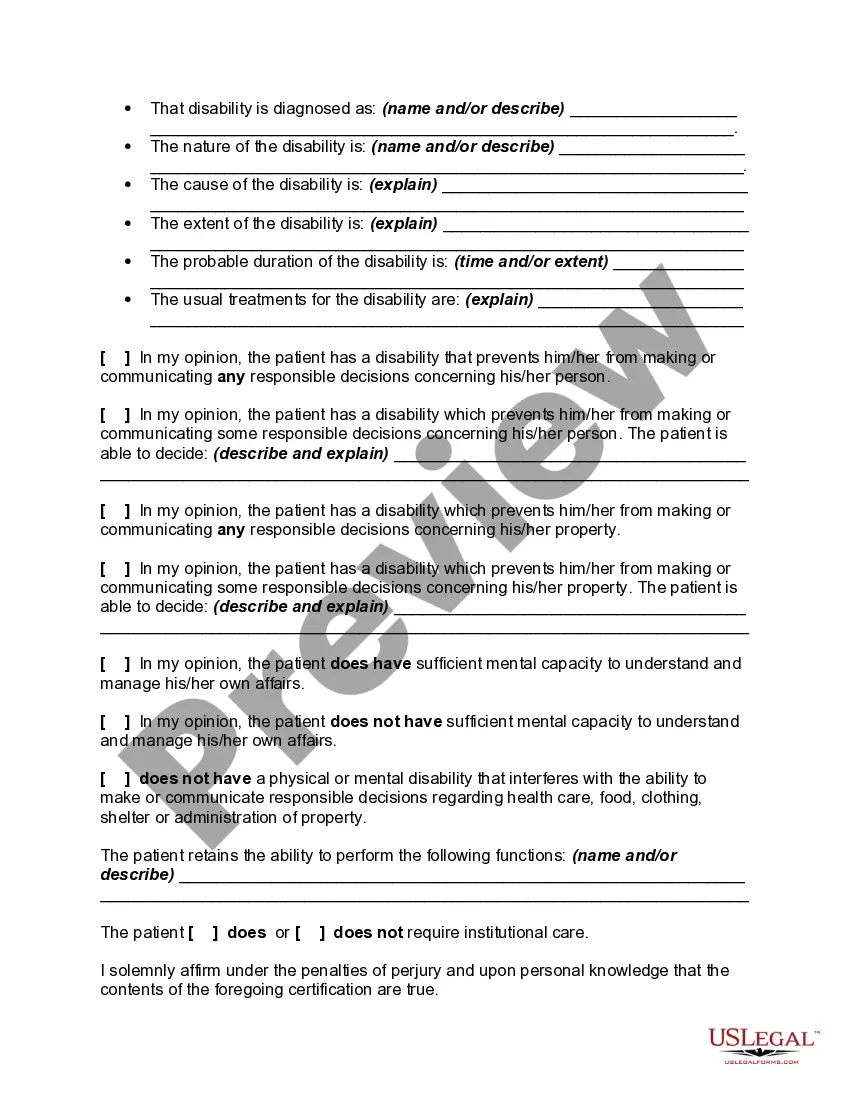
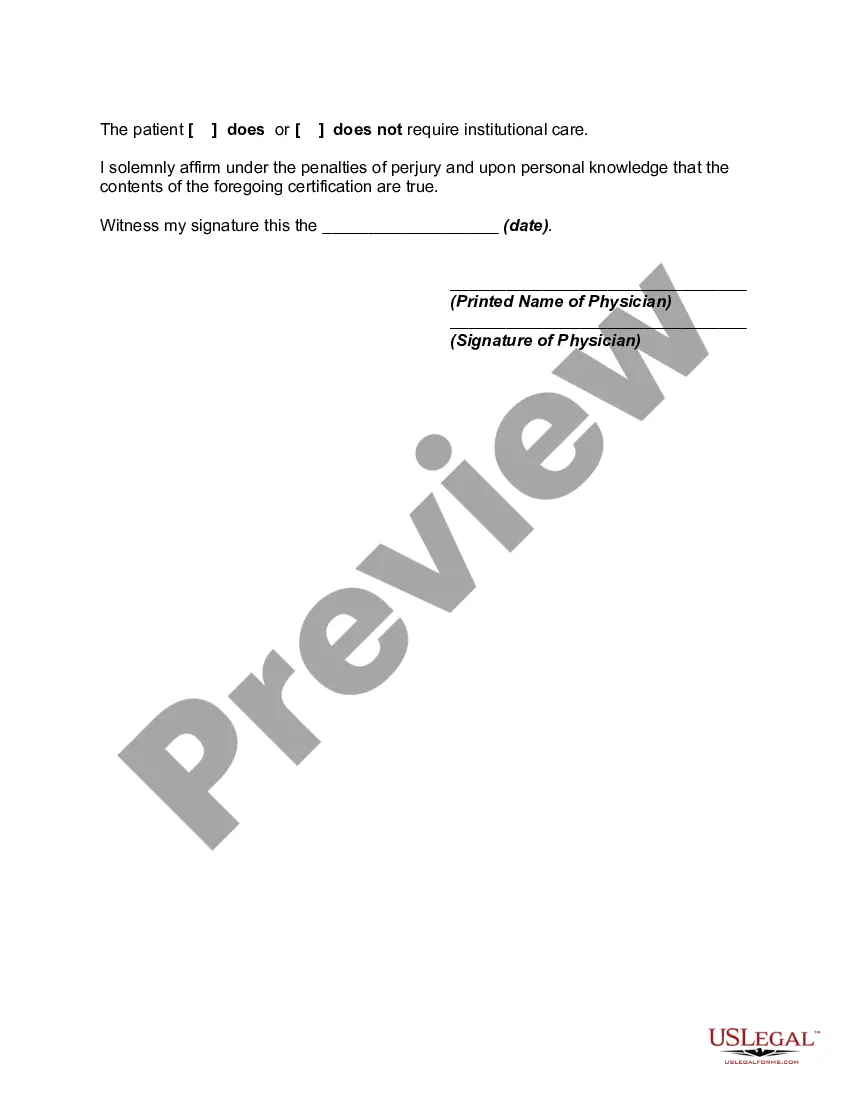
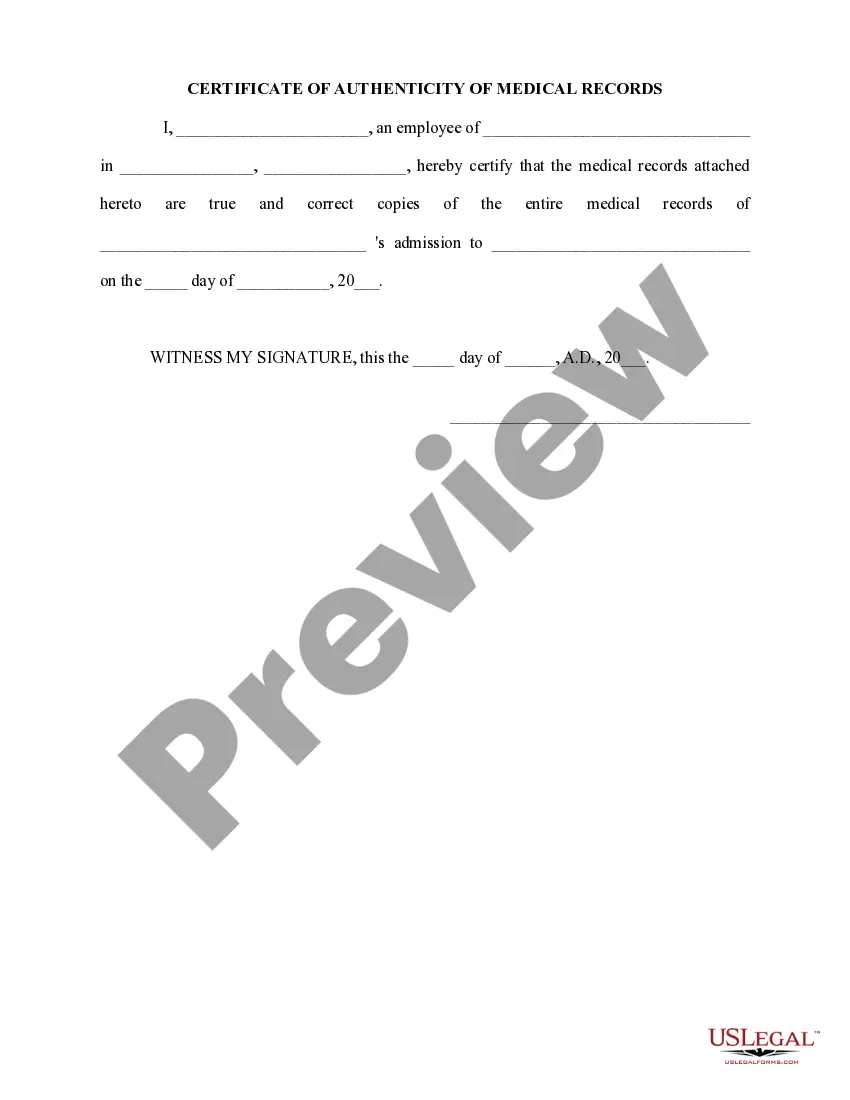
Get your form ready online
Our built-in tools help you complete, sign, share, and store your documents in one place.
Make edits, fill in missing information, and update formatting in US Legal Forms—just like you would in MS Word.
Download a copy, print it, send it by email, or mail it via USPS—whatever works best for your next step.
Sign and collect signatures with our SignNow integration. Send to multiple recipients, set reminders, and more. Go Premium to unlock E-Sign.
If this form requires notarization, complete it online through a secure video call—no need to meet a notary in person or wait for an appointment.
We protect your documents and personal data by following strict security and privacy standards.

Make edits, fill in missing information, and update formatting in US Legal Forms—just like you would in MS Word.

Download a copy, print it, send it by email, or mail it via USPS—whatever works best for your next step.

Sign and collect signatures with our SignNow integration. Send to multiple recipients, set reminders, and more. Go Premium to unlock E-Sign.

If this form requires notarization, complete it online through a secure video call—no need to meet a notary in person or wait for an appointment.

We protect your documents and personal data by following strict security and privacy standards.
Looking for another form?

Form popularity
FAQ
The five core competencies often include communication, teamwork, problem-solving, adaptability, and leadership. Each competency is vital for workplace success and can be articulated through specific experiences and achievements. You can effectively document these competencies using a Letter of competency form for employees, which helps standardize how you present them.
Writing a good competency example involves focusing on your actions and their outcomes. Begin with a situation where you demonstrated a relevant skill, followed by the actions you took and their positive results. Using a Letter of competency form for employees can provide a structured way to present these examples professionally.
A good competency statement is clear, concise, and specific. For example, a statement might explain how an employee improved team productivity by implementing new processes. Such impactful examples should be included in a Letter of competency form for employees to provide a clear picture of performance.
Competency statement 5 might focus on adaptability, detailing how an employee successfully navigated a significant change in the workplace. For instance, an employee might describe how they managed shifting priorities while maintaining productivity. Incorporating such statements into a Letter of competency form for employees can greatly enhance their effectiveness.
Filling out a competency assessment involves reviewing each competency listed and reflecting on your related experiences. For every competency, provide specific examples that showcase how you meet the criteria. Using a Letter of competency form for employees streamlines this process and ensures you cover all required elements thoroughly.
To answer a competency-based application form effectively, start by reviewing the competencies the employer seeks. Use the STAR method, which involves describing the Situation, Task, Action, and Result for each competency you wish to highlight. This approach, along with a well-prepared Letter of competency form for employees, can help you present your experiences compellingly.
A competency statement articulates the skills and attributes that an employee demonstrates in their role. For instance, a statement could outline an employee's ability to lead a team through a project by showcasing leadership, communication, and problem-solving skills. Using a Letter of competency form for employees can help document these statements effectively, ensuring clarity and consistency.
To write a competency-based application, start by clearly identifying the competencies required for the position. Use the Letter of competency form for employees to structure your application effectively, detailing relevant skills and experiences. Ensure that you provide specific examples that demonstrate your capabilities in each area. This approach helps employers assess whether you meet the job criteria and showcases your suitability for the role.
To write a letter of competence, begin with a formal greeting, followed by a brief introduction of the purpose. Include detailed descriptions of the employee's skills, experiences, and contributions. End with a strong statement of recommendation, reinforcing their abilities.
Writing a competency example involves citing specific instances where an employee demonstrated their skills effectively. Highlight the situation, the employee's actions, and the results achieved. This approach gives context and substantiates their competencies.
