Nonprofit Bylaws And Policies
Description
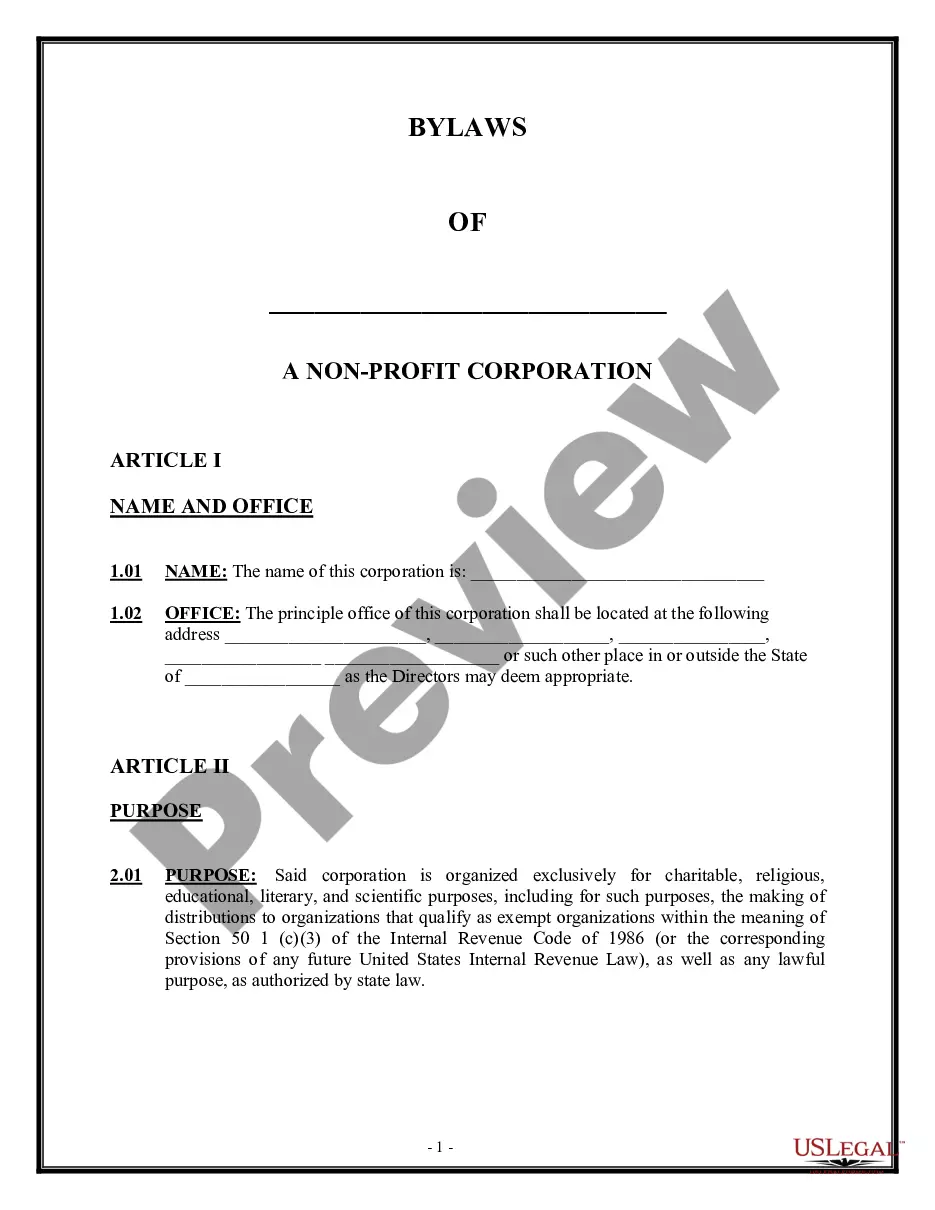
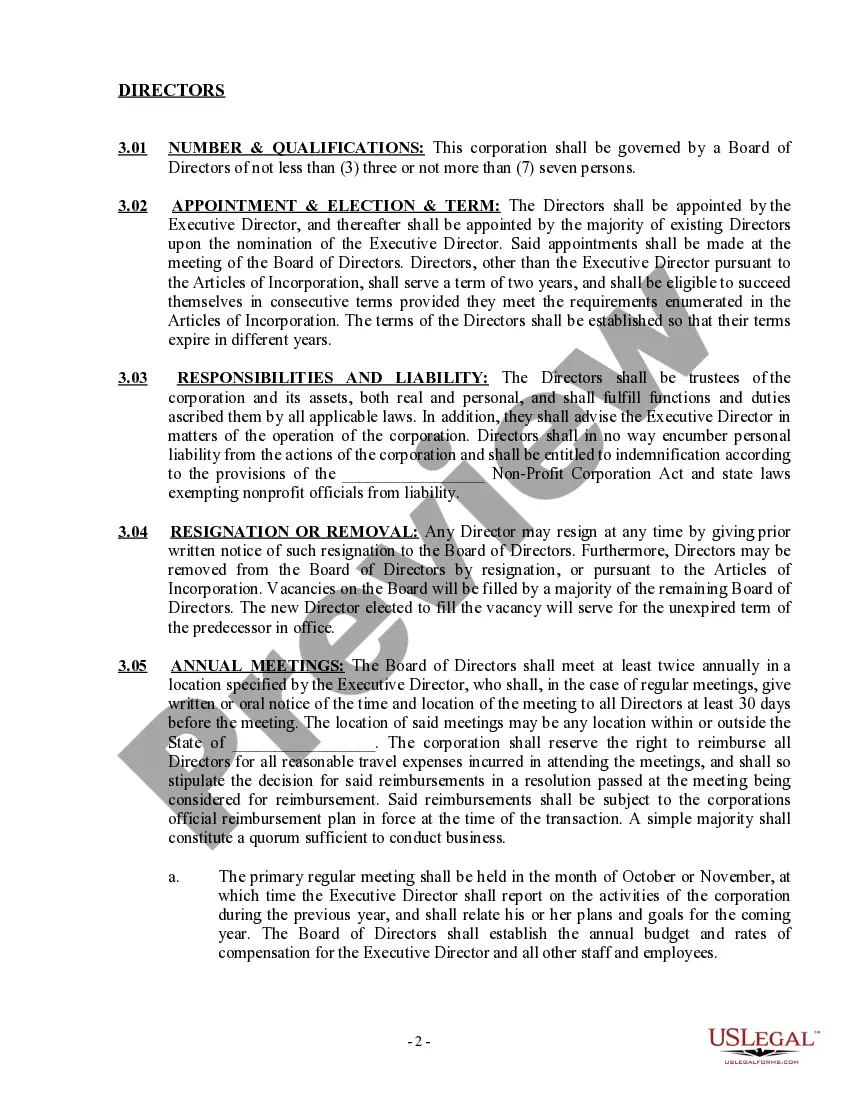
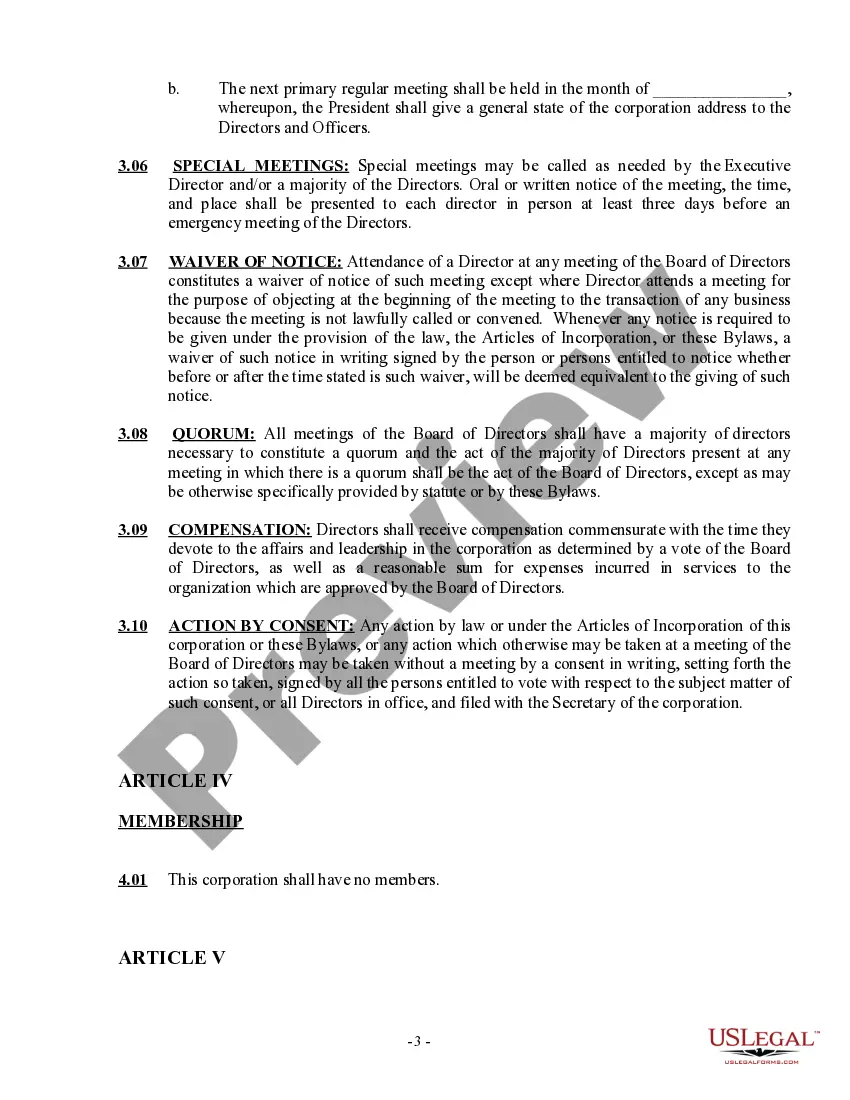
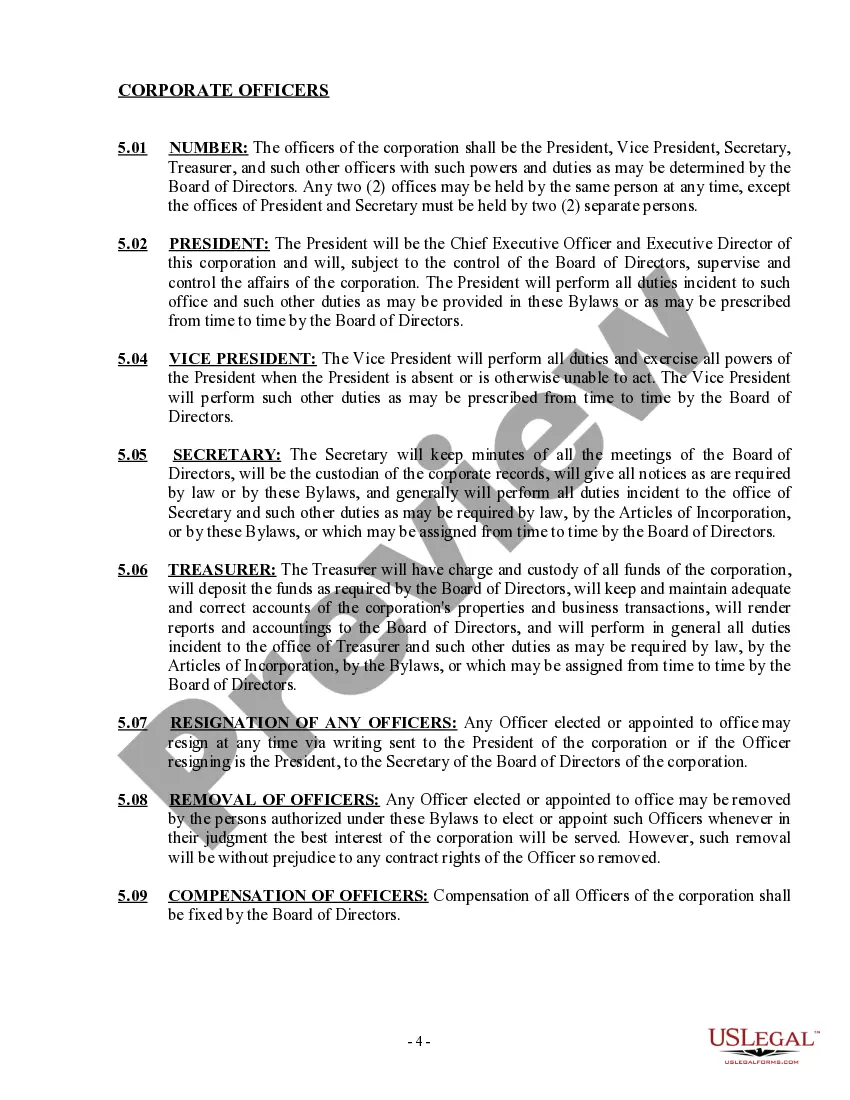

Get your form ready online
Our built-in tools help you complete, sign, share, and store your documents in one place.
Make edits, fill in missing information, and update formatting in US Legal Forms—just like you would in MS Word.
Download a copy, print it, send it by email, or mail it via USPS—whatever works best for your next step.
Sign and collect signatures with our SignNow integration. Send to multiple recipients, set reminders, and more. Go Premium to unlock E-Sign.
If this form requires notarization, complete it online through a secure video call—no need to meet a notary in person or wait for an appointment.
We protect your documents and personal data by following strict security and privacy standards.

Make edits, fill in missing information, and update formatting in US Legal Forms—just like you would in MS Word.

Download a copy, print it, send it by email, or mail it via USPS—whatever works best for your next step.

Sign and collect signatures with our SignNow integration. Send to multiple recipients, set reminders, and more. Go Premium to unlock E-Sign.

If this form requires notarization, complete it online through a secure video call—no need to meet a notary in person or wait for an appointment.

We protect your documents and personal data by following strict security and privacy standards.
Looking for another form?







Form popularity
FAQ
The four main functions of the board include governance, financial oversight, resource management, and support of executive leadership. Governance involves setting policies that guide organizational operations and ensure compliance. Financial oversight ensures that the organization remains fiscally responsible, while resource management focuses on leveraging assets for maximum impact. Nonprofit bylaws and policies provide the framework within which these functions operate effectively.
The five primary responsibilities of nonprofit boards include ensuring legal compliance, overseeing financial management, providing leadership, supporting the executive director, and setting strategic direction. Each of these areas is essential for the effective functioning of the organization. Nonprofit bylaws and policies play a crucial role in guiding boards through these responsibilities. A well-informed board can enhance the organization's impact and stability.
The most important responsibility of a nonprofit board is to provide strategic oversight. This includes making informed decisions that align with the organization's mission and goals. By following well-defined nonprofit bylaws and policies, board members can ensure they are acting in the best interest of the organization. Effective oversight contributes to sustainability and community trust.
A board of directors should not become involved in the day-to-day operations of the organization. Instead, it should focus on governance and oversight, allowing staff to manage daily activities. Additionally, boards should avoid conflicts of interest that could compromise their decision-making. By adhering to nonprofit bylaws and policies, boards can steer clear of inappropriate actions.
The board's most important responsibility is to ensure the organization adheres to its mission. This includes overseeing the organization's strategic direction and evaluating the effectiveness of its programs. By understanding and implementing nonprofit bylaws and policies, the board can maintain focus on fulfilling the organization's goals. Upholding these responsibilities helps ensure long-term success.
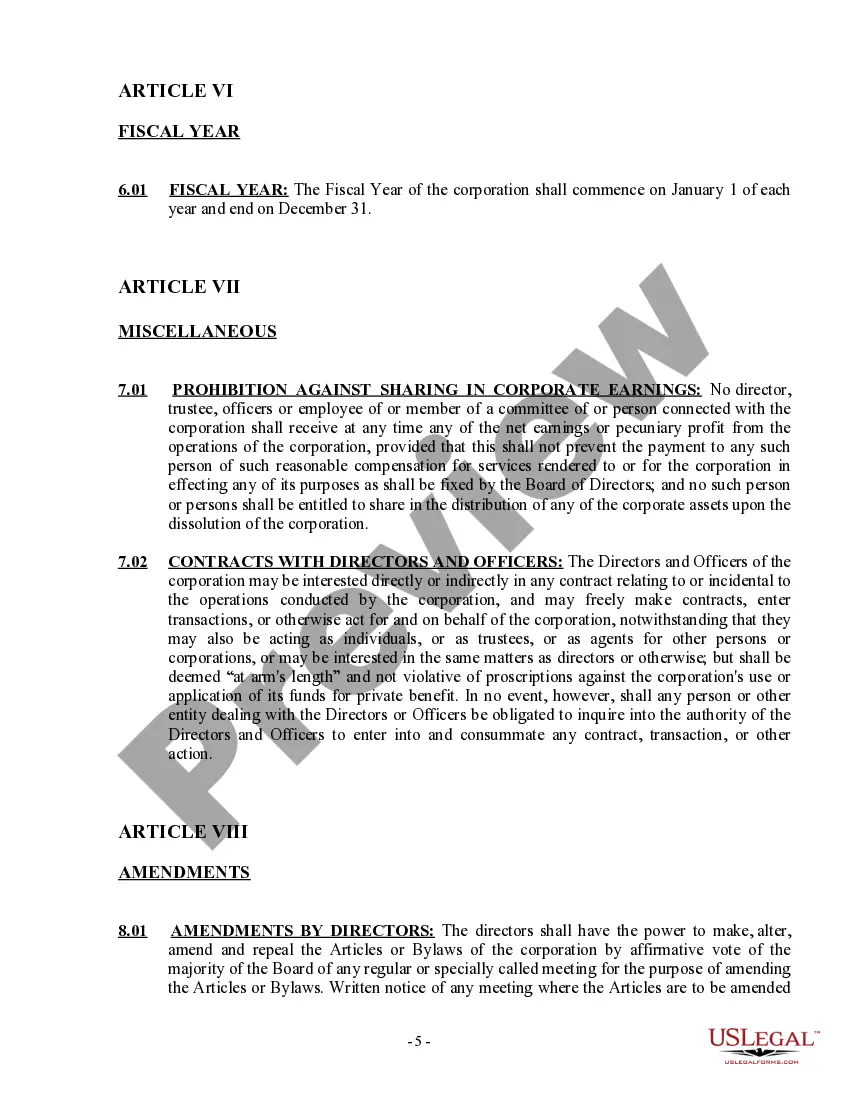
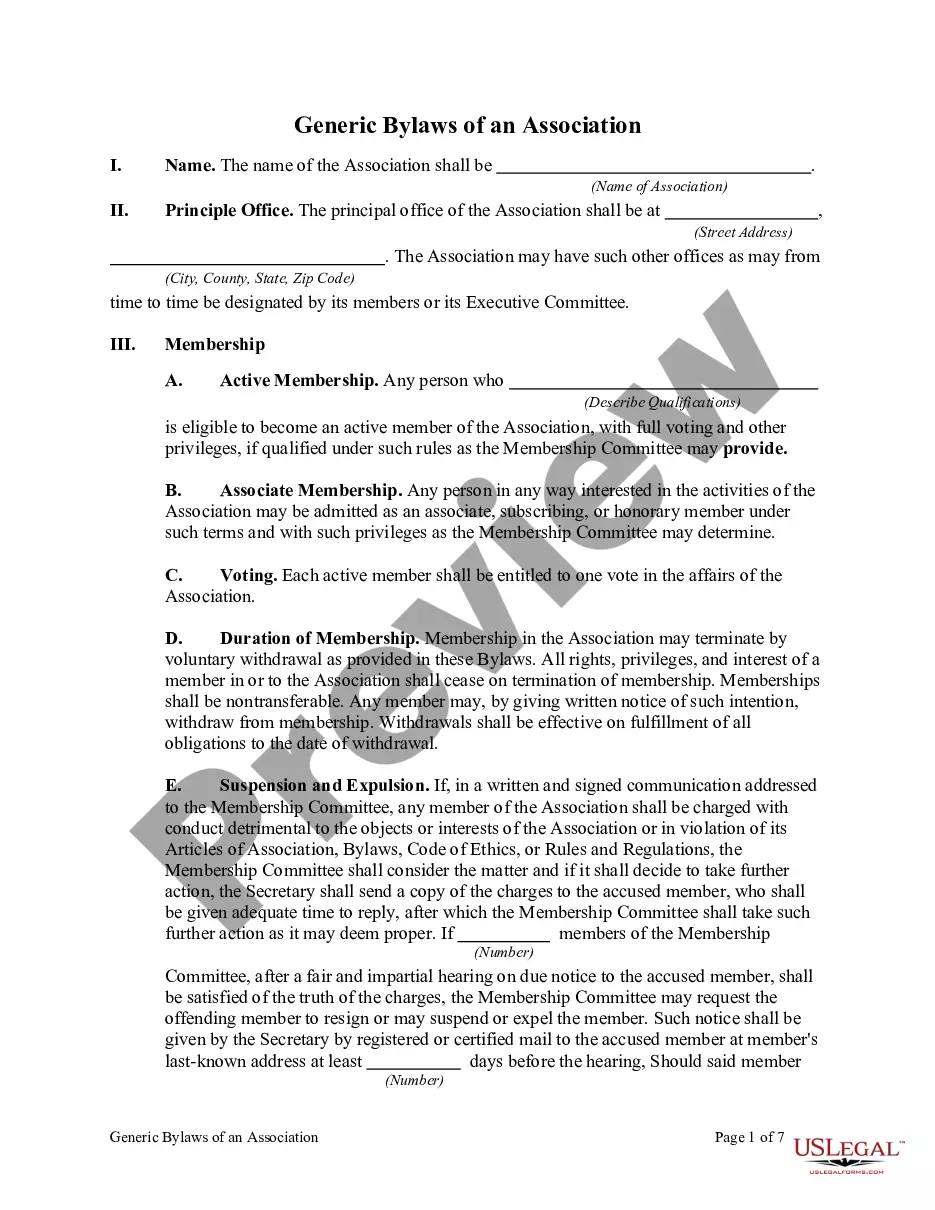
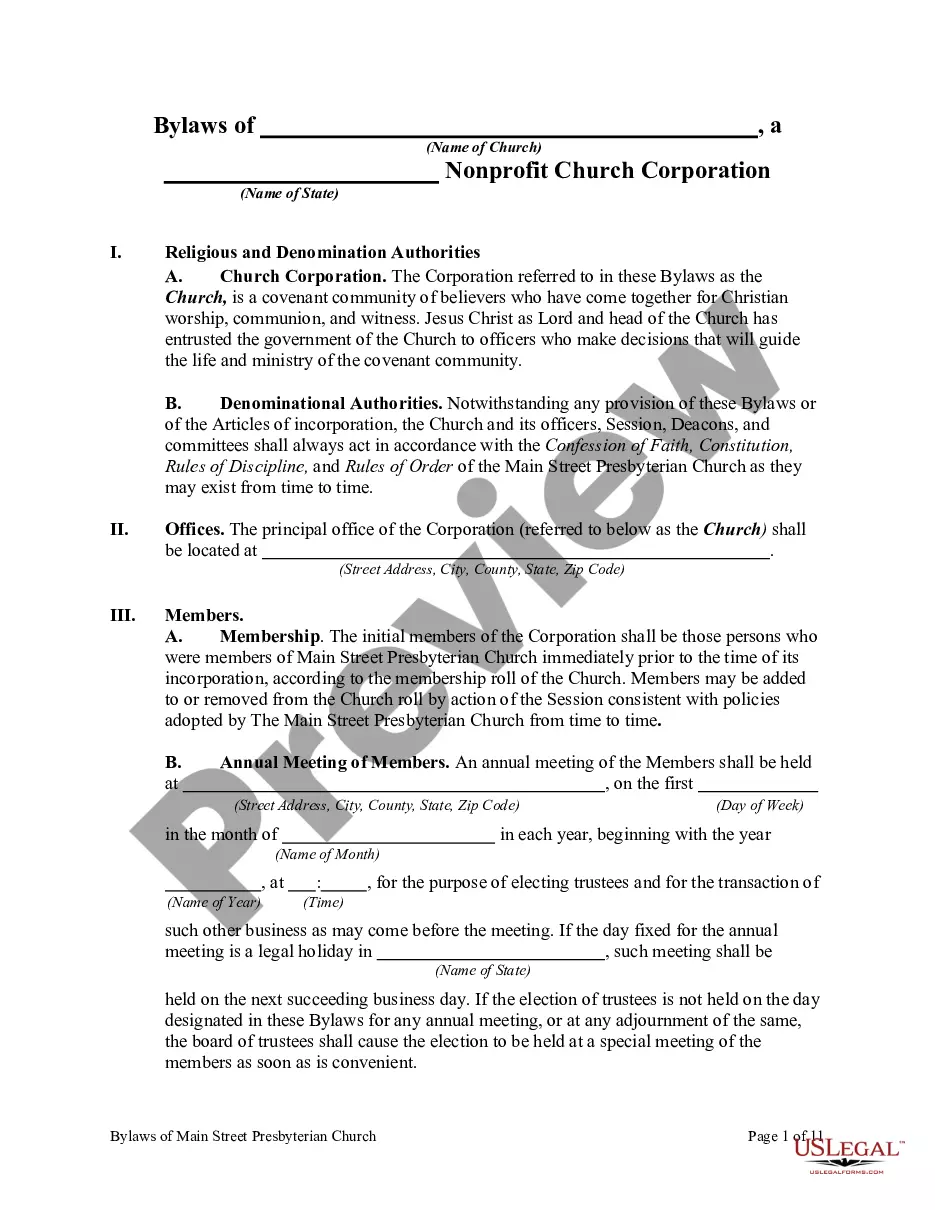
Nonprofit bylaws must include specific requirements, such as the organization's name, purpose, and the structure of the board. They should also detail how board members are elected and how conflicts of interest will be managed. Compliance with state laws is crucial in this document, as it validates your organization's nonprofit status. To ensure all necessary elements are included, utilizing resources like US Legal Forms can be beneficial when crafting your nonprofit bylaws and policies.
Typically, nonprofit bylaws should include key contents like the organization's mission statement, board member roles, meeting protocols, and procedures for handling conflicts of interest. Additionally, include provisions for amending the bylaws and dissolving the organization if necessary. This comprehensive framework not only ensures compliance but also promotes clarity and efficiency in operations. When drafting these documents, US Legal Forms can assist you with robust templates tailored to nonprofit bylaws and policies.
While both policies and bylaws guide nonprofit operations, they serve different purposes. Bylaws outline the governance structure and rules for how the organization operates, while policies provide specific guidelines on various operational aspects. Think of bylaws as the organization's constitution, while policies are the rules that support everyday decision-making. Understanding this distinction is vital for establishing effective nonprofit bylaws and policies.
Filling out bylaws requires careful consideration and clarity. Start by defining your organization’s name, purpose, and governance structure, including how board members are elected. Next, determine the procedures for meetings, decision-making, and amendments. If you're unsure how to create this document, consider using resources like US Legal Forms to guide you through the process of writing nonprofit bylaws and policies.
Bylaws establish the internal rules and process for how a nonprofit operates. They typically cover meetings, election procedures, and the responsibilities of board members. In essence, they serve as the legal framework for governance, ensuring compliance with state laws and fostering transparency within the organization. Understanding these rules is crucial for creating effective nonprofit bylaws and policies.
