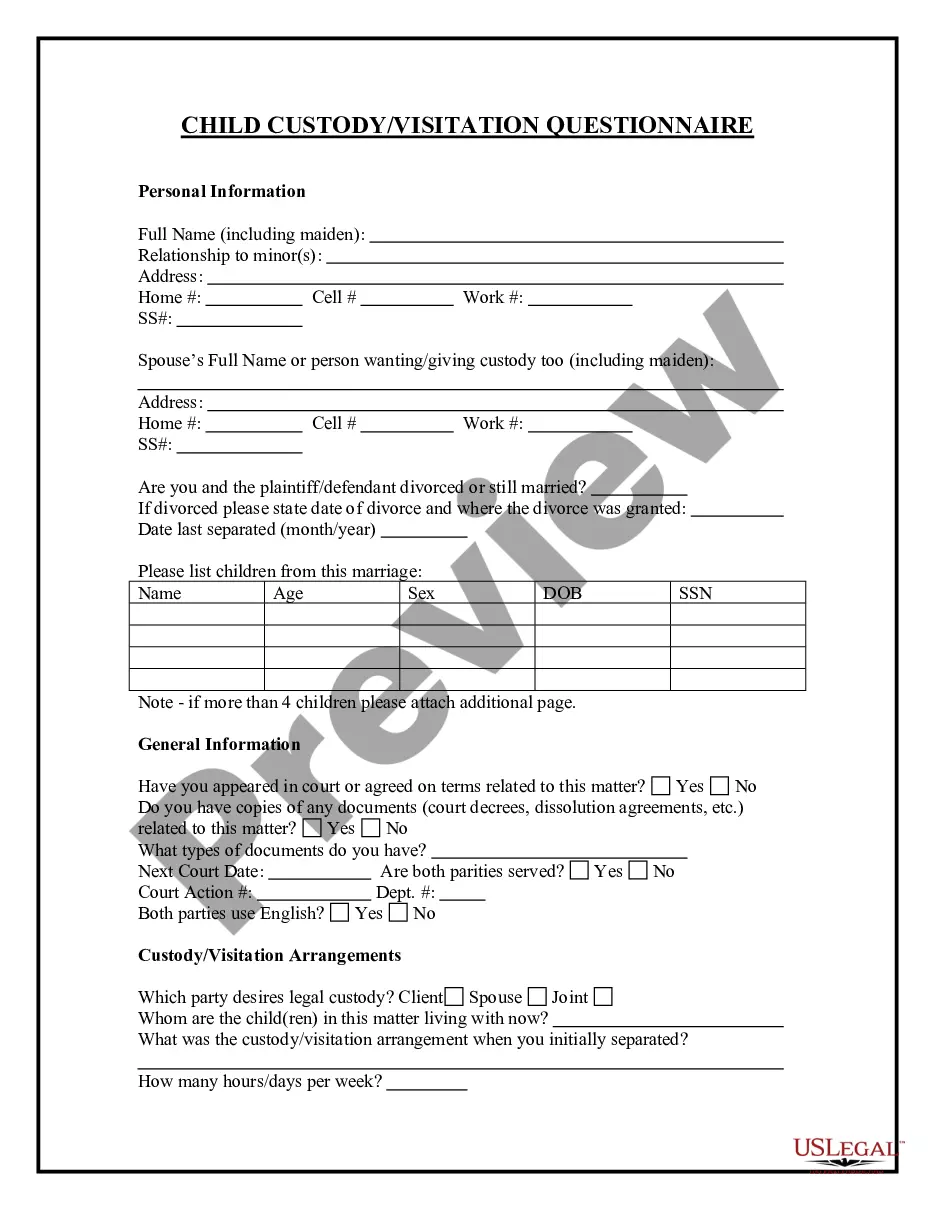
Child Visitation Forms With Protective Order
Description
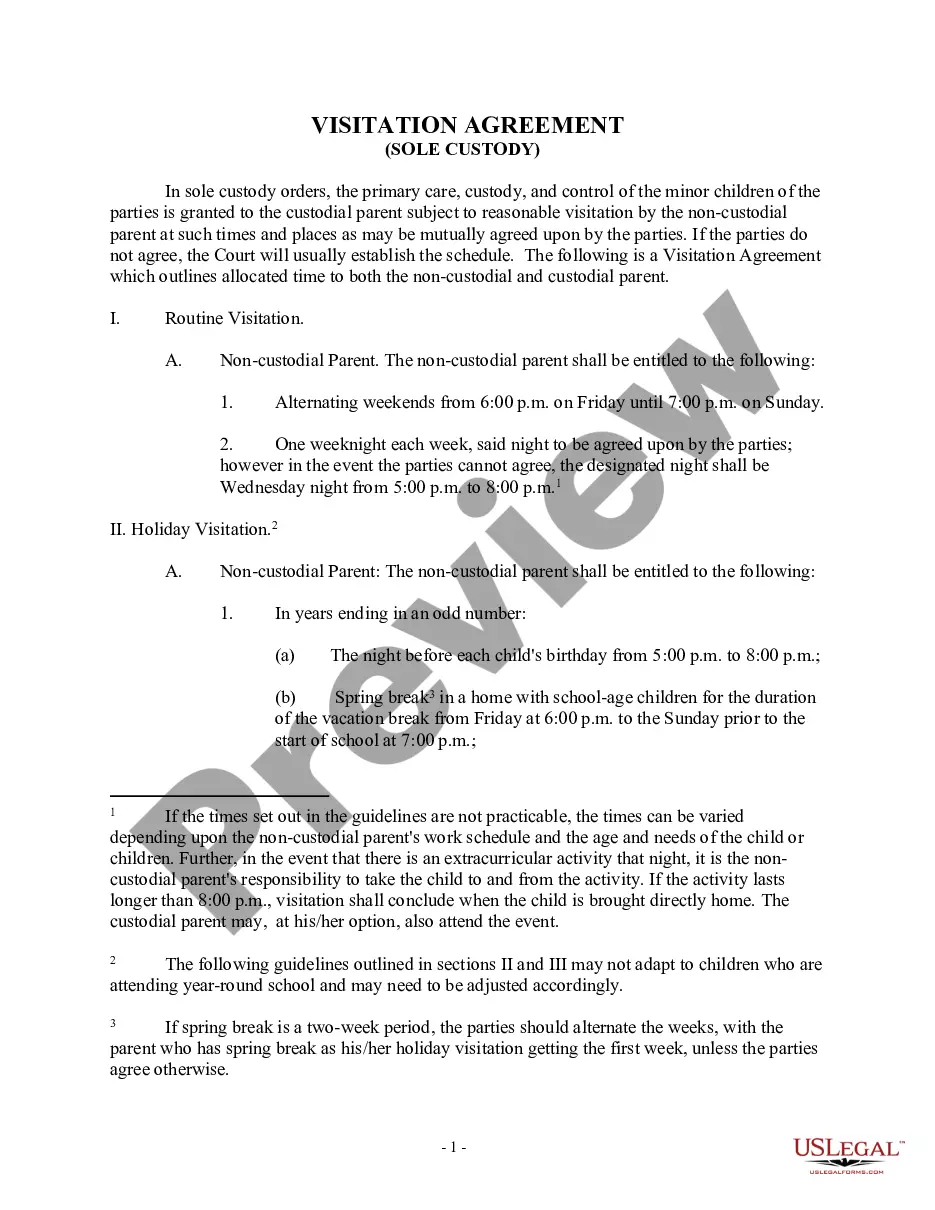
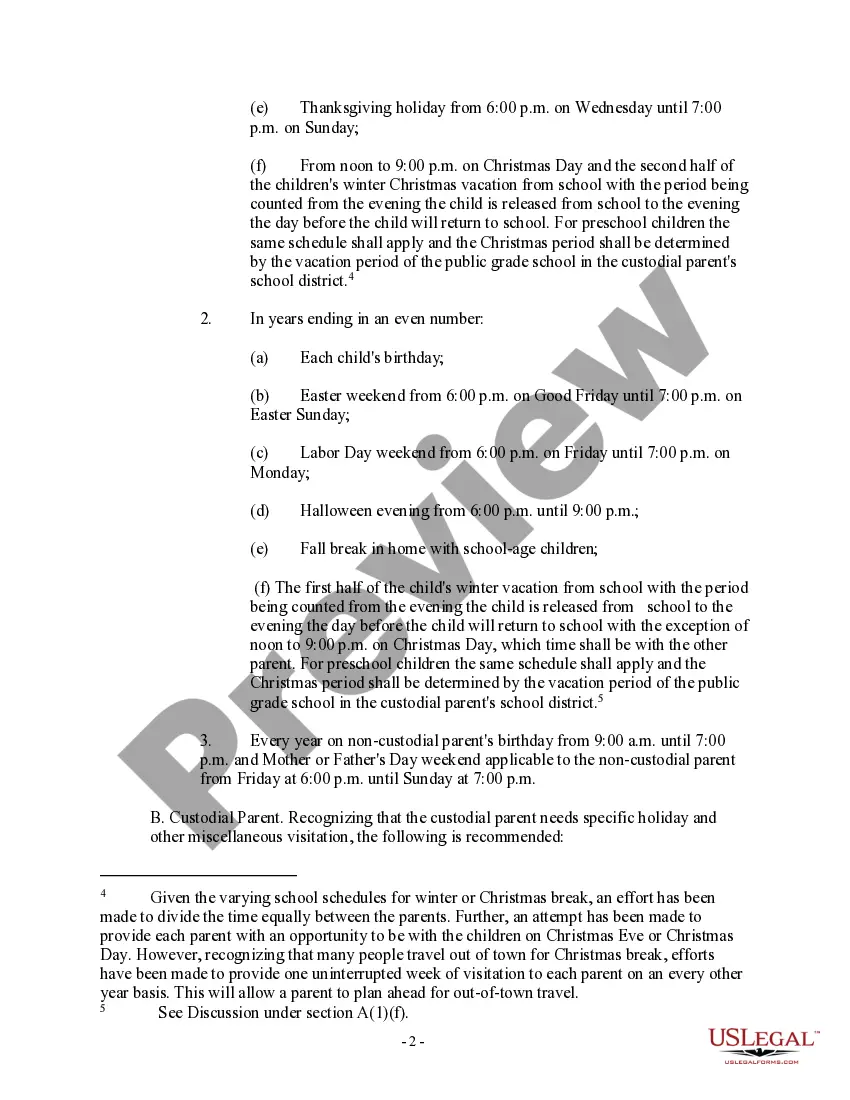
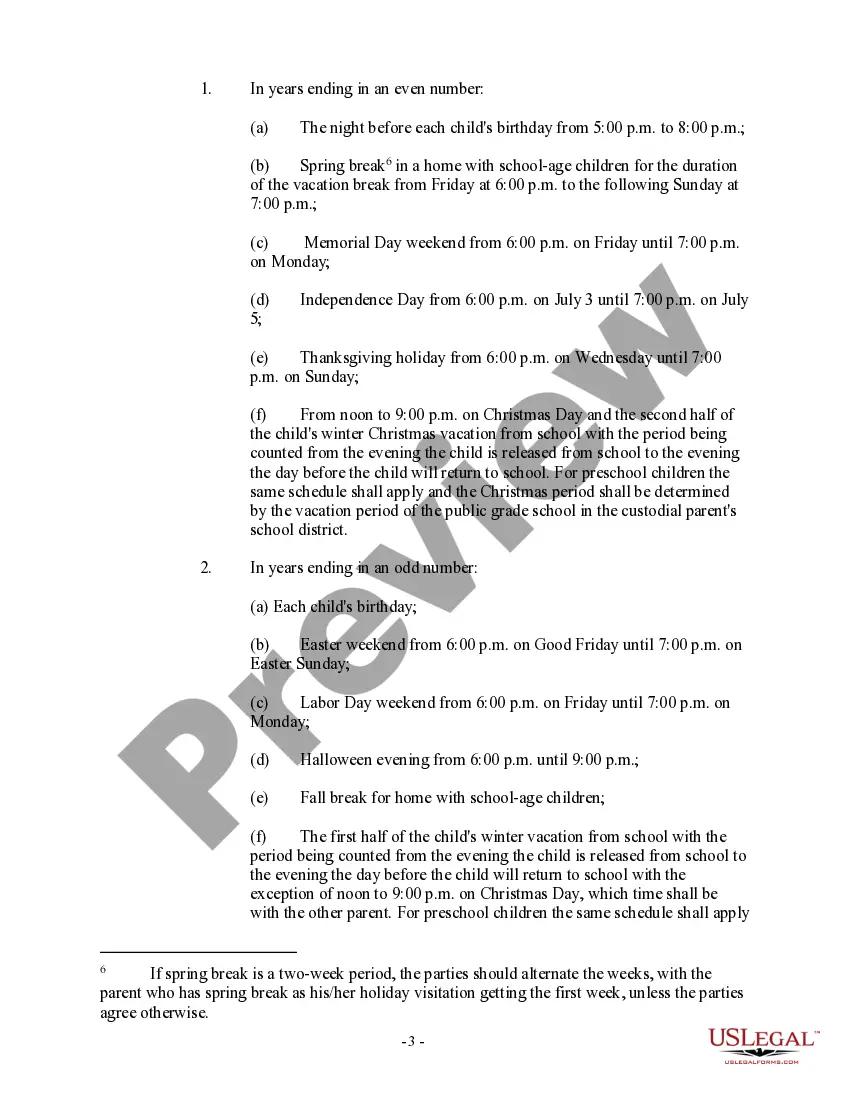
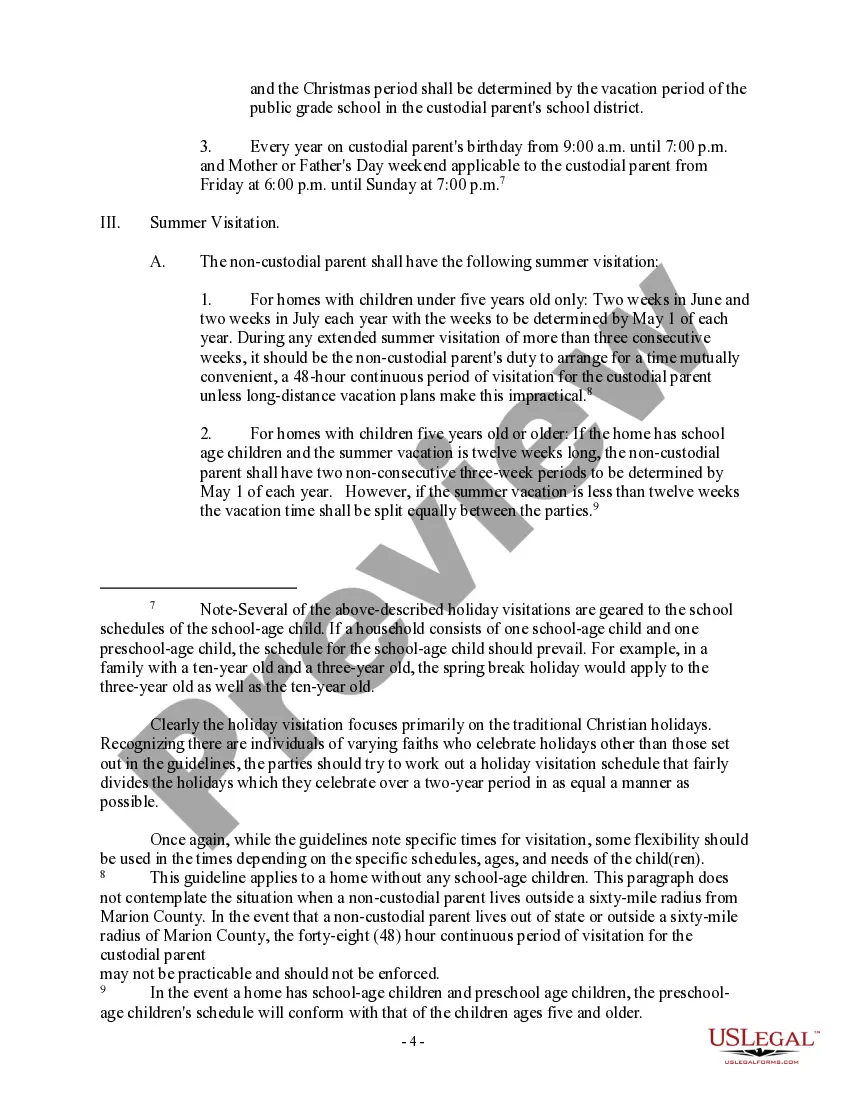
Get your form ready online
Our built-in tools help you complete, sign, share, and store your documents in one place.
Make edits, fill in missing information, and update formatting in US Legal Forms—just like you would in MS Word.
Download a copy, print it, send it by email, or mail it via USPS—whatever works best for your next step.
Sign and collect signatures with our SignNow integration. Send to multiple recipients, set reminders, and more. Go Premium to unlock E-Sign.
If this form requires notarization, complete it online through a secure video call—no need to meet a notary in person or wait for an appointment.
We protect your documents and personal data by following strict security and privacy standards.

Make edits, fill in missing information, and update formatting in US Legal Forms—just like you would in MS Word.

Download a copy, print it, send it by email, or mail it via USPS—whatever works best for your next step.

Sign and collect signatures with our SignNow integration. Send to multiple recipients, set reminders, and more. Go Premium to unlock E-Sign.

If this form requires notarization, complete it online through a secure video call—no need to meet a notary in person or wait for an appointment.

We protect your documents and personal data by following strict security and privacy standards.
Looking for another form?
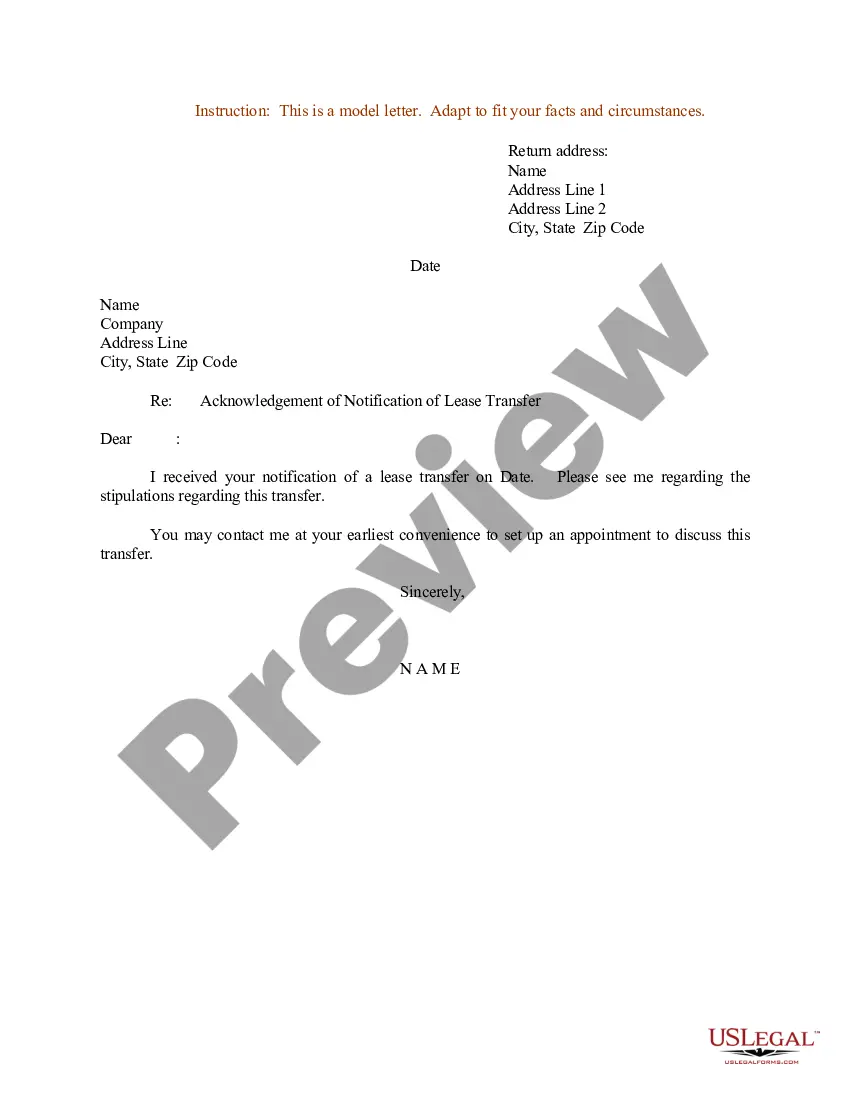





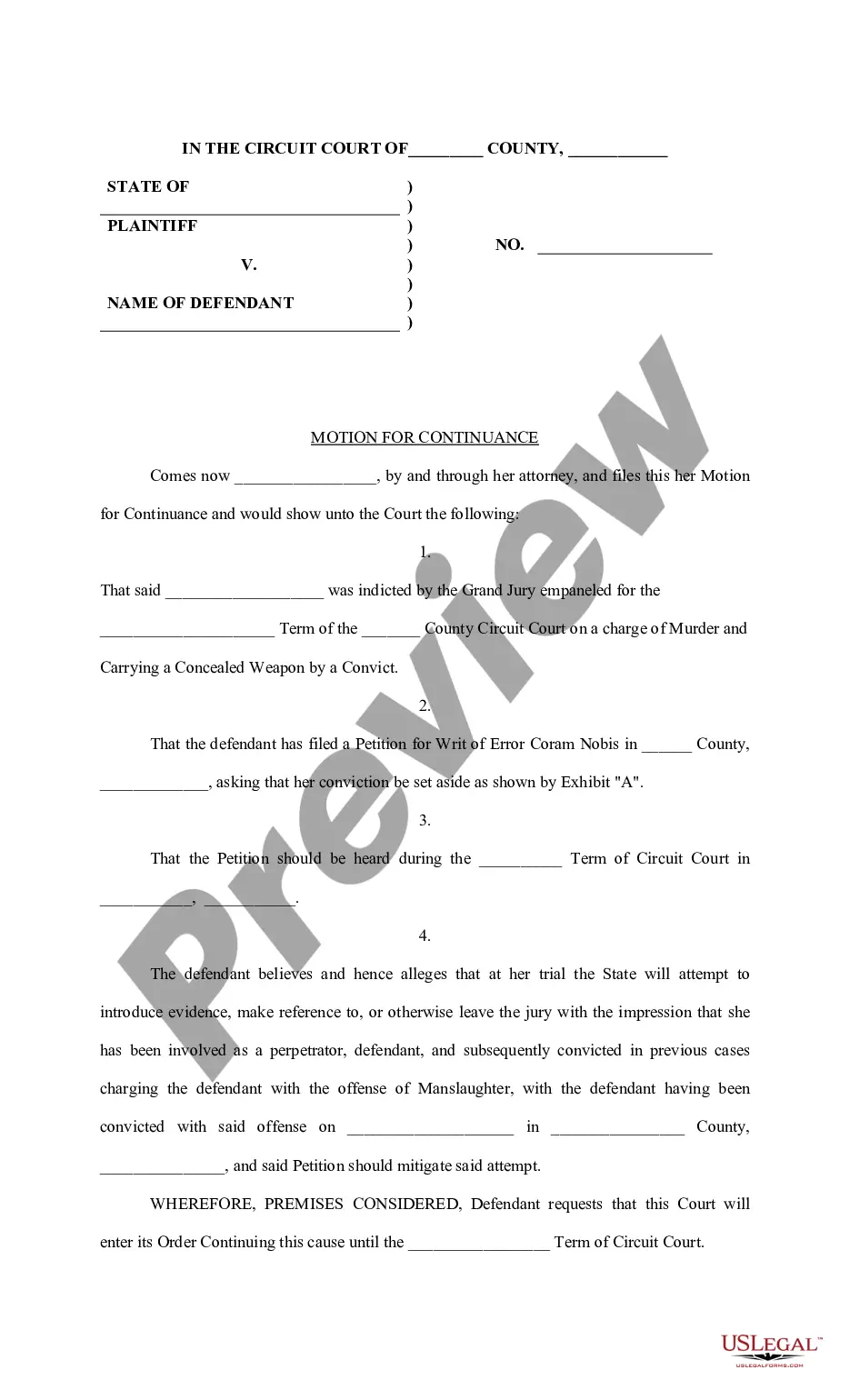



How to fill out Visitation Guidelines?
The Child Visitation Documents Accompanied by Protective Order displayed on this page is a versatile formal template created by experienced attorneys in accordance with federal and state regulations.
For over 25 years, US Legal Forms has offered individuals, businesses, and legal experts with more than 85,000 validated, state-specific documents for any business and personal situation. It’s the quickest, easiest, and most dependable method to obtain the paperwork you require, as the service ensures the highest level of data security and malware protection.
Subscribe to US Legal Forms to have confirmed legal templates for all of life’s situations readily available.
- Search for the document you require and verify it.
- Examine the sample you searched and preview it or review the form description to confirm it meets your requirements. If it doesn’t, use the search bar to find the correct one. Click Buy Now when you have identified the template you need.
- Register and sign in.
- Choose the pricing plan that works for you and establish an account. Use PayPal or a credit card for a swift payment. If you already possess an account, Log In and review your subscription to continue.
- Retrieve the editable template.
- Select the format you prefer for your Child Visitation Documents Accompanied by Protective Order (PDF, DOCX, RTF) and store the sample on your device.
- Complete and sign the document.
- Print the template to finish it manually. Alternatively, use an online multifunctional PDF editor to quickly and accurately fill out and sign your form with a valid signature.
- Re-download your paperwork as needed.
- Utilize the same document again whenever required. Access the My documents tab in your profile to re-download any previously saved documents.
Form popularity
FAQ
While courts can mandate that certain cases go to mediation, the process remains "voluntary" in that the parties are not required to come to agreement. The mediator does not have the power to make a decision for the parties, but can help the parties find a resolution that is mutually acceptable.
The most important change introduced by the New Law is the mandatory mediation process, under which parties to a labour dispute are required to submit their cases to a mediator prior to filing a lawsuit before the labour courts.
As in most states, Massachusetts law allows parties to choose arbitration, rather than trial in the court system, to reach final resolution of their disputes. Parties agree on an impartial arbitrator with training and experience in the specific area of law involved in the dispute.
There may be room for a compulsory step in commercial mediation processes where essentially it is about facilitating a negotiation towards a financial resolution. When it comes to workplace mediation, participating in mediation must remain voluntary ? but some compulsion to consider the mediation option is desirable.
Mediation is a voluntary process, and cases are resolved by mediation only if both parties agree.