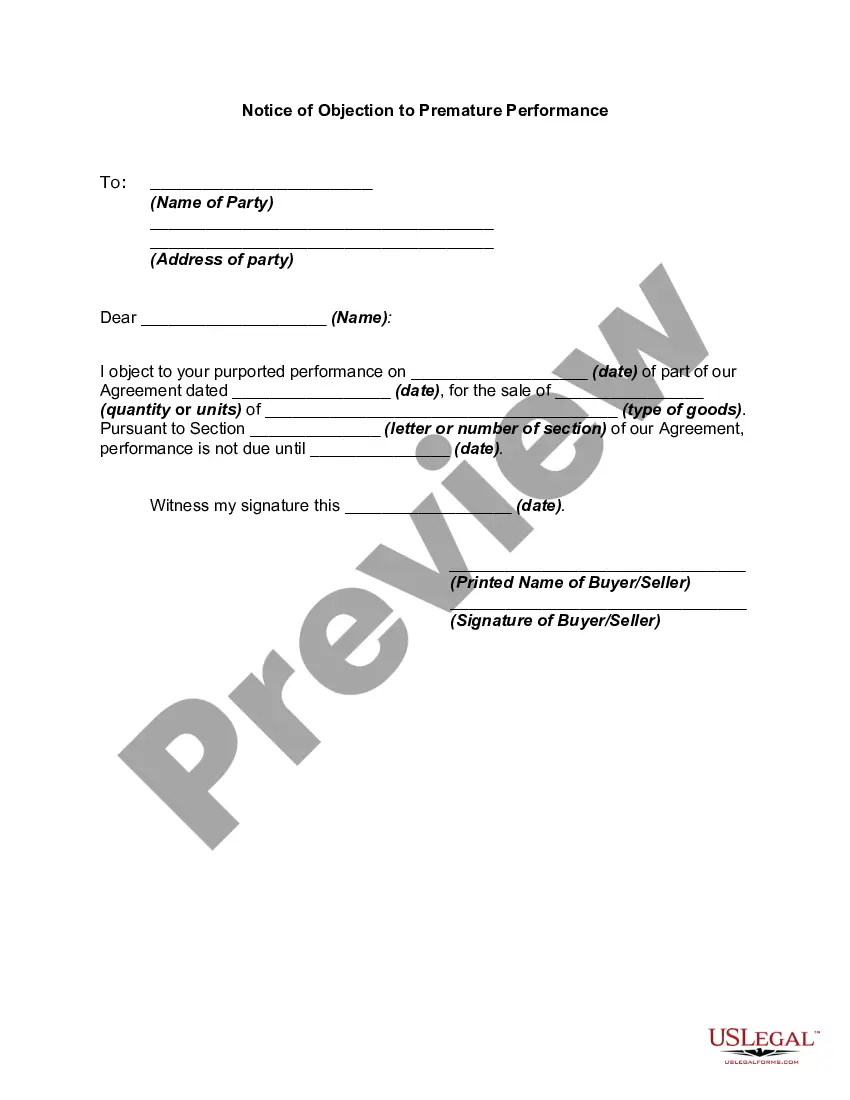
Notice Objection Sample For Deposition
Description
Get your form ready online
Our built-in tools help you complete, sign, share, and store your documents in one place.
Make edits, fill in missing information, and update formatting in US Legal Forms—just like you would in MS Word.
Download a copy, print it, send it by email, or mail it via USPS—whatever works best for your next step.
Sign and collect signatures with our SignNow integration. Send to multiple recipients, set reminders, and more. Go Premium to unlock E-Sign.
If this form requires notarization, complete it online through a secure video call—no need to meet a notary in person or wait for an appointment.
We protect your documents and personal data by following strict security and privacy standards.

Make edits, fill in missing information, and update formatting in US Legal Forms—just like you would in MS Word.

Download a copy, print it, send it by email, or mail it via USPS—whatever works best for your next step.

Sign and collect signatures with our SignNow integration. Send to multiple recipients, set reminders, and more. Go Premium to unlock E-Sign.

If this form requires notarization, complete it online through a secure video call—no need to meet a notary in person or wait for an appointment.

We protect your documents and personal data by following strict security and privacy standards.
Looking for another form?

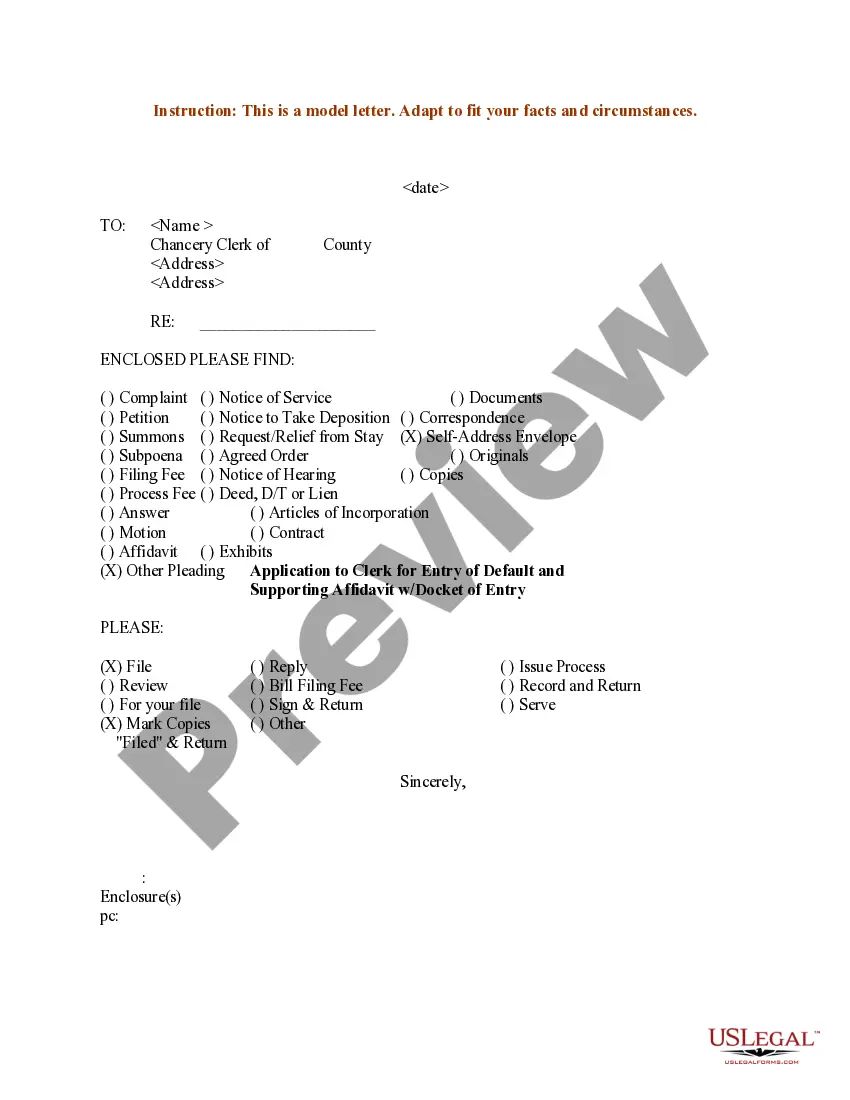



How to fill out Notice Of Objection To Premature Performance?
Creating legal documents from the ground up can frequently be overwhelming.
Certain situations might require extensive research and significant financial investment.
If you’re seeking a simpler and more economical method of generating Notice Objection Sample For Deposition or other documents without unnecessary complications, US Legal Forms is always accessible.
Our online collection of over 85,000 current legal documents covers nearly every aspect of your financial, legal, and personal affairs.
Examine the form preview and descriptions to confirm that you have located the document you are looking for. Ensure the form you choose complies with the rules and laws of your state and county. Select the appropriate subscription plan to purchase the Notice Objection Sample For Deposition. Download the file, then complete, certify, and print it out. US Legal Forms boasts an impeccable reputation and over 25 years of expertise. Join us today and simplify form completion into an effortless and efficient process!
- With just a few clicks, you can promptly obtain state- and county-compliant templates carefully crafted by our legal specialists.
- Utilize our platform whenever you require a dependable and trustworthy service through which you can swiftly find and download the Notice Objection Sample For Deposition.
- If you’re familiar with our site and have previously registered, simply Log In to your account, select the form and download it or re-download it at any time later in the My documents section.
- Not signed up yet? No worries. It only takes a few minutes to set it up and browse the library.
- But before diving directly into downloading the Notice Objection Sample For Deposition, heed these suggestions.
Form popularity
FAQ
A notice of deposition must reference the current court case for which the deposition is being requested. Therefore, the notice will typically include a full caption at the top of the notice, which identifies: The parties in the case. The jurisdiction where the case has been filed.
Deposition objections may also be made on the basis of harassment, calls for a legal conclusion, calls for speculation, asked and answered, and mischaracterization of testimony.
During a deposition you can object to the form of a question. This objection is like a referee in a game of football, making sure that the rules are being followed and the game is played fairly. If a question is unclear or improperly worded, the attorney can object to prevent the deponent from answering it.
An ?objection? is defined as ?a formal statement opposing something that has occurred, or is about to occur, in court, a hearing, or a deposition and seeking the judge's immediate ruling on the point.?[3] In the case of a deposition, there is no judge there to give an immediate ruling and so objections serve to prevent ...
An objection must be stated concisely in a nonargumentative and nonsuggestive manner. A person may instruct a deponent not to answer only when necessary to preserve a privilege, to enforce a limitation ordered by the court, or to present a motion under Rule 30(d)(3). (3) Participating Through Written Questions.