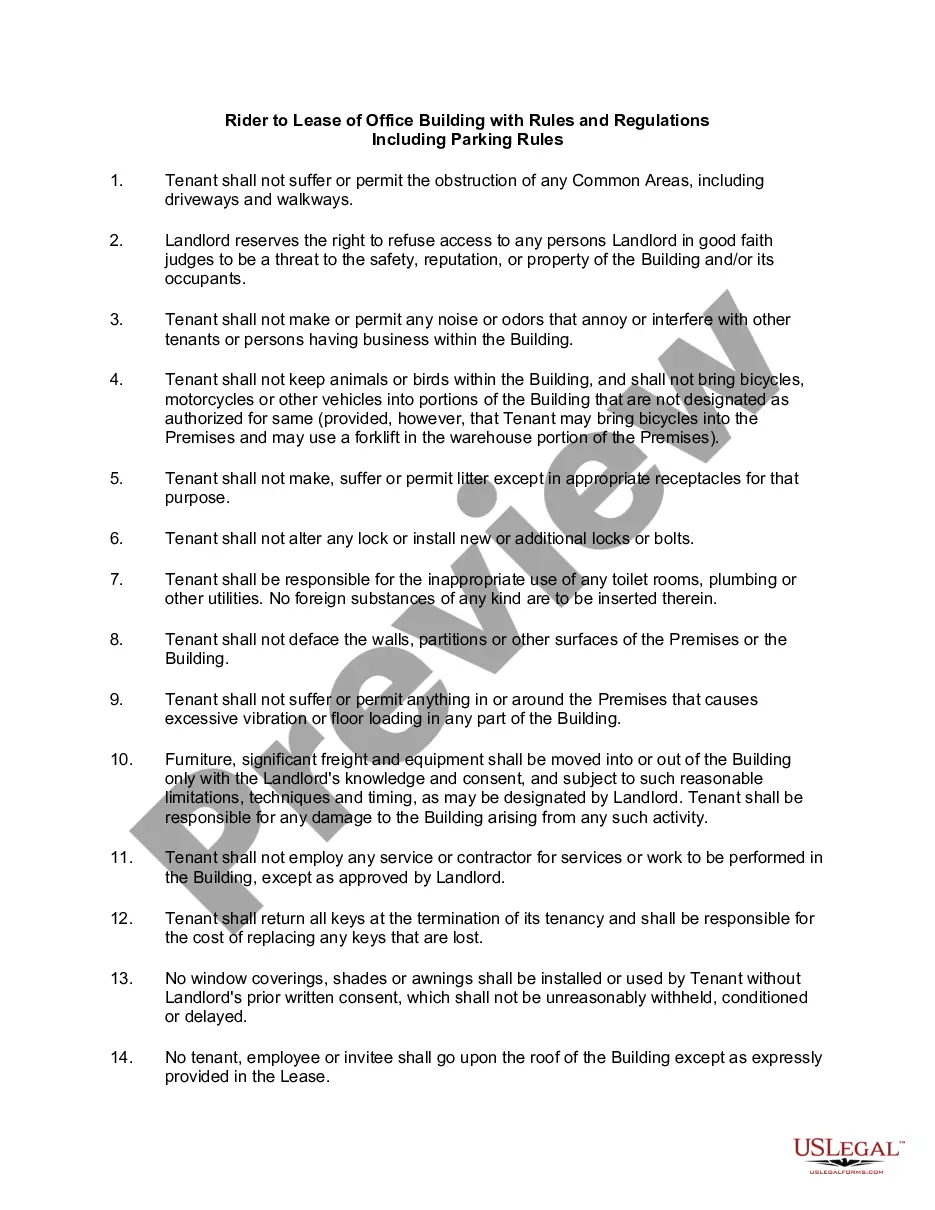
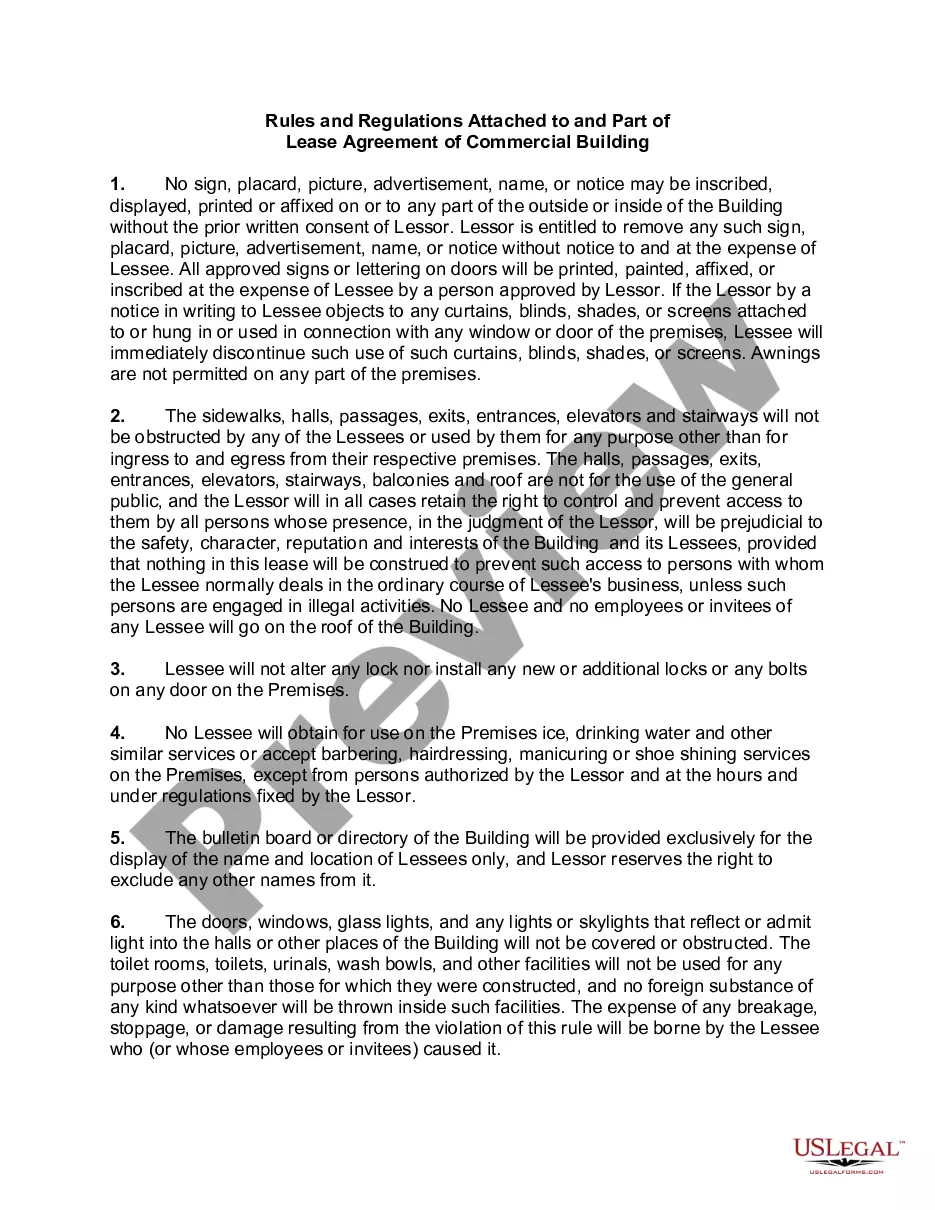
Rules With Tenants
Description
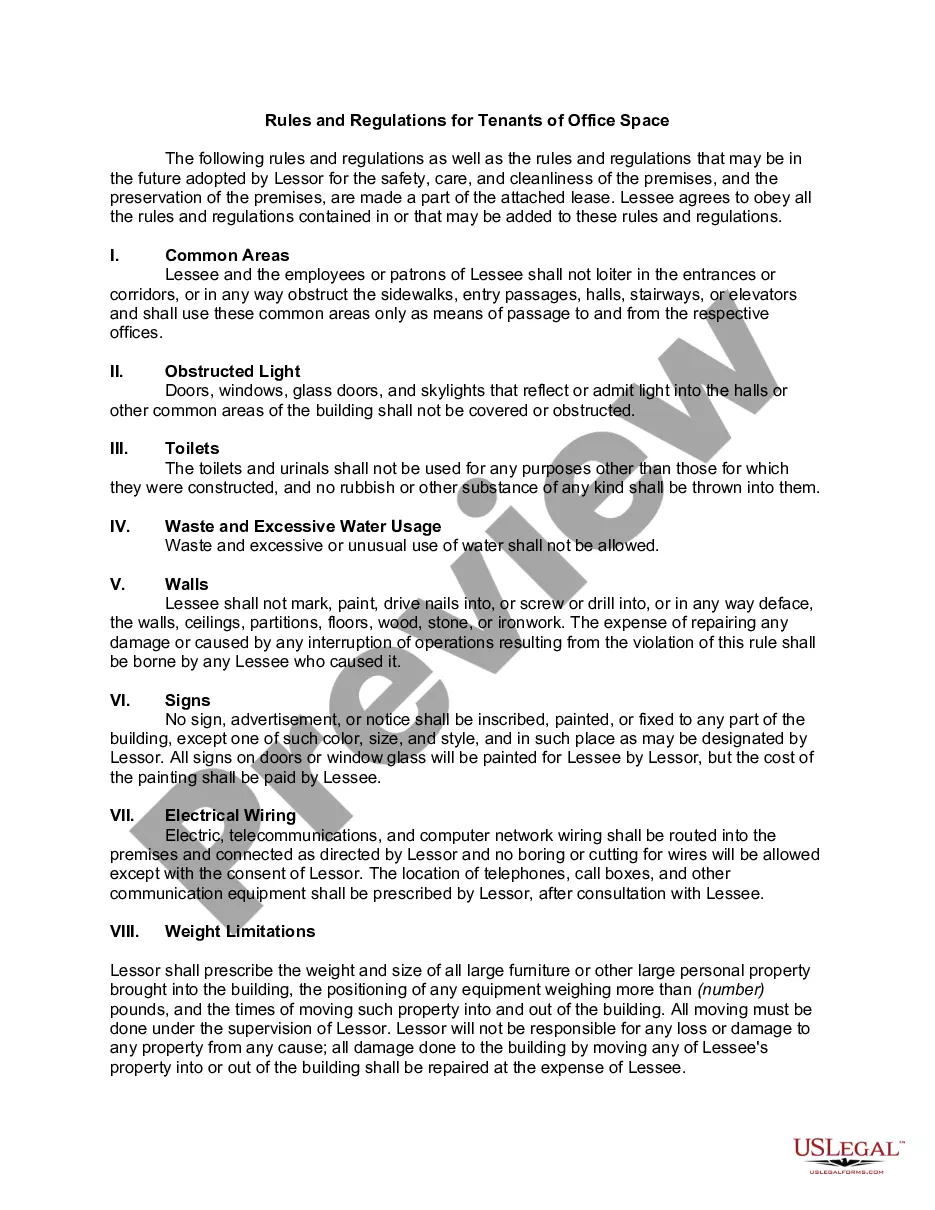
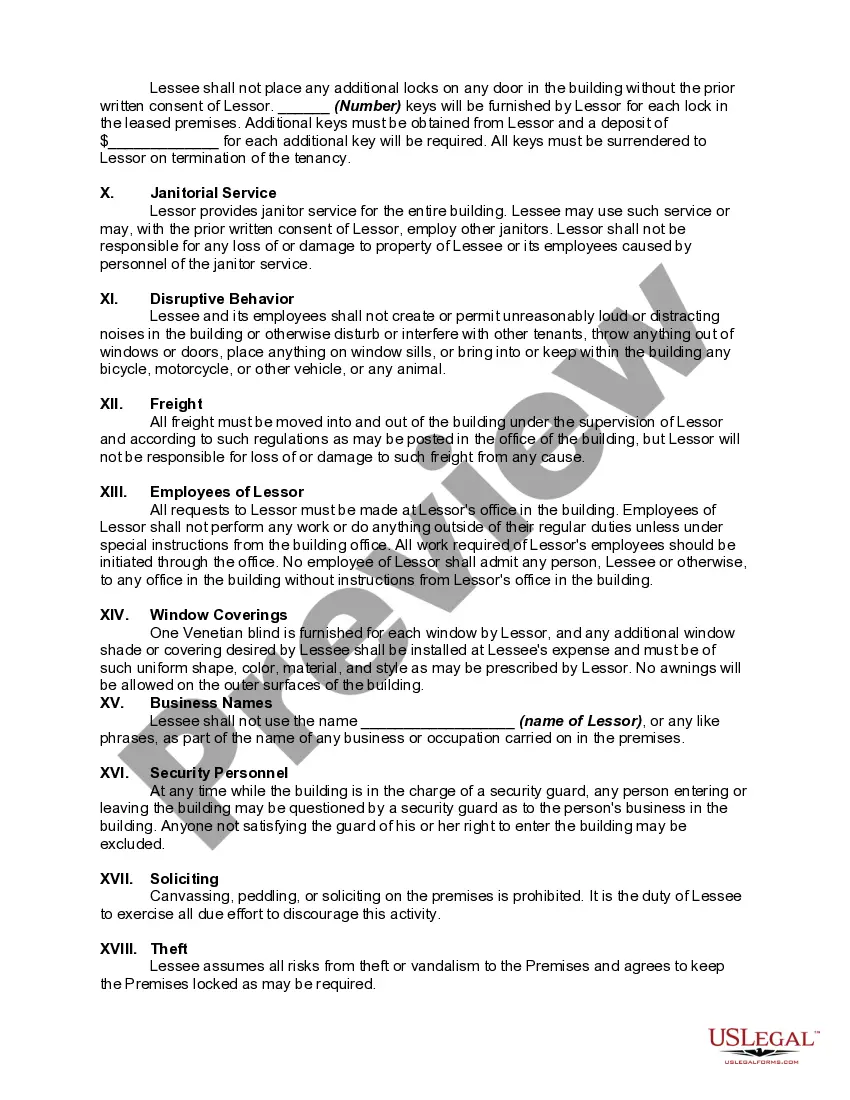
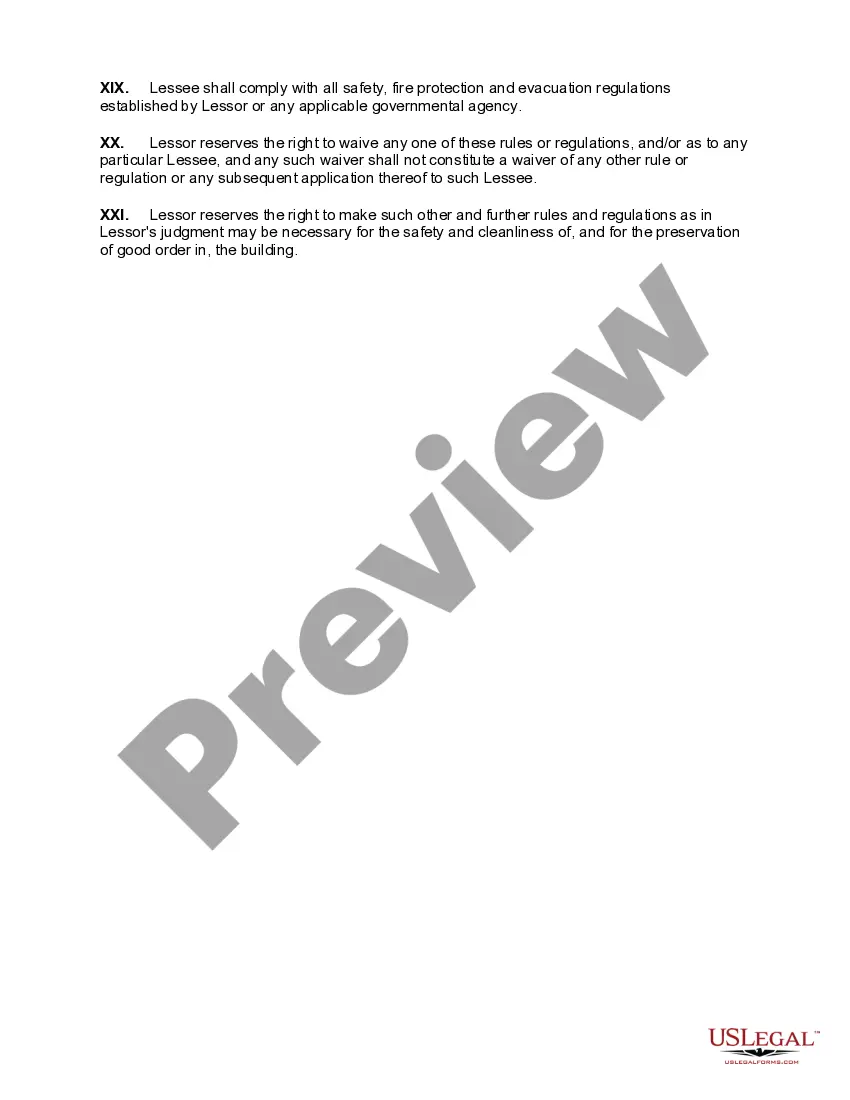
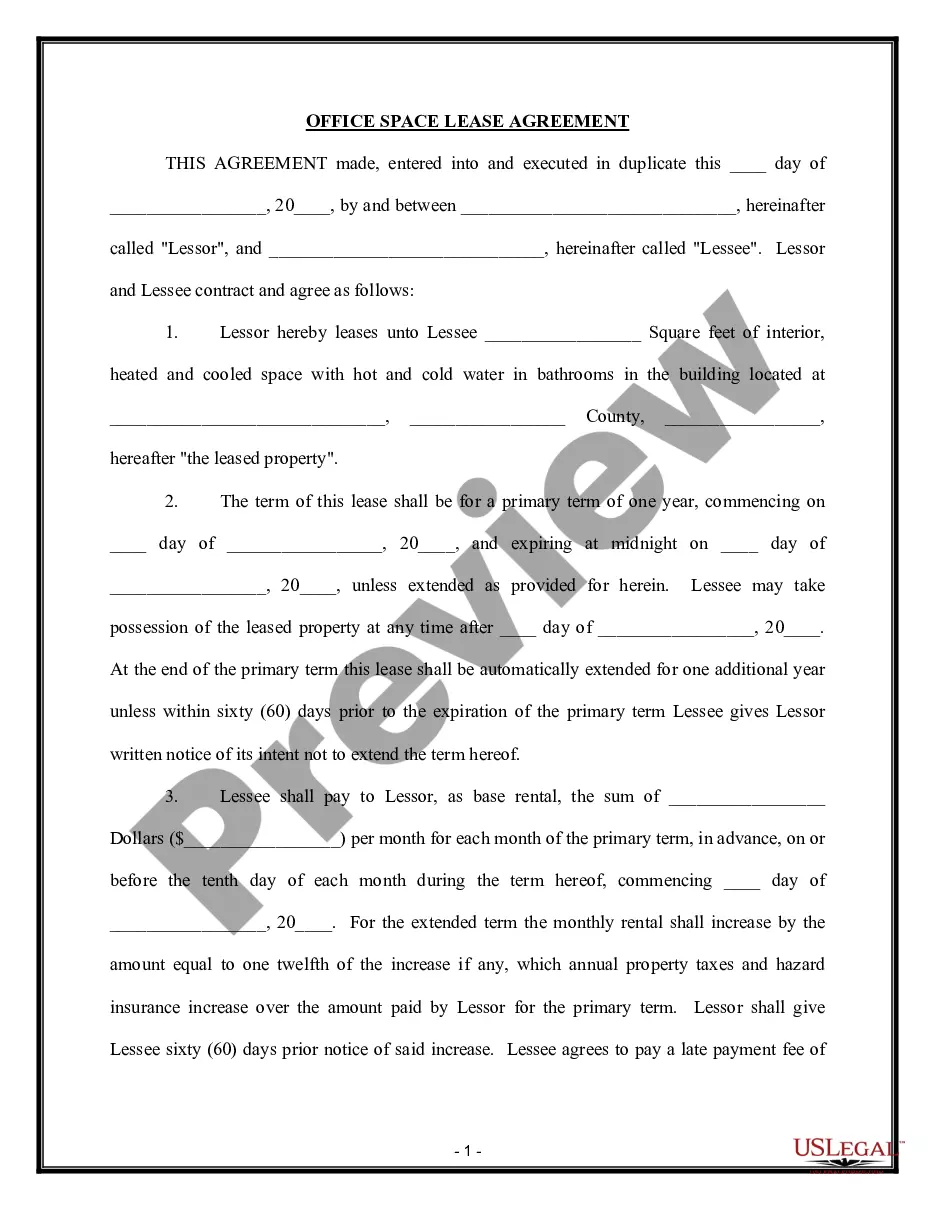
Get your form ready online
Our built-in tools help you complete, sign, share, and store your documents in one place.
Make edits, fill in missing information, and update formatting in US Legal Forms—just like you would in MS Word.
Download a copy, print it, send it by email, or mail it via USPS—whatever works best for your next step.
Sign and collect signatures with our SignNow integration. Send to multiple recipients, set reminders, and more. Go Premium to unlock E-Sign.
If this form requires notarization, complete it online through a secure video call—no need to meet a notary in person or wait for an appointment.
We protect your documents and personal data by following strict security and privacy standards.

Make edits, fill in missing information, and update formatting in US Legal Forms—just like you would in MS Word.

Download a copy, print it, send it by email, or mail it via USPS—whatever works best for your next step.

Sign and collect signatures with our SignNow integration. Send to multiple recipients, set reminders, and more. Go Premium to unlock E-Sign.

If this form requires notarization, complete it online through a secure video call—no need to meet a notary in person or wait for an appointment.

We protect your documents and personal data by following strict security and privacy standards.
Looking for another form?






How to fill out Rules And Regulations For Tenants Of Office Space?
Legal papers managing may be mind-boggling, even for knowledgeable professionals. When you are looking for a Rules With Tenants and don’t have the a chance to spend looking for the correct and updated version, the operations could be nerve-racking. A robust web form catalogue might be a gamechanger for anybody who wants to deal with these situations successfully. US Legal Forms is a market leader in web legal forms, with over 85,000 state-specific legal forms available to you whenever you want.
With US Legal Forms, it is possible to:
- Gain access to state- or county-specific legal and organization forms. US Legal Forms handles any requirements you might have, from individual to enterprise documents, in one place.
- Use innovative tools to accomplish and manage your Rules With Tenants
- Gain access to a resource base of articles, tutorials and handbooks and resources highly relevant to your situation and requirements
Save effort and time looking for the documents you need, and employ US Legal Forms’ advanced search and Review tool to get Rules With Tenants and acquire it. In case you have a subscription, log in for your US Legal Forms profile, look for the form, and acquire it. Review your My Forms tab to view the documents you previously downloaded as well as to manage your folders as you can see fit.
If it is the first time with US Legal Forms, register an account and obtain unlimited use of all benefits of the library. Listed below are the steps to take after getting the form you want:
- Validate this is the proper form by previewing it and reading through its description.
- Ensure that the sample is recognized in your state or county.
- Select Buy Now once you are ready.
- Select a subscription plan.
- Find the formatting you want, and Download, complete, eSign, print and send out your document.
Take advantage of the US Legal Forms web catalogue, backed with 25 years of expertise and reliability. Enhance your everyday document administration in to a smooth and easy-to-use process right now.
Form popularity
FAQ
Under the right to a safe and habitable home, a landlord cannot force a tenant to move into a home or unit ?as-is? and cannot demand that the tenant be responsible for repairs. To be safe, and habitable, a unit or home should have: Working smoke alarms. Working hot water.
The North Carolina Office of Administrative Hearings and the Fair Housing Act prohibit landlords from discriminating against potential tenants because of their race, religion, familial status, sex, gender, etc.
The landlord cannot increase the rent, decrease the services provided, or evict a tenant for asking that repairs be made or for notifying Code Enforcement of defects in the property. 3. The right to a rental unit that is habitable and compliant with all building and housing codes (KRS 383.595).
Landlords may not advertise or rent condemned property. Landlords must disclose housing code violations they have been notified of but have not corrected. They must also reveal structural defects, a lack of hot or cold running water, serious plumbing, or electrical problems, and other hazards.
You can sue your landlord when: Your landlord discriminates against you. Your landlord takes your security deposit illegally. Your rental unit is inhabitable. The property owner interferes with your right to quiet enjoyment. Your landlord fails to make the necessary repairs.