Suing For Vehicle Title
Description

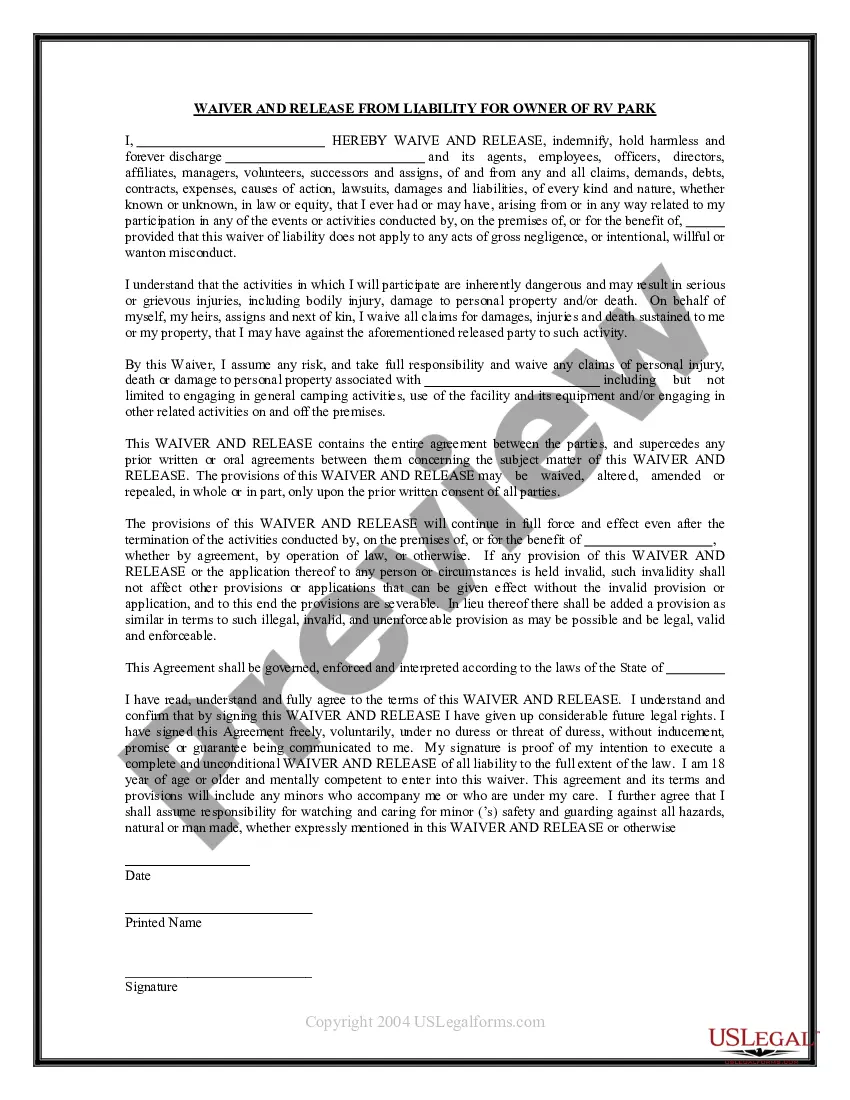
Get your form ready online
Our built-in tools help you complete, sign, share, and store your documents in one place.
Make edits, fill in missing information, and update formatting in US Legal Forms—just like you would in MS Word.
Download a copy, print it, send it by email, or mail it via USPS—whatever works best for your next step.
Sign and collect signatures with our SignNow integration. Send to multiple recipients, set reminders, and more. Go Premium to unlock E-Sign.
If this form requires notarization, complete it online through a secure video call—no need to meet a notary in person or wait for an appointment.
We protect your documents and personal data by following strict security and privacy standards.

Make edits, fill in missing information, and update formatting in US Legal Forms—just like you would in MS Word.

Download a copy, print it, send it by email, or mail it via USPS—whatever works best for your next step.

Sign and collect signatures with our SignNow integration. Send to multiple recipients, set reminders, and more. Go Premium to unlock E-Sign.

If this form requires notarization, complete it online through a secure video call—no need to meet a notary in person or wait for an appointment.

We protect your documents and personal data by following strict security and privacy standards.
Looking for another form?
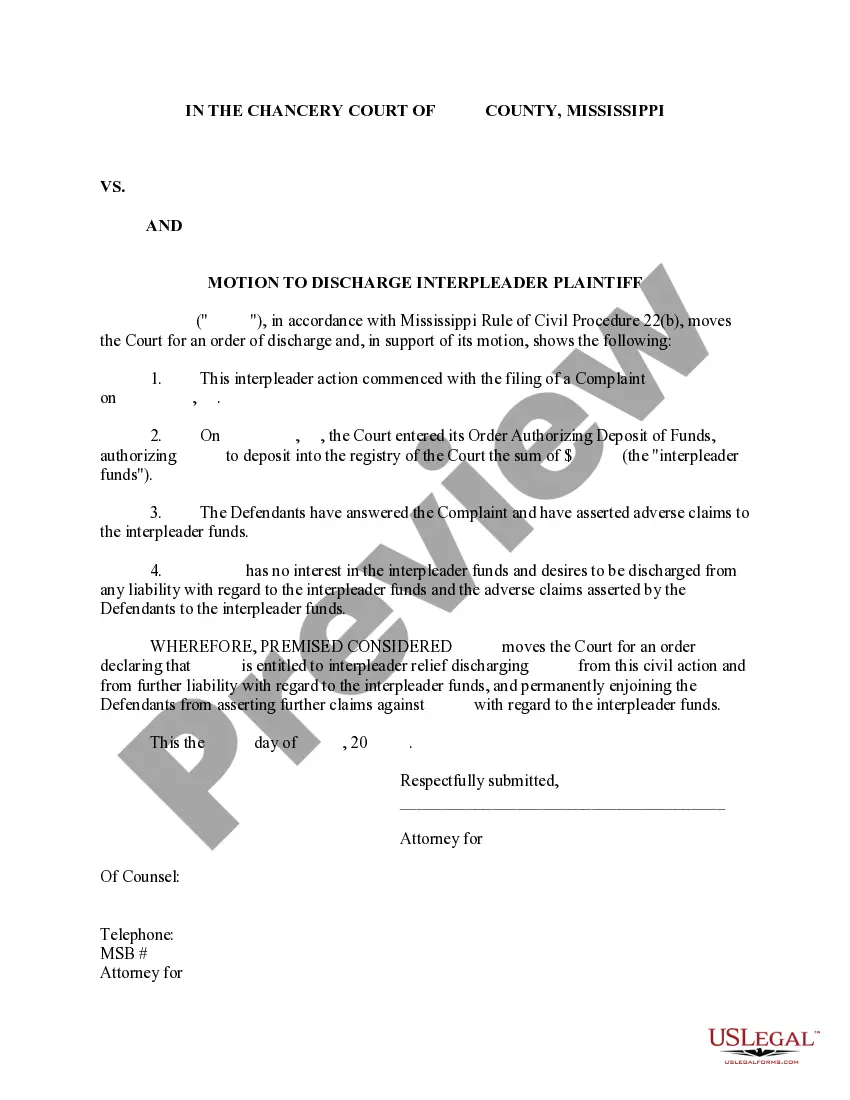


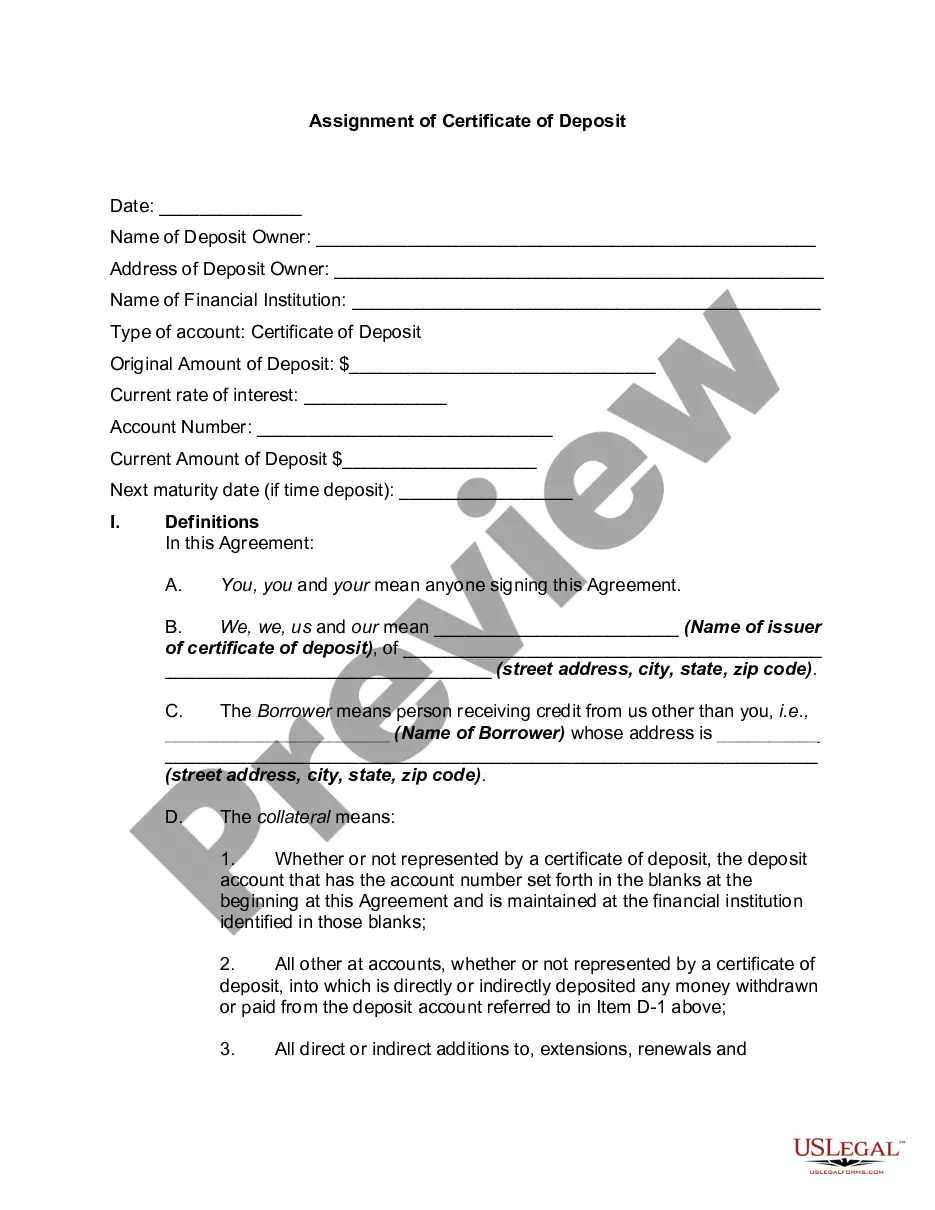






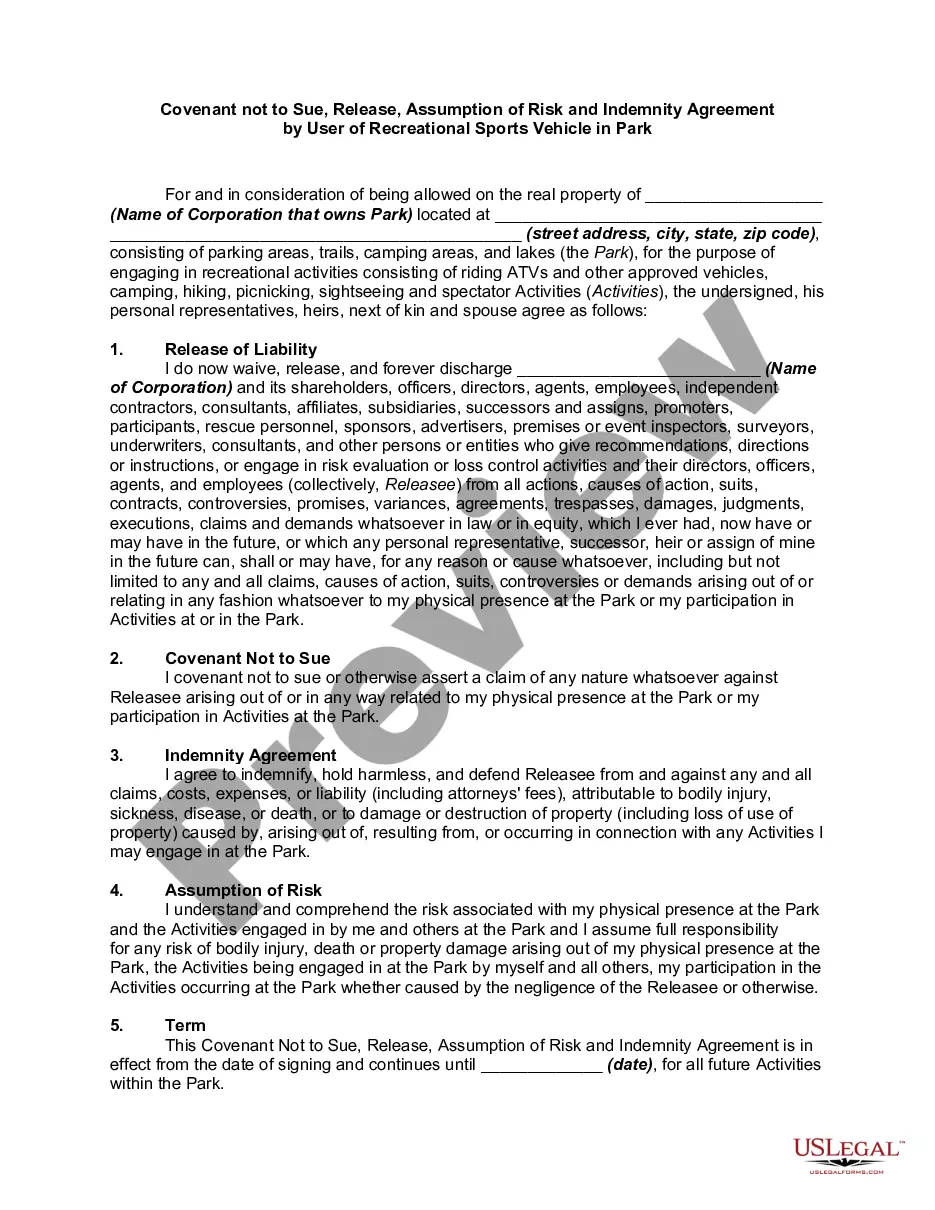
How to fill out Covenant Not To Sue, Release, Assumption Of Risk And Indemnity Agreement By User Of Recreational Sports Vehicle In Park?
Managing legal documents can be overwhelming, even for experienced experts.
When you seek to sue for vehicle title and lack the time to search for the appropriate and current version, the procedures may become daunting.
By having a membership, Log In to your US Legal Forms account, find the necessary form, and download it.
Check your My documents section to see the documents you have previously downloaded and manage your files as needed.
Leverage the US Legal Forms web library, backed by 25 years of experience and reliability. Transform your routine document management into a simple and user-friendly process today.
- Verify this is the correct document by previewing it and reviewing its description.
- Ensure the template is valid in your state or county.
- Click Buy Now when you are ready.
- Choose a subscription model.
- Select the file format you prefer, and Download, fill it out, eSign, print, and send your document.
- Utilize powerful tools to fill out and manage your suing for vehicle title.
- Access a comprehensive repository of articles, guides, and resources relevant to your situation and needs.
- Save time and energy searching for the documents you require, and leverage US Legal Forms’ sophisticated search and Preview function to locate and download suing for vehicle title.
Form popularity
FAQ
After selling a vehicle, your responsibility typically ends once the title transfer is completed and documented. However, it's wise to stay informed about any potential liabilities, such as accidents or violations linked to the vehicle before the transfer. If issues arise regarding the title after the sale, you may consider suing for vehicle title depending on the circumstances. To protect yourself, always keep records of the transaction and any communications with the buyer.
Attorneys who specialize in vehicle title issues typically have expertise in property law or consumer rights. These professionals can guide you through the complexities of suing for vehicle title claims, ensuring your rights are protected. Additionally, they can assist with paperwork and represent you in court if necessary. If you’re unsure where to start, platforms like US Legal Forms offer resources to connect with qualified attorneys in your area.
To successfully sue for vehicle title, you need to establish your legal ownership of the vehicle and show that the title was improperly withheld or disputed. Generally, you must file your case in the appropriate court and meet local jurisdiction requirements. Additionally, gathering necessary documents and evidence is crucial in supporting your claim. US Legal Forms offers various resources that can guide you through these requirements effectively.
Yes, you can file your own lawsuit when it comes to suing for vehicle title. However, it is important to understand the procedures and rules of your local court. Many people find that self-representation can be challenging, especially when navigating legal documentation. Using services like US Legal Forms can help you prepare your paperwork correctly, increasing the likelihood of a favorable outcome.
A ripped car title can lead to complications when trying to sell or transfer ownership of the vehicle. While it may still be valid, a damaged title can create doubts about its authenticity. To resolve issues related to a ripped title, you may need to apply for a replacement title through your state’s motor vehicle department. If disputes arise, understanding the process of suing for vehicle title can provide clarity and resolution.
Yes, you can sue a title company for negligence if they fail to fulfill their obligations, which results in financial loss or complications with your vehicle title. It is essential to demonstrate that their actions directly impacted you and caused harm. If you find yourself in this situation, exploring legal avenues, including suing for vehicle title, can be effective. Engaging a legal expert can help you navigate these waters.
Yes, a buyer can sue you after purchasing your car, usually related to issues such as title discrepancies or undisclosed problems. It is crucial to ensure that the vehicle title is clear and accurately reflects ownership before the sale. If legal disputes arise, understanding how to navigate suing for vehicle title becomes essential. Protecting yourself with proper documentation and disclosures can help mitigate such risks.
Selling a car with a damaged title can be challenging, but it is not impossible. When you pursue suing for a vehicle title, the goal is to resolve any discrepancies related to ownership or title status. It is important to be transparent with potential buyers about the title issues, as this can affect the sale. Additionally, consider working with legal professionals who can guide you through the process.
A car title may be deemed invalid if it lacks the necessary documentation or contains discrepancies like incorrect VINs or missing owner signatures. Titles that have been altered, forged, or contain any inaccuracies could also fall into the invalid category. If facing such issues, you may need legal help by suing for vehicle title to clarify ownership.
Suing a car dealership can be complex, depending largely on the circumstances of your case. If the dealership misrepresented the title or engaged in fraudulent practices, the process could be easier. When considering legal action, know that seeking guidance on suing for vehicle title issues can provide clarity and direction.